Introduction
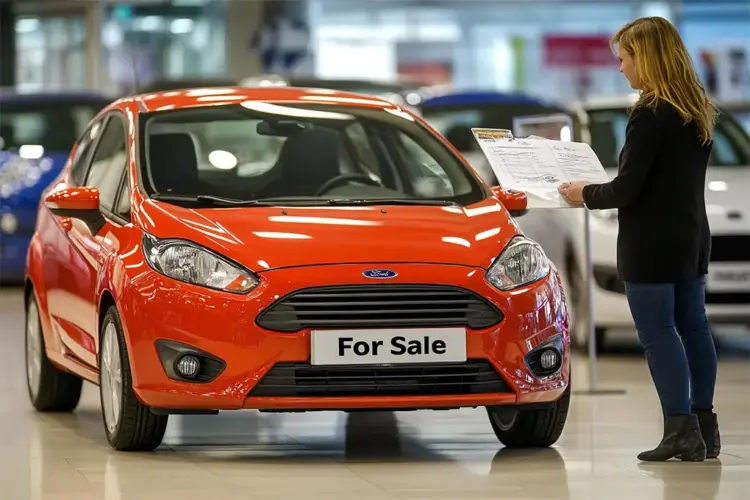
If you’re thinking about ditching your Ford Fiesta, you’re not alone. The compact car market is packed with alternatives that offer better performance, style, and value. Whether you’re after luxury, practicality, or something sporty, there’s a perfect match out there. Let’s dive into the best options and why they might just be the upgrade you’ve been waiting for.
Key Takeaways
- Luxury meets compact: The Audi A1 offers premium features in a small package.
- Practicality champion: The Honda Jazz combines space and efficiency effortlessly.
- Style and substance: The Hyundai i20 delivers modern design with reliable performance.
- Sporty thrills: The Mini Hatchback and Peugeot 208 bring fun to the daily drive.
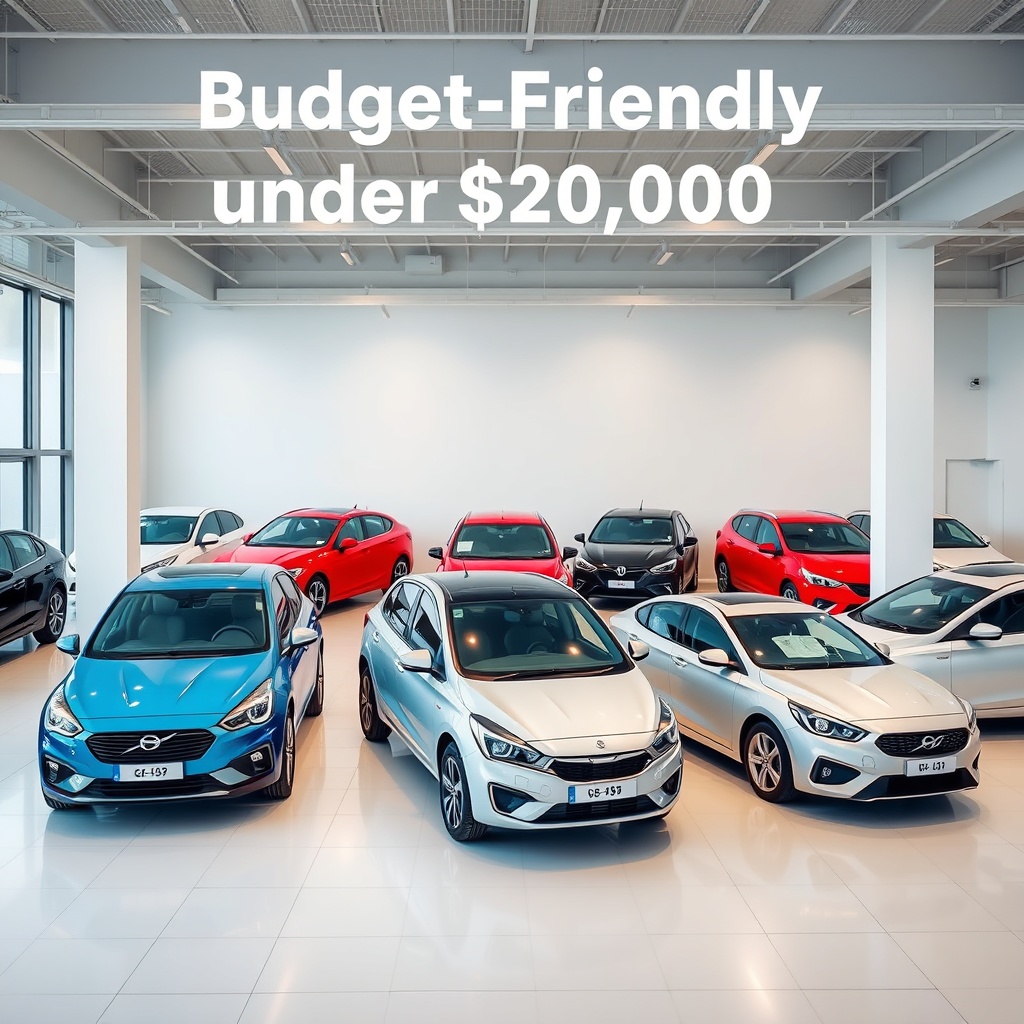
- Budget-friendly picks: The Renault Clio and Toyota Yaris offer affordability without compromise.
Introduction to Ford Fiesta Alternatives
Why Consider Alternatives to the Ford Fiesta?
The Ford Fiesta has been a staple in the compact car segment, but times change. Newer models offer advanced technology, better fuel efficiency, and more refined interiors. If you’re craving an upgrade or simply want something different, exploring alternatives is a smart move. Plus, with the rise of technological innovations, today’s compact cars are more exciting than ever.
Key Factors to Consider When Choosing an Alternative
When swapping your Fiesta, think about what matters most. Do you prioritise fuel economy, interior space, or driving dynamics? Budget is another critical factor—some alternatives offer luxury at a premium, while others focus on value. Don’t forget to check out best practices for maintaining your new car to keep it running smoothly for years.
Top Compact Car Alternatives to the Ford Fiesta
Audi A1 Luxury in a Compact Package
If you’re after a touch of luxury without sacrificing practicality, the Audi A1 is a stellar choice. We love its premium interior, which feels a cut above the Ford Fiesta. The A1’s refined ride and sharp handling make it a joy to drive, while its compact size ensures it’s easy to park. With a range of efficient engines, it’s a stylish and sophisticated alternative.
The Audi A1 also boasts advanced tech, including a crisp infotainment system and a digital cockpit. It’s a car that feels special every time you get behind the wheel. While it’s pricier than the Fiesta, the extra cost buys you a more upmarket experience. For those who value quality and prestige, the A1 is hard to beat.
Honda Jazz Practicality Meets Efficiency
The Honda Jazz is all about practicality, and it excels in this department. We appreciate its spacious interior, which offers more room than the Fiesta, especially in the back. The Magic Seats system is a game-changer, allowing you to configure the cabin in multiple ways. It’s perfect for carrying bulky items or passengers with ease.
Efficiency is another strong suit of the Jazz, with hybrid options delivering impressive fuel economy. The ride is comfortable, and the cabin is well-built, though it lacks the sporty edge of the Fiesta. If you prioritise space and versatility, the Jazz is a brilliant choice. It’s a car that grows on you the more you use it.
Hyundai i20 Style and Substance
The Hyundai i20 is a fantastic all-rounder that combines style with substance. We’re impressed by its sleek design and high-quality interior, which rivals more expensive cars. The i20 is packed with tech, including a large touchscreen and a suite of safety features. It’s a car that feels modern and well thought-out.
On the road, the i20 offers a comfortable ride and responsive handling. The engines are efficient, and the cabin is quiet at speed. For a detailed Hyundai i20 review, check out Top Gear’s take. It’s a compelling alternative to the Fiesta, especially if you value cutting-edge design and tech.
Sporty Alternatives for the Ford Fiesta Enthusiast
Mini Hatchback Iconic Design and Fun Driving
The Mini Hatchback is a legend for a reason. We adore its iconic design and go-kart-like handling, which makes every drive a blast. The cabin is quirky and full of character, with a premium feel that’s hard to match. It’s a car that puts a smile on your face, whether you’re nipping around town or hitting the open road.
While the Mini is small, it’s surprisingly practical, with decent boot space and comfortable seats. The range of engines includes punchy petrol options that deliver plenty of fun. If you’re after a car with personality and driving thrills, the Mini Hatchback is a top pick. It’s a step up from the Fiesta in terms of charm and driving dynamics.
Peugeot 208 French Flair with Modern Tech
The Peugeot 208 brings French flair to the compact car segment. We love its bold design and futuristic interior, which features a 3D digital instrument cluster. The 208 is packed with tech, including a slick infotainment system and advanced driver aids. It’s a car that feels fresh and innovative.
On the road, the 208 is comfortable and refined, with a range of efficient engines. The electric version is particularly impressive, offering silent, zero-emissions motoring. If you want a stylish and tech-savvy alternative to the Fiesta, the 208 is a great option. It’s a car that stands out from the crowd.
SEAT Ibiza Sporty and Affordable
The SEAT Ibiza is a sporty and affordable alternative to the Ford Fiesta. We appreciate its sharp handling and lively performance, which make it fun to drive. The Ibiza’s interior is well-built and practical, with plenty of space for passengers and luggage. It’s a car that balances sportiness with everyday usability.
With a range of efficient engines and a competitive price tag, the Ibiza offers great value for money. The infotainment system is user-friendly, and the cabin feels solid. If you’re after a fun-to-drive hatchback that won’t break the bank, the Ibiza is a smart choice. It’s a worthy rival to the Fiesta.
Budget-Friendly Alternatives to the Ford Fiesta
Renault Clio Affordable and Reliable
The Renault Clio is a budget-friendly alternative that doesn’t skimp on quality. We’re fans of its stylish design and comfortable ride, which make it a great daily driver. The Clio’s interior is well-equipped, with a user-friendly infotainment system and plenty of storage. It’s a car that offers excellent value for money.
Efficiency is another strong point, with a range of frugal engines that keep running costs low. The Clio is also reliable, with a solid reputation for durability. If you’re looking for an affordable and practical hatchback, the Clio is a top contender. It’s a sensible choice for budget-conscious buyers.
Toyota Yaris Efficiency and Durability
The Toyota Yaris is a standout choice for those prioritising efficiency and durability. We love its hybrid powertrain, which delivers impressive fuel economy and low emissions. The Yaris is also packed with safety tech, making it one of the safest cars in its class. It’s a car that’s built to last.
On the road, the Yaris is comfortable and easy to drive, though it lacks the sporty edge of the Fiesta. The cabin is well-built, with a focus on practicality. If you want a reliable and eco-friendly hatchback, the Yaris is a brilliant option. It’s a car that makes financial and environmental sense.
Vauxhall Corsa Great Value for Money
The Vauxhall Corsa is a great value-for-money alternative to the Ford Fiesta. We appreciate its stylish design and well-equipped interior, which includes a digital dashboard and a touchscreen infotainment system. The Corsa is comfortable to drive, with a range of engines to suit different needs.
With competitive pricing and low running costs, the Corsa is a practical choice for budget-conscious buyers. The cabin is spacious, and the boot is generous for its class. If you’re after a no-nonsense hatchback that delivers on all fronts, the Corsa is a solid pick. It’s a car that ticks all the right boxes.
Comparing Performance Ford Fiesta vs Alternatives
Acceleration and Handling
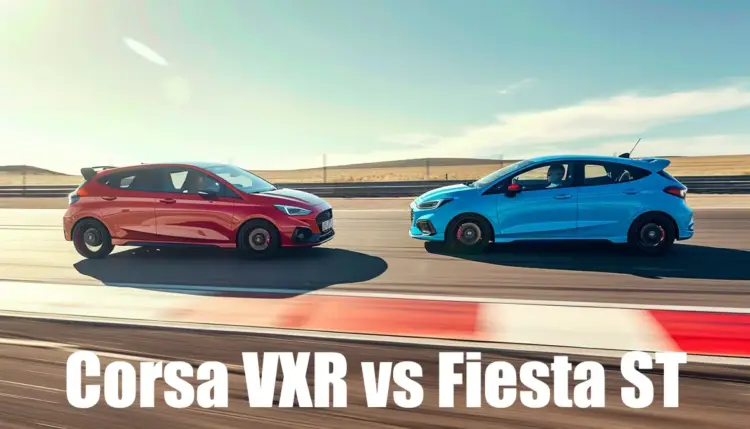
When it comes to acceleration, the Ford Fiesta has always been a fun little car, but how does it stack up against its rivals? The Audi A1, for instance, offers a smoother and more refined acceleration, thanks to its turbocharged engine. Meanwhile, the Mini Hatchback delivers that iconic go-kart feel, making every drive a thrill. The Fiesta holds its own, but if you’re after sheer excitement, the alternatives might just edge it out. Handling-wise, the Fiesta is nimble, but the Peugeot 208’s precise steering gives it an extra edge in tight corners.
Fuel efficiency is another critical factor. The Hyundai i20 and Toyota Yaris both outperform the Fiesta in this department, offering more miles per gallon without sacrificing performance. If you’re looking for a balance between speed and savings, these alternatives are worth considering. The Fiesta isn’t far behind, but the competition is fierce, and the numbers don’t lie. It’s all about what you prioritise—fun or frugality.
Fuel Efficiency Comparisons
Let’s talk numbers. The Ford Fiesta’s fuel economy is decent, but the Honda Jazz and Renault Clio take it to the next level. The Jazz’s hybrid option is a game-changer, offering unparalleled efficiency for city driving. The Clio, on the other hand, combines affordability with impressive fuel stats, making it a smart choice for budget-conscious buyers. The Fiesta’s figures are respectable, but in a world where every drop counts, the alternatives shine brighter.
Ride comfort and noise levels are often overlooked but crucial for long journeys. The SEAT Ibiza and Vauxhall Corsa both offer quieter cabins and smoother rides compared to the Fiesta. If you’re planning frequent motorway trips, these cars might save your sanity. The Fiesta isn’t bad, but it’s no match for the refined experience its competitors provide. It’s a trade-off between sporty dynamics and relaxed cruising—what’s your pick?
Interior and Technology Features Comparison
Infotainment Systems and Connectivity
The Ford Fiesta’s SYNC 3 system is user-friendly, but the Audi A1’s MMI interface feels like a step into the future. With crisp graphics and seamless smartphone integration, the A1 is a tech lover’s dream. The Hyundai i20 isn’t far behind, offering a large touchscreen and wireless Apple CarPlay. The Fiesta keeps things simple, but if you crave cutting-edge tech, the alternatives are hard to ignore. It’s a matter of preference—functionality or flair?
Interior space is another battleground. The Honda Jazz excels here, with its Magic Seats providing unmatched versatility. The Fiesta’s cabin is cosy but can feel cramped compared to the Jazz’s airy layout. If you regularly carry passengers or luggage, the Jazz’s practicality is a game-changer. The Fiesta is great for solo drivers, but families might find it limiting. It’s all about how you use your car—daily commuter or weekend adventurer?
Safety Technologies Across Models
Safety is non-negotiable, and the Toyota Yaris leads the pack with its comprehensive suite of features, including adaptive cruise control and lane-keeping assist. The Fiesta offers the basics, but the Yaris goes above and beyond. The Peugeot 208 also impresses with its night vision system, a rarity in this segment. If peace of mind is a priority, the alternatives offer more advanced options. The Fiesta is safe, but the competition is safer. Which would you choose?
Cost of ownership extends beyond the purchase price. Insurance costs for the Mini Hatchback can be surprisingly high, while the Renault Clio and Vauxhall Corsa are more budget-friendly. Maintenance is another consideration—the Toyota Yaris’s reliability means fewer trips to the garage. The Fiesta is affordable to run, but the alternatives can save you money in the long run. It’s worth crunching the numbers before you commit. After all, a car is a long-term investment.
Environmental Impact and Efficiency
Emissions Standards and Compliance
The Ford Fiesta meets current emissions standards, but the hybrid and electric alternatives are paving the way for a greener future. The Honda Jazz Hybrid, for example, emits significantly less CO2, making it a smarter choice for eco-conscious drivers. The Fiesta’s petrol engines are efficient, but they can’t compete with the Jazz’s hybrid tech. If reducing your carbon footprint matters, the alternatives are the clear winners. The future is green—are you ready to embrace it?
Hybrid and electric options are becoming more accessible, and the Toyota Yaris Hybrid is a standout. With its impressive electric range and low running costs, it’s a practical choice for urban drivers. The Fiesta’s lack of a hybrid variant is a missed opportunity. If you’re looking to future-proof your purchase, the Yaris is the way to go. The Fiesta is a solid car, but it’s not leading the charge in sustainability. The choice is yours—stick with tradition or go green?
Fuel Efficiency and Eco-Friendly Features
Fuel efficiency isn’t just about saving money—it’s about protecting the planet. The Hyundai i20 and Renault Clio both offer eco modes that optimise performance for maximum efficiency. The Fiesta has similar features, but the alternatives implement them more effectively. If you’re serious about reducing your environmental impact, these cars are worth a closer look. The Fiesta is good, but the competition is better. It’s a small step for you, but a giant leap for the planet.
For more insights on the environmental impact of compact cars, check out this authoritative guide. It’s a great resource for understanding the bigger picture. The Fiesta and its alternatives each have their strengths, but the future belongs to the most efficient and eco-friendly models. The question is, which side of history do you want to be on? The choice is yours—make it count.
User Reviews and Satisfaction Ratings
What Owners Love About Their Alternatives
Owners of alternatives like the Audi A1 and Honda Jazz rave about the blend of luxury and practicality. The Audi A1 offers a premium feel with its high-quality interior and smooth ride, while the Honda Jazz stands out for its spacious cabin and fuel efficiency. Many appreciate the Hyundai i20’s stylish design and advanced tech features, making it a favourite among younger drivers. These cars deliver on promises, ensuring satisfaction for those who prioritise comfort and reliability.
For sporty alternatives, the Mini Hatchback and SEAT Ibiza receive praise for their fun driving dynamics and responsive handling. Owners love the Mini’s iconic design and customisation options, while the Ibiza’s affordability and sporty flair make it a hit. The Peugeot 208’s modern tech and French charm also win over drivers looking for a unique blend of style and innovation. These models prove that alternatives can exceed expectations in performance and enjoyment.
Common Complaints and Issues
Despite their strengths, some alternatives have drawbacks. Audi A1 owners note the higher maintenance costs, while Honda Jazz drivers mention the lacklustre acceleration. The Hyundai i20’s infotainment system can be glitchy, frustrating tech-savvy users. These issues, though minor, are worth considering if they align with your deal-breakers. It’s all about weighing the pros and cons to find the right fit for your needs and preferences.
Sporty alternatives aren’t without flaws either. The Mini Hatchback’s ride can be firm, affecting comfort on long journeys, and the SEAT Ibiza’s cabin materials feel budget-friendly. The Peugeot 208’s small boot space is a common gripe. While these cars excel in driving pleasure, they may fall short in practicality. Understanding these trade-offs helps you make an informed decision without regrets down the road.
Reliability Ratings Over Time
Reliability is a key factor, and the Toyota Yaris and Renault Clio shine here. The Yaris boasts top-tier reliability scores, thanks to Toyota’s reputation for durability, while the Clio’s affordable maintenance costs keep owners happy. The Vauxhall Corsa also scores well, offering great value with minimal issues. These models prove that budget-friendly doesn’t mean compromising on long-term dependability.
For sporty options, the SEAT Ibiza and Mini Hatchback hold up well over time, though the latter’s higher repair costs can be a deterrent. The Peugeot 208’s reliability has improved, but it still lags behind Japanese rivals. Checking long-term reviews and warranty terms can give you peace of mind, ensuring your chosen car remains a reliable companion for years to come.
Customization and Personalization Options
Available Trims and Packages
Customisation starts with trim levels. The Audi A1 offers S Line and Black Edition trims, adding sporty aesthetics and premium features. The Honda Jazz comes in SE, EX, and Crosstar variants, catering to different budgets and lifestyles. The Hyundai i20’s N Line trim appeals to those seeking a sportier look. These options let you tailor the car to your taste without breaking the bank.
Sporty alternatives like the Mini Hatchback and Peugeot 208 offer even more flexibility. The Mini’s countless customisation options, from roof colours to interior finishes, make it a standout. The Peugeot 208’s GT Line and Allure trims blend style with practicality. Whether you prioritise performance or aesthetics, there’s a trim to match your vision, ensuring your car feels uniquely yours.
Aftermarket Upgrades and Accessories
For those who love tinkering, aftermarket upgrades open endless possibilities. The SEAT Ibiza and Hyundai i20 have thriving communities offering performance mods and styling kits. The Mini Hatchback’s aftermarket scene is legendary, with everything from exhaust systems to custom wheels available. These upgrades let you enhance performance or aesthetics, making your car truly one-of-a-kind.
Budget-friendly options like the Renault Clio and Vauxhall Corsa also benefit from aftermarket support. From alloy wheels to interior accessories, you can personalise these cars without a hefty investment. Just ensure upgrades are compatible and installed professionally to avoid voiding warranties. With the right touches, even an affordable car can reflect your personality and style.
Color and Design Choices
Colour plays a huge role in personalisation. The Audi A1’s vibrant palette includes bold hues like Turbo Blue, while the Honda Jazz offers more subdued tones. The Hyundai i20’s Phantom Black and Lumen Grey appeal to those who prefer sophistication. These choices let you express your personality, whether you crave attention or understated elegance.
Sporty alternatives like the Mini Hatchback and Peugeot 208 excel here too. The Mini’s iconic Union Jack roof and bold colour options make it a canvas for self-expression. The Peugeot 208’s two-tone schemes add a modern twist. Even budget options like the Toyota Yaris offer fun colours like Electric Blue. Your car’s exterior is the first thing people notice, so pick a shade that speaks to you.
Financing and Leasing Options
Best Financing Deals Available
Financing options vary by model, but the Hyundai i20 and Renault Clio often come with attractive deals. Low APR rates and deposit contributions make these cars accessible. The Audi A1’s premium status means higher monthly payments, but bundled maintenance plans can offset costs. Comparing offers from multiple lenders ensures you snag the best deal for your budget.
Sporty alternatives like the SEAT Ibiza and Mini Hatchback also have competitive financing. The Ibiza’s affordability shines with low monthly payments, while the Mini’s residual values keep lease costs manageable. Always read the fine print to avoid hidden fees. With the right financing, your dream car can be within reach without straining your finances.
Leasing vs Buying What’s Best for You
Leasing is ideal for those who love driving new cars every few years. The Peugeot 208 and Honda Jazz offer low monthly leases with minimal upfront costs. Buying, however, builds equity and suits long-term owners. The Toyota Yaris’s strong resale value makes it a smart purchase. Weigh your priorities—flexibility vs ownership—to choose the best option for your lifestyle.
For sporty cars, leasing the Mini Hatchback or SEAT Ibiza lets you enjoy the latest models without commitment. Buying these cars can be costlier upfront but pays off if you plan to keep them. Consider your driving habits and financial goals. Whether you lease or buy, ensure the terms align with your needs for a stress-free experience.
Negotiation Tips for the Best Price
Negotiating can save you thousands. Research invoice prices for models like the Audi A1 or Hyundai i20 to know what dealers pay. Timing matters—visit at month-end when sales targets loom. Be polite but firm, and don’t shy away from walking away if the deal doesn’t feel right. These tactics put you in control, ensuring you drive off with a smile and a fair price.
For sporty alternatives, highlight competitors’ offers to leverage better deals on the Mini Hatchback or Peugeot 208. Consider financing through third-party lenders for lower rates. Always test drive and inspect the car thoroughly before signing. A little preparation goes a long way in securing the best possible deal, leaving you satisfied with your purchase.

Test Driving Tips for Making the Right Choice
What to Look for During a Test Drive
A test drive is your chance to evaluate the car’s fit. Focus on comfort—adjust the seat, steering wheel, and mirrors to ensure ergonomic ease. Test the infotainment system for user-friendliness, like in the Audi A1 or Hyundai i20. Listen for unusual noises and note how the car handles bumps and corners. These details reveal whether the car suits your daily needs.
For sporty alternatives, pay attention to acceleration and handling. The Mini Hatchback and SEAT Ibiza should feel responsive and fun. Check visibility and cabin noise levels—key for long drives. Don’t rush; take your time to explore all features. A thorough test drive ensures you make an informed decision, avoiding buyer’s remorse later.
Comparing Multiple Cars Effectively
Comparing cars back-to-back highlights differences. Start with budget-friendly options like the Renault Clio and Toyota Yaris, noting their practicality and fuel efficiency. Then, test sportier models like the Peugeot 208 and Mini Hatchback for performance. Create a checklist of priorities—space, tech, driving dynamics—to objectively assess each car. This methodical approach simplifies the decision-making process.
Don’t overlook dealership experiences. Friendly, transparent staff at Hyundai or Audi dealers can influence your choice. Take notes and photos to compare later. Bringing a trusted friend for a second opinion can also help. By evaluating multiple cars systematically, you’ll find the perfect match for your needs and preferences.
Questions to Ask the Dealer
Asking the right questions ensures transparency. Inquire about warranty coverage, especially for models like the Honda Jazz or Vauxhall Corsa. Ask for a breakdown of all costs, including hidden fees. For financing or leasing, clarify terms and penalties. These questions help you avoid surprises and build trust with the dealer.
For sporty alternatives, ask about maintenance schedules and common issues with the Mini Hatchback or SEAT Ibiza. Request a vehicle history report if considering a used car. Don’t hesitate to negotiate extras like free servicing or accessories. A well-informed buyer is a confident one, ensuring you drive away with the best deal and peace of mind.
The Future of Compact Cars Trends to Watch
The Rise of Electric Compact Cars
Electric vehicles are no longer a niche market, and compact cars are leading the charge. With brands like Tesla and Nissan introducing affordable electric models, the shift is undeniable. We’re seeing more charging infrastructure and government incentives, making EVs a practical choice. The future is electric, and compact cars are at the forefront of this revolution, offering efficiency without compromising on style or performance.
Autonomous Features in Small Cars
Autonomous driving isn’t just for luxury vehicles anymore. Compact cars are integrating advanced driver-assistance systems (ADAS) like lane-keeping and adaptive cruise control. These features enhance safety and convenience, making city driving a breeze. As technology evolves, we expect fully autonomous compact cars to become a reality, transforming how we navigate urban environments.
How Consumer Preferences Are Changing
Today’s buyers prioritise sustainability, technology, and affordability. Compact cars are adapting with hybrid options, smart connectivity, and sleek designs. The demand for eco-friendly and tech-savvy vehicles is reshaping the market. We’re witnessing a shift from sheer power to intelligent, efficient driving experiences, and compact cars are perfectly positioned to meet these evolving needs.
How to Sell Your Ford Fiesta for the Best Price
Preparing Your Car for Sale
First impressions matter, so start with a thorough clean inside and out. Address minor repairs like scratches or worn tyres to boost appeal. Gather all service records to prove your Fiesta’s maintenance history. A well-presented car not only attracts buyers but also justifies a higher asking price. We recommend professional detailing for that showroom finish.
Where to Sell Dealership vs Private Sale
Selling to a dealership is quick but often yields less profit. Private sales offer better returns but require more effort. Consider platforms like Lowes Auto for a hassle-free experience. Weigh the pros and cons based on your timeline and financial goals. Remember, transparency about your car’s condition builds trust, whether you’re dealing with a dealer or a private buyer.
Timing Your Sale for Maximum Profit
Market demand fluctuates, so timing is key. Spring and summer often see higher demand for compact cars. Avoid selling during holidays when buyers are scarce. Research local market trends to strike while the iron’s hot. A strategic approach ensures you get the best possible price for your Ford Fiesta.
Making the Final Decision Which Alternative is Right for You
Assessing Your Needs and Preferences
Start by listing your must-haves, whether it’s fuel efficiency, tech features, or boot space. Test drive multiple models to compare comfort and handling. Don’t overlook long-term costs like insurance and maintenance. We find that aligning your choice with daily needs ensures satisfaction for years to come.
Comparing Top Picks Side by Side
Create a checklist to evaluate alternatives like the Honda Jazz or Hyundai i20. Compare specs, pricing, and ownership costs. Online tools and reviews can simplify this process. A side-by-side analysis highlights the best fit for your lifestyle and budget.
Taking the Next Steps Towards Purchase
Once you’ve narrowed it down, explore financing options and dealer incentives. Don’t hesitate to negotiate for extras like warranties or free servicing. We recommend visiting multiple dealers to secure the best deal. With research and patience, you’ll drive away in the perfect compact car.
Frequently Asked Questions
What are the best electric compact cars available now?
The Nissan Leaf and Tesla Model 3 are top contenders, offering range and affordability. Brands like Hyundai and Kia are also introducing competitive models. Charging infrastructure improvements make EVs a viable option for urban drivers.
How do autonomous features enhance compact cars?
Features like adaptive cruise control and lane-keeping assist reduce driver fatigue and improve safety. These technologies are becoming standard in many compact models, making city driving more convenient and secure.
What should I look for when test driving a compact car?
Focus on comfort, visibility, and handling in tight spaces. Test infotainment systems and safety features. Pay attention to noise levels and ride quality, especially on rough roads.
Is it better to buy or lease a compact car?
Leasing offers lower monthly payments and the latest tech, while buying builds equity. Consider your driving habits and financial goals. Leasing is ideal for those who enjoy frequent upgrades, while buying suits long-term owners.
How can I maximise the resale value of my compact car?
Regular maintenance and keeping detailed service records are crucial. Avoid modifications that deter buyers. Timing your sale during peak demand periods also helps secure a higher price. For more tips, check out this guide.