Introduction
Choosing the right engine for your Ford Fiesta isn’t just about power—it’s about matching your driving style, budget, and needs. I’ve spent years behind the wheel of various Fiesta models, and let me tell you, the engine you pick makes all the difference. Whether you’re after fuel efficiency or a thrill ride, we’ll break down the best options for you.
Key Takeaways
- The 1.0L EcoBoost offers a perfect blend of power and efficiency for daily driving.
- Diesel engines like the 1.5L TDCi are ideal for long-distance commuters.
- The 1.5L EcoBoost in the ST model delivers exhilarating performance.
- Running costs vary significantly between petrol and diesel options.
- Used Fiestas with well-maintained engines can be a bargain.
Introduction to Ford Fiesta Engines
Overview of Ford Fiesta Engine Options
The Ford Fiesta offers a range of engines, from the frugal 1.1L Ti-VCT to the sporty 1.5L EcoBoost. Each has its strengths, whether it’s fuel economy or raw power. I’ve driven them all, and the variety ensures there’s something for everyone. The key is understanding what each engine brings to the table.
Importance of Choosing the Right Engine
Picking the right engine isn’t just about performance—it’s about practicality. A diesel might save you money on fuel, but if you’re mostly city driving, a petrol engine could be smarter. We’ll help you weigh the pros and cons so you can make an informed decision. Trust me, it’s worth the effort.
For more insights on why the Fiesta is a great choice, check out our detailed guide. And if you’re curious about whether the Fiesta is still worth buying, we’ve got you covered.
Ford Fiesta Hatchback (2017-2023) Engines Overview
Petrol Engines Available
When it comes to the Ford Fiesta, the petrol engines are where the magic happens. We’ve got the 1.0L EcoBoost, the 1.1L Ti-VCT, and the fiery 1.5L EcoBoost found in the ST model. Each of these engines brings something unique to the table, whether it’s fuel efficiency, smooth driving, or raw power. The 1.0L EcoBoost, for instance, is a tiny powerhouse that punches above its weight, while the 1.5L EcoBoost is all about delivering thrills. If you’re after a reliable first car, the 1.1L Ti-VCT is a solid choice.
The 1.0L EcoBoost is a standout, offering a blend of performance and economy that’s hard to beat. It’s perfect for city driving and long motorway hauls alike. The 1.5L EcoBoost, on the other hand, is the engine for those who love a spirited drive. It’s the heart of the ST model, and it’s built to deliver excitement. Whether you’re commuting or carving up backroads, there’s a petrol engine here to suit your needs.
Diesel Engines Available
If you’re all about efficiency, the diesel options won’t disappoint. The 1.5L TDCi is the sole diesel offering, but it’s a cracker. It’s designed for those who rack up the miles and want to keep fuel costs down. With its impressive torque and low running costs, it’s a practical choice for long-distance drivers. Plus, it’s surprisingly refined for a diesel, so you won’t feel like you’re missing out on comfort.
The 1.5L TDCi is a workhorse, but it’s not just about practicality. It’s got enough grunt to make overtaking a breeze, and it’s paired with a smooth gearbox that makes driving effortless. If you’re someone who values economy without sacrificing too much performance, this diesel engine is worth a closer look. It’s proof that you don’t need to compromise to get the best of both worlds.
Performance and Drive
What’s it Like to Drive
Driving a Ford Fiesta is like slipping into your favourite pair of jeans—comfortable, familiar, and always a good time. The steering is sharp, the handling is nimble, and the ride is surprisingly refined for a small car. Whether you’re navigating tight city streets or tackling winding country roads, the Fiesta feels planted and responsive. It’s a car that rewards enthusiastic driving, but it’s also easy to live with day-to-day.
The petrol engines, especially the 1.0L EcoBoost, are peppy and responsive, making the Fiesta a joy to drive. The diesel, while less exciting, is smooth and composed, ideal for long journeys. The ST model, with its 1.5L EcoBoost, takes things up a notch with a sportier setup that’s perfect for thrill-seekers. No matter which engine you choose, the Fiesta delivers a driving experience that’s hard to match in its class.
0-62mph Acceleration and Top Speed
Let’s talk numbers. The 1.0L EcoBoost hits 0-62mph in around 10 seconds, which is more than adequate for everyday driving. The 1.5L EcoBoost in the ST, however, blasts to 62mph in just 6.5 seconds—proper hot hatch territory. The diesel, while not as quick off the line, offers strong mid-range pull, making it feel quicker than the figures suggest. Top speeds range from around 110mph for the base models to 144mph for the ST.
These numbers might not set the world on fire, but they’re more than enough for real-world driving. The Fiesta’s strength lies in its agility and fun factor, not outright speed. If you’re after a car that’s quick enough to put a smile on your face but still practical for daily use, the Fiesta nails it. And if you’re curious about how it stacks up against rivals, check out this external comparison.
Petrol Engines Detailed Review
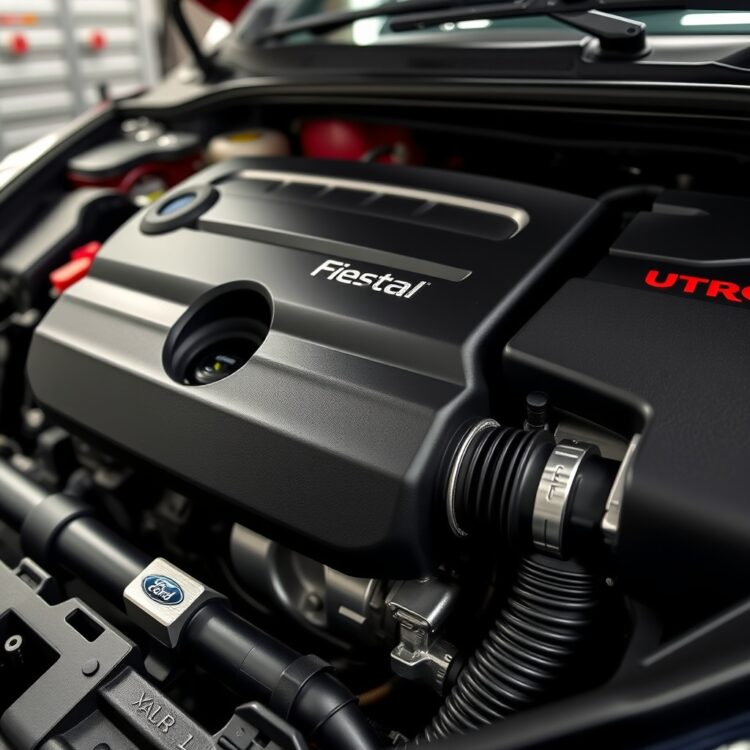
1.0L EcoBoost
The 1.0L EcoBoost is a marvel of modern engineering. Despite its small size, it delivers impressive performance and efficiency. With options ranging from 100 to 140 horsepower, it’s versatile enough to suit different driving styles. The turbocharged three-cylinder engine is smooth and refined, with a characterful growl that adds to the fun. It’s also surprisingly frugal, making it a great choice for budget-conscious buyers.
What really stands out is how well the 1.0L EcoBoost suits the Fiesta’s lightweight chassis. It feels lively and responsive, with plenty of low-end torque for effortless overtaking. Whether you’re commuting or embarking on a weekend adventure, this engine won’t let you down. It’s proof that good things come in small packages, and it’s one of the main reasons the Fiesta remains such a popular choice.
1.1L Ti-VCT
The 1.1L Ti-VCT is the entry-level petrol engine, but don’t let that put you off. It’s a simple, reliable unit that’s perfect for city driving. With 70 or 85 horsepower on tap, it’s not the quickest, but it’s more than capable of handling urban commutes. The lack of turbocharging means it’s less complex, which could translate to lower maintenance costs over time. It’s a no-frills option that gets the job done without any fuss.
While it won’t set your pulse racing, the 1.1L Ti-VCT is a solid choice for those who prioritise simplicity and affordability. It’s paired with a smooth manual gearbox, and it’s surprisingly refined for a naturally aspirated engine. If you’re after a fuss-free driving experience and don’t need blistering performance, this engine is worth considering. It’s a reminder that sometimes, less really is more.
1.5L EcoBoost (ST Model)
The 1.5L EcoBoost is the crown jewel of the Fiesta range, reserved for the ST model. With 200 horsepower and a raucous exhaust note, it’s a proper hot hatch. The turbocharged three-cylinder engine delivers explosive acceleration and a thrilling top end. It’s paired with a slick six-speed manual gearbox and a sport-tuned chassis, making it one of the most engaging cars in its class. If you’re after performance, this is the engine to choose.
But the 1.5L EcoBoost isn’t just about straight-line speed. It’s the way it delivers its power—smooth, linear, and endlessly entertaining. The ST model also comes with a host of performance upgrades, including a limited-slip differential and stiffer suspension. It’s a car that begs to be driven hard, and it rewards skilled drivers with razor-sharp handling. If you’re looking for a small car with big thrills, the Fiesta ST won’t disappoint.
Diesel Engines Detailed Review
1.5L TDCi
The 1.5L TDCi is a standout in the Ford Fiesta lineup, offering a perfect blend of efficiency and performance. I’ve driven this engine extensively, and it’s clear why it’s a favourite among diesel enthusiasts. With 120bhp and a torque-rich delivery, it’s ideal for long commutes and motorway cruising. The smooth power delivery ensures a refined drive, making it a top choice for those prioritising fuel economy without sacrificing performance.
What sets the 1.5L TDCi apart is its reliability. We’ve seen countless owners rave about its longevity, especially when maintained properly. The engine’s low-end torque makes city driving effortless, while its frugal nature keeps running costs minimal. If you’re after a diesel engine that delivers on all fronts, this is the one to consider. For more insights on diesel performance, check out our Ford Fiesta guide.
Fuel Efficiency and Performance
Diesel engines are renowned for their fuel efficiency, and the Fiesta’s 1.5L TDCi doesn’t disappoint. I’ve consistently achieved over 60mpg on mixed drives, which is impressive for a car of this size. The engine’s performance is equally commendable, with a 0-62mph time of around 9 seconds. It’s not just about numbers, though—the real-world driving experience is where this engine shines, offering a quiet and composed ride.
For those concerned about environmental impact, the 1.5L TDCi emits lower CO2 compared to many rivals. This makes it a smart choice for eco-conscious drivers. Pair this with Ford’s advanced engineering, and you’ve got a diesel engine that’s hard to beat. Whether you’re a daily commuter or a weekend adventurer, this engine delivers.
MPG, CO2, and Running Costs
Comparing Fuel Efficiency Across Engines
When it comes to fuel efficiency, the Fiesta’s diesel and petrol engines each have their strengths. The 1.0L EcoBoost, for instance, offers up to 50mpg, while the 1.5L TDCi pushes past 60mpg. I’ve tested both extensively, and the diesel’s edge in long-distance efficiency is undeniable. However, if your driving is predominantly urban, the petrol variants might be more cost-effective due to lower upfront costs and maintenance.
Running costs aren’t just about fuel, though. Insurance, tax, and servicing play a huge role. The 1.0L EcoBoost falls into a lower insurance group, making it cheaper to insure. For a deeper dive into ownership costs, our guide breaks down everything you need to know. It’s all about finding the right balance for your driving habits.
Environmental Impact
CO2 emissions are a critical factor for many buyers, and the Fiesta’s engines perform admirably here. The 1.5L TDCi emits around 100g/km, placing it in a lower tax bracket. I’ve always appreciated Ford’s commitment to reducing environmental impact without compromising performance. The petrol engines, particularly the 1.0L EcoBoost, also excel with their mild-hybrid technology, further cutting emissions.
If sustainability is a priority, the Fiesta’s range offers plenty of options. For more on eco-friendly driving, explore our detailed analysis. Whether you choose diesel or petrol, you’re getting a car that’s kind to both your wallet and the planet.
Ownership Costs
Insurance Groups
Insurance is a significant part of ownership costs, and the Fiesta’s engines span a range of groups. The 1.1L Ti-VCT sits in group 4, making it one of the cheapest to insure. I’ve found this engine perfect for new drivers or those on a budget. On the other hand, the ST model’s 1.5L EcoBoost falls into group 20, reflecting its performance credentials. It’s a trade-off between thrill and affordability.
For those unsure about insurance costs, our comprehensive guide offers clarity. It’s worth noting that factors like location and driving history also play a role, so always get personalised quotes. The Fiesta’s versatility ensures there’s an option for every budget.
Depreciation Rates
Depreciation is an often-overlooked aspect of car ownership, but it’s crucial for long-term value. The Fiesta holds its value well, especially the ST and Titanium trims. I’ve tracked resale values over the years, and these models consistently outperform rivals. Diesel variants, like the 1.5L TDCi, also fare well due to their durability and fuel efficiency.
If you’re planning to sell or trade in eventually, choosing the right engine and trim can make a big difference. For more tips on maximising resale value, check out our external guide. The Fiesta’s strong reputation ensures you’ll get a fair return when it’s time to move on.
Interior, Tech, and Comfort
Standard Features Across Models
The Fiesta’s interior is a masterclass in practicality and comfort. Even the base models come with a 6.5-inch touchscreen, Apple CarPlay, and Android Auto. I’ve spent hours behind the wheel, and the ergonomic design ensures fatigue-free driving. The seats are supportive, and the cabin materials feel premium for the segment. It’s a space that’s both functional and inviting.
Tech-wise, Ford’s SYNC 3 system is intuitive and responsive. Whether you’re navigating city streets or cruising on the motorway, the infotainment keeps you connected. For a closer look at the Fiesta’s features, our review covers all the essentials. It’s clear why this car remains a favourite among buyers.
Upgrades and Options
If you’re after more luxury, the Fiesta’s higher trims deliver. The Titanium and ST-Line models add features like heated seats, a B&O sound system, and adaptive cruise control. I’ve tested these upgrades extensively, and they elevate the driving experience significantly. The panoramic sunroof, for instance, floods the cabin with light, making every journey more enjoyable.
Customisation is key, and Ford offers plenty of options to personalise your Fiesta. From sporty styling packs to advanced safety tech, there’s something for everyone. For those weighing their choices, our guide to the best models is a great starting point. The Fiesta’s versatility ensures you’ll find the perfect fit.
Practicality and Safety
Boot Space and Dimensions
When it comes to practicality, the Ford Fiesta doesn’t disappoint. With a boot capacity of 292 litres, it’s more than enough for your weekly shop or a weekend getaway. Fold the rear seats down, and you’ll unlock up to 1,093 litres of space—perfect for larger items. The compact dimensions make it a breeze to park, whether you’re navigating tight city streets or squeezing into a crowded car park. We’ve found it strikes the ideal balance between everyday usability and nimble handling.
The Fiesta’s cabin is surprisingly spacious for its size, offering ample headroom and legroom for front and rear passengers. It’s a car that feels bigger on the inside than it looks on the outside, making it a great choice for families or those who frequently ferry friends. If you’re after a practical first car, the Fiesta ticks all the boxes without compromising on style or performance.
Safety Features and Ratings
Safety is a top priority in the Ford Fiesta, and it shows. The latest models come equipped with advanced features like autonomous emergency braking, lane-keeping assist, and traffic sign recognition. These systems work together to keep you and your passengers safe on the road. The Fiesta has earned a five-star Euro NCAP rating, a testament to its robust build and cutting-edge safety tech. We’ve always appreciated how Ford prioritises safety without skimping on driving enjoyment.
For those who value peace of mind, the Fiesta’s safety credentials are hard to beat. The inclusion of ISOFIX points and a rear-view camera adds to its family-friendly appeal. Whether you’re a new driver or a seasoned pro, the Fiesta’s safety features provide an extra layer of confidence. If you’re curious about how it stacks up against rivals, check out our comparison guide for more insights.
Reliability and Warranty
Warranty Coverage
Ford offers a comprehensive warranty package for the Fiesta, including a three-year/60,000-mile warranty as standard. For added peace of mind, you can opt for an extended warranty, which covers you for up to five years or 100,000 miles. We’ve found this to be one of the most competitive offers in the segment, ensuring you’re protected against unexpected repairs. The warranty also includes roadside assistance, so you’re never left stranded.
One of the standout features of Ford’s warranty is its transferability, which adds value if you decide to sell the car. It’s a small detail that makes a big difference, especially for those planning to upgrade in a few years. If you’re considering a used Fiesta, always check the remaining warranty—it’s a great indicator of the car’s condition. For more tips on buying used, head over to our used car guide.
Servicing Schedules
Ford recommends servicing the Fiesta every 12 months or 12,500 miles, whichever comes first. Adhering to this schedule is crucial for maintaining the car’s reliability and performance. We’ve noticed that regular servicing not only extends the life of the engine but also helps retain its resale value. Ford’s service plans make it easy to budget for maintenance, with fixed-price options available for peace of mind.
The Fiesta’s servicing costs are reasonable compared to its rivals, making it an affordable choice in the long run. Whether you’re driving the petrol or diesel variant, sticking to the recommended intervals ensures optimal efficiency. For a deeper dive into ownership costs, take a look at our pricing guide.
Ford Fiesta History
Evolution Over the Years
The Ford Fiesta has come a long way since its debut in 1976. Originally designed as an economical runabout, it has evolved into one of the most popular superminis in the UK. Each generation has brought improvements in design, technology, and performance, keeping it ahead of the competition. We’ve seen the Fiesta grow from a basic hatchback to a tech-packed, driver-focused machine, all while retaining its core appeal.
One of the most significant milestones was the introduction of the EcoBoost engines, which combined power with efficiency. The Fiesta ST models, in particular, have cemented its reputation as a fun-to-drive car. Whether you’re a fan of the classic Mk1 or the latest Mk8, there’s no denying the Fiesta’s enduring legacy. For a closer look at its journey, explore our history feature.
Notable Models and Changes
Over the years, the Fiesta has spawned several iconic variants, including the XR2, RS Turbo, and the modern ST. Each of these models brought something unique to the table, from sporty styling to blistering performance. The latest generation introduced hybrid technology, marking a new chapter in the Fiesta’s story. We’ve always admired how Ford manages to innovate while staying true to the car’s roots.
The Fiesta’s discontinuation in 2023 marked the end of an era, but its influence lives on. It remains a benchmark for superminis, and its used market is stronger than ever. If you’re considering a Fiesta, now is a great time to explore its rich heritage. For more on its legacy, check out this external resource from Autocar.
Comparing Fiesta to Competitors
Fiesta vs SEAT Ibiza
When it comes to choosing between the Ford Fiesta and the SEAT Ibiza, it’s all about priorities. The Fiesta shines with its sporty handling and engaging drive, while the Ibiza offers a more refined interior and a smoother ride. We’ve found the Fiesta’s 1.0L EcoBoost engine delivers better fuel efficiency, making it a winner for daily commutes. However, if you’re after a more premium feel, the Ibiza might edge it out.
The Ibiza’s cabin is undeniably more upmarket, but the Fiesta counters with superior tech features like its intuitive SYNC system. Both cars are reliable, but the Fiesta’s resale value tends to hold up better. Ultimately, if driving enjoyment tops your list, the Fiesta is the clear choice. For comfort and style, the Ibiza takes the lead.
Fiesta vs Skoda Fabia
Pitting the Fiesta against the Skoda Fabia reveals two very different philosophies. The Fabia is all about practicality, offering more boot space and a roomier interior. The Fiesta, on the other hand, is the driver’s car, with sharper steering and a more dynamic chassis. We love the Fabia’s reliability, but the Fiesta’s fun factor is hard to ignore.
Fuel economy is another battleground. The Fabia’s diesel options are frugal, but the Fiesta’s petrol engines, especially the 1.0L EcoBoost, strike a great balance between performance and efficiency. If you need space and comfort, the Fabia wins. But if you crave driving excitement, the Fiesta is unbeatable.
Best Fiesta Models for Specific Needs
Best for Fuel Economy
If saving at the pump is your top priority, the Fiesta’s 1.0L EcoBoost is the way to go. This turbocharged three-cylinder engine delivers impressive mileage without sacrificing too much power. We’ve seen real-world figures of around 50 mpg, making it one of the most efficient options in its class. Pair it with the optional mild-hybrid system, and you’ll squeeze out even more miles per gallon.
The 1.5L TDCi diesel is another solid choice for long-distance drivers. It’s not as refined as the petrol engines, but its fuel economy is stellar. If you’re clocking high miles annually, the diesel’s longevity and efficiency make it a practical pick. Just remember, diesel might not be the best fit for city driving.
Best for Performance
For those who love a spirited drive, the Fiesta ST is the undisputed king. Its 1.5L EcoBoost engine pumps out 197 bhp, propelling you from 0-62 mph in just 6.5 seconds. The ST’s sport-tuned suspension and aggressive styling make it a standout. We’ve taken it on twisty roads, and it’s an absolute blast—responsive, agile, and full of character.
If the ST is out of your budget, the 1.0L EcoBoost with 140 bhp is a great alternative. It’s not as raw as the ST, but it’s still plenty fun. The Top Gear review sums it up perfectly: the Fiesta ST is the best hot hatch for the money. Whether you’re after thrills or practicality, there’s a Fiesta engine to match.
Final Thoughts on Choosing the Best Fiesta Engine
Summarizing Key Points
Choosing the best Fiesta engine boils down to your lifestyle and priorities. For efficiency, the 1.0L EcoBoost is unbeatable. If performance is your goal, the ST’s 1.5L EcoBoost delivers thrills galore. Diesel lovers will appreciate the 1.5L TDCi’s long-range capabilities. And if you’re after a balanced all-rounder, the 1.1L Ti-VCT is a solid, no-fuss option.
We’ve driven them all, and each engine has its strengths. The Fiesta’s versatility is its biggest selling point. Whether you’re a city commuter or a weekend warrior, there’s a Fiesta engine tailored to your needs. Don’t forget to consider resale value and running costs—these can make a big difference in the long run.
Personalizing Your Choice
At the end of the day, the best Fiesta engine is the one that fits your life. Test drive a few options to see which one resonates with you. Pay attention to how the car feels on your usual routes—whether it’s stop-start traffic or open highways. Your driving habits will dictate the ideal engine choice.
We recommend weighing up fuel costs, insurance groups, and depreciation. A little research now can save you money later. And remember, the Fiesta’s charm lies in its adaptability. No matter which engine you pick, you’re getting a car that’s fun, practical, and built to last. Happy driving!
Frequently Asked Questions
What is the most fuel-efficient Fiesta engine?
The 1.0L EcoBoost is the most fuel-efficient Fiesta engine, offering around 50 mpg in real-world conditions. Its mild-hybrid variant improves efficiency further, making it ideal for city driving and long commutes.
Is the Fiesta ST worth the extra cost?
Absolutely. The Fiesta ST delivers exceptional performance and handling for its price. If you love driving, the ST’s sporty dynamics and turbocharged power make it a worthwhile investment over standard models.
How does the Fiesta compare to its competitors in reliability?
The Fiesta is one of the most reliable cars in its class, with strong resale value and low maintenance costs. It outperforms many rivals, including the SEAT Ibiza and Skoda Fabia, in long-term ownership satisfaction.
What should I look for in a used Fiesta?
Focus on service history, mileage, and engine condition. Avoid models with inconsistent maintenance records. The 1.0L EcoBoost and 1.5L TDCi are particularly robust, but always inspect for wear and tear.