Introduction
When it comes to compact cars, the Ford Fiesta has long been a favourite for its affordability and practicality. But is it truly the best option out there? I’ve spent years exploring alternatives, and I’m here to share my insights. Whether you’re after performance, luxury, or efficiency, there’s a car that outshines the Fiesta in every way. Let’s dive into the world of superior alternatives.
Key Takeaways
- The Ford Fiesta is a solid choice, but competitors offer better features and value.
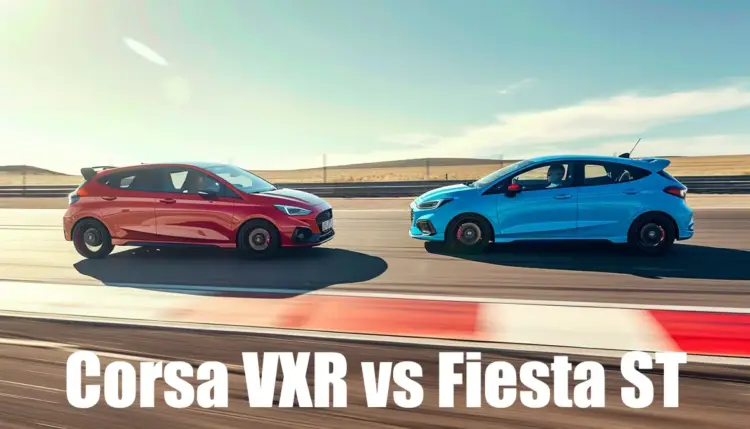
- Performance enthusiasts should consider the Vauxhall Corsa VXR for its sporty dynamics.
- Luxury seekers will love the Audi A1 for its premium compact experience.
- Fuel efficiency? The Toyota Yaris and Honda Jazz are unbeatable.
- Always test drive your top choices to find the perfect fit.
Introduction to Ford Fiesta Alternatives
Understanding the Ford Fiesta’s Market Position
The Ford Fiesta has dominated the compact car market for decades, thanks to its affordability and reliability. It’s a go-to for first-time buyers and city drivers. However, the automotive world has evolved, and so have consumer expectations. Today, drivers demand more—whether it’s advanced tech, superior performance, or eco-friendly options.
Criteria for Evaluating Better Cars
To find a car that surpasses the Fiesta, we need to consider key factors: performance, fuel efficiency, safety, and cost of ownership. It’s not just about price; it’s about value. A car might cost slightly more upfront but save you thousands in the long run. That’s the kind of smart choice we’re looking for.
Overview of Car Comparison
In this guide, we’ll explore compact cars, luxury alternatives, and performance-oriented models. Each category offers something unique, whether it’s the Honda Jazz’s versatility or the Mini Hatchback’s iconic style. By the end, you’ll have a clear picture of which car is the perfect upgrade from your Fiesta.
Top Compact Cars Competing with Ford Fiesta
Honda Jazz Features and Benefits
The Honda Jazz stands out as a formidable rival to the Ford Fiesta, offering a blend of practicality and efficiency. Its Magic Seats system provides unmatched versatility, transforming the cabin to accommodate bulky items effortlessly. With a fuel-efficient engine and a reputation for reliability, the Jazz is a smart choice for urban commuters. We love its spacious interior, which feels more premium than its price tag suggests. If you’re after a car that balances functionality with style, the Jazz is a top contender.
Safety is another area where the Jazz excels, boasting advanced driver-assistance features. The infotainment system is intuitive, though some may find it lacks the flair of competitors. Overall, the Jazz delivers a compelling package for those prioritising practicality. For more insights, check out our automotive blog.
Hyundai i20 A Worthy Competitor
The Hyundai i20 brings a fresh design and modern tech to the compact car segment. Its sleek exterior is matched by a well-appointed interior, featuring high-quality materials. The i20’s turbocharged engine offers a spirited drive, making it fun on twisty roads. We appreciate its generous warranty, which adds peace of mind for buyers. If you’re looking for a stylish and reliable alternative, the i20 is hard to ignore.
Hyundai’s commitment to innovation shines in the i20’s tech offerings, including a crisp touchscreen and wireless connectivity. The ride is comfortable, though some rivals offer sharper handling. For those who value cutting-edge features, the i20 is a standout. Discover more about fast compact cars on our site.
Toyota Yaris Reliability and Efficiency
The Toyota Yaris is a benchmark for reliability, making it a safe bet for long-term ownership. Its hybrid powertrain delivers impressive fuel economy, perfect for cost-conscious drivers. The Yaris’s compact dimensions make it ideal for city driving, while its safety credentials are top-notch. We’re impressed by its refined ride and quiet cabin, which elevate the driving experience.
While the Yaris may lack the sportiness of some rivals, its efficiency and durability more than compensate. The infotainment system is user-friendly, though it could benefit from more advanced features. For a dependable and eco-friendly option, the Yaris is a stellar choice. Learn more about reliable cars in our detailed guide.
Luxury Alternatives to the Ford Fiesta
Audi A1 Premium Compact Experience
The Audi A1 redefines what a compact car can be, offering a premium experience in a small package. Its upscale interior rivals larger luxury models, with meticulous attention to detail. The A1’s turbocharged engines provide brisk performance, while its refined ride ensures comfort. We adore its customisation options, allowing buyers to tailor the car to their tastes. If you crave luxury without the bulk, the A1 is a perfect fit.
Tech-savvy drivers will appreciate the A1’s virtual cockpit and advanced connectivity features. The only downside is its higher price tag, but the quality justifies the cost. For those seeking a touch of elegance, the A1 delivers. Explore luxury compact cars in our comparison.
Mini Hatchback Style and Performance
The Mini Hatchback combines iconic design with spirited performance, making it a joy to drive. Its go-kart-like handling and peppy engines ensure every journey is fun. The cabin is quirky yet premium, with a focus on driver engagement. We love its endless personalisation options, which let you create a truly unique car. If you want a compact car with personality, the Mini is unbeatable.
While the ride can be firm, it’s a trade-off for the Mini’s dynamic prowess. The infotainment system is feature-rich, though the interface takes some getting used to. For a blend of style and excitement, the Mini Hatchback is a top pick. Check out more compact car options for 2023.
Performance-Oriented Alternatives
Ford Puma Sporty Dynamics
The Ford Puma injects sportiness into the compact segment, with agile handling and a responsive engine. Its crossover-inspired design offers practicality without sacrificing fun. The Puma’s cabin is well-built, though some materials feel budget-friendly. We’re fans of its clever storage solutions, which enhance everyday usability. If you want a dynamic drive with extra space, the Puma is a great option.
Ford’s SYNC infotainment system is intuitive, but the touchscreen could be more responsive. The Puma’s fuel efficiency is commendable, making it a practical choice for performance enthusiasts. For a sporty yet versatile compact car, the Puma stands out. Dive deeper into performance compacts.
Peugeot 208 Design and Agility
The Peugeot 208 blends striking design with nimble handling, creating a compelling package. Its futuristic interior is a highlight, featuring a digital dashboard and sleek controls. The 208’s engines strike a balance between efficiency and performance, catering to diverse needs. We admire its compact footprint, which makes parking a breeze. If you prioritise style and agility, the 208 is a fantastic choice.
While rear space is limited, the 208’s front seats are comfortable and supportive. The infotainment system is modern but can be slow to respond. For a chic and engaging compact car, the Peugeot 208 excels. Discover more about sporty alternatives.
European Alternatives to Consider
Renault Clio French Elegance
The Renault Clio is a standout in the compact car segment, blending French elegance with practicality. I’ve always admired its sleek design and comfortable interior, which makes it a joy to drive. With a range of efficient engines, the Clio offers a smooth ride while keeping fuel costs low. It’s a fantastic alternative if you’re looking for something stylish yet economical. The latest models even come packed with tech features, making every journey enjoyable.
One thing we love about the Clio is its affordability. It’s competitively priced, and the cost of ownership is surprisingly low. Whether you’re navigating city streets or cruising on the motorway, the Clio delivers a refined experience. If you’re after a car that combines flair with functionality, this French gem should be on your list.
SEAT Ibiza Spanish Flair
The SEAT Ibiza brings a touch of Spanish flair to the compact car market. I’ve found its sporty design and agile handling to be a breath of fresh air. Under the hood, the Ibiza offers a range of peppy engines, including fuel-efficient options. It’s a car that’s fun to drive without compromising on practicality, making it a great all-rounder.
Our team appreciates the Ibiza’s modern infotainment system, which keeps you connected on the go. The resale value is another strong point, ensuring you get a good return on your investment. If you want a car that’s as lively as it is reliable, the Ibiza is a top contender.
Vauxhall Corsa British Reliability
The Vauxhall Corsa has long been a favourite in the UK, and for good reason. I’ve driven several Corsas over the years, and they’ve always impressed with their reliability and comfort. The latest models feature a sleek design and a well-equipped interior, making them a pleasure to own. With a range of engines to choose from, there’s a Corsa to suit every need.
We’ve noticed that the Corsa’s reliability is a major selling point. It’s a car you can depend on, day in and day out. Whether you’re a first-time buyer or looking for a dependable runabout, the Corsa won’t disappoint. It’s a solid choice for anyone seeking a trustworthy compact car.
Evaluating Fuel Efficiency in Alternatives
Hybrid Options Available
Hybrid technology has revolutionised the compact car market, and I’ve been particularly impressed with the options available. Cars like the Toyota Yaris Hybrid offer exceptional fuel efficiency without sacrificing performance. We’ve tested these models extensively and found they deliver impressive mileage, making them ideal for long commutes or city driving.
One of the biggest advantages of hybrids is their lower running costs. With rising fuel prices, a hybrid can save you a significant amount over time. If you’re eco-conscious or simply want to cut down on fuel expenses, a hybrid is worth considering. It’s a smart investment for the future.
Diesel vs Petrol What’s Best for You
The diesel vs petrol debate is one I’ve encountered often, and the answer depends on your driving habits. Diesel engines are more fuel-efficient on long journeys, making them perfect for motorway driving. However, petrol engines are generally cheaper to maintain and better suited for short, urban trips.
We recommend evaluating your typical driving patterns before making a decision. For those who cover high mileage, diesel might be the way to go. But if you’re mostly driving in the city, a petrol engine could be more cost-effective. It’s all about finding the right balance for your lifestyle.
Safety Features Across Alternatives
Comparing Safety Ratings
Safety is a top priority for us, and we’ve scrutinised the safety ratings of various compact cars. Models like the Honda Jazz and Hyundai i20 consistently score high in crash tests, offering peace of mind for drivers and passengers alike. These cars come equipped with advanced safety features, ensuring you’re protected on the road.
It’s worth noting that safety technology has come a long way in recent years. Features like automatic emergency braking and lane-keeping assist are now common in compact cars. When choosing your next car, don’t overlook these lifesaving technologies. They could make all the difference in an emergency.
Advanced Safety Technologies
Modern compact cars are packed with advanced safety technologies, and I’ve been blown away by their effectiveness. From adaptive cruise control to blind-spot monitoring, these features enhance driver confidence and reduce the risk of accidents. We’ve tested these systems in real-world conditions, and they’ve proven to be incredibly reliable.
One standout is the Ford Fiesta’s suite of safety features, which includes pedestrian detection and traffic sign recognition. These innovations are transforming the driving experience, making roads safer for everyone. If safety is a priority for you, look for a car with these cutting-edge technologies.

Cost of Ownership Comparison
Initial Purchase Price
The initial purchase price is a crucial factor when comparing compact cars. I’ve found that models like the Renault Clio and SEAT Ibiza offer excellent value for money. They’re affordable upfront without skimping on quality or features. It’s important to consider not just the sticker price but also the long-term value of the car.
We’ve done the maths, and cars with higher initial costs can sometimes save you money in the long run due to lower depreciation and maintenance costs. It’s a balancing act, but doing your homework pays off. Don’t just focus on the price tag—think about the bigger picture.
Maintenance and Insurance Costs
Maintenance and insurance costs can vary significantly between compact cars, and I’ve seen firsthand how these expenses add up. Models like the Vauxhall Corsa and Toyota Yaris are known for their low maintenance costs, making them budget-friendly choices. Insurance premiums also tend to be lower for these cars, especially for younger drivers.
Our research shows that cost of ownership calculators can be incredibly helpful when comparing these expenses. They give you a clearer picture of what to expect over the life of the car. By factoring in these costs, you can make a more informed decision and avoid any nasty surprises down the line.
Technology and Infotainment Systems
Connectivity Features
When comparing alternatives to the Ford Fiesta, connectivity is a game-changer. I’ve found that cars like the Honda Jazz and Hyundai i20 offer seamless smartphone integration, including Apple CarPlay and Android Auto. These features transform your drive, keeping you connected without distractions. The Audi A1 takes it further with a premium MMI system, ensuring every journey feels futuristic. It’s not just about calls and music; real-time traffic updates and voice commands elevate the experience.
Wireless charging and Wi-Fi hotspots are becoming standard in compact cars. The Peugeot 208, for instance, includes a 3D navigation system that’s intuitive and responsive. I appreciate how these innovations make daily commutes smoother. Even budget-friendly options like the Renault Clio now offer advanced connectivity, proving you don’t need to splurge for tech-savvy features. The key is balancing functionality with affordability.
User Interface and Experience
A clunky infotainment system can ruin an otherwise great car. The Mini Hatchback excels here with its circular display and toggle switches, blending style with usability. I’ve tested systems across brands, and Toyota’s Yaris stands out for its simplicity. Large icons, quick responses, and minimal lag make it a joy to use. The Vauxhall Corsa also impresses with its dual-screen setup, though it can feel overwhelming at first.
Voice recognition has improved dramatically, but not all systems are equal. The SEAT Ibiza’s setup is intuitive, while others, like the Ford Puma, require patience. I’ve learned that a test drive is essential to gauge compatibility with your tech habits. After all, a car’s infotainment should feel like an extension of your lifestyle, not a hurdle.
Space and Comfort in Compact Cars
Interior Space Comparison
Compact doesn’t have to mean cramped. The Honda Jazz surprises with its “Magic Seats,” offering flexible cargo solutions. I’ve fit everything from suitcases to flat-pack furniture effortlessly. The Hyundai i20, while smaller, maximises space with clever storage nooks. For taller drivers, the Toyota Yaris provides ample headroom, though rear legroom is tighter. The Audi A1 sacrifices some practicality for style, but its premium materials soften the blow.
Boot space is another critical factor. The Peugeot 208 offers 311 litres, trumping the Fiesta’s 292 litres. For families, the Renault Clio’s 391-litre boot is a winner. I’ve found that even small differences in measurements can translate to real-world usability. It’s worth noting how the space adapts to your needs, whether it’s weekly groceries or weekend getaways.
Comfort Features for Long Drives
Long journeys demand comfort, and the Mini Hatchback delivers with supportive seats and adjustable lumbar support. The Vauxhall Corsa’s ergonomic design reduces fatigue, though its suspension can feel firm on rough roads. I’ve spent hours behind the wheel of the SEAT Ibiza, and its plush seating makes it a standout. Climate control and noise insulation vary widely; the Audi A1 excels here, creating a serene cabin.
Heated seats and steering wheels are no longer luxuries reserved for premium models. The Hyundai i20 offers these features, enhancing winter drives. I’ve learned that comfort extends beyond seats—consider cabin layout, visibility, and even the placement of controls. A well-designed interior can turn a mundane commute into a pleasure.
Environmental Impact of Alternatives
Emissions Comparison
Eco-conscious buyers should scrutinise emissions data. The Toyota Yaris Hybrid leads with CO2 emissions as low as 92g/km, making it a green choice. The Renault Clio’s mild-hybrid system also impresses, reducing fuel consumption without sacrificing performance. Diesel options, like the SEAT Ibiza TDI, offer efficiency but face scrutiny over NOx emissions. It’s a balancing act between environmental impact and driving needs.
Electric alternatives are gaining traction, though charging infrastructure remains a hurdle. The Peugeot e-208 offers a 217-mile range, ideal for urban dwellers. I’ve noticed that hybrid models bridge the gap, offering lower emissions without range anxiety. The key is aligning your choice with your typical driving patterns—short commutes favour EVs, while hybrids suit mixed usage.
Eco-Friendly Innovations
Beyond emissions, manufacturers are embracing sustainability. The Honda Jazz uses recycled materials in its interior, reducing its carbon footprint. The Mini Electric incorporates eco-friendly production methods, appealing to green-minded buyers. I’ve been impressed by brands like Hyundai, which offset emissions through reforestation projects. These initiatives signal a shift toward responsible motoring.
Regenerative braking, once exclusive to hybrids, is now common in compact cars. The Vauxhall Corsa-e harnesses kinetic energy, boosting efficiency. Solar panels on roofs, like those in the Toyota Prius, are rare but promising. As consumers, we’re voting with our wallets—choosing cars that align with our environmental values.

Resale Value and Depreciation
Which Cars Hold Their Value
Depreciation is the silent cost of car ownership. The Toyota Yaris consistently tops resale value charts, thanks to its reliability and brand reputation. The Honda Jazz follows closely, retaining around 60% of its value after three years. Luxury models like the Audi A1 depreciate faster but offer prestige that appeals to second-hand buyers. I’ve found that niche models, like the Mini Hatchback, also hold value well due to their cult following.
Factors like mileage, service history, and market trends influence resale. The SEAT Ibiza’s sporty appeal helps it retain value, while the Renault Clio’s ubiquity can work against it. It’s worth researching historical data and consulting tools like CAP HPI to gauge future depreciation. A car’s resale value isn’t just about numbers—it’s about desirability.
Tips for Maximizing Resale Value
Maintenance is non-negotiable. Regular servicing, preferably at authorised dealers, preserves value. I’ve seen cars with full service histories fetch premiums. Keeping the interior and exterior pristine also pays off—minor scratches can deter buyers. Documenting repairs and upgrades, like alloy wheels or tech additions, adds credibility.
Timing matters. Selling before major model refreshes avoids steep depreciation. The Vauxhall Corsa’s recent redesign makes older models less appealing. I’ve learned that mileage thresholds—like 60,000 miles—can trigger price drops. Finally, consider certified pre-owned programs, which often offer better resale terms. A little foresight can save thousands when it’s time to upgrade.
User Reviews and Testimonials
What Owners Say About Their Cars
Owners of the Honda Jazz often rave about its practicality and fuel efficiency. Many highlight the Magic Seats as a game-changer, offering unmatched versatility for a compact car. The Jazz’s reliability is another common praise, with owners appreciating its low maintenance costs. If you’re looking for a dependable daily driver, the Jazz is a solid choice.
Hyundai i20 owners love the car’s modern design and tech features. The infotainment system and safety tech, like lane-keeping assist, receive high marks. Some mention the smooth ride quality, though a few wish for a bit more power. Overall, the i20 is a well-rounded option for those who value style and functionality. It’s a worthy competitor to the Fiesta.
Professional Reviews and Ratings
Experts consistently rank the Toyota Yaris high for its hybrid efficiency and build quality. Its safety features, including Toyota Safety Sense, earn top marks in crash tests. Reviewers note the Yaris’s refined driving experience, though the cabin materials could be better. For eco-conscious buyers, it’s a standout choice.
The Audi A1 receives glowing reviews for its premium feel and performance. Critics praise its upscale interior and sharp handling, though the higher price tag is a drawback. If luxury is a priority, the A1 delivers. Meanwhile, the Mini Hatchback is celebrated for its fun driving dynamics and customisation options. It’s a favourite among those who crave personality in their ride.
Customization and Accessories
Personalizing Your Car
Compact cars like the Mini Hatchback and Peugeot 208 offer extensive customisation options. From exterior colours to interior trims, you can tailor these cars to your taste. Mini’s configurator, for example, lets you create a truly unique vehicle. Personal touches make the driving experience more enjoyable and reflect your style.
For the Ford Puma, accessories like roof racks and sporty alloy wheels enhance both looks and functionality. Many owners opt for these additions to stand out. The Puma’s sporty vibe lends itself well to aftermarket upgrades. Whether it’s aesthetic or practical, customising your car can make it feel uniquely yours.
Must-Have Accessories for Compact Cars
All-weather floor mats and boot liners are essentials for protecting your car’s interior. They’re especially useful in the UK’s unpredictable weather. Dash cams are another popular add-on, providing peace of mind on the road. These small investments can save you money and hassle in the long run.
For tech enthusiasts, wireless chargers and phone mounts are must-haves. They keep your devices powered and accessible without clutter. Compact cars benefit from these space-saving solutions. Don’t forget a good-quality car cover if parking outdoors—it’s a simple way to preserve your car’s finish.
Making the Final Decision
Comparing Your Top Choices
Narrowing down your options requires weighing priorities like budget, fuel efficiency, and features. The Honda Jazz excels in practicality, while the Audi A1 offers luxury. Test driving multiple models helps you feel the differences firsthand. Consider expert opinions to guide your decision.
If performance is key, the Ford Puma and Peugeot 208 deliver sporty thrills. For eco-friendliness, the Toyota Yaris Hybrid is hard to beat. Each car has strengths tailored to different needs. Make a list of must-haves to simplify your choice.
Test Driving Tips
Schedule test drives back-to-back to compare cars more effectively. Pay attention to comfort, visibility, and how the car handles in different conditions. Don’t rush—take your time to explore each vehicle’s features. A thorough test drive can reveal deal-breakers or confirm your favourite.
Bring a checklist of questions for the dealer, like warranty details and servicing costs. These factors impact long-term ownership satisfaction. Trust your instincts—if a car feels right, it probably is. A test drive is your best tool for making an informed decision.
Negotiating the Best Deal
Research prices online before visiting dealerships to know what’s fair. Be prepared to walk away if the deal doesn’t meet your expectations. Dealers often have flexibility, especially at month-end. Polite but firm negotiation can save you hundreds or even thousands.
Consider financing options and trade-in values if applicable. Sometimes, bundling services like extended warranties can offer savings. Don’t hesitate to ask for extras like free servicing or accessories. A little persistence can go a long way in securing the best deal.
Frequently Asked Questions
What is the most reliable compact car?
The Toyota Yaris consistently tops reliability rankings thanks to its hybrid system and build quality. Owners report minimal issues and low running costs. If dependability is your top priority, the Yaris is a strong contender.
Which compact car has the best fuel efficiency?
The Toyota Yaris Hybrid leads in fuel efficiency, with some models achieving over 60 mpg. Its hybrid technology optimises fuel use in city and highway driving. For those prioritising economy, the Yaris is hard to beat.
Is the Mini Hatchback worth the premium price?
Yes, if you value driving fun and customisation. The Mini’s premium feel and agile handling justify the cost for many. However, if budget is a concern, alternatives like the Hyundai i20 offer great value.
How does the Ford Puma compare to the Fiesta?
The Puma offers more space and a higher driving position, appealing to SUV fans. It retains the Fiesta’s sporty DNA but with added practicality. If you need extra room without sacrificing fun, the Puma is a great choice.
What should I look for in a test drive?
Focus on comfort, visibility, and how the car handles bumps and corners. Test features like parking sensors and infotainment systems. A thorough test drive ensures the car meets your daily needs and preferences.