Introduction
So, you’re thinking about ditching your Ford Fiesta? I get it. The Fiesta has been a trusty companion for years, but maybe it’s time for something fresh. Whether you’re after more space, better tech, or just a change of scenery, there are plenty of alternatives out there. Let’s dive into the world of compact cars and hatchbacks to find your perfect match.
Key Takeaways
- The Ford Fiesta’s legacy is strong, but newer models offer advanced features and better performance.
- Consider your priorities: fuel efficiency, comfort, or sporty driving dynamics.
- Test driving is crucial—don’t skip it!
- Explore both petrol and hybrid options to future-proof your purchase.
- Budget-friendly alternatives exist, whether you’re buying new or used.
How Well Do You Know Ford?
Understanding the Ford Fiesta’s Market Position
The Ford Fiesta’s Legacy and Popularity
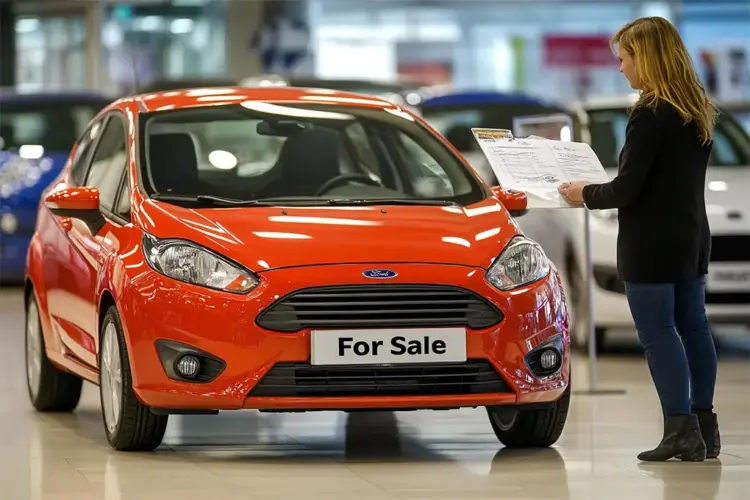
The Ford Fiesta has been a staple in the UK for decades, loved for its affordability, reliability, and fun driving dynamics. It’s a car that’s easy to recommend, whether you’re a first-time buyer or a seasoned driver. But times change, and so do car preferences. The Fiesta’s discontinuation has left a gap—one that’s ripe for exploration.
Why Consumers Are Looking for Alternatives
With the Fiesta no longer in production, many drivers are seeking alternatives that offer similar perks but with modern upgrades. Whether it’s better fuel efficiency or cutting-edge safety tech, the market is brimming with options. Plus, let’s be honest—sometimes you just want a change.
Key Features That Made the Fiesta a Favorite
The Fiesta’s nimble handling, compact size, and affordability made it a winner. But today’s competitors have upped their game, offering everything from hybrid powertrains to premium interiors. The question is: what do you value most in your next car?
Criteria for Choosing a Fiesta Alternative
Performance and Efficiency
If you loved the Fiesta’s zippy nature, you’ll want a car that delivers similar thrills. Look for models with responsive engines and sharp handling. But don’t forget about fuel economy—hybrid options like the Toyota Yaris can save you money at the pump.
Size and Comfort
The Fiesta was compact, but some alternatives offer more cabin space without sacrificing agility. Cars like the Volkswagen Polo strike a great balance, providing extra legroom while staying easy to park.
Technology and Safety Features
Modern cars come packed with tech, from touchscreen infotainment to advanced driver aids. If you’re upgrading, why not get the latest gadgets? Safety should be a priority, too—look for models with top crash-test ratings.
Criteria for Choosing a Fiesta Alternative
Performance and Efficiency
When I think about replacing my Fiesta, performance and efficiency top my list. The Fiesta’s peppy engine and nimble handling set a high bar, but alternatives like the Volkswagen Polo and Peugeot 208 deliver similar thrills with better fuel economy. I’ve found that turbocharged engines, like the one in the Polo, offer a great balance of power and efficiency. It’s all about finding a car that doesn’t compromise on fun while keeping fuel costs low.
Efficiency isn’t just about miles per gallon—it’s about how the car feels on the road. The Mazda 2, for instance, combines a responsive engine with lightweight design, making it a joy to drive. Whether you’re navigating city streets or hitting the motorway, these alternatives prove you don’t need to sacrifice performance for practicality. Learn more about performance tuning to get the most out of your ride.
Size and Comfort
Size matters when choosing a Fiesta alternative. The Fiesta’s compact dimensions make it perfect for urban driving, but some of us crave a bit more space. The Peugeot 208, for example, offers a roomier cabin without feeling bulky. I’ve noticed its ergonomic seats and clever storage solutions make long drives more comfortable. It’s a small car that doesn’t skimp on comfort.
On the other hand, the Volkswagen Polo strikes a balance between compactness and comfort. Its refined interior and ample legroom make it a great choice for families or those who value a premium feel. If you’re after something sporty yet practical, the Polo ticks all the boxes. Discover how the Corsa compares in terms of comfort and driving experience.
Technology and Safety Features
Modern hatchbacks are packed with tech, and the Fiesta’s alternatives are no exception. The Peugeot 208’s digital cockpit and touchscreen infotainment system feel futuristic, while the Volkswagen Polo’s intuitive controls make every drive effortless. I’ve been impressed by how these cars integrate smartphone connectivity seamlessly, keeping me connected without distractions.
Safety is equally important, and the Mazda 2 shines here with its advanced driver-assistance systems. Features like lane-keeping assist and adaptive cruise control add peace of mind, especially on busy roads. If you’re looking for a car that keeps you safe without skimping on tech, these alternatives are worth a closer look. Explore the fastest Corsa models and their tech offerings.
Top Compact Car Alternatives to the Ford Fiesta
Volkswagen Polo A German Engineering Marvel
The Volkswagen Polo is a standout choice for anyone leaving the Fiesta behind. Its build quality is impeccable, and the ride is smooth yet engaging. I’ve driven the Polo on winding country roads, and its precise steering and composed handling make it a delight. The turbocharged engines offer plenty of punch, whether you’re overtaking or just cruising.
Inside, the Polo feels premium, with high-quality materials and a minimalist design. The infotainment system is user-friendly, and the optional digital cockpit adds a high-tech touch. If you value refinement and reliability, the Polo is hard to beat. Check out design ideas for a sporty interior to personalise your ride.
Peugeot 208 French Flair and Efficiency
The Peugeot 208 brings a touch of French elegance to the compact car segment. Its bold design and LED lighting make it stand out, while the efficient engines keep running costs low. I’ve found the 208’s cabin to be surprisingly spacious, with comfortable seats and a modern dashboard layout. It’s a car that feels special every time you get behind the wheel.
What sets the 208 apart is its electric version, which offers silent, emission-free driving. Even the petrol models are frugal, making it a great choice for eco-conscious drivers. If you want a car that combines style with substance, the 208 is a fantastic option. Read more about top Fiesta alternatives from an expert source.
Mazda 2 Japanese Reliability and Style
The Mazda 2 is a hidden gem in the compact car market. Its sleek design and sporty stance give it a premium look, while the Skyactiv technology ensures excellent fuel efficiency. I’ve driven the Mazda 2 in both city and highway conditions, and its responsive handling makes every journey enjoyable. It’s a car that rewards the driver without compromising on practicality.
Inside, the Mazda 2 boasts a well-built interior with intuitive controls. The infotainment system is straightforward, and the seats are supportive for long drives. If you’re after a reliable, stylish, and fun-to-drive hatchback, the Mazda 2 deserves your attention.
Hatchback Options That Rival the Fiesta
Vauxhall Corsa British Popularity and Value
The Vauxhall Corsa is a British favourite for good reason. It’s affordable, practical, and now more stylish than ever. I’ve tested the latest Corsa, and its improved ride quality and interior upgrades make it a strong Fiesta alternative. The turbocharged engines offer a good mix of performance and efficiency, perfect for daily commutes.
What I love about the Corsa is its value for money. Even the base models come with decent tech, and the higher trims feel almost premium. If you’re looking for a no-nonsense hatchback that delivers on all fronts, the Corsa is a solid pick.
Toyota Yaris Hybrid Options and Durability
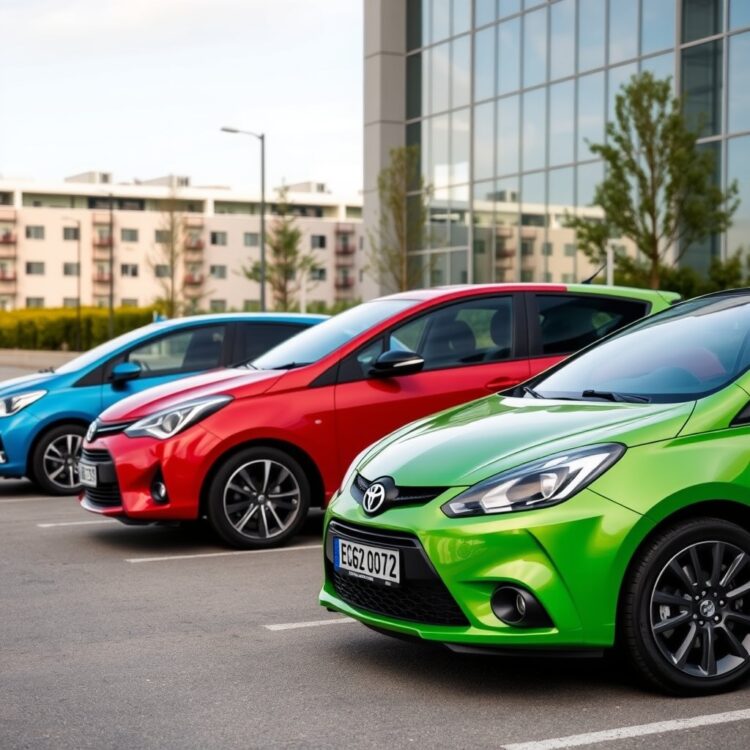
The Toyota Yaris Hybrid is a game-changer for those prioritising fuel efficiency. Its hybrid system delivers impressive MPG figures without sacrificing performance. I’ve driven the Yaris in hybrid mode, and the seamless transition between electric and petrol power is impressive. It’s a car that’s as kind to your wallet as it is to the environment.
Durability is another strong suit of the Yaris. Toyota’s reputation for reliability means you’re investing in a car that will last. The interior is well-built, and the tech is user-friendly. If you want a hassle-free ownership experience, the Yaris Hybrid is a top contender.
Seat Ibiza Sporty and Affordable
The Seat Ibiza combines sporty looks with affordability, making it a great Fiesta alternative. Its sharp handling and responsive engines make it fun to drive, while the spacious cabin ensures practicality. I’ve taken the Ibiza on long trips, and its comfortable ride and ample boot space make it a versatile choice.
What stands out is the Ibiza’s value proposition. It offers premium features at a competitive price, including a crisp infotainment system and supportive seats. If you want a hatchback that’s both exciting and practical, the Ibiza is worth considering.
Luxury Compact Cars as Fiesta Replacements
If you’re looking to trade up from your Ford Fiesta without sacrificing the compact size, luxury compact cars offer a premium experience. The Audi A1 is a standout, blending German engineering with a plush interior. Mini Hatchback, on the other hand, delivers iconic design and a fun driving experience. For those on a budget, the Hyundai i20 packs high-tech features without the hefty price tag.
Each of these models brings something unique to the table. The Audi A1 excels in refinement, while the Mini Hatchback is all about personality. The Hyundai i20, meanwhile, proves that luxury doesn’t have to break the bank. Whether you prioritise comfort, style, or tech, there’s a luxury compact that fits your needs.
Audi A1 Premium Feel in a Small Package
The Audi A1 is the epitome of premium in a small package. Its sleek design and high-quality materials make it feel like a much larger car. The infotainment system is intuitive, and the ride is smooth, making it perfect for city driving. It’s a step up from the Fiesta in every way, from the cabin to the driving dynamics.
Despite its compact size, the A1 doesn’t skimp on features. You’ll find advanced safety tech and a range of engine options to suit your driving style. If you’re after a luxury feel without the bulk, the A1 is a fantastic choice.
Mini Hatchback Iconic Design and Fun Driving
The Mini Hatchback is all about fun. Its iconic design turns heads, and the go-kart-like handling makes every drive enjoyable. The interior is quirky yet stylish, with plenty of customisation options. It’s a car that’s as much about personality as it is about performance.
While it’s not the most practical option, the Mini makes up for it with its driving experience. The turbocharged engines offer plenty of punch, and the tight steering makes it a joy on twisty roads. If you want a car that stands out, the Mini is hard to beat.
Hyundai i20 High-Tech Features on a Budget
The Hyundai i20 proves that you don’t need to spend a fortune to get a well-equipped car. It comes packed with tech, including a large touchscreen and advanced safety features. The interior is modern and comfortable, making it a great daily driver.
While it may not have the badge appeal of an Audi or Mini, the i20 offers incredible value. It’s reliable, efficient, and packed with features. For those who want tech and comfort without the premium price, the i20 is a smart choice.
Electric and Hybrid Alternatives to the Fiesta
With the rise of eco-friendly vehicles, electric and hybrid alternatives to the Fiesta are becoming increasingly popular. The Honda Jazz Hybrid combines practicality with efficiency, while the Renault Clio E-Tech showcases French innovation. The Kia Rio, meanwhile, offers affordable hybrid technology without compromising on quality.
These models cater to different needs. The Jazz Hybrid is perfect for urban commuting, the Clio E-Tech excels in style and tech, and the Rio is a budget-friendly option. Whether you’re ready to go fully electric or prefer a hybrid, there’s a green alternative for you.
Honda Jazz Hybrid Practicality Meets Efficiency
The Honda Jazz Hybrid is a practical choice for city dwellers. Its spacious interior and efficient hybrid system make it ideal for stop-start traffic. The Magic Seats add versatility, allowing you to configure the cabin to suit your needs. It’s a car that’s as smart as it is efficient.
While it may not be the most exciting drive, the Jazz excels in usability. The hybrid system is smooth, and the fuel economy is impressive. If you need a practical, eco-friendly car, the Jazz is a top contender.
Renault Clio E-Tech French Electric Innovation
The Renault Clio E-Tech is a stylish and innovative choice. Its hybrid system delivers a smooth and quiet ride, while the interior is packed with tech. The design is sleek, and the driving experience is refined, making it a great all-rounder.
What sets the Clio apart is its focus on innovation. The hybrid system is efficient, and the tech features are cutting-edge. If you want a car that’s both stylish and eco-friendly, the Clio E-Tech is a fantastic option.
Kia Rio Affordable Hybrid Technology
The Kia Rio offers hybrid technology at an affordable price. It’s a well-built car with a comfortable interior and a range of standard features. The hybrid system is efficient, making it a great choice for budget-conscious buyers.
While it may lack the premium feel of some rivals, the Rio delivers where it counts. It’s reliable, economical, and packed with tech. For those who want a hybrid without the high price tag, the Rio is a solid pick.
Comparing Fuel Types for Your Next Car
Choosing the right fuel type for your next car is crucial. Petrol and diesel each have their pros and cons, while electric vehicles are becoming increasingly viable. Hybrids offer a middle ground, combining the benefits of both worlds. Understanding these options will help you make an informed decision.
Petrol is great for short trips, diesel excels on long journeys, and electric is perfect for eco-conscious drivers. Hybrids provide flexibility, making them a popular choice. Whatever your driving habits, there’s a fuel type that suits your lifestyle.
Petrol vs Diesel What’s Best for You
Petrol engines are quieter and smoother, making them ideal for city driving. They’re also cheaper to buy and maintain. Diesel, on the other hand, offers better fuel economy and torque, making it great for long-distance drivers. The choice depends on your driving habits and priorities.
If you do a lot of motorway miles, diesel might be the better option. For urban driving, petrol is usually the way to go. Consider your needs and budget before making a decision.
The Rise of Electric Vehicles Is Now the Time
Electric vehicles are no longer a niche product. With improving infrastructure and longer ranges, they’re becoming a viable option for many drivers. The instant torque and quiet operation make them a joy to drive, while the environmental benefits are undeniable.
Charging can still be a hurdle, but with more public chargers and home solutions, it’s easier than ever. If you’re ready to make the switch, now is a great time to go electric.
Hybrid Cars The Best of Both Worlds
Hybrids combine the benefits of petrol and electric power. They’re efficient in the city and have the range for longer trips. The technology is mature, and there are plenty of options to choose from. Whether you want a mild hybrid or a plug-in, there’s a model to suit your needs.
Hybrids are a great stepping stone to full electrification. They offer the convenience of petrol with the efficiency of electric. If you’re not ready to go fully electric, a hybrid is a smart compromise.

Budget-Friendly Alternatives to the Ford Fiesta
If you’re looking for a budget-friendly alternative to the Fiesta, there are plenty of options. The used car market offers great value, while new models like the Dacia Sandero provide affordability without compromise. Financing options can also make your dream car more accessible.
Buying used can save you money, but new cars come with warranties and the latest tech. Financing spreads the cost, making it easier to afford a better car. Whatever your budget, there’s a budget-friendly option for you.
Finding Value in the Used Car Market
The used car market is a treasure trove of value. You can often find nearly new cars at a fraction of the price. Look for models with low mileage and a full service history to ensure reliability. It’s a great way to get more car for your money.
While there’s always a risk with used cars, doing your homework can minimise it. Check reviews, get a vehicle history report, and consider a pre-purchase inspection. With the right approach, you can find a gem.
New Cars That Won’t Break the Bank
New cars don’t have to be expensive. Models like the Dacia Sandero offer affordability without skimping on essentials. They come with warranties and the latest safety features, giving you peace of mind. It’s a great way to get a brand-new car on a budget.
While they may lack the bells and whistles of premium models, budget new cars are reliable and practical. If you want the security of a warranty without the high price tag, these models are worth considering.
Financing Options for Your Next Purchase
Financing can make a new or used car more affordable. Options like PCP and HP allow you to spread the cost over time. Leasing is another option, offering lower monthly payments and the chance to drive a new car every few years.
Each option has its pros and cons, so it’s important to choose the right one for your circumstances. Consider your budget, driving habits, and long-term plans before committing. With the right financing, you can drive away in the car you want.
Performance-Oriented Fiesta Alternatives
Ford Puma A Sportier Sibling
The Ford Puma steps up as a natural successor to the Fiesta, blending sporty aesthetics with enhanced performance. We love its turbocharged engines, which deliver a punchy drive without sacrificing efficiency. The Puma’s sleek design and agile handling make it a standout choice for those craving excitement. Plus, its compact size ensures it remains practical for urban driving. If you’re after a Fiesta alternative with a bit more flair, the Puma is a top contender.
Inside, the Puma offers a modern cabin with intuitive tech features, including Ford’s SYNC 4 infotainment system. The higher driving position adds a sense of command, while the boot space is surprisingly generous. It’s a car that ticks all the boxes for performance and practicality. Whether you’re navigating city streets or hitting the open road, the Puma delivers a dynamic driving experience. It’s proof that sporty doesn’t have to mean impractical.
Hot Hatchbacks for the Driving Enthusiast
For those who live for the thrill of driving, hot hatchbacks like the Volkswagen Polo GTI and Hyundai i20 N are stellar alternatives. These cars pack serious power under the hood, with turbocharged engines that deliver exhilarating acceleration. The Polo GTI, for instance, combines German engineering with a refined yet aggressive driving experience. It’s a car that feels at home on winding roads and daily commutes alike.
The Hyundai i20 N, on the other hand, offers a more raw and engaging drive, with a focus on driver involvement. Its sport-tuned suspension and responsive steering make it a joy to push hard. Both models come with premium features like adaptive dampers and performance brakes. If you’re after a Fiesta replacement that excites, these hot hatches won’t disappoint. They’re proof that small cars can deliver big fun.
Upgrading to a More Powerful Engine
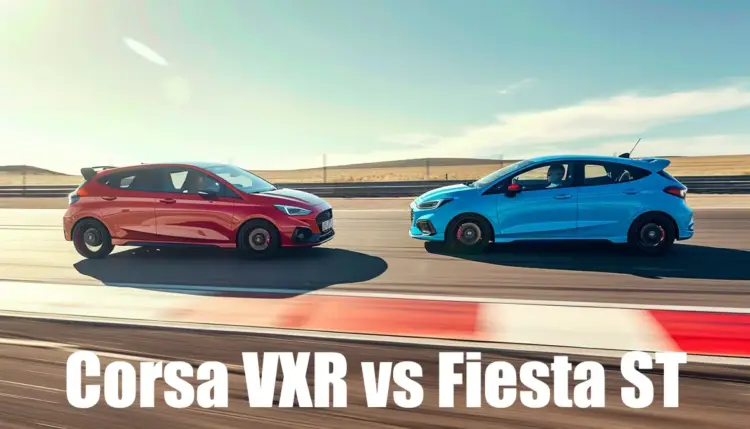
If you’re keen on sticking with Ford but want more power, consider models like the Focus ST or Fiesta ST. These cars are engineered for performance, with turbocharged engines that deliver thrilling acceleration. The Focus ST, for example, offers a 2.3-litre EcoBoost engine with 280 horsepower, making it a serious contender in the hot hatch segment. It’s a car that balances power with everyday usability.
The Fiesta ST, while smaller, is no less exciting. Its 1.5-litre turbocharged engine delivers 200 horsepower, paired with a nimble chassis that’s perfect for spirited driving. Both models come with sporty styling cues and performance upgrades like limited-slip differentials. If you’re after a Fiesta alternative with more muscle, these Ford models are worth a look. They’re proof that performance doesn’t have to come at the expense of practicality.
Family-Friendly Cars Similar to the Fiesta
Spacious Hatchbacks for Family Needs
When it comes to family-friendly alternatives, the Volkswagen Golf and Skoda Octavia are excellent choices. Both offer spacious interiors, with ample legroom and boot space for growing families. The Golf’s refined ride and high-quality cabin make it a comfortable option for long journeys. Its advanced safety features, like adaptive cruise control, add peace of mind for parents.
The Skoda Octavia, meanwhile, is a practical alternative with even more space and value for money. Its cavernous boot and versatile seating options make it ideal for family life. Both cars come with a range of efficient engines, ensuring running costs remain manageable. If you’re after a Fiesta replacement that caters to family needs, these hatchbacks are hard to beat. They’re proof that small cars can still be family-friendly.
Safety Ratings to Consider
Safety is paramount when choosing a family car, and models like the Toyota Corolla and Honda Civic excel in this area. Both have earned top marks in Euro NCAP crash tests, thanks to their robust construction and advanced safety tech. The Corolla’s hybrid powertrain adds an eco-friendly edge, while the Civic’s spacious interior ensures comfort for all passengers.
Features like lane-keeping assist and automatic emergency braking come standard on many trims. These cars are designed to protect your loved ones without compromising on driving enjoyment. If safety is a priority, these models are worth considering. They’re proof that family cars can be both safe and fun to drive.
Child-Friendly Features in Compact Cars
Compact cars like the Kia Ceed and Peugeot 308 offer clever features tailored for families. The Ceed’s spacious cabin and easy-to-clean materials make it a practical choice for parents. Its generous warranty adds extra reassurance, while the Peugeot 308’s stylish design and intuitive tech keep everyone entertained.
Both cars come with ISOFIX points for child seats and rear parking sensors for added convenience. They’re proof that compact cars can cater to family life without sacrificing style or driving pleasure. If you’re after a Fiesta alternative that’s child-friendly, these models are excellent options. They’re designed to make family life easier without compromising on fun.
The Importance of Test Driving Your Options
How to Prepare for a Test Drive
Before heading to the dealership, research the cars you’re interested in and make a shortlist. Check reviews and compare specs to narrow down your choices. Bring along any family members who’ll regularly use the car, as their input is invaluable. Make sure to test drive on a variety of roads to get a feel for the car’s performance in different conditions.
Don’t rush the process—take your time to explore the car’s features and ask questions. A test drive is your chance to see if the car meets your needs and expectations. It’s a crucial step in finding the perfect Fiesta alternative. Remember, the right car should feel like a natural extension of your driving style.
What to Look for During the Test Drive
Pay attention to how the car handles, accelerates, and brakes. Test the infotainment system and other tech features to ensure they’re intuitive. Check visibility and comfort, especially if you’ll be spending long hours behind the wheel. Listen for any unusual noises and assess the ride quality over bumps.
Don’t forget to evaluate the interior space and boot capacity. These factors are especially important for families. A test drive is your opportunity to identify any deal-breakers before committing. It’s all about finding a car that fits your lifestyle seamlessly. Take notes to compare your options later.
Comparing Multiple Cars Effectively
After test driving several cars, compare them based on your priorities. Consider factors like performance, comfort, and running costs. Create a pros and cons list for each model to help you make an informed decision. Don’t be swayed by flashy features if they don’t align with your needs.
Take your time to weigh the options and consult trusted reviews. The goal is to find a car that offers the best balance of features and value. Remember, the right Fiesta alternative should meet your needs today and in the future. A thorough comparison ensures you’ll drive away happy.
Understanding Depreciation and Resale Value
Which Cars Hold Their Value Best
Some cars, like the Toyota Yaris and Honda Jazz, are known for their strong resale values. Their reputation for reliability and low running costs makes them attractive to used car buyers. Premium brands like Audi and BMW also tend to hold their value well, thanks to their desirability and build quality.
Researching depreciation trends can help you make a smarter purchase. Cars with high residual values often cost less to own in the long run. If resale value is a priority, opt for models with a proven track record. It’s a smart way to protect your investment.
Tips for Maintaining Your Car’s Resale Value
Regular servicing and keeping a full-service history can significantly boost your car’s resale value. Avoid modifications that might deter buyers, and keep the interior and exterior in good condition. Addressing minor repairs promptly prevents bigger issues down the line. A well-maintained car is always more appealing to potential buyers.
Stick to the manufacturer’s recommended maintenance schedule and use genuine parts. These steps show that you’ve cared for the car properly. A little effort now can pay off when it’s time to sell. It’s all about preserving your car’s appeal and reliability.
The Impact of Mileage and Condition
Mileage is a key factor in determining a car’s resale value. Lower-mileage cars typically command higher prices, as they’re perceived as having less wear and tear. However, condition is equally important—a well-looked-after high-mileage car can still fetch a good price.
Be honest about your car’s condition when selling, and provide evidence of any repairs or upgrades. Transparency builds trust with buyers. Whether you’re buying or selling, understanding the impact of mileage and condition helps you make informed decisions. It’s a crucial part of the car ownership journey.
Customization and Personalization Options
Aftermarket Upgrades for Your New Car
When it comes to making your car truly yours, aftermarket upgrades are the way to go. From performance-enhancing modifications like suspension kits to aesthetic tweaks such as custom wheels, the options are endless. We’ve found that investing in quality parts not only improves functionality but also adds a personal touch. Just remember, always choose reputable brands to avoid compromising safety or reliability.
One of our favourite upgrades is a sporty steering wheel, which can transform the driving experience. Whether you’re after a more aggressive look or better grip, this small change can make a big difference. And if you’re into tech, consider adding a high-end infotainment system—it’s a game-changer for daily commutes.
Factory Options vs. Aftermarket Modifications
Factory options are great if you want a seamless, warranty-friendly upgrade. They’re designed specifically for your car, ensuring compatibility and ease of installation. However, they can be pricey and limited in variety. On the other hand, aftermarket modifications offer more flexibility and often at a lower cost. We’ve seen some incredible builds using aftermarket parts, but it’s crucial to research thoroughly to avoid pitfalls.
For example, while factory-installed performance packages are reliable, aftermarket turbo kits can deliver more power. The trade-off? Potential warranty issues and the need for professional tuning. Weigh the pros and cons carefully—sometimes, sticking with factory options is the smarter choice for long-term peace of mind.
Personalizing Your Car Without Voiding the Warranty
Worried about voiding your warranty? You’re not alone. The key is to stick to non-invasive modifications. Cosmetic changes like vinyl wraps or alloy wheels rarely cause issues. Even interior tweaks are usually safe, as long as they don’t interfere with the car’s electronics. Always check your warranty terms or consult your dealer before making any changes.
For performance upgrades, consider bolt-on parts that don’t require major alterations. Cold air intakes or cat-back exhaust systems are popular choices that won’t jeopardize your warranty. And if you’re unsure, opt for dealer-approved accessories—they’re designed to keep your warranty intact while still letting you personalize your ride.
Navigating the Car Buying Process
Researching and Shortlisting Potential Cars
Before diving into the car market, take time to research. We recommend starting with your must-haves—whether it’s fuel efficiency, boot space, or tech features. Online reviews and comparison tools are invaluable here. Once you’ve narrowed it down, test drive your top choices to get a feel for how they handle on the road.
Don’t overlook used car options—they can offer incredible value. Just ensure you check the vehicle history and get a professional inspection. And remember, the more prepared you are, the smoother the buying process will be. Knowledge is power, especially when negotiating.
Negotiating the Best Price
Negotiating can be daunting, but it’s worth it. Start by knowing the market value of the car you’re interested in. Websites like AutoTrader provide up-to-date pricing data, giving you a solid foundation for discussions. Be polite but firm, and don’t hesitate to walk away if the deal doesn’t feel right.
Timing can also play a role. Dealers are often more flexible at the end of the month or financial quarter. And if you’re trading in, get quotes from multiple sources to ensure you’re getting a fair offer. A little patience and persistence can save you hundreds, if not thousands.
Understanding Warranties and Service Plans
Warranties and service plans can save you money in the long run, but they’re not all created equal. Factory warranties typically cover major components for a set period, while extended warranties offer additional peace of mind. Read the fine print—some plans exclude wear-and-tear items or require servicing at specific garages.
Service plans, on the other hand, bundle maintenance costs into fixed payments. They’re great for budgeting, but make sure they align with your driving habits. For example, if you don’t drive much, a pay-as-you-go approach might be cheaper. Always compare options and ask questions before committing.
Making the Final Decision Which Car is Right for You
Weighing Pros and Cons of Your Top Choices
By now, you’ve likely narrowed it down to a few contenders. Create a simple pros and cons list for each. Consider factors like running costs, resale value, and how well the car fits your lifestyle. We’ve found that involving family or friends in the decision can provide valuable perspectives you might have missed.
For instance, a sporty hatchback might be fun, but is it practical for school runs? Or maybe a hybrid seems expensive upfront, but the fuel savings could outweigh the initial cost. Take your time—this is a big decision, and rushing could lead to regrets later.
Considering Long-Term Satisfaction
Think beyond the initial excitement. Will this car still meet your needs in five years? Consider factors like reliability, maintenance costs, and how well it holds its value. We’ve seen too many buyers swayed by flashy features, only to realize they’re stuck with high repair bills down the line.
Research reliability ratings and owner reviews to gauge long-term satisfaction. And don’t forget about depreciation—some cars lose value faster than others. A little foresight now can save you headaches in the future.
Taking the Leap Purchasing Your New Car
Once you’ve made your choice, it’s time to seal the deal. Whether you’re buying new or used, ensure all paperwork is in order. Double-check the contract, especially any add-ons or financing terms. And if you’re financing, compare interest rates from multiple lenders to get the best deal.
Finally, enjoy the moment! Buying a car is a significant milestone, and you’ve put in the work to make an informed decision. Now, it’s time to hit the road and make memories in your new ride.
Frequently Asked Questions
What are the best aftermarket upgrades for a Ford Fiesta?
Popular upgrades include suspension kits, performance exhausts, and custom wheels. For a balance of style and function, consider a sporty steering wheel or an infotainment system. Always choose reputable brands to ensure quality and compatibility.
How can I personalize my car without voiding the warranty?
Stick to non-invasive modifications like vinyl wraps or alloy wheels. For performance, opt for bolt-on parts like cold air intakes. Always check your warranty terms or consult your dealer before making changes to avoid any issues.
Is it better to buy a new or used car?
Used cars offer great value but require thorough checks. New cars come with warranties and the latest features but cost more. Weigh your budget and needs—sometimes, a certified pre-owned car strikes the perfect balance.
What should I look for during a test drive?
Focus on comfort, visibility, and how the car handles. Test acceleration, braking, and parking in different conditions. Don’t rush—take your time to ensure the car meets your expectations before committing.