Introduction
When it comes to compact cars, the Ford Fiesta has long been a favourite for its blend of affordability, efficiency, and fun driving dynamics. But how long can you expect a Ford Fiesta to last? I’ve dug into the details to give you a clear picture of its lifespan, factors that influence durability, and what you can do to keep yours running smoothly for years. Whether you’re a current owner or considering a used Fiesta, this guide will help you make informed decisions.
Key Takeaways
- A well-maintained Ford Fiesta can last between 150,000 to 200,000 miles.
- Regular servicing and addressing minor issues promptly are critical for longevity.
- Driving habits and environmental conditions significantly impact the car’s lifespan.
- High-mileage Fiestas can still be reliable if properly cared for.
- Investing in genuine parts and upgrades can enhance durability.
How Well Do You Know Ford?
Understanding the Ford Fiesta’s Lifespan
Defining Vehicle Lifespan
A car’s lifespan isn’t just about years on the road—it’s about mileage, maintenance, and how it’s driven. For the Ford Fiesta, longevity hinges on these factors. While some cars might rust away before hitting 100,000 miles, a Fiesta can easily surpass that with proper care. I’ve seen Fiestas clocking over 200,000 miles, still running strong, thanks to diligent owners who prioritised maintenance.
Factors Influencing the Ford Fiesta’s Durability
Several elements determine how long your Fiesta will last. Engine type, driving conditions, and even the climate play a role. For instance, turbocharged engines might wear faster under harsh driving, while naturally aspirated ones are more forgiving. Regular oil changes, timely belt replacements, and using quality fuel are non-negotiables. Neglecting these can shorten your Fiesta’s life significantly.
Average Lifespan Expectations
On average, a Ford Fiesta can last between 150,000 to 200,000 miles. That’s roughly 10-15 years of daily driving. Of course, this varies. A well-maintained Fiesta might exceed this, while one with poor upkeep could falter sooner. The key is consistency—stick to the service schedule, and your Fiesta will reward you with years of reliable service.
Mileage Insights for the Ford Fiesta
Mileage is a crucial indicator of a car’s remaining life. A Fiesta with 100,000 miles isn’t necessarily a bad buy if it’s been looked after. However, high-mileage cars require extra scrutiny. Check for service records, listen for unusual noises, and test drive thoroughly. A well-maintained Fiesta at 120,000 miles can be a smarter buy than a neglected one at 60,000.
Mileage Insights for the Ford Fiesta
What Constitutes High Mileage
When it comes to the Ford Fiesta, high mileage is typically anything over 100,000 miles. However, this doesn’t mean the car is ready for the scrap heap. We’ve seen Fiestas with 150,000 miles still running smoothly, thanks to proper care. The key is understanding how the car has been driven and maintained. A well-looked-after Fiesta can defy the odds and keep going strong.
Good Mileage Ranges for a Used Ford Fiesta
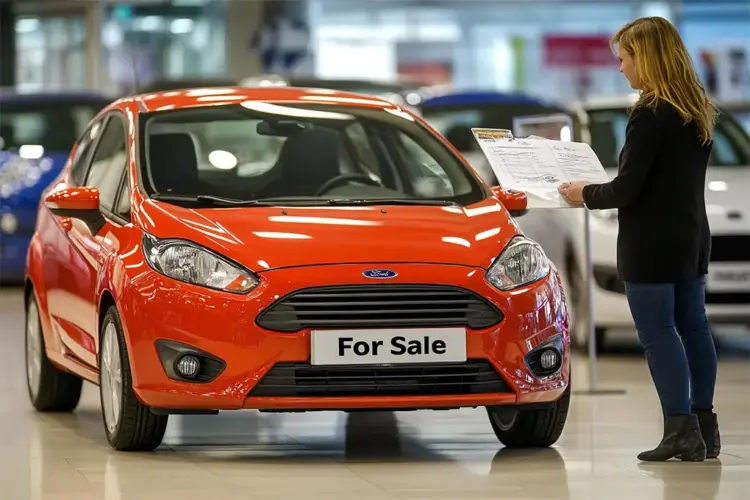
If you’re shopping for a used Ford Fiesta, aim for models with 30,000 to 70,000 miles. These cars often strike the perfect balance between affordability and longevity. At this range, major components like the engine and transmission are usually in good shape. Plus, you’ll have plenty of life left to enjoy the car. Just remember to check the service history to ensure it’s been well cared for.
Evaluating a Ford Fiesta Over 100k Miles
A Ford Fiesta with over 100,000 miles isn’t necessarily a bad buy, but it requires extra scrutiny. Look for signs of wear like rust, unusual noises, or sluggish performance. Test drive the car to gauge its condition. If it’s been serviced regularly and feels solid, it could still be a reliable choice. For more tips, check out our guide on high-mileage Fiestas.
Common Issues Affecting Longevity
Mechanical Vulnerabilities
The Ford Fiesta is generally reliable, but it’s not without its quirks. Common mechanical issues include clutch problems in manual models and timing belt wear. These can be costly if ignored, so regular checks are essential. Addressing small problems early can prevent bigger headaches down the road. For a deeper dive, read our article on common Fiesta problems.
Electrical System Concerns
Electrical gremlins can plague older Fiestas, from faulty sensors to intermittent power windows. These issues are often more annoying than catastrophic, but they can add up. Regular diagnostics and timely repairs are your best defence. If you’re experiencing electrical woes, our repair cost guide can help you budget for fixes.
Wear and Tear Over Time
Like any car, the Ford Fiesta shows its age. Suspension components, brakes, and interior trim can wear out over time. While these aren’t deal-breakers, they’re worth factoring into your maintenance plan. Keeping up with routine checks ensures your Fiesta stays comfortable and safe for years to come.
Maintenance Strategies to Extend Life
Routine Maintenance Schedule
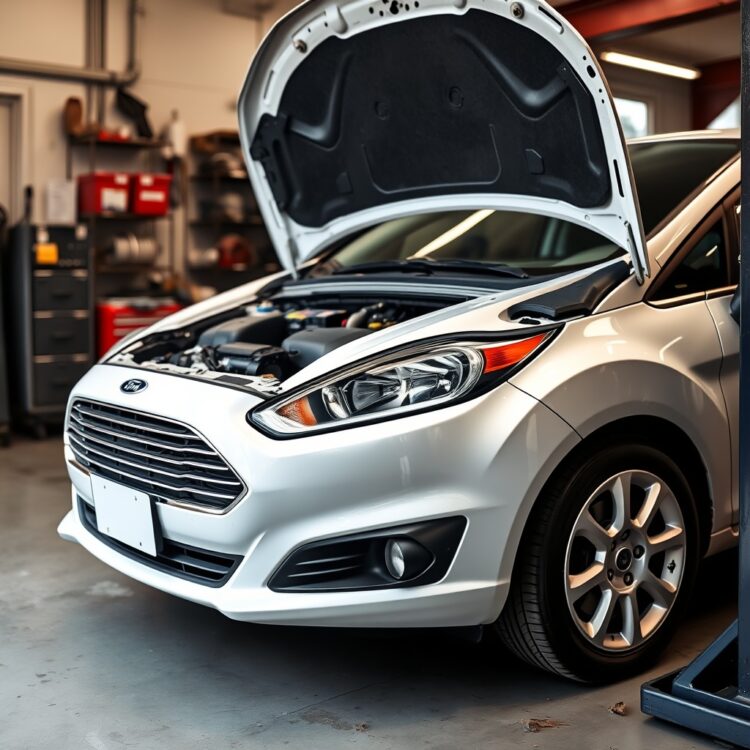
Sticking to the manufacturer’s maintenance schedule is the easiest way to prolong your Ford Fiesta’s life. Oil changes, fluid top-ups, and filter replacements should never be skipped. These small tasks prevent bigger issues and keep your car running smoothly. For a detailed schedule, refer to the Haynes guide.
Critical Components to Monitor
Pay special attention to the timing belt, brakes, and suspension. These components are vital for safety and performance. Replacing them before they fail can save you from costly repairs. Regular inspections by a trusted mechanic are a must.
DIY Maintenance Tips
Simple tasks like checking tyre pressure, topping up fluids, and replacing wiper blades can be done at home. These small efforts not only save money but also help you spot potential issues early. If you’re new to DIY, start with our beginner-friendly maintenance tips.
The Impact of Driving Habits
How you drive your Ford Fiesta plays a significant role in its longevity. Aggressive driving, such as rapid acceleration and hard braking, can strain the engine and transmission, reducing their lifespan. On the other hand, smooth and consistent driving habits help maintain the vehicle’s mechanical integrity. We’ve seen Fiestas last well over 200,000 miles when driven responsibly, proving that patience behind the wheel pays off.
To prolong your Fiesta’s life, avoid over-revving the engine and shift gears gently if you’re driving a manual. Regular maintenance, like timely oil changes, complements good driving habits. Remember, your car’s durability isn’t just about mileage—it’s about how you treat it every day.
How Driving Style Affects Durability
Your driving style directly impacts wear and tear on critical components like the clutch, brakes, and suspension. Frequent stop-and-go traffic or towing heavy loads can accelerate deterioration. We recommend anticipating traffic flow to minimise sudden stops and starts. This not only saves fuel but also reduces stress on the engine and drivetrain.
For those who enjoy spirited driving, consider occasional performance checks to ensure everything’s running smoothly. A well-maintained Fiesta can handle spirited driving, but moderation is key to avoiding premature wear.
Best Practices for Prolonging Vehicle Life
Adopting mindful driving habits is the first step to extending your Fiesta’s lifespan. Warm up the engine in colder climates before pushing it hard, and avoid short trips that don’t allow the oil to reach optimal temperature. These small adjustments can make a big difference over time.
Additionally, using genuine parts for repairs ensures compatibility and reliability. Combine this with regular servicing, and your Fiesta will reward you with years of dependable performance.
Environmental Factors and Durability
Where and how you drive your Ford Fiesta also influences its longevity. Harsh climates, such as extreme heat or cold, can take a toll on the battery, tyres, and paintwork. Salt-laden roads in winter accelerate rust, while prolonged exposure to sunlight fades interiors. We’ve found that garaging your Fiesta or using protective covers can mitigate these effects.
If you live in a coastal area, frequent washes to remove salt and sand are essential. Investing in rust-proofing treatments can also preserve the chassis. Environmental challenges are unavoidable, but proactive care keeps your Fiesta in top shape.
Climate Considerations
Cold weather thickens engine oil, making startups harder on the engine. Using the right viscosity oil for your climate, as recommended in the owner’s manual, helps reduce wear. In hot climates, ensure the cooling system is in top condition to prevent overheating, which can cause severe engine damage.
Extreme temperatures also affect the battery. Regular checks and replacements when needed are crucial. A well-maintained Fiesta can thrive in any climate, but tailored care is key.
Road Conditions and Their Effects
Rough roads with potholes or uneven surfaces strain the suspension and alignment. Over time, this leads to uneven tyre wear and potential damage to steering components. We advise driving cautiously on poor roads and scheduling alignment checks if you frequently encounter them.
For those who drive off-road occasionally, consider upgrading to reinforced parts to handle the extra stress. Your Fiesta’s durability depends on how well you adapt to its environment.
The Role of Regular Servicing
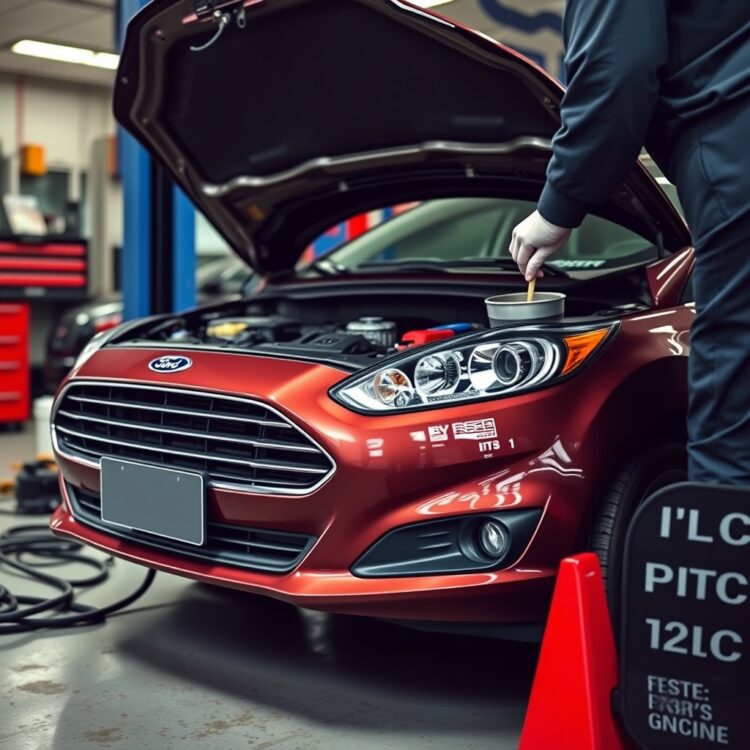
Regular servicing is the backbone of your Ford Fiesta’s longevity. Skipping oil changes or ignoring warning lights can lead to costly repairs down the line. We’ve seen Fiestas reach 300,000 miles with a strict servicing schedule, proving that prevention is better than cure.
Follow the manufacturer’s recommended intervals for oil changes, filter replacements, and fluid checks. Using genuine Ford parts ensures optimal performance and compatibility. A well-serviced Fiesta not only lasts longer but also retains its resale value.
Importance of Timely Oil Changes
Oil is the lifeblood of your engine, lubricating moving parts and preventing friction. Over time, oil breaks down and loses its effectiveness, leading to increased wear. We recommend changing the oil every 5,000 to 7,500 miles, depending on driving conditions.
For turbocharged models, frequent oil changes are even more critical. Clean oil keeps the turbocharger running smoothly, preventing costly failures. Don’t underestimate the power of fresh oil in extending your Fiesta’s life.
Benefits of Using Genuine Parts
Genuine Ford parts are designed specifically for your Fiesta, ensuring perfect fit and performance. While aftermarket parts may be cheaper, they often lack the durability and precision of OEM components. We’ve found that using genuine parts reduces the risk of premature failures and maintains the vehicle’s reliability.
From brake pads to spark plugs, investing in quality pays off in the long run. Your Fiesta deserves the best, and genuine parts deliver just that.
Signs Your Ford Fiesta May Need Attention
Warning Lights and What They Mean
When your Ford Fiesta’s dashboard lights up like a Christmas tree, it’s not just for show. Warning lights are your car’s way of saying Hey, I need help!” The check engine light, for instance, could signal anything from a loose gas cap to a serious engine issue. Ignoring it might lead to costly repairs down the line. Other lights, like the oil pressure or battery warning, demand immediate action to prevent damage. We always recommend consulting your owner’s manual or a trusted mechanic to decode these signals accurately.
Unusual noises are another red flag. A squealing belt might indicate wear, while a grinding sound when braking suggests worn pads. These sounds aren’t just annoying—they’re cries for attention. Addressing them early can save you from bigger headaches later. If you’re unsure, a quick visit to a professional can clarify whether it’s a minor hiccup or a major problem.
Unusual Noises and Performance Issues
Performance issues like sluggish acceleration or rough idling are often symptoms of underlying problems. A clogged air filter or faulty spark plugs might be the culprits. These issues, if left unchecked, can strain your engine and reduce its lifespan. Regular maintenance, including timely replacements, can keep your Fiesta running smoothly. We’ve seen cases where a simple tune-up restored a car’s performance dramatically.
Strange vibrations or a steering wheel that pulls to one side could indicate alignment or suspension issues. These aren’t just comfort problems—they’re safety hazards. A misaligned car wears out tires faster and handles poorly in emergencies. If you notice these signs, it’s worth getting a diagnostic check to nip the problem in the bud.
Cost Considerations Over Time
Estimating Maintenance and Repair Costs
Owning a Ford Fiesta isn’t just about the upfront cost—it’s about the long-term expenses. Routine maintenance, like oil changes and brake pad replacements, adds up over time. On average, annual maintenance costs for a Fiesta hover around £300-£500, but this can vary based on mileage and driving conditions. We always advise setting aside a budget for these predictable expenses to avoid financial surprises.
Unexpected repairs, like a failing transmission or electrical issues, can be pricier. A clutch replacement, for example, might cost £500-£800. While these costs can sting, regular servicing can often prevent them. Investing in a good mechanic and genuine parts pays off in the long run by reducing the frequency of major repairs.
When Repair Costs Outweigh Benefits
There comes a point when pouring money into an old Fiesta no longer makes sense. If repair bills exceed the car’s value or a major component fails, it might be time to consider an upgrade. We’ve seen owners spend thousands on a car worth half that—only to face another breakdown months later. A good rule of thumb: if repairs cost more than 50% of the car’s value, it’s time to move on.
Another factor is reliability. If your Fiesta spends more time in the shop than on the road, it’s draining your wallet and patience. Modern cars offer better fuel efficiency and safety features, making them a smarter investment. Before making a decision, weigh the costs against the potential benefits of a newer model. Sometimes, letting go is the most economical choice.
Upgrades That Can Enhance Longevity
Performance Upgrades vs Durability
Upgrading your Ford Fiesta can be a double-edged sword. Performance mods, like turbochargers or exhaust systems, might boost power but can strain the engine if not done properly. We’ve seen enthusiasts push their cars too hard, leading to premature wear. If longevity is your goal, focus on durability-enhancing upgrades like high-quality suspension components or reinforced engine mounts.
Cooling system upgrades are another smart move. A larger radiator or improved coolant can prevent overheating, a common issue in high-mileage cars. These upgrades might not be flashy, but they’ll keep your Fiesta running smoothly for years. Remember, the goal is to balance performance with reliability—unless you’re building a track car, durability should come first.
Recommended Aftermarket Parts
Not all aftermarket parts are created equal. Cheap knock-offs might save you money upfront but often fail prematurely. We recommend sticking with reputable brands like Bosch for electrical components or Brembo for brakes. These parts might cost more, but they’re designed to last and often come with warranties. A well-maintained Fiesta with quality parts will also hold its value better.
Upgrading to synthetic oil or high-performance filters can also extend your engine’s life. These small changes reduce friction and improve lubrication, helping your car run more efficiently. Even something as simple as better tires can enhance handling and reduce wear on other components. It’s all about making smart, incremental improvements that add up over time.
Insurance and Warranty Impacts
How Coverage Affects Maintenance Choices
Your insurance and warranty policies can influence how you maintain your Ford Fiesta. Some warranties require you to use genuine Ford parts or approved service centres to stay valid. Skipping these requirements might void your coverage, leaving you on the hook for repairs. We always advise reading the fine print and sticking to the terms—especially if you’ve invested in an extended warranty.
Insurance policies with breakdown cover can also save you money in the long run. They often include free towing or roadside assistance, which can be a lifesaver during emergencies. Some even offer discounts for cars with advanced safety features, so upgrading your Fiesta’s tech might lower your premiums. It’s worth reviewing your policy annually to ensure you’re getting the best deal.
Extended Warranty Options
An extended warranty can provide peace of mind, especially for older Fiestas. These plans cover major repairs after the factory warranty expires, shielding you from unexpected costs. Options range from basic powertrain coverage to comprehensive plans that include everything from electronics to air conditioning. We’ve found that the best plans strike a balance between cost and coverage, so shop around before committing.
Third-party warranties are another option, but they often come with more restrictions than manufacturer-backed ones. Always check reviews and ask about claim processes before signing up. A good warranty should be transparent about what’s covered and how claims are handled. For many owners, the extra cost is worth the security of knowing they’re protected against big repair bills.
Resale Value and Longevity
How Lifespan Affects Resale Value
We’ve seen firsthand how a Ford Fiesta’s lifespan directly impacts its resale value. A well-maintained Fiesta with lower mileage and a clean service history can fetch a premium, while high-mileage models may struggle. Buyers often prioritise reliability, so a car with a proven track record of longevity commands higher prices. It’s not just about miles—consistent upkeep and timely repairs play a crucial role in preserving value. If you’re planning to sell, focus on maintaining your Fiesta’s health to maximise returns.
Another factor is generational differences. Newer models with advanced features and better build quality tend to hold value longer. For example, a 2019 Fiesta might retain more value than a 2010 model, even with similar mileage. Market trends also matter; demand for fuel-efficient or hybrid models can boost resale prices. Keep an eye on these trends to time your sale strategically and get the best deal.
Tips for Maximising Resale Potential
To get the most out of your Ford Fiesta when selling, start with regular maintenance. A full-service history is gold for buyers, so keep all receipts and records. Address minor issues like scratches or worn tyres before listing—small investments can yield big returns. We recommend using genuine parts for repairs, as they reassure buyers of quality. A clean interior and exterior also make a strong first impression, so consider a professional detailing job.
Timing your sale can also make a difference. Spring and summer often see higher demand for used cars, so listing then might fetch a better price. Be transparent about your Fiesta’s history, including any accidents or major repairs. Honesty builds trust and can prevent haggling later. Finally, research comparable listings to price competitively. A well-presented, fairly priced Fiesta will attract serious buyers and sell faster.
Real-World Longevity Examples
Case Studies of High-Mileage Ford Fiestas
We’ve come across countless stories of Ford Fiestas defying the odds. One owner shared how their 2012 model clocked over 200,000 miles with only routine maintenance and a few minor repairs. Another driver praised their 2015 Fiesta for reaching 150,000 miles without major issues, attributing its longevity to regular oil changes and careful driving. These examples highlight how proper care can extend a Fiesta’s life far beyond expectations.
Not all high-mileage Fiestas are equal, though. Some older models, especially those with neglected maintenance, struggle past 100,000 miles. Electrical gremlins or transmission woes can cut their lifespan short. The key takeaway? Consistency matters. A well-loved Fiesta can outlast its peers, proving that longevity isn’t just about luck—it’s about effort.
Owner Experiences and Testimonials
Owners often rave about their Fiestas’ reliability, with many surpassing 150,000 miles effortlessly. One driver praised their 2017 model for its frugal fuel consumption and minimal repair costs, calling it a “budget dream.” Another shared how their 2010 Fiesta, despite its age, still runs smoothly thanks to diligent servicing. These testimonials underscore the importance of proactive care and how it pays off in the long run.
Of course, not all stories are rosy. Some owners report recurring issues like clutch wear or electrical faults, especially in older models. However, even these challenges are often manageable with timely fixes. The consensus? A Ford Fiesta can be a long-term companion if you’re willing to invest in its upkeep. For more insights, check out this authoritative guide on Fiesta longevity.
Future-Proofing Your Ford Fiesta
Adapting to Future Automotive Trends
The automotive world is shifting towards electrification and smarter tech, but your Ford Fiesta isn’t obsolete yet. We recommend staying ahead by embracing upgrades like fuel-efficient tyres or aftermarket infotainment systems. These small changes can keep your Fiesta relevant and efficient. Also, consider hybrid conversion kits if they become available—they’re a game-changer for extending your car’s life in an eco-conscious market.
Another trend to watch is connected car tech. Adding a OBD-II dongle can provide real-time diagnostics, helping you catch issues early. While Fiestas aren’t self-driving, these gadgets enhance safety and convenience. The goal isn’t to compete with new models but to future-proof your ride for years of reliable service. Stay informed about emerging trends to make savvy upgrades.
Preparing for Electric and Hybrid Transitions
As electric vehicles dominate headlines, you might wonder about your Fiesta’s place in this new era. While it’s not electric, you can still reduce its carbon footprint. Regular maintenance ensures optimal fuel efficiency, and switching to synthetic oil can lower emissions. If you’re planning to upgrade, research hybrid or electric alternatives, but know that a well-kept Fiesta remains a practical choice for now.
For those committed to their Fiesta, explore aftermarket hybrid kits or biofuel compatibility. These options are niche but growing. Meanwhile, focus on reducing wear and tear—smooth driving and proper storage can add years to your car’s life. The future may be electric, but your Fiesta isn’t ready for retirement yet. With smart choices, it can stay relevant and reliable for years to come.
Frequently Asked Questions
What is the average lifespan of a Ford Fiesta?
A well-maintained Ford Fiesta can last between 150,000 to 200,000 miles, or about 10 to 15 years. Regular servicing and addressing issues promptly are key to reaching this range. Factors like driving habits, climate, and maintenance quality also play a role. Some owners report even higher mileage with meticulous care.
How does high mileage affect a Ford Fiesta’s performance?
High mileage can lead to wear on critical components like the engine, transmission, and suspension. However, a Fiesta with a solid maintenance history can still perform well. Regular checks and timely replacements—such as belts, fluids, and filters—help mitigate the effects of aging and keep the car running smoothly.
Are older Ford Fiestas reliable?
Older Fiestas can be reliable if properly maintained, but they may require more frequent repairs due to natural wear. Models from the 2010s onwards tend to fare better, thanks to improved build quality. Always check the service history and inspect for common issues like rust or electrical faults before buying.
What upgrades can extend my Ford Fiesta’s lifespan?
Upgrades like high-quality synthetic oil, performance air filters, and upgraded suspension components can enhance longevity. Regular software updates for newer models also help. Focus on preventative measures—like rustproofing and timely part replacements—to keep your Fiesta in top shape for years.