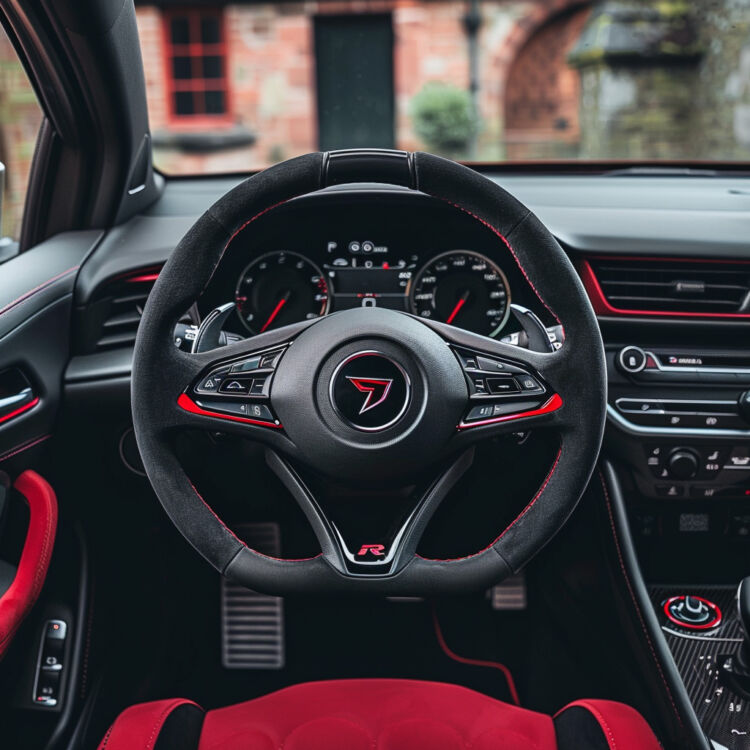
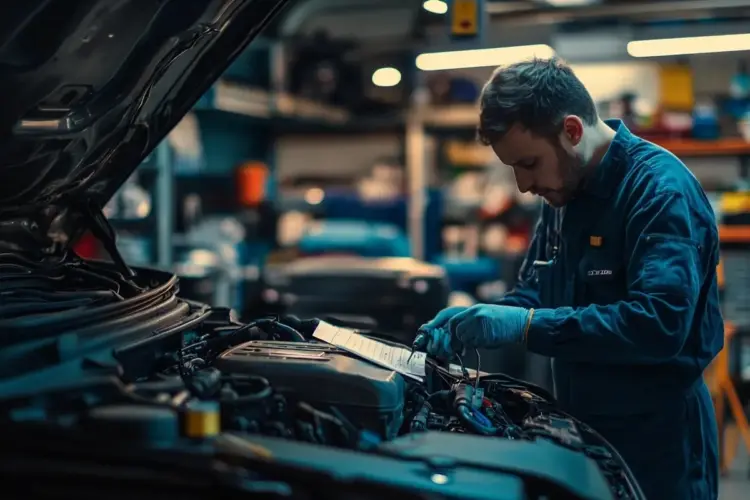
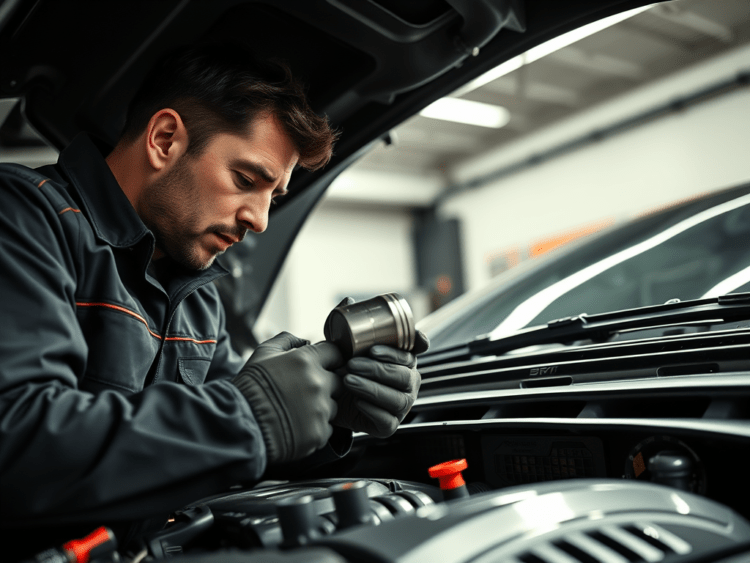
Are you considering boosting the performance of your Corsa VXR? Forging the engine could be the way to go. On average, the cost to forge a Corsa VXR engine ranges from £2,300 to £3,500, depending on the engine model and specific modifications. This might seem steep, but the investment is worth it for those seeking enhanced performance and reliability.
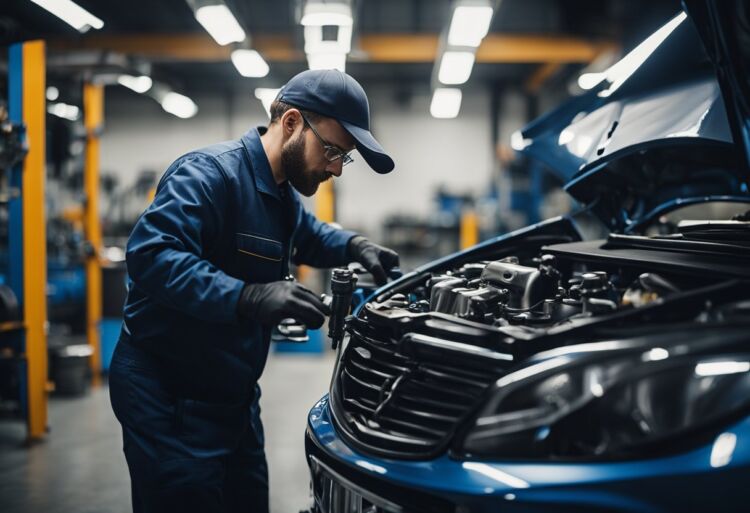
Forging an engine involves replacing standard internal components with stronger aftermarket parts. This process can significantly increase your car’s power and durability. Whether you’re interested in competitive racing or simply want a more robust daily drive, a forged engine could transform your Corsa VXR experience.
Many vehicle enthusiasts turn to popular options like the Corsa VXR engine rebuild kit for upgrading. These kits often include all necessary components, making the process more straightforward. As we explore the step-by-step journey involved in forging a Corsa VXR, we’ll dive into the ins and outs of this transformative upgrade.
Key Takeaways
- Forging a Corsa VXR engine costs between £2,300 and £3,500.
- A Corsa VXR engine rebuild kit simplifies the forging process.
- Forged engines offer enhanced performance and durability.
Understanding Forging Requirements
When forging a Corsa VXR engine, the focus is on enhancing strength and performance. It’s crucial to address materials and specific engine parts to ensure reliability and longevity.
[vxr_quiz]
Materials and Components
Forging involves replacing weaker engine parts with stronger materials like forged internals. Vital components include Wössner forged pistons, which are known for their durability and ability to withstand high pressures. We also consider upgrading to steel connecting rods, which offer great strength and stability.
PEC performance connecting rods are another option, designed for high performance, and paired with ARP 2000 series connecting rod bolts to ensure secure and reliable connections.
The costs and specifics vary based on the chosen materials, so understanding each component’s role is crucial.
Engine Specifications
The GM 1.6 turbo engine in the Corsa VXR is known for being weak in standard form. By upgrading specific parts during the forging process, we can transform it into a more robust engine.
Changing injectors, like upgrading to a 613CC injector, may be necessary and requires adjustments in software mapping. These modifications help optimise the engine’s performance and extend its lifespan.
Ultimately, understanding the engine’s specifications and how different components work together ensures a well-rounded and effective build.
Preparation and Disassembly
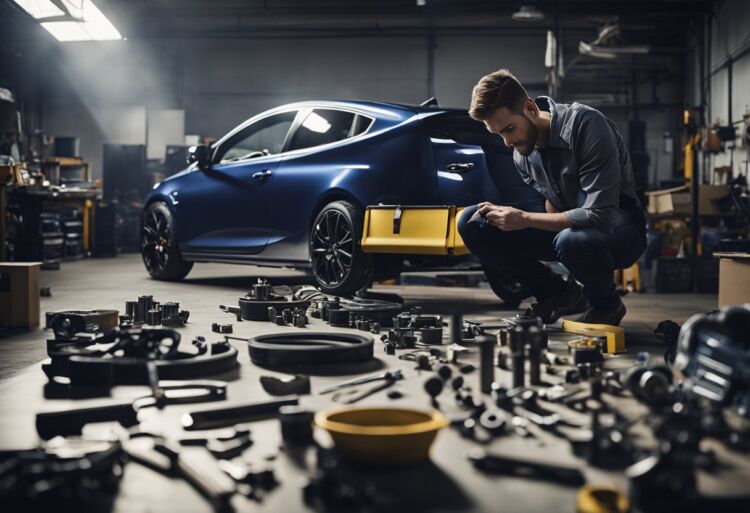
Before we start forging a Corsa VXR engine, we need to carefully prepare and disassemble the engine. This involves carefully removing the engine and labelling its components to make sure everything can be reassembled smoothly later.
Engine Removal
To remove the engine, we begin by disconnecting the battery. This ensures safety as we work. Next, we detach all necessary components such as the exhaust manifold, cooling system, and electrical connections.
Essential tools include sockets and wrenches. It’s important to label wires and connectors for easy reassembly later. We carefully lift the engine out, using an engine hoist for safety.
During this process, we check engine components like bearings and gaskets for wear. This helps us determine which parts need replacing before reassembly. The task involves skilled labour, so we make sure our team is prepared and knowledgeable, ensuring a smooth and efficient disassembly.
Enhancing Engine Performance
Improving the engine performance of a Corsa VXR involves addressing weak components and considering custom modifications. These steps are crucial for ensuring reliability and achieving higher power output. We will look into specific upgrades and modifications that can make a substantial difference.
Upgrading Weak Components
The Corsa VXR’s engine is known for some weak components, particularly in its stock configuration. Addressing these issues often includes using forged internals, which are more durable than the standard parts. For instance, the WGM Corsa VXR offers a forged internals engine build, replacing parts such as pistons and rods prone to failure.
Improving these parts can prevent compression issues and piston damage, especially under high stress. Opting for an OE bore upgrade can also enhance the engine’s durability and capacity. Incorporating Piper cams is beneficial for improving airflow and achieving a higher rev range. These upgrades not only make the engine stronger but also improve performance significantly.
Custom Modifications
Custom modifications provide further opportunities to tune the Corsa VXR to match specific performance goals. A popular option includes remapping the engine’s ECU settings, allowing us to optimise the boost, air-fuel ratio, and ignition timing. These changes can increase power output without requiring substantial mechanical modifications.
Moreover, installing a high-performance induction kit with components like an AEM filter can enhance airflow, contributing to better engine efficiency. A Stage 2 tuning package often includes these features, ensuring a balanced enhancement in engine performance. Custom modifications offer the flexibility to fine-tune the car’s dynamics, making it more responsive and capable on the road.
Rebuilding Process
When rebuilding a Corsa VXR engine, attention to detail during each step is crucial. This includes careful machining and balancing, followed by the methodical reassembly of parts.
Machining and Balancing
We begin by machining the engine components to prepare them for the rebuild. Reboring the block is essential, especially when installing forged internals. This process ensures that the cylinder bores are the right size for oversized pistons, increasing the engine’s performance potential.
Crankshaft polish is another key step. It smooths out the surfaces to reduce friction and wear. Installing new core plugs forms part of this phase, making sure all the cooling systems operate efficiently. Precise balancing of these moving parts is vital. It ensures the engine runs smoothly and safely, especially at high speeds. The goal is to eliminate any wobble or vibration caused by uneven weight distribution.
Reassembly
During reassembly, we meticulously piece together the engine with new parts to ensure reliability. The pistons, rods, and bearings must be fitted carefully to the oversized bores. This ensures optimal compression and combustion within the engine.
Our team thoroughly checks each component for fit and alignment. New gaskets and seals are used to prevent oil and coolant leaks. Careful torquing of bolts, especially the head bolts, prevents engine failure due to loosening over time. Fluid levels, like oil and coolant, are checked and filled to the recommended levels, finalising the process.
Component Installation
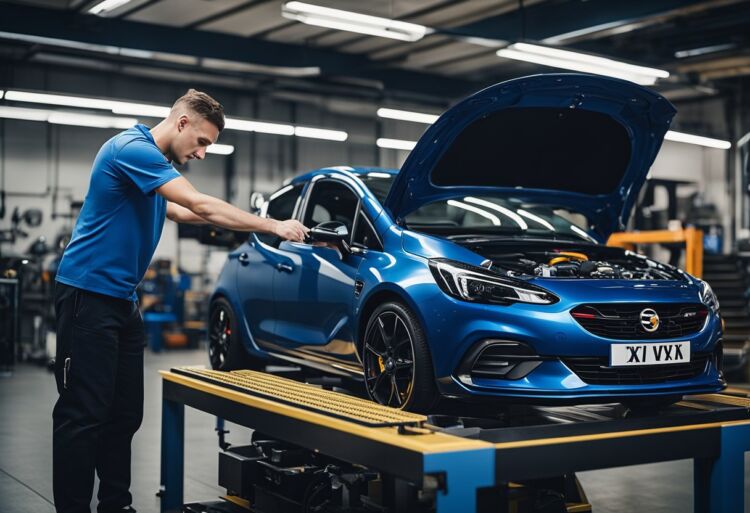
When installing components for a Corsa VXR engine build, it’s essential to focus on sealing parts properly and setting up timing and auxiliary systems accurately. Proper installation ensures engine reliability and performance.
Sealing Components
For sealing, we prioritise using an OEM head gasket kit. These gaskets are crucial for maintaining the seal between the head and the engine block. Selecting a heavy-duty gasket can provide extra durability under high-performance conditions.
Appropriate tightening of head bolts is critical. We follow a specific torque sequence to avoid uneven pressure distribution, which can lead to leaks. Lubricating the bolts before installation aids in achieving precise torque readings.
We also inspect the oil pump to ensure it is in good condition. A reliable oil pump maintains correct oil pressure needed for lubricating engine components effectively.
Lastly, we apply a sealant around the edges of gaskets where necessary. This additional sealing layer acts as insurance against potential leaks over time.
Timing and Auxiliary Systems
Ensuring precise setup of the timing belt kit is fundamental. We begin by aligning all components according to factory specifications. Misalignment can lead to poor engine performance or damage.
The role of the water pump is also significant in this setup. We often replace it when installing a new timing belt, as both components tend to wear out simultaneously. A functional water pump guarantees optimal engine cooling.
Attention is given to auxiliary components such as belts and pulleys. It’s important to replace any worn or damaged pieces. They contribute to efficient power delivery and the smooth operation of accessories.
We check all alignments carefully and adjust tension as needed. Correct tension ensures reliable performance and prolongs the life of the components. This meticulous process helps maintain overall engine health and efficiency.
Performance Tuning
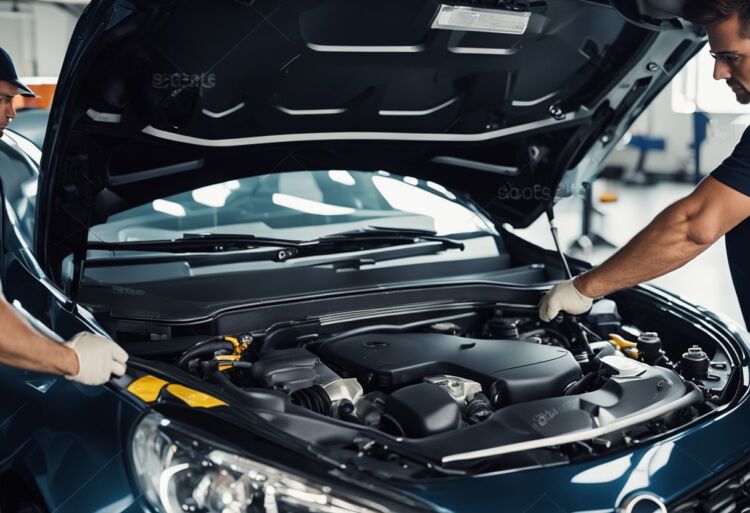
Performance tuning enhances the Corsa VXR’s power and efficiency. We will focus on remapping the engine for optimal power delivery and making specific adjustments to the valvetrain to handle increased performance demands.
Engine Mapping
Engine mapping, commonly known as remapping, involves reprogramming the electronic control unit (ECU) to boost the car’s engine performance. By adjusting the fuel and air ratio, timing, and other parameters, we can unlock up to 400hp and 350tq.
Using tools like a CNC torque plate ensures precision in measurement. This helps maintain the correct cylinder shape during the tuning. Including forged Wössner performance pistons improves the engine’s reliability under increased power stress. These changes not only enhance performance but also deliver a smoother driving experience.
Valvetrain Adjustments
Adjusting the valvetrain is crucial for handling increased power. We focus on installing uprated valve springs, which can cope with higher revs and prevent valve float. These springs are essential when aiming for peak performance levels.
Vapour blasted alloy components are used to protect and enhance various engine parts, ensuring longevity and durability under stress. Fitting these components minimises wear and tear, allowing us to make full use of the engine’s capabilities without sacrificing reliability. Investing in valvetrain adjustments prepares the Corsa VXR for enhanced demands, supporting robust and reliable performance.
Running-In Period

When we forge a Corsa VXR, the running-in period is crucial to ensure the engine performs well and lasts long. This period requires attention and care to allow all components to settle properly. We will discuss the essential initial care steps and the optimal strategy to follow.
Initial Care
During the initial phase of the running-in period, it’s important for us to use mineral oil specifically designed for this purpose. This oil allows the engine parts to wear in together effectively. Modern synthetic oils may be too slippery, hindering the proper bedding of components.
We recommend avoiding harsh driving; steady speed and moderate acceleration are key. Ideally, the first 500 miles should be covered gently, giving the internals time to adapt and avoid unnecessary strain. Focusing on varied driving conditions like city and motorway journeys helps balance out the engine load.
Regularly checking the running-in oil is essential. Keep an eye on oil levels and ensure there are no leaks or unusual noises. Monitoring these early signs can prevent future problems.
Optimal Running-in Strategy
An optimal running-in strategy involves following a detailed running-in map provided by your engine builder. This map can be a helpful guide, outlining the appropriate load, speed, and RPM levels suitable for the break-in period.
After the initial 500 miles, we should gradually increase the engine load. It’s important not to rush this process. Sticking to planned increments helps maximise the performance and durability of the engine.
The final oil change should occur after the running-in period is complete, usually around 1,000 to 1,500 miles. This change removes any metal particles that may have been produced as parts bed in, replacing the mineral oil with a high-quality synthetic oil suitable for ongoing use.
Post-Rebuild Checks and Maintenance
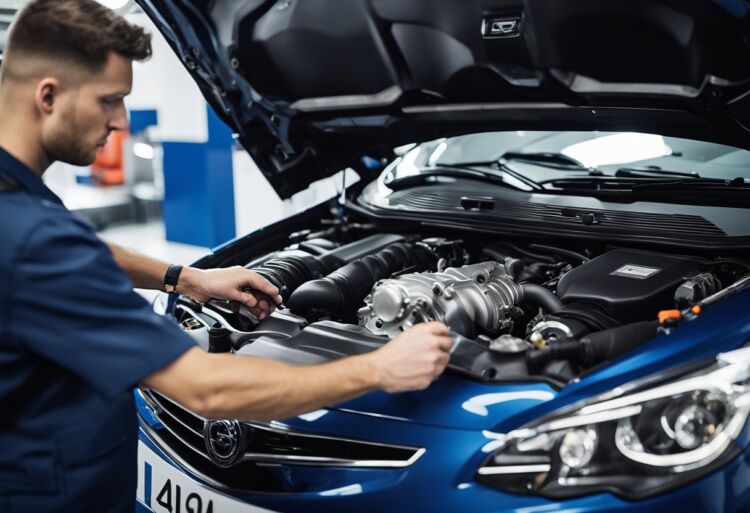
After rebuilding a Corsa VXR engine, there are essential steps to ensure everything works as intended. We need to focus on checking the quality of the rebuild and also plan for future maintenance to keep the engine in top condition.
Quality Inspection
Once the rebuild is complete, the first thing we should do is a thorough quality inspection. It is important to check the PTFE coating on components to ensure they are correctly applied for reduced friction. Ensuring the 4032 alloy pistons are properly installed and free from defects is necessary for optimal performance.
We should also examine the exhaust valves carefully. They play a crucial role in engine efficiency and can affect overall performance if not functioning correctly. Ensuring all parts from the engine rebuild kit are of high quality and correctly fitted is vital. Performing a test drive allows us to detect any unusual noises or performance issues that might arise from the rebuild process.
Long-term Maintenance Advice
Maintaining our newly rebuilt engine means scheduling regular checks. Using high-quality oils that suit VRX engines helps in long-term durability. Regularly inspecting the PTFE coating and parts made from 4032 alloy can prevent early wear.
Replacing oil and air filters periodically ensures clean operation. Checking exhaust valves during these maintenance sessions can help catch problems early. Planning regular maintenance of the engine rebuild kit components keeps everything working smoothly. Emphasising on timely servicing and genuine parts will contribute to the engine’s longevity and efficiency.
Frequently Asked Questions
When considering modifications for a Corsa VXR, it’s important to understand the various costs and potential gains involved. This section explores typical expenses associated with engine forging, purchasing pre-forged engines, and upgrading to different performance stages.
What is the typical cost for engine forging on a Corsa VXR?
The cost for forging a Corsa VXR engine varies depending on the specific modifications. Prices typically start around £2,300 for models like the Corsa D or E. This includes essential upgrades to improve durability and performance.
Can you purchase a forged engine for a Corsa VXR and what’s the price range?
Yes, purchasing a pre-forged engine is possible. The cost is influenced by the components installed and the level of customisation. You might find packages ranging from basic forged internals to more comprehensive builds that include advanced parts.
What expenses are involved in an engine rebuild kit for a Corsa VXR?
Engine rebuild kits typically include components like forged pistons, steel rods, and gaskets. Prices can vary, but you should expect to invest in several high-quality parts to ensure reliability and improved output. For precise pricing, it’s best to consult specialised suppliers.
What are the potential costs for upgrading a Corsa VXR to Stage 2?
Upgrading a Corsa VXR to Stage 2 includes additional modifications such as uprated valve springs and camshafts. Costs may start from basic engine modifications and can increase based on specific performance goals.
How much does it cost to repair or replace piston 4 in a Corsa VXR?
Repairing or replacing piston 4 in a Corsa VXR can be necessary if damage occurs. The costs depend on the required repairs and any associated labour. Engine specialists can provide more accurate estimates based on the extent of work needed.
What is the average performance increase with a stage 1 tune on a Corsa VXR?
A Stage 1 tune typically improves the Corsa VXR’s power by making minor but effective enhancements. While exact gains vary, many Stage 1 setups can achieve notable performance improvements, enhancing the car’s overall driving experience.