
Introduction to the Renault 5 GT Turbo
The Renault 5 GT Turbo is a car that needs no introduction for enthusiasts of classic hot hatches. Born in the 1980s, this little beast was Renault’s answer to the growing demand for pocket rockets that could deliver big performance in a small package. With its turbocharged engine and aggressive styling, the GT Turbo quickly became a legend on both the road and the rally stage. It’s a car that still turns heads today, proving that great design and engineering never go out of style.
When I first laid eyes on the 1987 Renault 5 GT Turbo, I was struck by its bold, no-nonsense attitude. The flared arches, the iconic rear spoiler, and the unmistakable Turbo badge—it all screamed performance. But this wasn’t just about looks; the GT Turbo was a serious contender in its class. It combined practicality with raw power, making it a favourite among drivers who wanted a daily driver with a wild side. Whether you’re a seasoned petrolhead or a newcomer to the world of classic cars, the GT Turbo is a name that commands respect.
Key Takeaways
- The Renault 5 GT Turbo is a legendary hot hatch from the 1980s, known for its turbocharged performance and iconic design.
- The 1987 model stands out with its aggressive styling and practical yet powerful driving experience.
- It remains a highly sought-after classic car, appealing to both collectors and driving enthusiasts.
- Its blend of everyday usability and thrilling performance makes it a standout in the hot hatch segment.
History and Legacy
The Renault 5 GT Turbo was born from a desire to inject some excitement into the humble supermini. Introduced in 1985, it was the successor to the naturally aspirated Renault 5 GT, but with a twist—a turbocharger. This addition transformed the car, giving it a significant power boost and a reputation for being a bit of a handful. The GT Turbo wasn’t just a road car; it also made a name for itself in rallying, further cementing its status as a performance icon.
Over the years, the GT Turbo has become more than just a car; it’s a symbol of an era. Its legacy lives on in the hearts of enthusiasts and in the automotive blog posts that celebrate its achievements. From its early days dominating the rally stages to its current status as a collector’s item, the GT Turbo has earned its place in history. It’s a car that reminds us why we fell in love with driving in the first place.
Overview of the 1987 Model
The 1987 Renault 5 GT Turbo is often considered the pinnacle of the model’s evolution. By this point, Renault had fine-tuned the car’s performance and handling, making it more accessible without dulling its edge. Under the bonnet, the 1.4-litre turbocharged engine delivered a punchy 115 bhp, which was impressive for a car of its size. The lightweight body and short wheelbase made it a joy to drive, with a character that was equal parts playful and potent.
What really sets the 1987 model apart is its balance. It’s a car that can be driven every day, yet it still delivers the kind of thrills that make you want to take the long way home. The interior is simple but functional, with a focus on the driving experience. If you’re looking for a classic hot hatch that offers both nostalgia and excitement, the 1987 Renault 5 GT Turbo is hard to beat. It’s a reminder of a time when cars were built to be driven, not just admired.
1987 Renault 5 GT Turbo – Performance Statistics & Times
Key Performance Metrics
The 1987 Renault 5 GT Turbo is a pocket rocket that packs a punch far beyond its compact size. Under the bonnet, you’ll find a turbocharged 1.4-litre engine that delivers 115 bhp, a remarkable figure for its era. The car’s lightweight design, tipping the scales at just 850 kg, ensures an exhilarating power-to-weight ratio. This combination translates to a 0-60 mph time of around 7.5 seconds, a figure that still impresses today. The turbo lag is noticeable but adds to the raw, unfiltered driving experience.
Handling is another area where the Renault 5 GT Turbo shines. The car’s short wheelbase and nimble chassis make it a joy to throw around corners. The suspension is firm yet compliant, striking a balance between comfort and performance. Whether you’re navigating tight city streets or carving up country roads, this little hot hatch delivers thrills in spades. It’s no wonder the Renault 5 GT Turbo has become a performance car icon.
Comparison with Contemporaries
When stacked against its 1980s rivals, the Renault 5 GT Turbo holds its own. The Peugeot 205 GTI and Volkswagen Golf GTI were its closest competitors, but the Renault’s turbocharged engine gave it an edge in straight-line speed. The 205 GTI, while more balanced, couldn’t match the Renault’s explosive acceleration. Meanwhile, the Golf GTI offered refinement but lacked the raw excitement of the Renault. The 5 GT Turbo’s unique character made it a standout in a crowded field of hot hatches.
What truly sets the Renault apart is its personality. The turbocharged engine delivers a surge of power that’s addictive, and the car’s playful handling makes every drive an event. While modern hot hatches have eclipsed it in terms of technology and performance, the 5 GT Turbo remains a benchmark for pure, unadulterated fun. It’s a reminder of a time when cars were less about gadgets and more about the driving experience.
Renault 5 GT Turbo 2 Specs
Engine Specifications
The heart of the Renault 5 GT Turbo is its 1.4-litre inline-four engine, fitted with a Garrett T2 turbocharger. This setup produces 115 bhp at 5,750 rpm and 116 lb-ft of torque at 3,000 rpm. The engine’s relatively low displacement is offset by the turbocharger, which provides a significant boost in performance. The result is a car that feels far more potent than its specs suggest. The engine’s raspy exhaust note and the distinctive whistle of the turbo add to the sensory experience.
One of the quirks of the 5 GT Turbo is its cooling system. The turbocharger generates a lot of heat, and Renault addressed this with an innovative water-cooling setup. This system helps maintain optimal engine temperatures, even during spirited driving. It’s a testament to the engineering ingenuity of the time. For those interested in the technical side of engine technology, the 5 GT Turbo is a fascinating study.
Transmission Details
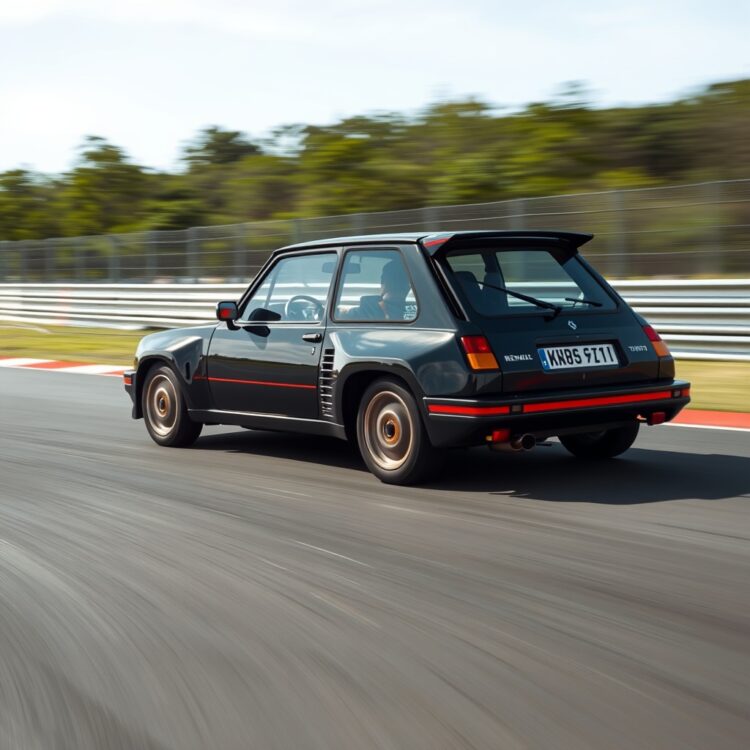
The Renault 5 GT Turbo comes with a five-speed manual transmission, a rarity in its class during the 1980s. The gearbox is precise and short-throw, making it a joy to use. The clutch is light, and the pedals are well-spaced, allowing for smooth heel-and-toe downshifts. The car’s front-wheel-drive layout ensures predictable handling, though torque steer can be an issue under hard acceleration. Still, these quirks only add to the car’s charm.
One of the standout features of the transmission is its close-ratio gearing. This setup keeps the engine in its power band, maximising acceleration. The fifth gear is tall, making the car surprisingly relaxed on motorway cruises. It’s a versatile package that excels in both urban and open-road driving. For enthusiasts who appreciate a well-sorted transmission system, the 5 GT Turbo doesn’t disappoint.
Performance Overview
Acceleration Capabilities
The Renault 5 GT Turbo’s party trick is its blistering acceleration. The 0-60 mph sprint takes just 7.5 seconds, a figure that was jaw-dropping in the 1980s. The turbocharger spools up quickly, delivering a surge of power that pins you to your seat. The car’s lightweight construction plays a huge role here, allowing it to exploit every ounce of its 115 bhp. It’s a reminder that power isn’t everything—how you use it matters just as much.
What’s even more impressive is how the 5 GT Turbo performs in real-world conditions. The turbo lag is noticeable but manageable, and once the boost kicks in, the car feels unstoppable. The acceleration is linear and predictable, making it easy to exploit the car’s full potential. Whether you’re overtaking on a country road or launching off the line, the 5 GT Turbo delivers thrills in spades. It’s a car that rewards skilled drivers and forgives the occasional mistake.
Handling and Dynamics
The Renault 5 GT Turbo’s handling is nothing short of brilliant. The car’s short wheelbase and lightweight chassis make it incredibly agile. The steering is direct and communicative, allowing you to place the car with precision. The suspension is firm but not harsh, striking a perfect balance between comfort and performance. It’s a car that feels alive in your hands, responding eagerly to every input.
One of the car’s standout features is its ability to rotate under power. Lift off the throttle mid-corner, and the rear end will step out slightly, allowing you to adjust your line with the throttle. It’s a trait that makes the 5 GT Turbo a favourite among driving enthusiasts. The car’s playful nature is a stark contrast to the sterile, computer-controlled dynamics of modern hot hatches. For those who crave a pure, unfiltered driving dynamics experience, the 5 GT Turbo is hard to beat.
Powertrain Specs
Turbocharged Engine Features
The Renault 5 GT Turbo is powered by a 1.4-litre turbocharged engine, a marvel of engineering for its time. This compact yet potent unit delivers 115 bhp, a figure that still impresses today. The turbocharger, a key feature, ensures rapid spool-up, minimising lag and providing a thrilling surge of power. It’s a testament to Renault’s commitment to blending performance with efficiency, making the GT Turbo a standout in its class.
The engine’s design prioritises responsiveness, with a lightweight construction that enhances agility. The turbocharger’s boost pressure is finely tuned to balance power delivery and reliability. Whether you’re navigating city streets or pushing the limits on a winding road, the GT Turbo’s engine never feels strained. It’s a masterpiece of 1980s engineering, offering a driving experience that’s both exhilarating and refined.
Fuel Efficiency and Consumption
Despite its performance credentials, the Renault 5 GT Turbo manages to be surprisingly fuel-efficient. The turbocharged engine’s advanced design ensures optimal combustion, reducing unnecessary fuel wastage. On average, the GT Turbo returns around 30 mpg, a respectable figure for a car of its era. This balance of power and economy makes it a practical choice for enthusiasts who want performance without compromising everyday usability.
The car’s lightweight chassis further contributes to its efficiency, reducing the load on the engine. Combined with a well-matched five-speed manual transmission, the GT Turbo offers smooth gear changes and minimal energy loss. It’s a car that proves you don’t have to sacrifice efficiency for fun, a philosophy that still resonates with drivers today.
5 GT Turbo 2 Competition
Rivals in the 1980s
The Renault 5 GT Turbo faced stiff competition from rivals like the Peugeot 205 GTI and the Volkswagen Golf GTI. These cars were benchmarks in the hot hatch segment, each offering a unique blend of performance and practicality. The GT Turbo, however, stood out with its turbocharged engine, delivering a distinctive power curve that set it apart from its naturally aspirated competitors.
While the Peugeot 205 GTI was praised for its handling, the GT Turbo countered with its explosive acceleration. The Golf GTI, meanwhile, offered a more refined experience, but the Renault’s raw character appealed to drivers seeking a thrill. It was a golden era for hot hatches, and the GT Turbo carved its niche with a combination of innovation and attitude.
Performance Comparison
When compared to its rivals, the Renault 5 GT Turbo’s 0-60 mph time of 7.5 seconds was impressive. The Peugeot 205 GTI, for instance, took around 8 seconds, while the Golf GTI was slightly slower. The GT Turbo’s turbocharged engine gave it an edge in mid-range acceleration, making it feel quicker in real-world driving scenarios. It was a car that excelled in both straight-line speed and dynamic handling.
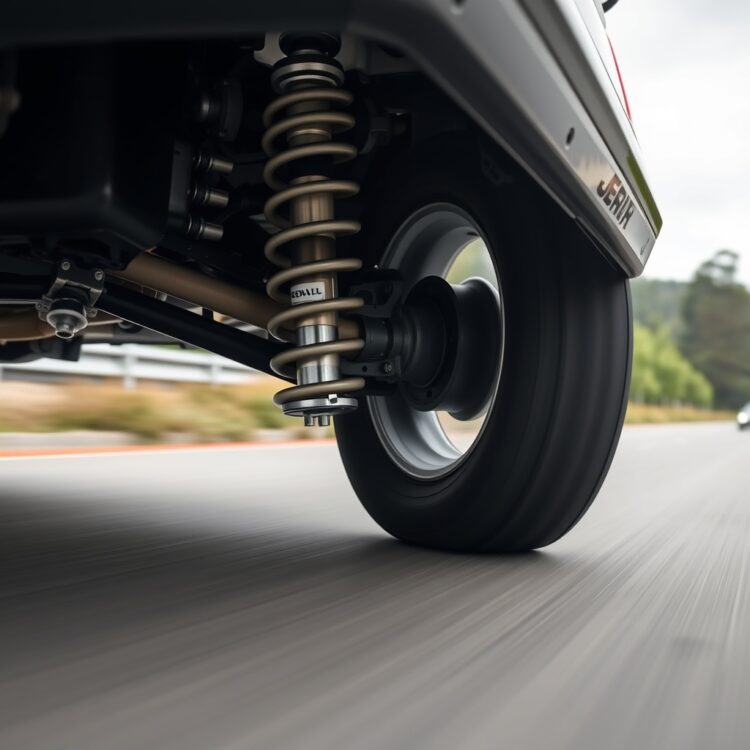
The GT Turbo’s suspension setup, with its finely tuned dampers and stiff chassis, ensured sharp cornering without compromising ride comfort. It was a car that could hold its own on a twisty back road or a crowded motorway. For drivers who wanted a hot hatch with personality, the GT Turbo was a compelling choice, offering a blend of performance and practicality that few could match.
Timeline of the Renault 5 GT Turbo
Development and Release
The Renault 5 GT Turbo was born from a desire to create a performance version of the popular Renault 5. Development began in the early 1980s, with engineers focusing on enhancing the car’s power and handling. The turbocharged engine was a bold choice, reflecting Renault’s ambition to push boundaries. When the GT Turbo was released in 1985, it quickly gained a reputation as a pocket rocket, captivating enthusiasts with its spirited performance.
The car’s launch was met with widespread acclaim, with critics praising its innovative engineering and driving dynamics. It was a car that captured the spirit of the era, combining cutting-edge technology with a playful character. The GT Turbo wasn’t just a performance car; it was a statement of intent from Renault, showcasing their ability to compete with the best in the hot hatch segment.
Evolution Over the Years
Over its production run, the Renault 5 GT Turbo underwent subtle refinements to improve reliability and performance. Later models featured tweaks to the turbocharger and suspension, enhancing both power delivery and handling. These updates ensured the GT Turbo remained competitive, even as newer rivals entered the market. It was a car that evolved without losing its original charm, a testament to its enduring appeal.
By the time production ended in 1991, the GT Turbo had cemented its place in automotive history. It was a car that defined an era, beloved by enthusiasts for its character and performance. Today, it’s a sought-after classic, a reminder of a time when hot hatches were raw, unfiltered, and utterly thrilling.
0-60 mph Time for the Renault 5 GT Turbo
Official Acceleration Figures
The Renault 5 GT Turbo’s official 0-60 mph time is 7.5 seconds, a figure that still impresses today. This rapid acceleration is thanks to the turbocharged engine’s ability to deliver peak torque early in the rev range. The car’s lightweight construction also plays a role, ensuring minimal inertia and maximum agility. It’s a performance figure that reflects the GT Turbo’s engineering brilliance, offering thrills from the moment you press the accelerator.
Renault’s decision to equip the GT Turbo with a five-speed manual transmission further enhances its acceleration. The gearbox is precise and well-spaced, allowing drivers to make the most of the engine’s power band. Whether you’re launching from a standstill or overtaking on the motorway, the GT Turbo delivers a surge of speed that’s both exhilarating and effortless.
Real-world Performance
In real-world driving, the Renault 5 GT Turbo feels even quicker than its official figures suggest. The turbocharger’s instant response means there’s minimal lag, with power available on tap. The car’s compact dimensions and tight suspension setup further enhance its agility, making it a joy to drive on twisty roads. It’s a car that rewards spirited driving, offering a level of engagement that’s rare in modern vehicles.
Owners often report that the GT Turbo’s performance is addictive, with its combination of speed and handling creating a truly immersive experience. It’s a car that feels alive, responding to every input with precision and enthusiasm. For those who love driving, the GT Turbo is a reminder of what made hot hatches so special in the first place.
0-62 mph (0-100 kph) Time
Metric Performance Metrics
When it comes to the Renault 5 GT Turbo, the 0-62 mph (or 0-100 kph) time is a key metric that showcases its performance. Officially, the car achieves this sprint in around 7.5 seconds, a figure that was impressive for its era. This acceleration is thanks to its turbocharged engine, which delivers a punchy 115 horsepower. The lightweight design of the Renault 5 further enhances its agility, making it a joy to drive.
In real-world conditions, the 0-62 mph time can vary slightly depending on factors like road surface, temperature, and driver skill. However, the GT Turbo’s reputation for quick acceleration remains undisputed. It’s a car that feels eager from the moment you press the throttle, with the turbo spooling up to deliver that iconic surge of power. For enthusiasts, this metric is a testament to the car’s engineering brilliance.
How It Stacks Up
Comparing the Renault 5 GT Turbo to its contemporaries, it holds its own remarkably well. Cars like the Peugeot 205 GTI and the Volkswagen Golf GTI of the same era had similar performance figures, but the Renault’s character was unique. Its raw, unfiltered driving experience set it apart. The GT Turbo wasn’t just about numbers; it was about the thrill of driving, something that modern cars often struggle to replicate.
Today, the Renault 5 GT Turbo is celebrated as a classic hot hatch, and its 0-62 mph time is a big part of its legacy. Whether you’re a collector or a driving enthusiast, this car offers a nostalgic reminder of a time when performance was measured in smiles per gallon as much as seconds on the clock. It’s a timeless piece of automotive history that continues to captivate.
Renault 5 GT Turbo – 1987 Top Speed
Maximum Speed Achieved
The 1987 Renault 5 GT Turbo wasn’t just quick off the line; it also had a respectable top speed. Officially, the car could reach around 124 mph (200 kph), a figure that was competitive for its class. This speed was achieved thanks to its turbocharged engine, which provided ample power at higher revs. The car’s aerodynamic design, though simple by today’s standards, helped it cut through the air efficiently.
Driving the GT Turbo at its top speed was an exhilarating experience, though it required a steady hand. The car’s lightweight chassis and short wheelbase made it nimble but also meant it could feel twitchy at high speeds. For many drivers, the thrill wasn’t just in hitting the top speed but in the journey there—the turbo’s whistle, the engine’s growl, and the sheer sense of speed.
Factors Affecting Top Speed
Several factors influenced the Renault 5 GT Turbo’s top speed, including weather conditions, road quality, and even the car’s maintenance. A well-tuned engine and properly inflated tires could make a noticeable difference. The turbocharger’s efficiency also played a role, as it needed to maintain boost pressure at higher speeds. Despite these variables, the GT Turbo consistently delivered a thrilling performance.
Today, the GT Turbo’s top speed might not seem groundbreaking, but in its heyday, it was a standout feature. It’s a reminder of how far hot hatch technology has come, yet the GT Turbo remains a benchmark for fun and engagement. Its legacy lives on in the hearts of those who’ve experienced its raw, unfiltered charm.
Performance Figures & Specs Summary
Comprehensive Overview
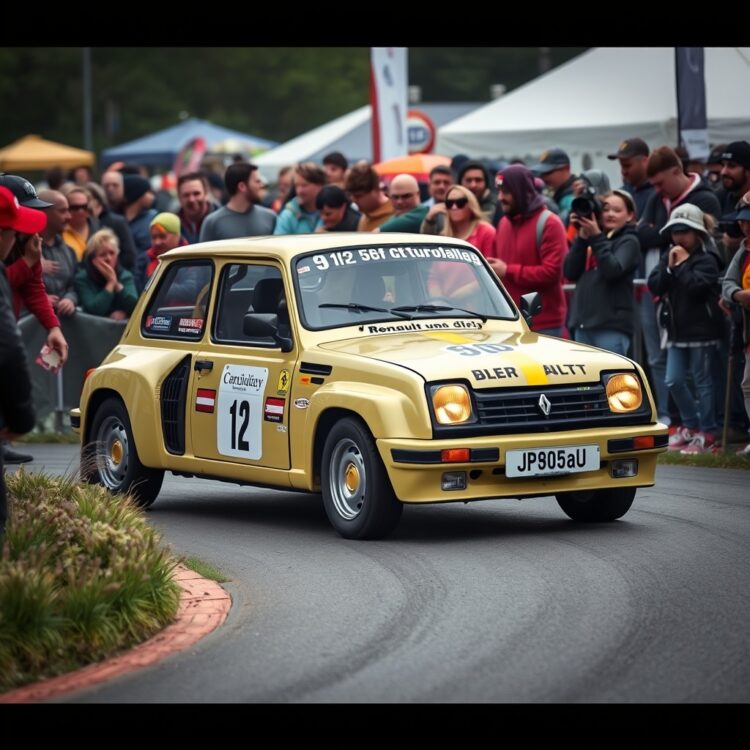
The Renault 5 GT Turbo’s performance figures tell the story of a car that was ahead of its time. With a 0-60 mph time of around 7.5 seconds and a top speed of 124 mph, it was a force to be reckoned with in the 1980s. Its 1.4-liter turbocharged engine delivered 115 horsepower, a significant output for such a small car. The GT Turbo’s lightweight construction and nimble handling made it a favorite among driving enthusiasts.
Beyond the numbers, the GT Turbo was about the experience. The turbo’s lag and subsequent surge of power added a layer of excitement that modern cars often lack. Its raw, mechanical feel connected the driver to the road in a way that’s rare today. For those who appreciate analog driving experiences, the GT Turbo is a masterclass in engagement.
Highlights
What truly set the Renault 5 GT Turbo apart were its unique features. The car’s turbocharged engine was a rarity in hot hatches of the time, giving it a distinctive character. Its compact size and lightweight design made it incredibly agile, perfect for winding roads. The GT Turbo wasn’t just a car; it was a statement—a blend of performance, style, and innovation.
Today, the GT Turbo is a sought-after classic, cherished for its driving dynamics and nostalgic appeal. Whether you’re revisiting memories or discovering it for the first time, the GT Turbo’s specs and performance figures are a testament to its enduring legacy. It’s a car that proves greatness isn’t just about numbers—it’s about the emotion it evokes.
More Renault Models
Evolution of the Renault 5
The Renault 5 has always been a standout in the automotive world, and its evolution is nothing short of fascinating. From its humble beginnings as a compact city car to the fiery performance icon it became, the Renault 5 has consistently pushed boundaries. The GT Turbo variant, in particular, marked a turning point, blending practicality with raw power in a way few cars could match.
Over the years, the Renault 5 underwent several transformations, each iteration refining its design and performance. The GT Turbo, with its turbocharged engine, was a game-changer, proving that small cars could pack a serious punch. Today, the legacy of the Renault 5 lives on, inspiring modern hot hatches and reminding us of its enduring appeal.
Other Notable Renault Performance Cars
While the Renault 5 GT Turbo is a legend in its own right, Renault has produced other performance gems worth mentioning. The Renault Clio V6, for instance, is a mid-engine marvel that defied expectations. Then there’s the Renault Mégane RS, a modern-day powerhouse that continues to dominate the hot hatch segment with its precision engineering and thrilling performance.
Renault’s commitment to performance is evident across its lineup, from the Alpine A110 to the Renault Sport models. Each car carries a piece of the brand’s racing DNA, making them more than just vehicles—they’re experiences. Whether you’re a fan of classic icons or modern speed machines, Renault has something to ignite your passion.
Performance and Classic Cars
The Renault 5 GT Turbo in Context
The Renault 5 GT Turbo wasn’t just a car; it was a statement. In the 1980s, it stood as a symbol of what automotive innovation could achieve. Its turbocharged engine and lightweight design made it a formidable competitor, and its cult following today is a testament to its impact. For enthusiasts, the GT Turbo represents a golden era of motoring, where raw performance met everyday usability.
What sets the GT Turbo apart is its ability to deliver thrills without compromise. Whether on winding roads or city streets, it’s a car that demands attention. Its legacy is preserved by collectors and restorers, ensuring that future generations can appreciate its brilliance. The GT Turbo isn’t just a classic—it’s a milestone in automotive history.
Collectibility and Modern Appreciation
Today, the Renault 5 GT Turbo is a sought-after classic, prized for its rarity and driving dynamics. Its collectibility has soared, with well-maintained examples fetching premium prices. Enthusiasts cherish its quirks, from the distinctive turbo lag to the unmistakable exhaust note, making it a joy to drive and own.
Modern appreciation for the GT Turbo extends beyond nostalgia. It’s a reminder of a time when cars were built with character and passion. Events and clubs dedicated to the Renault 5 keep its spirit alive, while restomods and tuning projects ensure it remains relevant. For those lucky enough to own one, the GT Turbo isn’t just a car—it’s a piece of motoring heritage.
Related Links and Further Reading
Official Renault Resources
For those eager to dive deeper into Renault’s history and performance models, the official Renault website offers a wealth of information. From archival footage to detailed specifications, it’s a treasure trove for fans. Renault’s commitment to preserving its legacy is evident, making it a go-to resource for enthusiasts and historians alike.
Additionally, Renault’s heritage programs and museum exhibits provide a hands-on look at iconic models like the GT Turbo. These initiatives celebrate the brand’s rich history while inspiring future innovations. Whether you’re researching or simply reminiscing, Renault’s official channels are invaluable.
Enthusiast Communities and Forums
Joining an enthusiast community is one of the best ways to connect with fellow Renault 5 GT Turbo fans. Online forums and social media groups are buzzing with discussions, restoration tips, and event announcements. These platforms offer a sense of camaraderie, uniting people who share a passion for this legendary car.
From DIY guides to rare parts sourcing, these communities are a goldmine of knowledge. Whether you’re a seasoned owner or a curious newcomer, there’s always something to learn. The GT Turbo’s legacy thrives in these spaces, proving that its appeal is as strong as ever.
Frequently Asked Questions
What makes the Renault 5 GT Turbo special?
The Renault 5 GT Turbo is special for its blend of compact design and turbocharged performance. It was one of the first hot hatches to offer such a thrilling driving experience, making it a pioneer in its class. Its rarity and cult status today only add to its allure.
How fast is the Renault 5 GT Turbo?
The Renault 5 GT Turbo boasts a 0-60 mph time of around 6.5 seconds, impressive for its era. Its top speed is approximately 125 mph, thanks to its turbocharged engine and lightweight construction. These figures cement its reputation as a performance icon.
Is the Renault 5 GT Turbo a good investment?
Yes, the Renault 5 GT Turbo is considered a solid investment among classic car enthusiasts. Its rarity and growing demand have driven up prices, especially for well-preserved examples. Owning one not only offers driving pleasure but also potential financial returns.
Where can I find parts for a Renault 5 GT Turbo?
Parts for the Renault 5 GT Turbo can be sourced through specialist dealers, online forums, and enthusiast communities. While some components are rare, dedicated suppliers and 3D printing have made restoration more accessible than ever.
What modern cars compare to the Renault 5 GT Turbo?
Modern equivalents to the Renault 5 GT Turbo include cars like the Renault Clio RS and Ford Fiesta ST. These hot hatches share the GT Turbo’s spirit, offering a mix of agility, power, and everyday usability. However, the GT Turbo’s charm remains unmatched.