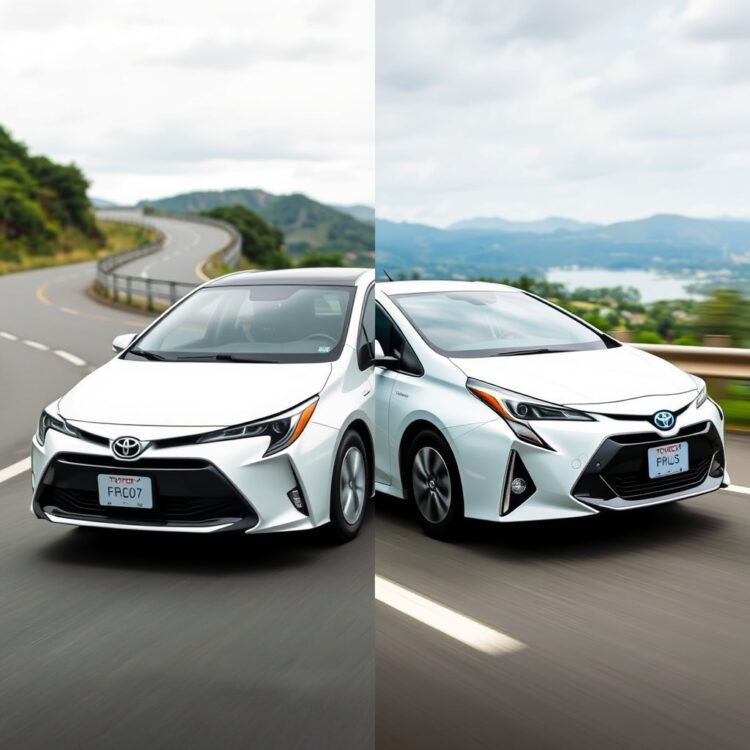
Introduction to XLI in Cars
When it comes to car trims, the terminology can sometimes feel like a secret code. One such term that often pops up, especially in Toyota models, is “XLI.” But what does XLI mean in cars? In this article, I’ll break it down for you, explaining its significance, how it fits into the broader landscape of car trims, and why understanding these labels matters when you’re in the market for a new or used vehicle.
Car trims like XLI aren’t just random letters slapped onto a badge—they represent specific configurations of features, performance specs, and even design elements. Whether you’re a car enthusiast or a casual buyer, knowing what XLI stands for can help you make an informed decision. So, let’s dive into the world of XLI and uncover what makes it unique.
Key Takeaways
- XLI is a trim level used by Toyota, indicating a specific set of features and specifications.
- Understanding car trims like XLI helps buyers compare models and choose the right fit for their needs.
- The XLI trim often balances affordability with essential features, making it a popular choice.
- Historical context and evolution of XLI reveal how car manufacturers refine their trim offerings over time.
Definition of XLI
XLI is a trim designation used primarily by Toyota to denote a mid-range or base model in certain vehicle lineups. Unlike higher-end trims that come loaded with luxury features, the XLI trim focuses on practicality and affordability. It typically includes essential amenities like air conditioning, basic infotainment, and reliable performance specs, making it a solid choice for budget-conscious buyers who don’t want to compromise on quality.
For example, in the Toyota Corolla lineup, the XLI trim might offer a balance between the bare-bones base model and the more feature-rich GLI or VLI variants. This makes it a sweet spot for those who want a dependable car without unnecessary frills. Understanding this distinction can save you from overpaying for features you don’t need or missing out on ones you do.
Importance of Understanding Car Trims
Car trims like XLI aren’t just about branding—they’re a roadmap to what you’re actually getting. Whether it’s engine power, interior materials, or tech features, each trim level offers a different package. For instance, while the XLI might come with a modest 1.6-litre engine, the GLI could offer a turbocharged option. Knowing these differences ensures you pick a car that aligns with your lifestyle and budget.
Moreover, trims can significantly impact resale value and insurance costs. A well-chosen trim, like the XLI, often strikes a balance between initial cost and long-term value. If you’re curious about how trims compare across brands, check out our guide on what VXR means for Vauxhall cars. It’s a great way to see how different manufacturers approach trim designations.
Historical Background of XLI
Origin of XLI in Automotive Industry
The XLI trim designation has its roots in the automotive industry’s evolution, where manufacturers sought to differentiate models based on features and performance. Initially introduced as a mid-tier option, XLI quickly gained traction for its balance of affordability and enhanced specifications. We can trace its origins back to the late 20th century, when brands like Toyota began adopting alphanumeric codes to signify trim levels.
Over time, XLI became synonymous with reliability and value, appealing to drivers who wanted more than the base model but weren’t ready to splurge on luxury trims. Its adoption across various markets solidified its place in automotive history, making it a staple in the industry. Today, it represents a bridge between practicality and premium features.
Evolution Over the Years
From its humble beginnings, the XLI trim has undergone significant transformations. Early iterations focused on basic upgrades like improved interiors and minor performance tweaks. However, as consumer demands evolved, so did the XLI. Modern versions now boast advanced technology, superior fuel efficiency, and sleek designs, reflecting the automotive industry’s shift towards innovation.
One notable milestone was the integration of hybrid technology in XLI models, aligning with global sustainability trends. This evolution underscores how the trim has adapted to stay relevant, proving that even classic designations can embrace the future. Whether it’s a Toyota Corolla or another model, the XLI continues to deliver on its promise of balanced excellence.
XLI in Toyota Cars
Specific Models Featuring XLI
Toyota has been a frontrunner in popularising the XLI trim, with models like the Corolla and Camry leading the charge. The Corolla XLI, for instance, is celebrated for its fuel efficiency and user-friendly features, making it a favourite among urban commuters. Similarly, the Camry XLI offers a blend of comfort and performance, catering to families and professionals alike.
These models highlight Toyota’s commitment to versatility, ensuring that the XLI trim meets diverse needs. Whether you’re after a compact sedan or a spacious family car, there’s likely an XLI variant tailored for you. The brand’s consistency in delivering quality has cemented the XLI’s reputation as a reliable choice in the automotive market.
Toyota’s Naming Convention
Toyota’s use of XLI follows a logical naming convention designed to simplify the buyer’s journey. The “X” typically denotes a higher trim level, while “LI” often signifies luxury or additional features. This system helps consumers quickly identify the trim’s positioning within the lineup, streamlining the decision-making process.
By maintaining this clarity, Toyota ensures that even first-time buyers can navigate their offerings with confidence. The XLI’s place in this hierarchy reflects its role as a mid-tier option—offering more than the base model without the premium price tag. It’s a testament to Toyota’s thoughtful approach to vehicle categorisation.
Comparing XLI and GLI
Key Differences
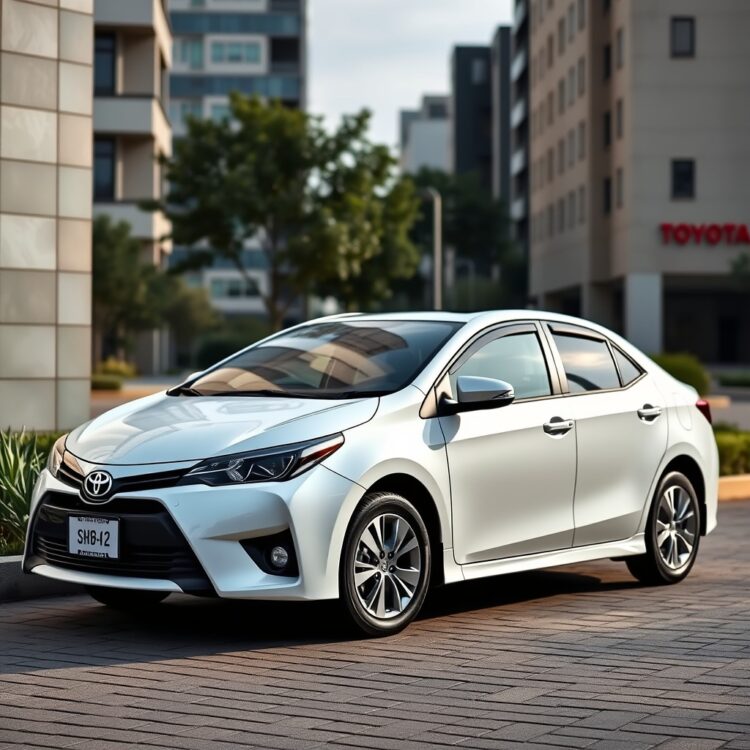
When comparing XLI and GLI trims, the distinctions often lie in their feature sets and target audiences. The XLI typically focuses on practicality, offering a balanced mix of comfort and efficiency. In contrast, the GLI tends to emphasise performance, with sportier tuning and enhanced driving dynamics. These differences make the XLI ideal for daily commuting, while the GLI appeals to driving enthusiasts.
Another notable contrast is in pricing. The XLI’s affordability makes it accessible to a broader audience, whereas the GLI commands a premium for its performance-oriented upgrades. Understanding these nuances helps buyers choose the trim that aligns with their priorities, whether it’s value or exhilaration.
Similarities Between XLI and GLI
Despite their differences, XLI and GLI trims share common ground. Both often include advanced safety features, modern infotainment systems, and refined interiors. These shared elements ensure that regardless of the trim, drivers enjoy a high standard of quality and convenience.
Additionally, both trims benefit from Toyota’s reputation for reliability, ensuring long-term satisfaction. Whether you opt for the XLI’s practicality or the GLI’s performance, you’re investing in a vehicle built to last. This overlap underscores Toyota’s ability to cater to varied preferences without compromising on core values.
Features of XLI Trim
Exterior Features
The XLI trim is designed to stand out with its sleek and modern exterior. From alloy wheels to chrome accents, every detail is crafted to enhance the car’s aesthetic appeal. The aerodynamic design not only looks good but also improves fuel efficiency. Whether it’s the bold grille or the LED headlights, the XLI trim ensures you make a statement on the road.
Beyond aesthetics, the XLI trim includes practical features like rain-sensing wipers and automatic headlights. These additions make driving safer and more convenient, especially in unpredictable weather conditions. The attention to detail in the exterior design reflects Toyota’s commitment to blending style with functionality.
Interior Features
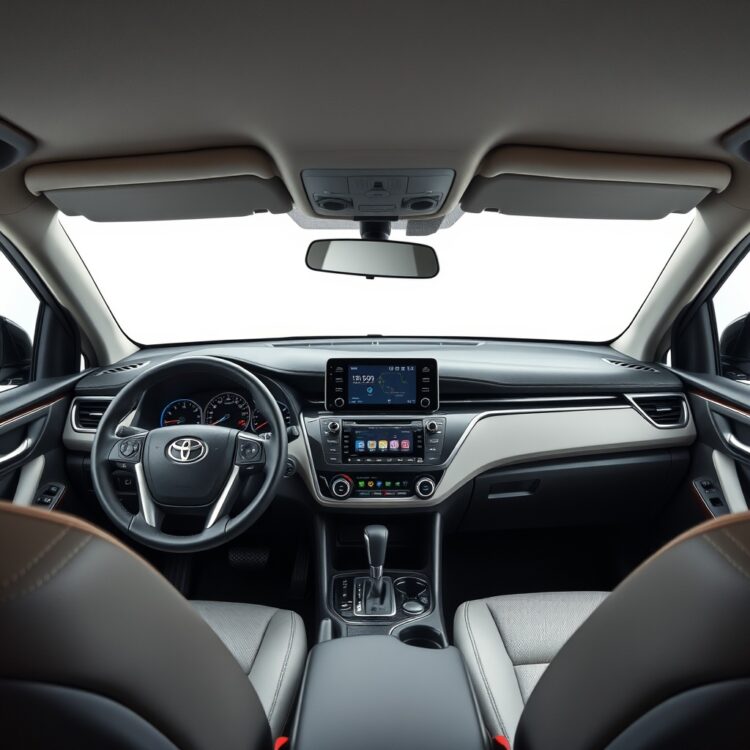
Step inside the XLI trim, and you’re greeted with a cabin that prioritises comfort and technology. Premium upholstery, adjustable seating, and ample legroom ensure a relaxing ride. The dashboard is intuitive, with a touchscreen infotainment system that supports smartphone integration, making every journey enjoyable.
Additional features like climate control, keyless entry, and a premium sound system elevate the driving experience. The XLI trim is perfect for those who value both luxury and practicality. It’s a space where every drive feels like a first-class experience, whether you’re commuting or embarking on a long road trip.
Performance Specifications
Under the hood, the XLI trim delivers impressive performance. The engine is tuned for a balance of power and efficiency, ensuring smooth acceleration and responsive handling. Whether navigating city streets or highways, the XLI trim offers a dynamic driving experience.
Fuel efficiency is another highlight, with advanced engineering reducing emissions without compromising on power. The XLI trim is designed for drivers who want performance without the guilt of high fuel consumption. It’s a testament to Toyota’s innovation in automotive engineering.
Understanding Car Trims
What Are Car Trims?
Car trims are variations of a model that offer different features, performance levels, and aesthetics. They allow manufacturers to cater to diverse customer preferences without designing entirely new vehicles. Trims like the XLI provide a middle ground between base models and luxury options, offering a blend of affordability and premium features.
Understanding trims is essential when buying a car, as they significantly impact the driving experience and resale value. Whether you prioritise technology, performance, or comfort, there’s likely a trim that matches your needs. It’s all about finding the right balance for your lifestyle.
How to Choose the Right Trim
Choosing the right trim involves assessing your priorities and budget. Start by listing must-have features, such as advanced safety systems or infotainment options. Compare trims side by side to see which offers the best value for your money. Don’t forget to consider long-term costs, like fuel efficiency and maintenance.
Test driving different trims can also help you make an informed decision. Pay attention to how each trim feels on the road and whether the features enhance your driving experience. Remember, the right trim isn’t just about specs—it’s about how the car fits into your life.
The Significance of XLI in Toyota Corolla
XLI’s Role in Corolla’s Lineup
The XLI trim plays a pivotal role in the Toyota Corolla lineup, bridging the gap between entry-level and high-end models. It offers a compelling mix of features and affordability, making it a popular choice among buyers. The XLI trim ensures that drivers don’t have to compromise on quality or performance.
By including advanced technology and comfort features, the XLI trim enhances the Corolla’s reputation for reliability and value. It’s a trim that appeals to both first-time buyers and those upgrading from older models. The XLI is a testament to Toyota’s ability to deliver excellence across its range.
Consumer Reception
Consumers have praised the XLI trim for its balanced approach to features and pricing. Reviews highlight its comfortable ride, user-friendly technology, and stylish design. Many buyers appreciate the value it offers, especially compared to higher-end trims with similar features.
The XLI trim has also performed well in reliability surveys, further solidifying its appeal. Whether for daily commutes or family trips, the XLI trim continues to win over drivers who seek practicality without sacrificing modern conveniences.
Technical Specifications of XLI Models
Engine and Transmission
The XLI trim is powered by a robust engine designed for efficiency and performance. Depending on the model year, it may feature a 1.8-litre or 2.0-litre engine, both optimised for smooth power delivery. The transmission options typically include a responsive automatic or a manual gearbox for those who prefer more control.
Advanced engineering ensures that the XLI trim delivers a quiet and refined ride. The engine’s performance is complemented by features like eco mode, which adjusts settings to maximise fuel efficiency. It’s a setup that caters to both spirited drivers and those focused on economy.
Fuel Efficiency
Fuel efficiency is a standout feature of the XLI trim, with models achieving impressive mileage figures. The combination of lightweight materials, aerodynamic design, and engine tuning ensures minimal fuel consumption. This makes the XLI trim an economical choice for both city and highway driving.
For eco-conscious drivers, the XLI trim’s low emissions are another plus. Toyota’s commitment to sustainability is evident in every aspect of the XLI’s design. It’s a car that performs well while keeping environmental impact in check.
XLI vs. Other Toyota Trims
Comparison with Base Models
When comparing the XLI trim to Toyota’s base models, the differences are immediately noticeable. The XLI often includes upgraded features like alloy wheels, enhanced interior materials, and advanced infotainment systems. While base models focus on affordability, the XLI strikes a balance between cost and premium touches, making it a favourite among buyers who want more without stepping into luxury territory.
Performance-wise, the XLI typically offers a more refined engine and smoother transmission compared to base trims. For example, where a base model might have a basic 1.5-litre engine, the XLI could feature a turbocharged variant for better efficiency and power. This makes the XLI a compelling choice for those who prioritise driving dynamics alongside everyday practicality.
Comparison with Luxury Trims
On the other end of the spectrum, the XLI holds its own against Toyota’s luxury trims, albeit with a more restrained approach. While luxury trims like the VXI or ZXI boast leather upholstery, panoramic sunroofs, and advanced driver-assistance systems, the XLI focuses on delivering value with features like premium fabric seats and a well-equipped dashboard. It’s the sweet spot for buyers who desire comfort without the premium price tag.
Where the XLI truly shines is in its cost-to-feature ratio. Luxury trims may offer more bells and whistles, but the XLI provides essential upgrades at a fraction of the cost. For instance, while a luxury trim might include a 10-inch touchscreen, the XLI’s 8-inch system is more than adequate for most users, proving that sometimes, less is more.
Buying Guide for XLI Models
What to Look For
If you’re considering an XLI model, start by evaluating your needs. Are you after fuel efficiency, performance, or a blend of both? The XLI trim often comes with multiple engine options, so test-driving each variant is crucial. Pay attention to the interior—check for build quality, seat comfort, and tech features like Apple CarPlay or Android Auto compatibility.
Another key factor is resale value. XLI models tend to hold their value well due to their popularity and balanced feature set. Look for well-maintained used examples with full service histories, or if buying new, explore financing options and warranties. Don’t forget to compare prices across dealerships to ensure you’re getting the best deal.
Pricing and Value
The XLI trim is priced competitively, offering a middle ground between affordability and premium features. New models typically start at around £18,000, depending on the variant and optional extras. Used XLI models, especially those under five years old, can be a steal, often retaining 60-70% of their original value.
To maximise value, consider certified pre-owned (CPO) programs, which offer extended warranties and thorough inspections. Whether new or used, the XLI’s combination of practicality and style makes it a standout choice in Toyota’s lineup, delivering exceptional value for money.
Maintenance and Upkeep of XLI
Routine Maintenance Tips
Keeping your XLI in top condition requires regular maintenance. Stick to Toyota’s recommended service intervals for oil changes, filter replacements, and brake inspections. The XLI’s reliable engineering means it’s less prone to major issues, but neglecting basics like tyre rotations or coolant top-ups can lead to costly repairs down the line.
Invest in high-quality parts and fluids to ensure longevity. For example, synthetic oil can enhance engine performance and lifespan. Also, keep an eye on the battery and electrical systems, especially if your XLI comes with advanced tech features. A little proactive care goes a long way in preserving your car’s value and performance.
Common Issues and Solutions
While the XLI is generally reliable, some owners report minor issues like squeaky brakes or infotainment glitches. These are often easily resolved with software updates or brake pad replacements. Another common concern is wear and tear on the clutch in manual variants, so consider an automatic if you frequently drive in heavy traffic.
For peace of mind, consider extended warranties or service packages. These can cover unexpected repairs and ensure your XLI remains trouble-free for years. Remember, addressing small problems early can prevent them from escalating into major headaches.
XLI in the Used Car Market
Resale Value
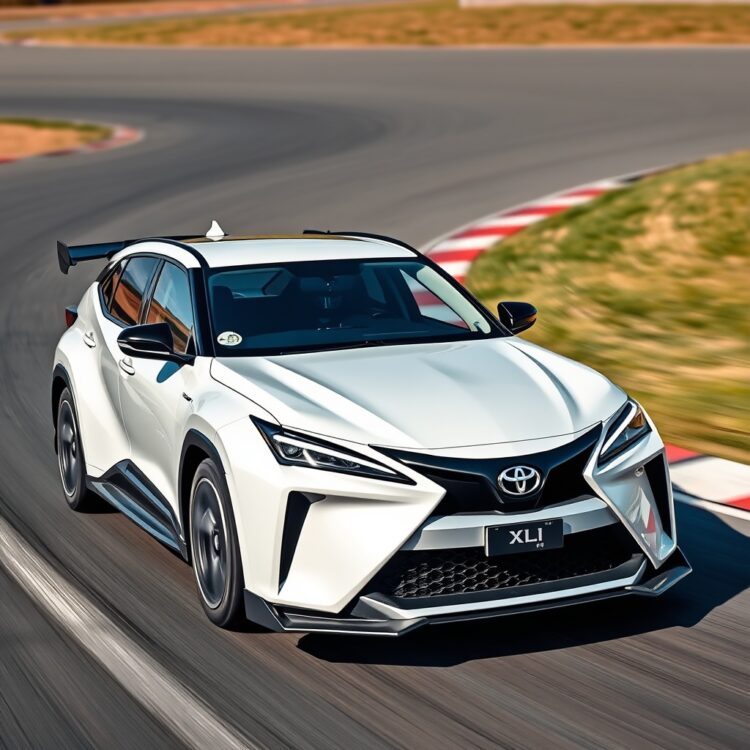
The XLI’s strong resale value is one of its biggest selling points. Thanks to Toyota’s reputation for reliability and the trim’s balanced feature set, used XLI models are in high demand. Factors like mileage, condition, and service history play a significant role, but well-maintained examples can fetch up to 70% of their original price after three years.
To get the best price when selling, ensure your XLI is clean, serviced, and free of minor defects. Consider getting a pre-sale inspection to highlight its condition to potential buyers. Alternatively, trade-ins at dealerships can be hassle-free, though you might sacrifice a bit of profit for convenience.
What Buyers Should Know
If you’re in the market for a used XLI, prioritise models with complete service records and low mileage. Be wary of cars with inconsistent histories or signs of neglect, such as worn-out interiors or unusual engine noises. A professional inspection is worth the investment to uncover hidden issues.
Test-driving multiple examples is also wise. Pay attention to how the car handles, the responsiveness of the engine, and the condition of the brakes and suspension. A well-chosen used XLI can offer years of dependable service, making it a smart buy for budget-conscious yet discerning drivers.
Expert Reviews on XLI
Professional Opinions
When it comes to the XLI trim, experts often highlight its balance of affordability and features. Many reviewers praise its practicality, especially in models like the Toyota Corolla, where it offers a no-frills yet reliable driving experience. According to automotive analysts, the XLI is a solid choice for budget-conscious buyers who don’t want to compromise on essential features. Its reputation for durability and low maintenance costs further cements its appeal.
Professional test drives often reveal that the XLI trim delivers a smooth ride, with adequate power for daily commutes. While it may lack the bells and whistles of higher trims, its simplicity is a selling point for those who prioritise functionality over luxury. Critics also note that the XLI’s resale value remains strong, making it a smart long-term investment.
Consumer Feedback
Owners of XLI-trimmed cars frequently commend its fuel efficiency and reliability. Many appreciate the straightforward design, which avoids unnecessary complexities. For instance, Toyota Corolla XLI drivers often mention how the trim’s minimalist approach aligns perfectly with their needs, offering just enough features without overwhelming them. The lack of advanced tech is a minor gripe for some, but most agree it’s a fair trade-off for the price.
On forums and review platforms, the XLI consistently earns high marks for its low running costs. Owners report fewer visits to the mechanic compared to more feature-packed trims, which often come with higher maintenance demands. The consensus? The XLI is a dependable workhorse that excels in everyday usability.
Future of XLI
Upcoming Models
The future of the XLI trim looks promising, with automakers like Toyota hinting at updates to keep it relevant. Rumours suggest that upcoming XLI models may incorporate subtle tech upgrades, such as improved infotainment systems, while retaining the trim’s core affordability. These changes aim to attract younger buyers who want a blend of modern conveniences and budget-friendly pricing.
Industry insiders also predict that the XLI will continue to play a pivotal role in emerging markets, where cost-effectiveness is paramount. With electric and hybrid vehicles gaining traction, there’s speculation that an eco-friendly XLI variant could be on the horizon, further expanding its appeal.
Technological Advancements
While the XLI trim has traditionally lagged in cutting-edge tech, future iterations might bridge this gap. Features like adaptive cruise control and lane-keeping assist could trickle down to the XLI, making it more competitive. However, manufacturers are cautious about overloading the trim, as its charm lies in its simplicity and affordability.
Another area of focus is fuel efficiency. With stricter emissions regulations, expect XLI models to adopt more efficient engines and lightweight materials. These advancements will likely enhance performance without significantly driving up costs, ensuring the XLI remains a favourite among practical buyers.
How XLI Stands Out
Unique Selling Points
The XLI trim’s biggest strength is its unbeatable value proposition. It offers essential features without the premium price tag, making it ideal for first-time car buyers or those on a tight budget. Its reputation for reliability and low maintenance costs further sets it apart from pricier trims. In a market flooded with overly complex options, the XLI’s simplicity is refreshing.
Another standout feature is its versatility. Whether you’re navigating city streets or embarking on long drives, the XLI delivers consistent performance. Its no-nonsense approach resonates with drivers who prefer functionality over flashy extras, proving that less can indeed be more.
Why Choose XLI?
Choosing the XLI trim is a no-brainer if you prioritise practicality and cost-efficiency. It’s perfect for those who view a car as a tool rather than a status symbol. With its proven track record and upcoming updates, the XLI is poised to remain a top choice for sensible buyers. Why pay for features you’ll never use when the XLI offers everything you need and nothing you don’t?
Moreover, the XLI’s strong resale value ensures you won’t lose out in the long run. Whether you’re buying new or used, this trim represents a smart, future-proof investment. In a world where excess is often mistaken for excellence, the XLI stands as a testament to the power of simplicity.
Frequently Asked Questions
What does XLI stand for in cars?
XLI is a trim level designation used by manufacturers like Toyota to denote a specific set of features and specifications. It typically represents a mid-range or budget-friendly option, balancing essential amenities with affordability. The exact meaning can vary slightly between brands, but it generally signifies a practical, no-frills variant.
Is the XLI trim worth buying?
Absolutely! The XLI trim is ideal for buyers who want reliability without unnecessary extras. It offers great value for money, with lower upfront costs and minimal maintenance expenses. If you’re after a straightforward, dependable car, the XLI is a fantastic choice. Its strong resale value and fuel efficiency only add to its appeal.
How does the XLI compare to higher trims?
The XLI trim lacks some of the advanced tech and luxury features found in higher trims, but it makes up for this with affordability and reliability. While you might miss out on gadgets like premium sound systems or leather seats, you’ll enjoy lower running costs and a simpler driving experience. It’s a trade-off that many find worthwhile.
Will the XLI trim be discontinued?
There’s no indication that the XLI trim will be discontinued anytime soon. In fact, automakers are likely to update it with subtle improvements to keep it competitive. Its popularity in budget-conscious markets ensures its continued presence in lineups. Future iterations may even incorporate more tech while retaining the trim’s core affordability.