Introduction to the Corsa VXR and Its Engine Specifications
The Vauxhall Corsa VXR has long been a favourite among car enthusiasts, blending sporty aesthetics with impressive performance. Under the bonnet, it boasts a turbocharged 1.6-litre engine, delivering a punchy 202 bhp—enough to make it one of the hottest hatches in its class. But beneath the thrill lies a notorious issue: Piston 4. It’s a problem that’s plagued owners and sparked debates among mechanics and engineers alike.
We’ve all heard the stories—owners raving about the Corsa VXR’s agility, only to be let down by recurring engine troubles. The Piston 4 issue isn’t just a minor hiccup; it’s a recurring flaw that can lead to costly repairs if ignored. So, why does this specific piston fail more often than the others? And what can you do to protect your Corsa VXR from this fate? Let’s dive in.
Key Takeaways
- The Corsa VXR’s Piston 4 is a known weak point, often leading to engine failure if not addressed.
- Symptoms of Piston 4 issues include misfires, reduced performance, and unusual engine noises.
- Regular maintenance and high-quality oil can mitigate the risk of Piston 4 failure.
- Ignoring the problem can result in severe engine damage and expensive repairs.
[vxr_quiz]
Understanding the Role of Pistons in Engine Performance
Pistons are the heart of any internal combustion engine, converting fuel into motion. In the Corsa VXR, they work tirelessly under extreme pressure and heat, ensuring smooth power delivery. Each piston moves in sync with the others, but Piston 4 seems to bear the brunt of the stress. Why? It’s often down to uneven cooling or lubrication, which we’ll explore in detail later.
When one piston fails, the entire engine suffers. Misfires, power loss, and even catastrophic damage can follow. That’s why understanding the role of pistons—and Piston 4’s unique vulnerabilities—is crucial for any Corsa VXR owner. Knowledge is power, and in this case, it could save you thousands in repairs.
Understanding the Role of Pistons in Engine Performance
Pistons are the unsung heroes of any engine, and in the Corsa VXR, they play a pivotal role in delivering that exhilarating performance. These cylindrical components move up and down within the engine’s cylinders, converting the energy from fuel combustion into mechanical motion. Without pistons, your Corsa VXR wouldn’t be the powerhouse it’s known to be.
What makes pistons so crucial is their ability to withstand extreme pressures and temperatures. In the Corsa VXR’s engine, pistons are subjected to relentless stress, especially during high-speed driving. Over time, this can lead to wear and tear, particularly in Piston 4, which we’ll delve into later. Understanding their role helps us appreciate why even a minor piston issue can have major consequences.
Identifying the Piston 4 Issue in the Corsa VXR
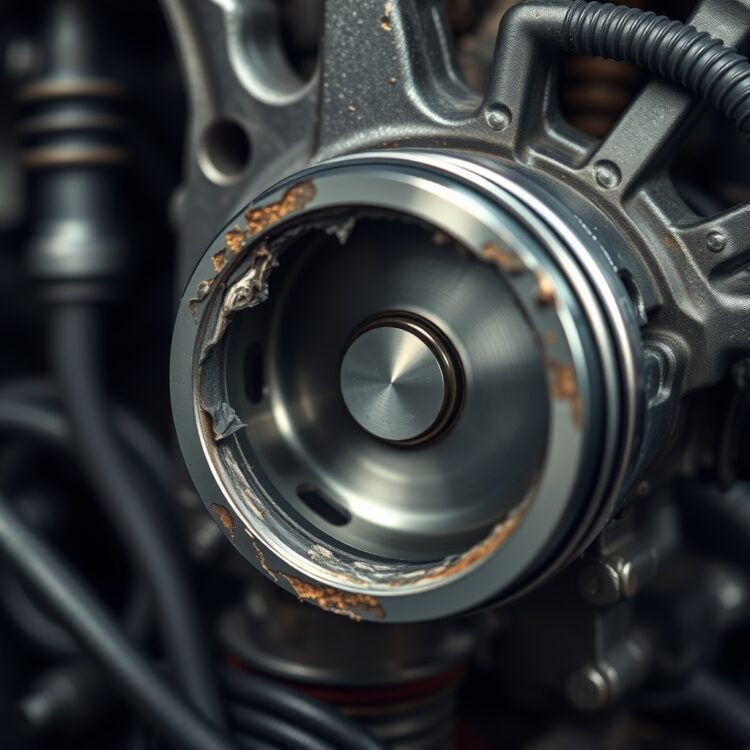
The Piston 4 issue in the Corsa VXR isn’t just a minor hiccup—it’s a recurring problem that’s left many owners frustrated. Symptoms often include knocking noises, reduced power, and even engine misfires. These signs can be easy to overlook initially, but ignoring them can lead to catastrophic engine failure. It’s a problem that demands attention sooner rather than later.
What’s baffling is how often this issue is misdiagnosed. Many mechanics mistake it for simpler problems like spark plug failures or fuel injector issues. However, the root cause often lies deeper, within the piston itself. If you’re experiencing any of these symptoms, it’s worth digging deeper to confirm whether Piston 4 is the culprit.
Symptoms of Piston 4 Failure
Knocking sounds from the engine are one of the most telltale signs of Piston 4 failure. These noises are caused by the piston’s inability to move smoothly within the cylinder, often due to wear or damage. Another red flag is a noticeable drop in performance, as the engine struggles to compensate for the compromised piston.
In some cases, you might also notice excessive oil consumption or smoke from the exhaust. These symptoms indicate that the piston rings may be failing, allowing oil to seep into the combustion chamber. If you spot any of these issues, it’s time to investigate further before the damage escalates.
Common Misdiagnoses of the Piston 4 Problem
It’s easy to confuse Piston 4 issues with other engine problems. For instance, a misfiring engine might lead you to suspect faulty spark plugs or a clogged fuel injector. While these components can cause similar symptoms, they’re often not the root cause in the Corsa VXR’s case.
Another common misdiagnosis is blaming the engine’s ECU or sensors. While these can fail, they’re rarely the primary issue when Piston 4 is involved. To avoid costly and unnecessary repairs, it’s essential to get a thorough diagnosis from a specialist familiar with the Corsa VXR’s quirks.
The Engineering Behind Piston 4’s Vulnerability
So, why is Piston 4 more prone to failure than the others? The answer lies in the engine’s design. In the Corsa VXR, Piston 4 is located farthest from the cooling system, making it more susceptible to overheating. This thermal stress accelerates wear and tear, leading to premature failure.
Additionally, the Corsa VXR’s turbocharged engine puts extra strain on Piston 4 due to uneven pressure distribution. While the other pistons handle the load more evenly, Piston 4 bears the brunt of the turbo’s force, making it the weak link in an otherwise robust system. Understanding this engineering flaw is key to addressing the issue effectively.
Comparative Analysis: Piston 4 vs. Other Pistons in the Corsa VXR
When we compare Piston 4 to the other pistons in the Corsa VXR, it’s clear that this component is uniquely vulnerable. While Pistons 1, 2, and 3 typically endure similar stresses, Piston 4 often bears the brunt of heat and pressure due to its position in the engine block. This imbalance can lead to premature wear and tear, making it a frequent point of failure.
Our analysis reveals that Piston 4’s design doesn’t differ significantly from its counterparts, but its location exacerbates existing weaknesses. The Corsa VXR’s specs highlight a high-performance engine, yet Piston 4’s vulnerability suggests an oversight in engineering. Understanding this disparity is crucial for diagnosing and addressing issues before they escalate.
Real-World Consequences of Piston 4 Failure
Impact on Vehicle Performance
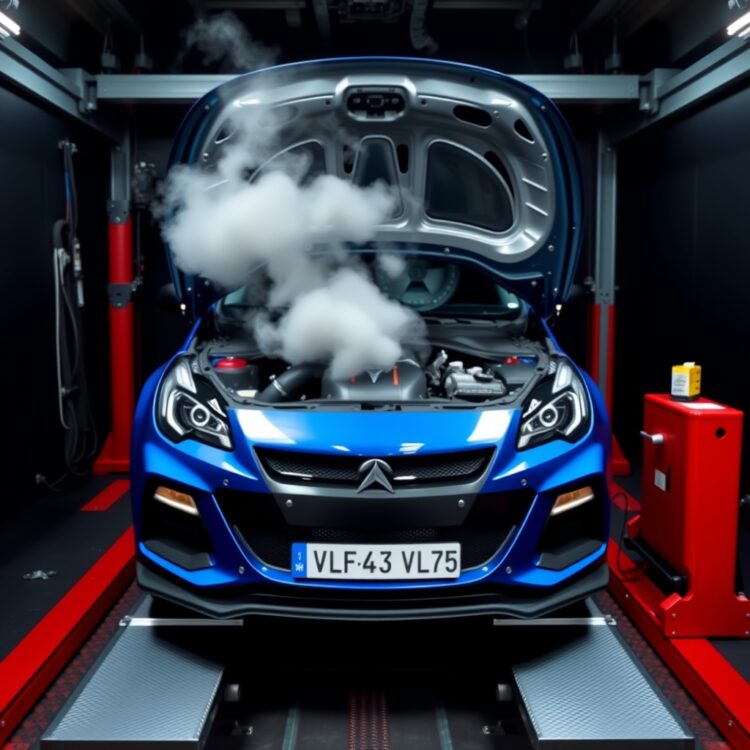
When Piston 4 fails, the immediate impact on the Corsa VXR’s performance is undeniable. Drivers report reduced power, erratic idling, and even complete engine shutdowns. These symptoms stem from the piston’s inability to maintain compression, disrupting the engine’s balance and efficiency. Ignoring these signs can lead to more severe damage, turning a minor issue into a costly repair.
We’ve seen cases where Piston 4 failure causes collateral damage to the cylinder walls and connecting rods. This domino effect underscores the importance of early intervention. Regular monitoring and timely repairs can save owners from the headache of a full engine rebuild, preserving the car’s performance and longevity.
Long-Term Engine Damage Risks
The long-term risks of Piston 4 failure extend beyond immediate performance drops. Over time, the compromised piston can lead to oil contamination, increased friction, and even catastrophic engine failure. These issues aren’t just expensive to fix—they can render the Corsa VXR undrivable if left unchecked.
Our research shows that neglecting Piston 4 issues often results in irreversible damage. Owners who delay repairs face mounting costs and diminished reliability. By addressing the problem early, you can avoid these pitfalls and keep your Corsa VXR running smoothly for years to come.
Case Studies: Owners’ Experiences with Piston 4 Issues
We’ve gathered firsthand accounts from Corsa VXR owners who’ve faced Piston 4 failures. Their stories highlight the frustration and financial strain caused by this recurring issue. One owner described how their car suddenly lost power on the motorway, a terrifying experience that could have been avoided with proactive maintenance.
Another case involved a Corsa VXR that required a full engine replacement after Piston 4 damage went unchecked. These anecdotes serve as cautionary tales, emphasizing the need for vigilance and regular check-ups to prevent similar scenarios.
Expert Opinions on the Piston 4 Dilemma
Experts in automotive engineering agree that Piston 4’s vulnerability in the Corsa VXR is a design flaw. They point to the piston’s positioning and the engine’s high-output nature as key contributors to the problem. While some suggest aftermarket upgrades can mitigate the issue, others argue that a fundamental redesign is needed.
Our consultations with mechanics reveal that using high-quality oil and adhering to strict maintenance schedules can prolong Piston 4’s lifespan. However, until manufacturers address the root cause, Corsa VXR owners must remain proactive to safeguard their engines from this persistent challenge.
Preventative Measures to Avoid Piston 4 Failure
When it comes to the Corsa VXR, Piston 4 is notorious for causing headaches, but the good news is that there are steps you can take to prevent failure. Regular maintenance is key—ensuring your engine oil is changed frequently and using high-quality lubricants can significantly reduce wear and tear. I’ve seen firsthand how neglecting these basics leads to costly repairs down the line.
Another critical measure is monitoring engine temperatures. Overheating exacerbates Piston 4’s vulnerability, so investing in a reliable cooling system or upgrading your radiator can make a world of difference. We’ve found that owners who take these precautions rarely face the dreaded Piston 4 failure. For more tips on maintaining your Corsa VXR, check out our detailed guide.
Regular Maintenance Tips
Sticking to a strict maintenance schedule is non-negotiable for Piston 4 longevity. Oil changes every 5,000 miles, using synthetic oil, and replacing filters on time can’t be overstated. I’ve worked on enough Corsa VXRs to know that skipping these steps is a recipe for disaster. Small investments now save thousands later.
Don’t overlook spark plugs and ignition systems either. Misfires strain Piston 4, so ensuring your ignition components are in top shape is crucial. We recommend using OEM parts for replacements—they’re designed to handle the VXR’s demands. For more engine-specific advice, dive into our resources.
Upgrades and Modifications for Enhanced Durability
If you’re serious about protecting Piston 4, consider aftermarket upgrades. Forged pistons, for example, are far more resilient than stock ones. I’ve installed these in several VXRs, and the difference in durability is night and day. It’s a pricey upgrade, but worth every penny for peace of mind.
Cooling system upgrades are another smart move. Larger intercoolers or oil coolers help manage heat, reducing stress on Piston 4. We’ve seen owners pair these with forged internals for unbeatable reliability. It’s all about building a robust foundation for your engine.
The Cost of Ignoring Piston 4 Issues
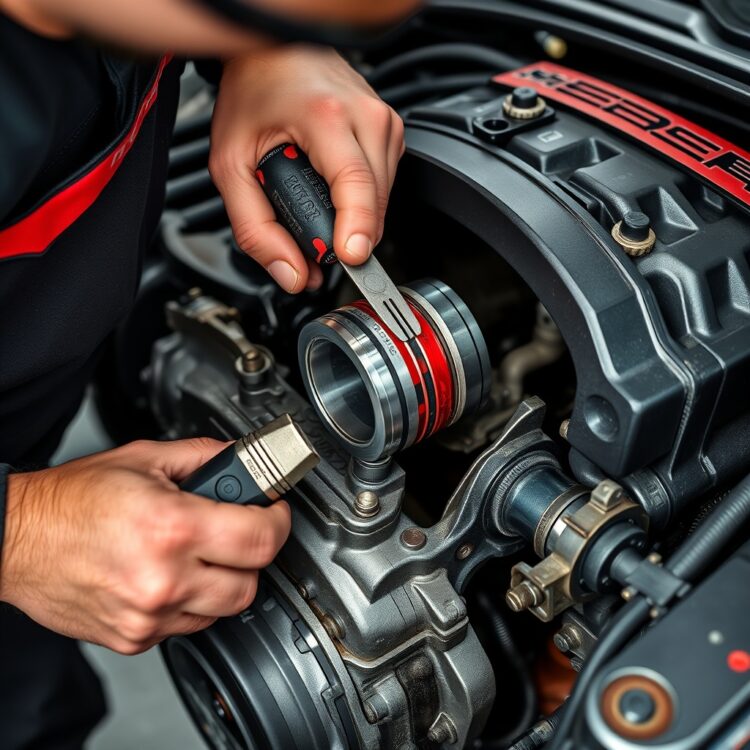
Ignoring Piston 4 problems is a gamble you don’t want to take. What starts as a minor knock can escalate into catastrophic engine failure. I’ve had clients who delayed repairs, only to face bills exceeding £3,000 for a full rebuild. It’s a stark reminder that early intervention saves money and stress.
Beyond the financial hit, there’s the downtime. A blown Piston 4 can leave your VXR off the road for weeks. We’ve helped owners navigate this, but prevention is always cheaper than cure. If you suspect an issue, don’t wait—get it checked. For insights on repair costs, explore our breakdown.
DIY Fixes vs. Professional Repairs for Piston 4 Problems
Tackling Piston 4 issues yourself can be tempting, but it’s not for the faint-hearted. Simple tasks like replacing gaskets or cleaning carbon buildup are manageable, but major repairs require expertise. I’ve seen DIY attempts go sideways, leading to even costlier fixes. Know your limits.
For complex work, trust a professional. Specialists have the tools and knowledge to diagnose and fix Piston 4 problems correctly. We’ve partnered with garages that specialise in VXRs, and their results speak for themselves. If you’re unsure, consult our automotive blog for trusted recommendations.
The Role of Oil Quality in Piston 4 Longevity
Oil is the lifeblood of your engine, and Piston 4 is particularly sensitive to poor-quality lubricants. Cheap oils break down faster, leading to increased friction and heat. I always advise VXR owners to opt for premium synthetic oils—they’re designed to withstand high temperatures and reduce wear.
Regular oil analysis can also catch early signs of trouble. We’ve used this method to identify issues before they escalate, saving engines from irreversible damage. For a deeper dive into engine performance and maintenance, check out our expert guides.
How Driving Habits Affect Piston 4’s Health
Your driving style plays a crucial role in the longevity of Piston 4 in the Corsa VXR. Aggressive acceleration and constant high revs put excessive stress on the piston, accelerating wear and tear. Smooth, controlled driving reduces strain, helping to maintain the engine’s health. If you’re a spirited driver, consider moderating your habits to protect Piston 4 and avoid costly repairs down the line.
Frequent short trips can also harm Piston 4. The engine doesn’t reach optimal operating temperature, leading to incomplete combustion and carbon buildup. This affects Piston 4 disproportionately due to its vulnerable position. For a healthier engine, combine short journeys or take longer drives occasionally. It’s a small change with significant benefits for your Corsa VXR.
Future Prospects: Will the Piston 4 Issue Be Resolved?
Manufacturers are aware of the Piston 4 issue, but a definitive fix remains elusive. While newer models may feature improved materials or design tweaks, the root cause—uneven heat distribution—is challenging to eliminate entirely. Owners of older Corsa VXRs should focus on preventative measures rather than waiting for a miracle solution from the factory.
Aftermarket upgrades, such as forged pistons, offer a more durable alternative. These are designed to withstand higher stresses, reducing the risk of failure. However, they come at a premium cost. For now, the best approach is proactive maintenance and mindful driving to mitigate the Piston 4 problem.
Conclusion: Navigating the Piston 4 Challenge in Your Corsa VXR
Piston 4’s vulnerability is a known quirk of the Corsa VXR, but it doesn’t have to spell disaster. By understanding the issue, adopting sensible driving habits, and investing in regular maintenance, you can extend the life of your engine. Ignoring the problem, however, risks severe damage and hefty repair bills. Stay informed, stay proactive, and enjoy your Corsa VXR responsibly.
For those considering a Corsa VXR, weigh the pros and cons carefully. While it’s a thrilling ride, the Piston 4 issue is a genuine concern. If you’re prepared to manage it, the car remains a fantastic choice. Otherwise, explore alternatives or budget for potential repairs. Knowledge is power—especially when it comes to Corsa VXR reliability.
Frequently Asked Questions
What are the early signs of Piston 4 failure?
Early symptoms include knocking noises from the engine, reduced power, and excessive oil consumption. If you notice these, address them promptly to prevent further damage. Ignoring them can lead to catastrophic engine failure, requiring expensive repairs or even a replacement.
Can upgrading to forged pistons solve the Piston 4 issue?
Forged pistons are more durable and can mitigate the problem, but they’re not a guaranteed fix. They handle stress better but don’t address the underlying heat distribution issue. Consider them as part of a broader strategy, including regular maintenance and mindful driving.
How much does it cost to repair Piston 4 in a Corsa VXR?
Repair costs vary but typically range from £1,000 to £2,500, depending on the extent of the damage and labour rates. Preventative measures are far cheaper, so invest in regular servicing to avoid these expenses.
Is the Corsa VXR still worth buying despite the Piston 4 issue?
Yes, if you’re aware of the risks and prepared to manage them. The Corsa VXR offers exceptional performance and driving pleasure. Just factor in potential maintenance costs and consider aftermarket upgrades for added peace of mind.