When it comes to the Corsa E VXR, a common topic of discussion among car enthusiasts is the issue with piston 4. Many owners have reported problems with compression in this particular piston, leading to worries about engine performance and longevity. The primary issue is believed to be related to the design of the side-fed inlet manifold, which can cause injector 4 to lean out under wide open throttle conditions.
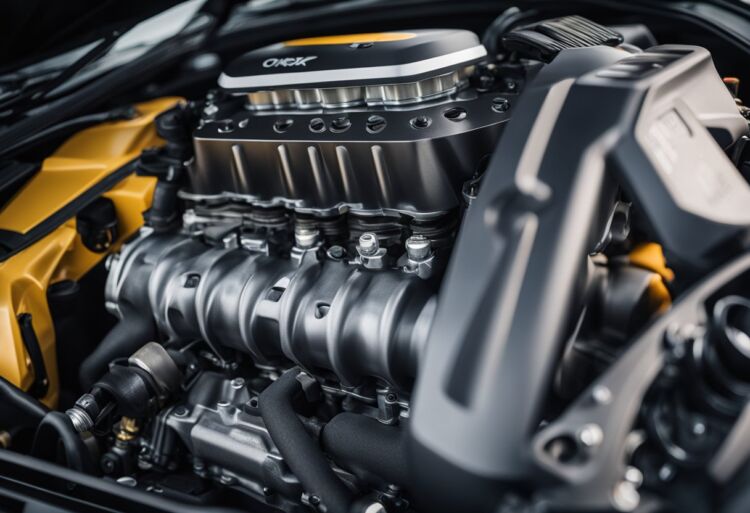
The design flaw means that the fuel distribution is uneven, specifically affecting piston 4. This problem can lead to increased wear and potential failure if not addressed. Some enthusiasts have suggested using uprated injectors to alleviate this issue, and this has been a popular modification among those aiming to enhance the performance of their Corsa E VXR.
We aim to explore the specifics of this mechanical concern and provide insights into effective preventative measures. Our objective is to ensure that Corsa E VXR owners are well-informed about this issue so they can make informed decisions about maintaining and potentially modifying their vehicles.
Key Takeaways
- Piston 4 issues in the Corsa E VXR are linked to the side-fed inlet manifold.
- Modifications like uprated injectors can help manage this problem.
- Preventative measures are crucial for long-term engine health.
Overview of the Corsa E VXR
The Corsa E VXR is a standout model in the VXR lineup, known for its sporty features and dynamic performance. Let’s explore how Vauxhall developed the VXR brand and the key specifications that define the Corsa E VXR.
[vxr_quiz]
Developing the VXR Brand
The VXR brand was born out of a desire to create high-performance versions of standard Vauxhall models. It prioritised powerful engines and sport-tuned elements. Vauxhall aimed to offer thrill-seeking drivers a mix of speed and practicality. The development phase saw collaboration between engineers who focused on performance enhancements. As a result, the VXR models gained popularity among enthusiasts for their balance of power and everyday usability.
Key Specifications of Corsa E VXR
The Corsa E VXR features a 1.6-litre turbocharged engine, offering both power and efficiency. This engine is a central element, providing the car with its signature responsive acceleration. Vauxhall integrated advanced chassis technology to enhance handling and ride comfort. The design cues include sporty elements like aerodynamic body kits and distinct VXR branding. Inside, the Corsa E VXR comes with stylised interiors that underscore its sporty character, blending functionality with aesthetics to appeal to performance-focused drivers.
Common Engine Issues in Performance Vehicles
Performance vehicles often face several engine challenges due to high stress and demand. Many of these issues arise from component design and engine operation under extreme conditions.
Understanding Piston Functions
Pistons are essential components in internal combustion engines. They move up and down inside the cylinders, driven by fuel combustion, which creates the force that turns the crankshaft. In performance vehicles, pistons endure higher pressures and temperatures.
When pistons operate efficiently, they maintain the engine’s optimal balance. Properly functioning pistons ensure that the fuel-air mixture burns correctly. This process impacts power output and fuel efficiency. We must consider how various factors, like improper fuel mixtures, can stress pistons. These stresses could lead to problems such as cracking, often seen in piston 4 of the Corsa E VXR, as issues can also stem from components like injectors or turbochargers.
Typical Causes of Engine Failures
Engine failures in performance cars are often due to excessive wear and tear, poor maintenance, or design flaws. High-speed driving and aggressive acceleration can exacerbate these issues. For instance, the Corsa VXR is notably susceptible to piston 4 failure, linked to mechanical stress.
Cooling issues and fuel mixture imbalances can cause failures. When an engine doesn’t cool effectively, components can overheat and weaken. Regular maintenance is crucial to prevent these issues. We need to ensure that fuel systems are clean and turbochargers are adequately regulated. This helps in avoiding common problems like cracking or melting of pistons that can lead to catastrophic engine damage.
Specifics of the Piston 4 Problem
Piston 4 in the Corsa E VXR often experiences issues due to its position and the design of the engine. This can lead to various symptoms that indicate a failure, and accurate diagnosis is key to addressing the problem effectively.
Symptoms of Piston 4 Failure
We often notice distinct symptoms when Piston 4 begins to fail. One of the most common indicators is a noticeable misfire, often felt as a jerking motion when driving. This can be accompanied by a loss of power, where the engine doesn’t perform as expected. If these signs appear, it’s essential to pay attention as they might lead to further damage.
Another symptom is excessive smoke from the exhaust. This occurs because damaged pistons affect how well the fuel burns. The smoke might have a bluish tint, indicating oil burning, which shouldn’t be ignored.
A decrease in engine compression can also indicate issues with Piston 4. Low compression can result from cracks or damage in the piston itself. Conducting a compression test is essential here to confirm the exact problem.
Diagnosing the Issue
Diagnosis starts with observing the symptoms. We typically perform a compression test to measure the engine’s performance and confirm if Piston 4 is failing. A drop in pressure specifically at Cylinder 4 can indicate an issue with the piston.
Another method involves removing the cylinder head to visually inspect the piston and surrounding components. This allows us to check for physical damage or wear that standard tests might not reveal.
Using specialised diagnostic tools can further pinpoint the issue, ensuring a precise understanding of the problem. Tools that measure fuel injector performance can reveal if injectors are affecting the piston, providing insight into potential fixes.
Mechanics of the Corsa E VXR Engine
The Corsa E VXR features a complex engine design that significantly affects its performance. The inlet manifold design and engine tuning are areas that demand our attention, especially concerning the known issues like Piston 4 failure.
Role of Inlet Manifold Design
The inlet manifold design plays a pivotal role in how air and fuel are delivered to the engine. In the Corsa E VXR, the side-fed inlet manifold can cause uneven fuel distribution at full throttle, which might lead to Piston 4 leaning out. This happens when high air pressure sweeps the fuel away from Cylinder 4. It places additional stress on that piston, raising the risk of failure over time.
Our understanding highlights why this design could be a contributing factor to engine issues. Owners should be aware of these dynamics to better manage engine performance and reduce the risk of damage. Proper maintenance and awareness of the manifold’s role can mitigate potential malfunctions in the engine.
Impact of Engine Tuning
When it comes to engine tuning, altering factory settings can have a significant impact on the engine’s operation. Many owners seek to enhance performance through remapping, but this can exacerbate existing weaknesses like Piston 4 issues. Increasing power output without addressing underlying issues in the engine design could lead to accelerated wear and tear.
It’s crucial to balance any modifications carefully and understand the technical limits of the Corsa E VXR engine. Addressing issues like cooling and lubrication in the tuning process can alleviate some stress from Piston 4. This awareness may help us prevent costly engine repairs and maintain reliable vehicle performance.
Carefully considering the engine tuning options can help us make informed decisions that protect and enhance the engine’s longevity without contributing to potential problems.
Reports and Studies on the Corsa E VXR
There have been various insights into the performance and reliability of the Corsa E VXR, particularly concerning the issues with Piston 4. Let’s explore the views from manufacturers and independent researchers.
Manufacturer Statements and Recalls
Manufacturers have often addressed consumer concerns about vehicle reliability, and it’s important to note any official statements or recalls regarding the Corsa E VXR. Vauxhall, known for its commitment to addressing technical issues, has provided some guidance on potential engine troubles. They have acknowledged the concerns and provided technical bulletins to assist owners and service centres.
However, systematic recalls specifically targeting Piston 4 failures are not well-documented, suggesting that the problem may be considered within normal variance by the manufacturer. It’s crucial for owners to follow any manufacturer guidelines provided during vehicle services to ensure optimal vehicle performance. Regular maintenance and adherence to these guidelines can help mitigate potential problems with the Corsa E VXR engines.
Independent Research Findings
Independent research often provides valuable insights into automotive issues. One study suggests that the Piston 4 failure in the Corsa E VXR may be attributed to the design of the inlet manifold. At wide open throttle, injector four might lean out because of how fuel is delivered, which can affect engine performance.
Studies indicate that young and inexperienced drivers, who frequently own these vehicles, might inadvertently contribute to engine strain. Further research is essential to pinpoint the exact causes and devise practical solutions. Interested readers and car enthusiasts can benefit from understanding these independent findings to make informed choices about ownership and maintenance.
Preventative Measures and Best Practices
When dealing with potential piston 4 issues in the Corsa E VXR, we must focus on several key areas. Maintaining the health of the engine, considering modifications, and practising good driving habits are critical.
Maintaining Engine Health
For maintaining engine health, regular checks and maintenance are crucial. We should ensure that the engine oil is of good quality and is changed at the recommended intervals. Using fuels with appropriate octane ratings can prevent knocking, which affects pistons.
Coolant levels need watching too. Overheating can exacerbate existing weaknesses. Engines should also receive regular professional inspections, allowing for early detection of any emerging problems. Properly functioning sensors and diagnostics systems help in accurately monitoring engine performance.
Modifications and Upgrades
Well-considered modifications and upgrades can fortify our engines. An upgraded cooling system might be beneficial. Better airflow from high-quality air filters or improving the exhaust system can also make a difference.
We must consider remapping with caution. Excessive power without balanced modifications can lead to stress on pistons. A sports button might control power output, as discussed in some forums. Such modifications need experienced professionals to avoid unintended consequences on piston health.
Driving Habits and Their Effects
Our driving habits play a significant role. We must allow the engine to warm up before driving aggressively. Cold starts with high acceleration lead to stress, particularly on piston 4.
It’s wise to cool down the engine gradually after a spirited drive. This means avoiding sudden stops and allowing the turbo to spool down. Keeping an eye on warning lights and strange noises during rides can lead to catching issues early. Educating ourselves on these signs is vital.
By taking these steps seriously, we can help ensure the longevity and reliability of our vehicles. Understanding the connection between driving habits and the specific mechanics of engines, like piston 4, provides better control over its performance and durability.
Repair and Replacement Options
When dealing with a problem like the piston 4 issue in the Corsa E VXR, understanding repair and replacement strategies is crucial. We’ll explore professional versus DIY repair options and analyse potential costs to give a clearer path forward.
Professional Versus DIY Repair
Deciding between professional repair or doing it ourselves largely depends on our mechanical skills and available tools. Professional mechanics have experience and can quickly identify the root cause of piston 4 failure. They use specialised diagnostic tools and offer warranties on their work, ensuring reliability.
On the other hand, a DIY approach might save us money if we have the necessary skills and tools. However, it involves extensive time and risk, especially if we’re not familiar with engine repairs. The critical issue is ensuring that the replacement piston and parts are of high quality to prevent future problems.
Cost Analysis of Repairs
Repairing piston 4 on a Corsa E VXR can range widely in cost. A professional repair might be expensive, as it can include labour, parts, and diagnostics. Depending on the garage and the extent of the damage, costs can quickly escalate. However, professional repairs offer peace of mind due to quality assurance.
DIY repairs may seem cheaper initially since we avoid labour costs. Yet, they can become costly if we need to purchase specialised tools or if errors lead to further damage. It’s also crucial to account for the time investment involved in such a detailed repair.
Conclusion
Our exploration of the Corsa E VXR brings us to the well-known issue with Piston 4. This has been a significant talking point among car enthusiasts and owners alike.
It’s clear that the design of the side-fed inlet manifold plays a role in Piston 4 failures. Fuel distribution at wide open throttle can become uneven, contributing to this problem.
In addition to that, the poor piston casting can result in the material breaking. The cooling issue exacerbates the situation, causing ringlands to crack and leading to a drop in performance.
Owners often experience symptoms such as power loss, misfiring, and smoke at idle. These indicators suggest it may be time to check on the health of Piston 4.
Considering the recurring issues, we should keep an eye on solutions like upgrading injectors. This adjustment has helped some owners alleviate fuel delivery problems and avoid performance drops.
Understanding the challenges with Piston 4 allows us to consider preventive measures and modifications. By addressing these issues proactively, Corsa E VXR enthusiasts can enjoy enhanced reliability and performance.
Frequently Asked Questions
In this section, we explore common issues and preventative measures related to piston 4 in the Corsa VXR. We also address costs, performance upgrades, and other engine concerns.
What are common symptoms indicating issues with the fourth piston in a Corsa VXR?
We often see signs like a rough idle or a decrease in engine performance. Knocking sounds can also point to problems with piston 4. In some cases, exhaust smoke might become noticeable. These symptoms can indicate that the piston or engine needs urgent attention.
How can one prevent potential piston 4 problems in a Corsa VXR?
Preventative measures include avoiding rapid temperature changes in the engine, especially warming up and cooling down properly. Owners should also keep up with regular maintenance. Checking the turbo and ensuring it’s cooled down properly after a drive is essential.
What are the estimated costs for repairing piston 4 in a Corsa VXR?
Repair costs can vary, but they are often significant. Labour and parts for engine repair can run into hundreds or thousands of pounds. Costs may increase if the damage extends to other areas of the engine. Getting multiple quotes from trusted mechanics can help manage expenses.
Can upgrading the inlet manifold improve Corsa VXR performance in relation to piston 4?
Yes, upgrading the inlet manifold can enhance performance. Some reports suggest that the side fed inlet manifold design contributes to issues with piston 4, especially at wide open throttle. By improving this component, we may reduce the likelihood of problems. More on this can be found at 8BallTuning’s discussion on piston 4 failure.
What are the general engine issues faced by the Corsa E VXR model?
Aside from piston 4, other issues can include wheel bearing problems and squeaky brakes. Turbo failure is another concern many Corsa E VXR owners have faced. Knowing these issues helps us keep a lookout and take preventative steps.
How does the inclusion of a Performance Pack affect the reliability of the Corsa E VXR?
The Performance Pack can provide enhancements like better grip and handling. However, it might also stress the engine further, highlighting existing weaknesses. When adding such a pack, it’s crucial to be aware of any additional maintenance required to keep the car running smoothly.