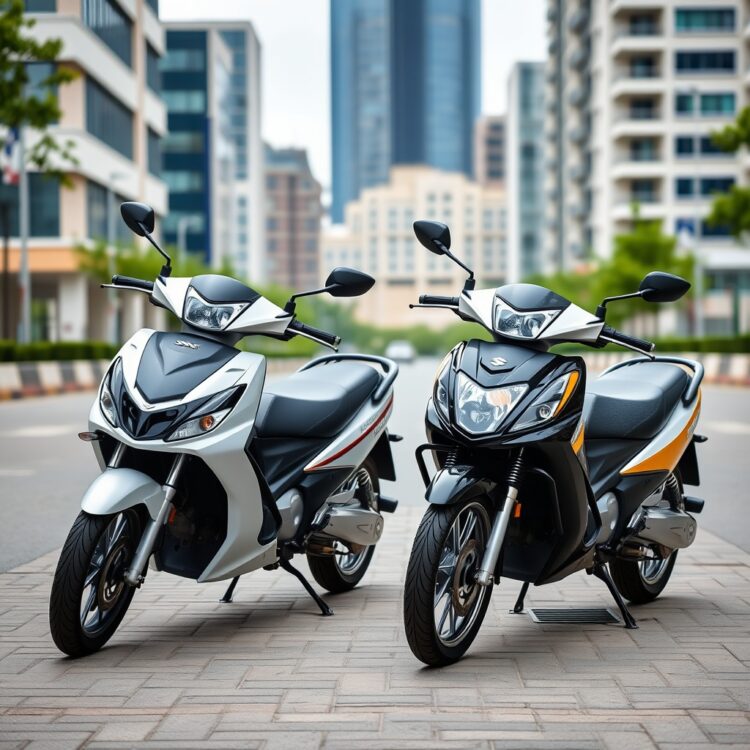
Introduction to the Suzuki Alto
When it comes to compact cars that deliver both efficiency and affordability, the Suzuki Alto stands out as a top contender. I’ve always been fascinated by how this little car packs so much value into such a small package. Whether you’re navigating city streets or looking for a reliable daily driver, the Alto has carved a niche for itself in the automotive world. It’s a car that proves you don’t need a hefty price tag to enjoy quality engineering.
Over the years, the Suzuki Alto has evolved, adapting to changing consumer needs and technological advancements. From its humble beginnings to its current iterations, the Alto has consistently offered a blend of practicality and performance. In this article, we’ll dive deep into what makes this car special, starting with its top speed—a feature that often surprises those who underestimate its capabilities.
Key Takeaways
- The Suzuki Alto is a compact car known for its affordability and efficiency.
- Its top speed varies across models, with some versions reaching impressive speeds for their class.
- Factors like engine type and transmission play a significant role in the Alto’s performance.
- The Alto has a rich history, with each generation bringing new innovations.
Overview of Suzuki Alto Models
The Suzuki Alto has seen numerous iterations since its debut, each tailored to meet the demands of different markets. From the early models to the latest releases, the Alto has consistently focused on delivering a balance of performance and practicality. Whether you’re looking at the diverse range of Suzuki Alto models or specific variants like the VXR, there’s something for everyone.
One of the standout features of the Alto is its adaptability. In markets like Europe and Asia, the car has been customized to suit local preferences, whether it’s fuel efficiency or compact design. The Alto’s versatility is a testament to Suzuki’s commitment to innovation and customer satisfaction. If you’re considering an Alto, understanding its model lineup is the first step to making an informed decision.
Overview of Suzuki Alto Models
The Suzuki Alto has long been a favourite for those seeking an affordable, efficient, and compact car. Over the years, it has evolved into various models, each catering to different needs and markets. From the early generations to the latest iterations, the Alto has consistently delivered reliability and practicality, making it a standout in its class.
Whether you’re looking at the Suzuki Alto models for urban commuting or a budget-friendly option, there’s a variant for everyone. The Alto’s lightweight design and fuel efficiency are key highlights, ensuring it remains a top choice for drivers worldwide.
Suzuki Alto Top Speed Specifications
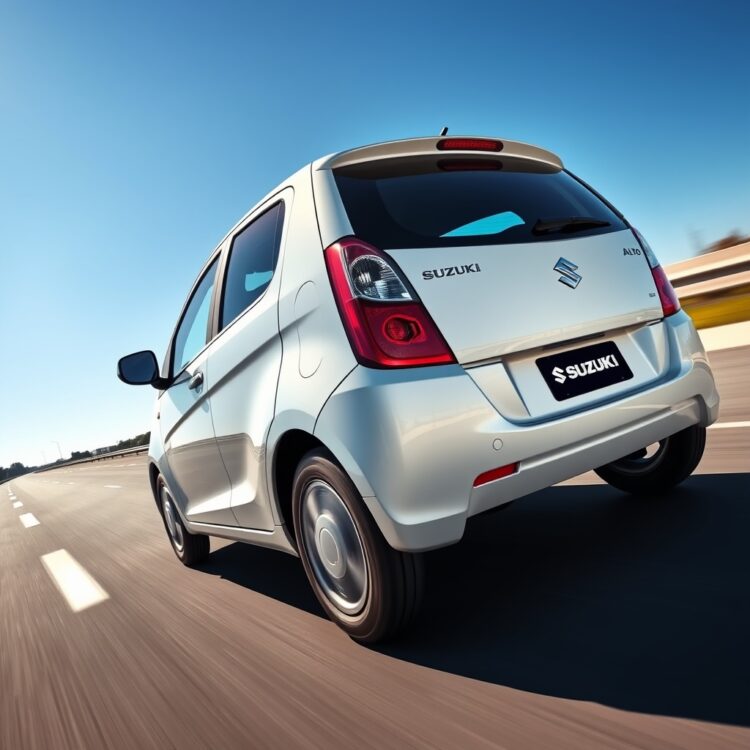
The top speed of the Suzuki Alto varies depending on the model and engine specifications. Generally, the Alto can reach speeds of up to 90-100 mph, though this is influenced by factors like engine size, weight, and aerodynamics. For those curious about how it stacks up against competitors, the Alto holds its own in the compact car segment.
If you’re interested in Suzuki Alto specifications, you’ll find that the latest models offer improved performance and efficiency. The Alto’s top speed is more than adequate for city driving and occasional highway use, making it a versatile choice.
Factors Affecting Top Speed
Several factors influence the top speed of the Suzuki Alto. Engine power is the most obvious, with smaller engines typically offering lower top speeds. Aerodynamics also play a role, as the Alto’s compact design isn’t optimised for high-speed stability. Additionally, weight and transmission type can impact performance.
For a deeper dive into Suzuki Alto performance, it’s worth noting that newer models feature enhancements like improved gear ratios and lighter materials, which contribute to better speed and efficiency.
Comparing Top Speeds Across Models
When comparing the top speeds of different Alto models, the 1.0-litre variants tend to perform better than the smaller 0.6-litre engines. For example, the Alto VXR offers a slightly higher top speed due to its turbocharged engine, while the base models are more focused on fuel economy.
If you’re torn between models, check out our guide to choosing the best Suzuki Alto for your needs. It breaks down the pros and cons of each variant, helping you make an informed decision.
Engine and Performance Details
The Suzuki Alto is powered by a range of small but efficient engines, typically ranging from 0.6 to 1.0 litres. These engines are designed for fuel efficiency and low emissions, making the Alto an eco-friendly choice. Despite their modest size, they deliver adequate power for daily driving.
For those interested in Suzuki Alto fuel efficiency, the latest models feature advanced technologies like start-stop systems and lightweight construction to maximise mileage.
Engine Types and Specifications
The Alto’s engines include naturally aspirated and turbocharged options, with the latter offering better performance. The 1.0-litre K10B engine, for instance, is a popular choice for its balance of power and efficiency. It produces around 67 bhp, which is ample for the Alto’s lightweight frame.
If you’re curious about how these engines compare, our review of the Suzuki Alto 1000cc provides detailed insights into its real-world performance and mileage.
Transmission Options
The Suzuki Alto is available with both manual and automatic transmissions, catering to different driving preferences. The 5-speed manual is the most common, offering precise control and better fuel economy. The automatic options, including the AGS (Auto Gear Shift), provide convenience for city driving.
For a closer look at the AGS vs. automatic transmission debate, our guide breaks down the pros and cons of each, helping you decide which suits your driving style best.
Suzuki Alto Body Types and Design
The Suzuki Alto has always been a masterclass in compact design, blending functionality with a touch of flair. Over the years, it’s evolved from a no-frills city car to a stylish urban companion. The latest models feature sleek lines, a modern front grille, and aerodynamic curves that not only enhance aesthetics but also improve fuel efficiency. It’s proof that small cars can pack big personality.
Inside, the Alto is surprisingly spacious for its size, with clever storage solutions and ergonomic seating. The dashboard is minimalist yet intuitive, with user-friendly controls and a touchscreen infotainment system in higher trims. Whether you’re navigating tight city streets or cruising on the motorway, the Alto’s design ensures comfort and practicality. It’s a car that punches above its weight in every way.
Historical Evolution of the Suzuki Alto
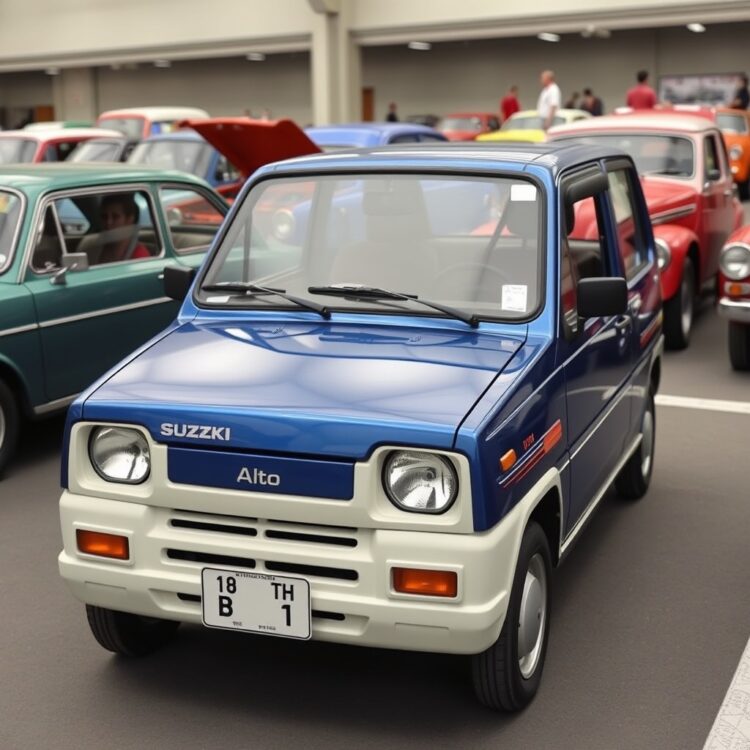
The Suzuki Alto’s journey began in 1979, and it’s been a staple of compact motoring ever since. The first generation was a no-nonsense, budget-friendly car designed for urban commuting. Its lightweight body and frugal engine made it an instant hit in Japan and beyond. By the mid-80s, the second generation introduced a more rounded design and improved safety features, cementing its reputation as a reliable city car.
The third generation, launched in 1988, marked a turning point with its sleeker profile and enhanced performance. It was also the era when the Alto started gaining traction in global markets. Each iteration has built on the last, refining the formula of affordability, efficiency, and practicality. Today, the Alto stands as a testament to Suzuki’s commitment to innovation and adaptability.
First Generation (1979)
The original Suzuki Alto was a game-changer, offering an affordable and efficient solution for city dwellers. Its 550cc engine was modest but perfect for navigating congested streets. The boxy design maximised interior space, making it a practical choice for small families. Despite its simplicity, the first-gen Alto laid the groundwork for what would become a legendary nameplate.
This generation also introduced the Alto to international markets, where its low running costs and reliability won over drivers. It was a car that proved you didn’t need a big budget to own a dependable vehicle. The first-gen Alto’s legacy lives on in every modern iteration, a reminder of where it all began.
Second Generation (1984)
The second-generation Alto brought a more refined design and improved engineering. The 660cc engine offered better performance, while the rounded bodywork reduced drag and improved fuel efficiency. Safety features like reinforced doors and crumple zones were added, making it a safer choice for families.
This era also saw the Alto’s popularity soar in Europe, where its compact size and affordability made it a hit. The second-gen model was a significant step forward, proving that small cars could be both practical and stylish. It set the stage for the Alto’s future success.
Third Generation (1988)
The third-generation Alto was a leap forward in terms of design and technology. The sleeker, more aerodynamic body was a departure from the boxy shapes of the past. Under the hood, the 660cc engine was tuned for better performance, and new transmission options made driving more enjoyable.
This generation also saw the Alto’s expansion into new markets, including India and Pakistan. Its blend of affordability, efficiency, and modern features made it a standout choice. The third-gen Alto was a clear sign that Suzuki was committed to evolving the model to meet changing consumer demands.
Suzuki Alto in Global Markets
The Suzuki Alto has found a home in markets worldwide, each with its own unique preferences. In Europe, it’s prized for its fuel efficiency and compact size, perfect for navigating narrow streets. The Alto’s affordability and low emissions have also made it a favourite among eco-conscious drivers. It’s a car that fits seamlessly into the European urban landscape.
In India and Pakistan, the Alto is a symbol of practicality and reliability. Its low maintenance costs and rugged build make it ideal for challenging road conditions. Meanwhile, in China, the Alto’s compact dimensions and modern features appeal to young, urban buyers. No matter where it’s sold, the Alto adapts to local needs while staying true to its core values.
Europe
In Europe, the Suzuki Alto is a popular choice for city driving, thanks to its nimble handling and compact footprint. Its fuel-efficient engines and low CO2 emissions make it a cost-effective option in a region where fuel prices are high. The Alto’s modern design and tech features also resonate with European buyers who value style and convenience.
Many European cities are implementing low-emission zones, and the Alto’s eco-friendly credentials give it an edge. It’s a car that aligns perfectly with the continent’s push for greener mobility. Whether you’re in London or Lisbon, the Alto is a smart choice for urban living.
India
In India, the Suzuki Alto is a household name, known for its affordability and reliability. Its small size makes it easy to manoeuvre through crowded streets, while its frugal engine keeps running costs low. The Alto’s simple yet robust design has made it a favourite among first-time car buyers and small families.
The Alto’s success in India is a testament to Suzuki’s understanding of the local market. It’s a car that delivers exactly what Indian drivers need: practicality, efficiency, and value for money. It’s no wonder the Alto remains one of the best-selling cars in the country.
Pakistan
In Pakistan, the Suzuki Alto is a common sight on the roads, thanks to its affordability and durability. The car’s compact size is ideal for navigating the country’s busy streets, while its low maintenance costs make it a practical choice for budget-conscious buyers. The Alto’s reputation for reliability has made it a trusted name in the Pakistani market.
Suzuki has also introduced special editions and variants tailored to Pakistani preferences, further cementing the Alto’s popularity. It’s a car that meets the needs of a diverse range of drivers, from students to small business owners.
China
In China, the Suzuki Alto appeals to young, urban professionals looking for a stylish and efficient city car. Its modern design and tech features resonate with a generation that values connectivity and convenience. The Alto’s compact dimensions make it perfect for China’s congested cities, where parking space is at a premium.
Suzuki has also focused on making the Alto more environmentally friendly, aligning with China’s push for cleaner vehicles. It’s a car that combines practicality with contemporary appeal, making it a hit in one of the world’s largest automotive markets.
The 660cc Era and Alto Hustle
The 660cc era marked a turning point for the Suzuki Alto, introducing a balance of performance and efficiency that resonated with drivers worldwide. This engine size became a hallmark of the Alto, offering enough power for city driving while keeping fuel consumption low. It was during this period that the Alto truly came into its own as a versatile and dependable car.
The term “Alto Hustle” emerged as a nod to the car’s ability to zip through traffic with ease. Its lightweight body and peppy engine made it a joy to drive in urban environments. Whether you were running errands or commuting to work, the Alto Hustle was all about making every journey effortless and enjoyable.
Recent Generations of the Suzuki Alto
The Suzuki Alto has evolved significantly over the years, with each generation bringing fresh innovations and improvements. The seventh generation, launched in 2009, marked a turning point with its lightweight design and improved fuel efficiency. It was a hit in urban markets, offering a perfect blend of practicality and affordability. The eighth generation, introduced in 2014, built on this legacy with enhanced safety features and a more refined engine.
Fast forward to 2021, and the ninth generation Alto has taken the game to a whole new level. With a sleeker design, advanced infotainment options, and even better fuel economy, it’s clear that Suzuki is committed to keeping the Alto relevant in today’s competitive market. Whether you’re navigating city streets or cruising on the motorway, the latest Alto delivers a smooth and efficient ride.
Seventh Generation (2009)
The seventh-generation Alto was a game-changer, especially for urban commuters. Its compact size made it ideal for tight city spaces, while the lightweight construction ensured impressive fuel efficiency. The 1.0-litre engine provided just enough power for daily driving, and the minimalist interior kept costs low without sacrificing comfort. This generation also introduced a more aerodynamic design, which helped reduce drag and improve performance.
One of the standout features of this model was its affordability. Suzuki positioned the Alto as an entry-level car, making it accessible to a wide range of buyers. Despite its budget-friendly price tag, it didn’t skimp on reliability, earning a reputation as a dependable choice for first-time car owners. The seventh-generation Alto set the stage for future iterations, proving that small cars could pack a big punch.
Eighth Generation (2014)
The eighth-generation Alto, launched in 2014, brought a host of upgrades that elevated the driving experience. The exterior design was more modern, with sharper lines and a bolder front grille. Inside, the cabin received a refresh, with better materials and improved ergonomics. Safety was also a priority, with features like ABS and dual airbags becoming standard across the range.
Under the hood, the 1.0-litre engine was tweaked for better performance and efficiency. The introduction of an automatic transmission option made the Alto even more appealing to urban drivers. This generation also saw the debut of Suzuki’s AGS (Auto Gear Shift) technology, which combined the convenience of an automatic with the efficiency of a manual. It was a clear sign that Suzuki was listening to its customers and adapting to their needs.
Ninth Generation (2021)
The ninth-generation Alto, unveiled in 2021, is the most advanced version yet. It boasts a contemporary design with LED lighting and a more premium feel. The interior is packed with tech, including a touchscreen infotainment system and smartphone connectivity. Fuel efficiency remains a strong suit, with the latest engine delivering even better mileage than its predecessors.
Safety has also been ramped up, with features like hill hold assist and rear parking sensors now standard. The Alto’s reputation for reliability continues, making it a solid choice for budget-conscious buyers who don’t want to compromise on quality. Whether you’re a student, a young professional, or a small family, the ninth-generation Alto offers something for everyone.
Suzuki Alto vs. Competitors
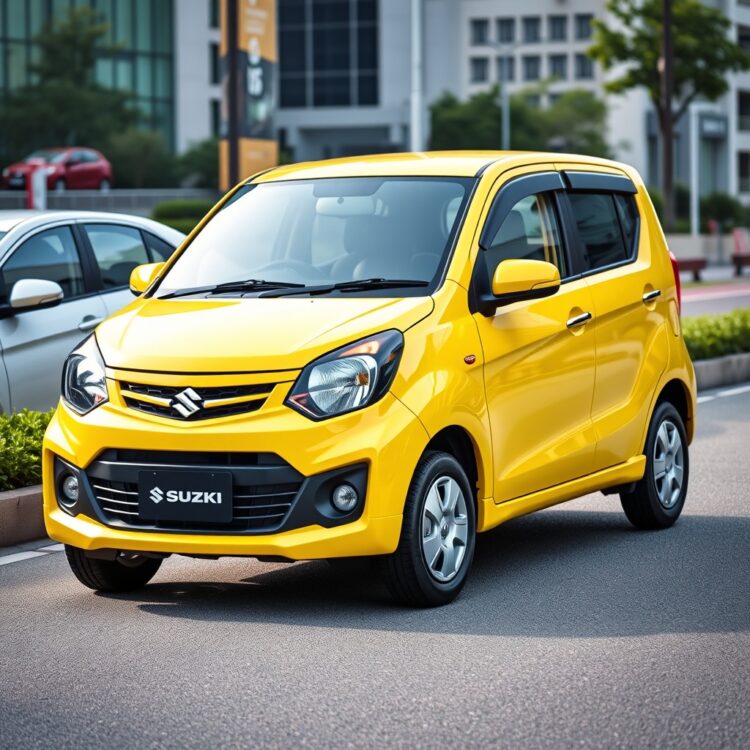
When it comes to small cars, the Suzuki Alto faces stiff competition from models like the Hyundai i10 and the Kia Picanto. So, how does it stack up? The Alto’s biggest advantage is its affordability. It’s often priced lower than its rivals, making it an attractive option for budget-conscious buyers. Despite the lower price, it doesn’t cut corners on reliability or fuel efficiency, two areas where it consistently outperforms many competitors.
Another area where the Alto shines is its compact size. It’s one of the smallest cars in its class, which makes it incredibly easy to park and manoeuvre in tight spaces. However, this does come at the cost of interior space. If you’re looking for a car with more room, the Hyundai i10 might be a better fit. That said, the Alto’s nimble handling and efficient engine make it a joy to drive in urban environments.
Fuel Efficiency and Environmental Impact
Fuel efficiency has always been a strong suit of the Suzuki Alto, and the latest models are no exception. The 1.0-litre engine delivers impressive mileage, making it one of the most economical cars in its class. Whether you’re commuting to work or running errands around town, the Alto’s frugal fuel consumption will keep your running costs low. This is especially important in today’s world, where fuel prices are constantly on the rise.
From an environmental perspective, the Alto’s small engine size and efficient design help reduce its carbon footprint. While it may not be a hybrid or electric vehicle, its low emissions make it a greener choice compared to larger, less efficient cars. For eco-conscious buyers who aren’t ready to make the leap to electric, the Alto offers a practical compromise.
Safety Features and Ratings
Safety is a priority for Suzuki, and the Alto comes equipped with a range of features to protect you and your passengers. Standard features include ABS, dual airbags, and seatbelt pretensioners. Higher trim levels add extras like rear parking sensors and hill hold assist, which can be a lifesaver in tricky driving conditions. The Alto has also performed well in crash tests, earning respectable ratings from safety organisations.
While it may not have all the advanced driver aids found in more expensive cars, the Alto’s safety package is more than adequate for its price point. For families or new drivers, it’s a reassuring choice that doesn’t break the bank. If you’re looking for a small car that prioritises safety without sacrificing affordability, the Alto is worth considering.
Customization and Accessories
When it comes to personalising your Suzuki Alto, the options are surprisingly diverse. From aesthetic upgrades like alloy wheels and body kits to practical additions such as roof racks and seat covers, there’s something for every driver. I’ve found that even small tweaks, like a custom steering wheel, can transform the driving experience.
For those who love a bit of flair, interior lighting and decals can add a unique touch. The Alto’s compact size makes it a blank canvas for creativity. Whether you’re after performance enhancements or just want to stand out, the aftermarket scene has you covered. It’s all about making the car feel like yours.
Buying Guide for the Suzuki Alto
If you’re considering a Suzuki Alto, it’s essential to weigh your options carefully. New models come with warranties and the latest features, while used ones offer great value. I always recommend checking the car’s service history and taking it for a test drive. The Alto’s fuel efficiency and reliability make it a solid choice for city driving.
Budget-conscious buyers should look for certified pre-owned vehicles. These often come with extended warranties and peace of mind. Don’t forget to factor in insurance and running costs—the Alto’s affordability extends beyond the showroom. A little research goes a long way in finding the perfect match.
Maintenance and Care Tips
Keeping your Suzuki Alto in top condition doesn’t require much effort, but regular checks are key. Oil changes, tyre rotations, and brake inspections should be part of your routine. I’ve learned that proactive care prevents costly repairs down the line. The Alto’s simplicity makes it easy to maintain, even for beginners.
For those who prefer DIY, the Alto’s accessible engine bay is a bonus. Just remember to use quality parts and follow the manufacturer’s guidelines. Seasonal maintenance, like checking coolant levels in winter, ensures year-round reliability. A well-cared-for Alto will reward you with years of dependable service.
What is the top speed of the Suzuki Alto?
The Suzuki Alto’s top speed varies by model, but most versions cap at around 90–100 mph. Factors like engine size and weight influence this figure. For precise specs, always refer to the manufacturer’s documentation or a trusted automotive blog.
Is the Suzuki Alto fuel-efficient?
Absolutely! The Alto is renowned for its fuel efficiency, with some models achieving over 60 mpg. Its lightweight design and small engine contribute to these impressive figures. If you’re after a budget-friendly runabout, the Alto won’t disappoint.
What are the common maintenance issues with the Suzuki Alto?
Common issues include minor electrical glitches and wear on suspension components. Regular servicing can mitigate most problems. The Alto’s robust build means major issues are rare, making it a reliable choice for daily commuting.
How does the Suzuki Alto compare to its competitors?
The Alto stands out for its affordability and fuel efficiency, though it lacks some premium features found in rivals. It’s ideal for urban drivers who prioritise practicality over luxury. For a detailed comparison, check out our buyer’s guide.