Introduction to Suzuki AGS Technology
When it comes to modern automotive innovation, Suzuki has always been at the forefront, and their Auto Gear Shift (AGS) technology is no exception. I’ve spent years exploring the intricacies of car transmissions, and Suzuki’s AGS system stands out as a game-changer. It’s designed to bridge the gap between manual and automatic transmissions, offering the best of both worlds—control and convenience.
We’ve all experienced the frustration of stop-and-go traffic or the hassle of constantly shifting gears. That’s where Suzuki’s AGS comes in. It’s an automated manual transmission that eliminates the need for a clutch pedal while retaining the efficiency of a manual gearbox. Whether you’re a seasoned driver or a newcomer, this technology promises a smoother, more enjoyable ride.
Key Takeaways
- Suzuki’s AGS technology combines the efficiency of manual transmissions with the ease of automatics.
- It eliminates the need for a clutch pedal, making driving in traffic less stressful.
- The system is designed to enhance fuel efficiency and reduce driver fatigue.
- Suzuki’s AGS is featured in popular models like the Alto VXR and others.
The Evolution of Transmission Systems in Suzuki Cars
Suzuki’s journey in transmission technology has been nothing short of remarkable. From the early days of basic manual gearboxes to the introduction of advanced automated systems like AGS, the brand has consistently pushed boundaries. I remember when manual transmissions were the only option, but today, Suzuki offers a range of solutions tailored to diverse driving needs.
One of the standout milestones in this evolution is the AGS system. Unlike traditional automatics, which can be heavy and less efficient, Suzuki’s AGS retains the lightweight design of a manual transmission while adding automation. This innovation reflects the brand’s commitment to fuel efficiency and driver comfort. It’s a testament to how far transmission technology has come.
The Evolution of Transmission Systems in Suzuki Cars
Suzuki has long been a pioneer in automotive innovation, and their transmission systems are no exception. Over the years, we’ve seen a shift from traditional manual gearboxes to more advanced automatic and semi-automatic options. The introduction of the AGS (Auto Gear Shift) system marked a significant milestone, blending the efficiency of manual transmissions with the convenience of automatics.
This evolution wasn’t just about convenience; it was about enhancing performance and fuel efficiency. Suzuki’s commitment to refining their transmission technology has made their cars more accessible and enjoyable for drivers worldwide. Whether you’re navigating city traffic or cruising on the motorway, the advancements in Suzuki’s transmissions ensure a smoother, more responsive drive.
Understanding the Suzuki AGS System
The Suzuki AGS system is a marvel of engineering, designed to offer the best of both worlds. Unlike traditional automatics, AGS retains the mechanical simplicity of a manual gearbox while automating the clutch and shift operations. This hybrid approach ensures drivers enjoy the control of a manual without the hassle of constant gear changes.
At its core, the AGS system relies on sensors and actuators to manage gear shifts seamlessly. The result is a driving experience that’s both intuitive and efficient. Whether you’re a seasoned driver or a beginner, the AGS system adapts to your style, making every journey effortless.
Components of the AGS System
The AGS system comprises several key components, including an electronic control unit (ECU), actuators, and sensors. The ECU acts as the brain, analysing driving conditions and determining the optimal gear shift points. Actuators then execute these shifts, while sensors monitor everything from engine speed to throttle input.
This intricate setup ensures that gear changes are smooth and timely, reducing wear and tear on the transmission. It’s a testament to Suzuki’s engineering prowess, delivering reliability and performance in one package.
How the AGS System Enhances Driving Experience
One of the standout features of the AGS system is its ability to enhance the driving experience. By automating gear shifts, it eliminates the need for constant clutch engagement, reducing driver fatigue in heavy traffic. Additionally, the system’s precision ensures optimal fuel efficiency, making it a cost-effective choice for daily commuters.
For those who crave a bit more control, the AGS system also offers a manual mode. This allows drivers to override the automatic shifts, giving them the flexibility to tailor their driving experience to their preferences. It’s this versatility that sets the AGS system apart from conventional automatics.
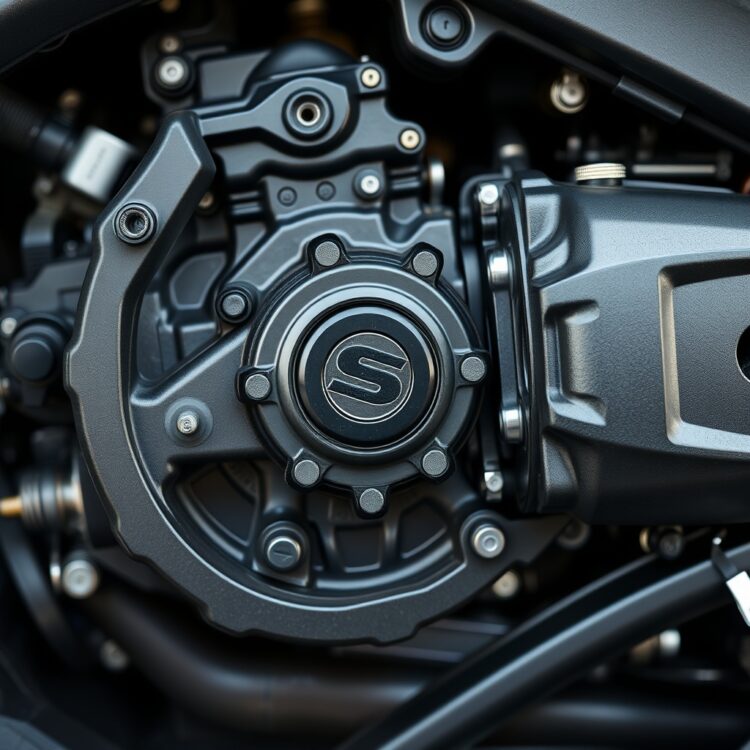
Comparing AGS with Traditional Automatic Transmissions
When comparing AGS to traditional automatic transmissions, the differences are striking. Traditional automatics use a torque converter, which can lead to power loss and reduced fuel efficiency. In contrast, the AGS system leverages a manual gearbox’s mechanical efficiency, delivering better performance and economy.
Another advantage of AGS is its lighter weight and simpler design. This not only reduces manufacturing costs but also makes the system easier to maintain. For drivers who value efficiency and reliability, AGS is a clear winner over conventional automatics.
The Role of the Clutch in Suzuki AGS Cars
A common question among Suzuki enthusiasts is whether AGS cars have a clutch. The answer is yes—but with a twist. Unlike manual transmissions where the driver operates the clutch, the AGS system uses an automated clutch mechanism. This means the clutch is still present, but its operation is managed electronically.
This setup ensures smooth gear changes without any driver intervention, combining the benefits of manual and automatic transmissions. It’s a clever solution that highlights Suzuki’s commitment to innovation and driver convenience.
The Role of the Clutch in Suzuki AGS Cars
When it comes to Suzuki’s AGS (Auto Gear Shift) technology, one of the most common questions is whether it includes a clutch. The answer is both simple and fascinating. Unlike traditional manual transmissions, AGS eliminates the need for a physical clutch pedal. Instead, it uses an automated system that handles clutch engagement and gear shifts seamlessly, making driving smoother and more intuitive.
This innovation is a game-changer for those who dread stop-and-go traffic. The AGS system relies on sensors and actuators to manage the clutch, ensuring precise gear changes without driver input. It’s like having a co-pilot who handles the tedious parts of driving, leaving you free to focus on the road. For more on how this works, check out our automotive blog.
Benefits of Choosing Suzuki AGS Over Manual Transmission
Fuel Efficiency Improvements
One of the standout advantages of Suzuki AGS is its fuel efficiency. By optimising gear shifts and reducing mechanical drag, AGS delivers better mileage compared to traditional manual transmissions. This is especially noticeable in urban driving conditions, where frequent gear changes can otherwise lead to wasted fuel.
The system’s ability to precisely control the clutch and gear shifts ensures that the engine operates at its most efficient RPM range. This not only saves fuel but also reduces emissions, making AGS a greener choice. For a deeper dive into fuel-saving technologies, explore our fuel efficiency guide.
Ease of Use in Traffic
Navigating heavy traffic is where Suzuki AGS truly shines. Without the need to constantly engage and disengage a clutch, drivers can enjoy a stress-free experience. The system automatically handles gear changes, allowing you to focus on steering and braking.
This feature is particularly beneficial for new drivers or those transitioning from manual to automatic transmissions. The smooth, effortless operation of AGS makes it a joy to drive in congested city streets. For more tips on urban driving, visit our automotive blog.

Maintenance and Care for Suzuki AGS Systems
Maintaining a Suzuki AGS system is straightforward but requires attention to detail. Regular servicing ensures that the actuators and sensors remain in top condition. Unlike traditional clutches, which wear out over time, AGS components are designed for longevity, but they still benefit from periodic checks.
It’s also important to use the recommended transmission fluid and follow the manufacturer’s guidelines. Proper care can prevent issues like delayed gear shifts or unusual noises. For a comprehensive maintenance guide, check out our latest AGS features.
Common Misconceptions About Suzuki AGS
Despite its growing popularity, there are still myths surrounding Suzuki AGS. Some believe it’s just a rebranded automatic transmission, but that’s not the case. AGS combines the efficiency of a manual gearbox with the convenience of an automatic, offering the best of both worlds.
Another misconception is that AGS is less reliable than traditional systems. In reality, its components are rigorously tested and built to last. For a detailed comparison of AGS and other transmissions, read our AGS vs automatic guide.

Suzuki Models Featuring AGS Technology
Suzuki has been at the forefront of integrating innovative transmission systems into their vehicles, and the AGS technology is no exception. From compact city cars to versatile SUVs, Suzuki offers a range of models equipped with this advanced system. The AGS (Auto Gear Shift) technology combines the convenience of an automatic transmission with the efficiency of a manual, making it a popular choice among drivers who seek both comfort and performance.
Among the standout models, the Suzuki Swift and Baleno are prime examples of how AGS enhances the driving experience. These cars are designed for urban commuters who value fuel efficiency and ease of use. The Suzuki Alto VXR also features AGS, catering to budget-conscious buyers without compromising on modern features. Whether you’re navigating city traffic or cruising on the highway, Suzuki’s AGS-equipped models deliver a seamless and responsive ride.
Popular Suzuki Cars with AGS
The Suzuki Swift is a fan favourite, known for its sporty design and agile handling. With AGS, the Swift offers a smooth and effortless driving experience, perfect for daily commutes. The Baleno, another popular model, combines spacious interiors with the efficiency of AGS, making it ideal for families. Both models highlight Suzuki’s commitment to blending technology with practicality, ensuring drivers enjoy the best of both worlds.
For those seeking a more compact option, the Suzuki Celerio is a great choice. Its lightweight design paired with AGS ensures excellent fuel economy, a key consideration for urban drivers. The AGS system in these models is designed to adapt to varying driving conditions, providing optimal performance whether you’re accelerating or decelerating. Suzuki’s focus on innovation ensures that even their entry-level models come packed with advanced features.
Upcoming Models with AGS
Suzuki continues to expand its AGS lineup with upcoming models like the new-generation Ignis and the highly anticipated Fronx. These models are expected to feature enhanced AGS systems, offering even greater fuel efficiency and smoother gear shifts. The Ignis, with its rugged yet stylish design, is set to appeal to adventurous drivers, while the Fronx aims to redefine the compact SUV segment with its cutting-edge technology.
The Suzuki Alto VXR is also slated for an update, with improvements to its AGS system for better responsiveness and durability. As Suzuki pushes the boundaries of automotive innovation, drivers can look forward to more models equipped with AGS, catering to diverse needs and preferences. The future of Suzuki’s AGS technology promises to be as exciting as its current offerings.
How to Drive a Suzuki AGS Car Efficiently
Driving a Suzuki AGS car efficiently requires understanding the nuances of the system. Unlike traditional automatics, AGS mimics manual transmission behaviour, so it’s essential to avoid abrupt acceleration or braking. Smooth inputs ensure the system operates optimally, enhancing both performance and fuel economy. The key is to let the AGS system do the work, allowing it to shift gears seamlessly without unnecessary intervention.
Another tip is to use the manual override feature when needed, such as during overtaking or climbing steep hills. This gives you more control over gear selection, improving responsiveness. Regular maintenance, including timely transmission fluid checks, also plays a crucial role in keeping the AGS system in top condition. By following these practices, you can maximise the benefits of your Suzuki AGS car and enjoy a hassle-free driving experience.
The Future of AGS Technology in Suzuki Cars
The future of AGS technology in Suzuki cars looks promising, with advancements aimed at further improving efficiency and performance. Suzuki is investing in hybrid and electric variants that could integrate AGS systems, offering eco-friendly alternatives without sacrificing driving dynamics. The focus is on making AGS even more intuitive, with adaptive algorithms that learn driving patterns for personalised performance.
Additionally, Suzuki is exploring ways to reduce the weight of AGS components, enhancing fuel efficiency and reducing emissions. As the automotive industry shifts towards sustainability, AGS technology is poised to play a pivotal role in Suzuki’s lineup. With continuous innovation, Suzuki aims to set new benchmarks in automatic transmission systems, ensuring their cars remain competitive in a rapidly evolving market.
Customer Reviews and Feedback on Suzuki AGS
Customer feedback on Suzuki AGS has been overwhelmingly positive, with many praising its smooth gear shifts and fuel efficiency. Drivers appreciate the convenience of an automatic transmission without the higher costs typically associated with traditional automatics. The system’s reliability and low maintenance requirements are also frequently highlighted, making it a practical choice for long-term ownership.
However, some users note that the AGS system can feel slightly sluggish during aggressive driving, a trade-off for its efficiency-focused design. Overall, Suzuki AGS has garnered a loyal following, with many customers recommending it for urban commuting and daily use. The positive reception underscores Suzuki’s success in delivering a technology that meets the needs of modern drivers.
Technical Specifications of Suzuki AGS Systems
The Suzuki AGS (Auto Gear Shift) system is a marvel of engineering, blending the convenience of an automatic transmission with the efficiency of a manual. At its core, the AGS system uses an electronically controlled clutch and gear shift mechanism, eliminating the need for a traditional clutch pedal. This setup ensures smoother gear transitions and optimises fuel consumption, making it ideal for urban driving.
Key specifications include a compact actuator unit, lightweight design, and seamless integration with Suzuki’s engine management system. The AGS system is designed to handle a torque range of up to 140 Nm, ensuring compatibility with most Suzuki models. For those curious about the latest AGS version, it boasts enhanced responsiveness and durability, setting a new benchmark in semi-automatic transmissions.
How Suzuki AGS Stands Against Competitors
Suzuki’s AGS system stands out in the crowded market of semi-automatic transmissions. Unlike traditional automatics, which can be sluggish and less fuel-efficient, the AGS offers a dynamic driving experience with minimal lag. Competitors like Hyundai’s AMT and Tata’s AutoShift fall short in terms of refinement and ease of use, making Suzuki’s offering a clear winner for budget-conscious buyers.
One of the standout features is the AGS’s ability to mimic manual control without the hassle of a clutch. This is particularly appealing to drivers who want the best of both worlds. For a deeper dive into how AGS compares to other transmissions, check out our AGS vs Automatic Transmission guide.
Making the Right Choice: AGS or Traditional Transmission
Choosing between Suzuki’s AGS and a traditional transmission depends on your driving needs. If you prioritise fuel efficiency and ease of use in stop-and-go traffic, the AGS is a no-brainer. Its automated clutch system reduces driver fatigue, making it perfect for city commutes. However, if you crave the tactile feedback of a manual gearbox, a traditional transmission might be more your style.
For those on the fence, test-driving both options is the best way to decide. The AGS system’s latest features, such as adaptive shift patterns, make it a compelling choice for modern drivers. Ultimately, the decision boils down to personal preference and driving habits.
Frequently Asked Questions
What is the main advantage of Suzuki AGS over a manual transmission?
The primary advantage is convenience. The AGS system eliminates the need for a clutch pedal, making driving in heavy traffic effortless. It also offers better fuel efficiency compared to traditional manuals, thanks to its optimised gear shifts.
Is the Suzuki AGS system reliable?
Yes, the AGS system is designed for durability and reliability. Suzuki has incorporated robust components and advanced electronics to ensure long-term performance. Regular maintenance, such as fluid checks and software updates, will keep it running smoothly.
Can I switch to manual mode with Suzuki AGS?
Absolutely! The AGS system allows you to manually select gears using the gear lever or paddle shifters (depending on the model). This feature gives you more control when needed, such as during overtaking or driving on hilly terrain.
How does Suzuki AGS compare to a CVT transmission?
While both offer smooth driving experiences, the AGS system provides a more engaging feel with distinct gear shifts. CVTs, on the other hand, are known for their seamless acceleration but lack the tactile feedback of the AGS. Your choice depends on whether you prefer efficiency or driving engagement.