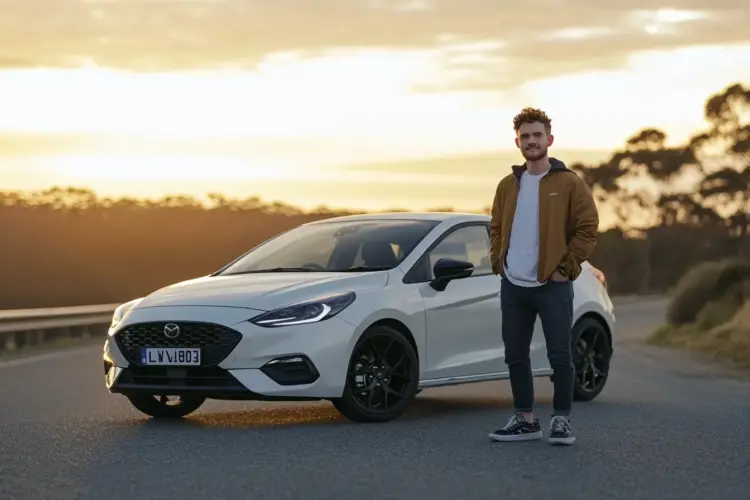
Introduction to Car Colour Popularity
Ever wondered why certain car colours seem to dominate the roads? I’ve always been fascinated by the psychology and trends behind car colour choices. Whether it’s the sleek appeal of black or the practicality of white, our preferences say a lot about us. In this article, we’ll dive deep into the world of car colours, uncovering what makes them popular and how they reflect our personalities and lifestyles.
From a marketing perspective, car manufacturers invest heavily in colour research to align with consumer tastes. It’s not just about aesthetics—colours can influence resale value, safety perceptions, and even insurance rates. We’ll explore these factors and more, giving you a comprehensive look at why some shades reign supreme while others fade into obscurity.
Key Takeaways
- White is the most popular car colour globally, favoured for its practicality and modern appeal.
- Black and grey/silver remain timeless choices, often associated with luxury and sophistication.
- Regional preferences vary significantly, with cultural and climatic factors playing a key role.
- Car colour can impact resale value, safety, and even insurance premiums.
Test Your General Automotive Knowledge!
The Psychology Behind Car Colour Choices
Why do we gravitate toward certain car colours? It’s not just about personal taste—psychology plays a huge role. For instance, white is often linked to cleanliness and simplicity, making it a top choice for those who value practicality. On the other hand, black exudes power and elegance, appealing to drivers who want to make a statement. Our choices are deeply tied to how we want to be perceived.
Colour psychology also extends to emotions and behaviour. Bright colours like red or yellow can evoke excitement and energy, while neutral tones like grey or silver suggest professionalism and reliability. Whether you’re drawn to bold hues or understated shades, your car’s colour is a reflection of your identity. It’s fascinating how something as simple as paint can say so much about us.
Interestingly, car colour trends often mirror broader societal shifts. For example, the rise of eco-consciousness has spurred interest in earthy tones and sustainable paint options. As we become more aware of our environmental impact, even our colour choices are evolving. This intersection of psychology, culture, and technology makes the study of car colours endlessly intriguing.
The Psychology Behind Car Colour Choices
Ever wondered why we gravitate towards certain car colours? It’s not just about aesthetics—psychology plays a huge role. For instance, white and black are often associated with sophistication and power, while brighter hues like red or blue might reflect a driver’s outgoing personality. Our choices are deeply tied to how we want to be perceived on the road.
Interestingly, cultural influences also shape these preferences. In some regions, white symbolises purity and is a popular choice, while in others, black represents luxury. It’s fascinating how something as simple as colour can reveal so much about our subconscious desires and societal norms. Next time you see a Vauxhall Corsa VXR, take note of its shade—it might tell you more than you think.
Global Trends in Car Colour Popularity
Car colour trends vary widely across the globe, but some shades consistently dominate. White, for example, is the undisputed leader worldwide, favoured for its clean, modern look and practicality. Black follows closely, often chosen for its timeless elegance. Meanwhile, silver and gray have surged in popularity, offering a sleek, neutral alternative.
Regional preferences add another layer of intrigue. In Asia, white is overwhelmingly popular, while Europe sees a higher demand for black and gray. North America leans towards bolder colours, but even there, neutrals reign supreme. These trends reflect not just aesthetic preferences but also practical considerations like climate and resale value. For more on how car models influence these choices, check out our detailed comparisons.
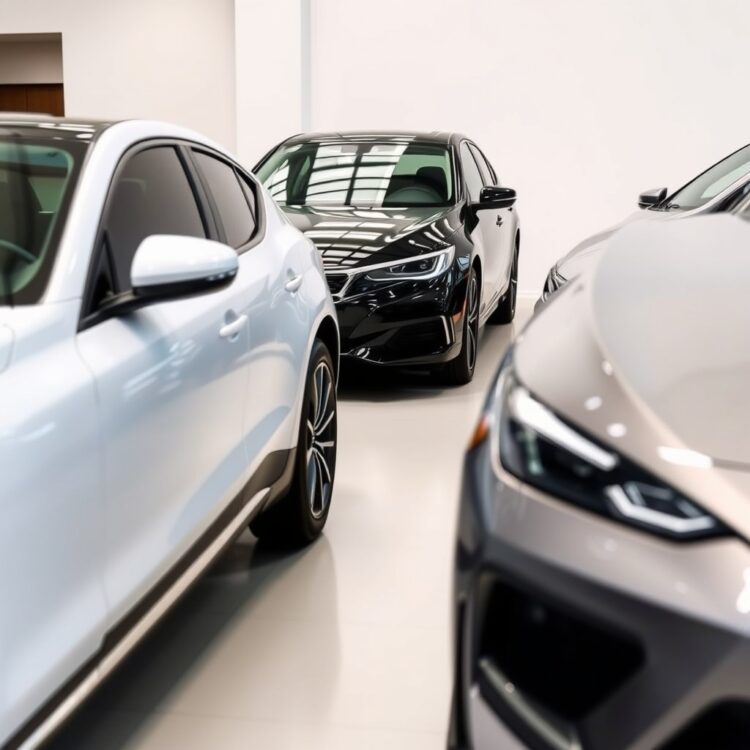
The Most Popular Car Colours Worldwide
White: The Undisputed Leader
White isn’t just a colour—it’s a statement. Its dominance in global car sales is unmatched, thanks to its versatility and modern appeal. White cars are easier to maintain, reflect heat better, and often have higher resale values. It’s no wonder manufacturers like Vauxhall frequently offer it as a standard option.
Beyond practicality, white exudes a sense of freshness and innovation. Whether it’s a compact city car or a luxury sedan, white adapts effortlessly. Its popularity shows no signs of waning, making it a safe bet for buyers who want a timeless look. For those considering a hot hatch, white might just be the perfect canvas.
Black: A Timeless Choice
Black cars are synonymous with luxury and sophistication. They’re a favourite among executives and enthusiasts alike, offering a sleek, polished appearance. However, black requires more maintenance, as scratches and dust are more visible. Despite this, its allure remains undeniable.
The psychological impact of black is profound—it conveys authority and elegance. From sports cars to SUVs, black adds a touch of class. It’s a colour that never goes out of style, making it a perennial favourite in showrooms worldwide.
Gray and Silver: The Rise of Neutrals
Gray and silver have carved out a significant niche in the car market. These colours strike a balance between the starkness of white and the boldness of black. They’re practical, hiding dirt better than darker shades while still offering a premium look.
Silver, in particular, has a futuristic vibe, often associated with technology and innovation. Gray, on the other hand, is understated yet stylish. Both are excellent choices for drivers who want a low-maintenance yet sophisticated vehicle. For more insights into car colour trends, explore this external resource.
Regional Variations in Car Colour Preferences
When it comes to car colours, regional preferences can be as diverse as the cultures themselves. In North America, white and black dominate the roads, reflecting a preference for classic, understated hues. Meanwhile, Europe leans towards more neutral tones like gray and silver, which blend seamlessly with urban landscapes. Asia, on the other hand, often embraces bolder choices, with red and blue gaining popularity.
Other regions, such as the Middle East and Africa, show a fondness for white due to its heat-reflective properties. Interestingly, in some parts of South America, vibrant colours like yellow and green are common, reflecting local aesthetics. These variations highlight how geography and climate influence car colour choices, making it a fascinating study in cultural and environmental adaptation.
North America
In North America, practicality often dictates car colour choices. White and black are the top picks, with white leading due to its ability to reflect sunlight and keep interiors cooler. Black, while elegant, requires more maintenance but remains a favourite for luxury vehicles. Gray and silver also feature prominently, offering a balance between style and ease of upkeep.
Interestingly, regional sub-trends exist. For example, coastal areas might favour brighter colours, while metropolitan regions stick to neutrals. The popularity of common car colours here aligns with global trends, but local preferences add a unique twist. Whether it’s the sunny coasts or snowy north, colour choices adapt to the environment.
Europe
Europe’s car colour palette is a study in sophistication. Gray and silver dominate, reflecting a preference for sleek, modern aesthetics. These colours are also practical, hiding dirt and minor scratches better than darker shades. White remains popular, especially in Southern Europe, where its heat-reflective properties are a boon during hot summers.
Black cars are less common but still favoured for premium models. In Northern Europe, darker hues like blue and green gain traction, possibly due to the overcast climate. The most common car colours here mirror a blend of practicality and style, with regional nuances adding depth to the overall trend.
Asia
Asia’s car colour preferences are as dynamic as its cultures. While white remains the top choice for its cooling properties, bold colours like red and blue are increasingly popular, especially in younger demographics. In countries like China, red symbolises luck and prosperity, making it a frequent choice for new car buyers.
Japan and South Korea lean towards neutral tones, but with a twist—pearlescent and metallic finishes are common, adding a touch of luxury. The most common car colours in Asia reflect a mix of tradition and modernity, with regional symbolism playing a significant role in colour selection.
Other Regions
In the Middle East and Africa, white cars reign supreme due to their ability to reflect heat. This practical choice is often paired with tinted windows for added comfort. In contrast, South America embraces vibrant colours like yellow and green, which stand out against the lush landscapes and urban backdrops.
Australia and New Zealand follow trends similar to Europe, with gray and silver leading the pack. However, earthy tones like beige and olive green are also popular, blending with the natural surroundings. These regional preferences showcase how car colours are more than just aesthetic choices—they’re a response to climate, culture, and lifestyle.
The Impact of Car Colour on Resale Value
Believe it or not, your car’s colour can significantly affect its resale value. Neutral colours like white, black, and gray tend to retain value better than bold or unconventional shades. These hues appeal to a broader audience, making them easier to sell. On the flip side, bright colours like orange or purple may limit your buyer pool, potentially lowering the resale price.
Market trends also play a role. For instance, silver cars were once highly sought after, but their popularity has waned in recent years. Staying informed about current trends can help you make a smarter choice. Whether you’re buying new or used, opting for a timeless colour can pay off in the long run.
Car Colours and Safety What the Research Says
Research suggests that car colour can influence safety on the road. Lighter colours like white and yellow are more visible, especially in low-light conditions, reducing the risk of accidents. Darker shades, such as black or navy, blend into the surroundings, making them harder to spot, particularly at night or in poor weather.
Studies also indicate that silver cars are less likely to be involved in crashes compared to darker vehicles. This visibility factor is crucial for urban driving, where quick reactions are often needed. While colour alone won’t guarantee safety, choosing a highly visible hue can be a simple yet effective precaution.

How Car Colour Affects Insurance Rates
You might be surprised to learn that your car’s colour can influence your insurance premiums. While insurers don’t directly charge more for red or black cars, these colours are often associated with higher-risk drivers, leading to indirect cost increases. For example, red cars are statistically more likely to be involved in accidents, possibly due to their association with speed and aggression.
On the other hand, neutral colours like white or gray are seen as safer choices, potentially resulting in lower premiums. Insurers also consider theft rates—flashy colours may attract unwanted attention. To get the best rates, it’s worth discussing insurance options with your provider and choosing a colour that aligns with both safety and affordability.
The Relationship Between Car Colour and Theft Rates
Ever wondered if the colour of your car makes it more likely to be stolen? It’s a question that’s crossed my mind more than once. Research suggests that certain colours are indeed more attractive to thieves, and it’s not just about visibility. Flashy, attention-grabbing hues like red or yellow might seem like they’d be riskier, but the reality is a bit more nuanced.
Statistically, neutral colours like white, black, and silver dominate theft rates, primarily because they’re the most common on the road. Thieves often target these colours for their ease of resale and lower suspicion. But don’t panic—security features and location play a far bigger role in theft prevention than colour alone. Still, it’s fascinating how even something as simple as paint can influence criminal behaviour.
Environmental Considerations and Car Colours
When it comes to the environment, car colour isn’t just about aesthetics—it can impact fuel efficiency and heat absorption. Darker colours, like black or deep blue, absorb more sunlight, which can increase the interior temperature of your car. This might seem trivial, but it can lead to higher air conditioning use, burning more fuel and emitting more CO2.
On the flip side, lighter colours reflect sunlight, keeping the car cooler and reducing the need for AC. Some manufacturers are even experimenting with eco-friendly paints and coatings that minimise environmental impact. If you’re eco-conscious, opting for a lighter shade or a specialised reflective paint could be a small but meaningful step toward sustainability.
Heat Absorption and Fuel Efficiency
The science behind heat absorption and fuel efficiency is surprisingly straightforward. Darker colours absorb more heat, which can make your engine work harder to cool the cabin. Over time, this extra strain can add up, slightly reducing your car’s overall fuel efficiency. It’s not a deal-breaker, but it’s worth considering if you’re looking to maximise every mile per gallon.
Lighter colours, meanwhile, reflect heat, reducing the load on your cooling systems. This isn’t just about comfort—it’s about efficiency. In warmer climates, the difference can be noticeable. So, if you live somewhere sunny, a white or silver car might save you a few trips to the petrol station.
Eco-Friendly Colour Options
Eco-friendly car colours are becoming more than just a trend. Manufacturers are developing paints with lower volatile organic compounds (VOCs) and even solar-reflective coatings. These innovations not only reduce environmental harm but also improve your car’s energy efficiency. It’s a win-win for both the planet and your wallet.
Some brands are also offering matte and pearlescent finishes that use sustainable materials. While these options might come at a premium, they’re a great way to stand out while staying green. If you’re in the market for a new car, it’s worth asking about these eco-conscious alternatives.
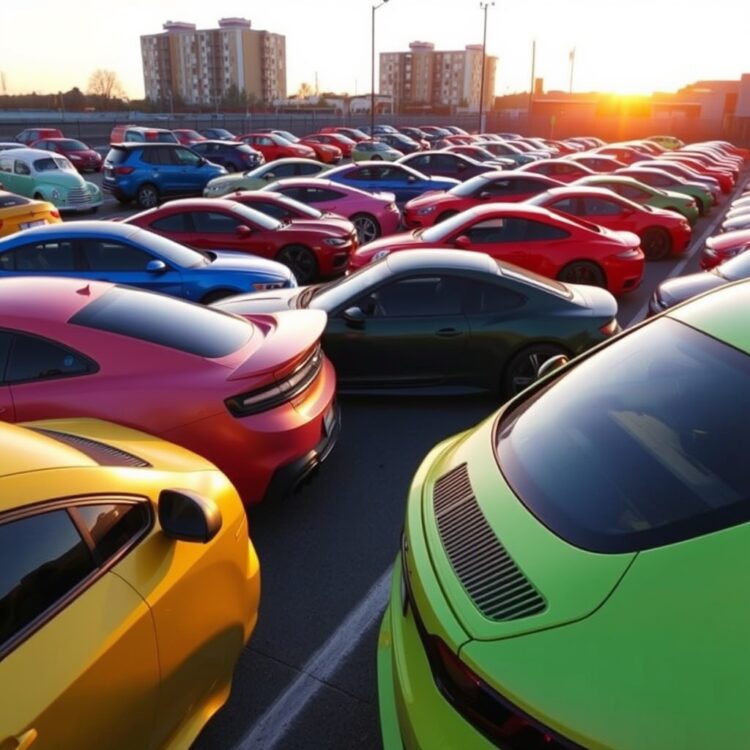
Custom and Specialty Colours: Beyond the Basics
If you’re tired of the same old whites and blacks, custom and specialty colours offer a world of possibilities. From matte finishes to pearlescent hues, these options let you express your personality on the road. I’ve always been drawn to the way a unique colour can turn heads and make a statement—it’s like wearing your heart on your sleeve, but for your car.
However, these finishes often come with higher maintenance requirements. Matte paints, for example, need special care to avoid scratches and stains. But for those willing to put in the effort, the payoff is a one-of-a-kind look that sets your ride apart from the crowd. It’s all about balancing creativity with practicality.
Matte Finishes
Matte finishes have surged in popularity, and it’s easy to see why. They give cars a sleek, modern edge that gloss simply can’t match. But here’s the catch: matte paint is notoriously high-maintenance. It’s prone to showing fingerprints, dirt, and even minor scratches. If you’re considering a matte finish, be prepared to invest time (and money) in keeping it pristine.
That said, the unique aesthetic is worth it for many enthusiasts. Some manufacturers now offer matte wraps as a more forgiving alternative to paint. These wraps provide the same visual impact but are easier to repair or replace. It’s a great middle ground for those who love the look but dread the upkeep.
Pearlescent and Metallic Options
Pearlescent and metallic paints add depth and dimension to your car’s appearance. These finishes use tiny reflective particles to create a shimmering effect that changes with the light. It’s a subtle way to elevate your car’s look without going over the top. I’ve always admired how a pearlescent white can shift from icy blue to warm gold depending on the angle.
These options are also more durable than matte finishes, making them a practical choice for daily drivers. While they might not be as bold as a custom wrap, they offer a touch of luxury that never goes out of style. If you’re after a balance of flair and functionality, pearlescent or metallic could be the way to go.
Custom Wraps and Their Popularity
Custom wraps are the ultimate way to personalise your car. Whether you want a bold graphic, a chrome finish, or even a faux carbon fibre look, wraps make it possible. The best part? They’re reversible, so you can change your mind without committing to a permanent paint job. It’s no wonder they’ve become a favourite among car enthusiasts and businesses alike.
Wraps also offer protection for your car’s original paint, shielding it from UV rays and minor scratches. While they’re not cheap, the versatility and durability make them a smart investment. If you’re looking to make a statement, a custom wrap is hard to beat. Just be sure to choose a reputable installer to ensure a flawless finish.
How to Choose the Right Colour for Your Car
Choosing the right colour for your car isn’t just about aesthetics—it’s a blend of personal preference and practicality. I’ve seen countless buyers torn between what they love and what makes sense for their lifestyle. Whether you’re drawn to bold hues or classic neutrals, the decision impacts everything from resale value to maintenance. Let’s break it down.
First, consider your daily needs. A sleek black might look stunning, but it shows dirt and scratches easily. On the other hand, a silver or grey hides imperfections better. Think about your climate too; darker colours absorb more heat, which could be a pro or con depending on where you live.
Personal Preference vs. Practicality
We all have that dream colour—maybe a fiery red or a deep blue. But is it practical? I’ve learned that while personal taste matters, practicality often wins in the long run. For instance, white cars are easier to maintain and retain their value better. If you’re unsure, test-drive a car in your preferred shade to see how it feels.
Another angle is resale. Neutral colours like white, black, and silver appeal to a broader audience. If you plan to sell your car later, sticking to these shades might save you headaches. But if you’re keeping it for years, why not go for that eye-catching hue you love?
Considering Your Vehicle Type
The type of car you drive can influence your colour choice. Sporty models often look best in bold colours, while luxury vehicles shine in classic blacks or whites. I’ve noticed SUVs and trucks tend to suit earthy tones, blending functionality with style. It’s about matching the colour to the car’s personality.
Think about visibility too. Bright colours like yellow or orange stand out, which can be safer in traffic. If you frequently drive at night or in low-light conditions, a lighter colour might improve visibility. It’s a small detail, but it can make a big difference.
Maintenance and Upkeep Considerations
Some colours demand more upkeep than others. Dark shades show swirl marks and dust, while metallics hide minor imperfections better. If you’re not keen on frequent washes, a grey or silver might be your best bet. Lighter colours also fade less noticeably over time.
Lastly, consider the cost. Specialty finishes like matte or pearlescent can be pricier to repair. Standard colours are easier and cheaper to touch up. Weigh the long-term costs against the initial appeal—sometimes, simplicity pays off.
The Role of Car Color in Branding and Marketing
Car colours aren’t just for buyers—they’re a powerful tool for brands. I’ve seen how manufacturers use colour to evoke emotions and reinforce identity. Think of Ferrari’s iconic red or Jaguar’s sleek British racing green. These choices aren’t random; they’re strategic.
Colours also influence perceptions of performance and luxury. A study by Autocar found that buyers associate black with prestige and red with speed. Brands leverage these associations to create desire. It’s fascinating how a simple hue can shape an entire brand narrative.
Interesting Facts and Myths About Car Colours
Did you know white was once considered a luxury colour because it was hard to keep clean? Today, it’s the most popular choice worldwide. I’ve debunked many myths over the years, like the idea that red cars get more speeding tickets—research shows no direct link.
Another fun fact: some colours can affect a car’s temperature by up to 10°C. Darker shades absorb heat, while lighter ones reflect it. Whether you believe in colour psychology or not, these quirks make car shopping even more interesting.
Frequently Asked Questions
What is the most popular car colour globally?
White is the most popular car colour worldwide, favoured for its clean look and practicality. It’s followed by black and grey, which dominate luxury and mainstream markets alike. These neutral shades appeal to a broad audience and retain resale value well.
Does car colour affect insurance rates?
No, car colour doesn’t directly impact insurance rates. Insurers focus on factors like make, model, and driver history. However, some colours may be linked to higher theft rates, which could indirectly influence premiums in rare cases.
Are darker cars hotter in summer?
Yes, darker cars absorb more heat, making them hotter in summer. Lighter colours reflect sunlight, keeping interiors cooler. If you live in a warm climate, a white or silver car might be more comfortable.
Do red cars get more speeding tickets?
No, studies show no correlation between car colour and speeding tickets. Factors like driving behaviour and visibility play a bigger role. The myth likely stems from red’s association with speed and sportiness.
Which car colours hold their value best?
Neutral colours like white, black, and silver hold their value best. They appeal to a wider range of buyers and hide wear better than bold shades. If resale is a priority, sticking to classics is a smart move.