Introduction
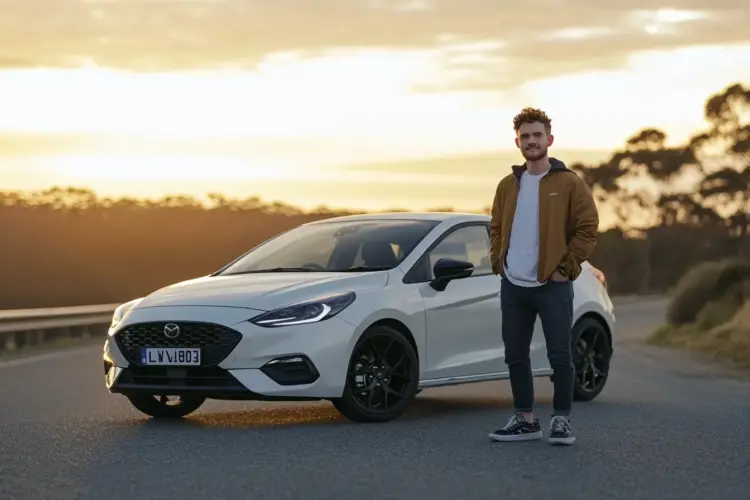
Choosing the best car for beginners can feel overwhelming, but it doesn’t have to be. I’ve been there—staring at endless options, wondering which one will suit my needs without breaking the bank. Whether you’re a new driver or helping someone take their first steps on the road, this guide will simplify the process. We’ll break down everything from safety features to budget-friendly picks, so you can drive away with confidence.
Key Takeaways
- Safety features like electronic stability control and airbags are non-negotiable for new drivers.
- Compact cars and sedans offer a balanced mix of affordability and ease of handling.
- Budget-friendly options under £15,000 can still deliver reliability and performance.
- Automatic transmissions are often easier for beginners to master.
- Researching good first cars can save you time and money in the long run.
Introduction to Choosing the Best Car for Beginners
Understanding the Needs of Beginner Drivers
As a beginner, you need a car that’s forgiving and easy to handle. I remember my first drive—nervous, gripping the wheel too tight. A smaller car with responsive steering made all the difference. Look for models with good visibility and lightweight controls. These features reduce stress and help you focus on the road. Remember, your first car isn’t about speed; it’s about building confidence.
The Importance of Safety Features for New Drivers
Safety should be your top priority. Features like anti-lock brakes (ABS) and multiple airbags can be lifesavers. I’ve seen how electronic stability control prevents skids, especially in wet conditions. If you’re unsure where to start, check out automotive blogs for expert reviews. Trust me, investing in safety now pays off later.
Budget Considerations for First-Time Car Buyers
Let’s talk money. Your first car doesn’t need to drain your savings. Focus on reliability and low maintenance costs. Used cars can be a steal, but always get a mechanic’s inspection. I learned this the hard way—skipping checks led to costly repairs. Set a realistic budget and stick to it. There are plenty of gems under £10,000 that won’t let you down.
Types of Cars Suitable for Beginners
Compact Cars Pros and Cons
Compact cars are a fantastic choice for beginners, offering a balance of affordability and practicality. I’ve found their smaller size makes them easier to manoeuvre, especially in tight city streets. However, they can feel a bit cramped for taller drivers or those carrying passengers regularly. If you’re after something nimble and fuel-efficient, a compact car might be your best bet.
On the flip side, compact cars often lack the power of larger models, which can be a drawback on motorways. But for new drivers, this can actually be a benefit—less power means less temptation to speed. We recommend models like the Vauxhall Corsa, which strikes a great balance between performance and ease of use.
Sedans A Balanced Choice
Sedans are another solid option for beginners, offering more space and comfort than compact cars. I’ve noticed they tend to have better stability at higher speeds, making them ideal for motorway driving. Their larger boot space is a bonus for those who need to carry luggage or shopping regularly.
That said, sedans can be pricier to insure and maintain compared to smaller cars. If you’re on a tight budget, it’s worth weighing the pros and cons. For a reliable sedan, check out our automotive blog for recommendations tailored to new drivers.
SUVs Are They Suitable for Beginners
SUVs might seem like overkill for beginners, but they’re worth considering if you need extra space or plan to drive in rough conditions. I’ve seen many new drivers appreciate their higher seating position, which improves visibility. However, their larger size can make parking and navigating narrow roads a challenge.
Fuel efficiency is another downside, as SUVs tend to guzzle more petrol. If you’re set on an SUV, opt for a smaller model like the Nissan Juke, which offers a good compromise between size and drivability. For more insights, explore our guide on the best cars for young drivers.
Essential Features to Look for in a Beginner’s Car
Automatic vs Manual Transmission
Automatic transmissions are a godsend for beginners, eliminating the stress of clutch control and gear changes. I’ve found they allow new drivers to focus more on the road and less on mechanics. However, automatics can be more expensive to buy and repair, so weigh the convenience against the cost.
Manual transmissions, on the other hand, are cheaper and offer more control, which some drivers prefer. If you’re learning in a manual, sticking with it can make you a more versatile driver. For a deeper dive, read our guide to manual transmissions.
Fuel Efficiency Matters
Fuel efficiency is a big deal for beginners, as it keeps running costs low. I always recommend looking for cars with high MPG ratings—they’re kinder to your wallet and the environment. Smaller engines and hybrid models are great options, especially if you’ll be doing a lot of city driving.
Don’t overlook diesel engines either; they’re more efficient for long-distance driving. Just be aware of potential emissions charges in some cities. For tips on saving fuel, check out this external resource.
Easy-to-Use Technology and Controls
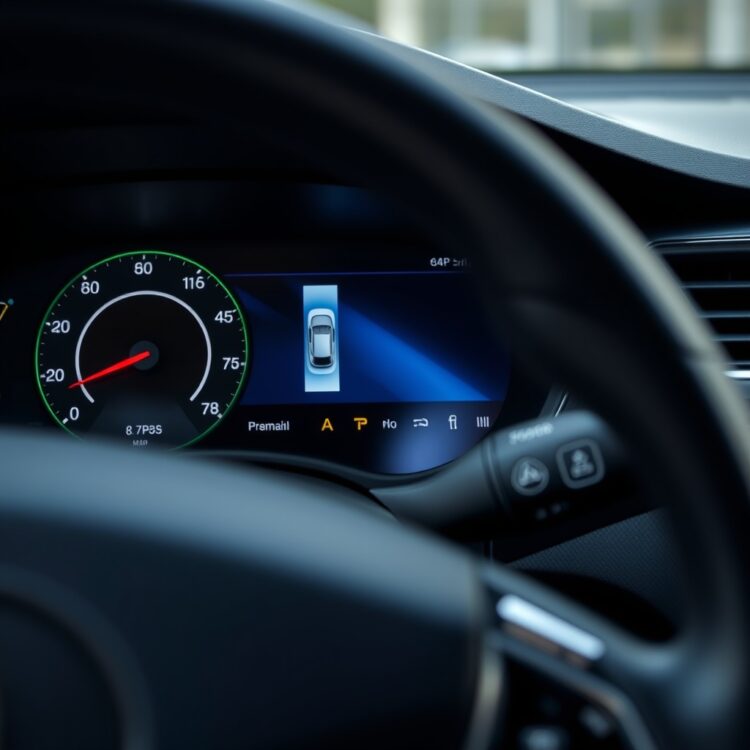
Modern cars come packed with tech, but for beginners, simplicity is key. I’ve seen too many new drivers overwhelmed by complex infotainment systems. Look for models with intuitive controls and clear displays—features like Bluetooth and parking sensors should enhance, not hinder, your driving experience.
Backup cameras are a must-have for beginners, making reversing safer and less stressful. Avoid cars with overly complicated settings; you can always upgrade later. For more advice, explore our automotive blog.
Safety Ratings and What They Mean for Beginners
Understanding Crash Test Ratings
Crash test ratings are a beginner’s best friend when choosing a car. I always advise checking Euro NCAP scores—they’re the gold standard for safety. A five-star rating means the car excels in protecting occupants, which is crucial for new drivers still honing their skills.
Don’t just focus on the overall score; dig into the details. Look for high marks in frontal and side-impact tests, as these are common collision scenarios. For a list of top-rated cars, visit our guide for young drivers.
The Role of Electronic Stability Control
Electronic Stability Control (ESC) is a game-changer for beginners, helping to prevent skids and loss of control. I’ve seen it save countless drivers in slippery conditions. If a car lacks ESC, it’s a deal-breaker—especially for those still getting comfortable behind the wheel.
ESC works silently in the background, adjusting brake pressure and engine power to keep you on track. It’s a must-have for any beginner’s car. For more on safety tech, check out our automotive blog.
Importance of Airbags in a Beginner’s Car
Airbags are non-negotiable for beginners, providing critical protection in a crash. I recommend looking for cars with at least six airbags, including side and curtain airbags. They’re your last line of defence if things go wrong, so don’t compromise on this feature.
Remember, airbags work best with seatbelts—always buckle up. For a deeper understanding of car safety, explore our guide for new drivers.
The Best Budget-Friendly Cars for Beginners
When you’re just starting out, finding a car that fits your budget without compromising on quality is key. We’ve scoured the market to bring you the best options under $15,000 and $20,000. These cars not only offer great value but also come with high safety ratings, making them perfect for new drivers. Trust us, you don’t need to break the bank to get a reliable ride.
Looking for something affordable yet stylish? The Corsa VXR is a fantastic choice. It’s compact, easy to handle, and packed with features that make driving a breeze. Plus, its fuel efficiency means you’ll save money at the pump. Whether you’re commuting or cruising, this car delivers on all fronts.
Top Picks Under $15,000
If you’re working with a tighter budget, don’t worry—there are plenty of great options. The Suzuki Alto is a standout, offering unbeatable value and reliability. It’s small but mighty, perfect for city driving. Another gem is the Ford Fiesta, known for its smooth handling and low maintenance costs. Both cars are ideal for beginners who want quality without the hefty price tag.
For those who prioritise safety, the Hyundai i10 is a top contender. It boasts excellent crash test ratings and a host of safety features. And if you’re after something with a bit more flair, the fastest Corsa model might just be what you need. It’s fun to drive and surprisingly affordable.
Best Value Cars Under $20,000
Stepping up your budget opens the door to even more options. The Volkswagen Polo is a crowd favourite, offering a premium feel without the premium price. Its build quality and tech features are unmatched in this price range. Another great pick is the Toyota Yaris, which combines reliability with modern styling.
If you’re after something with a bit more space, the Kia Rio is worth considering. It’s practical, stylish, and comes with a generous warranty. And for those who love a bit of speed, the Corsa VXR is a reliable choice that won’t let you down. These cars prove that you don’t need to spend a fortune to get a great ride.
Affordable Cars with High Safety Ratings
Safety should always be a top priority, especially for new drivers. The Honda Jazz is a standout here, with top-notch safety features and a spacious interior. The Mazda2 is another excellent option, offering a fun driving experience without skimping on safety.
For those who want the best of both worlds, the fastest Fiesta delivers performance and safety in one package. And if you’re after a car that’s built to last, the Skoda Fabia is a solid choice. These cars prove that affordability and safety can go hand in hand.
Insurance Costs for Beginner Drivers
Insurance can be a major expense for new drivers, but there are ways to keep costs down. The type of car you choose plays a big role in determining your premium. Smaller, less powerful cars are generally cheaper to insure, while sportier models can drive up costs. We’ll show you how to navigate this minefield and find the best deals.
One of the easiest ways to save is by opting for a car with a smaller engine. The cheapest car to insure for young drivers is often a humble hatchback like the Toyota Aygo. It’s affordable to buy and run, and insurance companies love its low risk profile. Trust us, your wallet will thank you.
How Car Type Affects Insurance Premiums
The car you drive has a direct impact on your insurance costs. Insurers look at factors like engine size, repair costs, and theft rates when calculating premiums. A small, low-powered car like the Volkswagen Up! will cost far less to insure than a flashy sports car. It’s all about balancing your desires with practicality.
Another factor to consider is the car’s safety features. Vehicles with advanced safety tech like automatic emergency braking often qualify for discounts. The Ford Focus is a great example—it’s safe, reliable, and won’t break the bank to insure. Choosing wisely here can save you hundreds of pounds a year.
Tips for Lowering Insurance Costs
There are plenty of ways to reduce your insurance bill without sacrificing coverage. Adding a named driver with a clean record can significantly lower your premium. Opting for a higher excess is another smart move, as long as you can afford it if you need to claim. And don’t forget to shop around—comparison sites are your best friend.
Telematics policies, or “black box” insurance, are also worth considering. These policies monitor your driving habits and reward safe behaviour with lower premiums. Companies like Admiral and Direct Line offer great deals for young drivers. It’s a small price to pay for big savings.
Understanding Insurance Discounts for Beginners
Many insurers offer discounts specifically for new drivers. Completing an advanced driving course can earn you a reduction, as can fitting your car with an approved alarm system. Some insurers even offer discounts for students with good grades. It pays to ask about these deals when shopping for quotes.
Another often-overlooked discount is for low-mileage drivers. If you don’t plan on driving much, you could save a bundle. The Suzuki Swift is a great car for this scenario—it’s cheap to run and insure, making it perfect for occasional use. Every little bit helps when you’re starting out.
New vs. Used Cars for Beginners
Deciding between a new or used car is a big decision for any beginner. New cars come with the latest tech and warranties, but used cars offer better value for money. We’ll break down the pros and cons of each to help you make the right choice. After all, your first car should be both practical and enjoyable.
One of the biggest advantages of buying new is peace of mind. You’ll get a warranty that covers repairs for several years, and you won’t have to worry about hidden issues. The Ford Fiesta is a great new car option, offering reliability and modern features. But if you’re on a tight budget, used cars can be a smarter choice.
Advantages of Buying New
New cars come with the latest safety features, which is a huge plus for beginners. You’ll also benefit from lower maintenance costs in the early years, as everything is under warranty. The Hyundai i20 is a fantastic new car option, with a sleek design and cutting-edge tech. It’s a car you can grow into as your confidence behind the wheel increases.
Another perk of buying new is the ability to customise your car from the factory. You can choose the exact colour, trim, and options you want. The Volkswagen Polo is a great example—it’s highly customisable and built to last. If you plan to keep your car for years, buying new might be the way to go.
Benefits of Choosing a Used Car
Used cars offer incredible value, especially for beginners. You can get a much nicer car for your money, and depreciation won’t hit as hard. The Honda Civic is a stellar used car choice, known for its reliability and spacious interior. Plus, you’ll have a wider selection of models and trims to choose from.
Another advantage is lower insurance costs. Used cars are generally cheaper to insure than their new counterparts. The Toyota Corolla is a prime example—it’s reliable, affordable, and easy on the wallet when it comes to insurance. If you’re looking to save money without sacrificing quality, used is the way to go.
Certified Pre-Owned: A Middle Ground
If you’re torn between new and used, certified pre-owned (CPO) cars offer the best of both worlds. These vehicles are thoroughly inspected and come with extended warranties, giving you peace of mind. The BMW 1 Series is a great CPO option, offering luxury and performance at a fraction of the new price.
CPO cars also often come with perks like roadside assistance and free servicing. The Audi A3 is another excellent choice in this category, combining style with reliability. It’s a smart way to get a high-quality car without the new-car price tag. For beginners, CPO can be the perfect compromise.
Fuel Efficiency and Maintenance Costs
Fuel efficiency and maintenance costs are two of the biggest ongoing expenses for any car owner. For beginners, keeping these costs low is essential. We’ll show you how to calculate long-term fuel costs and share maintenance tips to save money. After all, a car that’s cheap to run is a car you’ll love driving.
One of the best ways to save on fuel is by choosing a car with a small, efficient engine. The Suzuki Alto is a standout here, offering impressive mileage without sacrificing performance. It’s perfect for city driving and won’t break the bank at the pump. Trust us, your future self will thank you.
Calculating Long-Term Fuel Costs
Fuel costs can add up quickly, so it’s important to choose wisely. Start by looking at the car’s MPG (miles per gallon) rating—the higher, the better. The Toyota Prius is a great example, with hybrid technology that delivers exceptional fuel economy. It’s a smart choice for budget-conscious drivers.
Another factor to consider is the type of driving you’ll be doing. If you’re mostly in the city, a small petrol or hybrid car like the Honda Jazz is ideal. For longer commutes, a diesel car like the Volkswagen Golf might be more efficient. Crunching these numbers now can save you thousands over the life of your car.
Maintenance Tips to Save Money
Regular maintenance is key to keeping your car running smoothly and avoiding costly repairs. Simple tasks like checking tyre pressure and oil levels can make a big difference. The Kia Picanto is a great car for beginners, with low maintenance costs and a generous warranty. It’s a hassle-free choice that won’t let you down.
Another tip is to stick to the manufacturer’s recommended service schedule. Skipping services might save money short-term, but it can lead to bigger bills down the line. The Ford Ka is a reliable option here, with affordable servicing and readily available parts. A little care goes a long way.
The Impact of Car Size on Fuel Economy
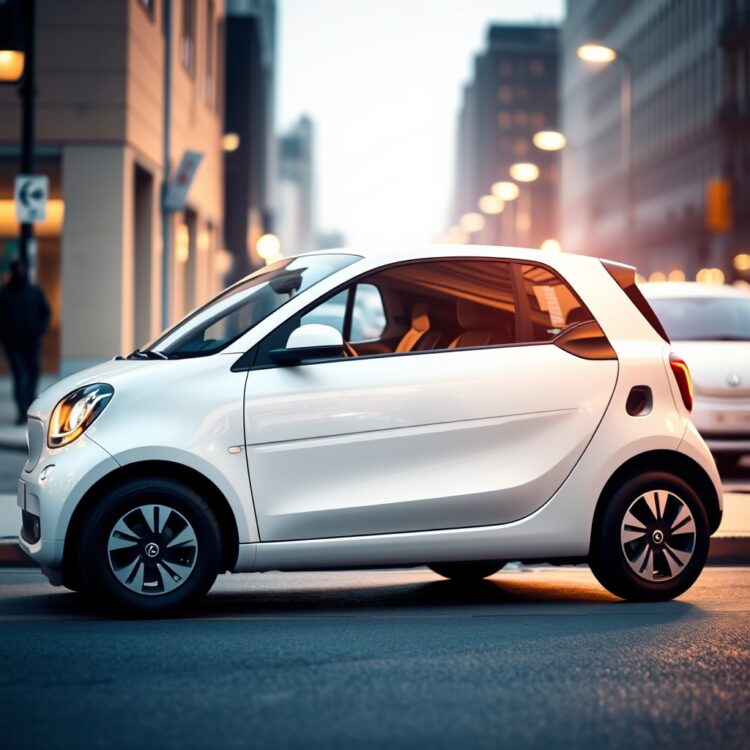
Bigger cars generally use more fuel, so downsizing can save you money. The Smart Fortwo is a great example of a car that’s small on size but big on savings. It’s perfect for city dwellers who don’t need a lot of space. And if you do need more room, the Renault Clio offers a great balance of size and efficiency.
Another consideration is the car’s weight. Lighter cars are more fuel-efficient, so avoid unnecessary extras like roof racks. The Peugeot 108 is a lightweight champion, offering excellent fuel economy and low running costs. It’s proof that good things come in small packages.
The Role of Technology in Beginner Cars
Must-Have Tech Features for New Drivers
When choosing your first car, technology can be a game-changer. Features like automatic emergency braking and lane-keeping assist provide an extra layer of safety, especially for inexperienced drivers. I’ve found that adaptive cruise control reduces stress on long drives, while blind-spot monitoring helps prevent accidents during lane changes. These tools aren’t just luxuries—they’re essentials for building confidence behind the wheel.
Another feature I swear by is a good infotainment system with Apple CarPlay or Android Auto. It keeps you connected without distractions, and voice commands mean you can focus on the road. If you’re looking for a car packed with these features, check out our automotive blog for recommendations tailored to beginners.
Avoiding Overwhelming Technology
While tech is helpful, too much can be overwhelming. I’ve seen new drivers struggle with overly complex dashboards or touch-sensitive controls that distract more than they assist. Stick to cars with intuitive interfaces—physical buttons for critical functions like climate control are a lifesaver. Remember, the goal is to simplify driving, not complicate it.
It’s also worth noting that some advanced features, like self-parking systems, can create dependency. I recommend mastering the basics first. For a balanced approach, explore our guide on good first cars, which highlights models with just the right tech mix.
The Benefits of Backup Cameras and Parking Sensors
Parking is often the most daunting task for beginners, but backup cameras and parking sensors make it a breeze. I remember how much easier parallel parking became with these tools—they eliminate blind spots and provide audible warnings if you’re too close to an obstacle. Many affordable cars now include these features as standard, so there’s no need to break the bank.
If you’re curious about how these features work in real-world scenarios, watch our video guide on beginner-friendly tech. And don’t forget to check out the fastest Corsa model if you’re after a bit of fun without sacrificing practicality.

The Importance of Reliability in a Beginner’s Car
Researching Reliability Ratings
Reliability is non-negotiable for a first car. I always advise checking ratings from trusted sources like Which? or J.D. Power. These reports highlight common issues and long-term performance, helping you avoid costly repairs. A reliable car means fewer surprises and more time enjoying the road—something every beginner deserves.
Brands like Toyota and Honda consistently top reliability charts, but don’t overlook smaller models like the Vauxhall Corsa. For a deep dive into dependable options, our Corsa VXR review breaks down what makes this car a solid choice for new drivers.
Brands Known for Durability
Some brands have built their reputation on durability, and that’s exactly what beginners need. I’ve driven countless cars, and models from Mazda and Suzuki stand out for their longevity. These brands focus on simplicity and robust engineering, which translates to fewer breakdowns and lower maintenance costs—perfect for those still getting used to car ownership.
If you’re torn between brands, consider a certified pre-owned vehicle. They come with warranties and rigorous inspections, offering peace of mind. For more tips on choosing a durable first car, explore our best cars for young drivers guide.
The Cost of Repairs and Downtime
Nothing ruins the excitement of a first car like frequent repairs. I’ve learned the hard way that cheap upfront costs can hide expensive maintenance. Always research parts availability and labour costs for your chosen model. Cars with widespread popularity, like the Ford Fiesta, often have cheaper repairs due to readily available parts.
Downtime is another factor—being without a car can disrupt your routine. Opt for models with strong service networks to minimise delays. For a comprehensive look at repair costs, check out our Corsa VXR issues guide, which highlights what to expect.
Customizing Your First Car
Safe Customization Options
When customising your first car, safety should always come first. We recommend starting with simple upgrades like alloy wheels or a new stereo system. These changes enhance the look and feel without compromising safety. Avoid modifications that alter the car’s structural integrity, such as lowering the suspension. Always consult a professional to ensure any changes meet legal standards and won’t void your warranty.
Another safe option is adding practical accessories like roof racks or seat covers. These improve functionality without risking safety. Remember, the goal is to personalise your car while keeping it roadworthy. For more ideas, check out our design ideas for a Corsa VXR steering wheel.
Avoiding Modifications That Increase Insurance
Some modifications can significantly raise your insurance premiums. Performance upgrades like turbochargers or exhaust systems often fall into this category. We suggest sticking to cosmetic changes, such as decals or interior lighting, which are less likely to affect your policy. Always inform your insurer about any modifications to avoid invalidating your cover.
If you’re unsure about a modification, ask your insurer for advice. They can clarify which changes are acceptable and how they’ll impact your premium. For a deeper dive into this topic, explore our guide on common issues and solutions for the Corsa VXR.
Personalising Without Compromising Safety
Personalising your car is fun, but safety should never take a back seat. Opt for non-invasive changes like custom floor mats or a personalised number plate. These add a unique touch without affecting the car’s performance or safety features. Avoid tinting windows beyond legal limits, as this can reduce visibility and attract fines.
For inspiration, consider browsing our design ideas for a Corsa VXR gear stick. Small, thoughtful changes can make your car feel uniquely yours while keeping it safe and road-legal.
Learning Basic Car Maintenance
Simple Maintenance Tasks Every Beginner Should Know
Knowing basic car maintenance can save you time and money. Start with checking tyre pressure and tread depth regularly. These simple tasks ensure your car handles well and stays fuel-efficient. Learn how to top up fluids like engine oil and coolant, as low levels can cause serious damage. Keeping a basic toolkit in your car is also a smart move.
For more detailed guidance, refer to our comprehensive review of Suzuki Alto reliability. It’s packed with tips to keep your car running smoothly.
Finding a Reliable Mechanic
A trustworthy mechanic is invaluable for any car owner. Ask friends or family for recommendations, or read online reviews to find a reputable professional. Look for garages with certified technicians and transparent pricing. Building a relationship with a good mechanic ensures your car gets the best care without unnecessary upsells.
Regular servicing is key to avoiding costly repairs down the line. For more advice, check out our article on Suzuki maintenance costs.
The Importance of Regular Oil Changes
Oil changes are crucial for your engine’s longevity. Fresh oil reduces friction and prevents overheating. Most manufacturers recommend changing the oil every 5,000 to 7,500 miles, but check your car’s manual for specifics. Skipping oil changes can lead to engine damage and expensive repairs.
For a deeper understanding of car care, visit this external resource on basic car maintenance.
Making the Final Decision
Comparing Your Top Choices
Narrowing down your options can be challenging. Create a checklist of must-have features and compare how each car stacks up. Consider factors like fuel efficiency, safety ratings, and insurance costs. Test driving your shortlisted cars will help you gauge comfort and handling, making the decision easier.
Seeking Advice from Experienced Drivers
Don’t hesitate to ask experienced drivers for their opinions. They can offer insights you might not find in reviews. Whether it’s about reliability or everyday usability, their feedback is invaluable. Join online forums or local car clubs to connect with knowledgeable enthusiasts.
Trusting Your Instincts
Ultimately, trust your gut. If a car feels right and ticks all your boxes, it’s likely the one for you. Avoid overanalysing—sometimes, the best choice is the one that makes you happiest. Remember, your first car is a milestone, so enjoy the process!
Frequently Asked Questions
What Are the Best Budget-Friendly Cars for Beginners?
We recommend compact cars like the Vauxhall Corsa or Ford Fiesta for beginners. They’re affordable, fuel-efficient, and packed with safety features. Check out our top small cars for more options.
How Can I Lower Insurance Costs as a Beginner?
Opt for a car with a smaller engine and high safety ratings. Adding a black box or taking an advanced driving course can also reduce premiums. Always compare quotes from multiple insurers to find the best deal.
Is It Better to Buy New or Used as a Beginner?
Used cars are often more affordable and come with lower insurance costs. However, new cars offer the latest safety tech and warranties. Certified pre-owned cars provide a middle ground, combining affordability with reliability.
What Basic Maintenance Should I Learn First?
Start with checking tyre pressure, topping up fluids, and changing wiper blades. These tasks are simple but essential for keeping your car in good condition. Regular maintenance prevents costly repairs and ensures your car runs smoothly.