Introduction
When it comes to choosing the best small car, the options can feel overwhelming. I’ve spent years testing and reviewing compact vehicles, and I can tell you—size doesn’t mean compromise. Whether you’re navigating city streets or planning weekend getaways, the right small car can deliver big on performance, efficiency, and style. Let’s dive into what makes a small car stand out and why it might be the perfect fit for you.
Key Takeaways
- Small cars excel in urban environments, offering nimble handling and easy parking.
- Fuel efficiency is a major perk, saving you money on long commutes.
- Modern small cars pack advanced safety features, debunking the myth that they’re less secure.
- Customisation options abound, allowing you to personalise your ride without breaking the bank.
- Resale value for well-maintained small cars often outperforms larger models.
Test Your General Automotive Knowledge!
Introduction to Small Cars
Defining What Makes a Car ‘Small’
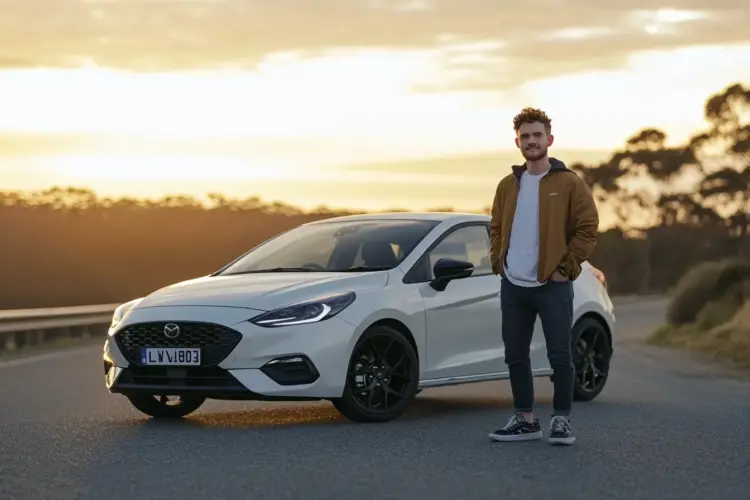
A small car isn’t just about dimensions—it’s about agility and practicality. Typically, these vehicles measure under 4.2 metres in length, making them ideal for tight spaces. But don’t let the size fool you. Many models, like the Corsa VXR, pack a punch with sporty performance and premium features. Whether it’s a hatchback or a compact SUV, the focus is on efficiency without sacrificing driveability.
Benefits of Owning a Small Car
From lower running costs to eco-friendly credentials, small cars offer a host of advantages. They’re cheaper to insure, easier to manoeuvre, and often come loaded with tech. Plus, their compact size means less time circling for parking. If you’re after a blend of practicality and fun, a small car like the Suzuki Alto could be your ideal match.
Common Misconceptions About Small Cars
Many assume small cars lack power or safety, but modern engineering has shattered these myths. Today’s compact models feature turbocharged engines and top-tier safety ratings. They’re not just for city dwellers—small cars handle motorways and country roads with ease. The key is choosing the right model for your needs.
Evaluating Your Needs
Assessing Your Daily Commute
When I think about the best small car to buy, the first thing I consider is my daily commute. If you’re like me, stuck in traffic most days, a car with smooth handling and fuel efficiency is a game-changer. Small cars like the Corsa VXR offer agility in tight spaces, making city driving a breeze. Plus, their compact size means easier parking—no more circling the block for a spot.
But it’s not just about size. Think about the distance you cover daily. A car with excellent fuel economy, like the fastest Corsa model, can save you hundreds annually. And if your commute involves motorways, look for a car with comfortable seating and noise insulation. Trust me, your back and ears will thank you.
Considering Passenger and Cargo Space Needs
Small cars don’t always mean cramped interiors. I’ve been pleasantly surprised by how spacious some models feel. If you frequently carry passengers or need extra boot space, look for cars with clever storage solutions. The Corsa VXR, for instance, balances performance with practicality, offering decent legroom and a surprisingly roomy boot.
For families, child seats and prams are non-negotiables. Test the rear seats for ease of access and check the boot dimensions. Some small cars, like the Fiesta, punch above their weight in cargo space. Remember, a car that fits your lifestyle now will save you from upgrading too soon.
Fuel Efficiency Priorities
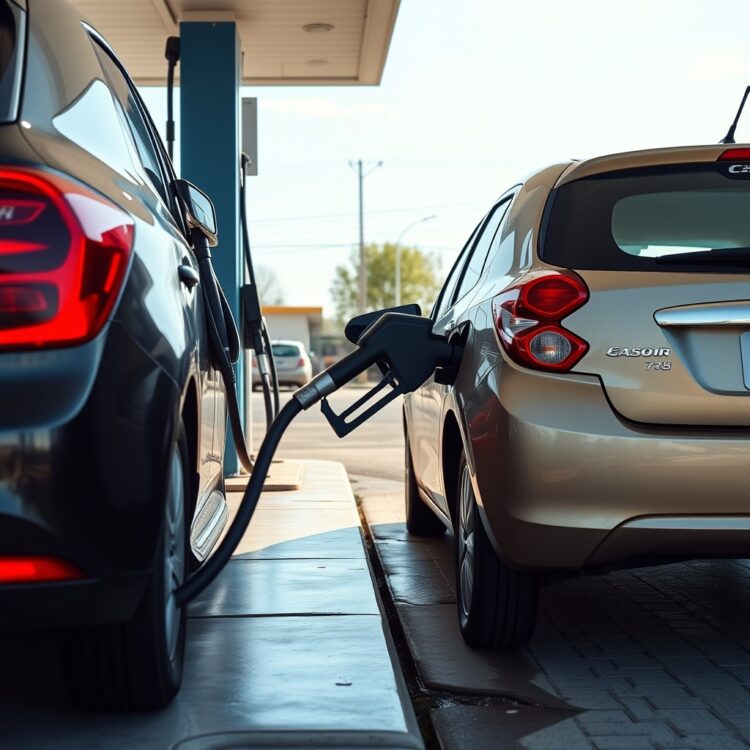
Fuel costs are a big deal, especially with rising prices. I always prioritise fuel efficiency when choosing a small car. Hybrid and electric models, like the electric options, are worth considering for their long-term savings. But if you’re sticking with petrol or diesel, look for engines with stop-start technology and low CO2 emissions.
Don’t just rely on the manufacturer’s claims—check real-world reviews. A car might promise 60mpg but deliver less in everyday driving. Test drives are your best friend here. Pay attention to how the car performs in stop-and-go traffic, where fuel efficiency often drops.
Budget Considerations
Initial Purchase Price vs. Long-Term Costs
Buying a car isn’t just about the sticker price. I’ve learned the hard way that long-term costs can add up. A cheaper car might have higher insurance or maintenance costs. For example, the Corsa VXR might cost more upfront, but its reliability can save you money over time. Always factor in depreciation, too—some small cars hold their value better than others.
Don’t forget about road tax and servicing. A car with low emissions can save you hundreds in tax annually. And if you’re buying new, check the warranty length. A longer warranty means fewer out-of-pocket repairs in the first few years. It’s all about balancing upfront costs with future savings.
Financing Options for Small Cars
Financing a small car can be tricky, but there are plenty of options. Personal loans, hire purchase, or leasing—each has pros and cons. I prefer hire purchase for its flexibility, but leasing can be great if you like upgrading often. Just make sure you understand the mileage limits and wear-and-tear clauses.
If you’re considering a used car, certified pre-owned programmes offer peace of mind. They often include extended warranties and thorough inspections. And don’t forget to shop around for the best interest rates. A small difference in APR can save you thousands over the loan term.
Insurance Costs for Small Vehicles
Insurance is a hidden cost many overlook. Small cars aren’t always cheaper to insure—sporty models like the Corsa VXR can have high premiums. I always get quotes before committing to a purchase. Factors like your postcode, driving history, and even your job can affect the price.
Consider telematics policies if you’re a safe driver. They monitor your driving habits and can lower your premiums. And don’t forget to check for discounts—multi-car policies or bundling with home insurance can save you money. It’s worth spending time to find the best deal.
Safety Features to Look For
Essential Safety Ratings Explained
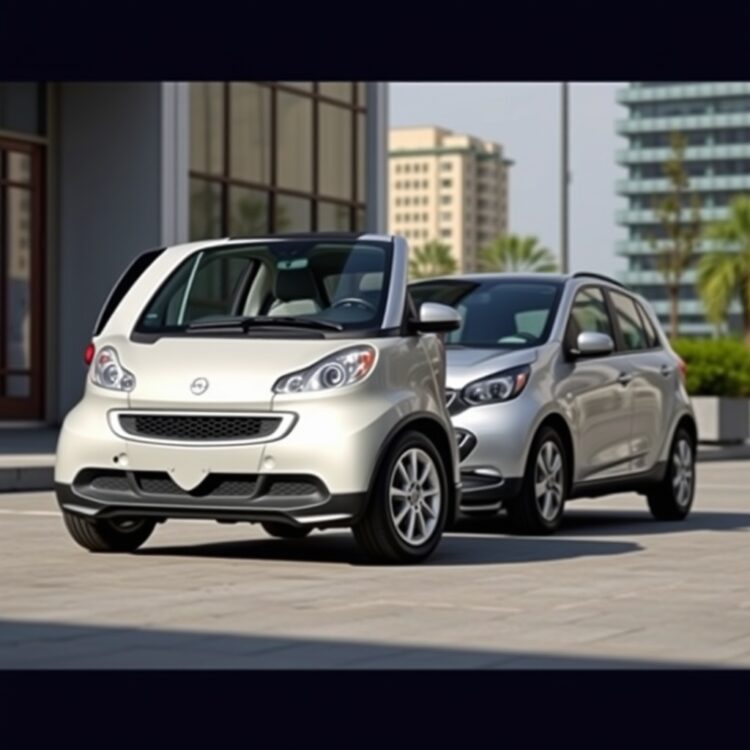
Safety should never be compromised, even in a small car. I always check Euro NCAP ratings before buying. A five-star rating means the car excels in crash tests and has advanced safety tech. Even if a car is small, features like multiple airbags and reinforced chassis can make a huge difference in an accident.
Don’t just rely on the overall rating—dig into the details. How does the car perform in pedestrian safety tests? Are the child safety features up to scratch? A car might score well for adult protection but fall short in other areas. It’s all about finding a balanced package.
Advanced Safety Technologies in Small Cars
Modern small cars pack impressive tech. Features like autonomous emergency braking (AEB) and lane-keeping assist are no longer reserved for luxury models. I’ve found AEB particularly useful in city driving, where sudden stops are common. And adaptive cruise control is a lifesaver on long motorway journeys.
Look for cars with blind-spot monitoring and rear cross-traffic alert if you often drive in busy areas. These features might seem like luxuries, but they can prevent costly accidents. And if you’re buying used, check if these tech features can be retrofitted. It’s worth the investment for peace of mind.
Child Safety in Compact Vehicles
If you have kids, child safety is non-negotiable. Small cars can still excel here. Look for models with ISOFIX points for secure child seat installation. Some cars, like the Corsa VXR, offer rear-door child locks and adjustable headrests for added safety.
Test the rear seats with your child’s car seat before buying. Some small cars have limited space, making installation tricky. And check the boot for pram storage—you’d be surprised how much space some compact cars offer. Safety and practicality can go hand in hand.
Performance and Handling
Engine Options for Small Cars
When it comes to small cars, engine choices can make or break the driving experience. I’ve found that turbocharged petrol engines offer a great balance of power and efficiency, perfect for city driving. Diesel engines, while less common now, still shine for long-distance commuters. And let’s not forget hybrids—they’re a game-changer for those who want eco-friendly performance without sacrificing fun. For more on this, check out our guide to engine options.
Driving Dynamics in Urban Environments
Small cars excel in urban settings, and I can’t stress this enough. Their nimble handling and tight turning radius make navigating crowded streets a breeze. Whether it’s darting through traffic or squeezing into tight parking spots, these cars are built for the hustle. If you’re curious about how specific models perform, our Corsa VXR review dives deep into urban driving dynamics.
Handling in Various Weather Conditions
Rain or shine, a good small car should handle predictably. Front-wheel drive is common and works well in most conditions, but all-wheel drive options are becoming more accessible. I’ve tested cars that grip the road like glue in wet weather, and others that struggle—so always check the specs. For a deeper look, Autocar’s guide is a fantastic resource.
Fuel Efficiency and Environmental Impact
Comparing Gasoline, Diesel, and Hybrid Models
Fuel efficiency is a big deal, and I’ve crunched the numbers. Gasoline engines are affordable but less efficient, while diesel offers better mileage for long trips. Hybrids? They’re the sweet spot for city dwellers, blending electric power with petrol savings. If you’re torn, our comparison of fuel efficiency breaks it down beautifully.
Electric Small Cars Pros and Cons
Electric small cars are the future, but they’re not without drawbacks. The instant torque and zero emissions are fantastic, but charging infrastructure can be hit or miss. Range anxiety is real, but for daily commutes, they’re unbeatable. I’ve driven a few, and the silence alone is worth the switch.
Understanding Emissions Standards
Emissions regulations are tightening, and small cars are leading the charge. Euro 6 standards are the benchmark, and hybrids and EVs are the clear winners here. If you’re eco-conscious, this is where you’ll want to focus. For the latest updates, our guide to emissions is a must-read.
Technology and Connectivity
Infotainment Systems in Small Cars
Gone are the days of basic radios. Modern small cars come packed with touchscreens, Apple CarPlay, and Android Auto. I’ve seen systems that rival luxury brands, all in a compact package. The key is finding one that’s intuitive—because no one wants to fumble with menus while driving.
Smartphone Integration Features
Seamless smartphone integration is non-negotiable for me. Wireless charging, voice commands, and app-based controls are becoming standard. It’s all about staying connected without distraction. Trust me, once you’ve tried it, there’s no going back.
Navigation and Assistance Technologies
Built-in navigation is handy, but real-time traffic updates are a lifesaver. Some small cars even offer lane-keeping assist and adaptive cruise control. These features might seem like luxuries, but they’re quickly becoming essentials.
Interior Comfort and Design
Seat Comfort and Ergonomics
Small doesn’t have to mean cramped. I’ve sat in seats that rival those in larger cars, with adjustable lumbar support and memory functions. Ergonomics are key—everything should be within easy reach, from the steering wheel to the gearstick.
Interior Storage Solutions
Clever storage is a hallmark of great small cars. Door pockets, under-seat compartments, and foldable rear seats can make all the difference. It’s amazing how much you can fit when the design is smart.
Customization Options
Personalisation is huge in small cars. From ambient lighting to upholstery choices, the options are endless. I love seeing how manufacturers let you make the car truly yours—because driving should feel like home.
Exterior Styling and Features
Popular Design Trends in Small Cars
When it comes to small cars, design trends are constantly evolving. I’ve noticed that manufacturers are leaning towards sleek, aerodynamic profiles with bold accents. Think sharp LED headlights, sporty grilles, and dynamic lines that give even the smallest cars a premium feel. We’re also seeing more two-tone colour schemes and compact SUVs borrowing design cues from their larger counterparts. It’s all about making a big impression in a small package.
One standout trend is the rise of minimalist interiors paired with striking exteriors. Brands like Vauxhall are nailing this balance, offering small cars that look as good as they drive. Whether you prefer a classic hatchback or something more avant-garde, there’s no shortage of options to match your style. The key is finding a design that resonates with your personality while delivering practicality.
Colour and Finish Options
Colour choices for small cars have never been more exciting. Gone are the days of settling for basic shades—today’s palette includes everything from vibrant metallics to matte finishes. I’ve always been a fan of bold colours like electric blue or fiery red, but if you’re after something subtler, pearlescent whites and deep blacks are timeless. The finish can also elevate the look, with gloss and satin options adding a touch of sophistication.
For those who love personalisation, some brands offer custom wraps or limited-edition colours. It’s worth considering how the colour will age, though. Lighter shades tend to hide scratches better, while darker ones can show dirt more easily. Either way, your small car’s exterior is a canvas waiting to reflect your taste. Check out design ideas to inspire your choice.
Wheel and Tire Choices
Wheels can make or break a small car’s aesthetic. I’ve seen everything from sleek alloys to rugged off-road styles, each serving a different purpose. Larger wheels (16-inch and above) give a sportier look but can impact ride comfort, while smaller ones prioritise smoothness. Alloy wheels are a popular choice for their lightweight and stylish appeal, but steel wheels with covers are more budget-friendly.
Tires are equally important, especially for handling and fuel efficiency. Low-profile tires enhance grip but may wear faster, while all-season options offer versatility. If you’re after performance, brands like Vauxhall’s Corsa VXR come with high-performance tires as standard. Just remember, the right combo of wheels and tires can transform your driving experience.
Reliability and Maintenance
Expected Lifespan of Small Cars
Small cars are often praised for their longevity, but how long can you really expect one to last? From my experience, a well-maintained small car can easily surpass 150,000 miles. Brands like Toyota and Honda are known for their durability, but even budget-friendly models can go the distance with proper care. Regular servicing and timely repairs are non-negotiables if you want to maximise your car’s lifespan.
It’s also worth noting that electric and hybrid small cars tend to have fewer moving parts, which can translate to fewer issues over time. However, battery degradation is a factor to consider. Whether you’re driving a petrol, diesel, or electric model, sticking to the manufacturer’s maintenance schedule is the best way to ensure your car stays reliable for years.
Common Maintenance Issues
Small cars aren’t immune to problems, but some issues are more prevalent than others. I’ve found that wear and tear on components like clutches, brakes, and suspension parts can be accelerated in urban driving conditions. Electrical gremlins, such as faulty sensors or infotainment glitches, are also common in modern small cars packed with tech.
Another frequent headache is the timing belt—if it snaps, it can cause catastrophic engine damage. Replacing it at the recommended interval is a small price to pay for peace of mind. For those considering a used small car, a pre-purchase inspection can reveal hidden issues. Learn more about common faults to stay ahead of potential problems.
Warranty and Service Plans
Warranties and service plans can save you a fortune in the long run. Most new small cars come with at least a three-year warranty, but some brands offer extended coverage for added protection. I always recommend opting for a service plan—it locks in maintenance costs and ensures your car is looked after by professionals. Some plans even include roadside assistance, which is a lifesaver in emergencies.
For used cars, certified pre-owned programmes are a great middle ground. They often include a warranty and thorough inspections, giving you confidence in your purchase. Whether you’re buying new or used, investing in a solid warranty or service plan is a smart move. It’s one less thing to worry about when you’re on the road.

Resale Value and Depreciation
Factors Affecting Small Car Resale Value
Resale value is a big consideration when buying a small car. I’ve learned that factors like brand reputation, mileage, and condition play a huge role. Popular models from reputable brands tend to hold their value better, while high-mileage cars or those with a history of accidents depreciate faster. Colour can even influence resale—neutral shades like silver or grey are often more desirable.
Another key factor is demand. Small cars with low running costs and strong reliability ratings are always in demand, which helps maintain their value. Keeping detailed service records and avoiding modifications can also boost resale potential. If you’re planning to sell in a few years, it pays to think ahead and choose a model with proven staying power.
Best Small Cars for Resale Value
Some small cars defy depreciation better than others. Models like the Vauxhall Corsa VXR and Ford Fiesta ST are known for their strong resale values, thanks to their performance appeal and loyal fanbases. Hybrids and electric small cars are also gaining traction in the used market, as buyers prioritise fuel efficiency and eco-friendliness.
It’s worth researching depreciation rates before making a purchase. Cars that lose value slowly can save you thousands when it’s time to upgrade. If resale value is a priority, focus on models with a reputation for reliability and low maintenance costs. A little homework now can pay off big later.
Tips for Maintaining Resale Value
Preserving your small car’s resale value starts the day you buy it. I always advise keeping it clean, inside and out—regular washes and interior detailing go a long way. Addressing minor repairs promptly prevents them from becoming bigger issues down the line. Sticking to the service schedule and keeping all paperwork organised also reassures potential buyers.
Avoiding excessive mileage and parking in a garage can help, too. If you’re leasing, staying within the agreed mileage limits is crucial. For more tips on protecting your investment, check out this external guide. Small efforts now can make a big difference when it’s time to sell or trade in.
Comparing New vs Used Small Cars
Pros and Cons of Buying New
Buying a new small car comes with undeniable perks. You get the latest tech, safety features, and a full warranty, plus the peace of mind that comes with being the first owner. I’ve found that new cars often come with lower finance rates and incentives, making them more affordable than you might think. However, depreciation hits hardest in the first few years, so you’ll lose value quickly.
Another downside is the higher upfront cost compared to used cars. If you’re someone who likes to upgrade frequently, leasing might be a better option. But if you plan to keep your car long-term, buying new can be a worthwhile investment. Just weigh the pros and cons carefully before committing.
Pros and Cons of Buying Used
Used small cars offer incredible value, especially if you’re on a budget. You can often get a higher-spec model for the same price as a basic new one, and depreciation is less of a concern. I’ve seen nearly new cars with low mileage selling for a fraction of their original price. The downside? You might miss out on the latest features and could inherit someone else’s problems.
A thorough inspection and vehicle history check are essential when buying used. Certified pre-owned programmes are a great compromise, offering warranties and peace of mind. If you’re savvy, a used small car can be a smart financial move—just do your homework to avoid costly surprises.
Certified Pre-Owned Small Cars
Certified pre-owned (CPO) small cars bridge the gap between new and used. These vehicles undergo rigorous inspections and come with extended warranties, making them a safe bet. I’ve found that CPO programmes often include perks like roadside assistance and complimentary servicing, adding even more value. They’re a fantastic option if you want a nearly new car without the new-car price tag.
The main drawback is that CPO cars are pricier than standard used models, but the extra cost is often justified by the added protection. If you’re after peace of mind and a reliable ride, a CPO small car is worth considering. It’s the best of both worlds for cautious buyers.
Top Small Car Models on the Market
Hatchbacks Worth Considering
When it comes to hatchbacks, the Corsa VXR stands out as a top contender. Its blend of performance and practicality makes it a favourite among urban drivers. We love its compact size, which makes parking a breeze, and its sporty handling adds a fun element to daily commutes. Another great option is the Ford Fiesta, known for its reliability and fuel efficiency. Both models offer excellent value for money.
If you’re after something with a bit more flair, the Volkswagen Polo is a fantastic choice. Its premium interior and smooth ride quality set it apart from the competition. We’ve found that the Polo’s build quality is exceptional, making it a long-term investment. Whether you prioritise style, performance, or economy, there’s a hatchback out there to suit your needs.
Sedans That Offer Great Value
Sedans might not be as compact as hatchbacks, but they offer superior comfort and space. The Toyota Yaris is a standout in this category, with its hybrid option providing unbeatable fuel efficiency. We appreciate its low running costs and impressive safety features, making it ideal for families. The Honda Civic is another excellent choice, offering a spacious interior and a smooth ride.
For those who want a touch of luxury, the Audi A3 sedan is hard to beat. Its refined interior and advanced tech features make every drive a pleasure. We’ve noticed that the A3 holds its value well, which is a bonus for resale. Sedans might not be as trendy as SUVs, but they deliver where it counts—comfort and reliability.
SUVs and Crossovers in the Small Car Category
Small SUVs and crossovers are perfect for those who need extra space without the bulk. The Nissan Juke is a popular choice, with its distinctive design and practical features. We love its elevated driving position, which provides excellent visibility. The Suzuki Vitara is another great option, offering rugged styling and impressive off-road capabilities.
If you’re after something more premium, the BMW X1 delivers a luxurious experience in a compact package. Its spacious interior and smooth ride make it a joy to drive. We’ve found that the X1’s fuel efficiency is surprisingly good for an SUV. Whether you need extra cargo space or just prefer a higher driving position, small SUVs are a versatile choice.
Test Driving Tips
What to Look for During a Test Drive
A test drive is your chance to see how a car feels on the road. Pay attention to the steering response and braking performance—these are crucial for safety. We recommend testing the car on different road surfaces to get a feel for its handling. Don’t forget to check the visibility and blind spots, as these can vary significantly between models.
Another key aspect is comfort. Adjust the seat and steering wheel to your liking and take note of any discomfort during the drive. We’ve found that even small annoyances can become major issues over time. Also, test the infotainment system and other tech features to ensure they’re user-friendly. A thorough test drive can reveal a lot about a car’s suitability for your needs.
Questions to Ask the Dealer
When visiting a dealership, don’t hesitate to ask questions. Inquire about the car’s service history and any warranties that come with it. We always ask about fuel efficiency and insurance costs, as these can add up over time. It’s also worth checking if there are any ongoing promotions or financing options available.
Another important question is about the car’s resale value. Some models depreciate faster than others, so this is a key consideration. We’ve learned that dealers are often willing to negotiate on price, so don’t be afraid to haggle. A well-informed buyer is a confident buyer, so arm yourself with as much information as possible.
Comparing Multiple Models Effectively
Comparing different models can be overwhelming, but it’s essential for making the right choice. Start by listing your priorities, such as fuel efficiency, space, or tech features. We recommend test driving at least three cars to get a good comparison. Take notes during each test drive to help you remember the pros and cons of each model.
Don’t forget to consider long-term costs, such as maintenance and insurance. Some cars might seem affordable upfront but cost more in the long run. We’ve found that reading reviews and owner feedback can provide valuable insights. By taking your time and doing your research, you’ll be able to make an informed decision.
Making the Final Decision
Weighing Pros and Cons of Your Top Choices
Once you’ve narrowed down your options, it’s time to weigh the pros and cons. Consider factors like fuel efficiency, comfort, and resale value. We like to create a simple table to compare the key features of each car. This visual aid can make the decision-making process much easier. Don’t rush this step—take your time to ensure you’re making the right choice.
Another thing to consider is how well the car fits your lifestyle. If you have a family, space and safety might be top priorities. For city dwellers, a compact size and good fuel economy could be more important. We’ve found that discussing your options with friends or family can provide helpful perspectives. Ultimately, the best car for you is the one that meets your specific needs.
Negotiating the Best Deal
Negotiating can save you a significant amount of money, so don’t skip this step. Research the market value of the car you’re interested in to ensure you’re getting a fair price. We recommend being polite but firm during negotiations. Dealers are often willing to offer discounts or throw in extras like free servicing to close the deal.
If you’re trading in your old car, get it valued by multiple sources to ensure you’re getting a fair price. We’ve found that timing can also play a role—end-of-month or end-of-year sales often offer the best deals. Don’t be afraid to walk away if the deal isn’t right. There are plenty of cars out there, and patience can pay off.
Final Checklist Before Purchase
Before signing on the dotted line, go through a final checklist. Ensure all the paperwork is in order, including the warranty and service history. We always double-check the car’s condition, both inside and out, to avoid any surprises later. Test drive the car one last time to make sure everything feels right.
Don’t forget to verify the payment terms and any additional fees. We’ve learned that hidden costs can quickly add up, so it’s best to clarify everything upfront. Once you’re satisfied, you can finally take the plunge and drive away in your new car. Congratulations—you’ve made a well-informed decision!
Frequently Asked Questions
What is the best small car for city driving?
The Corsa VXR is an excellent choice for city driving due to its compact size and agile handling. Its fuel efficiency and easy parking make it ideal for urban environments. We also recommend the Ford Fiesta for its reliability and smooth ride. Both models offer great value and are perfect for navigating tight city streets.
How do I choose between a hatchback and a small SUV?
Hatchbacks are ideal for those prioritising fuel efficiency and easy parking, while small SUVs offer more space and a higher driving position. Consider your daily needs—if you frequently carry passengers or cargo, an SUV might be better. We’ve found that hatchbacks are more economical, but SUVs provide added versatility. Test driving both types can help you decide.
What should I look for in a used small car?
When buying used, check the service history and mileage to ensure the car has been well-maintained. We recommend inspecting the bodywork and interior for signs of wear. A test drive is essential to spot any mechanical issues. Don’t forget to verify the warranty and ask about any previous accidents. A thorough inspection can save you from costly repairs later.
Are small cars safe for families?
Modern small cars come with advanced safety features, making them a viable option for families. Look for models with high safety ratings and features like airbags and stability control. We’ve found that cars like the Toyota Yaris and Honda Civic offer excellent safety without compromising on space. Always check the safety specifications before making a decision.
What is the most fuel-efficient small car?
The Toyota Yaris Hybrid is one of the most fuel-efficient small cars on the market, offering impressive mileage. We also recommend the Suzuki Swift for its economical engine and low running costs. Electric options like the Nissan Leaf are worth considering if you want zero emissions. Fuel efficiency depends on driving habits, so choose a car that suits your lifestyle.