Introduction
Choosing the best car for a 16-year-old isn’t just about picking something flashy or fast—it’s about safety, reliability, and teaching responsibility. As a parent, I know how overwhelming it can feel to balance these factors while keeping costs manageable. That’s why we’re diving into the essentials to help you make an informed decision. Let’s get started.
Key Takeaways
- Prioritise safety features like airbags and electronic stability control.
- Consider budget-friendly options, including used cars and insurance costs.
- Look for fuel-efficient models to save on running expenses.
- Opt for smaller, manageable vehicles like compact cars or sedans.
- Involve your teen in the decision-making process to teach responsibility.
Test Your General Automotive Knowledge!
Introduction to Choosing the Best Car for a 16-Year-Old
When it comes to picking the perfect car for a teenager, safety should always come first. I’ve seen too many parents focus on style or speed, only to regret it later. A reliable first car can make all the difference in building confidence and good driving habits. Start by considering your teen’s needs and your budget.
Another critical factor is the car’s size and handling. Smaller cars are easier to manoeuvre, which is ideal for new drivers. Don’t forget to check the insurance costs, as they can vary significantly. By focusing on these basics, you’ll set your teen up for success on the road.
Safety Features to Look for in a Teens First Car
When it comes to choosing a car for a 16-year-old, safety is non-negotiable. I’ve seen firsthand how the right features can make all the difference in protecting young drivers. Airbags are a must—front, side, and curtain airbags provide a cushion in case of impact. Electronic Stability Control (ESC) is another game-changer, helping to prevent skids and maintain control. And let’s not forget the Anti-lock Braking System (ABS), which stops wheels from locking up during sudden stops. These features aren’t just extras; they’re essentials.
We often underestimate how unpredictable the road can be, especially for inexperienced drivers. That’s why I always recommend cars with advanced safety tech like lane departure warnings and automatic emergency braking. These systems act as a second pair of eyes, reducing the risk of accidents. If you’re looking for a reliable option, check out the Corsa VXR, which balances performance with safety. Remember, investing in safety now can save lives later.
Importance of Airbags
Airbags are the unsung heroes of car safety, and I can’t stress their importance enough. In a collision, they deploy in milliseconds, reducing the force of impact on the driver and passengers. Modern cars often come with multiple airbags, including side and curtain airbags, which protect against side impacts. For a teen’s first car, I’d prioritise models with at least six airbags. It’s a small detail that can make a huge difference.
I’ve heard parents worry about airbags being too powerful for smaller drivers, but advancements in technology have addressed this. Many cars now feature weight sensors that adjust airbag deployment based on the occupant’s size. If you’re unsure, the Corsa VXR’s reliability includes top-notch safety features. Trust me, this is one area where you don’t want to cut corners.
Electronic Stability Control
Electronic Stability Control (ESC) is like having a guardian angel for your teen’s driving. It detects when the car starts to skid or lose traction and automatically applies brakes to individual wheels to keep it on course. I’ve tested cars with and without ESC, and the difference is night and day—especially in wet or icy conditions. For a 16-year-old, this feature is a lifesaver.
ESC isn’t just for extreme situations; it kicks in during everyday driving too. Whether it’s a sharp turn or a sudden swerve, the system helps maintain control. If you’re considering a used car, make sure it has ESC—it became mandatory in the UK in 2014. For a modern option, the fastest Corsa model includes ESC as standard. It’s a small price to pay for peace of mind.
Anti-lock Braking System (ABS)
The Anti-lock Braking System (ABS) is one of those features you hope you’ll never need—but you’ll be glad it’s there if you do. It prevents the wheels from locking up during hard braking, allowing the driver to maintain steering control. For a teen still mastering braking techniques, ABS is a game-changer. I’ve seen it turn potential accidents into near-misses.
ABS is especially useful in emergencies, like when a pedestrian steps into the road unexpectedly. It’s not just about stopping quickly; it’s about stopping safely. Most modern cars come with ABS, but if you’re looking at older models, double-check. For a blend of safety and style, the Corsa VXR specs include ABS as standard. It’s a no-brainer for any teen’s first car.
Budget Considerations for a Teenagers Car
Let’s talk money—because let’s face it, buying a car for a 16-year-old isn’t just about safety; it’s about affordability too. New cars come with warranties and the latest tech, but they’re also a huge financial commitment. Used cars, on the other hand, are cheaper upfront but may come with hidden costs. I always recommend starting with a realistic budget and sticking to it. Remember, the car itself is just the beginning.
Insurance is another major expense for teen drivers. Premiums are sky-high for young, inexperienced drivers, so it’s worth shopping around. Some cars are cheaper to insure than others, so do your research. And don’t forget about maintenance and repairs—older cars may need more TLC. For a budget-friendly option, the cheapest car to insure could save you thousands.
New vs Used Cars
New cars have their perks—warranties, the latest safety features, and that new-car smell. But they also depreciate the moment you drive them off the lot. For a teen’s first car, I’d lean towards a used model. You’ll get more bang for your buck, and if they scratch it (which they probably will), it won’t feel like the end of the world. Just make sure it’s been well-maintained.
Used cars can be a gamble, but a thorough inspection and vehicle history check can minimise the risks. Look for low-mileage models with full service histories. And if you’re worried about reliability, the most reliable second-hand car might be the way to go. It’s all about balancing cost with peace of mind.
Insurance Costs
Insurance is where many parents get a nasty shock. Teen drivers are considered high-risk, so premiums can be eye-watering. But there are ways to keep costs down. Choosing a car with a smaller engine (under 1.4 litres) can help, as can adding a black box to monitor driving habits. I’ve seen families save hundreds by comparing quotes and tweaking their coverage.
Another tip is to add your teen to your policy as a named driver rather than letting them get their own. It’s usually cheaper, and they’ll still build no-claims bonus. For more tips, check out this external guide on young driver insurance. It’s a goldmine of money-saving advice.
Maintenance and Repair Expenses
Owning a car isn’t just about the upfront cost—it’s the ongoing expenses that add up. Tyres, oil changes, and unexpected repairs can quickly drain your wallet. That’s why I always recommend setting aside a maintenance fund. For teens, a car with good fuel efficiency and low servicing costs is ideal. Japanese brands like Toyota and Honda are known for their reliability.
If you’re not mechanically inclined, consider a warranty or breakdown cover. It might seem like an extra expense, but it can save you from costly surprises. And if you’re looking for a car that’s cheap to run, the Suzuki Alto’s reliability makes it a solid choice. Trust me, your future self will thank you.

Fuel Efficiency and Environmental Impact
Fuel efficiency isn’t just about saving money—it’s about reducing your teen’s carbon footprint too. A fuel-efficient car means fewer trips to the pump and lower emissions. I’ve seen how small changes, like choosing a car with a smaller engine, can make a big difference. For a 16-year-old, a car that sips fuel is a win-win. It’s kinder to the planet and their pocket.
Hybrid and electric cars are becoming more affordable, and they’re worth considering if your budget allows. They’re not just eco-friendly; they’re also cheaper to run and maintain. Plus, many cities offer incentives like free parking or reduced congestion charges for low-emission vehicles. If you’re curious about hybrids, the Suzuki Alto’s fuel efficiency is a great place to start.
Benefits of Fuel-Efficient Cars
Fuel-efficient cars are a no-brainer for teens. They’re cheaper to run, which means more money for other things (like insurance). I’ve found that cars with smaller engines (1.0 to 1.4 litres) strike the perfect balance between performance and economy. They’re also easier to handle, which is a bonus for new drivers. And let’s not forget the environmental benefits—less fuel means fewer emissions.
Another perk is lower road tax. Cars with CO2 emissions under 100g/km qualify for free or reduced tax, which can save you hundreds a year. If you’re looking for a fuel-efficient option, the top fuel-efficient cars list has some great picks. It’s a smart choice for your teen and the planet.
Hybrid and Electric Options
Hybrid and electric cars are the future, and they’re more accessible than ever. Hybrids combine a petrol engine with an electric motor, offering the best of both worlds. They’re perfect for teens who do a mix of city and motorway driving. Electric cars, on the other hand, are ideal for short commutes and urban areas. Charging at home is cheaper than filling up with petrol, and maintenance costs are lower too.
The initial cost can be higher, but government grants and lower running costs can offset that. If you’re considering an electric car, check out the Suzuki Alto’s hybrid options. They’re a great introduction to eco-friendly driving. Plus, your teen will love the tech-savvy features.
Size and Type of Vehicle Suitable for a Teen
When it comes to choosing the right car for a 16-year-old, size and type matter more than you might think. I always recommend starting with something compact—easy to handle and park, especially for new drivers. A smaller car like the Corsa VXR is a solid choice, offering agility without sacrificing safety. It’s the perfect balance for teens learning the ropes.
Sedans are another great option, providing a bit more space without being overwhelming. SUVs and crossovers might seem appealing, but their larger size can be tricky for inexperienced drivers. We want to prioritise control and confidence, so sticking to something manageable is key. Remember, the goal is to build driving skills, not intimidate.
Compact Cars
Compact cars are ideal for teens—they’re nimble, fuel-efficient, and often come packed with modern safety features. I’ve seen firsthand how a smaller car can make a big difference in a teen’s confidence behind the wheel. Plus, they’re easier on the wallet when it comes to insurance and maintenance. It’s a win-win for both parents and new drivers.
Models like the Corsa VXR or similar compact options strike the right balance between performance and practicality. They’re not too powerful, yet they offer enough pep to keep things interesting. And let’s be honest, teens will appreciate a car that doesn’t feel like a relic from the past.
Sedans
Sedans offer a step up in size without venturing into SUV territory. They’re stable, comfortable, and often come with advanced safety tech—perfect for teens who might need a bit more room for friends or gear. I’ve found that sedans like the fastest Corsa models provide a smooth ride, which is great for building driving confidence.
While they might not be as trendy as SUVs, sedans are a practical choice. They’re less likely to roll over in an accident, and their lower centre of gravity makes them easier to handle. For parents, that’s peace of mind worth considering.
SUVs and Crossovers
SUVs and crossovers are popular, but they’re not always the best fit for new drivers. Their higher centre of gravity can make them less stable, and their size can be intimidating for teens. I’d only recommend them if your teen needs the extra space for sports gear or family trips—otherwise, stick to something smaller.
If you’re set on an SUV, look for one with advanced safety features like electronic stability control and a high safety rating. But honestly, I’d save the SUV for later, once your teen has more experience under their belt.
Reliability and Durability of the Car
Reliability is non-negotiable when it comes to a teen’s first car. You don’t want them stranded on the side of the road or dealing with constant repairs. I always lean toward brands known for their durability—think Toyota, Honda, or even the Corsa VXR. These cars are built to last, which means fewer headaches down the road.
Checking the vehicle’s history is just as important. A clean record and regular maintenance can save you from unexpected surprises. Trust me, a little research upfront can prevent a lot of stress later.
Brands Known for Reliability
Some brands just stand the test of time. Toyota and Honda are legendary for their reliability, but don’t overlook options like the Corsa VXR. These cars are engineered to handle the wear and tear of daily driving, which is exactly what a teen needs. I’ve seen these cars go for years without major issues—proof that quality matters.
It’s not just about the brand, though. Models within a brand can vary, so do your homework. Look for reviews, ask other parents, and consider reliability ratings. A dependable car is one less thing to worry about.
Checking Vehicle History
Before buying, always check the car’s history. A vehicle history report can reveal accidents, recalls, or other red flags. I’ve learned the hard way that skipping this step can lead to costly repairs. Sites like Check MOT (external link) make it easy to verify a car’s background.
If the car has a sketchy past, walk away. There are plenty of reliable options out there, so don’t settle for one that might leave your teen stranded. A little diligence goes a long way.
Technology and Entertainment Features
Today’s teens expect more from their cars than just a way to get from A to B. Modern tech like navigation systems and Bluetooth connectivity can make driving safer and more enjoyable. I’ve noticed that teens are more likely to stay focused when their car has the features they love—like seamless music streaming or hands-free calling.
Safety tech is just as important. Features like lane-keeping assist or automatic emergency braking can be lifesavers for new drivers. It’s about blending convenience with peace of mind.
Navigation Systems
Built-in navigation is a game-changer for teens who are still learning their way around. No more fumbling with phones or getting lost—just enter the destination and go. I’ve seen how this simple feature can reduce stress for both teens and parents. Plus, it’s one less distraction on the road.
If the car doesn’t have built-in nav, consider an aftermarket system or a reliable phone mount. The goal is to keep their eyes on the road, not on a tiny screen.
Bluetooth Connectivity
Bluetooth is a must-have for any teen’s car. It allows them to take calls and play music without touching their phone—a huge safety boost. I’ve found that teens are more likely to use hands-free options when they’re built into the car. It’s a small feature that makes a big difference.
Some cars even offer voice control, which takes convenience to the next level. The less time spent fiddling with buttons, the better.
Safety Technology
Advanced safety features like blind-spot monitoring or rearview cameras are invaluable for new drivers. These tools provide an extra layer of protection, helping teens avoid common mistakes. I’ve seen how these features can prevent accidents before they happen—worth every penny.
If you’re shopping for a teen’s car, prioritise models with these technologies. They’re not just nice-to-haves; they’re potential lifesavers.
The Role of Parental Guidance in Choosing a Car
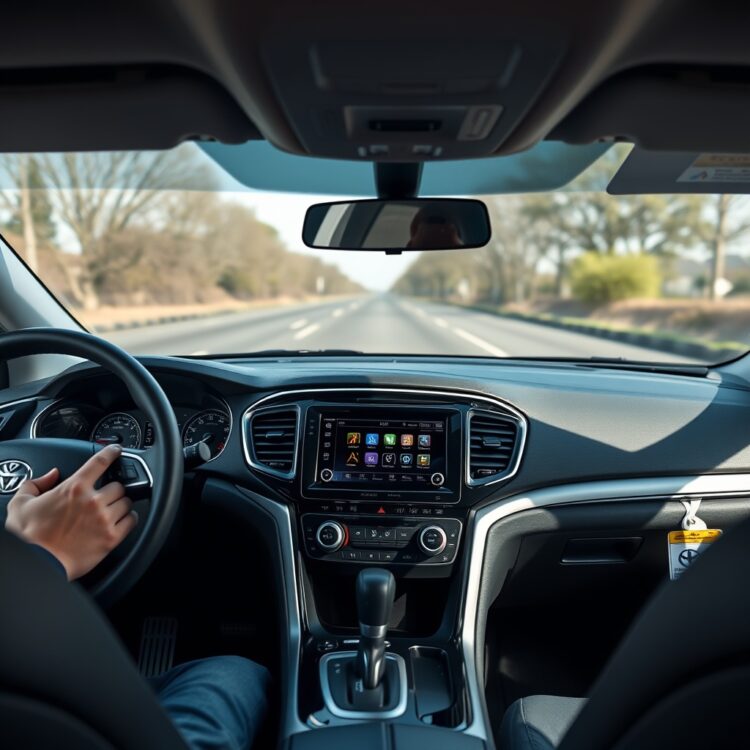
Choosing a car for your teen isn’t just about specs—it’s about setting them up for success. I always encourage parents to be involved in the process, from setting rules to teaching responsibility. A car is a big responsibility, and it’s our job to guide them through it.
Start by discussing expectations. Will the car be shared? What are the rules for passengers? These conversations can prevent misunderstandings later. It’s all about creating a safe and positive driving experience.
Setting Rules and Boundaries
Clear rules are essential for teen drivers. Limit nighttime driving, restrict the number of passengers, and enforce a no-phone policy. I’ve seen how these boundaries can reduce risky behaviour and keep teens safe. It’s not about control—it’s about protection.
Consider using a Corsa VXR or similar car with built-in safety features to reinforce these rules. Technology can be a powerful ally in keeping teens accountable.
Teaching Responsibility
Owning a car is a great way to teach responsibility. Encourage your teen to contribute to maintenance costs or fuel expenses. I’ve found that when teens have skin in the game, they take better care of their car. It’s a lesson that extends far beyond driving.
Use this opportunity to teach basic car care, like checking oil levels or tyre pressure. These skills will serve them for life. And who knows? They might even thank you for it one day.
Popular Car Models for Teenagers
When it comes to choosing the best car for a 16-year-old, safety, affordability, and style are key factors. We’ve narrowed down the top picks that tick all the boxes. For safety, the Vauxhall Corsa VXR stands out with its robust build and advanced safety features. It’s a solid choice for parents who prioritise peace of mind.
Affordability is another major consideration. The Suzuki Alto is a budget-friendly option that doesn’t skimp on reliability. It’s perfect for teens who need a car that’s easy on the wallet and low on maintenance. For those who want a bit more flair, the Ford Fiesta ST offers a fun driving experience without breaking the bank. It’s a great blend of performance and practicality.
Top Picks for Safety
The Vauxhall Corsa VXR is a standout for its safety ratings and dependable performance. With features like electronic stability control and multiple airbags, it’s designed to keep young drivers safe. Another excellent option is the Volkswagen Polo, known for its sturdy build and comprehensive safety tech.
Affordable Options
If you’re looking for something economical, the Suzuki Alto is hard to beat. It’s fuel-efficient and comes with a low insurance group rating, making it a cost-effective choice. The Toyota Yaris is another reliable option, offering great value for money and a reputation for longevity.
Fun and Stylish Choices
For teens who want a car with personality, the Mini Cooper is a fantastic choice. It’s compact, stylish, and fun to drive. The Ford Fiesta ST, with its sporty design and responsive handling, is another great option for those who enjoy a bit of excitement behind the wheel.
Understanding Car Insurance for Teen Drivers
Car insurance for teen drivers can be expensive, but there are ways to lower premiums. Adding a parent as a named driver or opting for a black box policy can significantly reduce costs. It’s also worth comparing quotes from multiple providers to find the best deal. Always ensure the policy includes comprehensive coverage to protect against accidents and theft.
How to Lower Insurance Premiums
One effective way to reduce insurance costs is by choosing a car with a low insurance group rating. Cars like the Suzuki Alto or Toyota Aygo are ideal for this. Another tip is to encourage your teen to take an advanced driving course, which can demonstrate responsibility to insurers and lead to lower premiums.
Necessary Coverage
Comprehensive coverage is essential for teen drivers, as it covers damage to their car and others in an accident. Third-party, fire, and theft policies are cheaper but offer less protection. It’s also wise to consider breakdown cover and legal protection for added peace of mind.
The Importance of a Good Warranty
A good warranty can save you from unexpected repair costs, which is crucial for teen drivers. Look for warranties that cover major components like the engine and transmission for at least three years. Extended warranties are also worth considering, especially for used cars, as they provide additional protection beyond the standard coverage.
What to Look for in a Warranty
When evaluating warranties, check the coverage length and what’s included. Some warranties exclude wear-and-tear items, so read the fine print. Brands like Toyota and Hyundai offer excellent warranty packages, making them a smart choice for first-time car buyers.
Extended Warranty Options
Extended warranties can be a lifesaver for used cars. They often cover repairs that aren’t included in the original warranty, such as electrical issues or air conditioning problems. It’s a small investment that can prevent costly surprises down the road.

How to Test Drive a Car with Your Teen
Test driving a car with your teen is a crucial step in the buying process. Pay attention to how the car handles, brakes, and accelerates. Encourage your teen to drive in different conditions, such as on highways and in traffic, to get a feel for the car’s performance. Ask the dealer about the car’s history and any potential issues.
What to Look for During a Test Drive
Check for smooth acceleration and responsive steering. Listen for unusual noises and test the brakes to ensure they’re effective. The car should feel comfortable and easy to control, especially for a new driver. Don’t forget to test the technology features, like Bluetooth and navigation, to ensure they work properly.
Questions to Ask the Dealer
Ask about the car’s service history and whether it’s been involved in any accidents. Inquire about warranty options and any ongoing recalls. It’s also worth asking about financing deals or trade-in options if you’re considering upgrading in the future. For more tips on choosing the right car, check out this external guide.
Financing Options for a Teens First Car
When it comes to financing a teen’s first car, the debate between saving up and taking out a loan is a common one. I’ve found that saving up gives teens a sense of ownership and responsibility, but financing can be a practical option if the right terms are secured. Understanding loan terms is crucial—look for low interest rates and manageable repayment plans to avoid unnecessary financial strain.
We often overlook the emotional aspect of financing. A teen’s first car is more than just a vehicle; it’s a milestone. Whether you choose to save or finance, ensure the process teaches financial literacy. For more insights on budgeting, check out our automotive blog.
Saving Up vs Financing
Saving up for a car teaches discipline and patience, but it might delay the purchase. On the other hand, financing allows immediate ownership but comes with interest. I recommend a hybrid approach—save for a down payment to reduce loan amounts. This way, teens learn the value of money while still getting behind the wheel sooner.
Understanding Loan Terms
Loan terms can be confusing, but they’re critical to avoid pitfalls. Look for fixed interest rates and shorter loan periods to minimise costs. Always read the fine print and consider consulting a financial advisor. For a deeper dive into car financing, explore our guide on the best car for a 16-year-old.
The Impact of Social Media on Car Choices
Social media plays a huge role in shaping teens’ car preferences. Trends and peer pressure often dictate what’s “cool” rather than what’s practical. I’ve seen teens gravitate towards flashy models because of influencers, but it’s essential to balance style with safety and affordability.
We must guide teens to make informed decisions. Encourage them to research beyond social media hype. For example, the Corsa VXR might be trendy, but is it the right fit? Always prioritise needs over trends.
How Trends Influence Decisions
Trends can make certain cars seem irresistible, but they often come with higher costs. I advise parents to discuss the long-term implications of trendy choices. A car’s reliability and running costs should outweigh its social media appeal.
The Role of Peer Pressure
Peer pressure can lead to regrettable decisions. Teens might feel compelled to choose a car that impresses friends rather than one that suits their lifestyle. Open conversations about financial responsibility can help counteract this pressure.
Preparing Your Teen for the Responsibility of Car Ownership
Owning a car is a significant responsibility, and teens need to be prepared. Start with the basics—maintenance and safe driving practices. I’ve found that involving teens in car care fosters a sense of pride and accountability.
Regular maintenance checks and understanding the car’s needs are essential. For more tips, check out our article on cheap car insurance for teens.
Maintenance Basics
Teaching teens basic maintenance like checking oil levels and tyre pressure can save money and prevent breakdowns. Simple tasks like these build confidence and ensure the car remains in good condition. It’s a small investment of time that pays off in the long run.
Safe Driving Practices
Safe driving goes beyond passing a test. Emphasise the importance of defensive driving and avoiding distractions. I recommend enrolling teens in advanced driving courses to hone their skills. For more on safety, visit our external resource.
Frequently Asked Questions
What is the best car for a 16-year-old?
The best car balances safety, affordability, and reliability. Compact cars like the Corsa or Fiesta are popular choices. Always prioritise features like airbags and stability control over flashy designs.
How can I lower insurance costs for my teen?
Opt for cars with low insurance groups and consider adding your teen to your policy. Safe driving courses and black box policies can also reduce premiums. It’s all about minimising risk in the insurer’s eyes.
Should I buy new or used for a teen’s first car?
Used cars are often more affordable and practical for teens. They come with lower insurance costs and less depreciation. Just ensure the car has a solid service history and passes a thorough inspection.
How do I teach my teen about car maintenance?
Start with simple tasks like checking fluids and tyre pressure. Involve them in routine servicing and explain the importance of each step. Hands-on experience is the best teacher.