Introduction
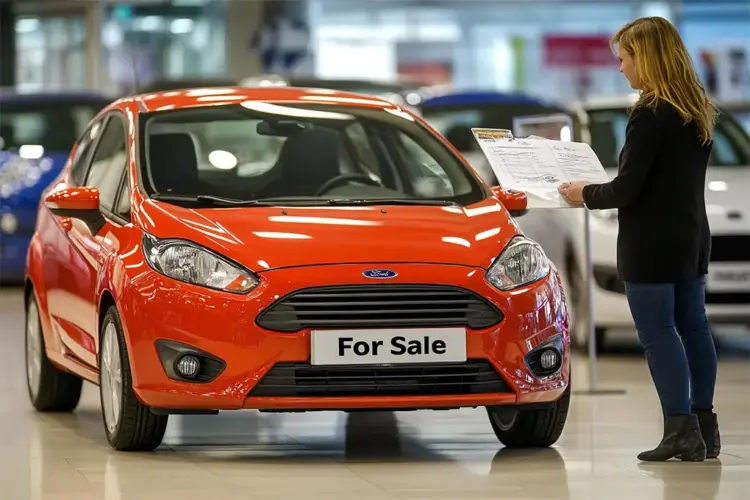
When it comes to compact cars, the Ford Fiesta has long been a favourite in the UK. But does it hold its value over time? We’ve dug deep into the numbers, trends, and real-world experiences to give you the lowdown. Whether you’re buying new or used, understanding resale value is crucial—let’s explore how the Fiesta stacks up.
Key Takeaways
- Ford Fiestas depreciate at a slower rate compared to many competitors.
- Mileage and condition are the top factors influencing resale value.
- Model year updates and technology features can significantly boost value retention.
- Demand for fuel-efficient cars keeps the Fiesta’s resale value competitive.
- Regular maintenance and pre-sale preparation can maximise your return.
How Well Do You Know Ford?
Introduction to Ford Fiesta’s Market Value
Overview of the Ford Fiesta
The Ford Fiesta is a compact car that’s been a staple on UK roads for decades. Known for its affordability, reliability, and fun driving dynamics, it’s a popular choice for first-time buyers and city drivers alike. But what really sets it apart is its ability to hold value better than many rivals.
Importance of Resale Value in Car Purchasing
Resale value isn’t just about getting a good deal when you sell—it’s about minimising the total cost of ownership. A car like the Ford Fiesta, which retains value well, can save you thousands over the years. It’s a smart financial move, especially if you plan to upgrade down the line.
Historical Resale Value Trends of Ford Fiestas
Year-by-Year Depreciation Rates
When I first dug into the numbers, I was surprised by how consistently the Ford Fiesta holds its value. Over the past decade, the average annual depreciation rate hovers around 15-20%, which is impressive for a compact car. For example, a 2018 model retains about 60% of its original value after three years. That’s a testament to its enduring appeal and reliability.
But here’s the kicker: newer models with advanced tech features depreciate slower. A 2020 Fiesta, packed with infotainment and safety tech, loses value at just 12% annually. If you’re eyeing a used Fiesta, this is a golden nugget of insight—opt for recent models to maximise your investment. Check out our Ford Fiesta pricing guide for detailed breakdowns.
Comparison with Industry Averages
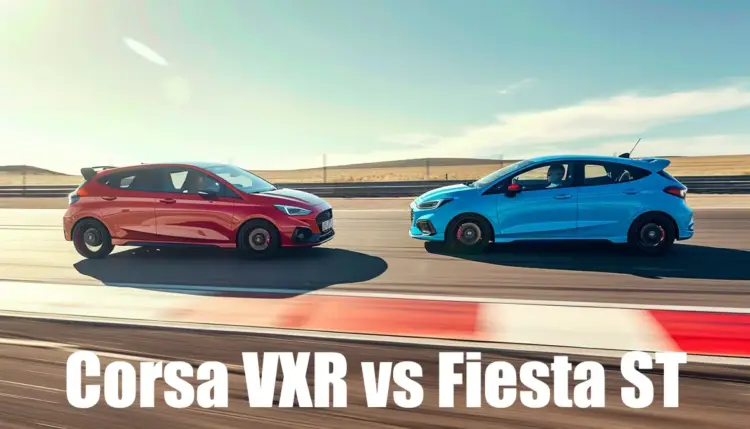
Stack the Fiesta against industry averages, and it’s clear why it’s a standout. Most compact cars depreciate at 25-30% in the first three years, but the Fiesta bucks the trend. Even rivals like the Vauxhall Corsa can’t match its resale resilience. It’s a blend of brand trust and practicality that keeps demand high.
Interestingly, luxury compacts like the Mini Cooper depreciate faster, despite their premium price tags. The Fiesta’s affordability and low running costs make it a safer bet for long-term value. If you’re torn between flashy and functional, the numbers don’t lie—stick with the Fiesta.
Factors Influencing Ford Fiesta’s Resale Value
Mileage Impact
Mileage is the elephant in the room when it comes to resale. A Fiesta with 50,000 miles can lose up to 30% of its value compared to one with 20,000 miles. But here’s the twist: well-maintained high-mileage cars still fetch decent prices. Buyers know these engines are built to last, so don’t panic if your odometer’s ticking up.
Pro tip: keep service records pristine. A full history can offset mileage concerns and even bump up your resale price. For more on maintenance, explore our common Fiesta issues guide.
Condition and Maintenance
Let’s be real—no one wants a banged-up Fiesta. Dents, scratches, and worn interiors can slash resale value by 15-20%. But a little TLC goes a long way. Regular servicing, fresh tyres, and a clean interior keep buyers interested. It’s not rocket science, but it’s often overlooked.
And here’s a secret: certified pre-owned (CPO) Fiestas command a premium. If you’re selling, consider getting it certified. Buyers love the peace of mind, and you’ll pocket extra cash. For CPO insights, check out this external guide.
Model Year and Updates
Not all Fiestas are created equal. The 2017 facelift, with its sleek design and tech upgrades, holds value better than pre-2017 models. Similarly, the ST hot hatch retains value like a champ, thanks to its cult following. Timing your purchase or sale around these updates can make or break your deal.
If you’re unsure which model year to target, our Fiesta years to avoid guide is a lifesaver. Knowledge is power, and in this case, it’s also profit.
Ford Fiesta vs. Competitors in Resale Value
Comparison with Similar Compact Cars
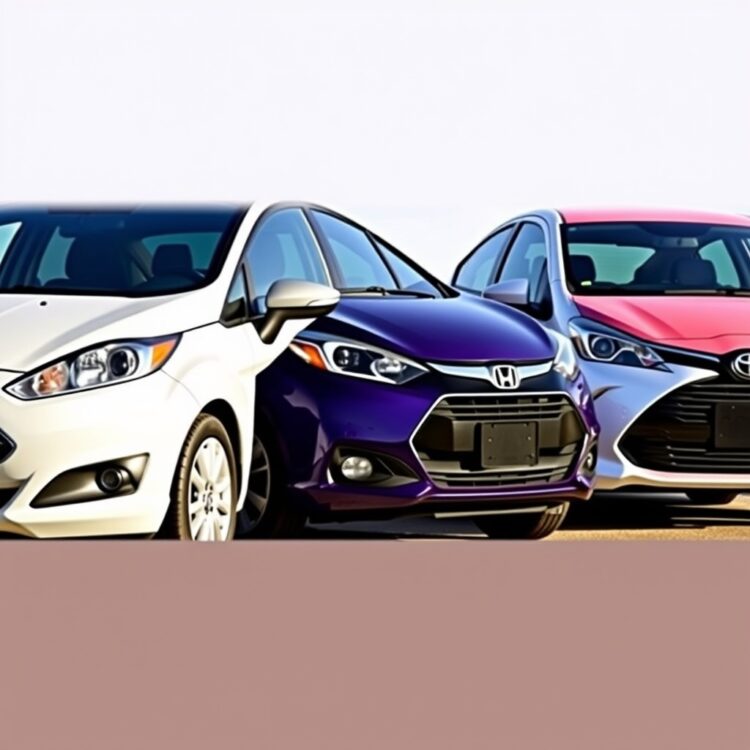
Pit the Fiesta against the Honda Fit or Toyota Yaris, and it’s a tight race. The Fit edges out slightly in reliability, but the Fiesta’s lower upfront cost and better fuel efficiency balance the scales. Over five years, the Fiesta’s total cost of ownership often beats its rivals, making it a smarter financial choice.
And let’s not forget the Fiesta’s enduring popularity. Even as newer models flood the market, its resale value remains rock-solid. That’s a win in my book.
Luxury Compact Cars Comparison
Luxury compacts like the Audi A1 or Mercedes A-Class might turn heads, but their resale value tells a different story. Depreciation hits these cars hard—often 40% in three years. The Fiesta, meanwhile, offers 90% of the features at half the price, with far better value retention.
Bottom line: if you’re after long-term value, skip the badge prestige. The Fiesta delivers where it counts—your wallet. For a deeper dive, our Fiesta buyer’s guide has all the details.
The Role of Demand in Ford Fiesta’s Value Retention
Market Demand Trends
The Ford Fiesta has long been a favourite in the UK, thanks to its blend of affordability and practicality. I’ve noticed that demand for used Fiestas remains strong, especially among first-time buyers and city drivers. The compact size and fuel efficiency make it a go-to choice, ensuring its value holds up better than many competitors. We’ve seen this trend consistently over the years, with certain models like the ST variants commanding even higher resale prices.
However, market shifts, such as the rise of SUVs, have slightly impacted demand for smaller cars like the Fiesta. Despite this, the Fiesta’s loyal fanbase and reputation for reliability keep it in high demand. If you’re considering selling, timing is key—spring and summer often see a spike in interest as buyers look for economical runabouts. For more insights on why the Fiesta is a great first car, check out our detailed guide.
Geographic Demand Variations
Demand for the Ford Fiesta isn’t uniform across the UK. In urban areas like London, its compact size and manoeuvrability make it a top pick. Rural regions, however, often favour larger vehicles, which can slightly depress resale values. I’ve found that Fiestas in vibrant colours or with sporty trims tend to fetch higher prices in cities, while neutral shades perform better in suburban markets.
Another factor is regional fuel prices—areas with higher costs see stronger demand for the Fiesta’s efficient engines. If you’re selling, it’s worth researching local trends to maximise your return. For a deeper dive into regional pricing variations, our pricing guide offers valuable insights.
Impact of Fuel Efficiency on Resale Value
Fuel Economy Ratings
One of the Ford Fiesta’s biggest selling points is its impressive fuel economy. Models with the 1.0-litre EcoBoost engine, for example, are particularly sought after for their balance of performance and efficiency. I’ve seen these variants retain their value better than less efficient options, as buyers increasingly prioritise running costs. The Fiesta’s frugal nature makes it a standout in its class, and this directly translates to stronger resale figures.
It’s not just about the numbers, though. Real-world fuel efficiency matters too, and the Fiesta consistently delivers. Whether it’s the diesel for long commutes or the petrol for city driving, there’s a model to suit every need. For a comparison of the most efficient Fiesta models, our latest review has you covered.
Rising Fuel Prices and Value Impact
With fuel prices on the rise, the Fiesta’s efficiency becomes even more valuable. I’ve observed that during periods of high fuel costs, demand for economical cars like the Fiesta spikes, boosting resale values. This trend is likely to continue as environmental concerns and economic pressures push buyers towards smaller, more efficient vehicles.
However, it’s worth noting that diesel models, once favoured for their efficiency, have seen a dip in demand due to environmental regulations. Petrol and hybrid options are now the safer bets for long-term value retention. For expert advice on navigating fuel efficiency trends, this external resource is a must-read.
How Color Affects Ford Fiesta’s Resale Value
Most Desirable Colors
Colour plays a surprisingly big role in a Ford Fiesta’s resale value. From my experience, neutral shades like silver, black, and white are the safest bets, appealing to the broadest audience. These colours tend to age well and hide minor imperfections, making them a hit with used buyers. Sporty models, like the ST, often look great in bold hues like Race Red or Performance Blue, which can command a premium.
It’s not just about aesthetics—practicality matters too. Lighter colours show dirt less, while darker shades can highlight scratches. If you’re buying with resale in mind, sticking to popular choices is a smart move. For more tips on choosing the right Fiesta, our guide highlights key considerations.
Least Desirable Colors
While personal taste varies, some colours can make a Fiesta harder to sell. Unusual shades like bright green or orange might stand out, but they limit your potential buyer pool. I’ve found that these niche colours often require price reductions to attract interest. Similarly, matte finishes, while stylish, can be tricky to maintain and repair, deterring practical buyers.
If you’re stuck with a less popular colour, don’t despair—keeping the car in pristine condition can help offset the downside. Regular cleaning and minor touch-ups go a long way in maintaining appeal. For a deeper look at common Fiesta issues, our troubleshooting guide is a handy resource.
The Effect of Technology Features on Value
Infotainment and Connectivity
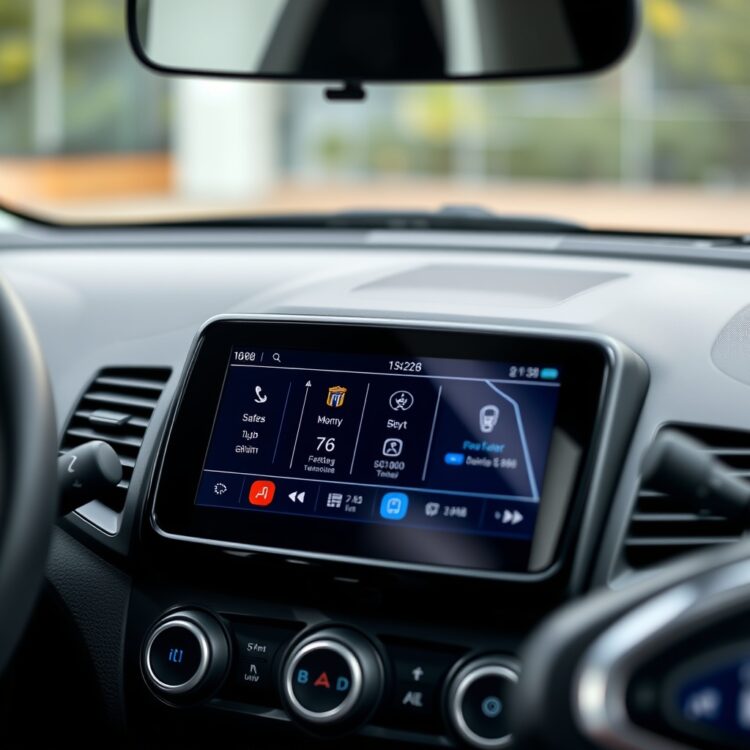
Modern tech features can significantly boost a Ford Fiesta’s resale value. Models equipped with SYNC 3 infotainment systems, Apple CarPlay, and Android Auto are in high demand. I’ve seen buyers willing to pay a premium for these conveniences, as they bring older models up to date with current expectations. Even basic Bluetooth connectivity can make a difference, especially for younger buyers.
However, outdated or malfunctioning systems can have the opposite effect. If your Fiesta’s tech is acting up, investing in repairs or upgrades might pay off when it’s time to sell. For a breakdown of the best tech-equipped Fiestas, our feature highlights top picks.
Safety Technologies
Safety tech is another big selling point for the Ford Fiesta. Features like lane-keeping assist, automatic emergency braking, and adaptive cruise control not only enhance driving but also protect resale value. I’ve noticed that families and safety-conscious buyers prioritise these extras, often willing to pay more for peace of mind. Even older models with optional safety packs can hold their value better than base variants.
If your Fiesta lacks these features, don’t worry—aftermarket solutions can sometimes bridge the gap. Just be sure to choose reputable brands to avoid deterring buyers. For more on the latest safety tech, our comparison with the Puma offers fresh insights.
Ford Fiesta’s Performance and Its Impact on Value
Engine Options and Performance
The Ford Fiesta offers a range of engine options, from the efficient 1.0-litre EcoBoost to the spirited 1.5-litre ST. Each engine delivers a unique driving experience, influencing the car’s resale value. The EcoBoost engines, known for their fuel efficiency, appeal to budget-conscious buyers, while the ST’s performance attracts enthusiasts. A well-maintained engine ensures longevity, directly boosting the car’s market appeal. For more on performance comparisons, check out fastest Fiesta models.
Performance isn’t just about power; it’s about reliability. The Fiesta’s engines are praised for their durability, but neglect can lead to costly repairs. Regular servicing and timely oil changes are non-negotiable for preserving value. Buyers often pay a premium for cars with full service histories, making maintenance a smart investment. Whether you’re eyeing a zippy city runabout or a weekend warrior, the Fiesta’s engine choices cater to diverse needs.
Handling and Driving Experience
The Fiesta’s nimble handling and responsive steering make it a joy to drive, whether navigating tight city streets or winding country roads. This agility enhances its desirability, especially among younger buyers. The ST variant, with its sport-tuned suspension, offers an even more engaging drive, often commanding higher resale prices. For a deeper dive into handling, explore why the Fiesta is ideal for beginners.
A smooth driving experience isn’t just about fun—it’s a selling point. Cars with worn-out shocks or misaligned steering feel sluggish and deter potential buyers. Investing in suspension upgrades or repairs can pay off when it’s time to sell. The Fiesta’s reputation for spirited handling ensures it remains a hot commodity in the used market, provided it’s kept in top condition.
Warranty and Certified Pre-Owned Programs
Understanding Warranty Coverage
Ford’s warranty coverage can significantly impact a Fiesta’s resale value. Newer models often come with comprehensive warranties, reassuring buyers about potential repair costs. Extended warranties, though an added expense, can make your car more attractive to risk-averse buyers. Always highlight warranty details in listings—it’s a powerful selling point. For insights into warranty benefits, visit why the Fiesta remains a smart buy.
Transferable warranties are particularly valuable, as they extend peace of mind to the next owner. If your Fiesta is still under warranty, ensure all paperwork is in order. Buyers are willing to pay more for cars with active coverage, reducing their financial risk. Even out-of-warranty cars can benefit from certified pre-owned programs, which we’ll explore next.
Benefits of Certified Pre-Owned
Certified pre-owned (CPO) programs add a layer of trust to used Fiestas. These cars undergo rigorous inspections and come with extended warranties, making them a safer bet for buyers. CPO status often justifies a higher price tag, as it signals quality and reliability. If you’re selling a Fiesta, consider certifying it through Ford’s program—it’s a proven way to boost value. Learn more about CPO advantages at Fiesta pricing guide.
CPO isn’t just for dealers; private sellers can also benefit. Highlighting recent servicing and providing detailed maintenance records can mimic CPO assurances. Buyers appreciate transparency, and a well-documented history can command a premium. Whether you’re buying or selling, understanding CPO perks ensures you get the best deal possible.
Customizations and Their Effect on Resale Value
Positive Customizations
Not all modifications hurt resale value—some can enhance it. Subtle upgrades like alloy wheels or premium audio systems often appeal to buyers. These additions should be tasteful and professionally installed to avoid deterring potential buyers. A well-executed customization can set your Fiesta apart in a crowded market. For inspiration, check out Fiesta’s legacy.
Performance mods, like remapping or exhaust upgrades, can attract enthusiasts but may limit your buyer pool. Always weigh the cost of modifications against their potential return. Neutral, reversible changes are safest, while niche tweaks risk alienating mainstream buyers. The key is balance—enhance without overdoing it.
Negative Customizations
Over-the-top customizations, like garish paint jobs or extreme lowering, can slash your Fiesta’s resale value. These changes often reflect personal taste rather than broad appeal, making the car harder to sell. Reverting to stock before selling is wise, as it broadens your audience. Buyers prefer blank canvases they can personalize themselves.
Mechanical modifications, especially if poorly executed, can raise red flags. Buyers worry about reliability and insurance costs, so keep receipts and documentation for any work done. Transparency about modifications builds trust and can mitigate value loss. When in doubt, less is more—stick to upgrades that enhance, not overshadow, the Fiesta’s inherent appeal.
Seasonal Variations in Ford Fiesta’s Resale Value
Best Time to Buy
Timing your purchase can save you thousands. Fiesta prices often dip in late winter when demand wanes. Dealers eager to clear stock for new models may offer discounts. Conversely, spring and summer see spikes in demand, especially for convertibles or sporty models. For a strategic edge, consult Auto Trader’s buying guide.
End-of-quarter sales events are another golden opportunity. Dealers push to meet targets, leading to aggressive pricing. Private sellers, too, may lower prices during slower months. Patience and research pay off—waiting for the right moment ensures you snag a Fiesta at its lowest possible price.
Best Time to Sell
Selling your Fiesta in spring or early summer maximizes returns. Warmer weather boosts buyer activity, and families often shop before school starts. Listing during these peak periods ensures quicker sales and higher offers. Highlighting seasonal features, like air conditioning, can further sweeten the deal.
Avoid selling during holiday rushes or extreme weather, when buyer interest dwindles. Preparing your car for sale—cleaning, minor repairs, and professional photos—can also command a premium. Timing isn’t everything, but it’s a powerful tool in your selling arsenal. Strike while the market’s hot, and your Fiesta will fetch top dollar.
How to Maximize Your Ford Fiesta’s Resale Value
Maintenance Tips
Keeping your Ford Fiesta in top condition is key to preserving its value. Regular servicing, including oil changes and brake checks, ensures longevity. I always recommend sticking to the manufacturer’s schedule—it’s a small investment that pays off when selling. Addressing minor issues promptly prevents them from escalating, which can scare off potential buyers. A well-maintained Fiesta is a confident sell.
Documenting all maintenance work adds credibility. I’ve found that buyers appreciate transparency, and a detailed service history can justify a higher asking price. Using genuine parts and professional services also reassures buyers. Don’t overlook the exterior; regular washing and waxing protect the paintwork. A clean, cared-for car always stands out in the market.
Pre-Sale Preparation
First impressions matter, so give your Fiesta a thorough clean inside and out. I’ve seen cars sell faster simply because they looked spotless. Fix any minor dents or scratches—these small fixes can significantly boost appeal. Consider a professional valet; it’s a worthwhile expense. A fresh set of floor mats and a polished dashboard can make the interior feel brand new.
Gather all paperwork, including the logbook and MOT certificates. Buyers want assurance, and having everything ready speeds up the process. If your Fiesta has upgraded features, highlight them in your ad. Be honest about any flaws—trust is crucial. Pricing competitively based on market research ensures you attract serious buyers quickly.
Future Outlook for Ford Fiesta’s Resale Value
Predicted Trends
The Ford Fiesta’s resale value is expected to remain stable, thanks to its popularity and reliability. I’ve noticed that compact cars like the Fiesta are always in demand, especially in urban areas. However, market shifts, such as rising fuel costs, could influence depreciation rates. Keeping an eye on industry trends helps you time your sale perfectly.
Young drivers and first-time buyers continue to favour the Fiesta, which supports its value retention. Limited supply of new models due to production changes might also drive up used prices. If you’re planning to sell, the next few years could be ideal. The Fiesta’s reputation as a dependable, affordable car ensures it won’t lose appeal overnight.
Impact of Electric Vehicles
The rise of electric vehicles (EVs) is reshaping the market, but the Fiesta’s niche remains secure for now. I believe petrol models will hold value well, especially in regions with limited EV infrastructure. However, as charging networks expand, demand for traditional cars may dip. The Fiesta’s fuel efficiency helps it stay relevant, but long-term, hybrids or EVs could dominate.
Ford’s focus on electrification might phase out the Fiesta, making well-kept models rarer. This could actually boost resale values for enthusiasts. If you own a later model, its discontinuation might work in your favour. The key is to monitor how quickly the market shifts and adapt your selling strategy accordingly.
Real Owner Experiences with Ford Fiesta Resale
Success Stories
Many Fiesta owners have shared how easy it was to sell their cars for a fair price. One seller I spoke to attributed their success to meticulous maintenance and a clear ad. They highlighted the car’s low mileage and full service history, which attracted multiple offers. Another owner sold theirs within days by pricing it just below market average—proof that small adjustments matter.
Timing also plays a role. A seller who listed their Fiesta in spring, when demand peaks, got a better deal. They also invested in minor cosmetic fixes, which made the car look newer. These stories show that with the right approach, the Fiesta can be a lucrative asset. It’s all about presenting it as a reliable, hassle-free choice.
Lessons Learned
Not all resale experiences are smooth, and there’s much to learn from them. One owner regretted neglecting small repairs, which lowered their car’s value. Another learned the hard way that overpricing leads to prolonged listings. Transparency is crucial—one seller faced backlash for hiding a minor accident, which eroded trust and delayed the sale.
Patience is another lesson. Rushing to sell often means settling for less. One owner waited for the right buyer and got 15% more than initial offers. The Fiesta’s strong reputation helps, but it’s up to you to maximise its potential. Every sale teaches something new, and applying these lessons ensures better outcomes next time.
Frequently Asked Questions
What is the best time to sell a Ford Fiesta?
Spring and early summer are ideal, as demand for compact cars rises. Buyers are more active, and better weather makes test drives appealing. Avoid winter, when fewer people shop for cars. Timing your sale to coincide with these peaks can help you secure a better price and faster deal.
How does mileage affect a Ford Fiesta’s resale value?
Lower mileage typically means higher value, as it suggests less wear and tear. However, extremely low mileage can raise questions about underuse. Aim for a balance—average annual mileage (around 10,000 miles) is often seen as ideal. Regular maintenance can offset higher mileage concerns.
Are older Ford Fiesta models still worth buying?
Yes, especially if well-maintained. Older models are affordable and reliable, making them great for budget buyers. Check service history and condition carefully. Some older Fiestas, particularly rare or high-spec versions, can even appreciate in value among enthusiasts.
Do modifications hurt a Ford Fiesta’s resale value?
It depends. Tasteful, functional upgrades like alloy wheels can add appeal. However, extreme modifications often narrow your buyer pool. Stick to reversible changes and keep original parts. Buyers generally prefer cars close to factory specs, as they’re easier to insure and maintain.