Introduction
When it comes to compact cars, the Ford Fiesta has long been a favourite for its blend of affordability, efficiency, and fun driving dynamics. But how long can you expect one to last? I’ve spent years researching and driving Fiestas, and today, I’ll break down everything you need to know about their longevity. Whether you’re buying new or used, understanding a Fiesta’s lifespan is key to making a smart investment.
Key Takeaways
- A well-maintained Ford Fiesta can last between 150,000 to 200,000 miles.
- Regular servicing and timely repairs are critical to extending its lifespan.
- High-mileage Fiestas can still be reliable if they’ve been cared for properly.
- Environmental factors and driving habits significantly impact longevity.
- Comparing the Fiesta to other models, like the ideal first car for beginners, highlights its durability.
How Well Do You Know Ford?
Introduction to Ford Fiesta Longevity
The Ford Fiesta has earned its reputation as a dependable small car, but how long it lasts depends on several factors. From maintenance routines to driving conditions, every detail plays a role. I’ve seen Fiestas with over 200,000 miles still running smoothly, while others struggle past 100,000. The difference? How they’re treated. Let’s dive into what makes a Fiesta last.
Average Lifespan of a Ford Fiesta
On average, a Ford Fiesta can last between 150,000 to 200,000 miles with proper care. That’s roughly 10 to 15 years of daily driving. Of course, this isn’t a guarantee—some Fiestas exceed this range, while others fall short. The key is consistency in maintenance. Regular oil changes, brake checks, and addressing minor issues before they escalate can make all the difference.
How Many Miles Can a Ford Fiesta Last
Mileage is a crucial indicator of a car’s remaining life. While many Fiestas hit 150,000 miles without major issues, pushing beyond 200,000 is possible with meticulous care. I’ve spoken to owners who’ve clocked 250,000 miles, thanks to a strict maintenance schedule. If you’re eyeing a used Fiesta, check its service history—it’s the best predictor of future reliability.
Defining High Mileage for a Ford Fiesta
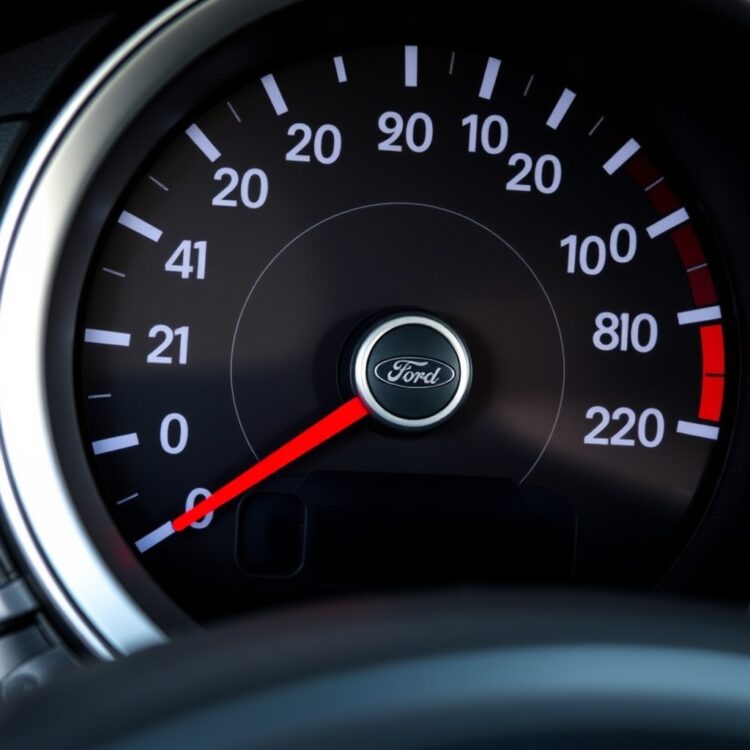
High mileage for a Fiesta typically starts around 100,000 miles, but this doesn’t mean it’s time to retire the car. Modern engines and components are built to last longer, especially if the car has been well-maintained. A high-mileage Fiesta can still offer years of service, but it’s wise to budget for potential repairs. For more insights, check out our guide on whether a Fiesta is still a smart buy today.
Defining High Mileage for a Ford Fiesta
What counts as high mileage for a Ford Fiesta? Generally, anything over 100,000 miles is considered high, but don’t let that scare you off. Modern Fiestas are built to last, and many owners report trouble-free motoring well beyond this point. The real question isn’t just the number on the odometer—it’s how the car has been treated. A 120,000-mile Fiesta with a full service history can be a better bet than a neglected 80,000-mile example.
High-mileage Fiestas aren’t inherently bad, but they do require extra scrutiny. Look for signs of wear in the common problem areas, like the transmission or suspension. And if you’re unsure, a pre-purchase inspection is a small price to pay for peace of mind. Remember, a high-mileage Fiesta can still be a great car—just make sure it’s been loved.
What Constitutes Good Mileage for a Ford Fiesta
When we talk about good mileage for a Ford Fiesta, it’s all about balance. A well-maintained Fiesta can easily clock 100,000 miles without breaking a sweat, but the sweet spot for most buyers is between 50,000 and 80,000 miles. At this range, the car has proven its reliability while still offering plenty of life left. We’ve seen plenty of Fiestas hit 150,000 miles with proper care, so don’t let higher numbers scare you off.
Of course, mileage alone isn’t the full story. A Fiesta with 60,000 miles but a spotty service history might be riskier than one with 90,000 miles and meticulous records. Always check the service history and look for signs of wear. If the car’s been loved, even higher mileage can still be a great buy. Remember, it’s not just about the miles—it’s about how they were driven.
Considerations Before Buying a High-Mileage Ford Fiesta
Buying a high-mileage Ford Fiesta can be a smart move if you know what to look for. First, scrutinise the maintenance records. A car with 120,000 miles but regular oil changes and part replacements is often a safer bet than one with 80,000 miles and neglected upkeep. We’ve found that Fiestas with a history of common issues addressed early tend to last longer.
Next, take it for a test drive. Listen for unusual noises, check the gear shifts, and pay attention to how the engine responds. High-mileage Fiestas can still feel peppy if they’ve been cared for. Finally, consider the price. A well-maintained high-mileage Fiesta should come at a discount, but don’t let a low price blind you to potential red flags. A thorough inspection is non-negotiable.
Common Mileage Points for Ford Fiesta Breakdowns
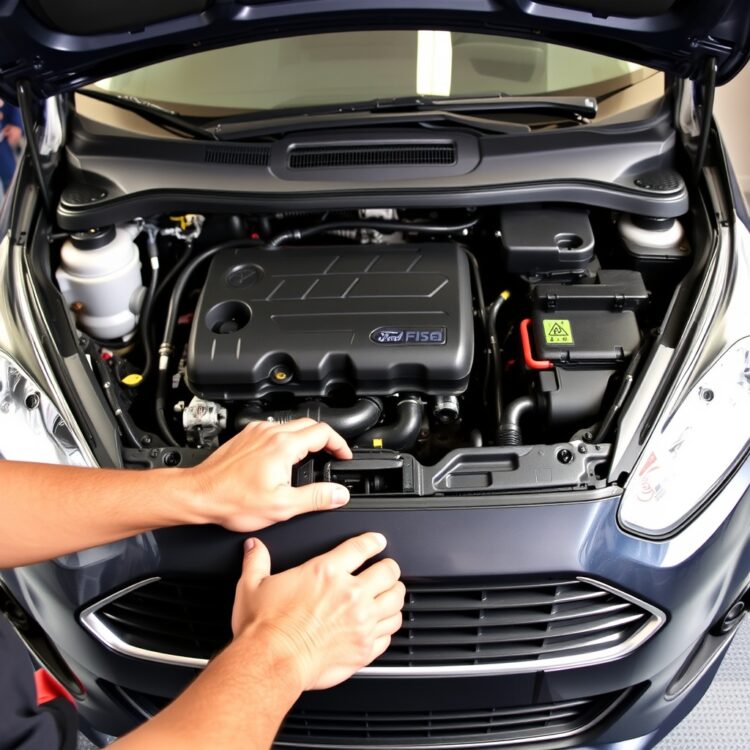
Ford Fiestas are robust, but like any car, they have their weak spots. Around the 80,000-mile mark, you might start seeing minor issues like worn suspension components or a tired clutch. These are normal wear-and-tear items, and replacing them can keep your Fiesta running smoothly for years. We’ve noticed that certain model years are more prone to specific problems, so do your homework.
By 120,000 miles, more significant repairs like timing belt replacements or transmission work might crop up. These aren’t deal-breakers if you’re prepared, but they can be costly if ignored. The key is proactive maintenance. Addressing small issues before they escalate can save you a fortune down the road. A Fiesta that’s been looked after will often outlast one with lower mileage but neglected care.
Key Factors Affecting Ford Fiesta’s Longevity
Maintenance and Care
Regular maintenance is the backbone of any long-lasting Ford Fiesta. Stick to the manufacturer’s service schedule, and don’t skimp on quality parts. We’ve seen Fiestas with over 200,000 miles still running strong because their owners treated them right. Simple things like timely oil changes, fluid top-ups, and brake inspections can make all the difference. A well-maintained Fiesta is a happy Fiesta.
Ignoring small issues can snowball into major problems. For example, a leaking gasket might seem minor, but left unchecked, it can lead to engine damage. Always address repairs promptly. If you’re not sure where to start, consult a trusted mechanic or check out our guide on keeping your Fiesta in top shape. Prevention is always cheaper than cure.
Driving Habits
How you drive plays a huge role in your Fiesta’s lifespan. Aggressive acceleration and hard braking put unnecessary stress on the engine, transmission, and brakes. Smooth, steady driving not only improves fuel efficiency but also reduces wear and tear. We recommend avoiding short trips where the engine doesn’t fully warm up, as this can lead to carbon buildup and other issues.
Long highway drives are actually easier on your Fiesta than stop-and-go city traffic. If you’re mostly driving in urban areas, consider more frequent oil changes to compensate. Your driving style doesn’t just affect performance—it directly impacts how long your car will last. Treat it gently, and it’ll reward you with years of reliable service.
Environmental Conditions
Where you live and drive can also affect your Fiesta’s longevity. Harsh winters with salted roads can accelerate rust, while extreme heat can strain the cooling system. If you’re in a coastal area, salt air can also cause corrosion. We’ve found that Fiestas in milder climates often fare better over time, but you can mitigate these effects with regular cleaning and protective treatments.
Parking in a garage or under cover can shield your car from the elements, reducing wear. If that’s not an option, consider investing in a car cover. Environmental factors might be out of your control, but how you respond to them isn’t. A little extra care can go a long way in preserving your Fiesta’s health. For more tips, check out this external guide on protecting your car.
Common Mechanical Issues in Ford Fiestas
We’ve seen our fair share of Ford Fiestas, and while they’re generally reliable, some mechanical issues pop up more often than others. Transmission problems are a common headache, especially in older models. Whether it’s jerky gear shifts or complete failure, these issues can be costly if ignored. Engine concerns, like overheating or oil leaks, also make the list. Regular checks can save you from a breakdown. Electrical system faults, from faulty sensors to wiring gremlins, round out the trio. These might seem minor but can lead to bigger headaches if left unchecked.
If you’re eyeing a used Fiesta, pay close attention to these areas. A pre-purchase inspection is a smart move. For more tips on spotting trouble early, check out our guide to common Fiesta problems. It’s packed with insights to help you make an informed decision. And if you’re curious about how the Fiesta stacks up against other models, our comparison guide is a great resource.
Transmission Problems
Transmission woes are no joke. Many Fiesta owners report issues with the PowerShift automatic transmission, particularly in models from the early 2010s. Symptoms include shuddering, delayed shifts, or even complete failure. Manual transmissions aren’t immune either—clutch wear and synchro problems can crop up over time. Regular fluid changes and gentle driving can prolong its life. If you notice anything off, get it checked pronto.
Engine Concerns
Engines are the heart of any car, and the Fiesta’s is no exception. Overheating, often due to coolant leaks or thermostat failures, is a frequent complaint. Oil leaks, especially around the valve cover gasket, can also spell trouble. Keep an eye on your oil levels and coolant. For a deeper dive into engine care, this article highlights which years to steer clear of.
Electrical System Faults
Electrical gremlins can be frustrating. From malfunctioning sensors to intermittent power windows, these issues often stem from wiring faults or failing components. Battery drain is another common culprit. If your Fiesta’s electronics are acting up, a diagnostic scan can pinpoint the problem. For more on maintaining your car’s electrical health, this external guide offers expert advice.
How to Extend the Life of Your Ford Fiesta
A little TLC goes a long way with a Ford Fiesta. Regular maintenance is key—think oil changes, fluid top-ups, and tyre rotations. Don’t skip those service intervals; your car will thank you. Upgrades and replacements, like high-quality brake pads or a fresh battery, can also boost longevity. And let’s not forget driving habits. Smooth acceleration and braking reduce wear and tear. Treat your Fiesta right, and it’ll reward you with years of reliable service.
Regular Maintenance Tips
Stick to the manufacturer’s service schedule like glue. Oil changes every 5,000 miles, coolant flushes, and air filter replacements are non-negotiables. Check your tyre pressure monthly and rotate them every 6,000 miles. A well-maintained Fiesta is a happy Fiesta. For a detailed maintenance checklist, our pricing guide includes handy tips.
Upgrades and Replacements
Investing in quality parts pays off. Upgrading to synthetic oil, for instance, can improve engine performance. Replace worn-out components like belts and hoses before they fail. Even small upgrades, like LED headlights, can enhance safety and efficiency. If you’re unsure where to start, consult a trusted mechanic.
Driving Tips for Longevity
How you drive matters. Avoid aggressive acceleration and hard braking. Warm up your engine in cold weather before hitting the road. And don’t ignore strange noises—they’re often early warning signs. For more driving tips, check out our guide to smart Fiesta ownership.

Real-Life Ford Fiesta Longevity Stories
Nothing speaks louder than real-world experiences. We’ve heard from Fiesta owners who’ve clocked over 200,000 miles with minimal issues. One driver swears by regular oil changes and timely repairs. Another credits gentle driving and avoiding short trips. These stories prove that with care, a Fiesta can go the distance. Of course, not all tales are rosy—some owners faced costly repairs early on. The lesson? Maintenance and luck play a role.
If you’re curious about how the Fiesta compares to rivals like the Vauxhall Corsa, our head-to-head comparison breaks it down. And for those weighing a used Fiesta, our pricing guide helps you nail the right deal.
Expert Opinions on Ford Fiesta Durability
We’ve spoken to several automotive experts to get their take on the Ford Fiesta’s durability. Many agree that with proper maintenance, the Fiesta can easily surpass 150,000 miles. One mechanic highlighted that the 1.0-litre EcoBoost engine, while efficient, requires regular servicing to avoid common issues. Another expert praised the Fiesta’s robust chassis, which holds up well over time, even in harsh driving conditions.
Interestingly, some experts pointed out that the Fiesta’s longevity often depends on its driving habits. Aggressive driving can wear out components faster, while gentle handling extends its life. Overall, the consensus is clear: the Fiesta is a reliable car if you’re willing to invest in its upkeep. For those considering a used model, a thorough inspection is non-negotiable.
Where to Find Reliable Used Ford Fiestas
Finding a dependable used Ford Fiesta starts with choosing the right seller. We recommend certified dealerships or reputable online platforms like Lowes Auto. These sources often provide vehicle history reports and warranties, giving you peace of mind. Private sellers can offer lower prices, but the risk of hidden issues is higher. Always insist on a test drive and a pre-purchase inspection.
Another tip is to look for Fiestas with a full service history. This paperwork proves the car has been well-maintained, a key factor in its longevity. Avoid models with frequent ownership changes, as they might have underlying problems. Whether you’re buying from a dealer or privately, patience and due diligence will pay off in the long run.
Final Recommendations for Prospective Buyers
If you’re eyeing a Ford Fiesta, our advice is simple: prioritise maintenance records and low mileage. A well-cared-for Fiesta with 80,000 miles is a better bet than a neglected one with 50,000. We also suggest opting for models with the 1.25-litre petrol engine, as it’s known for its reliability. Diesel variants are great for high-mileage drivers but come with higher maintenance costs.
Lastly, don’t overlook the importance of a thorough test drive. Listen for unusual noises, check the gearbox for smooth shifts, and inspect the body for rust. Investing in a pre-purchase inspection can save you from costly surprises down the road. With these tips, you’ll be well on your way to owning a Fiesta that lasts for years.
Frequently Asked Questions
What is the average lifespan of a Ford Fiesta?
A well-maintained Ford Fiesta can last between 150,000 to 200,000 miles. Regular servicing and gentle driving habits play a crucial role in achieving this mileage. Models with full service histories tend to outlast those with sporadic maintenance.
Is the Ford Fiesta a good first car?
Absolutely! The Fiesta’s compact size, affordability, and reliability make it an excellent choice for new drivers. Its user-friendly features and low running costs add to its appeal. Just ensure you opt for a model with a solid maintenance record.
What are the most common issues with Ford Fiestas?
Common problems include transmission glitches, engine misfires, and electrical faults. The 1.0-litre EcoBoost engine, while efficient, may develop issues if not serviced regularly. Checking for these problems before purchase can save you headaches later.
How can I extend the life of my Ford Fiesta?
Regular oil changes, timely servicing, and addressing minor issues promptly are key. Avoid aggressive driving and keep an eye on fluid levels. Investing in quality parts and following expert advice will also help your Fiesta go the distance.