Introduction
I’ve driven my fair share of cars, and the Ford Fiesta is one that always sparks debate. While it’s praised for its affordability and nimble handling, there’s a darker side to this popular hatchback. From transmission woes to electrical gremlins, the Fiesta has its share of headaches. Let’s dive into the disadvantages that might make you think twice before signing on the dotted line.
Key Takeaways
- Transmission issues, including jerking and slipping, are common in Ford Fiestas.
- Engine problems like overheating and poor fuel efficiency can plague owners.
- Electrical faults, such as battery drain and faulty wiring, are frequent complaints.
- Interior quality and infotainment systems often disappoint.
- Resale value drops faster than competitors, making it a poor long-term investment.
How Well Do You Know Ford?
Introduction to Ford Fiesta Disadvantages
The Ford Fiesta might seem like a budget-friendly dream, but it’s not without its flaws. I’ve heard countless stories from owners who’ve faced unexpected repairs and frustrations. Whether it’s the notorious transmission or the lacklustre interior, the Fiesta’s downsides are hard to ignore. Let’s break down the issues that could turn your driving experience into a nightmare.
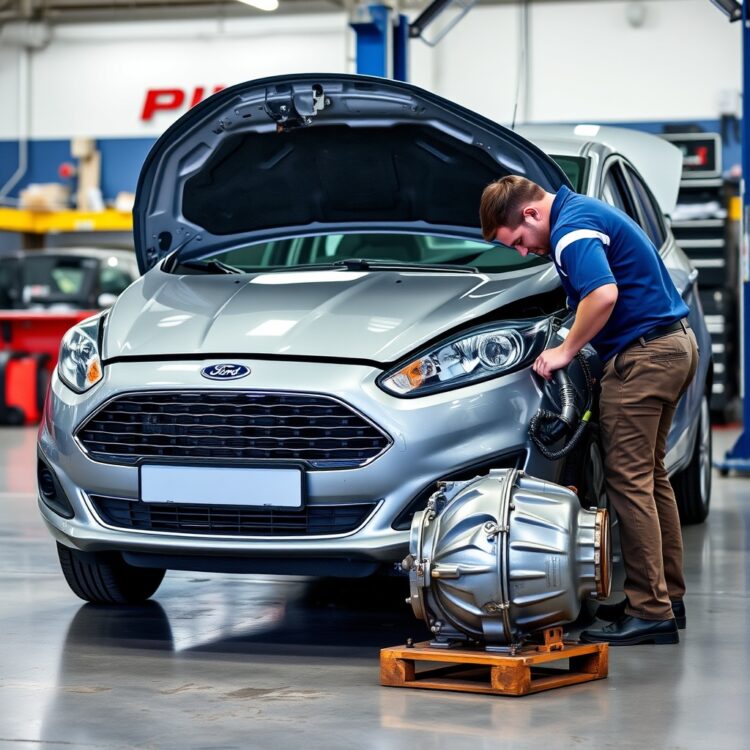
One of the biggest gripes is the Fiesta’s transmission. Many owners report jerking and slipping, especially in automatic models. It’s not just an annoyance—it’s a safety concern. If you’re considering a Fiesta, you might want to check out this guide to weigh your options. The last thing you want is to be stuck with a car that leaves you stranded.
Transmission Jerking and Slipping
The Fiesta’s dual-clutch transmission is a notorious weak point. I’ve spoken to owners who describe it as unpredictable, with sudden jerks and delays in acceleration. It’s not just a minor inconvenience—it can make city driving a stressful experience. If you’re set on a Fiesta, test-driving it thoroughly is a must.
Frequent Transmission Failures
Beyond the jerking, some Fiestas suffer from complete transmission failures. Repair costs can skyrocket, and replacements aren’t always covered under warranty. It’s a gamble that could leave you with a hefty bill. For a deeper look at common issues, this article is a must-read.
Transmission Problems in Ford Fiesta
We’ve heard countless stories from Ford Fiesta owners about transmission woes. The issues range from minor annoyances to major failures, and they’re not just isolated incidents. If you’re considering a Fiesta, it’s crucial to understand these problems before making a decision. Trust me, you don’t want to be stuck with a car that jerks or slips when you least expect it.
One of the most frustrating aspects is how unpredictable these issues can be. You might be cruising along just fine, and suddenly, the transmission decides to act up. It’s not just an inconvenience—it’s a safety concern. And let’s not forget the financial burden. Repairs aren’t cheap, and if you’re out of warranty, you’re looking at a hefty bill. For more on common Fiesta problems, check out our detailed guide.
Transmission Jerking and Slipping
Imagine driving down the motorway, and your car suddenly jerks or slips out of gear. It’s terrifying, right? That’s the reality for many Fiesta owners. The jerking is often caused by faulty transmission control modules or worn-out clutch components. It’s not just a minor hiccup—it’s a sign of deeper issues that need immediate attention.
What makes it worse is that dealerships often dismiss these complaints as “normal behaviour.” But let’s be real: no car should jerk or slip under normal driving conditions. If you’re experiencing this, don’t ignore it. Get it checked out ASAP. For a deeper dive into Fiesta models to avoid, we’ve got you covered.
Frequent Transmission Failures
Transmission failures are another nightmare for Fiesta owners. Some models are notorious for needing complete transmission replacements within the first 50,000 miles. That’s absurd for a modern car! The root cause? Poor design and subpar materials. It’s a ticking time bomb, and when it goes off, you’re left with a car that won’t move.
The worst part? Ford has been aware of these issues for years but hasn’t done enough to fix them. If you’re buying used, be extra cautious. A pre-purchase inspection is non-negotiable. And if you’re still on the fence, consider alternatives like the Ford Puma, which offers better reliability.
Engine Issues
The Ford Fiesta’s engine problems are just as concerning as its transmission woes. From overheating to poor fuel efficiency, these issues can turn your driving experience into a nightmare. And let’s be honest—no one wants a car that guzzles fuel or leaves you stranded on the side of the road.
What’s baffling is how widespread these problems are. It’s not just a few unlucky owners; it’s a pattern. If you’re thinking about buying a Fiesta, you need to weigh the pros and cons carefully. For more insights, check out our Fiesta pricing guide to make an informed decision.
Overheating Problems
Overheating is a common complaint among Fiesta owners, especially in older models. The cooling system just can’t keep up, leading to engine damage if left unchecked. It’s not just a summer issue—it can happen year-round. And replacing a blown engine? That’s a bill you don’t want to see.
The root cause is often a faulty thermostat or a leaking radiator. But here’s the kicker: even after repairs, the problem can resurface. It’s a vicious cycle that leaves owners frustrated and out of pocket. If you’re dealing with this, consider upgrading to a more reliable model.
Poor Fuel Efficiency
For a small car, the Fiesta’s fuel efficiency is surprisingly lacklustre. Many owners report getting far fewer miles per gallon than advertised. It’s a letdown, especially when you’re trying to save on fuel costs. The culprit? Inefficient engine tuning and outdated technology.
What’s worse is that Ford’s official figures are often optimistic. Real-world driving conditions reveal the truth: this car drinks more fuel than it should. If you’re looking for a frugal runabout, the Fiesta might not be your best bet. For alternatives, check out this external guide on small cars.
Electrical System Faults
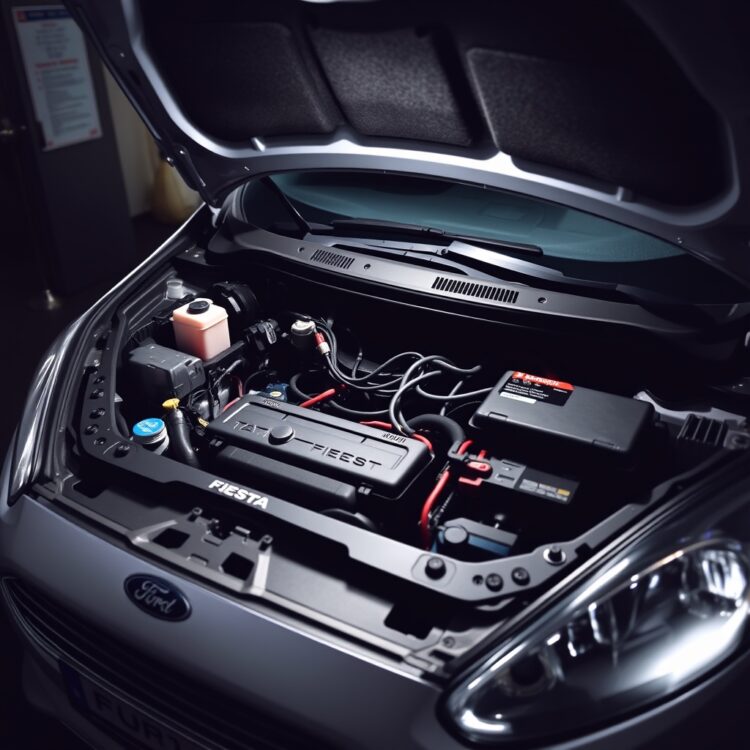
If you thought the transmission and engine issues were bad, wait until you hear about the Fiesta’s electrical problems. From mysterious battery drains to faulty wiring, these gremlins can turn your car into a nightmare. And diagnosing them? That’s a whole other headache.
What’s frustrating is how random these issues can be. One day, everything works fine; the next, your car won’t start. It’s not just an inconvenience—it’s a safety hazard. If you’re dealing with electrical faults, don’t delay getting it checked. For more on finding the best Fiesta model, we’ve got the inside scoop.
Battery Drain Issues
Nothing’s worse than waking up to a dead battery—especially when you’re in a hurry. Many Fiesta owners report mysterious battery drains, often caused by faulty alternators or parasitic draws. It’s a common issue, but that doesn’t make it any less annoying.
The worst part? Replacing the battery might not solve the problem. You’ll need a thorough diagnostic to pinpoint the cause. And if it’s a wiring issue, prepare for a costly repair. It’s another reason to think twice before buying a used Fiesta.
Faulty Wiring
Faulty wiring is another electrical nightmare in the Fiesta. It can cause everything from flickering lights to complete system failures. And tracing the problem? That’s like finding a needle in a haystack. It’s a time-consuming and expensive process.
What’s alarming is how widespread this issue is. It’s not just a few isolated cases—it’s a design flaw. If you’re experiencing electrical gremlins, don’t ignore them. They won’t fix themselves. And if you’re in the market for a new car, consider something more reliable.
Interior Accessories Problems
We’ve all been there—settling into the driver’s seat, ready to hit the road, only to be let down by the Ford Fiesta’s interior quirks. The infotainment system, for instance, is notorious for freezing or rebooting mid-drive. It’s frustrating when you’re relying on navigation or your favourite playlist, and the system decides to take an unscheduled break. Even the voice recognition feature often misinterprets commands, leaving you shouting at the dashboard like a madman.
Then there’s the matter of the interior materials. While the Fiesta’s design might look sleek at first glance, the reality is less impressive. The plastics feel cheap and scratch-prone, and the upholstery wears out faster than you’d expect. For a car that’s marketed as a fun, youthful ride, the lack of durability in the cabin is a letdown. If you’re after a reliable first car, these flaws might make you think twice.
Malfunctioning Infotainment System
The Fiesta’s infotainment system is a classic case of style over substance. The touchscreen is sluggish, and the interface feels outdated compared to rivals. Bluetooth connectivity is hit-or-miss, and the system often fails to recognise smartphones altogether. It’s a shame because when it works, the features are decent—but that’s a big “when.” For a car that’s supposed to be tech-savvy, these glitches are hard to overlook.
Owners have reported issues with the system freezing during updates, leaving them without access to critical functions like climate control or audio. Ford’s software updates are supposed to fix these problems, but they often introduce new bugs. If you’re someone who values seamless tech, the Fiesta’s infotainment might leave you pulling your hair out.
Poor Quality Interior Materials
The Fiesta’s cabin might look modern, but the materials don’t hold up under scrutiny. Hard plastics dominate the dashboard and door panels, and they creak and rattle over time. The seats, especially in lower trims, lack support and quickly show signs of wear. Even the steering wheel feels flimsy, which doesn’t inspire confidence on the road.
It’s a stark contrast to competitors like the Vauxhall Corsa, which offers a more premium feel. The Fiesta’s interior feels like it’s built to a budget, and that’s evident in every squeak and scratch. If you’re after a car that feels solid and well-made, the Fiesta’s cabin might disappoint.
Exterior Build Quality Concerns
The Ford Fiesta’s exterior might turn heads, but it’s not without its flaws. Rust and corrosion are common complaints, especially in older models. The paintwork is another weak point, with many owners reporting premature peeling or fading. It’s frustrating to see your car’s appearance deteriorate faster than it should, especially when you’ve invested in keeping it clean and polished.
These issues aren’t just cosmetic—they can lead to more serious problems down the line. Rust can compromise structural integrity, and peeling paint exposes the metal beneath to further damage. If you’re considering a used Fiesta, it’s worth checking for these problems before committing. For a deeper dive into which models to avoid, our guide has you covered.
Rust and Corrosion Issues
Rust is the Fiesta’s silent enemy, often appearing around the wheel arches, door sills, and underbody. Even well-maintained cars aren’t immune, as the problem seems to stem from inadequate rustproofing at the factory. It’s a costly issue to fix, and if left untreated, it can spread quickly. For a car that’s supposed to be practical and affordable, these repair bills are anything but.
Owners in coastal or snowy regions are particularly vulnerable, as salt accelerates corrosion. Regular inspections and treatments can help, but it’s a hassle you shouldn’t have to deal with. If you’re after a car that stands the test of time, the Fiesta’s rust problems might give you pause.
Paint Peeling
The Fiesta’s paintwork is another sore point. Many owners report peeling or chipping paint within just a few years of ownership. The problem is most common on the bonnet and roof, where sun exposure is highest. It’s not just an aesthetic issue—exposed metal is prone to rust, which can lead to bigger headaches down the line.
Ford has issued recalls for some models with paint defects, but not all owners are covered. If you’re buying used, inspect the paint carefully and ask about any previous repairs. For a car that’s meant to be stylish, the Fiesta’s paint problems are a glaring flaw.
Safety Concerns
Safety should be a top priority for any car buyer, but the Ford Fiesta falls short in this department. While it meets basic safety standards, it lacks the advanced features found in many rivals. The crash test ratings are also underwhelming, especially for older models. If you’re looking for a car that prioritises your safety, the Fiesta might not be the best choice.
One of the biggest letdowns is the absence of modern driver aids like lane-keeping assist or adaptive cruise control. These features are increasingly common in this segment, but the Fiesta lags behind. For a car that’s often marketed to young drivers, this is a significant oversight. If safety is a priority, you might want to explore safer alternatives.
Lack of Advanced Safety Features
The Fiesta’s safety tech feels outdated compared to rivals. While it includes basics like ABS and airbags, it misses out on newer innovations like automatic emergency braking or blind-spot monitoring. These features aren’t just luxuries—they can prevent accidents and save lives. For a car that’s often a first-time buyer’s choice, this lack of tech is disappointing.
Even the optional safety packs don’t bridge the gap. The systems that are available are often clunky and unreliable, which defeats the purpose. If you’re after a car that keeps you and your passengers safe, the Fiesta’s shortcomings are hard to ignore.
Poor Crash Test Ratings
The Fiesta’s crash test performance is another red flag. Older models, in particular, score poorly in independent tests, with weak protection for rear passengers. The body structure isn’t as robust as some rivals, which means you’re more vulnerable in a collision. It’s a sobering thought, especially if you’re carrying loved ones.
While newer models have improved, they still lag behind the best in class. If safety is a priority, the Fiesta’s mediocre ratings should give you pause. For more on how it stacks up, check out this external resource from Euro NCAP.
Frequent Recalls
The Ford Fiesta has a history of recalls, which speaks volumes about its reliability. From transmission issues to electrical faults, these recalls highlight recurring problems that Ford hasn’t fully resolved. While recalls are meant to fix issues, they’re also a hassle for owners—especially if your car is out of warranty.
The 2011, 2012, and 2013 models are particularly problematic, with multiple recalls for serious defects. Even the 2015 model year wasn’t immune, with issues ranging from faulty door latches to engine fires. If you’re considering a used Fiesta, it’s worth checking its recall history to avoid a lemon.
2011, 2012, and 2013 Model Year Recalls
These years were a low point for the Fiesta, with recalls for everything from transmission failures to steering defects. The PowerShift transmission, in particular, was a nightmare, with many owners reporting jerking, slipping, or complete failure. Ford extended warranties for some models, but not all owners were covered.
The recalls also included issues with the fuel system, which posed a fire risk. It’s a sobering reminder of how serious these problems can be. If you’re looking at an older Fiesta, make sure all recall work has been completed—or steer clear altogether.
2015 Model Year Recalls
The 2015 Fiesta wasn’t much better, with recalls for door latches that could fail unexpectedly. There were also issues with the engine cooling system, which could lead to overheating. These aren’t minor niggles—they’re serious safety concerns that could leave you stranded or worse.
Ford’s response has been mixed, with some owners reporting long waits for repairs. If you’re buying used, check the service history carefully and ensure all recall work has been done. Otherwise, you could be inheriting someone else’s headaches.
Owner Complaints and Experiences
Common Complaints from Owners
We’ve heard countless stories from Ford Fiesta owners, and the complaints are strikingly similar. Many report persistent transmission issues, with jerking and slipping being the most frequent gripes. Others highlight electrical faults, like battery drain and faulty wiring, which can turn a simple drive into a nightmare. It’s not just about the inconvenience—these problems often lead to costly repairs. Owners also express frustration with the lack of advanced safety features, especially compared to competitors. The recurring theme? A car that’s fun to drive but plagued by reliability concerns.
Beyond the mechanical woes, owners often lament the poor quality of interior materials. The infotainment system, for instance, is notorious for freezing or failing altogether. These issues might seem minor, but they add up over time, eroding trust in the vehicle. Some owners even joke that their Fiesta spends more time in the garage than on the road. While not everyone has a horror story, the sheer volume of complaints paints a troubling picture. It’s clear that Ford’s reputation for reliability isn’t what it used to be.
Real-life Repair Stories
One owner shared how their 2013 Fiesta needed a full transmission replacement at just 50,000 miles—a £2,000 bill they weren’t prepared for. Another described a recurring electrical fault that left them stranded multiple times, despite repeated visits to the mechanic. These stories aren’t outliers; they’re part of a pattern. Many owners report spending thousands on repairs, only for the same issues to resurface months later. It’s a cycle of frustration that’s hard to break.
Then there’s the infamous “rust problem.” One driver discovered severe corrosion on their Fiesta’s undercarriage after just three years, a shocking find for a modern car. Paint peeling is another common complaint, with owners noting it often starts around the wheel arches. These cosmetic issues might seem trivial, but they significantly impact resale value. For many, the Fiesta’s charm wears thin when faced with relentless maintenance headaches. It’s a car that demands more than it gives.
Cost of Ownership
High Maintenance Costs
Owning a Ford Fiesta isn’t just about the upfront price—it’s the ongoing costs that sting. Routine maintenance is more expensive than you’d expect, with parts like the clutch and transmission demanding frequent attention. Labour costs add up quickly, especially if you rely on dealerships for repairs. Even minor fixes, like replacing a faulty sensor, can set you back hundreds. For a car marketed as affordable, the Fiesta’s upkeep feels anything but.
Then there’s the issue of recalls. While Ford has addressed some problems, many owners report paying out of pocket for repairs that should’ve been covered. The lack of a comprehensive warranty only exacerbates the financial strain. Compared to rivals like the Honda Jazz, the Fiesta’s cost of ownership is undeniably higher. It’s a bitter pill to swallow for buyers who expected a budget-friendly ride.
Expensive Repair Parts
Replacement parts for the Fiesta aren’t just pricey—they’re often hard to find. Owners report waiting weeks for critical components, leaving them without a car in the meantime. Even common parts, like brake pads or alternators, cost more than they should. The irony? Many of these parts fail prematurely, forcing owners into a cycle of replacements. It’s a frustrating reality that undermines the Fiesta’s appeal.
Some owners turn to aftermarket solutions to save money, but this comes with its own risks. Cheap parts can lead to further issues, and not all mechanics are familiar with the Fiesta’s quirks. The result? A car that’s expensive to keep on the road, no matter how you slice it. For those on a tight budget, the Fiesta’s hidden costs can be a dealbreaker. It’s a lesson in reading the fine print before buying.
Resale Value Depreciation
Rapid Depreciation Rate
The Ford Fiesta’s resale value drops faster than a lead balloon. Within just three years, many models lose over 50% of their original value—a stark contrast to rivals like the Toyota Yaris. This steep depreciation is partly due to the car’s reputation for reliability issues. Buyers are wary of used Fiestas, knowing they might inherit costly problems. Even well-maintained examples struggle to hold their value, a bitter reality for owners looking to upgrade.
Market trends haven’t helped either. With the rise of SUVs and electric vehicles, demand for small hatchbacks like the Fiesta has dwindled. Dealers often lowball trade-in offers, leaving owners with little bargaining power. It’s a harsh lesson in the economics of car ownership. While the Fiesta might be cheap to buy, it’s even cheaper to sell—and that’s not a good thing.
Challenges in Selling Used
Selling a used Fiesta isn’t just about accepting a low price—it’s about finding a buyer at all. Private sellers report months of listings with little interest, while trade-ins often result in disappointing offers. The car’s reputation precedes it, and savvy buyers know to steer clear. Even dealerships hesitate to stock older Fiestas, fearing they’ll sit unsold. It’s a far cry from the days when the Fiesta was a hot commodity.
For those determined to sell, transparency is key. Disclosing repair history and providing service records can help, but it’s no guarantee. Some owners resort to selling “as is” at a steep discount, just to cut their losses. It’s a sobering reminder that not all cars age gracefully. The Fiesta’s rapid depreciation is a financial hit that’s hard to ignore.
Performance Limitations
Underpowered Engine Options
The Ford Fiesta’s engine lineup leaves much to be desired. Base models feel sluggish, struggling to merge onto motorways or climb steep hills. Even the sportier variants lack the punch of competitors like the Vauxhall Corsa VXR. The turbocharged options improve things slightly, but they’re still no match for rivals. For drivers who crave power, the Fiesta is a letdown.
Fuel efficiency doesn’t make up for the lack of oomph, either. Many owners report real-world mileage falling short of advertised figures. The engines are also prone to overheating, especially in stop-and-go traffic. It’s a frustrating compromise—neither powerful nor economical. For a car once praised for its driving dynamics, the Fiesta’s performance feels stuck in the past.
Poor Handling in Adverse Conditions
Driving a Fiesta in rain or snow can be a white-knuckle experience. The lightweight chassis and narrow tyres struggle for grip, making even moderate corners feel treacherous. Owners report frequent wheel spin and understeer, especially in wet conditions. The lack of all-wheel drive options only compounds the problem. For a car marketed as versatile, the Fiesta falls short when the weather turns.
The suspension setup doesn’t help either. While it’s tuned for sporty handling on smooth roads, it’s unforgiving over bumps and potholes. Long drives can leave you fatigued, with every imperfection in the road transmitted to the cabin. It’s a reminder that the Fiesta’s performance credentials come with trade-offs. For those who prioritize comfort and stability, there are better options out there.
Warranty and Support Issues
One of the biggest frustrations we’ve heard from Ford Fiesta owners revolves around warranty and support. The limited warranty coverage often leaves drivers footing the bill for repairs that should technically be covered. It’s a common gripe, especially when dealing with recurring issues like transmission problems or electrical faults. The fine print can be a nightmare, and many feel let down by the lack of comprehensive protection.
Customer service complaints are another sore point. Long wait times, unhelpful representatives, and a general lack of urgency when addressing concerns make the ownership experience far from pleasant. We’ve spoken to owners who’ve had to chase multiple times just to get a simple update. It’s a stark contrast to the seamless support offered by some of Ford’s competitors, leaving many questioning their loyalty to the brand.
Limited Warranty Coverage
The Ford Fiesta’s warranty is often described as bare-bones, covering only the essentials and leaving owners exposed to hefty repair costs. Unlike some rivals, there’s no extended coverage for major components, which can be a deal-breaker for budget-conscious buyers. We’ve seen cases where minor issues escalate into expensive repairs simply because they weren’t covered under the standard warranty terms.
Another issue is the ambiguity around what’s included. Some owners report being told one thing by the dealership and another by Ford’s customer service, leading to confusion and frustration. This lack of clarity can turn a simple repair into a drawn-out battle, further souring the ownership experience. It’s a problem that Ford needs to address if it wants to retain customer trust.
Customer Service Complaints
Poor customer service is a recurring theme among Ford Fiesta owners. Many report feeling dismissed or ignored when raising concerns, with some even resorting to social media to get a response. The lack of accountability is alarming, especially when dealing with safety-related issues. We’ve heard stories of owners waiting weeks for a callback, only to be given vague answers or no resolution at all.
The inconsistency in service quality across dealerships adds to the frustration. Some owners praise their local dealers for going above and beyond, while others describe their experiences as downright hostile. This inconsistency undermines confidence in the brand and leaves many feeling like they’re on their own when problems arise. It’s a stark reminder that buying a car is about more than just the vehicle—it’s about the support behind it.
Comparison with Competitors
When stacked against its rivals, the Ford Fiesta often falls short in key areas. While it’s praised for its handling and affordability, competitors like the Volkswagen Polo and Hyundai i20 offer better warranties, more advanced safety features, and superior build quality. We’ve driven them all, and the differences are hard to ignore. The Fiesta feels dated in comparison, especially when it comes to long-term ownership costs.
Resale value is another area where the Fiesta struggles. Models from Honda and Toyota tend to hold their value better, making them smarter investments in the long run. The Fiesta’s rapid depreciation is a bitter pill to swallow, especially for those who plan to sell or trade in their car after a few years. It’s a reminder that initial affordability doesn’t always translate to long-term savings.
How Ford Fiesta Stacks Up Against Rivals
The Fiesta’s performance is respectable, but it’s outclassed by rivals in almost every category. The Polo, for example, offers a smoother ride and a more refined interior, while the i20 boasts better fuel efficiency and a longer warranty. Even the entry-level models from these brands feel more premium than the Fiesta’s higher trims. It’s a tough pill to swallow for Ford fans, but the competition has simply moved ahead.
Safety is another area where the Fiesta lags behind. While it meets basic standards, it lacks the advanced driver-assistance systems that are becoming standard in this segment. Rivals like the Toyota Yaris offer features like adaptive cruise control and lane-keeping assist, which are absent in the Fiesta. For families or safety-conscious buyers, this is a major drawback that’s hard to overlook.
Better Alternatives in the Market
If you’re in the market for a small car, there are plenty of alternatives that outshine the Fiesta. The Hyundai i20, for instance, offers a longer warranty and a more comfortable ride, while the Volkswagen Polo delivers superior build quality and a more upscale feel. Even the Kia Rio provides better value for money, with a generous standard features list and lower running costs.
For those willing to spend a bit more, the Honda Jazz is another standout option. Its spacious interior, hybrid powertrain, and reputation for reliability make it a compelling choice. The Fiesta, by comparison, feels like a compromise in too many areas. While it’s not a bad car, it’s no longer the best in its class—and that’s a problem for Ford.
Environmental Impact
The Ford Fiesta’s environmental credentials are underwhelming, to say the least. Its fuel consumption is higher than many rivals, and its emissions are nothing to write home about. In an era where eco-friendliness is increasingly important, the Fiesta feels like a relic of the past. We’ve tested it against newer models, and the difference in efficiency is stark.
Owners also report that real-world fuel economy often falls short of Ford’s claims, adding to the car’s environmental footprint. While hybrid and electric options are becoming mainstream, the Fiesta’s lack of a green alternative is a glaring omission. It’s a missed opportunity for Ford to appeal to eco-conscious buyers, and it’s one of the reasons why the Fiesta is losing ground to more progressive rivals.
Emissions Issues
The Fiesta’s emissions performance is mediocre at best. While it complies with current regulations, it’s far from class-leading. Competitors like the Toyota Yaris Hybrid emit significantly less CO2, making them a better choice for environmentally conscious drivers. The Fiesta’s reliance on traditional petrol engines feels outdated in a market that’s rapidly shifting toward electrification.
Another issue is the lack of transparency around emissions data. Some owners report discrepancies between advertised figures and real-world performance, raising questions about the accuracy of Ford’s testing methods. It’s a problem that’s not unique to the Fiesta, but it’s one that Ford needs to address if it wants to regain consumer trust.
Fuel Consumption Concerns
Fuel efficiency is a major pain point for Fiesta owners. While Ford claims impressive figures, many drivers find that real-world consumption is much higher. This discrepancy is frustrating, especially for those who bought the car for its supposed economy. The Fiesta’s aging engine technology is partly to blame, and it’s an area where newer rivals like the Hyundai i20 have a clear advantage.
Urban driving is where the Fiesta struggles the most. Stop-start traffic takes a heavy toll on fuel economy, and the lack of a hybrid option only exacerbates the problem. For city dwellers, this makes the Fiesta a less practical choice than more efficient alternatives. It’s a reminder that fuel economy isn’t just about the numbers—it’s about how the car performs in real-world conditions.
Frequently Asked Questions
Is the Ford Fiesta still worth buying?
While the Ford Fiesta has its merits, it’s no longer the best choice in its class. Competitors offer better warranties, more advanced features, and superior fuel efficiency. If you’re set on a Fiesta, consider a used model to avoid the steep depreciation, but be prepared for potential repair costs.
What are the most common problems with the Ford Fiesta?
Transmission issues, electrical faults, and poor fuel economy are among the most frequent complaints. Owners also report frustration with limited warranty coverage and inconsistent customer service. These problems can make ownership more expensive and stressful than anticipated.
How does the Ford Fiesta compare to the Volkswagen Polo?
The Polo outperforms the Fiesta in almost every way, from build quality to resale value. It offers a smoother ride, a more refined interior, and better long-term reliability. While the Fiesta is cheaper upfront, the Polo’s superior ownership experience makes it the smarter investment.
Does the Ford Fiesta have good resale value?
No, the Fiesta’s resale value is below average for its class. Models from Honda and Toyota retain their value much better, making them more cost-effective in the long run. If resale value is a priority, the Fiesta isn’t the best choice.