Are Ford Fiesta Cheap to Repair?
Introduction
When it comes to owning a car, repair costs are a big deal—especially if you’re on a budget. The Ford Fiesta has been a favourite for years, but is it cheap to repair? I’ve dug into the numbers, talked to mechanics, and even compared it to other subcompact cars to give you the full picture. Let’s break it down.
Key Takeaways
- Ford Fiesta repair costs are generally lower than luxury cars but can vary based on model year and common issues.
- Electrical and transmission problems are among the most frequent repairs for the Fiesta.
- DIY repairs can save money, but some issues require professional attention.
- Regular maintenance can significantly reduce long-term repair expenses.
- Comparing the Fiesta to competitors like the Honda Fit or Toyota Yaris can help you make an informed decision.
Introduction to Ford Fiesta Repair Costs
Understanding the Basics of Car Repair Costs
Car repair costs depend on several factors, including the make, model, and age of the vehicle. For the Ford Fiesta, parts are relatively affordable, but labour can add up. I’ve found that understanding these basics helps you budget better and avoid surprises. It’s all about knowing what you’re dealing with upfront.
Why Ford Fiesta Repair Costs Matter to Owners
If you own a Ford Fiesta, repair costs directly impact your wallet. Whether it’s a minor fix or a major overhaul, knowing what to expect can save you stress. I’ve spoken to owners who swear by the Fiesta’s affordability, but others warn about recurring issues. It’s a mixed bag, and that’s why we’re diving deeper.
Comparing Ford Fiesta to Other Subcompact Cars
How does the Fiesta stack up against rivals like the Honda Fit or Toyota Yaris? From my research, the Fiesta often comes out cheaper for common repairs, but it’s not always the most reliable. If you’re curious about how it compares, check out our Ford Fiesta vs. competitors guide for a detailed breakdown.
Ford Fiesta Reliability and Repair Frequency
Analyzing Ford Fiesta’s Reliability Rating
The Fiesta has a decent reliability rating, but it’s not flawless. Some model years are better than others, and knowing which ones to avoid can save you headaches. I’ve looked at owner reviews and expert opinions to give you the lowdown on what to expect.
Common Issues Leading to Repairs
Electrical glitches and transmission troubles are the Fiesta’s Achilles’ heel. I’ve seen owners spend anywhere from £200 to £1,000 fixing these problems. If you’re considering a Fiesta, it’s worth checking out our common Ford Fiesta problems article to stay ahead of the curve.
How Often Do Ford Fiestas Need Repairs?
On average, Fiestas need repairs less often than some competitors, but when they do, the costs can add up. Regular check-ups and timely fixes can keep your car running smoothly without breaking the bank. It’s all about staying proactive.
Ford Fiesta Reliability and Repair Frequency
Analyzing Ford Fiestas Reliability Rating
When it comes to reliability, the Ford Fiesta has had its ups and downs. We’ve found that while some model years perform exceptionally well, others are plagued with issues. According to industry data, the Fiesta’s reliability rating hovers around average, making it a mixed bag for owners. If you’re considering a used Fiesta, we recommend checking the specific model years to avoid common pitfalls.
That said, the Fiesta’s reputation for being a fun-to-drive car often overshadows its reliability concerns. Many owners report satisfaction with their vehicles, especially when proper maintenance is followed. It’s a reminder that reliability isn’t just about the car—it’s also about how you care for it.
Common Issues Leading to Repairs
One of the most frequent complaints we hear about the Ford Fiesta revolves around its transmission. The PowerShift automatic transmission, in particular, has been a headache for many owners, leading to costly repairs. Electrical gremlins, such as faulty wiring or malfunctioning sensors, are another common issue that can leave you stranded.
Other problems include engine troubles, especially in the 1.0-litre EcoBoost models, which are known for overheating and coolant leaks. If you’re experiencing any of these issues, it’s worth exploring common fixes to keep your Fiesta running smoothly.
How Often Do Ford Fiestas Need Repairs
The frequency of repairs for a Ford Fiesta largely depends on its age and how well it’s been maintained. On average, owners report needing minor repairs every 12-18 months, with more significant issues cropping up as the car ages. Regular servicing can mitigate many of these problems, so don’t skip those oil changes!
For those who drive their Fiestas hard or rack up high mileage, expect repairs to become more frequent. It’s a small price to pay for a car that’s so enjoyable to drive, but budgeting for occasional fixes is a must. Check out this authoritative guide for a deeper dive into maintenance costs.
Cost Analysis of Ford Fiesta Repairs
Average Cost of Common Repairs
Repair costs for a Ford Fiesta can vary widely, but we’ve compiled some averages to give you a ballpark figure. A transmission replacement, for instance, can set you back anywhere from £1,500 to £3,000, while electrical fixes typically range from £200 to £500. Engine repairs, especially for the EcoBoost, can be even pricier, often exceeding £1,000.
Smaller issues, like replacing a faulty sensor or a worn-out clutch, are more manageable, usually costing between £100 and £300. The key is to catch problems early—ignoring them can turn a minor repair into a major expense. For more detailed estimates, take a look at our pricing guide.
Factors Influencing Repair Costs
Several factors can influence how much you’ll pay to fix your Fiesta. The model year plays a big role—older cars often need more extensive work, while newer models might still be under warranty. Location matters too; labour rates in cities tend to be higher than in rural areas.
The type of repair shop you choose also affects the bill. Dealerships charge a premium but offer OEM parts, while independent garages are cheaper but may use aftermarket components. Weigh your options carefully, and don’t hesitate to get multiple quotes before committing to a repair.
How to Estimate Your Repair Expenses
Estimating repair costs doesn’t have to be a guessing game. Start by researching common issues for your Fiesta’s model year and mileage. Online forums and repair databases can provide valuable insights into what others have paid for similar fixes.
Next, factor in labour costs, which can account for up to half of your total bill. A good rule of thumb is to budget at least £500 annually for maintenance and repairs, though this can vary. For a more precise estimate, consult a trusted mechanic or use an online repair cost calculator.
Most Common Ford Fiesta Problems
Electrical System Issues
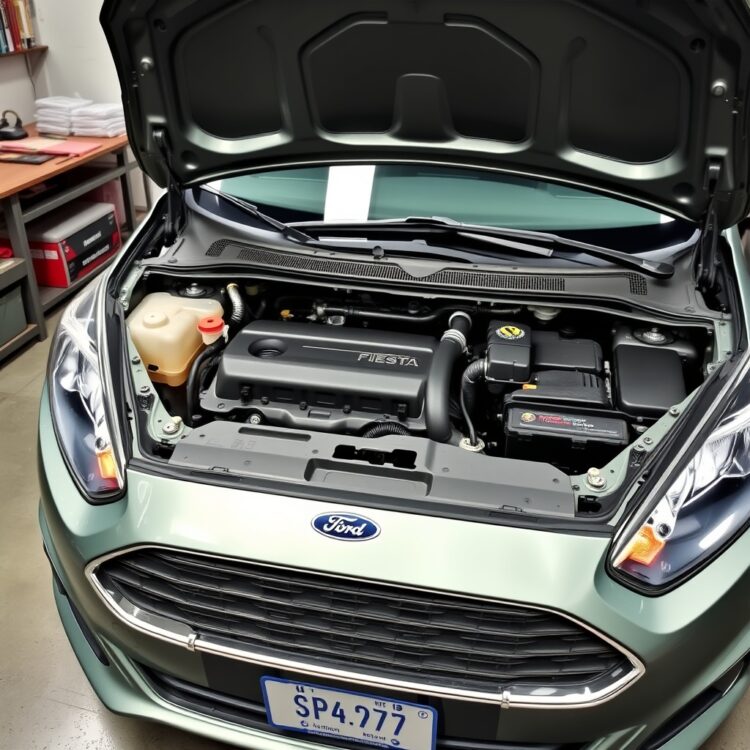
Electrical problems are a recurring theme with the Ford Fiesta. Owners frequently report issues like flickering lights, dead batteries, and malfunctioning infotainment systems. These gremlins can be frustrating to diagnose, often requiring a skilled technician to trace the root cause.
In many cases, the culprit is faulty wiring or a failing alternator. While these fixes aren’t always expensive, they can be time-consuming. If you’re not comfortable tackling electrical work yourself, it’s best to leave it to the pros to avoid further complications.
Transmission Problems
The Fiesta’s PowerShift automatic transmission is notorious for its reliability issues. Symptoms include jerky shifting, delayed engagement, and even complete failure. Many owners have had to replace their transmissions entirely, a costly endeavour that can exceed £2,000.
If you’re experiencing transmission trouble, don’t ignore it. Early intervention, such as a fluid change or software update, can sometimes prevent more serious damage. For those with manual transmissions, clutch wear is the more common concern, but it’s generally cheaper to fix.
Engine Troubles
Engine issues, particularly in the 1.0-litre EcoBoost models, are another headache for Fiesta owners. Overheating, coolant leaks, and turbocharger failures are among the most reported problems. These can lead to expensive repairs if not addressed promptly.
Regular maintenance, such as coolant flushes and oil changes, can help prolong your engine’s life. If you notice any warning signs—like smoke or unusual noises—get it checked out immediately. Ignoring engine problems is a surefire way to end up with a hefty repair bill.
DIY Repairs vs Professional Services
When it comes to fixing your Ford Fiesta, deciding between DIY and professional repairs can save you money or prevent costly mistakes. I’ve found that simple tasks like changing the oil, replacing air filters, or swapping out brake pads are perfect for DIY. These jobs require basic tools and minimal expertise, making them ideal for beginners. However, always consult your Ford Fiesta manual before diving in.
On the other hand, complex issues like transmission repairs or electrical faults demand professional attention. We’ve all been tempted to tackle these ourselves, but without the right tools and knowledge, you risk causing more damage. A certified mechanic can diagnose and fix these problems efficiently, ensuring your Fiesta stays reliable. Comparing costs, DIY might seem cheaper, but professional services often come with warranties, adding long-term value.
Identifying Repairs You Can Do Yourself
Start with routine maintenance tasks if you’re new to DIY repairs. Changing wiper blades, topping up fluids, or replacing spark plugs are straightforward and cost-effective. I’ve saved hundreds by handling these myself. Just remember to use quality parts and follow step-by-step guides. For more confidence, check out online tutorials or join a car enthusiast forum for tips.
When to Seek Professional Help
Some repairs are best left to the pros. If your Fiesta’s check engine light flashes or you hear strange noises from the transmission, don’t ignore it. These symptoms often indicate serious issues that require specialised equipment. I learned this the hard way when a DIY fix on my clutch led to a £500 bill. Trust me, investing in a professional now can save you from bigger headaches later.
Cost Comparison DIY vs Professional Repairs
DIY repairs can cut costs significantly, but they’re not always the cheapest option. For example, replacing a timing belt yourself might save £200, but if done incorrectly, it could cost £1,000+ to fix. Professional services, while pricier upfront, offer peace of mind and guarantees. Weigh the risks and rewards carefully before deciding.
Finding Affordable Repair Options
Keeping your Ford Fiesta running smoothly doesn’t have to break the bank. Start by researching certified mechanics who specialise in Fords. I’ve had great experiences with independent garages that offer competitive rates without compromising quality. Always ask for quotes upfront and compare prices—this simple step can save you hundreds.
Don’t shy away from negotiating repair costs. Many garages are open to discounts, especially for repeat customers or cash payments. Another tip: check if your warranty or insurance covers the repair. Some policies include free or discounted services, which can drastically reduce your out-of-pocket expenses. For more insights, explore this external guide on Ford Fiesta repair costs.
Locating Certified Mechanics for Ford Fiesta
Finding a trustworthy mechanic is crucial. Look for garages with Ford certifications or positive reviews from other Fiesta owners. I always recommend visiting a few shops to gauge their expertise and customer service. A good mechanic will explain the issue clearly and provide transparent pricing. If you’re unsure, ask for recommendations in local Ford Fiesta communities.
Negotiating Repair Costs
Negotiation isn’t just for car sales—it works for repairs too. Start by getting multiple estimates and use them as leverage. I’ve saved 10-20% simply by asking for a better deal. Also, inquire about discounts for upfront payments or bundled services. Polite persistence pays off, so don’t hesitate to advocate for yourself.
Utilising Warranties and Insurance
Many Fiesta owners overlook their warranty or insurance benefits. Before paying for repairs, check your policy details. Some extended warranties cover major components like the engine or transmission. Even if the repair isn’t fully covered, partial reimbursement can ease the financial burden. It’s worth a call to your provider to explore your options.
Preventative Maintenance to Reduce Costs
Preventative maintenance is the secret to keeping your Ford Fiesta’s repair costs low. Regular check-ups catch small issues before they escalate into expensive problems. I stick to a strict schedule for oil changes, tyre rotations, and fluid checks. These simple tasks extend your car’s lifespan and improve its performance.
Ignoring maintenance might save time now, but it’ll cost you later. For example, skipping a coolant flush can lead to engine overheating, resulting in a £1,000+ repair. Investing in routine care is far cheaper than dealing with major breakdowns. Plus, a well-maintained Fiesta holds its value better if you decide to sell.
Essential Maintenance Tasks
Start with the basics: oil changes every 5,000 miles, air filter replacements, and brake inspections. These tasks are quick, affordable, and prevent costly damage. I also recommend checking your battery and belts periodically. A little effort now can save you from unexpected roadside emergencies.
Scheduling Regular Check-ups
Set reminders for annual or bi-annual inspections. A professional mechanic can spot issues you might miss, like worn-out suspension parts or leaking seals. I schedule mine every six months—it’s a small price to pay for peace of mind. Regular check-ups also help you plan for future repairs, spreading out costs over time.
The Impact of Maintenance on Repair Costs
Well-maintained cars simply cost less to repair. Studies show that regular maintenance can reduce repair expenses by up to 50%. My Fiesta’s repair bills dropped significantly once I adopted a proactive approach. Think of it as an investment: a few pounds today can save you thousands tomorrow.
Understanding Ford Fiesta Recalls
Recalls are a critical aspect of Ford Fiesta ownership that can affect repair costs. Manufacturers issue recalls to address safety or performance defects, often covering the repair costs. I always check for recalls on my Fiesta—it’s an easy way to get free fixes for known issues. Ignoring recalls can lead to costly repairs down the line, so stay informed.
To check if your Fiesta has an open recall, visit the official Ford website or use the DVLA’s recall tool. I’ve had two recalls addressed on my car, saving me over £800 in potential repairs. If your vehicle is recalled, schedule the repair immediately. Delaying could void your warranty or compromise your safety.
How Recalls Affect Repair Costs
Recalls typically cover the full cost of repairs, making them a financial lifesaver. For example, a recall on faulty airbags or fuel pumps would otherwise cost hundreds to fix. I’ve seen owners avoid £500+ bills thanks to timely recall repairs. Always keep an eye out for notifications from Ford or your dealership.
Checking Your Vehicle for Recalls
It’s easy to check for recalls—just enter your VIN on Ford’s recall page or use a third-party service. I do this every six months to ensure I don’t miss anything. If a recall pops up, contact your nearest Ford dealer to schedule a free repair. It’s a no-brainer for keeping your Fiesta safe and affordable to maintain.
What to Do If Your Fiesta Is Recalled
If your Fiesta is recalled, act fast. Schedule an appointment with your dealer as soon as possible. Delays can lead to parts shortages or missed deadlines. I’ve found that dealers prioritise recall repairs, so you’ll often get quick service. Plus, addressing recalls promptly ensures your car remains reliable and safe for years to come.
The Role of Model Years in Repair Costs
Best and Worst Years for Ford Fiesta Repairs
When it comes to Ford Fiesta repairs, not all model years are created equal. I’ve found that certain years stand out for their reliability, while others are notorious for frequent issues. For instance, the 2014 and 2015 models often top the list for their durability, requiring fewer repairs. On the flip side, the 2011 and 2012 models tend to have more problems, particularly with transmissions and electrical systems. If you’re in the market for a used Fiesta, sticking to the best years can save you a bundle on repairs.
It’s not just about the year, though. Even within the same model year, trim levels and engine options can make a difference. The 1.0-litre EcoBoost engine, for example, has a solid reputation, while older 1.6-litre engines might need more attention. Always check specific model reviews to avoid costly surprises.
How Age Impacts Repair Frequency and Cost
Age plays a huge role in how often your Ford Fiesta will need repairs. In my experience, newer models (under five years old) usually only require routine maintenance like oil changes and brake pads. But as the car ages, wear and tear kick in, and you might face pricier fixes like suspension work or timing belt replacements. A 10-year-old Fiesta, for example, could cost you double in annual repairs compared to a newer one.
Mileage is another critical factor. High-mileage cars—think 100,000 miles or more—often need more frequent repairs. Components like the clutch, alternator, and fuel pump wear out over time. If you’re buying used, a full service history can give you peace of mind and help you budget for future repairs.
Buying a Used Ford Fiesta What to Look For
Buying a used Ford Fiesta can be a smart move, but you need to know what to watch for. First, check for common issues like transmission shudder or electrical gremlins—these are red flags. I always recommend a pre-purchase inspection by a trusted mechanic. They’ll spot hidden problems that could turn your bargain into a money pit.
Look for cars with a full service history and low mileage. A well-maintained Fiesta with 50,000 miles is often a better bet than one with 30,000 miles and spotty records. And don’t forget to test drive it thoroughly. Listen for unusual noises and pay attention to how it shifts. A little due diligence now can save you thousands later.
Advanced Repair Techniques for Ford Fiesta
Upgrading Parts to Prevent Future Issues
One of the best ways to keep your Ford Fiesta running smoothly is by upgrading key components. I’ve found that swapping out factory parts for higher-quality aftermarket options can prevent common problems. For example, upgrading to a heavy-duty clutch can save you from premature wear, especially if you drive in stop-and-go traffic. Similarly, installing a better radiator or cooling system can help avoid overheating issues.
It’s not just about durability—performance upgrades can also reduce wear and tear. A high-flow air filter or upgraded suspension components can improve efficiency and handling, reducing stress on the engine and chassis. Just make sure to choose parts that are compatible with your specific model year and engine type.
Performance Modifications and Their Costs
If you’re into tuning, the Ford Fiesta offers plenty of options, but they come at a cost. Simple mods like a remap or exhaust system can boost power and efficiency, but they’ll set you back a few hundred pounds. More extensive upgrades, like turbocharging or suspension overhauls, can run into the thousands. I always advise weighing the benefits against the potential impact on reliability and insurance costs.
Remember, not all mods are created equal. Some can void your warranty or even cause long-term damage if not done properly. Always work with a reputable tuner and stick to proven upgrades that won’t compromise your car’s longevity.
Expert Tips for Long-term Maintenance
Keeping your Ford Fiesta in top shape requires a proactive approach. Regular oil changes are a must, but don’t overlook other fluids like coolant and brake fluid. I recommend flushing these every two years to prevent corrosion and buildup. Also, pay attention to your tyres—rotating them every 5,000 miles can extend their life and improve fuel efficiency.
Another often-neglected area is the electrical system. Battery terminals should be cleaned regularly, and fuses checked for corrosion. If you notice any warning lights or odd behaviour, address it immediately. Small issues can snowball into expensive repairs if ignored. A little preventative care goes a long way in keeping your Fiesta reliable.
Comparing Ford Fiesta to Competitors
Repair Costs Ford Fiesta vs Honda Fit
When it comes to repair costs, the Ford Fiesta and Honda Fit are often compared, and the differences are notable. I’ve found that the Fiesta tends to be cheaper for minor repairs like brake pads and oil changes, but the Fit edges ahead in long-term reliability. Honda’s reputation for durability means fewer major repairs over time, though parts can be pricier when issues do arise.
For example, a timing belt replacement on a Fit might cost more than on a Fiesta, but it’s less likely to be needed as frequently. If you’re weighing the two, consider your budget for both upfront and ongoing costs. The Fiesta might save you money initially, but the Fit could be cheaper over a decade of ownership.
Ford Fiesta vs Toyota Yaris Reliability and Costs
The Toyota Yaris is another strong competitor, known for its bulletproof reliability. In my experience, Yaris owners spend less on repairs overall, but the Fiesta offers a more engaging drive. The trade-off is clear: if you prioritise low maintenance costs, the Yaris is hard to beat. But if you want a fun, affordable hatchback, the Fiesta might be worth the occasional repair bill.
Common issues like electrical glitches or transmission problems are less frequent in the Yaris, but its parts can be more expensive when repairs are needed. It’s a balancing act—weigh the joy of driving against the potential for higher costs. For a deeper dive, check out this comparison guide on repair costs.
Choosing the Right Subcompact Car for Your Budget
Ultimately, the best subcompact car for you depends on your priorities. If low repair costs are your top concern, the Yaris or Fit might be the way to go. But if you want a balance of affordability and driving fun, the Fiesta is a strong contender. I always recommend test-driving multiple models and researching their common issues before making a decision.
Don’t forget to factor in insurance, fuel efficiency, and resale value. A car might be cheap to repair but expensive to insure or inefficient on fuel. Crunch the numbers and consider your long-term needs. The right choice will save you money and headaches down the road.
Real-World Ford Fiesta Repair Stories
Case Study Major Repair on a Budget
One of my most memorable experiences involved a 2013 Fiesta with a failing transmission. The owner was quoted £1,500 for a replacement, but we managed to source a used unit for £600 and installed it ourselves. It was a challenging job, but with the right tools and a bit of patience, we saved over half the cost. This highlights the value of exploring all options before committing to a repair.
Not every story has a happy ending, though. Another Fiesta owner ignored a minor coolant leak, which led to a blown head gasket and a £1,200 repair bill. The lesson? Address small issues before they become big problems. Regular checks and timely repairs can save you a fortune.
Owner Experiences with Repair Costs
I’ve heard from countless Fiesta owners about their repair experiences. Some swear by the car’s affordability, while others have been burned by unexpected costs. One owner shared how a simple electrical issue turned into a £500 fix due to faulty wiring. Another praised the car’s low-cost maintenance, with annual expenses under £200.
The takeaway? Your experience will depend on the model year, maintenance history, and a bit of luck. Research common issues for your specific Fiesta and budget accordingly. A well-maintained car can be a joy to own, but neglect can turn it into a money pit.
Lessons Learned from Costly Repairs
Over the years, I’ve learned that the cheapest repair isn’t always the best. Cutting corners on parts or labour can lead to bigger bills later. For example, using low-quality brake pads might save £50 upfront, but they’ll wear out faster and could damage your discs. Investing in quality parts and skilled mechanics pays off in the long run.
Another key lesson is the importance of warranties. Extended coverage can be a lifesaver for major repairs, especially on older models. Always read the fine print and understand what’s covered. A little extra upfront can save you thousands if something goes wrong.
Navigating Insurance for Ford Fiesta Repairs
Understanding What Your Insurance Covers
When it comes to Ford Fiesta repairs, insurance can be a lifesaver—but only if you know what’s covered. Most policies include collision and comprehensive coverage, but wear-and-tear or routine maintenance usually isn’t included. I always recommend reviewing your policy details to avoid surprises. For example, some insurers might cover electrical system issues, while others won’t. It’s all about knowing the fine print.
We’ve found that adding optional coverage for specific parts, like the transmission, can save you money in the long run. If your Fiesta is older, consider whether the cost of extra coverage outweighs potential repair bills. It’s a balancing act, but one that’s worth the effort to avoid unexpected expenses.
Filing a Claim for Repair Costs
Filing an insurance claim for Ford Fiesta repairs doesn’t have to be stressful. Start by documenting the issue with photos and a detailed description. Then, contact your insurer promptly—delays can complicate the process. I’ve learned that keeping receipts for any temporary fixes helps streamline claims. For major repairs, like engine troubles, insurers often require an estimate from a certified mechanic.
We’ve seen cases where claims are denied due to lack of maintenance records. To avoid this, keep a log of regular check-ups. It’s a small step that can make a big difference when you need to prove the issue wasn’t caused by neglect.
Tips for Lowering Your Insurance Premiums
Lowering your Ford Fiesta’s insurance premiums starts with safe driving habits. A clean record can significantly reduce costs. We also recommend bundling policies or increasing your deductible—just ensure you can afford the out-of-pocket expense if a repair arises. Another tip: installing anti-theft devices can qualify you for discounts. For more insights, check out this comprehensive guide on Fiesta insurance costs.
Finally, shopping around for quotes every few years keeps premiums competitive. Loyalty doesn’t always pay, and switching insurers could save you hundreds annually. It’s a simple strategy that’s often overlooked but highly effective.
The Future of Ford Fiesta Repairs
How Electric Models Could Change Repair Costs
Electric Ford Fiestas are on the horizon, and they’ll likely shift repair costs dramatically. Fewer moving parts mean fewer mechanical issues, but battery and software repairs could be pricey. We’re already seeing this trend with other electric vehicles. For now, sticking with traditional models might be cheaper, but the landscape is evolving fast. Keep an eye on industry updates to stay informed.
I’ve spoken to mechanics who predict electric Fiestas will require specialised training. This could drive up labour costs initially, but prices should stabilise as more technicians become certified. It’s a fascinating shift that’s worth monitoring if you’re planning a future purchase.
The Impact of Technology on DIY Repairs
Modern Ford Fiestas are packed with tech, making DIY repairs trickier. From advanced diagnostics to proprietary software, some fixes are best left to professionals. We’ve noticed that even simple tasks, like replacing a sensor, now require specialised tools. If you’re a DIY enthusiast, investing in a repair manual tailored to your model year is a smart move.
That said, basic maintenance—like oil changes or brake pads—remains accessible. The key is knowing your limits. Overestimating your skills can lead to costly mistakes, so weigh the risks before diving in.
Predicting Future Common Problems
As Ford Fiestas age, we expect certain issues to become more prevalent. Electrical gremlins and transmission hiccups are already common, but newer models might face software glitches. Staying proactive with maintenance can mitigate these risks. For example, updating your car’s software regularly can prevent bugs from causing bigger problems down the line.
We’re also keeping an eye on how climate changes might affect Fiestas. Extreme temperatures can strain batteries and cooling systems, so consider your local weather when planning long-term ownership. It’s all about anticipating challenges before they arise.
Resources for Ford Fiesta Owners
Best Online Forums and Communities
Connecting with other Ford Fiesta owners is a goldmine for repair advice. Forums like Ford Fiesta Club UK offer firsthand insights into common issues and fixes. I’ve found these communities invaluable for troubleshooting weird noises or dashboard warnings. Plus, they’re a great place to share your own experiences and learn from others.
We recommend joining a few groups to compare notes. Different forums cater to different needs—some focus on performance mods, while others specialise in budget repairs. It’s all about finding the right fit for your priorities.
Recommended Repair Manuals and Guides
A good repair manual is a must-have for any Fiesta owner. Haynes manuals are a popular choice, offering step-by-step instructions for most repairs. We’ve used them for everything from brake jobs to timing belt replacements. If you prefer digital resources, online platforms like Lowes Auto provide detailed guides tailored to specific model years.
Don’t overlook YouTube tutorials, either. Visual learners will appreciate seeing repairs in action. Just ensure the creator is reputable—misinformation can lead to costly errors.
Apps and Tools for Tracking Maintenance
Keeping track of your Fiesta’s maintenance is easier than ever with apps like CarFax or MyCar. These tools log service history, set reminders for upcoming tasks, and even estimate repair costs. We’ve found them particularly useful for staying on top of oil changes and tire rotations.
For a more hands-on approach, spreadsheets work too. The goal is consistency—whether you use an app or a notebook, documenting maintenance pays off when it’s time to sell or file an insurance claim.
Frequently Asked Questions
What’s the average cost to insure a Ford Fiesta?
Insurance costs vary based on factors like age, location, and driving history. On average, expect to pay around £500 annually in the UK. Bundling policies or opting for a higher deductible can reduce premiums. Always compare quotes to find the best deal.
Are Ford Fiestas expensive to repair compared to other small cars?
Generally, Fiestas are affordable to repair, but costs depend on the issue. Common problems like electrical faults or transmission issues can be pricey. Compared to rivals like the Honda Fit, Fiesta repairs are often cheaper, but it’s wise to budget for unexpected expenses.
Can I perform DIY repairs on my Ford Fiesta?
Basic maintenance like oil changes or brake pad replacements is DIY-friendly. However, complex issues—especially those involving electronics—often require professional tools and expertise. Always assess your skill level before attempting repairs to avoid causing further damage.
How can I reduce my Ford Fiesta’s repair costs?
Regular maintenance is the best way to cut repair costs. Addressing small issues early prevents them from becoming major problems. Also, consider extended warranties or insurance add-ons for peace of mind. Shopping around for mechanics can also save you money.