Introduction
When it comes to buying a Ford Fiesta, there’s a lot to consider—whether you’re eyeing a brand-new model or a used gem. I’ve been through the process myself, and trust me, knowing what to look for can save you time, money, and headaches. From understanding the model range to evaluating condition and performance, let’s dive into the essentials of making a smart Fiesta purchase.
Key Takeaways
- Research the different generations and features of the Ford Fiesta to find the right fit for your needs.
- Always check the service history and inspect for common wear and tear when buying used.
- Compare engine options—petrol vs. diesel—to balance performance and running costs.
- Test drive thoroughly to assess handling, braking, and overall comfort.
- Negotiate confidently by researching market values and understanding financing options.
Understanding the Ford Fiesta Model Range
Different Generations of the Ford Fiesta
The Ford Fiesta has evolved over the years, with each generation offering unique improvements. From the early Mk1 to the latest models, understanding these changes helps you pinpoint the best fit. For instance, the Mk7 introduced advanced tech features, while earlier models are praised for their simplicity. If you’re unsure where to start, check out our Ford Fiesta pricing guide for a detailed breakdown.
Key Features Across Models
Whether it’s the sporty ST trim or the eco-friendly EcoBoost engines, each Fiesta model comes with standout features. Look for essentials like infotainment systems, safety tech, and fuel efficiency. Remember, newer models often include upgrades like Apple CarPlay, but older ones might offer better value. It’s all about balancing your priorities.
Identifying the Right Model for Your Needs
Are you after a zippy city car or a reliable commuter? The Fiesta’s versatility means there’s something for everyone. Consider your daily drives, budget, and must-have features. For example, if you’re a first-time buyer, the Fiesta’s reputation as an ideal first car might just seal the deal.
Evaluating the Condition of a Used Ford Fiesta
Checking for Common Wear and Tear
When I inspect a used Ford Fiesta, the first thing I look for is common wear and tear. The interior often shows signs of use, especially on the seats, steering wheel, and gear stick. Exterior checks include rust spots, particularly around the wheel arches and undercarriage. Tyres should have even wear—uneven tread could indicate alignment issues. Don’t forget to test all buttons and switches; a faulty infotainment system is a red flag. A thorough inspection here can save you from costly repairs later.
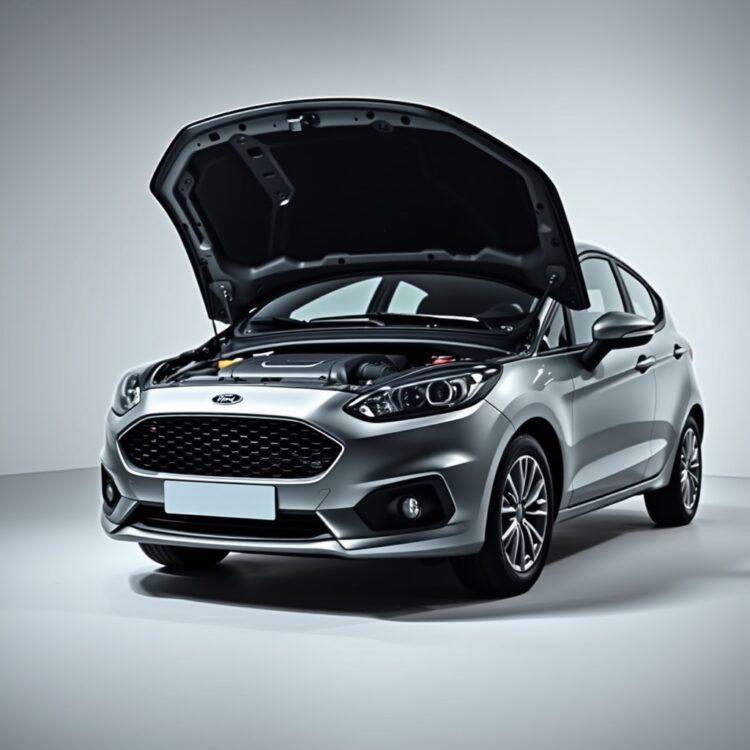
Next, I focus on the engine bay. Leaks, corroded battery terminals, or worn belts are telltale signs of neglect. Listen for unusual noises when the engine runs. A well-maintained Fiesta should purr smoothly. If you’re unsure, bring a mechanic or check out our used car buying guide for more tips. Remember, minor wear is normal, but excessive damage suggests a lack of care.
Importance of Service History
A complete service history is non-negotiable for me. It’s the car’s health record, showing regular oil changes, brake checks, and other maintenance. Missing records? Proceed with caution. I’ve seen too many buyers regret skipping this step. A full history not only confirms care but also helps predict future costs. If the seller hesitates, it’s a red flag. Always verify the mileage matches the paperwork—discrepancies could mean tampering.
For peace of mind, I recommend a vehicle history check. It reveals accidents, write-offs, and outstanding finance. A clean report adds value, while a dodgy one spells trouble. Our resale value guide dives deeper into this. Trust me, skipping this step is like buying a mystery box—you might get lucky, but why risk it?
Signs of Accident Damage
Accident damage isn’t always obvious, so I look for subtle clues. Misaligned panels, uneven gaps between doors, or mismatched paint suggest repairs. Open and close all doors and the boot—they should operate smoothly. Check the bonnet for signs of repainting or filler. A bent frame or uneven tyre wear could indicate structural damage. If something feels off, walk away or negotiate hard.
For a deeper dive, I use a magnet to detect filler (it won’t stick to thick layers). Also, inspect the VIN plates for tampering. Accident-free cars hold their value better, so don’t compromise. Need more tips? Our common problems guide covers this in detail. Remember, a cheap price isn’t worth hidden headaches.
Engine Options and Performance
Comparing Petrol vs Diesel Engines
Choosing between petrol and diesel depends on your driving habits. Petrol engines, like the 1.0 EcoBoost, are peppy and efficient for city driving. Diesel variants, such as the 1.5 TDCi, offer better fuel economy on long trips but come with higher upfront costs. I’ve found petrol suits most buyers, but diesel shines for high-mileage drivers. Test both to feel the difference—it’s worth the effort.
Diesel engines are noisier and pricier to maintain, but their torque makes overtaking effortless. Petrol models are quieter and cheaper to service. Consider emissions too—diesel faces stricter regulations. Our petrol vs diesel guide breaks it down further. Your choice should align with your budget and lifestyle.
Understanding Engine Sizes and Power Outputs
Engine size directly impacts performance. The 1.0 EcoBoost (100-140hp) balances power and efficiency, ideal for daily commutes. The 1.6 Ti-VCT (120hp) offers more oomph but drinks more fuel. Smaller engines are cheaper to run and insure, while larger ones deliver thrills. I always recommend test-driving multiple options—what feels sluggish to me might suit you perfectly.
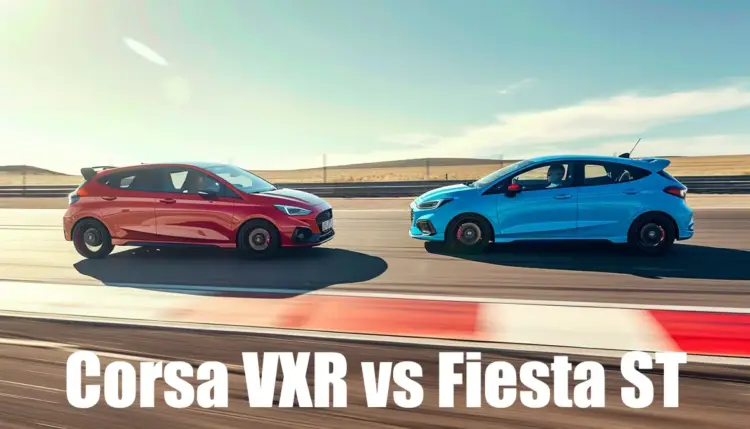
Power outputs vary across models, so check the specs. A turbocharged engine, like the ST’s 1.6 (200hp), transforms the Fiesta into a hot hatch. But remember, more power means higher running costs. Our performance comparison highlights these trade-offs. Match the engine to your needs, not just your dreams.
Fuel Efficiency and Running Costs
Fuel efficiency is a big deal for me. The 1.0 EcoBoost averages 50mpg, while the 1.5 TDCi can hit 70mpg. Hybrid options, like the 1.0 MHEV, offer even better figures. But don’t just rely on claims—real-world driving often differs. Check online forums for owner feedback. Lower fuel bills add up, so think long-term.
Running costs include insurance, tax, and servicing. Smaller engines fall into lower insurance groups, saving you hundreds annually. Road tax is another factor—older diesels may incur surcharges. For a detailed breakdown, see our lifespan guide. A fuel-efficient Fiesta keeps your wallet happy for years.
Transmission Choices
Manual vs Automatic Transmissions
Manual transmissions give me full control and are cheaper to repair. The Fiesta’s 5-speed is smooth and engaging, perfect for enthusiasts. Automatics, like the 6-speed PowerShift, offer convenience but can be pricier to fix. I’ve driven both, and while autos are great in traffic, manuals are more fun. Your choice depends on your driving style and budget.
Automatics are becoming more reliable, but early PowerShift models had issues. If you’re considering one, check for recalls or common faults. Test-drive both to see which suits you. For a deeper dive, read this expert guide on transmission swaps. Remember, the right transmission enhances your driving experience.
Common Transmission Issues to Watch For
Transmission problems can be costly, so I’m always vigilant. Manual gearboxes may grind or pop out of gear—signs of worn synchros. Automatics might jerk or hesitate, indicating clutch or solenoid issues. Listen for whining or clunking noises. A thorough test drive reveals most problems, but a pre-purchase inspection is wise.
Regular maintenance extends transmission life. Check fluid levels and colour—dark or burnt-smelling fluid spells trouble. Our common issues guide covers this in detail. Don’t ignore warning signs; addressing them early saves money and hassle. A well-maintained transmission ensures smooth driving for years.
Safety Features and Ratings
Standard Safety Features in the Ford Fiesta
When I first got behind the wheel of a Ford Fiesta, I was impressed by its commitment to safety. The car comes equipped with a suite of standard features, including electronic stability control, anti-lock brakes, and multiple airbags. Ford’s MyKey system is another standout, allowing owners to set speed limits and audio volume controls for younger drivers. It’s clear that Ford has prioritised safety without compromising on the fun-to-drive nature of the Fiesta. These features make it a solid choice for families and new drivers alike.
Beyond the basics, the Fiesta also includes a lane-keeping system and a driver-set speed limiter. These technologies help prevent accidents before they happen, giving you peace of mind on the road. The inclusion of a seatbelt reminder for all seats is another thoughtful touch. It’s these little details that show Ford’s dedication to keeping everyone safe, whether you’re on a quick errand or a long road trip.
Euro NCAP Safety Ratings Explained
If you’re like me, you want to know how a car performs in real-world scenarios. The Ford Fiesta has earned a 5-star rating from Euro NCAP, the gold standard for vehicle safety assessments. This rating reflects its excellent performance in crash tests, including frontal and side impacts. The passenger compartment remained stable during testing, and dummy readings indicated good protection for knees and femurs. It’s reassuring to know that the Fiesta can handle the unexpected with grace.
Euro NCAP also praised the Fiesta’s advanced safety assist systems, such as autonomous emergency braking (AEB). This feature can detect potential collisions and apply the brakes if the driver doesn’t react in time. For urban driving, where sudden stops are common, AEB is a game-changer. The Fiesta’s high scores in pedestrian protection further highlight its all-around safety credentials. When it comes to keeping you and others safe, the Fiesta doesn’t cut corners.
Interior Comfort and Technology
Assessing Seat Comfort and Cabin Space
Sliding into the Fiesta’s driver’s seat, I immediately noticed the supportive cushioning and adjustable lumbar support. Even on longer drives, fatigue was minimal, thanks to the ergonomic design. The cabin feels spacious for a compact car, with ample headroom and legroom for front passengers. Rear seats are snug but manageable for adults on shorter trips. The materials used are durable yet stylish, striking a balance between practicality and aesthetics.
Storage solutions are cleverly integrated throughout the cabin. Door pockets, cup holders, and a central console provide plenty of space for essentials. The boot is surprisingly generous for its class, easily accommodating a week’s worth of groceries or a small suitcase. Whether you’re commuting or embarking on a weekend adventure, the Fiesta’s interior is designed to keep you comfortable and organised.
Infotainment and Connectivity Options
The Fiesta’s infotainment system is intuitive and responsive, featuring a touchscreen display with Apple CarPlay and Android Auto compatibility. I found the voice control system particularly useful for hands-free navigation and calls. The sound system delivers crisp audio, and the optional B&O Play upgrade is worth considering for audiophiles. Connectivity is seamless, with USB ports and Bluetooth ensuring your devices stay charged and connected.
Ford’s SYNC 3 system is the heart of the Fiesta’s tech offerings, providing access to apps, music, and real-time traffic updates. The system’s user-friendly interface minimises distractions, allowing you to focus on the road. For those who prioritise tech in their daily drive, the Fiesta delivers a modern, connected experience without overwhelming complexity. It’s a testament to Ford’s commitment to blending technology with everyday usability.
Exterior Inspection Tips
Checking Paintwork and Body Condition
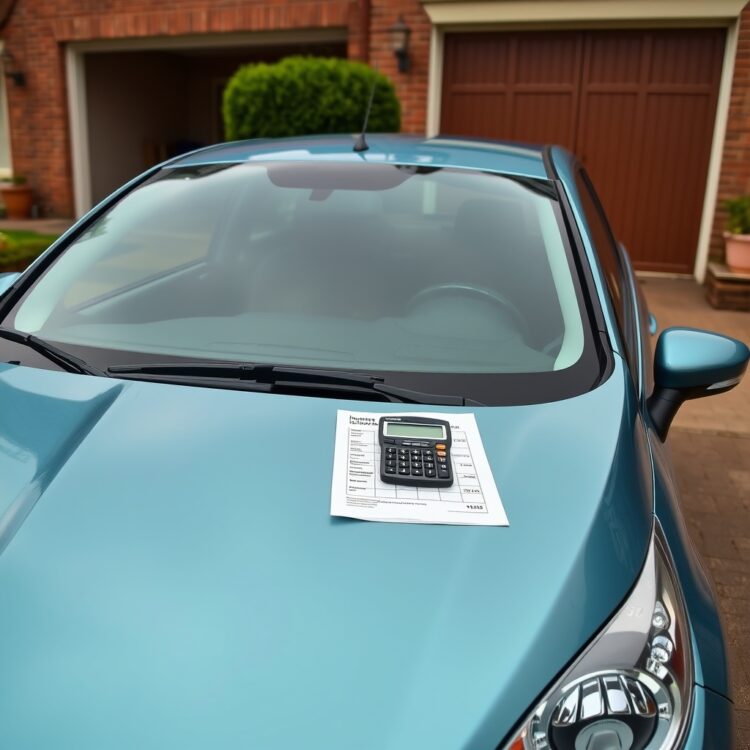
Before committing to a Ford Fiesta, I always recommend a thorough exterior inspection. Start by examining the paintwork for scratches, dents, or uneven colouring, which could indicate previous repairs. Pay special attention to panel gaps—consistent spacing suggests proper assembly. The Fiesta’s sleek design is prone to minor chips, so check the front bumper and bonnet for damage. A well-maintained exterior not only looks good but also protects the car’s structural integrity.
Don’t forget to inspect the undercarriage for rust or corrosion, especially if the car has been driven in harsh weather conditions. Look for signs of moisture in the headlights and taillights, as this could signal seal failures. A clean, damage-free exterior is a good indicator of how the car has been cared for. Taking the time to scrutinise these details can save you from costly repairs down the line.
Wheel and Tire Condition Assessment
The Fiesta’s wheels and tyres are critical to its performance and safety. Check the tread depth using the 20p test—if the outer band of the coin is visible, it’s time for new tyres. Uneven wear patterns could indicate alignment issues or suspension problems. Inspect the wheels for curb damage or bends, as these can affect handling. The Fiesta’s lightweight design means tyres wear evenly if properly maintained, so any irregularities warrant further investigation.
Don’t overlook the spare tyre, if included. Ensure it’s properly inflated and free from dry rot. The condition of the wheels and tyres speaks volumes about the car’s maintenance history. A set of well-cared-for tyres not only enhances safety but also improves fuel efficiency and ride comfort. It’s a small detail that makes a big difference in your driving experience.
Test Driving a Ford Fiesta
What to Listen and Feel For During a Test Drive
During a test drive, I focus on how the Fiesta feels on the road. Listen for unusual noises, such as rattles or knocks, which could indicate loose components or suspension issues. The engine should run smoothly, with no hesitation or rough idling. Pay attention to the brakes—they should respond promptly without squeaking or grinding. The Fiesta’s nimble handling is one of its strengths, so any stiffness or pulling to one side is a red flag.
Take the car on a variety of roads to assess its performance in different conditions. Notice how the transmission shifts—whether manual or automatic, it should be seamless. The steering should feel precise and responsive, with no excessive play. A well-maintained Fiesta will feel agile and confident, whether you’re navigating city streets or cruising on the motorway. Trust your instincts; if something feels off, it’s worth asking questions or walking away.
Evaluating Handling and Braking Performance
The Fiesta’s handling is one of its standout features, offering a balance of comfort and sportiness. On winding roads, the car should feel planted and composed, with minimal body roll. The brakes should bring the car to a stop smoothly and predictably. If the pedal feels spongy or requires excessive pressure, there may be an issue with the braking system. The Fiesta’s lightweight chassis contributes to its responsive nature, making it a joy to drive when everything is in working order.
Don’t forget to test the car at higher speeds to evaluate stability and wind noise. The Fiesta should feel secure and quiet, even at motorway speeds. If you notice vibrations or excessive noise, it could point to wheel alignment or bearing problems. A thorough test drive is your best opportunity to uncover any hidden issues and ensure the Fiesta meets your expectations. After all, buying a car is a significant investment, and you deserve one that performs flawlessly.
Ford Fiesta is a great choice for new drivers, and its affordable pricing makes it even more appealing. For more on its resale value, check out our guide. If you’re curious about models to avoid, we’ve got you covered. For an authoritative take on safety, visit Euro NCAP.
Insurance and Tax Considerations
Understanding Insurance Groups
When buying a Ford Fiesta, it’s crucial to understand how insurance groups work. These groups, ranging from 1 to 50, determine your premium costs. The Fiesta typically falls into groups 10 to 20, depending on the model and engine size. Lower-group cars are cheaper to insure, making them ideal for first-time buyers. Always check the insurance group before committing to a purchase.
Factors like engine power, security features, and repair costs influence the group rating. For example, a 1.0-litre EcoBoost might be cheaper to insure than a 1.6-litre ST. Don’t forget to compare quotes from multiple providers to find the best deal. A little research can save you hundreds annually.
Calculating Annual Road Tax Costs
Road tax, or Vehicle Excise Duty (VED), is another ongoing expense. The amount you pay depends on the car’s CO2 emissions and fuel type. Newer Fiestas with smaller engines, like the 1.0-litre EcoBoost, often qualify for lower tax bands. Pre-2017 models follow a different system, so verify the exact costs for your chosen year.
Electric and hybrid Fiestas benefit from reduced or even zero road tax, making them cost-effective long-term. Always check the VED band on the official documentation to avoid surprises. Budgeting for these expenses ensures you’re not caught off guard after purchase.
Common Mechanical Problems
Known Issues with Ford Fiesta Engines
While the Fiesta is generally reliable, some engines have known issues. The 1.0-litre EcoBoost, for instance, can suffer from coolant leaks and turbocharger failures. Regular maintenance is key to preventing costly repairs. If you’re considering a used model, ask for a full service history to spot recurring problems.
Older diesel engines may experience timing belt wear or injector faults. These issues can be expensive to fix, so factor them into your budget. A pre-purchase inspection by a trusted mechanic can save you from future headaches. Always prioritise models with a solid maintenance record.
Electrical System Faults to Be Aware Of
Electrical gremlins are another common complaint among Fiesta owners. Issues range from faulty door locks to erratic infotainment systems. These problems are often intermittent, making them tricky to diagnose. If you notice warning lights or erratic behaviour during a test drive, proceed with caution.
Battery drain is another frequent issue, especially in models with start-stop technology. Ensure the battery is in good condition and consider investing in a diagnostic scan. Addressing these faults early can prevent more significant problems down the line. A thorough check is your best defence.
Warranty and After-Sales Support
Benefits of Purchasing from a Ford Dealer
Buying from a Ford dealer comes with perks like extended warranties and certified pre-owned programmes. These often include roadside assistance and free servicing for a set period. It’s a safer bet than private sales, especially if you’re not mechanically inclined. Dealers also offer financing options tailored to your needs.
Another advantage is access to genuine Ford parts and trained technicians. This ensures your car is maintained to the highest standards. While dealer prices might be higher, the peace of mind is often worth the extra cost. Always weigh the benefits against your budget.
Understanding Warranty Coverage
Warranties vary depending on the car’s age and mileage. New Fiestas typically come with a three-year warranty, while used models may have a shorter or extended plan. Read the fine print to understand what’s covered—some warranties exclude wear-and-tear items like brakes and tyres.
Third-party warranties are also an option, but they can be hit or miss. Stick to reputable providers and compare terms carefully. A good warranty can save you thousands in unexpected repairs. Don’t skip this step—it’s a small investment for long-term security.
Negotiating the Best Price
Researching Market Values
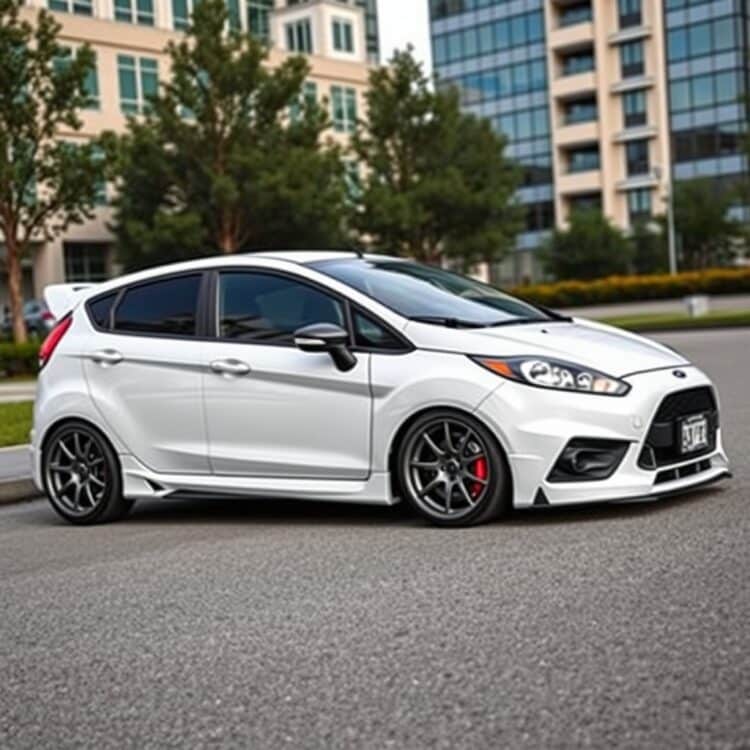
Knowledge is power when negotiating. Use online tools to check the average price for the Fiesta model you’re eyeing. Factors like mileage, condition, and optional extras influence the value. Armed with this data, you can confidently argue for a fair price. Don’t let emotions cloud your judgment—stick to the facts.
Private sellers are often more flexible than dealers, but they may lack warranties. Weigh the pros and cons before making an offer. If the seller won’t budge, consider walking away. There are plenty of Fiestas on the market, and patience pays off. A little persistence can land you a great deal.
Tips for Effective Negotiation
Start by pointing out any flaws or necessary repairs to justify a lower offer. Be polite but firm—aggression rarely works. If the seller resists, ask for extras like free servicing or a full tank of fuel. These small concessions can add up to significant savings. Always be ready to compromise.
Timing can also play a role. Dealers are often more willing to negotiate at the end of the month or financial quarter. Use this to your advantage. And remember, if a deal feels off, trust your instincts. There’s always another car waiting for you. For more tips, check this external guide on insurance groups.
Financing Options for Your Purchase
Comparing Loan vs Lease Options
When buying a Ford Fiesta, financing is a critical step. Loans and leases are the two primary options, each with unique benefits. A loan allows you to own the car outright after payments, while a lease offers lower monthly costs but no ownership. Weigh the long-term value of ownership against the flexibility of leasing to decide what suits your budget and lifestyle best. For more insights, check out our Ford Fiesta pricing guide.
Leasing might appeal if you prefer driving a newer model every few years, but loans are ideal for those planning to keep the car long-term. Interest rates and terms vary, so shop around for the best deal. Remember, a higher down payment can reduce monthly costs, whether you choose a loan or lease. Always read the fine print to avoid hidden fees.
Understanding Interest Rates and Terms
Interest rates significantly impact your total repayment amount. A lower rate saves money over time, so compare offers from multiple lenders. Fixed rates provide predictable payments, while variable rates can fluctuate. Terms typically range from 24 to 72 months; shorter terms mean higher monthly payments but less interest paid overall. For a deeper dive, explore this external guide on Ford Fiesta financing.
Credit scores play a huge role in securing favorable rates. If your score is low, consider improving it before applying. Dealerships often offer financing deals, but banks or credit unions might provide better terms. Don’t rush—take time to understand all options. Our resale value guide can help you plan for the future.
Legal Checks and Documentation
Verifying Vehicle History
Before finalizing your Ford Fiesta purchase, verify its history to avoid hidden issues. A vehicle history report reveals accidents, mileage discrepancies, and ownership records. Services like HPI or AutoCheck provide this data for a small fee. Always cross-check the VIN on the report with the car’s actual VIN to ensure accuracy.
If the seller hesitates to provide a history report, consider it a red flag. A clean report doesn’t guarantee perfection, but it reduces risks. For peace of mind, consult our common Ford Fiesta problems guide to spot potential issues during inspection.
Essential Documents to Request
Ensure the seller provides all necessary documents, including the V5C logbook, MOT certificates, and service history. The logbook confirms ownership, while MOT certificates prove the car’s roadworthiness. A full service history indicates proper maintenance, which is crucial for reliability.
Missing documents can signal trouble, so proceed cautiously. If buying from a dealer, confirm they’ll handle the paperwork transfer. Private sellers should provide a receipt and signed logbook. For more tips, visit our Ford Fiesta years to avoid page.
Finalizing Your Purchase
Completing the Payment Process
Once satisfied with the car and paperwork, it’s time to pay. Bank transfers are secure for private sales, while dealerships accept various methods. Avoid cash for large amounts due to safety concerns. If financing, ensure the lender transfers funds directly to the seller or dealer.
Double-check all details before transferring money. Confirm the seller’s identity and account details to prevent fraud. Keep receipts and copies of all transactions. For a smooth process, refer to our Ford Fiesta buyer’s guide.
Arranging for Vehicle Collection or Delivery
After payment, arrange collection or delivery. If collecting, inspect the car again before driving away. Ensure it matches the agreed condition and includes all promised extras. For delivery, confirm the timeline and tracking details. Dealerships often handle delivery, while private sellers may require you to collect.
Don’t forget insurance—you’ll need it before driving the car home. Temporary cover is an option if your policy isn’t ready. Enjoy your new Ford Fiesta, and remember to keep all documentation safe for future reference.
Frequently Asked Questions
What’s the difference between financing and leasing a Ford Fiesta?
Financing involves borrowing money to buy the car, leading to ownership after repayment. Leasing is like renting, with lower monthly payments but no ownership. Financing suits long-term owners, while leasing is ideal for those who prefer upgrading frequently.
How do I check a Ford Fiesta’s service history?
Request the service book or digital records from the seller. Look for stamps or invoices from reputable garages. A full history indicates proper maintenance, while gaps may suggest neglect. Always verify the details match the car’s mileage and age.
What documents do I need when buying a used Ford Fiesta?
Essential documents include the V5C logbook, MOT certificates, service history, and a receipt of sale. The logbook proves ownership, while MOT certificates confirm roadworthiness. Missing documents can indicate potential issues, so proceed with caution.
Is it better to buy a Ford Fiesta from a dealer or privately?
Dealers offer warranties and legal protections, making them safer but more expensive. Private sales can be cheaper but riskier, as there’s no warranty. Always inspect the car thoroughly and verify its history, regardless of the seller.