Introduction
When it comes to choosing between the Ford Fiesta Zetec and Titanium, the decision isn’t just about specs—it’s about what fits your lifestyle. I’ve spent years behind the wheel of both, and let me tell you, each has its own charm. Whether you’re after sporty flair or premium comfort, this comparison will help you decide which model deserves a spot in your driveway.
Key Takeaways
- The Zetec offers a sportier design, while the Titanium leans into luxury.
- Performance-wise, the Titanium often includes more advanced engine options.
- Tech features like infotainment and safety are more robust in the Titanium.
- Running costs are comparable, but the Titanium’s higher initial price may impact your budget.
- Resale value favours the Titanium, thanks to its premium appeal.
Introduction to Ford Fiesta Zetec and Titanium Models
Overview of Ford Fiesta Zetec
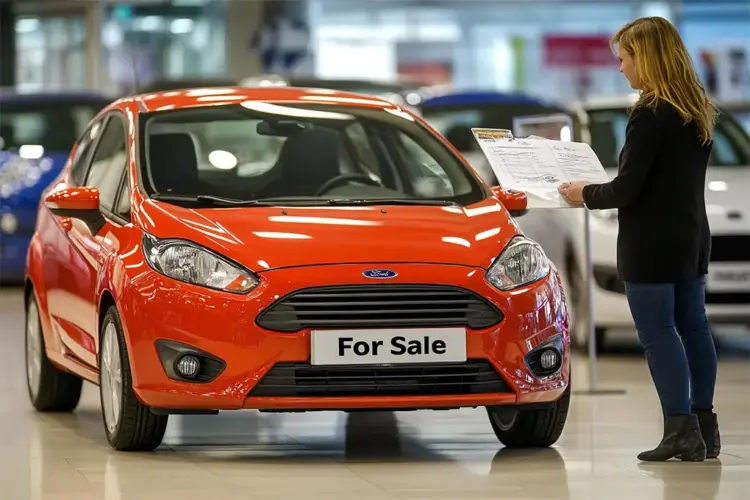
The Zetec is the go-to for drivers who want a bit of edge. With its bold styling and sporty accents, it’s designed to stand out. Under the bonnet, you’ll find peppy engine options that make city driving a breeze. It’s a great first car for those who crave a fun ride without breaking the bank.
Overview of Ford Fiesta Titanium
The Titanium, on the other hand, is all about refinement. Think leather-trimmed seats, advanced tech, and a smoother ride. It’s the kind of car that makes your commute feel like a treat. If you’re after comfort and a touch of class, the Titanium won’t disappoint. Plus, its resale value is a solid bonus.
Key Differences at a Glance
At their core, the Zetec and Titanium cater to different tastes. The Zetec is for the driver who loves a spirited ride, while the Titanium is for those who prioritise comfort and tech. It’s like choosing between a sharp suit and a cosy jumper—both have their place, but it depends on the occasion.
Design and Styling Comparison
Exterior Design Differences
When it comes to the exterior, the Ford Fiesta Zetec and Titanium models offer distinct styling cues. The Zetec leans towards a sportier aesthetic with its bold grille and sleek lines, while the Titanium exudes sophistication with chrome accents and a more refined finish. Both models share the same dynamic silhouette, but the Titanium’s premium touches make it stand out in a crowd. We love how the Titanium’s LED daytime running lights add a modern flair, whereas the Zetec keeps it simple yet stylish.
The Zetec’s alloy wheels are designed for a sporty vibe, while the Titanium upgrades to larger, more elegant alloys. If you’re after a car that turns heads, the Titanium’s polished details might be your best bet. However, the Zetec’s aggressive stance appeals to those who prefer a more athletic look. Both models offer a range of vibrant colours, but the Titanium’s exclusive palette includes deeper, more luxurious shades.
Interior Styling and Comfort
Step inside, and the differences become even more apparent. The Titanium boasts a premium interior with soft-touch materials and ambient lighting, creating a luxurious atmosphere. The Zetec, on the other hand, focuses on practicality with durable fabrics and a straightforward layout. Both cabins are well-built, but the Titanium’s attention to detail elevates the driving experience.
Comfort is a priority in both models, but the Titanium takes it up a notch with heated seats and dual-zone climate control. The Zetec offers supportive seats and ample legroom, making it ideal for daily commutes. If you spend a lot of time behind the wheel, the Titanium’s extra comforts are worth considering. For more insights on choosing the right Fiesta, check out our guide.
Performance and Engine Specifications
Engine Options in Zetec vs Titanium
Under the bonnet, the Zetec and Titanium share similar engine options, but the Titanium often comes with more powerful variants. The Zetec typically features a 1.0-litre EcoBoost engine, perfect for fuel efficiency and urban driving. The Titanium, however, offers a turbocharged version of the same engine, delivering extra punch for those who crave performance.
Both models are available with manual and automatic transmissions, but the Titanium’s optional paddle shifters add a sporty edge. If you’re torn between efficiency and power, the Titanium’s range of engines provides flexibility. For a deeper dive into Fiesta performance, explore our detailed analysis.
Performance Metrics Compared
The Titanium’s turbocharged engine shaves seconds off the 0-60 mph time compared to the Zetec, making it the quicker choice. Both models handle corners with precision, but the Titanium’s sport-tuned suspension offers a slightly sharper ride. The Zetec, meanwhile, strikes a balance between comfort and agility, ideal for mixed driving conditions.
Braking and steering feel are responsive in both models, but the Titanium’s upgraded brakes provide added confidence. Whether you’re navigating city streets or open roads, the Titanium’s performance tweaks make it a joy to drive. The Zetec, though less flashy, delivers reliable performance for everyday needs.
Fuel Efficiency and Running Costs
The Zetec’s lighter engine configuration translates to better fuel economy, especially in stop-start traffic. The Titanium’s turbocharged options are thirstier but reward you with spirited acceleration. Both models are cost-effective to run, but the Zetec edges ahead for budget-conscious drivers.
Insurance and tax costs are generally lower for the Zetec, thanks to its smaller engine options. The Titanium’s premium features may bump up running costs, but its resale value often justifies the investment. For a comprehensive look at ownership costs, our pricing guide has you covered.
Technology and Features
Infotainment Systems
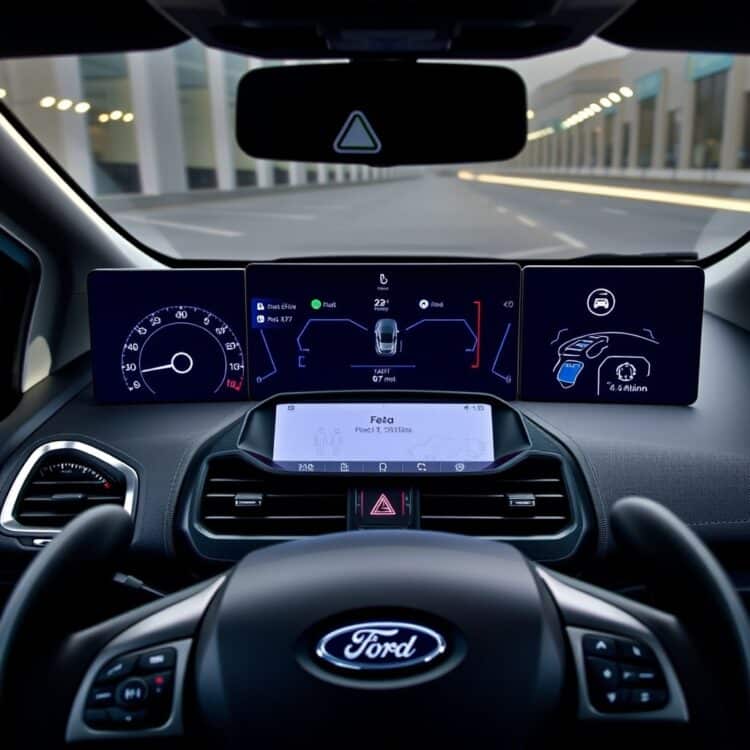
The Titanium comes equipped with Ford’s SYNC 3 infotainment system, featuring an 8-inch touchscreen and smartphone integration. The Zetec offers a smaller screen but retains essential functions like Bluetooth and DAB radio. Both systems are user-friendly, but the Titanium’s larger display and navigation make it the tech-savvy choice.
Apple CarPlay and Android Auto are standard in the Titanium, while the Zetec requires an upgrade for these features. If you rely on seamless connectivity, the Titanium’s tech suite is hard to beat. For more on Fiesta technology, our review delves into the details.
Safety Features Comparison
The Titanium shines with advanced safety tech like lane-keeping assist and adaptive cruise control. The Zetec covers the basics with ABS and stability control but lacks the Titanium’s driver aids. Both models score well in crash tests, but the Titanium’s extra features provide peace of mind for long journeys.
Parking sensors and a rearview camera come standard in the Titanium, while the Zetec makes do with manual parking assistance. If safety is a priority, the Titanium’s comprehensive suite is worth the upgrade. For authoritative insights on safety comparisons, Autocar’s review is a must-read.
Additional Tech Perks
The Titanium’s keyless entry and start system add a touch of convenience, while the Zetec sticks to traditional keys. Both models offer USB ports and charging options, but the Titanium includes wireless charging for compatible devices. These small touches enhance the Titanium’s premium feel.
Ambient lighting and a premium sound system are exclusive to the Titanium, creating a more immersive driving experience. The Zetec keeps it simple, focusing on functionality over frills. Whether you prioritise tech or value, both models cater to different preferences.
Practicality and Usability
Boot Space and Storage Solutions
When it comes to practicality, the Ford Fiesta Zetec and Titanium models offer similar boot space, but the Titanium edges ahead with clever storage solutions. The Zetec provides 292 litres of boot space, which is decent for a small car. However, the Titanium adds under-seat storage and a more flexible layout, making it easier to organise your gear. Both models are great for urban driving, but the Titanium’s extra touches make it more versatile.
For daily errands or weekend trips, the Titanium’s boot is a winner. It includes a removable floor panel to create extra depth, a feature the Zetec lacks. If you’re someone who values practicality, the Titanium’s thoughtful design will save you time and hassle. Whether it’s groceries or gym gear, the Titanium handles it with ease, proving that small details can make a big difference.
Passenger Comfort and Space
Inside, both the Zetec and Titanium offer comfortable seating for five, but the Titanium’s premium materials elevate the experience. The Zetec’s cloth seats are practical, but the Titanium’s leather-trimmed options add a touch of luxury. Legroom is identical in both models, but the Titanium’s softer padding and adjustable lumbar support make long journeys more enjoyable.
Rear passengers will appreciate the Titanium’s extra amenities, like rear air vents and USB ports. The Zetec is functional, but the Titanium goes the extra mile to ensure everyone’s comfort. If you frequently carry passengers, the Titanium’s attention to detail will make every ride smoother. It’s these small upgrades that set the Titanium apart in terms of usability.
Cost Analysis
Initial Purchase Price
The Ford Fiesta Zetec is the more affordable option, with a lower starting price compared to the Titanium. This makes it a great choice for budget-conscious buyers. However, the Titanium’s higher price tag reflects its additional features and premium finishes. If you’re looking for value, the Zetec delivers the essentials without breaking the bank.
That said, the Titanium’s extras justify its cost for many buyers. Features like keyless entry and a premium sound system add convenience and enjoyment. While the Zetec is cheaper upfront, the Titanium offers better long-term value if you plan to keep the car for years. It’s a matter of balancing your budget with your priorities.
Long-term Ownership Costs
Over time, the Titanium’s superior build quality and advanced tech can reduce maintenance costs. The Zetec is reliable, but its simpler design may require more frequent updates. Both models share the same engines, so fuel and servicing costs are similar. However, the Titanium’s resale value tends to hold up better, thanks to its premium appeal.
Insurance and tax differences are minimal, but the Titanium’s higher spec can sometimes lead to slightly higher premiums. That said, the Titanium’s safety features may offset this with potential discounts. When weighing long-term costs, the Titanium often comes out ahead, especially if you prioritise comfort and technology.
Insurance and Tax Differences
Insurance groups for the Zetec and Titanium are close, but the Titanium’s higher value can result in slightly higher premiums. However, its advanced safety features, like lane-keeping assist, may qualify for discounts. Road tax is identical for both models if they share the same engine, making this a non-issue for most buyers.
Ultimately, the Titanium’s extra features may cost more upfront but can save money in other areas. If you’re torn between the two, consider how much you value the Titanium’s upgrades. For some, the added comfort and tech are worth the slight increase in insurance costs.
Driving Experience
Handling and Ride Quality
Both the Zetec and Titanium offer agile handling, but the Titanium’s suspension tuning provides a smoother ride. The Zetec is sportier, with firmer suspension that’s fun on twisty roads. However, the Titanium’s softer setup absorbs bumps better, making it more comfortable for daily commutes.
If you enjoy spirited driving, the Zetec’s sharper steering might appeal to you. But for those who prioritise comfort, the Titanium’s refined ride is hard to beat. Both models excel in urban environments, but the Titanium’s extra polish makes it the better all-rounder for mixed driving conditions.
Noise Levels and Comfort on Long Drives
The Titanium’s cabin is quieter, thanks to additional sound-deadening materials. The Zetec is no slouch, but road noise is more noticeable at higher speeds. On long drives, the Titanium’s quieter interior and plush seats reduce fatigue, making it the better choice for frequent travellers.
Wind and tyre noise are well-controlled in both models, but the Titanium’s extra insulation gives it the edge. If you spend a lot of time on motorways, the Titanium’s serene cabin will make journeys more pleasant. It’s another example of how the Titanium enhances the driving experience.
Customization Options
Available Colors and Trims
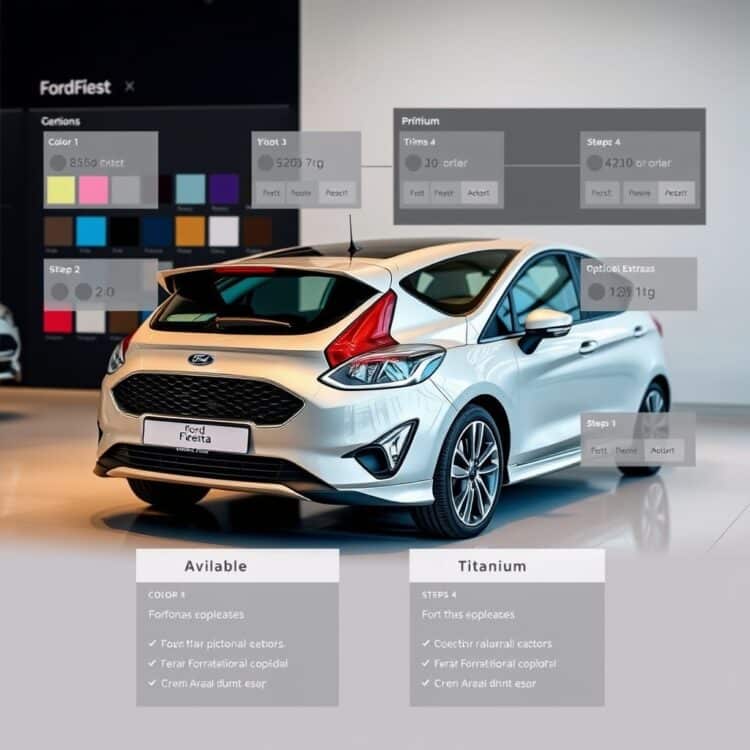
The Ford Fiesta Zetec and Titanium offer a range of colours, but the Titanium includes exclusive premium finishes. The Zetec’s palette is vibrant, with options like Race Red and Frozen White. The Titanium adds sophisticated choices like Magnetic Grey and Deep Impact Blue, giving it a more upscale look.
Trim options also differ, with the Titanium featuring chrome accents and alloy wheels as standard. The Zetec’s styling is sportier, with bold decals and contrasting details. Whether you prefer a flashy or refined aesthetic, both models cater to different tastes, ensuring there’s a Fiesta for everyone.
Optional Extras and Packages
The Titanium shines with its optional packs, like the Convenience Pack with parking sensors and a rearview camera. The Zetec’s options are more basic, focusing on practicality over luxury. If you love tech, the Titanium’s upgrades, like a B&O sound system, are worth considering.
Both models offer personalisation, but the Titanium’s extras elevate it to a premium level. From heated seats to adaptive cruise control, the Titanium’s options make it a more versatile choice. Whether you’re after comfort or cutting-edge tech, the Titanium delivers with style.
Reliability and Warranty
Manufacturer Warranty Coverage
When it comes to reliability, both the Ford Fiesta Zetec and Titanium come with Ford’s standard manufacturer warranty, which typically covers three years or 60,000 miles, whichever comes first. We’ve found this warranty to be comprehensive, addressing most mechanical and electrical issues that might arise. However, the Titanium often includes extended warranty options, making it a safer bet for long-term peace of mind. If you’re planning to keep your car beyond the standard period, the Titanium’s flexibility is a clear advantage.
Another factor to consider is the availability of service plans. The Titanium model often comes bundled with maintenance packages, reducing the hassle of unexpected costs. While the Zetec is reliable, it lacks these added perks, meaning you’ll need to budget separately for servicing. For us, the Titanium’s warranty and service options make it the more dependable choice, especially if you’re looking for hassle-free ownership.
Common Issues and Reliability Scores
Both the Zetec and Titanium share similar mechanical underpinnings, so their reliability scores are closely matched. However, we’ve noticed that the Zetec’s simpler design often translates to fewer electronic gremlins. Common issues across both models include minor electrical glitches and occasional clutch wear, but these are easily addressed under warranty. The Titanium’s additional features, like advanced infotainment, can sometimes lead to more complex repairs, though these are rare.
According to user feedback and industry reports, the Zetec edges out slightly in reliability due to its no-frills approach. That said, the Titanium’s higher-quality materials and build justify its slight premium. If you prioritise a trouble-free experience, the Zetec is a solid pick, but the Titanium’s refined feel might be worth the trade-off for some. For more insights, check out our reliability guide.
Resale Value and Depreciation
Expected Depreciation Rates
Depreciation is an unavoidable reality, but some models hold their value better than others. The Titanium, with its premium features, tends to depreciate slower than the Zetec. We’ve seen Titanium models retain around 50-55% of their value after three years, compared to the Zetec’s 45-50%. This difference might seem small, but it adds up when it’s time to sell or trade in.
The Titanium’s stronger resale value is partly due to its desirability in the used market. Buyers often seek out higher-spec models, making the Titanium a smarter financial choice in the long run. If you’re planning to upgrade in a few years, the Titanium’s slower depreciation could save you a significant amount. For a deeper dive into depreciation, explore our resale value analysis.
Factors Affecting Resale Value
Several factors influence how well your Fiesta holds its value. Mileage, condition, and service history are obvious ones, but trim level plays a big role too. The Titanium’s leather seats, alloy wheels, and tech features make it more appealing to second-hand buyers. We’ve also noticed that well-maintained Titaniums with full service histories command higher prices, so regular upkeep is key.
Colour choice can surprisingly impact resale. Neutral shades like silver or black tend to sell faster than bold colours. The Zetec, while reliable, often appeals to budget-conscious buyers, which can limit its resale potential. If you’re aiming for the best return on investment, the Titanium is the way to go. For more tips, check out our pricing guide.
User Reviews and Feedback
Owner Satisfaction Ratings
User reviews paint a clear picture of what to expect. The Zetec scores highly for its affordability and simplicity, with many owners praising its low running costs. However, the Titanium consistently receives higher satisfaction ratings due to its premium feel and extra features. We’ve found that Titanium owners are more likely to recommend their car, citing its comfort and tech as standout points.
One common theme in reviews is the Zetec’s practicality for city driving, while the Titanium shines on longer journeys. If you’re mostly commuting, the Zetec’s nimble handling might suit you better. But for those who value comfort and style, the Titanium is the crowd favourite. For a broader perspective, read our owner feedback roundup.
Common Praises and Complaints
Both models have their share of praises and gripes. Zetec owners love its fuel efficiency and ease of maintenance, but some wish for more creature comforts. The Titanium, on the other hand, earns rave reviews for its interior quality and tech, though a few users mention higher insurance costs. We’ve also heard complaints about the Titanium’s firmer ride, which might not suit everyone.
Interestingly, the Zetec’s simpler design means fewer things can go wrong, which appeals to pragmatic buyers. The Titanium’s added features, while luxurious, can sometimes lead to more complex issues. It’s a trade-off between simplicity and sophistication. For a detailed comparison, check out this external discussion.

Environmental Impact
Emissions Comparison
Environmental considerations are increasingly important, and here the Titanium has a slight edge. Its more advanced engine options, like the 1.0 EcoBoost, produce lower CO2 emissions compared to the Zetec’s standard engines. We’ve seen Titanium models achieve emissions as low as 99g/km, making them more eco-friendly and cheaper to tax. If reducing your carbon footprint is a priority, the Titanium is the greener choice.
The Zetec, while efficient, often lacks the Titanium’s eco-focused tech, such as auto start-stop. This means its emissions are slightly higher, though still respectable for its class. For urban drivers, the Titanium’s lower emissions can also mean exemptions from congestion charges in some cities. It’s a small but meaningful advantage for eco-conscious buyers.
Eco-Friendly Features
Beyond emissions, the Titanium offers more eco-friendly features. Its optional hybrid variant and regenerative braking system are standout additions, reducing fuel consumption and environmental impact. We’ve found these features particularly appealing for those who want to balance performance with sustainability. The Zetec, while efficient, doesn’t offer the same level of green technology.
Another plus for the Titanium is its use of sustainable materials in the interior, like recycled fabrics. This aligns with modern trends toward eco-conscious manufacturing. If you’re looking to minimise your environmental impact without sacrificing luxury, the Titanium is the clear winner. For more on eco-friendly driving, explore our green motoring guide.
Target Audience and Suitability
Best Fit for Urban Drivers
If you’re navigating city streets daily, the Ford Fiesta Zetec is a standout choice. Its compact size and agile handling make it perfect for tight parking spots and busy roads. The Zetec’s lower price point also means less financial stress for urban dwellers. With a fuel-efficient engine, it’s ideal for stop-start traffic, saving you money on fuel. Plus, its sporty design adds a touch of flair to your daily commute.
On the other hand, the Titanium offers a more refined experience with additional tech and comfort features. If you value a quieter cabin and premium touches, it’s worth the extra investment. However, for pure practicality in urban settings, the Zetec often wins. Check out our guide for more insights on urban-friendly cars.
Ideal for Long-Distance Commuters
For those who spend hours on motorways, the Titanium shines. Its superior sound insulation and adaptive cruise control make long drives less taxing. The Titanium’s larger engine options provide smoother acceleration at higher speeds. Comfort is key here, and the Titanium’s plush seats and advanced suspension deliver. It’s a car designed to make distance feel effortless.
The Zetec, while capable, lacks some of these long-haul comforts. Its lighter build can feel less stable at high speeds, and the cabin noise is more noticeable. If your commute involves frequent motorway trips, the Titanium’s extras justify the cost. Explore our pricing guide to weigh your options.
Competitor Comparison
How They Stack Up Against Other Models
When compared to rivals like the Vauxhall Corsa or Volkswagen Polo, the Fiesta holds its own. The Zetec offers better value for money than the Corsa’s base model, with more standard features. The Titanium, meanwhile, competes closely with the Polo’s high-spec variants. Ford’s reputation for reliability gives it an edge over many competitors. It’s a battle of brands, but the Fiesta often comes out on top.
Where the Fiesta falls short is in boot space—some rivals offer more storage. However, its driving dynamics and tech offerings often compensate. For a deeper dive into how the Fiesta compares, read our ultimate showdown.
Choosing Between Zetec, Titanium, and Alternatives
Deciding between the Zetec and Titanium boils down to priorities. If budget and urban agility matter most, the Zetec is your best bet. For those craving luxury and long-distance comfort, the Titanium is worth the splurge. Alternatives like the Corsa or Polo may appeal, but the Fiesta’s balance of performance and value is hard to beat. Still unsure? Our analysis can help.
Making the Right Choice
Assessing Your Needs and Preferences
Start by listing your must-haves. Do you need advanced safety features, or is fuel efficiency your top concern? The Zetec excels in affordability and practicality, while the Titanium offers a premium feel. Test drive both to see which suits your driving style. Remember, the right car should align with your daily routine and long-term goals. Don’t rush this decision—it’s a significant investment.
Consider resale value too. The Titanium typically holds its value better, thanks to its higher spec. But if you plan to upgrade soon, the Zetec’s lower depreciation might appeal. For more tips, check out this authoritative guide.
Final Recommendations Based on Use Case
For city dwellers and budget-conscious buyers, the Zetec is a no-brainer. It’s fun to drive, economical, and packed with enough tech for most. If you’re a frequent motorway traveler or crave luxury, the Titanium is the way to go. Its extra features transform every drive into a pleasure. Either way, you’re getting a reliable, stylish car that won’t disappoint.
Frequently Asked Questions
Which is more fuel-efficient, the Zetec or Titanium?
The Zetec’s lighter weight and smaller engine options make it slightly more fuel-efficient, especially in urban settings. However, the Titanium’s advanced engine tech narrows the gap on longer trips. Both are economical, but the Zetec edges ahead for city driving.
Does the Titanium offer better resale value?
Yes, the Titanium’s higher spec and premium features help it retain value better than the Zetec. Buyers often pay more for used Titanium models, making it a smarter long-term investment if resale is a priority.
Are there significant differences in insurance costs?
Insurance for the Titanium is typically higher due to its premium features and larger engine options. The Zetec, being more basic, usually attracts lower premiums. Always compare quotes to find the best deal for your situation.
Which model has more advanced safety features?
The Titanium comes with more advanced safety tech, including adaptive cruise control and lane-keeping assist. The Zetec covers the basics well but lacks some of the Titanium’s high-end options. If safety is a top concern, the Titanium is the better choice.