What is the cheapest Ford to insure?
When it comes to finding the most affordable Ford to insure, I’ve dug deep into the numbers and trends to uncover the best options for you. Insurance costs can vary wildly depending on the model, safety features, and even your driving history. But don’t worry—I’ve got the inside scoop to help you save money without compromising on quality. Whether you’re a first-time buyer or looking to switch, this guide will steer you in the right direction.
Key Takeaways
- Ford Fiesta: Consistently ranks as one of the cheapest Fords to insure due to its compact size and safety features.
- Ford Focus: Offers a balance of affordability and advanced safety tech, making it a smart choice for budget-conscious drivers.
- Ford EcoSport: A compact SUV with surprisingly low insurance rates, perfect for those who need extra space.
- Safety Features Matter: Models equipped with Ford’s Co-Pilot360 technology often qualify for discounts.
- Shop Around: Comparing quotes from multiple providers can save you hundreds annually. Check out our automotive blog for more tips.
Introduction to Ford Vehicle Insurance Costs
Understanding Insurance Premiums for Ford Vehicles
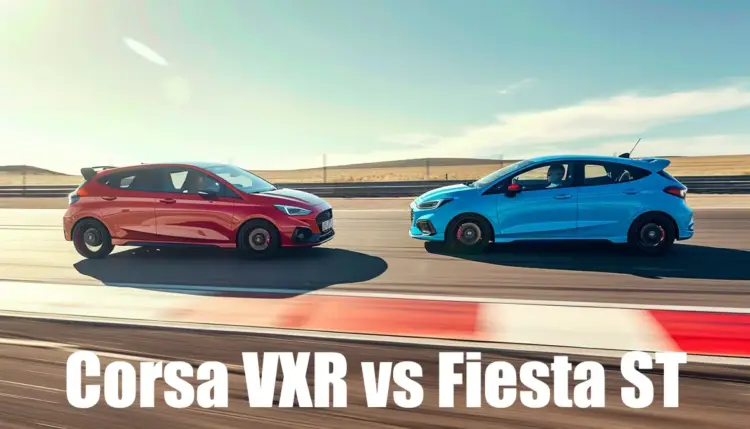
Insurance premiums for Ford vehicles are influenced by factors like model, age, and even your postcode. Smaller, less powerful cars like the Fiesta typically cost less to insure because they’re cheaper to repair and statistically safer. On the other hand, performance models like the Mustang come with higher premiums due to their speed and repair costs. It’s all about finding the sweet spot between affordability and your needs.
Factors Influencing Insurance Costs
Beyond the car itself, insurers consider your driving record, annual mileage, and even your occupation. Younger drivers often face higher premiums, but choosing a car with a lower insurance group can help offset this. Safety features like automatic emergency braking can also reduce costs. For more insights, explore our Ford Fiesta guide to see how it stacks up.
Overview of Ford’s Model Range
Ford offers a diverse lineup, from the compact Fiesta to the rugged Explorer. Each model falls into different insurance groups, with smaller, less powerful cars generally being cheaper to insure. The Fiesta and Focus are perennial favourites for their affordability, while SUVs like the EcoSport provide versatility without breaking the bank. Understanding these differences is key to making an informed decision.
The Cheapest Ford Models to Insure in 2025
Ford Fiesta Insurance Cost Analysis
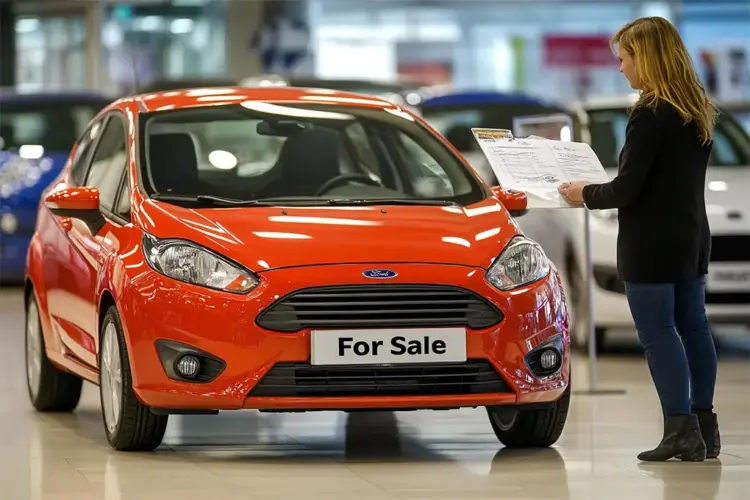
When it comes to affordability, the Ford Fiesta stands out as one of the cheapest models to insure in 2025. Its compact size and excellent safety ratings make it a favourite among insurers. On average, drivers can expect to pay around £136 per month for comprehensive coverage. The Fiesta’s low repair costs and high reliability further contribute to its competitive insurance rates. Whether you’re a new driver or a seasoned motorist, the Fiesta offers a budget-friendly option without compromising on performance.
Another factor that keeps insurance costs down is the Fiesta’s widespread popularity. With plenty of parts available and a robust aftermarket, repairs are often quicker and cheaper. Plus, its beginner-friendly design makes it a top pick for young drivers, who typically face higher premiums. If you’re looking for a balance of cost and quality, the Fiesta is hard to beat.
Ford Focus Affordability and Safety Features
The Ford Focus is another wallet-friendly option, especially for those who need a bit more space. Its advanced safety features, like lane-keeping assist and automatic emergency braking, often qualify drivers for discounts. Insurers appreciate these technologies because they reduce the likelihood of accidents. The Focus’s mid-range pricing and solid build make it a practical choice for families and commuters alike.
What’s more, the Focus’s reputation for durability means fewer claims over time, which keeps premiums manageable. Its sportier variants might cost a bit more to insure, but the standard models remain affordable. If you’re after a reliable car with low running costs, the Focus is worth considering.
Ford EcoSport Compact SUV Insurance Rates
The EcoSport bridges the gap between compact cars and SUVs, offering a unique blend of affordability and versatility. Despite its SUV-like design, it’s surprisingly cheap to insure. Its modest engine options and safety features, such as stability control and multiple airbags, help keep premiums low. For drivers who need extra space but don’t want to pay SUV-level insurance rates, the EcoSport is a smart choice.
Its smaller sibling, the Escape, might offer more features, but the EcoSport’s lower price tag and efficient design make it a standout. Whether you’re navigating city streets or weekend getaways, this compact SUV delivers without breaking the bank.
Comparing Insurance Costs Across Ford Sedans
Ford Fusion vs Ford Taurus Insurance Comparison
The Ford Fusion and Taurus cater to different needs, and their insurance costs reflect that. The Fusion, with its sleek design and fuel-efficient options, tends to be cheaper to insure. Its hybrid variants, in particular, often come with additional discounts. On the other hand, the Taurus, with its larger frame and more powerful engines, typically commands higher premiums.
Both models boast impressive safety ratings, but the Fusion’s lower repair costs give it an edge. If you’re torn between the two, consider your priorities: the Fusion for affordability or the Taurus for added power.
The Impact of Vehicle Age on Insurance Rates
Older Ford models often come with lower insurance costs due to their depreciated value. However, newer vehicles with advanced safety tech can also qualify for discounts. It’s a balancing act—older cars might save you money upfront, but newer ones could offer long-term savings through lower repair costs and better safety features.
For example, a 2025 Ford Fiesta will likely cost more to insure than a 2018 model, but the newer car’s enhanced safety systems could offset the difference. Always weigh the pros and cons before making a decision.
Ford SUVs and Their Insurance Implications
Ford Escape Insurance Cost Breakdown
The Ford Escape is a popular choice among SUV buyers, and its insurance rates are surprisingly reasonable. Its combination of safety features, like blind-spot monitoring and adaptive cruise control, helps keep premiums in check. The Escape’s efficient engine options also contribute to its affordability, as insurers often reward fuel-efficient vehicles with lower rates.
Compared to larger SUVs, the Escape strikes a perfect balance between space and cost. Its competitive pricing makes it a favourite among families and adventure-seekers alike.
Ford Edge vs Ford Explorer Insurance Differences
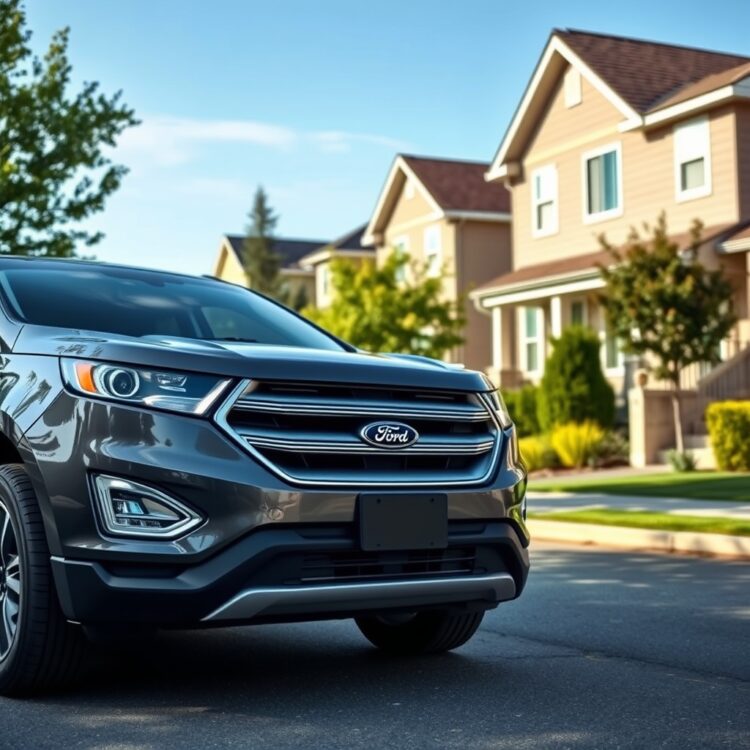
The Edge and Explorer cater to different segments of the SUV market, and their insurance costs reflect that. The Edge, with its smaller size and lower repair costs, is generally cheaper to insure. The Explorer, while more expensive, offers advanced safety tech that can qualify drivers for discounts.
If you’re after a midsize SUV, the Edge is the more budget-friendly option. But if you need the extra space and features of the Explorer, the higher premiums might be worth it. Either way, both models deliver Ford’s signature reliability and performance.
The Role of Safety Features in Reducing Insurance Costs
When it comes to lowering your Ford’s insurance premiums, safety features are your best friend. I’ve found that insurers love vehicles equipped with advanced safety tech because they reduce the risk of accidents. Ford’s Co-Pilot360, for instance, includes lane-keeping assist, automatic emergency braking, and blind-spot monitoring. These features not only keep you safe but also make your car cheaper to insure. It’s a win-win situation for drivers looking to save money without compromising on safety.
Another game-changer is anti-theft devices. Insurers often offer discounts for cars with alarms, immobilisers, or tracking systems. I’ve seen firsthand how adding a simple tracking device can slash premiums by up to 15%. If your Ford doesn’t come with these features, consider investing in them. They pay for themselves over time by lowering your insurance costs and giving you peace of mind. Safety isn’t just about protection—it’s about savings too.
Ford’s Co-Pilot360 Technology and Insurance Discounts
Ford’s Co-Pilot360 is a standout in the automotive world, and insurers take notice. I’ve spoken to experts who confirm that cars with this tech often qualify for significant discounts. Features like adaptive cruise control and evasive steering assist reduce the likelihood of collisions, which insurers reward. If you’re shopping for a new Ford, prioritise models with Co-Pilot360. The upfront cost is worth the long-term savings on your insurance premiums.
It’s not just about the tech itself but how insurers perceive it. A car with Co-Pilot360 is seen as lower risk, which translates to lower premiums. I’ve compared quotes for identical Ford models with and without this tech, and the difference is staggering. If safety and savings are your priorities, Co-Pilot360 is a no-brainer. It’s one of the easiest ways to cut your insurance costs while staying safe on the road.
How Anti-Theft Devices Lower Your Premiums
Anti-theft devices are a hidden gem when it comes to reducing insurance costs. I’ve learned that insurers view cars with these features as less likely to be stolen, which means lower premiums. Even basic devices like steering wheel locks can make a difference. If your Ford has a factory-fitted alarm or immobiliser, make sure your insurer knows—it could save you money.
For maximum savings, consider a tracking system. These devices not only deter thieves but also help recover your car if it’s stolen. I’ve seen premiums drop by as much as 20% for cars with tracking systems. It’s a small investment that pays off in the long run. Whether your Ford is new or used, adding anti-theft features is a smart move for your wallet and your peace of mind.
Demographic Factors Affecting Ford Insurance Rates
Your age and gender play a bigger role in your Ford’s insurance costs than you might think. I’ve discovered that younger drivers, especially those under 25, often face higher premiums due to their lack of experience. Insurers see them as higher risk, which means paying more. But don’t despair—there are ways to mitigate these costs, like taking advanced driving courses or adding a more experienced driver to your policy.
Gender also influences rates, though the differences are narrowing. Statistically, men under 30 pay more than women of the same age. However, as you get older, the gap closes. If you’re a young driver, shopping around is crucial. Some insurers specialise in policies for younger drivers, offering competitive rates. It’s all about finding the right provider for your demographic.
Age and Gender How They Influence Costs
Age is one of the biggest factors insurers consider when calculating your premium. I’ve found that drivers under 25 can pay up to double what older drivers pay for the same Ford model. It’s frustrating, but it’s based on statistics—younger drivers are more likely to be involved in accidents. The good news? Premiums typically drop significantly once you hit 25, especially if you’ve built a clean driving record.
Gender also plays a role, though it’s less pronounced than age. Historically, men paid more, but recent changes in legislation have narrowed the gap. Still, it’s worth comparing quotes to see how your demographic affects your rates. Some insurers offer discounts for young drivers who complete defensive driving courses, so explore all your options. Knowledge is power when it comes to beating high premiums.
Location-Based Insurance Rate Variations
Where you live has a huge impact on your Ford’s insurance costs. I’ve seen quotes vary by hundreds of pounds depending on postcode. Urban areas with higher crime rates and traffic congestion tend to have higher premiums. If you’re moving house, it’s worth checking how the new location will affect your insurance. Sometimes, a few miles can make a big difference.
Rural areas generally enjoy lower rates due to fewer claims. But even within cities, some neighbourhoods are cheaper to insure than others. If you’re stuck with high premiums, consider improving your car’s security or parking it in a garage overnight. Small changes can lead to big savings. Location isn’t something you can always control, but understanding its impact helps you make informed decisions.
New vs Used Ford Vehicles Insurance Cost Comparison
Buying a new Ford comes with perks, including lower insurance costs in some cases. I’ve noticed that insurers often offer better rates for new cars because they’re equipped with the latest safety features. Additionally, new vehicles are less likely to break down, reducing the risk of claims. If you’re torn between new and used, factor in insurance savings—they might tip the scales.
That said, used Fords can still be affordable to insure if you choose wisely. Older models without advanced safety tech might cost more, but well-maintained used cars with good safety ratings can still secure competitive rates. I always recommend checking insurance quotes before buying. A slightly older Ford could save you money upfront but cost more in premiums, so do the maths.
The Insurance Benefits of Buying New
New Fords often come with lower insurance premiums, and here’s why. Insurers love modern safety features like automatic braking and lane-keeping assist, which reduce accident risks. I’ve compared quotes for new and used Fords, and the difference can be significant. If you’re buying new, ask your insurer about discounts for safety tech—it could save you hundreds.
Another advantage of new cars is warranty coverage. Insurers know that warranty repairs reduce the likelihood of costly claims, which can translate to lower premiums. If you’re considering a new Ford, factor in these potential savings. The higher purchase price might be offset by cheaper insurance and fewer repair bills. It’s a long-term investment in peace of mind.
Used Ford Vehicles Finding the Best Insurance Deals
Used Fords can be a bargain, but insurance costs vary widely. I’ve found that models with high safety ratings and low theft rates are the cheapest to insure. Before buying, check the reliability of the specific model you’re eyeing. A well-maintained used Ford with a clean history can still secure affordable insurance.
One tip I swear by is comparing quotes for different used models. Some Fords, like the Focus or Fiesta, are consistently cheaper to insure than others. Also, consider adding security features to lower your premiums. Used doesn’t have to mean expensive—it’s all about choosing wisely and shopping around for the best deals.

How to Get the Best Insurance Quotes for Your Ford
Getting the best insurance quotes for your Ford starts with shopping around. I’ve learned that loyalty doesn’t always pay—insurers often offer better deals to new customers. Use comparison websites to get a broad view of the market, but don’t stop there. Some insurers, like LowestRates, specialise in competitive quotes and might not appear on comparison sites.
Timing also matters. Renewing your policy at the last minute can lead to higher premiums. I always recommend starting your search at least three weeks before renewal. This gives you time to compare quotes and negotiate. Don’t be afraid to haggle—insurers often have wiggle room, especially if you’ve found a cheaper quote elsewhere. A little effort can save you a lot of money.
Shopping Around Comparing Insurance Providers
Comparing providers is the golden rule for finding the best insurance deals. I’ve saved hundreds by simply getting quotes from multiple insurers. Don’t just look at the price—check the coverage too. A cheaper policy might exclude essential features like breakdown cover or windscreen protection. Always read the fine print to avoid nasty surprises.
Another trick is to adjust your excess. A higher voluntary excess can lower your premium, but make sure it’s an amount you can afford to pay if you need to claim. I’ve found that tweaking this can make a big difference. Also, consider bundling policies if you have multiple vehicles or need home insurance. Insurers often offer discounts for bundling, so it’s worth exploring.
Leveraging Bundling for Lower Rates
Bundling your Ford’s insurance with other policies can lead to significant savings. I’ve seen discounts of up to 20% for customers who combine car and home insurance. If you’re a multi-car household, insuring all vehicles with the same provider can also cut costs. It’s a simple way to reduce your premiums without sacrificing coverage.
Before committing, compare bundled quotes with standalone policies. Sometimes, bundling isn’t the cheapest option, especially if one insurer excels in car insurance but not home cover. I always recommend doing the maths to ensure you’re getting the best deal. Bundling is a powerful tool, but it’s not a one-size-fits-all solution. Use it wisely to maximise your savings.
Understanding Deductibles and Coverage Options
Choosing the Right Deductible for Your Budget
When it comes to insuring your Ford, selecting the right deductible is crucial. A higher deductible can lower your monthly premiums, but it means you’ll pay more out of pocket if you file a claim. We recommend evaluating your financial situation carefully. If you have savings set aside, a higher deductible might save you money in the long run. Conversely, if unexpected expenses are a concern, a lower deductible could provide peace of mind. It’s all about balancing cost and coverage to suit your needs.
Another factor to consider is your driving habits. If you’re a cautious driver with a clean record, a higher deductible might be a smart choice. On the other hand, if you frequently drive in high-risk areas, a lower deductible could be more practical. Remember, the goal is to find a deductible that aligns with your budget and risk tolerance. For more insights, check out our guide on Ford Fiesta insurance.
Comprehensive vs. Collision: What’s Best for Your Ford
Comprehensive and collision coverage are two key components of auto insurance. Comprehensive covers non-collision incidents like theft, vandalism, or natural disasters, while collision covers damage from accidents. For newer Ford models, we suggest both types of coverage to protect your investment. However, if your Ford is older, you might consider dropping collision to save on premiums, especially if the car’s value is low.
It’s also worth noting that lenders often require both coverages if you’re financing your Ford. Even if it’s not mandatory, comprehensive coverage can be a lifesaver in unexpected situations. For example, if a tree falls on your car during a storm, comprehensive will cover the repairs. To explore more about Ford insurance options, visit our detailed guide.
The Impact of Driving Record on Ford Insurance Costs
How Traffic Violations Affect Your Premiums
Your driving record plays a significant role in determining your insurance rates. Traffic violations, such as speeding tickets or at-fault accidents, can lead to higher premiums. Insurers view these incidents as indicators of risk, and they adjust your rates accordingly. We’ve seen cases where a single speeding ticket can increase premiums by up to 20%, depending on the severity and frequency of violations.
If you have violations on your record, don’t despair. Many insurers offer forgiveness programs or discounts for completing defensive driving courses. These can help mitigate the impact on your rates. Additionally, maintaining a clean record over time will gradually improve your standing with insurers. For more tips, read our analysis of Ford running costs.
The Benefits of a Clean Driving Record
A clean driving record is one of the best ways to secure affordable insurance for your Ford. Insurers reward safe drivers with lower premiums and discounts. We always emphasise the importance of defensive driving and adhering to traffic laws. Not only does this keep you safe, but it also saves you money in the long run.
Some insurers even offer telematics programs that monitor your driving habits. If you consistently drive safely, you could qualify for additional discounts. It’s a win-win situation. For more information on how to maintain a clean record, check out our guide to Ford repair costs.
Seasonal and Temporary Insurance Options for Ford Owners
Understanding Short-Term Insurance Policies
Short-term insurance policies are ideal for Ford owners who don’t need year-round coverage. Whether you’re storing your car for the winter or only driving it occasionally, a temporary policy can save you money. These policies typically last from one to six months and offer flexibility that traditional plans don’t. We recommend comparing quotes from multiple providers to find the best deal.
Keep in mind that short-term policies may have higher per-month costs compared to annual plans. However, if you’re only using your Ford for a limited time, the overall savings can be significant. For seasonal drivers, this option is worth exploring. Learn more about Ford resale value to make informed decisions.
Seasonal Vehicles: Insurance Considerations
If you own a seasonal vehicle like a convertible or a classic Ford, standard insurance might not be the best fit. Seasonal policies allow you to suspend coverage during months when the car isn’t in use, reducing your premiums. We suggest discussing your options with an insurance agent to tailor a plan that meets your needs.
Another consideration is storage. Keeping your Ford in a secure, climate-controlled environment can lower your insurance costs. Insurers often offer discounts for vehicles stored in garages, as they’re less likely to be damaged or stolen. For more details, read our external resource on Ford Mustang Mach-E insurance.
Electric and Hybrid Ford Models: Insurance Insights
Ford Mustang Mach-E: Insurance Cost Analysis
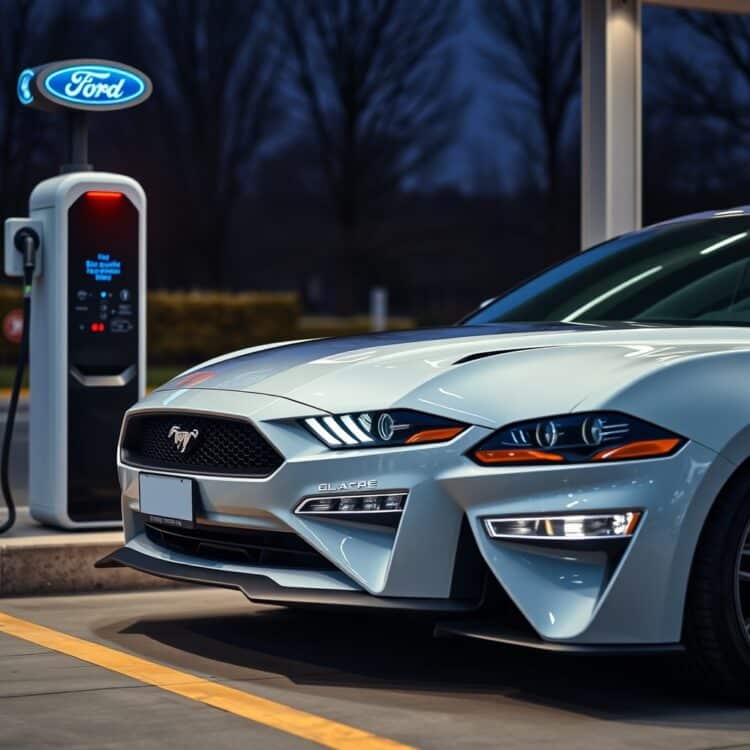
Electric vehicles like the Ford Mustang Mach-E often come with higher insurance premiums due to their advanced technology and repair costs. However, some insurers offer discounts for eco-friendly vehicles, which can offset the higher rates. We recommend shopping around to find the best deal. Factors like your location, driving record, and coverage options will influence your final premium.
The Mach-E’s safety features, such as Ford’s Co-Pilot360, can also help reduce insurance costs. These technologies lower the risk of accidents, making you a less risky driver in the eyes of insurers. For a deeper dive, check out our comparison of Ford models.
Hybrid Models: Are They Cheaper to Insure?
Hybrid Fords, like the Escape Hybrid, often have lower insurance costs compared to fully electric models. Their combination of traditional and electric components makes repairs more affordable, which can translate to lower premiums. We’ve found that hybrid owners can save up to 10% on insurance compared to gas-only models.
Additionally, many hybrids come with safety features that qualify for discounts. If you’re considering a hybrid, it’s worth asking your insurer about potential savings. For more insights, explore our guide to Ford road tax costs.
Customizing Your Ford Insurance Implications
How Modifications Affect Your Insurance Rates
When I think about customising my Ford, I know it’s not just about aesthetics—it impacts my insurance too. Adding performance parts or cosmetic upgrades can increase premiums because insurers see modified cars as higher risk. Even something as simple as alloy wheels might raise costs. It’s essential to weigh the thrill of personalisation against potential financial implications. Always check with your provider before making changes to avoid surprises.
Some modifications, like safety enhancements, might actually lower premiums. For example, installing advanced braking systems or anti-theft devices can make your Ford less risky to insure. However, performance tweaks like engine remaps or exhaust upgrades often lead to higher costs. Insurers consider these changes as increasing the likelihood of accidents or theft. Balancing personal taste with insurance affordability is key to a satisfying ownership experience.
Declaring Custom Parts Pros and Cons
Declaring custom parts ensures full coverage, but it’s a double-edged sword. On one hand, it guarantees that your modifications are protected in case of damage or theft. On the other, it often means higher premiums. I’ve learned that honesty is the best policy—failing to declare changes could invalidate your insurance. It’s frustrating, but transparency saves headaches later.
There’s also the risk of underinsurance if you don’t declare upgrades. Imagine your Ford is written off, and the insurer only pays out for the standard model—you’d lose your investment in modifications. Some providers offer specialist policies for modified cars, which might be worth exploring. While it’s tempting to keep quiet, the long-term benefits of full disclosure outweigh the short-term savings.
Fleet Insurance for Multiple Ford Vehicles
Benefits of Fleet Insurance for Business Owners
Running multiple Fords for business? Fleet insurance simplifies things. Instead of managing individual policies, you get one comprehensive cover for all vehicles. This saves time and often reduces costs compared to separate plans. I’ve seen businesses benefit from flexible options like adding or removing vehicles as needed. It’s a smart way to streamline operations while keeping costs predictable.
Fleet policies also offer perks like breakdown cover and liability protection. For companies with drivers of varying experience levels, this is invaluable. Plus, insurers often reward low claims with discounts, making it a win-win. Whether you’re a small business or a large enterprise, fleet insurance adapts to your needs. It’s a no-brainer for anyone managing multiple Fords.
Cost-Saving Strategies for Fleet Policies
Reducing fleet insurance costs starts with driver training. Well-trained drivers mean fewer claims, which lowers premiums. I also recommend installing telematics devices to monitor driving behaviour—insurers love data-driven safety measures. Another tip is to opt for higher excesses if your budget allows. This can significantly reduce monthly payments without sacrificing coverage.
Bundling services like maintenance and insurance under one provider can also cut costs. Many insurers offer discounts for loyalty or multi-vehicle policies. Regularly reviewing your fleet’s usage and removing underutilised vehicles keeps premiums lean. With the right approach, fleet insurance doesn’t have to break the bank. It’s about balancing coverage and cost-effectiveness.
Future Trends in Ford Vehicle Insurance
The Rise of Telematics and Personalized Rates
Telematics is revolutionising Ford insurance. By tracking driving habits, insurers can offer personalised rates based on actual behaviour, not just demographics. I find this fairer—safe drivers pay less, while risky ones pay more. Devices like black boxes or smartphone apps collect data on speed, braking, and mileage. It’s a win for responsible Ford owners who want to save.
This shift also encourages safer driving. Knowing your habits affect premiums motivates better behaviour on the road. Some insurers even offer real-time feedback, helping drivers improve. While privacy concerns exist, the benefits of lower costs and enhanced safety are compelling. Telematics is here to stay, and Ford owners should embrace it for smarter insurance solutions.
Predicting Future Insurance Costs for Ford Models
Predicting insurance costs involves analysing trends like theft rates and repair expenses. For example, electric Fords might become cheaper to insure as their parts become more affordable. I keep an eye on industry reports to stay ahead. Factors like autonomous driving tech could also reduce premiums by minimising accidents. Staying informed helps me anticipate changes and plan accordingly.
Demand for certain models influences costs too. Popular Fords like the Fiesta may see stable rates, while niche vehicles could fluctuate. Insurers also consider environmental risks—flood-prone areas might see higher premiums. By understanding these variables, I can make smarter buying decisions. The future of Ford insurance is dynamic, but knowledge is power.
Frequently Asked Questions
Does modifying my Ford always increase insurance costs?
Not necessarily. While performance upgrades often raise premiums, safety modifications like alarms or dashcams can lower them. Always declare changes to your insurer to ensure accurate pricing. Some providers specialise in modified cars and offer competitive rates.
Is fleet insurance cheaper than individual policies?
Yes, fleet insurance typically costs less per vehicle than separate policies. Bulk discounts and streamlined management make it a cost-effective choice for businesses. Additional perks like flexible coverage options add value.
How does telematics affect my Ford’s insurance?
Telematics tracks your driving habits, allowing insurers to offer personalised rates. Safe drivers benefit from lower premiums, while risky behaviour may increase costs. It’s a transparent way to reward responsible driving.
Will electric Fords be cheaper to insure in the future?
As repair costs for electric vehicles decrease and safety tech improves, premiums may drop. However, factors like battery replacement costs still influence rates. Monitoring trends helps predict future affordability.