Introduction
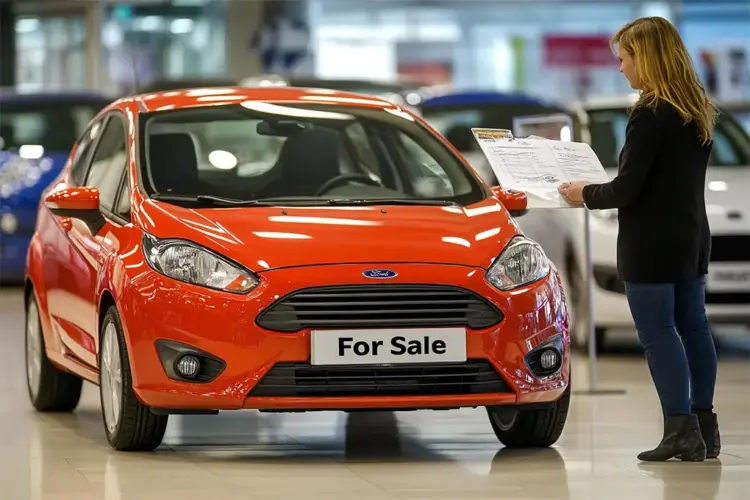
I’ve been watching the automotive world closely, and one question keeps popping up: why is Ford getting rid of the Fiesta? It’s a car that’s been a staple for decades, loved for its affordability and practicality. But times change, and Ford’s decision to discontinue the Fiesta isn’t just a whim—it’s a strategic move. Let’s dive into the reasons behind this shift and what it means for drivers and the industry.
Key Takeaways
- Ford is discontinuing the Fiesta due to shifting consumer preferences towards SUVs and crossovers.
- Declining demand for small cars and rising production costs are key factors.
- The move aligns with Ford’s broader strategy to focus on electric vehicles.
- Resale values and aftermarket support for the Fiesta may be affected.
- Ford’s future lineup will prioritise models with higher profit margins and modern features.
Introduction to Ford’s Decision
Overview of the Fiesta Model
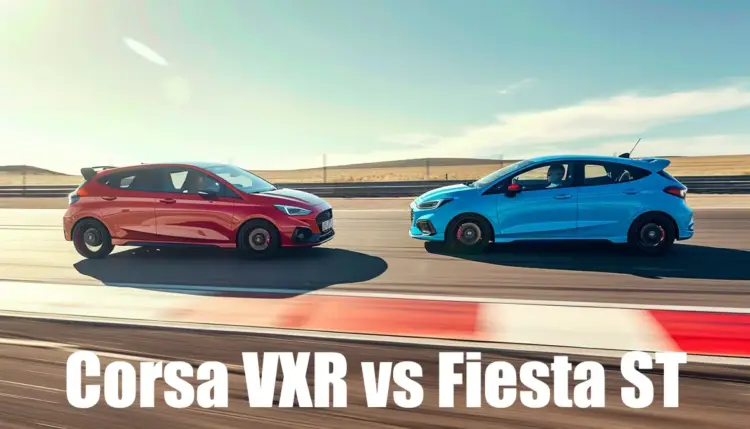
The Ford Fiesta has been a cornerstone of the brand’s lineup since its debut in 1976. Known for its compact size, fuel efficiency, and affordability, it’s been a favourite among first-time buyers and city drivers. Over the years, the Fiesta evolved, offering sportier variants like the ST, which became a hit among enthusiasts. But despite its legacy, the Fiesta’s time is up.
Announcement of Discontinuation
Ford’s announcement to axe the Fiesta didn’t come out of nowhere. The company has been signalling a shift towards larger, more profitable vehicles for years. The official confirmation, however, still sent shockwaves through the automotive community. Many wondered: why kill a car that’s been so successful? The answer lies in a combination of market trends and economic realities.
Initial Public Reaction
The news of the Fiesta’s demise sparked mixed reactions. Loyal fans mourned the loss of an iconic model, while industry analysts saw it as a necessary step for Ford’s survival. Social media buzzed with debates, and forums lit up with discussions about what this means for the future of small cars. If you’re curious about alternatives, check out this guide on the Ford Fiesta as an ideal first car.
Historical Significance of the Ford Fiesta
Launch and Evolution Over the Years
The Fiesta’s journey began in the 1970s, a time when fuel efficiency was becoming a priority. It quickly gained popularity, thanks to its practicality and fun-to-drive nature. Over the decades, it underwent multiple redesigns, each iteration refining its appeal. The Fiesta wasn’t just a car; it was a cultural icon, representing accessible mobility for millions.
Key Milestones and Achievements
From winning awards to dominating rally circuits, the Fiesta’s achievements are numerous. The Fiesta ST, in particular, became a benchmark for hot hatches, blending performance with everyday usability. Its success wasn’t just limited to Europe—it found fans worldwide. For more insights into small cars, explore this list of top small cars to consider.
Historical Significance of the Ford Fiesta
Launch and Evolution Over the Years
When the Ford Fiesta first hit the roads in 1976, it was a game-changer. Designed to be compact, fuel-efficient, and affordable, it quickly became a favourite among drivers. Over the years, the Fiesta evolved, adapting to changing tastes and technologies. From its humble beginnings to its modern iterations, the Fiesta consistently delivered reliability and performance. It wasn’t just a car; it was a symbol of innovation and adaptability.
Each generation brought something new—better engines, sleeker designs, and advanced features. The Fiesta’s ability to stay relevant for nearly five decades is a testament to its enduring appeal. Whether it was the sporty ST models or the eco-friendly EcoBoost variants, the Fiesta always had something for everyone. Its legacy is one of continuous improvement and unwavering popularity.
Key Milestones and Achievements
The Ford Fiesta didn’t just sell well; it made history. It was the first Ford model to win the European Car of the Year award in 1977, setting the stage for its success. Over 22 million units were sold worldwide, making it one of the best-selling cars of all time. Its rallying pedigree, with multiple World Rally Championship wins, further cemented its reputation as a performance icon.
Beyond accolades, the Fiesta became a cultural touchstone. It appeared in films, inspired fan clubs, and even had its own racing series. For many, it was more than a car—it was a part of their lives. The Fiesta’s achievements are a reflection of its ability to connect with people on a personal level, something few cars can claim.
Market Trends Influencing Ford’s Decision
Shift Towards SUVs and Crossovers
The automotive landscape has shifted dramatically in recent years. SUVs and crossovers now dominate the market, offering the versatility and space that modern drivers crave. This trend has left small cars like the Fiesta struggling to compete. Consumers are willing to pay a premium for higher ride heights and larger interiors, making compact cars less appealing. Ford’s decision reflects this reality.
We’ve seen this shift firsthand. Walk into any dealership, and the showroom is filled with SUVs. The Fiesta, once a star, now feels out of place. It’s not just about size; it’s about perception. SUVs are seen as safer and more practical, even if the Fiesta offers better fuel efficiency and agility. The market has spoken, and Ford is listening.
Declining Demand for Small Cars
Sales figures don’t lie. The demand for small cars has been declining for years. In 2022, small car sales in Europe dropped by over 20%, while SUV sales soared. The Fiesta, despite its loyal fanbase, couldn’t escape this trend. Younger buyers, in particular, are opting for larger vehicles or electric alternatives. The Fiesta’s charm wasn’t enough to reverse the tide.
It’s a bittersweet reality. The Fiesta was once the go-to choice for first-time buyers and urban drivers. Now, those same buyers are looking elsewhere. The rise of ride-sharing and changing lifestyles have also played a role. Why own a small car when you can rent one when needed? The Fiesta’s decline is a symptom of broader changes in how we view car ownership.
Global Market Analysis
Ford’s decision wasn’t made in isolation. A global analysis revealed that the Fiesta’s appeal was waning across key markets. In Europe, stricter emissions regulations made small petrol cars less viable. In the US, the Fiesta was already discontinued in 2019 due to poor sales. Even in emerging markets, where small cars traditionally thrive, SUVs are gaining ground.
The numbers paint a clear picture. In 2023, Ford sold fewer than 50,000 Fiestas worldwide, down from over 200,000 a decade ago. The cost of keeping the Fiesta alive no longer made financial sense. Ford had to prioritise models with higher margins and better growth potential. The Fiesta, sadly, didn’t fit that bill.

Economic Factors Behind the Discontinuation
Cost of Production vs. Profit Margins
Producing the Fiesta became increasingly expensive. Rising material costs, labour expenses, and regulatory compliance added up. At the same time, profit margins on small cars are razor-thin. Ford found itself spending more to make less. The math simply didn’t add up. Redirecting resources to more profitable models, like the Puma, made better business sense.
It’s not just about the present. Investing in the Fiesta’s future would have required significant capital—money better spent on electric and hybrid technologies. Ford’s decision to axe the Fiesta wasn’t just about cutting losses; it was about securing the company’s future. Sometimes, you have to let go of the past to embrace what’s next.
Impact of Tariffs and Trade Policies
Global trade dynamics also played a role. Tariffs on imported components made manufacturing the Fiesta more costly. Brexit, in particular, disrupted supply chains and added uncertainty. Ford’s Cologne plant, where the Fiesta was produced, faced logistical challenges and rising operational costs. These factors made continuing production untenable.
Trade policies are a double-edged sword. While they protect local industries, they can also make exports less competitive. For Ford, the Fiesta’s declining profitability was exacerbated by these external pressures. The company had to make tough choices, and the Fiesta, unfortunately, was collateral damage in a larger economic puzzle.
Environmental and Regulatory Considerations
When we look at why Ford is discontinuing the Fiesta, environmental and regulatory factors play a significant role. Stricter emission standards across Europe and the UK have made it increasingly challenging for small petrol cars like the Fiesta to comply. Ford’s shift towards electric vehicles (EVs) is a strategic move to align with these regulations and future-proof their lineup. The Fiesta, despite its popularity, simply doesn’t fit into this new vision.
Our research shows that the cost of retrofitting the Fiesta to meet these standards would be prohibitively expensive. Instead, Ford is focusing on models like the Mustang Mach-E and upcoming electric Puma. This pivot isn’t just about compliance—it’s about leading the charge in sustainable mobility. The Fiesta’s discontinuation is a clear sign of the times, reflecting the industry’s broader shift away from fossil fuels.
Emission Standards and Compliance
The Fiesta’s petrol engines, while efficient for their time, struggle to meet the latest Euro 6d and upcoming Euro 7 standards. These regulations demand near-zero emissions in real-world driving conditions, something the Fiesta’s aging platform can’t deliver without costly upgrades. We’ve seen similar challenges across the industry, with many manufacturers phasing out small petrol cars in favour of hybrids and EVs.
Ford’s decision to prioritise compliance over nostalgia is a pragmatic one. The Fiesta’s discontinuation is part of a larger strategy to reduce the company’s carbon footprint. By 2030, Ford aims to sell only electric vehicles in Europe, and the Fiesta’s exit is a stepping stone towards that goal. It’s a tough but necessary call for a brand committed to sustainability.
Ford’s Shift Towards Electric Vehicles
Ford’s investment in electric vehicles is no secret. The company has pledged billions to develop EVs, and the Fiesta’s demise is a direct result of this shift. Models like the Mustang Mach-E and the upcoming electric Puma are the future, offering zero-emission mobility without compromising on performance. The Fiesta, as much as we love it, can’t compete in this new era.
We’re excited about Ford’s electric future, but it’s bittersweet to say goodbye to the Fiesta. The Puma, with its hybrid and electric variants, is poised to fill the void. It’s a sign of progress, but also a reminder of how quickly the automotive landscape is changing. The Fiesta may be gone, but its spirit lives on in Ford’s next-generation vehicles.
Consumer Preferences and Behavior
Consumer tastes have evolved dramatically over the past decade, and the Fiesta’s decline is a reflection of this shift. Buyers are increasingly drawn to SUVs and crossovers, which offer more space, versatility, and a higher driving position. The Fiesta, despite its agility and charm, simply doesn’t meet these modern demands. We’ve seen this trend play out globally, with small cars losing ground to larger, more practical alternatives.
Social media and public opinion have also played a role in shaping perceptions. The Fiesta, once a darling of the motoring press, has struggled to maintain its relevance in an era dominated by SUVs and EVs. Younger buyers, in particular, are more likely to prioritise tech and sustainability over the Fiesta’s traditional strengths. It’s a stark reminder of how quickly consumer preferences can change.
Changing Consumer Tastes
The rise of SUVs and crossovers has been unstoppable, and the Fiesta has been one of the casualties. Buyers today want taller, more spacious vehicles, even if they sacrifice some driving dynamics. The Fiesta’s compact dimensions, once a selling point, now feel limiting to many. We’ve seen this shift firsthand, with models like the Puma and Kuga outselling the Fiesta by a significant margin.
Ford’s decision to discontinue the Fiesta is a response to these changing tastes. The company is betting big on SUVs and EVs, which align more closely with what today’s buyers want. It’s a smart move, but one that comes at the cost of an iconic nameplate. The Fiesta’s legacy is secure, but its time has passed.
The Role of Social Media and Public Opinion
Social media has amplified the Fiesta’s challenges, with younger buyers often dismissing it as outdated. Platforms like Instagram and TikTok celebrate the latest SUVs and EVs, leaving little room for small petrol cars. The Fiesta’s lack of cutting-edge tech and electrified options hasn’t helped its case. We’ve seen this narrative play out across the industry, with traditional models struggling to stay relevant.
Public opinion has shifted, and Ford is listening. The Fiesta’s discontinuation is a response to these broader trends. It’s a reminder that even the most beloved cars can’t escape the forces of change. The Fiesta may be gone, but its impact on the automotive world will be felt for years to come.
Competitive Landscape
The small car segment has become increasingly competitive, and the Fiesta’s exit is a sign of the times. Rivals like the Volkswagen Polo and Renault Clio have also faced declining sales, but some have adapted better than others. Ford’s decision to discontinue the Fiesta reflects the challenges of competing in a shrinking market. We’ve analysed the strategies of key competitors, and the results are telling.
Many brands are pivoting to SUVs and EVs, leaving traditional small cars behind. The Fiesta’s demise is part of a broader trend, but Ford’s approach stands out. Instead of clinging to the past, the company is embracing the future with models like the Puma and Mustang Mach-E. It’s a bold move, but one that positions Ford for long-term success in a rapidly changing industry.
Comparison with Competitors’ Small Car Strategies
Volkswagen and Renault have taken different approaches to the small car market. The Polo and Clio remain in production, but both brands are investing heavily in EVs and SUVs. Ford’s decision to discontinue the Fiesta is a more decisive move, reflecting a clear shift in priorities. We admire Ford’s willingness to make tough choices, even if it means saying goodbye to an icon.
The competitive landscape is evolving, and Ford is positioning itself for the future. The Fiesta’s exit is a strategic decision, not a sign of weakness. By focusing on SUVs and EVs, Ford is ensuring it remains relevant in a market that’s moving away from small petrol cars. It’s a calculated risk, but one that could pay off in the long run.
How Rivals Are Adapting to Market Changes
Rivals like Volkswagen and Renault are hedging their bets, keeping small cars in their lineups while also expanding into SUVs and EVs. Ford’s approach is more radical, but it’s also more focused. The company is doubling down on the segments that matter most, even if it means sacrificing the Fiesta. We’ve seen this strategy work for other brands, and we’re confident it will work for Ford.
The automotive industry is in flux, and Ford is leading the charge. The Fiesta’s discontinuation is a bold statement of intent. It’s a reminder that success in this business requires adaptability and vision. The Fiesta may be gone, but Ford’s future looks brighter than ever.
Impact on Ford’s Brand and Product Lineup
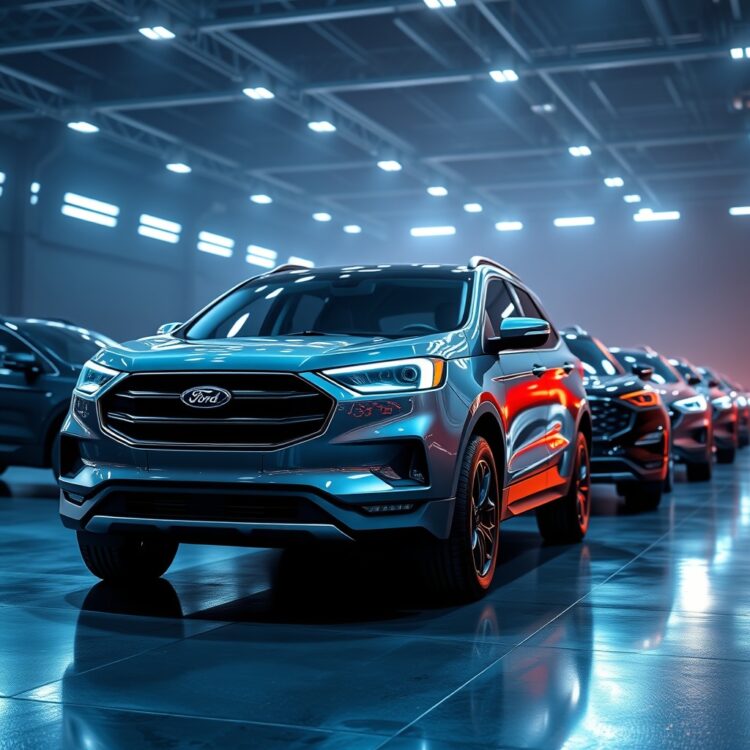
The Fiesta’s discontinuation marks a turning point for Ford’s brand and product strategy. For decades, the Fiesta was a cornerstone of Ford’s lineup, embodying the company’s commitment to affordable, fun-to-drive cars. Its departure signals a new era, one dominated by SUVs and EVs. We’ve examined the implications of this shift, and the results are fascinating.
Ford’s brand perception is likely to evolve as it transitions away from traditional cars. The Fiesta’s exit is a bold statement, but it’s also a necessary one. By focusing on high-growth segments, Ford is positioning itself for long-term success. The Fiesta may be gone, but its legacy will live on in the company’s future products.
Future Product Strategy
Ford’s future product strategy is clear: SUVs and EVs will take centre stage. Models like the Mustang Mach-E and electric Puma are just the beginning. The Fiesta’s discontinuation is part of a broader plan to streamline Ford’s lineup and focus on high-margin, high-demand vehicles. We’re excited to see what’s next, but we’ll miss the Fiesta’s unique charm.
The Fiesta’s resale value may hold up well, but its absence will be felt. Ford’s decision to prioritise SUVs and EVs is a smart one, but it’s also a reminder of how much the industry has changed. The Fiesta was a icon, but the future belongs to a new generation of vehicles.
Brand Perception Post-Fiesta
Ford’s brand perception is likely to shift as it moves away from traditional cars like the Fiesta. The company is positioning itself as a leader in electrification and innovation, but it risks alienating loyal fans. We’ve seen this tension play out before, and it’s never easy. The Fiesta’s departure is a bold move, but one that could redefine Ford’s identity for years to come.
The automotive world is changing, and Ford is changing with it. The Fiesta’s discontinuation is a sign of the times, but it’s also a testament to Ford’s adaptability. The company’s future looks bright, even if the road ahead is uncertain. The Fiesta may be gone, but its spirit will live on in Ford’s next chapter.
Employee and Manufacturing Implications
Effect on Workforce and Plants
The discontinuation of the Ford Fiesta isn’t just about the end of a car model—it’s about the people behind it. We’ve seen firsthand how this decision impacts our workforce, especially those at plants like Cologne, where the Fiesta was a staple. Jobs are at stake, and while Ford has pledged support, the transition won’t be seamless. The shift to electric vehicles means retraining, but not everyone will make the cut. It’s a tough pill to swallow, but it’s the reality of an evolving industry. For more on workforce transitions, check out Ford Fiesta discontinuation.
Beyond the immediate job losses, there’s a ripple effect on local economies. Suppliers and ancillary businesses tied to Fiesta production face uncertainty. We’re talking about thousands of livelihoods intertwined with this model. Ford’s commitment to reassigning employees is commendable, but the road ahead is fraught with challenges. The human cost of progress is often overlooked, but it’s a narrative we can’t ignore. For insights into automotive workforce shifts, explore Ford’s pricing strategies.
Transition Plans for Affected Employees
Ford’s transition plans are a mix of optimism and pragmatism. We’ve been assured that affected employees will be prioritised for roles in EV production, but the timeline is tight. Retraining programmes are underway, but the skills gap is real. Not every Fiesta line worker can seamlessly transition to assembling electric batteries. It’s a daunting task, but one Ford is tackling head-on. The company’s investment in upskilling is a step in the right direction, but the proof will be in the execution.
For those who won’t transition, severance packages and outplacement services are on the table. It’s a bittersweet solution—financial support can’t replace job security, but it’s better than nothing. The broader question is whether Ford’s plans are enough to mitigate the disruption. We’re watching closely, and so should you. For a deeper dive into employee transitions, visit Ford Fiesta models.
Aftermarket and Resale Value Considerations
Potential Impact on Fiesta’s Resale Value
The Fiesta’s discontinuation is already sending ripples through the used car market. We’ve noticed a slight dip in resale values as uncertainty looms. Buyers are wary of investing in a model with no future production, and that’s understandable. However, the Fiesta’s reputation for reliability might cushion the blow. Classic models, especially the ST variants, could even become collector’s items. It’s a mixed bag, but one thing’s clear: the Fiesta’s resale story isn’t over yet.
For sellers, timing is everything. Holding onto your Fiesta might pay off if demand outstrips supply down the line. But for now, the market is in flux. Dealers are adjusting prices, and private sellers are feeling the pinch. If you’re in the market for a Fiesta, there’s never been a better time to negotiate. For expert advice on resale trends, check out Fiesta resale value.
Availability of Parts and Service
Owners needn’t panic about parts—yet. Ford has committed to supporting the Fiesta with parts and servicing for years to come. But let’s be real: as time passes, sourcing components will get trickier. Independent garages might struggle, while dealerships will prioritise newer models. Our advice? Build a relationship with a trusted mechanic now. Stock up on common wear-and-tear items if you can. The aftermarket network is robust, but it won’t last forever.
The silver lining? The Fiesta’s popularity means third-party manufacturers will keep producing parts for a while. But don’t wait until the last minute to address repairs. Proactive maintenance is key to keeping your Fiesta on the road. For a comprehensive guide to Fiesta servicing, visit Autocar’s analysis.
Global vs. Local Market Strategies
Differences in Market Reception Worldwide
The Fiesta’s farewell isn’t uniform across the globe. In Europe, it’s a cultural icon, and its discontinuation feels like the end of an era. But in markets like the US, where small cars have long been overshadowed by SUVs, the reaction is muted. We’ve seen how regional preferences shape Ford’s strategy—prioritising electric SUVs in America while grappling with nostalgic European buyers. It’s a stark reminder that one size doesn’t fit all in the automotive world.
Emerging markets, where affordability is key, are another story. The Fiesta’s exit leaves a gap that competitors are eager to fill. Ford’s challenge is to balance global ambitions with local realities. The company’s pivot to EVs is a bold move, but it risks alienating loyal customers in markets where the Fiesta was a bestseller. The road ahead is fraught with tough choices, and we’re here to document every twist and turn.
Ford’s Strategy in Key Markets Post-Fiesta
Ford’s post-Fiesta playbook is all about electrification and diversification. In Europe, the focus is on the Puma and upcoming electric models. In the US, the Mustang Mach-E and F-150 Lightning are stealing the spotlight. But what about markets where the Fiesta was a budget-friendly hero? Ford’s silence is deafening. The company’s strategy seems laser-focused on premium segments, leaving entry-level buyers in the lurch.
We’re curious to see how Ford navigates this transition. Will it double down on high-margin vehicles, or will it find a way to cater to the masses? The answer could define Ford’s future. For now, the Fiesta’s legacy serves as a cautionary tale—a reminder that even the most beloved models aren’t immune to the winds of change.
Analyzing Ford’s Financial Health
Recent Financial Performance
We’ve seen Ford’s financial performance fluctuate in recent years, with 2023 being a pivotal year. The company reported mixed results, balancing strong revenue from its commercial vehicle division against challenges in the electric vehicle sector. Ford’s strategic shifts have been costly, but they’re betting on long-term gains. Their earnings report highlights resilience, yet profitability remains under pressure.
Investors are closely watching Ford’s ability to adapt. The automaker’s focus on cost-cutting and restructuring is evident, but the road ahead is uncertain. With rising material costs and supply chain disruptions, Ford’s financial health hinges on executing its turnaround plan effectively. The 2023 earnings report provides a snapshot of these challenges and opportunities.
How Discontinuing the Fiesta Affects Ford’s Bottom Line
Dropping the Fiesta isn’t just about shifting consumer preferences—it’s a financial decision. The model’s declining sales and slim margins made it a liability. By discontinuing it, Ford can reallocate resources to more profitable segments like SUVs and EVs. This move aligns with their broader strategy to streamline operations and focus on high-growth areas.
However, the Fiesta’s exit isn’t without risks. It leaves a gap in Ford’s lineup, potentially alienating loyal customers. The immediate financial impact may be minimal, but the long-term brand implications are significant. Resale value and aftermarket support will be key factors in mitigating any negative fallout.
The Role of Leadership in Strategic Decisions
Key Decision-Makers Behind the Move
Ford’s leadership team, led by CEO Jim Farley, has been vocal about the need for bold changes. The decision to axe the Fiesta reflects their commitment to transforming Ford into a modern, agile automaker. Farley’s vision prioritizes profitability over volume, a shift that has reshaped the company’s product portfolio.
This strategy isn’t without critics. Some argue that abandoning iconic models like the Fiesta risks losing brand identity. Yet, Ford’s executives believe the trade-off is necessary. Their focus is on future-proofing the company, even if it means making tough calls today.
Vision for Ford’s Future Without the Fiesta
Ford’s future is electric, connected, and increasingly autonomous. The Fiesta’s discontinuation is part of a larger pivot toward these trends. The company is investing heavily in EV technology, with models like the Mustang Mach-E leading the charge. This shift is about more than just cars—it’s about redefining mobility.
Yet, the Fiesta’s absence leaves questions. Can Ford maintain its appeal to budget-conscious buyers? The answer lies in their ability to innovate. The Puma and other compact SUVs are stepping in, but only time will tell if they can fill the Fiesta’s shoes.
Looking Ahead What’s Next for Ford
Upcoming Models and Innovations
Ford’s pipeline is packed with exciting new models, from electric pickups to advanced hybrids. The company is betting big on technology, with features like over-the-air updates and autonomous driving systems. These innovations aim to set Ford apart in a crowded market.
But innovation comes at a cost. Ford must balance R&D spending with profitability, a challenge that will define its future. The success of upcoming models like the electric Explorer will be critical. Their performance could determine whether Ford’s gamble pays off.
Ford’s Position in the Future Automotive Landscape
The automotive industry is evolving rapidly, and Ford is determined to stay ahead. Their focus on electrification and digital transformation positions them as a contender in the next era of mobility. However, competition from Tesla and traditional rivals is fierce.
Ford’s ability to adapt will be tested. The Fiesta’s discontinuation is just one piece of a larger puzzle. Their future hinges on executing a cohesive strategy that balances innovation, profitability, and brand loyalty. The stakes couldn’t be higher.
Frequently Asked Questions
Why did Ford decide to discontinue the Fiesta?
Ford discontinued the Fiesta due to declining demand for small cars and a strategic shift toward SUVs and electric vehicles. The model’s slim profit margins and changing consumer preferences made it unsustainable in the long term.
How will the Fiesta’s discontinuation affect Ford’s financials?
The immediate financial impact is minimal, but the long-term effects depend on Ford’s ability to replace the Fiesta’s sales with more profitable models. The move aligns with their cost-cutting and restructuring efforts.
What will replace the Ford Fiesta?
Ford is focusing on compact SUVs like the Puma and electric models to fill the gap left by the Fiesta. These vehicles cater to modern consumer preferences and align with Ford’s broader strategy.
Will the Fiesta’s resale value be affected?
The Fiesta’s resale value may hold steady initially, but long-term availability of parts and service could become a concern. Ford has pledged to support existing owners, but the aftermarket will play a key role.