Introduction
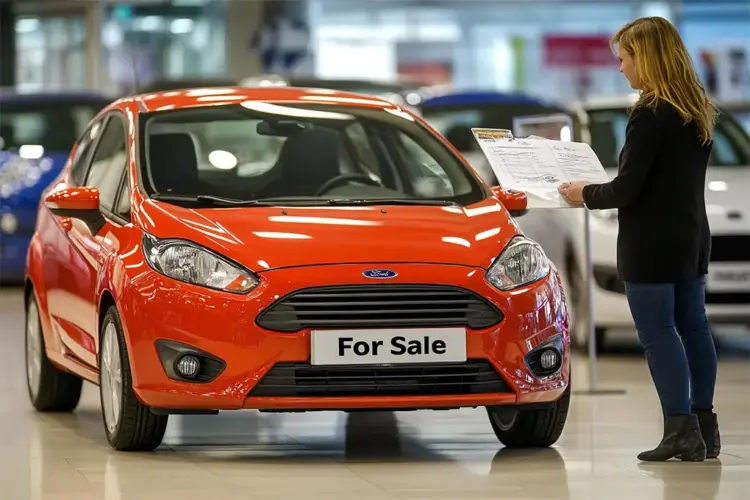
Ever wondered if your Ford Fiesta will become a goldmine in the future? I’ve been digging into the trends, and let me tell you, it’s not as straightforward as you might think. The Fiesta’s discontinuation has sparked debates, but will it actually drive up its value? Buckle up—we’re about to explore the factors that could turn your Fiesta into a collector’s dream or just another used car.
Key Takeaways
- Discontinuation impact: Ford’s announcement has already caused ripples in the used car market.
- Mileage and condition: These are the twin pillars of your Fiesta’s resale value.
- Special editions: Models like the ST or Vignale often command higher prices.
- Timing matters: Selling during peak demand seasons can maximise your profit.
How Well Do You Know Ford?
Understanding the Ford Fiesta’s Market Value
The History of the Ford Fiesta and Its Market Impact
Since its debut in 1976, the Fiesta has been a staple of British roads. Its affordability and reliability made it a favourite, but its discontinuation in 2023 has shifted the game. Could this be the moment your Fiesta starts appreciating? Resale value trends suggest it’s possible, especially for well-maintained models.
Factors That Influence Car Valuation Over Time
From mileage to service history, multiple variables dictate your Fiesta’s worth. Rare colours or limited editions can also add a premium. For instance, a low-mileage Fiesta ST in pristine condition could fetch a tidy sum. Want to know how your model stacks up? Check out our pricing guide for detailed insights.
The Role of Production Discontinuation on Value
When a model like the Fiesta bows out, scarcity often drives up demand. But will this hold true long-term? Analysts are split. Some predict a surge, while others argue the market for small cars is shrinking. One thing’s certain: if you’ve got a gem, now’s the time to capitalise.
The Impact of Ford’s Announcement on Fiesta Values
When Ford announced the discontinuation of the Fiesta, the market reacted almost instantly. Used Fiesta prices saw a noticeable uptick as enthusiasts and practical buyers alike scrambled to secure one of the last models. This surge wasn’t just emotional—dealers and private sellers capitalised on the news, knowing scarcity drives demand. If you’re holding onto a Fiesta, this could be your moment to cash in, but timing is everything.
Looking ahead, the long-term value of the Fiesta hinges on several factors. While initial spikes are common, sustained appreciation depends on the model’s condition, mileage, and desirability. Special editions and well-maintained examples are likely to hold their value better. We’ve seen this pattern with other discontinued cars, and the Fiesta could follow suit. For now, the market is bullish, but savvy sellers will watch trends closely.
Immediate Effects on Used Fiesta Prices
The announcement sent shockwaves through the used car market, with prices for Fiestas jumping by as much as 10% overnight. Dealers reported increased footfall, and online listings saw a surge in views. This isn’t just hype—it’s a classic case of supply and demand. With no new models coming, the existing stock suddenly became more valuable. If you’re considering selling, now might be the ideal time to strike.
However, not all Fiestas are created equal. Older models with higher mileage saw less of a bump compared to newer, low-mileage examples. The lesson here? Condition matters. A pristine Fiesta will always command a premium, especially now. Buyers are looking for reliability and longevity, so if your car ticks those boxes, you’re in a strong position.
Long-term Value Projections Post-Announcement
Predicting long-term value is tricky, but history offers clues. Cars like the Ford Fiesta often see a dip after the initial hype, followed by a slow climb as they become rarer. Collectors and enthusiasts will drive this trend, especially for high-spec models. If you’re holding onto your Fiesta, regular maintenance and keeping mileage low will pay off in the long run.
Another factor is the shift towards electric vehicles. As the market evolves, petrol-powered cars like the Fiesta could become niche items. This isn’t necessarily bad—niche often means valuable. The key is patience. While the immediate spike is tempting, the real payoff might come years down the line. For now, keep an eye on resale trends to gauge the best exit strategy.
How to Assess Your Fiesta’s Current Value
Knowing your Fiesta’s worth starts with the right tools. Online valuation platforms like PriceAnyCar offer free estimates based on mileage, condition, and market trends. These tools are a great starting point, but they’re not infallible. Cross-referencing multiple sources ensures accuracy. Remember, the more data you have, the better your negotiating position.
Beyond digital tools, local market conditions play a huge role. A Fiesta in high demand in your area might fetch more than the national average. Factors like regional preferences, seasonal demand, and even fuel prices can influence value. Don’t just rely on online calculators—talk to local dealers and check recent sales to get a full picture.
Tools and Resources for Accurate Valuation
Websites like PriceAnyCar provide instant valuations, but they’re just the beginning. For a deeper dive, consider paid services like CAP or Glass’s, which offer detailed reports. These platforms analyse historical data and current trends to give a more nuanced estimate. If you’re serious about selling, investing in one of these reports could pay dividends.
Don’t overlook the power of community. Online forums and Facebook groups dedicated to Fiesta owners are goldmines of information. Enthusiasts often share recent sale prices and tips for maximising value. These insights can help you benchmark your car against similar models. Knowledge is power, and in this case, it could mean a higher sale price.
Understanding the Variables That Affect Your Car’s Worth
Mileage is the obvious starting point, but it’s not the only factor. Service history, modifications, and even colour can sway a buyer’s decision. A full service history adds credibility, while aftermarket upgrades might narrow your buyer pool. It’s a balancing act—knowing what adds value and what detracts is crucial.
Location also matters. Urban areas with high demand for small cars might offer better prices than rural regions. Timing is another variable—selling in spring or summer when buyers are more active can yield better results. The more you understand these nuances, the better equipped you’ll be to maximise your Fiesta’s value.
The Role of Mileage and Condition in Valuation
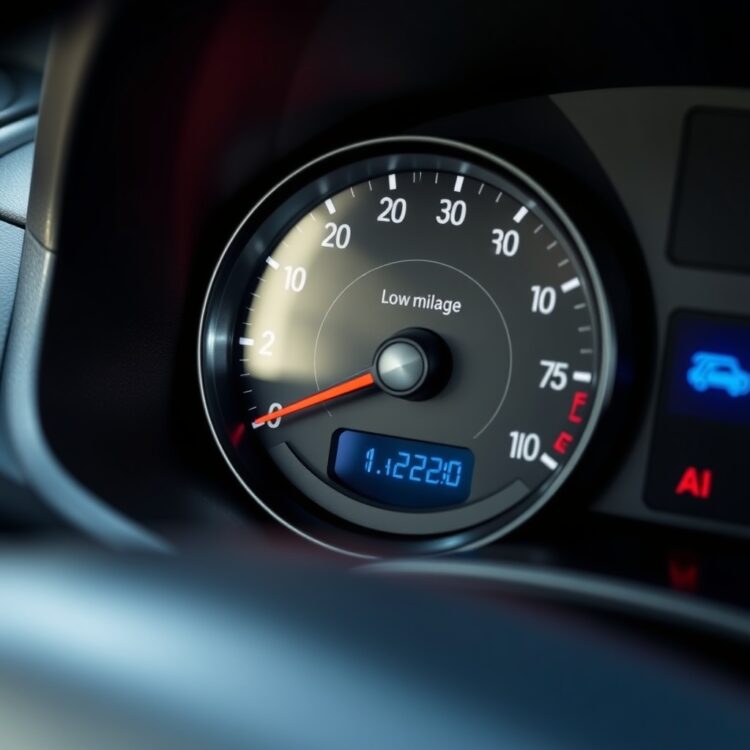
Mileage is often the first thing buyers check, and for good reason. It’s a proxy for wear and tear—lower mileage typically means less mechanical stress. But it’s not just about the number. How those miles were accumulated matters too. A motorway-driven Fiesta with 50,000 miles might be in better shape than a city-driven one with 30,000. Context is key.
Condition goes beyond mileage. Paintwork, interior wear, and mechanical health all contribute to value. A well-maintained Fiesta with a few more miles can outshine a neglected low-mileage example. Buyers are savvy—they’ll spot shortcuts. Investing in minor repairs or a deep clean can significantly boost your car’s appeal and, ultimately, its price.
How Mileage Impacts Resale Value
The relationship between mileage and value isn’t linear. The first 10,000 miles dent resale value the most, with depreciation slowing thereafter. This is why low-mileage Fiestas command such premiums. If yours is under the average for its age, you’re in a strong position. Highlight this in your listing—it’s a selling point that resonates with buyers.
But don’t despair if your Fiesta has higher mileage. A comprehensive service history can mitigate concerns. Buyers will pay more for a high-mileage car with meticulous records than a low-mileage one with gaps. Transparency builds trust, and trust translates into value. If you’ve kept up with maintenance, make sure it’s front and centre in your ad.
The Importance of Maintenance and Upkeep
Regular servicing isn’t just about reliability—it’s an investment in resale value. A Fiesta with a stamped service book is worth more than one without. Buyers see this as proof of care, reducing perceived risk. Even small things like tyre condition and brake pad life can sway a deal. It’s the details that often seal the deal.
Cosmetic upkeep matters too. Scratches, dents, and worn interiors can knock hundreds off your asking price. A professional valet or DIY deep clean can work wonders. Remember, buyers are imagining themselves in your car. Make that vision as appealing as possible, and you’ll command a higher price. The effort you put in now will pay off when it’s time to sell.
Comparing Fiesta Models and Their Value Retention
Differences Between Fiesta Generations
The Ford Fiesta has seen several generations, each with unique features impacting its value retention. Early models, like the Mk1 and Mk2, are now considered classics, often appreciating due to rarity. Later generations, such as the Mk7, introduced modern tech and fuel efficiency, appealing to a broader market. Understanding these generational shifts helps us gauge which models hold value best. For instance, the Mk7 Fiesta remains popular for its balance of performance and affordability.
Special editions, like the ST-Line or Titanium X, often command higher resale prices due to limited availability and premium features. These models cater to enthusiasts willing to pay extra for exclusivity. While base models depreciate faster, high-spec variants retain value longer, making them smarter investments. Whether you own a basic Fiesta or a rare edition, knowing its generational traits is key to predicting its future worth.
Special Editions and Their Market Premium
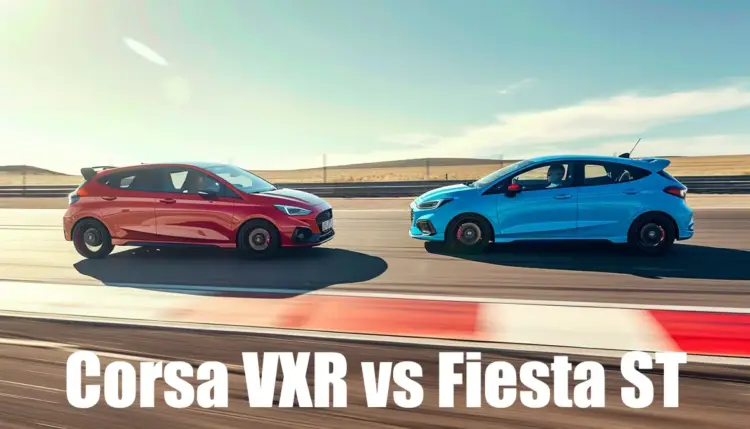
Special editions, such as the Fiesta ST or Vignale, often defy typical depreciation curves. Their limited production runs and enhanced features create a niche demand, keeping prices stable. For example, the Fiesta ST, with its sporty performance, remains a hot commodity even years after release. Buyers seeking a thrilling drive are willing to pay a premium, ensuring strong resale value.
Collectors also play a role in propping up prices for rare editions. Models like the Fiesta RS Turbo or anniversary editions attract attention, often selling for more than their original price. If you own a special edition, maintaining its condition and documentation can maximise its value. These cars aren’t just vehicles—they’re investments with emotional and financial returns.
The Effect of Location on Your Fiesta’s Value
Regional Demand Variations
Location significantly impacts your Fiesta’s resale value. Urban areas with high demand for compact cars, like London, often see stronger prices. Conversely, rural regions favour larger vehicles, potentially lowering your Fiesta’s appeal. Researching local trends helps you set realistic expectations. For example, a Fiesta in a city might fetch a higher price than one in the countryside.
Seasonal demand also plays a role. Winter months may see increased interest in Fiestas with winter tyres or all-wheel drive, while summer boosts convertible models. Timing your sale to match regional preferences can maximise profit. Whether you’re in a bustling city or a quiet town, understanding your local market is crucial for a successful sale.
How Local Markets Influence Price
Local competition and inventory levels directly affect your Fiesta’s selling price. In areas with few used Fiestas, buyers may pay more due to limited options. Conversely, saturated markets force sellers to lower prices to attract attention. Tools like online valuation platforms can help you gauge local pricing trends and adjust your strategy accordingly.
Economic factors, such as fuel prices or public transport availability, also influence demand. Cities with expensive parking or congestion charges may see higher demand for compact cars like the Fiesta. By aligning your sale with local conditions, you can optimise your car’s value and attract the right buyers.
Timing Your Sale for Maximum Value
Identifying the Best Time to Sell
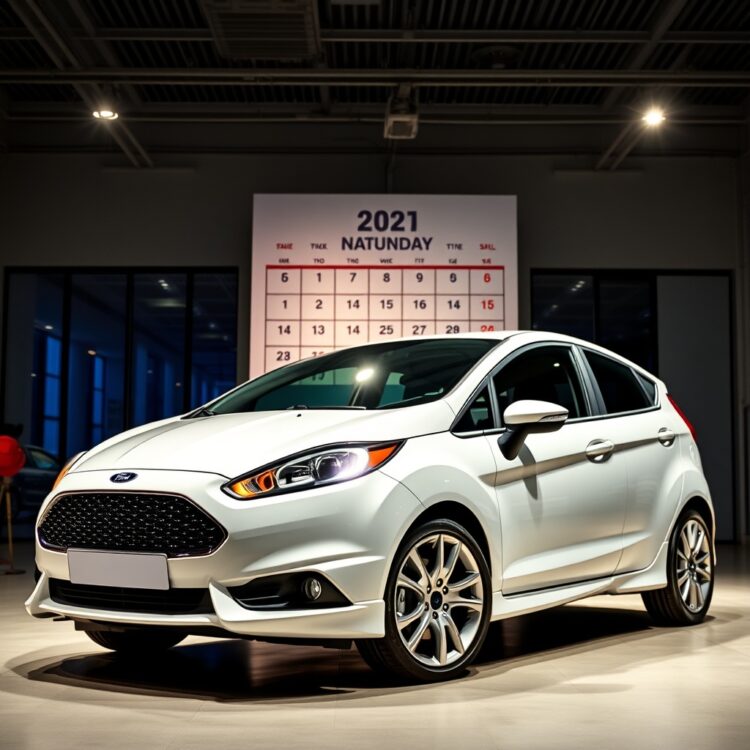
Timing is everything when selling your Fiesta. Spring and summer typically see higher demand, as buyers prefer shopping in good weather. Tax refund seasons also boost purchasing power, making it an ideal window. Avoid winter months, when fewer buyers are active, unless your car suits seasonal needs. Researching market trends ensures you list at the right moment.
New model releases can also impact your timing. If Ford announces a new Fiesta, demand for older models may dip temporarily. Conversely, discontinuation news can spark interest in existing stock. Staying informed about industry updates helps you capitalise on these fluctuations and sell when demand peaks.
Market Trends to Watch
Keeping an eye on broader automotive trends ensures you don’t miss lucrative opportunities. The shift toward electric vehicles, for example, may increase demand for fuel-efficient petrol cars like the Fiesta. Similarly, economic downturns often push buyers toward affordable used cars. By monitoring these trends, you can align your sale with favourable conditions.
Online platforms and dealerships often adjust prices based on supply and demand. Tools like Auto Trader provide real-time insights, helping you stay competitive. Whether it’s a surge in compact car popularity or a dip in new car sales, adapting to trends ensures you get the best deal for your Fiesta.
Navigating the Used Car Market as a Seller
Setting a Competitive Price
When selling your Ford Fiesta, pricing it competitively is crucial. Research similar models in your area to gauge the market. Overpricing can deter buyers, while underpricing means leaving money on the table. Tools like valuation guides can help you find the sweet spot. Remember, factors like mileage, condition, and demand play a role. A well-priced Fiesta attracts serious buyers and speeds up the sale.
Consider the emotional aspect too. Buyers often compare prices before committing, so a fair deal builds trust. Highlighting your car’s unique features, such as low mileage or a full service history, can justify your asking price. Don’t forget to factor in negotiation room—most buyers expect to haggle. A strategic price sets the stage for a smooth transaction.
Marketing Your Fiesta Effectively
Effective marketing can make or break your sale. High-quality photos and a detailed description are non-negotiable. Showcase your Fiesta’s best angles and mention any upgrades or recent maintenance. Platforms like automotive blogs often share tips for creating compelling listings. Be honest about flaws—transparency builds credibility and avoids disputes later.
Timing matters too. List your car when demand is high, such as during tax refund season or before holidays. Social media and local classifieds can expand your reach. Word of mouth is powerful, so let friends and family know you’re selling. A well-marketed Fiesta stands out in a crowded market, attracting the right buyer faster.
The Psychological Factors in Car Valuation
Emotional Attachment vs. Market Reality
It’s natural to feel attached to your Fiesta, but sentimentality can cloud judgment. Buyers won’t pay extra for memories. Focus on objective factors like condition and market trends. A realistic valuation ensures you don’t overestimate its worth. Detaching emotionally helps you negotiate better and close the deal faster.
Buyers, on the other hand, often make decisions based on gut feelings. A clean, well-maintained Fiesta evokes confidence. Small touches, like a fresh wash or organising paperwork, can tip the scales. Understanding these psychological triggers gives you an edge. Balance your attachment with market savvy to maximise your car’s value.
Buyer Perceptions and How They Affect Offers
Buyers judge a car within seconds. First impressions matter—dents, stains, or odd smells can lower offers. Present your Fiesta in its best light to influence perceptions positively. Highlighting features like fuel efficiency or reliability can justify a higher price. Buyers often associate cleanliness with care, so a spotless interior and exterior pay off.
Perceived value also hinges on trust. Providing a full service history and being upfront about issues builds confidence. Buyers are more likely to offer fair prices when they feel informed. Use this to your advantage by addressing concerns proactively. A transparent approach fosters goodwill and can lead to quicker, better offers.
Legal and Documentation Considerations
Ensuring Your Paperwork Adds Value
Complete paperwork is a selling point. Missing documents can scare off buyers or delay the sale. Ensure you have the V5C logbook, MOT certificates, and service records ready. A detailed history reassures buyers about the car’s condition. If you’ve made modifications, include receipts to prove they were done professionally.
Legal clarity is equally important. Verify there are no outstanding finance agreements or liens on the car. Buyers will check this, and surprises can derail the sale. A smooth handover with all paperwork in order enhances your Fiesta’s appeal. It’s a small effort that pays off in trust and a hassle-free transaction.
The Impact of Service History on Sale Price
A comprehensive service history can boost your Fiesta’s value. Buyers see it as proof of proper maintenance, reducing perceived risk. Regular servicing, especially at authorised dealers, adds credibility. Missing records can raise red flags and lower offers. If gaps exist, consider getting a pre-sale inspection to reassure buyers.
Documentation also highlights your car’s reliability. For example, a Fiesta with a full service history might fetch 10-15% more than one without. It’s a tangible way to justify your asking price. Investing time in organising records now can translate into a higher sale price later. Buyers appreciate transparency, and paperwork is your best tool to provide it.
Alternative Ways to Profit from Your Fiesta
Renting vs. Selling: What’s More Profitable
Renting your Fiesta can generate steady income, but it comes with risks. Wear and tear, insurance costs, and unpredictable demand are factors to weigh. Platforms like car-sharing services offer flexibility, but maintenance becomes your responsibility. Selling, on the other hand, provides a lump sum upfront without ongoing hassles.
Consider your long-term goals. Renting suits those who don’t need immediate cash and can manage the logistics. Selling is better if you want a quick, clean break. Evaluate local demand—some areas have higher rental potential than others. Crunch the numbers to see which option aligns with your financial needs and lifestyle.
Parting Out: When It Makes Financial Sense
Parting out your Fiesta can be lucrative if it’s no longer roadworthy. High-demand parts like engines, transmissions, or alloy wheels fetch good prices. Research the market to identify which components are valuable. This route requires time and effort, but the payoff can exceed the car’s scrap value.
However, parting out isn’t for everyone. Storage space and dismantling costs can eat into profits. If your Fiesta is in decent condition, selling it whole is usually simpler. But for older or damaged models, parting out might be the smarter move. Weigh the pros and cons to decide if this niche approach is worth your while.
The Future of Small Cars and the Fiestas Place
Trends in Small Car Demand
The small car market is evolving, with shifting consumer preferences towards SUVs and electric vehicles. However, compact cars like the Ford Fiesta still hold appeal for urban drivers seeking affordability and efficiency. We’ve noticed a growing niche of enthusiasts who value the Fiesta’s driving dynamics, ensuring demand remains steady. While overall sales may decline, the Fiesta’s legacy as a practical yet fun option keeps it relevant in today’s market.
Environmental regulations and fuel efficiency standards are pushing manufacturers to innovate, but the Fiesta’s lightweight design and efficient engines align well with these trends. For now, the small car segment isn’t disappearing—it’s adapting. The Fiesta’s reputation for reliability and low running costs ensures it remains a viable choice, especially for first-time buyers or city dwellers.
The Fiestas Legacy and Collector Potential
With Ford discontinuing the Fiesta, its status as a future classic is already being debated. Rare models, like the ST or limited editions, are likely to appreciate as enthusiasts seek out the best examples. We believe the Fiesta’s resale value could benefit from nostalgia and its cult following, especially in well-preserved condition.
Collector interest often hinges on emotional connections, and the Fiesta’s decades-long production run has built a loyal fanbase. While mass-market variants may not skyrocket in value, special editions with unique specs or performance upgrades could become sought-after. The key is to identify models with low mileage, full service history, and desirable features.
Expert Predictions on Fiesta Values
Analysts Views on Short-term Fluctuations
In the short term, Fiesta values may dip slightly as the market adjusts to Ford’s discontinuation announcement. However, we expect prices to stabilise as supply tightens and demand from budget-conscious buyers persists. Models with competitive pricing will likely hold their value better, especially those with proven reliability and low ownership costs.
Regional factors also play a role—urban areas with congestion charges may see stronger demand for efficient small cars like the Fiesta. Analysts suggest keeping an eye on used inventory levels; a sudden drop could signal a price rebound. For sellers, timing is crucial to maximise returns in this transitional phase.
Long-term Collectibility and Appreciation Prospects
Long-term, the Fiesta’s collectibility hinges on its cultural impact and rarity. Performance variants, such as the ST or RS, are prime candidates for appreciation due to their limited production and enthusiast appeal. We’ve seen similar trends with discontinued hot hatches like the VW Golf GTI, which now command premium prices.
Maintaining your Fiesta in pristine condition and preserving its originality will be key to unlocking its future value. While mainstream models may not become investment-grade, special editions could surprise with their appreciation potential. The Fiesta’s blend of practicality and fun ensures it won’t be forgotten, making it a smart hold for patient owners.
Actionable Steps to Maximize Your Fiestas Value
Immediate Actions to Take
Start by documenting your Fiesta’s condition and service history—detailed records add credibility and value. Address any minor repairs or cosmetic issues now to avoid depreciation later. We recommend getting a professional valuation to set a realistic baseline, especially if you’re considering selling soon.
Marketing your car effectively is equally important. High-quality photos and a clear description highlighting its low running costs and reliability can attract serious buyers. If you’re not in a rush, holding onto your Fiesta for a few more years could pay off as supply dwindles and demand for well-maintained examples grows.
Long-term Strategies for Value Preservation
For long-term value, focus on preserving your Fiesta’s originality. Avoid modifications that could deter collectors, and store it properly to prevent wear. Regular maintenance, even if you’re driving it sparingly, ensures mechanical components stay in top shape.
Consider joining enthusiast clubs or forums to stay updated on market trends and connect with potential buyers. The Fiesta’s community is vibrant, and networking can open doors to lucrative opportunities. Whether you’re keeping it or selling, patience and care will be your best allies in maximising its worth.
Frequently Asked Questions
Will the Ford Fiesta become a classic car?
While mass-produced models may not achieve classic status, performance variants like the ST or limited editions have strong potential. Their rarity and enthusiast appeal could drive appreciation over time, especially if kept in excellent condition.
How does mileage affect my Fiestas value?
Lower mileage typically translates to higher resale value, as it suggests less wear and tear. However, a well-maintained Fiesta with higher mileage can still command a good price, especially if it has a full service history.
Should I sell my Fiesta now or wait?
If your Fiesta is in good condition, waiting could be beneficial as supply tightens post-discontinuation. However, market conditions vary, so monitoring local demand and pricing trends will help you decide the optimal time to sell.
What features add the most value to a used Fiesta?
Desirable features include low mileage, full service history, and optional extras like alloy wheels or upgraded infotainment. Performance models and special editions also tend to hold their value better than base variants.
Can I increase my Fiestas value with upgrades?
While some upgrades may appeal to buyers, originality is often more valuable to collectors. Focus on maintaining the car’s factory condition and addressing any mechanical or cosmetic issues rather than extensive modifications.