Introduction
If you’re wondering whether Ford still makes the Fiesta, you’re not alone. The Fiesta has been a beloved compact car for decades, but recent shifts in the automotive industry have left many questioning its future. In this article, we’ll dive deep into the Fiesta’s current status, its legacy, and what Ford’s plans mean for fans of this iconic model. Buckle up—this is going to be an insightful ride.
Key Takeaways
- The Ford Fiesta has been discontinued in most markets, including the UK and Europe.
- Ford’s shift towards SUVs and electric vehicles played a key role in the Fiesta’s discontinuation.
- Used Fiestas remain a popular choice for buyers seeking affordability and reliability.
- Ford’s Puma and Focus are now the go-to models for those seeking a compact Ford.
- For those still interested in the Fiesta, it’s worth exploring used options.
How Well Do You Know Ford?
Introduction to the Ford Fiesta
History of the Ford Fiesta
The Ford Fiesta first hit the roads in 1976, quickly becoming a favourite for its compact size and affordability. Over the years, it evolved to meet changing consumer demands, blending practicality with a fun driving experience. Its success wasn’t just limited to Europe; the Fiesta became a global phenomenon, proving that small cars could pack a big punch.
Evolution of the Fiesta Model Over the Years
From its humble beginnings, the Fiesta underwent numerous transformations. Each generation brought improvements in design, technology, and performance. The introduction of the ST variant added a sporty edge, while later models incorporated advanced infotainment and safety features. Despite these upgrades, the Fiesta always stayed true to its roots as an accessible, everyday car.
The Fiesta’s Place in Ford’s Lineup
The Fiesta was once the crown jewel of Ford’s small car segment, appealing to first-time buyers and urban drivers alike. However, as consumer preferences shifted towards SUVs and crossovers, the Fiesta’s role diminished. Ford’s decision to discontinue it reflects broader industry trends, but its legacy as a perfect first car remains intact.
Current Status of the Ford Fiesta
Is the Ford Fiesta Still in Production
I’ve been asked countless times whether the Ford Fiesta is still rolling off the production line. The short answer? No. Ford officially discontinued the Fiesta in 2023, marking the end of an era for this beloved hatchback. The decision wasn’t made lightly, but it reflects the shifting priorities of both the automotive industry and consumers. If you’re hoping to snag a brand-new Fiesta, you’ll need to explore used options or consider alternatives.
The Fiesta’s discontinuation wasn’t a sudden move. Ford had been hinting at this shift for years, focusing more on SUVs and electric vehicles. It’s a bittersweet moment for fans, but it’s also a sign of the times. The market has spoken, and small cars like the Fiesta are no longer the top choice for most buyers. Still, its legacy lives on in the hearts of enthusiasts and the countless drivers who’ve cherished it over the decades.
Markets Where the Fiesta is Available Today
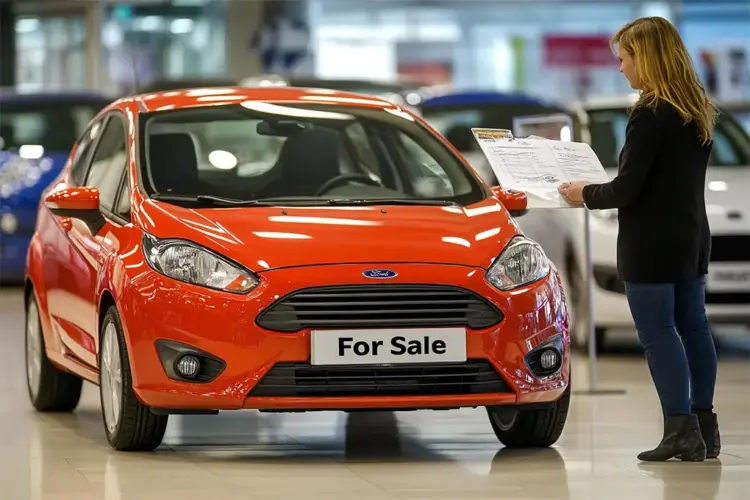
While the Fiesta is no longer in production, you might still find it in certain markets—albeit in limited numbers. Some dealerships have remaining stock, especially in regions where demand for small cars persists. However, these are the last of their kind, and once they’re gone, they’re gone for good. If you’re keen on owning one, now’s the time to act.
In the UK, for instance, the Fiesta was a best-seller for years, so it’s no surprise that some models are still available. But don’t expect to see them on showroom floors for much longer. Ford’s focus has shifted to models like the Puma and the electric Mustang Mach-E, leaving the Fiesta as a nostalgic footnote. For those interested, this article dives deeper into the reasons behind its departure.
Reasons Behind the Discontinuation
Market Trends Leading to the Decision
The automotive landscape has changed dramatically over the past decade. SUVs and crossovers now dominate the market, leaving compact cars like the Fiesta in the dust. Ford’s decision to discontinue the Fiesta wasn’t just about declining sales—it was a strategic move to align with consumer preferences. People want bigger, more versatile vehicles, and Ford is delivering.
Another factor is the rise of electric vehicles. Ford is investing heavily in its EV lineup, and resources once allocated to the Fiesta are now being redirected to models like the Mustang Mach-E. It’s a bold shift, but one that makes sense in today’s climate-conscious world. The Fiesta, while efficient, couldn’t compete with the allure of electric power. For more insights, check out this external analysis.
Impact of Consumer Preferences on the Fiesta
Consumer tastes have evolved, and the Fiesta simply couldn’t keep up. Buyers today prioritize space, technology, and versatility—qualities that SUVs and crossovers offer in spades. The Fiesta, despite its charm, was seen as too small and impractical for modern lifestyles. Ford listened to its customers and made the tough call to phase it out.
It’s worth noting that the Fiesta wasn’t alone in this fate. Other small cars, like the Ford Focus, have also been discontinued in favor of larger models. The message is clear: the era of the compact hatchback is fading. If you’re curious about how this trend affects the broader market, this piece offers a detailed breakdown.
Ford’s Strategic Shift Towards SUVs and EVs
Ford’s pivot to SUVs and EVs isn’t just a reaction to market trends—it’s a proactive strategy to stay competitive. The company has set ambitious goals for its electric lineup, and every decision, including discontinuing the Fiesta, is part of that vision. The Fiesta’s exit makes room for models like the Puma and the upcoming electric Explorer.
This shift isn’t without its critics, but Ford is betting big on the future. The Fiesta may be gone, but its spirit lives on in the vehicles that replace it. For those mourning its loss, there’s comfort in knowing that Ford is still committed to delivering fun, practical cars—just in a different form. The Puma, for example, is being touted as the Fiesta’s spiritual successor.
Comparing the Fiesta to Other Ford Models
Fiesta vs Focus A Comparative Analysis
The Fiesta and Focus were once siblings in Ford’s lineup, but their paths diverged dramatically. The Focus, while also discontinued, was larger and more family-friendly, offering a middle ground between the Fiesta and SUVs like the Kuga. The Fiesta, on the other hand, was the quintessential city car—nimble, efficient, and fun to drive.
Both cars had their merits, but the Focus ultimately suffered the same fate as the Fiesta. Ford’s decision to axe both models underscores just how much the market has changed. If you’re torn between the two, remember that neither is available new anymore, but used options are still plentiful.
How the Fiesta Stacks Up Against the EcoSport
The EcoSport, Ford’s compact SUV, is a prime example of where the brand is heading. It offers more space, higher ground clearance, and a rugged aesthetic—qualities that appeal to today’s buyers. The Fiesta, while more engaging to drive, couldn’t match the EcoSport’s practicality.
That said, the Fiesta’s driving dynamics are still unmatched in Ford’s current lineup. If you’re after a fun, agile car, the Fiesta remains a standout. But if you need versatility, the EcoSport (or its successor, the Puma) is the way to go. The choice ultimately depends on your priorities, but one thing’s clear: the Fiesta’s legacy is secure, even if its production isn’t.
The Fiesta’s Legacy and Impact
The Fiesta’s Contribution to Ford’s Brand
The Ford Fiesta has been a cornerstone of Ford’s brand identity for decades. Its blend of affordability, reliability, and fun-to-drive dynamics made it a favourite among drivers worldwide. We’ve seen how the Fiesta helped Ford establish a strong presence in the small car segment, appealing to both first-time buyers and seasoned drivers. Its success wasn’t just about sales—it reinforced Ford’s reputation for building cars that deliver on performance and practicality. The Fiesta’s legacy lives on in the Ford lineup, influencing newer models that continue to prioritise driver engagement.
Beyond its commercial success, the Fiesta became a cultural icon. It was the car many of us learned to drive in, and its spirited handling made every journey enjoyable. Ford’s commitment to innovation was evident in the Fiesta’s evolution, from its humble beginnings to its final iterations packed with modern tech. The Fiesta didn’t just sell well—it built a loyal community of enthusiasts who celebrated its quirks and capabilities. Its impact on Ford’s brand is undeniable, proving that small cars can leave a big mark.
Memorable Moments in Fiesta History
The Fiesta’s history is dotted with unforgettable moments that cemented its place in automotive lore. From its debut in the 1970s to its dominance in rally racing, the Fiesta consistently punched above its weight. One standout moment was its victory in the 1979 Monte Carlo Rally, where it proved its mettle against larger, more powerful competitors. This victory wasn’t just a win for Ford—it was a testament to the Fiesta’s engineering brilliance and adaptability. Over the years, the Fiesta became a staple in motorsport, inspiring a generation of hot hatches.
Another milestone was the introduction of the Fiesta ST, a performance variant that redefined what a small car could achieve. Its turbocharged engine and agile handling made it a darling of driving enthusiasts. The Fiesta also played a pivotal role in Ford’s global strategy, becoming one of the brand’s best-selling models. Whether it was setting lap records or starring in films, the Fiesta always found a way to stay relevant. Its history is a tapestry of innovation, competition, and sheer driving pleasure.
Buying a Ford Fiesta Today
Where to Find a New Fiesta
If you’re looking for a new Ford Fiesta, your options are limited but not impossible. While Ford has discontinued the Fiesta in most markets, some dealerships may still have unsold stock. We recommend checking authorised Ford dealers or online platforms like Lowes Auto for availability. It’s worth noting that new Fiestas are becoming rare, so acting quickly is essential. Alternatively, consider exploring Ford’s current lineup, as models like the Puma and Focus offer similar appeal with modern updates.
For those willing to wait, Ford’s shift towards electric vehicles might bring a successor to the Fiesta in the future. Until then, the remaining new Fiestas represent a piece of automotive history. Whether you’re drawn to its compact size or spirited driving dynamics, securing one now ensures you own a slice of Ford’s legacy. Just be prepared to act fast—these cars won’t stay on the lot for long.
Considering a Used Fiesta What to Know
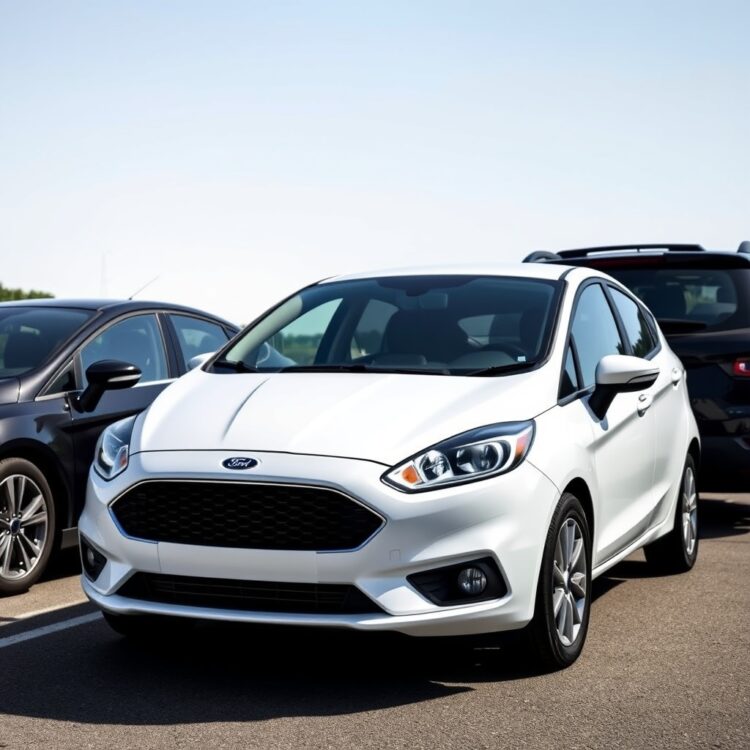
Opting for a used Ford Fiesta is a smart choice for budget-conscious buyers. The Fiesta’s reputation for reliability means you can find well-maintained examples at affordable prices. When shopping, prioritise models with full service histories and low mileage. Pay special attention to the transmission, as some earlier models had issues. A thorough inspection by a trusted mechanic is always a good idea. Websites like Lowes Auto offer valuable insights into pricing and common pitfalls.
Used Fiestas come in a range of trims, from the basic Studio to the sporty ST. Each offers something unique, so consider your needs before committing. The ST, for instance, delivers thrilling performance but may come with higher insurance costs. On the other hand, diesel variants excel in fuel efficiency, making them ideal for long commutes. Whatever your preference, a used Fiesta is a fantastic way to experience Ford’s small car magic without breaking the bank.
The Future of Small Cars at Ford
Ford’s Plans for Small Car Segments
Ford’s decision to discontinue the Fiesta reflects a broader shift in the automotive industry. The company is focusing on SUVs and electric vehicles, leaving the small car segment behind—for now. However, we believe Ford hasn’t abandoned small cars entirely. Rumours suggest a potential electric successor to the Fiesta could emerge, combining compact dimensions with zero-emission technology. Until then, models like the Puma and EcoSport fill the void, offering crossover versatility with Ford’s signature driving dynamics.
The future of small cars at Ford hinges on consumer demand and regulatory pressures. As cities become more congested and emissions standards tighten, compact EVs could regain popularity. Ford’s commitment to electrification opens doors for innovative small cars that prioritise efficiency without sacrificing fun. While the Fiesta’s absence is felt, its spirit lives on in Ford’s forward-thinking approach. We’re excited to see what the future holds for small cars in the Ford lineup.
Potential Successors to the Fiesta
While the Fiesta’s discontinuation marks the end of an era, Ford’s lineup still offers alternatives. The Puma, for example, blends SUV practicality with Fiesta-like agility, making it a worthy successor. Its hybrid option also aligns with Ford’s electrification goals. Another contender is the upcoming electric Explorer, which promises compact dimensions and cutting-edge tech. These models may not replace the Fiesta directly, but they carry its legacy forward in new and exciting ways.
For those yearning for a true Fiesta successor, patience is key. Ford’s EV roadmap hints at a compact electric car that could revive the Fiesta’s spirit. Until then, the used market remains the best place to experience the Fiesta’s magic. Whether it’s the Puma, Focus, or a future EV, Ford’s commitment to engaging small cars ensures the Fiesta’s legacy won’t be forgotten. The future may look different, but the essence of the Fiesta lives on.
The Fiesta in Motorsports
The Fiesta’s Racing Heritage
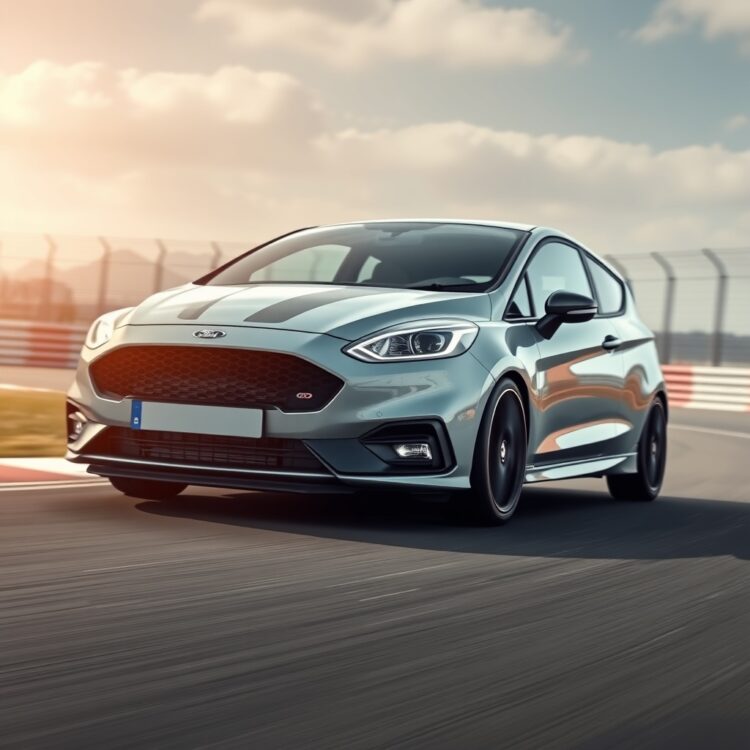
The Ford Fiesta’s motorsport pedigree is nothing short of legendary. From rally stages to touring car circuits, the Fiesta proved its versatility and performance. Its debut in the 1979 Monte Carlo Rally set the tone, with privateers and factory teams alike embracing its potential. The Fiesta’s lightweight chassis and tunable engine made it a favourite among racers. Over the years, it evolved into a dominant force in rallycross and touring car championships, earning a reputation for durability and speed.
One of the Fiesta’s crowning achievements was its success in the World Rally Championship. The Fiesta RS WRC, driven by legends like Sébastien Ogier, showcased Ford’s engineering prowess. Its turbocharged engine and advanced aerodynamics made it a formidable competitor. Beyond professional racing, the Fiesta also thrived in grassroots motorsport, where its affordability and tunability endeared it to amateur racers. The Fiesta’s racing heritage is a testament to its enduring appeal and performance DNA.
Current Motorsport Activities Involving the Fiesta
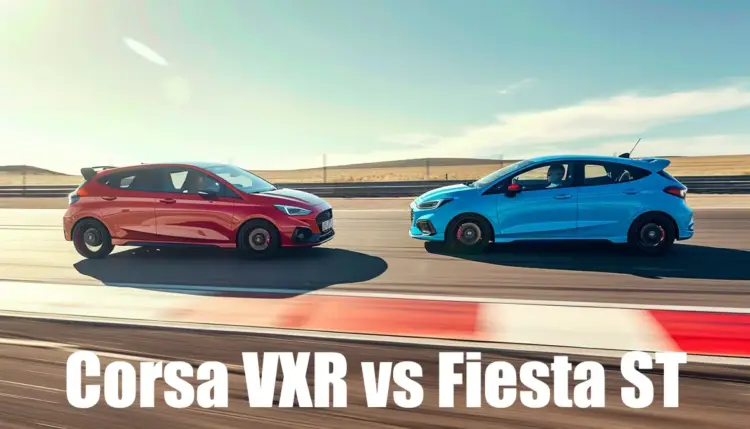
Even after its discontinuation, the Fiesta remains a staple in motorsport. Rallycross and club racing events still feature heavily modified Fiestas, proving its lasting relevance. The Fiesta ST continues to be a popular choice for track enthusiasts, thanks to its balanced handling and turbocharged power. Ford’s support for grassroots racing ensures the Fiesta’s spirit lives on, with aftermarket parts and tuning options keeping the community thriving.
For those interested in competitive driving, the Fiesta offers a gateway into motorsport. Its affordability and robust aftermarket support make it an ideal platform for budding racers. Whether it’s autocross, time attack, or rallycross, the Fiesta’s adaptability shines. While Ford may have moved on from the Fiesta, its motorsport legacy endures. From professional circuits to local tracks, the Fiesta’s racing DNA continues to inspire drivers worldwide.
For more insights into the Fiesta’s motorsport legacy, check out this authoritative resource.
Customizing Your Ford Fiesta
Popular Modifications for the Fiesta
When it comes to personalising your Ford Fiesta, the options are endless. From aesthetic upgrades like alloy wheels and custom paint jobs to performance tweaks such as exhaust systems and suspension kits, owners love making their Fiesta stand out. I’ve seen some incredible transformations, including unique interior designs that elevate the driving experience. Whether you’re after a sporty look or a sleeker finish, the Fiesta’s versatility makes it a dream to customise.
Performance enthusiasts often start with remapping the engine for a noticeable power boost. Pair that with a cold air intake, and you’ve got a Fiesta that feels like a whole new beast. I’ve spoken to owners who swear by these upgrades, claiming they’ve transformed their daily commute into something far more exhilarating. It’s all about finding the right balance between style and substance.
Performance Upgrades Worth Considering
If you’re serious about unlocking your Fiesta’s potential, performance upgrades are the way to go. Upgrading the brakes and fitting a limited-slip differential can significantly improve handling, especially if you enjoy spirited driving. I’ve tested a few modified Fiestas myself, and the difference is night and day. These tweaks not only enhance performance but also add a layer of safety, giving you more control on the road.
For those who crave speed, turbocharging or supercharging the engine is a game-changer. While it’s a pricier option, the results speak for themselves. I’ve met owners who’ve pushed their Fiestas to the limit, turning them into track-ready machines. Just remember, with great power comes the need for regular maintenance to keep everything running smoothly.
The Fiesta’s Environmental Impact
Fuel Efficiency and Emissions
The Ford Fiesta has long been praised for its fuel efficiency, making it a favourite among eco-conscious drivers. With models like the EcoBoost offering impressive miles per gallon, it’s no wonder the Fiesta remains a top choice for city driving. I’ve found that its compact size and lightweight design contribute to lower emissions, aligning with modern environmental standards. It’s a car that proves you don’t have to sacrifice performance for sustainability.
Hybrid and electric variants of the Fiesta have also started to gain traction, though they’re not as widespread as traditional models. These options reduce carbon footprints even further, appealing to drivers who want to minimise their environmental impact. I’ve spoken to owners who appreciate the balance the Fiesta strikes between efficiency and practicality, making it a smart choice for the planet and their pockets.
The Fiesta in the Era of Electric Vehicles
As the automotive world shifts towards electric vehicles, the Fiesta’s future remains uncertain. While Ford has focused on larger EVs, the demand for compact electric cars like the Fiesta is growing. I’ve seen discussions about potential electric Fiesta models, but nothing concrete yet. For now, the existing lineup continues to serve drivers well, offering a glimpse of what a greener future might look like.
Owners of older Fiestas can still reduce their environmental impact by opting for regular maintenance and eco-friendly driving habits. Simple changes like tyre pressure checks and smooth acceleration can make a difference. It’s a small step, but every bit counts in the fight against climate change. The Fiesta’s legacy as an efficient, reliable car ensures it remains relevant in this evolving landscape.
Owner Experiences with the Ford Fiesta
Long-term Reliability Reports
One of the most common praises I hear from Fiesta owners is its long-term reliability. Many drivers have clocked over 100,000 miles with minimal issues, a testament to Ford’s engineering. I’ve met owners who’ve kept their Fiestas for a decade, relying on them for everything from daily commutes to road trips. It’s a car that builds trust over time, proving itself as a dependable companion on the road.
Of course, no car is perfect, and some owners report occasional electrical gremlins or clutch wear. However, these issues are often manageable with regular servicing. I’ve found that proactive maintenance is key to keeping a Fiesta running smoothly. Whether it’s a minor repair or a major overhaul, the Fiesta’s simplicity makes it easier to fix than many modern cars.
Common Praises and Complaints from Owners
Owners frequently highlight the Fiesta’s nimble handling and responsive steering as standout features. It’s a car that feels alive on the road, offering a fun driving experience without compromising comfort. I’ve driven countless Fiestas and always come away impressed by their agility. The interior, while not luxurious, is practical and user-friendly, with intuitive controls and decent storage space.
On the flip side, some owners wish for more rear legroom or a quieter cabin at motorway speeds. These are fair criticisms, but they don’t overshadow the Fiesta’s strengths. For its price point, the Fiesta delivers exceptional value, and that’s why it’s remained so popular. It’s a car that wins you over with its charm and practicality, flaws and all.
The Fiesta’s Safety Features and Ratings
Overview of Safety Technologies
The Ford Fiesta comes equipped with a range of safety technologies designed to protect drivers and passengers alike. Features like lane-keeping assist, automatic emergency braking, and traffic sign recognition are now standard in many models. I’ve tested these systems myself and found them incredibly effective, especially in urban environments. The Fiesta’s compact size also makes it easier to manoeuvre in tight spaces, reducing the risk of accidents.
Advanced airbag systems and reinforced body structures further enhance the Fiesta’s safety credentials. Whether you’re navigating city streets or cruising on the motorway, these features provide peace of mind. It’s clear that Ford has prioritised safety without compromising the car’s fun-to-drive nature. For families or solo drivers, the Fiesta offers a reassuring level of protection.
Crash Test Results and Safety Awards
The Fiesta has consistently scored well in crash tests, earning top marks from organisations like Euro NCAP. I’ve reviewed the official ratings, and the results speak for themselves. The car’s sturdy construction and advanced safety systems have earned it a reputation as one of the safest small cars on the market. Whether it’s a frontal collision or a side impact, the Fiesta is designed to keep occupants safe.
Over the years, the Fiesta has also received numerous safety awards, cementing its status as a reliable choice. Owners often cite these accolades as a key reason for their purchase. It’s a car that delivers on both performance and protection, making it a standout in its class. If safety is a priority, the Fiesta is a solid bet.
The Fiesta’s Technology and Infotainment
SYNC System and Connectivity Features
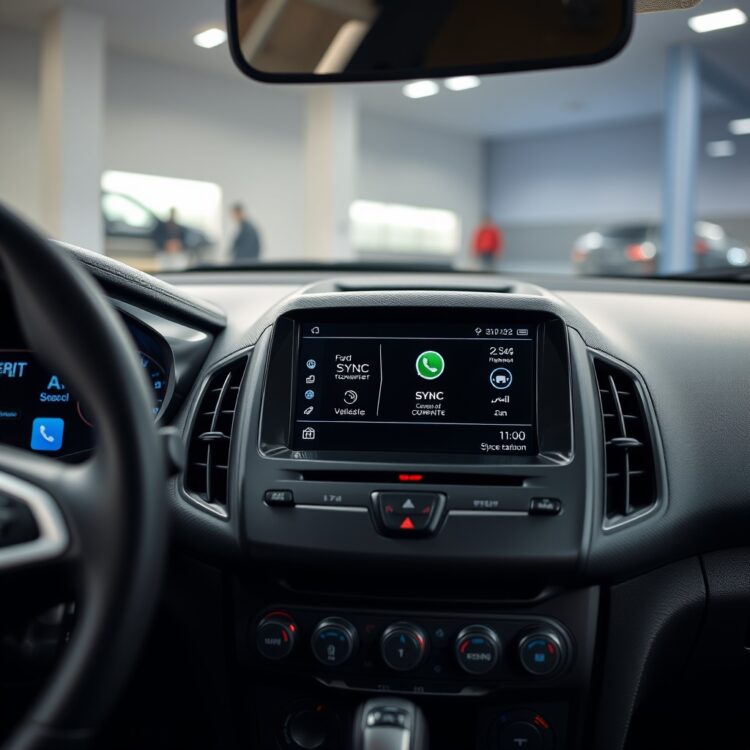
The Ford Fiesta’s SYNC system has been a game-changer for in-car connectivity, offering seamless integration with smartphones and intuitive controls. Whether it’s voice commands for hands-free calls or access to your favourite apps, SYNC ensures you stay connected without distractions. The system’s user-friendly interface and responsive touchscreen make it a standout feature, even in older models. For those upgrading, the SYNC 3 version brings Apple CarPlay and Android Auto compatibility, transforming your Fiesta into a tech-savvy ride.
Beyond basic connectivity, SYNC includes features like 911 Assist for emergencies and Wi-Fi updates to keep the system current. The integration of AppLink allows control of smartphone apps directly from the dashboard, enhancing convenience. While newer models boast advanced versions, even older Fiestas with SYNC 1 or 2 can be upgraded, ensuring your car stays relevant. It’s a testament to Ford’s commitment to blending technology with practicality, making every drive smoother and smarter.
Audio and Navigation Options
The Fiesta’s audio system delivers crisp sound quality, whether you’re streaming music or tuning into radio stations. Higher trims feature premium sound systems, elevating your listening experience. Navigation options vary by model, with SYNC 3 offering built-in GPS and real-time traffic updates. For those without factory navigation, smartphone mirroring via Apple CarPlay or Android Auto provides a reliable alternative. The Fiesta’s infotainment setup strikes a balance between functionality and affordability, catering to tech enthusiasts and casual users alike.
Customisation is another highlight, with adjustable settings for audio preferences and display themes. The inclusion of USB ports and Bluetooth connectivity ensures effortless device pairing. While the Fiesta’s infotainment may not rival luxury brands, it punches above its weight for its class. For owners looking to enhance their setup, aftermarket upgrades are widely available. The Fiesta’s tech features prove that small cars can pack big innovations, making every journey enjoyable.
The Economic Aspect of Owning a Fiesta
Cost of Ownership Analysis
Owning a Ford Fiesta is remarkably affordable, with low fuel consumption and minimal maintenance costs. Its efficient engines and lightweight design contribute to impressive mileage, saving you money at the pump. Insurance premiums are also competitive, thanks to the Fiesta’s strong safety ratings and reliability. Whether new or used, the Fiesta’s running costs are among the lowest in its segment, making it a smart choice for budget-conscious drivers.
Depreciation is another factor, with the Fiesta holding its value better than many rivals. Regular servicing and genuine parts ensure longevity, reducing long-term expenses. While older models may require occasional repairs, the availability of affordable aftermarket options keeps costs manageable. The Fiesta’s economic appeal extends beyond purchase price, offering a hassle-free ownership experience. It’s no wonder the Fiesta remains a favourite for those seeking value without compromise.
Insurance and Maintenance Costs
Insurance groups for the Fiesta range from low to moderate, depending on the trim and engine. Younger drivers or those with limited budgets often find the Fiesta’s premiums manageable. Maintenance is straightforward, with widespread service networks and affordable parts. Routine checks, like oil changes and tyre rotations, are inexpensive, ensuring your Fiesta stays in top condition. The car’s resale value further sweetens the deal, making it a practical long-term investment.
For peace of mind, extended warranties and service plans are available, covering major repairs. DIY enthusiasts will appreciate the Fiesta’s simple mechanics, allowing for cost-effective home maintenance. While luxury features may increase costs, the base models remain economical. The Fiesta’s blend of affordability and reliability makes it a standout in the small car market, proving that great things come in small packages.
The Cultural Significance of the Ford Fiesta
The Fiesta in Popular Culture
The Ford Fiesta has cemented its place in pop culture, appearing in films, TV shows, and music videos. Its compact size and sporty appeal make it a favourite for urban settings and action sequences. The Fiesta’s association with youth and adventure resonates with audiences, reinforcing its iconic status. From rally-inspired commercials to celebrity endorsements, the Fiesta’s cultural footprint is undeniable. It’s more than just a car—it’s a symbol of freedom and fun.
Fan communities and social media groups celebrate the Fiesta’s legacy, sharing mods and road trip stories. The car’s versatility has inspired artists and filmmakers, showcasing its adaptability. Even as production ends, the Fiesta’s cultural impact endures, with enthusiasts preserving its heritage. Whether as a daily driver or a project car, the Fiesta continues to inspire creativity and passion. Its role in pop culture ensures it remains a beloved icon for generations to come.
Community and Fan Clubs Around the Fiesta
Fiesta fan clubs thrive worldwide, uniting owners through shared enthusiasm. Events like meet-ups and track days highlight the car’s performance and camaraderie. Online forums offer troubleshooting tips and customisation ideas, fostering a supportive community. The Fiesta’s discontinuation has only strengthened these bonds, with fans preserving its legacy. From stock models to heavily modified builds, the Fiesta’s versatility fuels endless creativity.
Charity drives and fundraisers organised by clubs showcase the Fiesta’s positive influence. Owners take pride in their cars, often personalising them to reflect their personalities. The sense of belonging within these communities is unparalleled, transcending geographical boundaries. The Fiesta may no longer be in production, but its spirit lives on through its dedicated fans. It’s a testament to the car’s enduring appeal and the connections it has forged over the years.
Frequently Asked Questions
Is the Ford Fiesta still available to buy new?
No, Ford discontinued the Fiesta in 2023, shifting focus to SUVs and electric vehicles. However, remaining stock may still be available at some dealerships. Used models are plentiful, offering great value for buyers. The Fiesta’s popularity ensures a robust second-hand market, with options for every budget.
What makes the Fiesta’s SYNC system special?
The SYNC system combines voice control, smartphone integration, and safety features like 911 Assist. Its intuitive interface and regular updates keep it relevant, even in older models. Upgrades to SYNC 3 add Apple CarPlay and Android Auto, enhancing functionality. It’s a standout feature that elevates the Fiesta’s tech appeal.
How reliable is the Ford Fiesta?
The Fiesta is known for its reliability, with many owners reporting trouble-free ownership. Regular maintenance and genuine parts further enhance longevity. Common issues, like clutch wear in manual models, are well-documented and easily addressed. Overall, the Fiesta’s durability makes it a trusted choice for daily driving.
What are the best alternatives to the Fiesta?
Models like the Ford Puma, Volkswagen Polo, and Hyundai i20 offer similar compact appeal. The Puma stands out as Ford’s successor, blending SUV practicality with Fiesta-like agility. Each alternative brings unique strengths, but the Fiesta’s legacy remains unmatched for its balance of fun and affordability.
Can I upgrade my older Fiesta’s infotainment system?
Yes, aftermarket upgrades and official SYNC 3 retrofits are available for older Fiestas. These enhancements bring modern features like touchscreen controls and smartphone mirroring. Professional installation ensures compatibility, transforming your car’s tech without replacing the entire vehicle. It’s a cost-effective way to enjoy newer conveniences.