Introduction
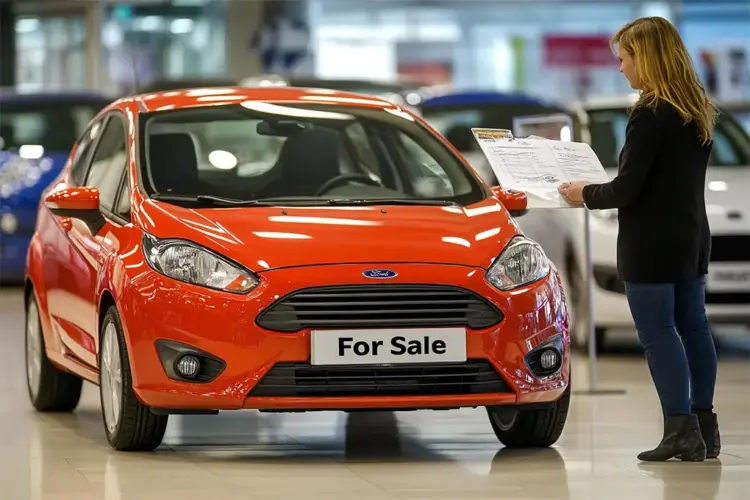
If you’re wondering How much can I get for a Ford Fiesta?” you’re not alone. Whether you’re upgrading or simply moving on, understanding your car’s value is crucial. The Ford Fiesta has been a beloved model for years, but its resale price depends on several factors. From mileage to condition, let’s dive into what makes your Fiesta worth every penny—or pound, in this case.
Key Takeaways
- Market Value Factors: Mileage, condition, and model year significantly impact your Fiesta’s resale price.
- Mileage Matters: Lower mileage often translates to a higher selling price.
- Condition is Key: Well-maintained interiors and exteriors can boost your car’s appeal.
- Location Influence: Regional demand can affect how much buyers are willing to pay.
- Preparation Pays Off: Minor repairs and cosmetic touch-ups can increase your Fiesta’s value.
Understanding the Ford Fiesta’s Market Value
The Ford Fiesta’s resale value isn’t just about age—it’s about how well it’s held up over time. Factors like mileage, condition, and even your location play a role. For example, a Fiesta with 50,000 miles will fetch more than one with 100,000, all else being equal. It’s about balancing wear and tear with demand.
When evaluating your Fiesta, consider its service history. A full service record can reassure buyers and justify a higher price. If you’re unsure where to start, check out our Ford Fiesta pricing guide for a detailed breakdown of what to expect.
Factors Influencing the Ford Fiesta’s Resale Value
Several elements determine your Fiesta’s worth. The model year is a big one—newer models naturally command higher prices. But don’t overlook the trim level. A top-tier Titanium will outshine a basic Zetec in the used market. Even colour can play a role; neutral shades like silver or black tend to sell faster than bold hues.
How Mileage Affects Your Ford Fiesta’s Price
Mileage is a straightforward metric, but it’s powerful. Buyers see low mileage as a sign of longevity, so every extra mile can chip away at your car’s value. If your Fiesta has been driven sparingly, highlight this in your listing. Conversely, if it’s high-mileage, focus on its reliability and maintenance history.
The Impact of Condition on Resale Value
A scratch here or a dent there might seem minor, but they add up in a buyer’s mind. A pristine Fiesta will always sell faster and for more money. Before listing, give your car a thorough clean and fix any glaring issues. For more tips on prepping your car, explore our essential tips for selling wisely.
Evaluating Your Ford Fiesta’s Condition
Assessing Mechanical Condition
When I think about selling my Ford Fiesta, the first thing I check is its mechanical health. A well-maintained engine and transmission can significantly boost the car’s value. I always recommend getting a professional inspection to uncover any hidden issues. Things like unusual noises, warning lights, or sluggish performance are red flags. Addressing these problems before listing can save me from lowball offers and ensure a smoother sale process.
Regular servicing records are gold when it comes to proving the car’s reliability. Buyers love seeing a full history of oil changes, brake replacements, and other routine maintenance. If I’ve kept up with these, I highlight them prominently. A Ford Fiesta with a clean bill of health is always more appealing than one with a questionable past.
Evaluating Exterior and Interior Condition
The exterior and interior condition of my Ford Fiesta play a huge role in its resale value. Dents, scratches, or rust can turn off potential buyers, so I make sure to address these issues beforehand. A fresh coat of wax or a professional detailing job can work wonders. Inside, I focus on cleanliness and functionality. Stains, worn-out seats, or broken features can drag down the price, so I fix or clean them up.
Small investments like replacing a cracked mirror or fixing a faulty window motor can pay off big time. Buyers appreciate a car that looks and feels cared for. I’ve found that a well-presented Ford Fiesta not only sells faster but also commands a higher price. It’s all about making a great first impression.
The Role of Model Year in Pricing
How Newer Models Command Higher Prices
Newer Ford Fiesta models naturally fetch higher prices due to their updated features and lower mileage. Buyers are willing to pay a premium for the latest tech, safety enhancements, and improved fuel efficiency. I’ve noticed that even a one-year difference can impact the resale value significantly. If my Fiesta is relatively new, I emphasise its modern amenities like touchscreen infotainment or advanced driver-assist systems.
Depreciation is steepest in the first few years, but newer models still hold their value better than older ones. I always check comparable listings to see how my car stacks up. A Ford Fiesta from the last five years is likely to attract more interest than one from a decade ago, simply because it’s perceived as more reliable and up-to-date.
The Depreciation Curve of the Ford Fiesta
Understanding the depreciation curve helps me set realistic expectations for my Ford Fiesta’s resale value. Typically, the car loses about 20-30% of its value in the first year and around 50% by the third year. After that, the rate slows down. Knowing this, I can time my sale to maximise returns. For example, selling before the car hits a major depreciation milestone can be a smart move.
Factors like mileage, condition, and market demand also influence depreciation. A well-maintained Fiesta with low mileage will always depreciate slower than a neglected one. I’ve learned that keeping my car in top shape and documenting its care can help mitigate the financial hit. It’s all about balancing the car’s age with its overall condition.
Geographic Location and Its Effect on Price
Regional Demand Variations
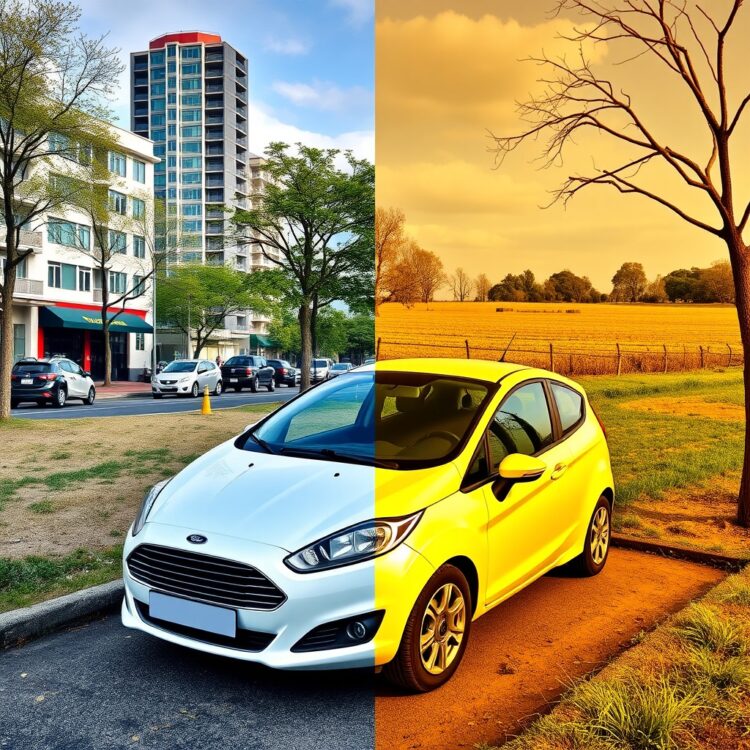
Where I sell my Ford Fiesta can make a big difference in the price I get. In urban areas, compact cars like the Fiesta are in high demand due to their ease of parking and fuel efficiency. Rural buyers, on the other hand, might prefer larger vehicles. I’ve found that listing my car in a city often leads to quicker sales and better offers. It’s all about understanding local preferences and adjusting my strategy accordingly.
Seasonal trends also play a role. For example, convertibles sell better in summer, while 4x4s are hot in winter. The Fiesta’s versatility makes it a year-round option, but I still consider timing my sale to match regional demand spikes. A bit of research on regional pricing trends can go a long way in maximising my returns.
How Local Markets Influence Resale Value
Local market conditions heavily influence my Ford Fiesta’s resale value. In areas with high demand for used cars, prices tend to be higher. I always check local listings to gauge the competition. If there are few Fiestas available, I might price mine a bit higher. Conversely, a saturated market might require a more competitive price to attract buyers.
Economic factors like fuel prices and employment rates also impact demand. In times of high fuel costs, efficient cars like the Fiesta become more desirable. I keep an eye on these trends to time my sale optimally. A well-priced Ford Fiesta in the right location can sell quickly and for a great price. It’s all about playing the market smartly.
Preparing Your Ford Fiesta for Sale
When it comes to selling your Ford Fiesta, preparation is key. I’ve found that addressing essential repairs before listing your car can significantly boost its appeal. Whether it’s fixing a faulty exhaust or replacing worn-out brake pads, these small investments can pay off. Buyers appreciate a well-maintained vehicle, and it often translates into a higher resale value. Don’t overlook the basics—ensure everything from the engine to the lights is in working order.
Cosmetic improvements can also make a world of difference. A thorough clean, both inside and out, is a must. Consider polishing the exterior and shampooing the carpets to give your Fiesta a fresh look. Minor scratches or dents? A touch-up might be worth it. Remember, first impressions matter, and a car that looks cared for will attract more buyers. For more tips on maximising your Ford Fiesta’s resale value, check out our detailed guide.
Essential Repairs Before Selling
Before listing your Ford Fiesta, I recommend tackling any mechanical issues. A car with unresolved problems can scare off potential buyers or lead to lower offers. Start with a diagnostic check to identify any hidden faults. Common issues like worn tyres or a failing battery should be addressed promptly. Investing in these repairs now can save you from haggling later. A smooth-running car is a selling point, and buyers are willing to pay more for peace of mind.
Don’t forget the paperwork. Ensure your service history is up to date and all receipts for repairs are organised. A well-documented maintenance record can justify a higher asking price. If you’re unsure where to start, consult a trusted mechanic. A professional inspection can highlight areas needing attention and give you confidence in your car’s condition. For more insights, explore our Ford Fiesta running costs analysis.
Cosmetic Improvements to Boost Value
Cosmetic upgrades don’t have to break the bank. A simple valet can transform your Fiesta’s interior, removing stains and odours. For the exterior, a professional polish can restore the paint’s shine. Small fixes like replacing cracked wing mirrors or broken trim pieces can also make a big difference. Buyers often judge a car by its appearance, so a little effort here can go a long way.
If your budget allows, consider upgrading worn-out upholstery or adding alloy wheels. These enhancements can set your car apart from others on the market. Remember, the goal is to present your Fiesta as a desirable, well-cared-for vehicle. For more ideas on choosing the right model, dive into our comparison guide.
Where to Sell Your Ford Fiesta
Deciding where to sell your Ford Fiesta can impact both the price and the speed of the sale. Private sales often yield higher returns, but they require more effort. You’ll need to handle advertising, viewings, and negotiations. On the other hand, trading in at a dealership is quicker but usually offers less money. Weigh the pros and cons based on your priorities—time or profit.
Online marketplaces have revolutionised car sales, offering a platform to reach a wider audience. Sites like Auto Trader or Gumtree can connect you with serious buyers. Just be prepared for inquiries and lowball offers. For a hassle-free experience, consider using a trusted buying guide to navigate the process.
Private Sale vs. Dealership Trade-In
Private sales give you control over the price and the selling process. You can set your terms and negotiate directly with buyers. However, it requires patience and effort. Dealerships, while convenient, often offer trade-in values below market rate. They factor in their profit margin, so you might not get the best deal. If speed is your priority, this might be the way to go.
Consider your car’s condition and market demand. A well-maintained Fiesta might attract private buyers willing to pay a premium. For older models, a trade-in could be more practical. For more on pricing your Fiesta, explore our expert advice.
Online Marketplaces for Selling Your Car
Online platforms like eBay Motors or Facebook Marketplace can expand your reach. These sites allow you to upload photos, set a price, and communicate with potential buyers. Be transparent about your car’s condition to avoid disputes later. Include high-quality images and a detailed description to attract serious inquiries.
Safety is paramount when meeting buyers. Always arrange viewings in public places and bring a friend if possible. For a smoother transaction, consider using escrow services for payments. If you’re unsure about the process, check out this external guide on Ford Fiesta valuations for additional insights.

How to Price Your Ford Fiesta Competitively
Pricing your Ford Fiesta correctly is crucial for a quick sale. Research comparable listings to gauge the market. Look for cars with similar mileage, age, and condition. Overpricing can deter buyers, while underpricing means leaving money on the table. Aim for a competitive yet realistic price that reflects your car’s value.
Adjust your price based on demand and feedback. If you’re not getting inquiries, consider lowering the price slightly. Seasonal trends can also affect demand, so timing your sale right can make a difference. For more tips on understanding costs, read our breakdown.
Researching Comparable Listings
Start by browsing platforms like Auto Trader or Parkers to see what similar Fiestas are selling for. Note the asking prices and how long listings stay active. This will give you a sense of the market’s appetite. Be honest about how your car compares—highlight its strengths but acknowledge any flaws.
Don’t forget to factor in extras like service history or aftermarket upgrades. These can justify a higher price. If you’re unsure, consider getting a professional valuation. For more on repair costs, check out our guide.
Adjusting Price Based on Demand
Market demand fluctuates, so stay flexible. If your car isn’t attracting interest, a small price drop might be necessary. Conversely, if you receive multiple inquiries, you might have room to negotiate. Monitor the market and be prepared to adapt your strategy.
Timing can also play a role. Selling in spring or summer might fetch a better price, as buyers are more active. For more insights, explore our lifespan guide to understand long-term value.
Negotiating the Best Price for Your Ford Fiesta
Negotiation is an art, and being prepared can make all the difference. Know your car’s worth and set a minimum acceptable price. Be polite but firm during discussions. Buyers will likely test your resolve, so stay confident in your valuation. A well-presented car and solid documentation can strengthen your position.
Handling lowball offers gracefully is key. Politely decline if the offer is unreasonable, but keep the door open for further negotiation. Sometimes, buyers start low to gauge your flexibility. For more essential tips, dive into our buying guide.
Tips for Effective Negotiation
Start by highlighting your car’s strengths—its service history, recent repairs, or low mileage. This can justify your asking price. Be open to compromise but avoid underselling. If a buyer insists on a lower price, ask them to justify their offer. This can reveal their budget and help you find common ground.
Keep emotions out of it. Negotiation is a business transaction, so stay calm and professional. If you’re unsure about a buyer’s sincerity, don’t hesitate to walk away. For more on Ford Fiesta’s market trends, explore our analysis.
Handling Lowball Offers
Lowball offers are part of the process. Don’t take them personally—instead, counter with a reasonable figure. Explain why your price is fair, referencing your research. If the buyer persists, consider whether meeting halfway works for you.
Sometimes, a low offer is a starting point for negotiation. If the buyer is serious, they’ll likely come up. Trust your instincts and don’t settle for less than your car’s worth. For more advice, check out our repair cost guide to understand your car’s value.
Understanding Buyer Expectations
What Buyers Look for in a Used Ford Fiesta
When selling a used Ford Fiesta, it’s crucial to understand what buyers prioritise. Most buyers focus on reliability, fuel efficiency, and overall condition. They’ll scrutinise the car’s service history, mileage, and any signs of wear and tear. A well-maintained Fiesta with a full service record will always attract more interest. Buyers also appreciate transparency, so be upfront about any issues. Highlighting the car’s resale value and suitability for beginners can make your listing stand out.
Buyers often compare multiple listings before making a decision. They’ll look for competitive pricing, clear photos, and detailed descriptions. Emphasise unique features like low mileage, recent repairs, or added extras. A test drive can seal the deal, so ensure the car is ready to impress. Remember, buyers want confidence in their purchase, so honesty and thoroughness go a long way. A well-presented Fiesta with a solid reputation for reliability will always have an edge in the market.
How to Present Your Car to Potential Buyers
Presentation is key when selling your Ford Fiesta. Start with a thorough clean, inside and out. A spotless interior and polished exterior create a strong first impression. Take high-quality photos in good lighting, showcasing all angles and features. Write a detailed description, including the car’s history, specifications, and any upgrades. Mentioning its running costs can appeal to budget-conscious buyers.
Organise all paperwork, including the V5C logbook, service records, and MOT certificates. Be prepared to answer questions about the car’s condition and history. Offering a test drive in a safe, well-lit area can build trust. If possible, address minor repairs or cosmetic issues beforehand. A well-presented car not only attracts more buyers but can also justify a higher asking price. First impressions matter, so invest time in making your Fiesta look its best.
Legal and Documentation Requirements
Necessary Paperwork for Selling Your Car
Selling your Ford Fiesta legally requires specific documents. The most important is the V5C logbook, which proves ownership. You’ll also need the MOT certificate, service history, and any receipts for repairs or parts. If the car is still under finance, you must settle the outstanding amount before selling. Providing these documents reassures buyers and speeds up the sale process. Missing paperwork can deter potential buyers or even halt the transaction.
Ensure all documents are up to date and accurate. The V5C logbook must reflect your current address, and the MOT should be valid. If you’ve lost any paperwork, contact the DVLA or relevant authorities for replacements. Transparency about the car’s history, including any accidents or repairs, builds trust. Buyers appreciate honesty, and having all the necessary paperwork ready demonstrates professionalism. A smooth transaction hinges on proper documentation, so don’t overlook this step.
How to Transfer Ownership Properly
Transferring ownership of your Ford Fiesta is straightforward if you follow the correct steps. Start by completing the relevant sections of the V5C logbook. The buyer will need the green slip (V5C/2) for temporary use, while you send the rest to the DVLA. Both parties should keep a copy of the signed logbook for records. Notify your insurance provider to cancel or transfer the policy. Failure to do this could leave you liable for any incidents involving the car after the sale.
It’s also wise to provide a receipt detailing the sale, including the buyer’s details and the agreed price. This protects both parties in case of disputes. If the car is sold privately, ensure payment is secure—cash or bank transfers are safest. Avoid handing over the keys until payment is confirmed. Properly transferring ownership avoids legal complications and ensures a smooth transition for the new owner. Taking these steps seriously safeguards your interests and completes the sale professionally.
The Impact of Aftermarket Modifications on Value
Which Modifications Add Value
Not all modifications enhance your Ford Fiesta’s resale value. Upgrades like alloy wheels, premium audio systems, or factory-approved performance parts can attract buyers. These additions often improve aesthetics or functionality without compromising reliability. Buyers may also appreciate practical upgrades like parking sensors or a rearview camera. Highlighting these features in your listing can justify a higher price. However, ensure modifications are professionally installed and come with warranties or receipts.
Subtle enhancements that align with the car’s original design tend to add the most value. For example, a Titanium trim upgrade or a well-maintained ST model can command a premium. Avoid over-personalising the car, as niche modifications may limit your buyer pool. Focus on improvements that appeal to a broad audience. A balance of style and practicality will maximise your Fiesta’s appeal and resale potential.
Modifications That Decrease Resale Value
Some modifications can deter buyers and reduce your Ford Fiesta’s value. Extreme changes like lowered suspensions, loud exhausts, or non-standard paint jobs may alienate potential buyers. These alterations often signal higher maintenance costs or insurance premiums. Engine modifications, unless professionally done, can raise reliability concerns. Buyers prefer cars that are close to their original factory condition, as these are perceived as more reliable and easier to maintain.
Removing or altering safety features is another red flag. Always consider the broader market before making irreversible changes. If your Fiesta has niche modifications, be prepared to adjust your price or revert to stock parts. Transparency about any changes is crucial—buyers appreciate honesty. Ultimately, the goal is to present a car that appeals to the widest audience possible, ensuring a quicker and more profitable sale.
Seasonal Trends in Car Sales
Best Times of Year to Sell Your Ford Fiesta
Timing your sale can significantly impact your Ford Fiesta’s resale value. Spring and early summer are ideal, as buyers are more active and weather conditions are favourable. The longer daylight hours and warmer temperatures encourage test drives and inspections. Conversely, winter months can be slower, with fewer buyers and harsher weather deterring interest. Holidays like Christmas also see reduced activity, as buyers prioritise other expenses.
Consider listing your car just before peak seasons to capitalise on increased demand. For example, advertising in late winter can catch early spring buyers. If you’re flexible, waiting for the right moment can yield a better price. Research local market trends to identify the optimal selling window. A well-timed sale not only attracts more buyers but can also secure a higher offer, making patience a valuable strategy.
How Weather Affects Buyer Interest
Weather plays a subtle but significant role in car sales. Sunny, dry conditions make your Ford Fiesta look its best, enhancing its appeal in photos and during viewings. Rain or snow can obscure imperfections but may deter buyers from inspecting the car thoroughly. Seasonal demand also shifts—convertibles sell better in summer, while 4x4s gain traction in winter. Your Fiesta’s versatility makes it a year-round option, but timing still matters.
Adapt your sales strategy to the weather. On sunny days, highlight the car’s exterior and take fresh photos. In colder months, emphasise features like heated seats or reliable heating systems. Flexibility with viewing times can also help, as buyers may prefer weekends or evenings. Understanding these nuances allows you to present your Fiesta in the best possible light, regardless of the season. A little foresight can make a big difference in attracting the right buyer.
Financing Options for Potential Buyers
How Financing Affects Your Sale
When selling your Ford Fiesta, understanding financing options can make or break a deal. Buyers often rely on loans or leasing, so being open to their needs can speed up the sale. Offering flexible payment plans or partnering with local lenders can attract more buyers. Remember, a smooth financing process can turn a hesitant buyer into a satisfied owner. It’s all about making the transaction as seamless as possible.
Financing also impacts your pricing strategy. Buyers with pre-approved loans may negotiate less, while those needing financing might expect discounts. We recommend researching resale value trends to set a competitive price. By accommodating different financial situations, you’ll widen your pool of potential buyers and close deals faster.
Working with Buyers Who Need Financing
Buyers seeking financing often need extra reassurance. Providing a detailed service history and proof of maintenance can ease their concerns. Transparency builds trust, and trust leads to sales. If you’re unsure where to start, consider linking buyers with reputable lenders or pricing guides to simplify their decision-making.
Patience is key when dealing with financed buyers. They might take longer to finalise the purchase, but their commitment is often stronger once approved. Highlighting your Fiesta’s reliability and low running costs can tip the scales in your favour. Remember, a little flexibility can go a long way in securing a sale.
The Future of the Ford Fiesta in the Used Car Market
Predicting Future Resale Values
The Ford Fiesta’s future resale value hinges on market trends and demand. As newer models flood the market, older Fiestas may depreciate, but well-maintained examples will hold their value. Keeping an eye on running costs and fuel efficiency trends can help you predict shifts. Buyers increasingly prioritise affordability, so positioning your Fiesta as a budget-friendly option is smart.
Electric vehicles (EVs) are reshaping the market, but traditional cars like the Fiesta still appeal to many. Their simplicity and lower upfront costs remain attractive. By staying informed about industry changes, you can adapt your selling strategy to maximise returns. The Fiesta’s legacy ensures it won’t disappear overnight.
The Effect of Electric Vehicles on Traditional Car Sales
EVs are gaining traction, but they haven’t eclipsed traditional cars yet. Many buyers still prefer petrol or diesel models for their familiarity and lower initial cost. The Fiesta’s compact size and efficiency make it a practical choice in a transitioning market. Highlighting these strengths can help you stand out.
However, it’s wise to acknowledge the shift towards electrification. Buyers may compare your Fiesta to EVs, so emphasise its reliability and low running costs. The Fiesta’s enduring popularity suggests it will remain relevant, even as the market evolves.
Maximising Your Ford Fiesta’s Resale Value
Long-term Maintenance Tips
Regular maintenance is the cornerstone of preserving your Fiesta’s value. Stick to the manufacturer’s service schedule and keep records of all work done. Addressing minor issues promptly prevents costly repairs later. A well-maintained car not only sells faster but also commands a higher price. Buyers appreciate transparency, so a full service history is a must.
Investing in quality parts and fluids pays off in the long run. Cheap alternatives might save money upfront but can harm performance and resale value. We recommend focusing on preventative care, like tyre rotations and fluid checks, to keep your Fiesta in top shape. A little effort now can mean a bigger payout later.
Strategic Upgrades Before Selling
Not all upgrades boost resale value, so choose wisely. Cosmetic improvements like fresh paint or alloy wheels can enhance appeal, while performance mods might deter buyers. Focus on practical upgrades, such as a new infotainment system or financing options for buyers. These additions can justify a higher asking price.
Timing is also crucial. Selling during peak demand seasons, like spring or summer, can yield better offers. Present your Fiesta in its best light by cleaning it thoroughly and fixing minor flaws. A polished car creates a strong first impression, making it easier to negotiate a favourable deal.
Frequently Asked Questions
How does financing affect the sale of my Ford Fiesta?
Financing can attract more buyers by offering flexible payment options. Buyers with pre-approved loans may negotiate less, while those needing financing might expect discounts. Providing clear information and partnering with lenders can streamline the process and close deals faster.
What’s the best way to work with buyers who need financing?
Be transparent about your Fiesta’s condition and provide a detailed service history. Linking buyers with reputable lenders or pricing guides can simplify their decision-making. Patience and flexibility are key, as financed buyers may take longer to finalise the purchase.
How will electric vehicles impact the resale value of my Fiesta?
While EVs are growing in popularity, traditional cars like the Fiesta remain appealing due to their affordability and reliability. Highlighting your car’s low running costs and practicality can help it stand out in a transitioning market.
What upgrades should I consider before selling my Fiesta?
Focus on practical upgrades like a new infotainment system or cosmetic improvements. Avoid performance mods, as they might deter buyers. Timing your sale during peak demand seasons and presenting your car in top condition can also boost resale value.