Introduction
Ever wondered where the Toyota Corolla Hybrid is made? You’re not alone. As one of the most popular hybrid cars on the market, the Corolla Hybrid’s manufacturing footprint is a topic of interest for many. I’ve dug deep to uncover the factories, processes, and strategies behind this eco-friendly marvel. Let’s explore the global journey of the Toyota Corolla Hybrid together.
Key Takeaways
- The Toyota Corolla Hybrid is manufactured in multiple countries, including Japan, the UK, and the USA.
- Toyota’s hybrid technology is a cornerstone of its global manufacturing strategy.
- Quality control measures ensure consistency across all production locations.
- The Corolla Hybrid’s production process integrates advanced automation and sustainability practices.
- Understanding the manufacturing origin can impact consumer perceptions and pricing.
How Well Do You Know Toyota Cars?
Introduction to the Toyota Corolla Hybrid
Overview of the Toyota Corolla Hybrid
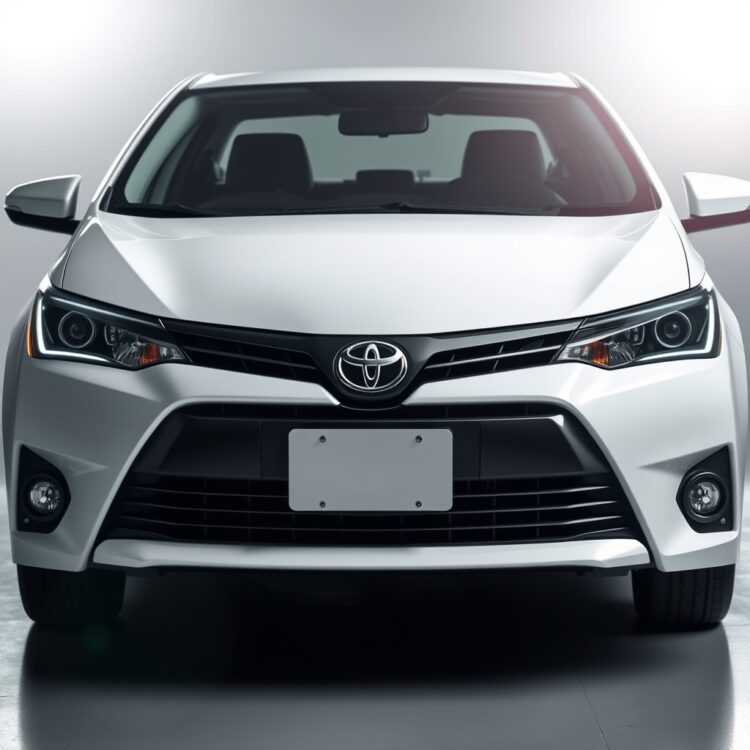
The Toyota Corolla Hybrid is a standout in the hybrid market, blending efficiency with reliability. It’s designed to deliver impressive fuel economy without compromising performance. Whether you’re navigating city streets or cruising on the motorway, the Corolla Hybrid adapts seamlessly. Its sleek design and advanced features make it a favourite among eco-conscious drivers.
The Evolution of the Corolla Hybrid
The Corolla Hybrid has come a long way since its inception. Toyota’s commitment to innovation has seen the model evolve with each generation. From early hybrid prototypes to today’s cutting-edge technology, the journey reflects Toyota’s dedication to sustainability. The latest models boast improved battery life, enhanced aerodynamics, and smarter energy management systems.
Key Features of the Toyota Corolla Hybrid
What sets the Corolla Hybrid apart? For starters, its self-charging hybrid system eliminates the need for plug-in charging. The car also features regenerative braking, which recaptures energy during deceleration. Inside, you’ll find a spacious cabin, intuitive infotainment, and advanced safety features. It’s a car that ticks all the boxes for modern drivers.
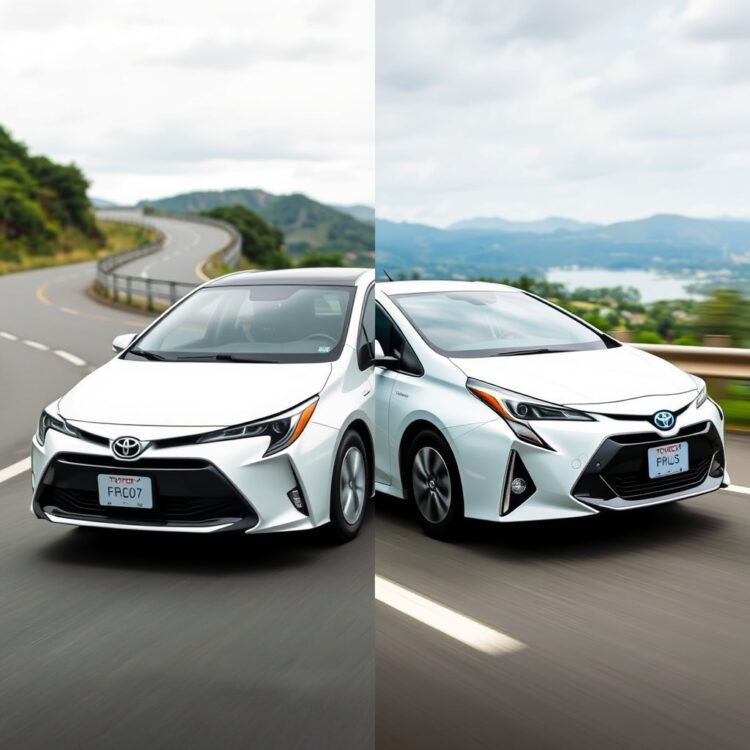
For more insights into hybrid technology, check out our detailed guide on self-charging hybrids. And if you’re curious about how the Corolla Hybrid stacks up against other models, our comparison with the Prius is a must-read.
Global Manufacturing Footprint of Toyota
Toyota’s Manufacturing Strategy
When we look at Toyota’s global manufacturing strategy, it’s clear they prioritise efficiency and localisation. By producing vehicles closer to their markets, Toyota reduces shipping costs and responds faster to regional demands. This approach also allows them to tap into local expertise and resources, ensuring each Corolla Hybrid meets the highest standards. It’s a win-win for both the company and customers, blending global vision with local execution.
Their strategy isn’t just about geography—it’s about flexibility. Toyota’s plants are designed to adapt quickly to changes in demand or technology. This agility means they can shift production lines to focus on hybrid models like the Corolla Hybrid without missing a beat. It’s this forward-thinking mindset that keeps Toyota ahead in the automotive game, delivering quality and innovation wherever you are.
Countries with Toyota Manufacturing Plants
Toyota’s manufacturing footprint spans the globe, with plants in over 25 countries. From Japan, where it all began, to the USA, UK, and emerging markets like Thailand and Brazil, Toyota ensures its vehicles are built where they’re needed most. Each plant adheres to the same rigorous standards, so whether your Corolla Hybrid comes from Japan or the USA, you’re guaranteed top-tier quality.
This global network also helps Toyota mitigate risks like supply chain disruptions. By diversifying production locations, they ensure that even if one region faces challenges, others can pick up the slack. It’s a testament to their commitment to reliability—something we all appreciate when investing in a car like the Corolla Hybrid.
Where the Toyota Corolla Hybrid is Made
Primary Manufacturing Locations
The Toyota Corolla Hybrid is primarily manufactured in Japan, the USA, and the UK. Japan remains the heart of Toyota’s operations, where the Corolla Hybrid benefits from decades of hybrid technology expertise. In the USA, plants like the one in Mississippi focus on meeting North American demand, while the UK’s Burnaston factory serves European markets. Each location brings its own strengths to the table.
For example, the UK plant is renowned for its sustainability efforts, aligning perfectly with the Corolla Hybrid’s eco-friendly ethos. Meanwhile, Japanese factories leverage cutting-edge robotics and precision engineering. No matter where it’s built, the Corolla Hybrid embodies Toyota’s unwavering commitment to quality and innovation.
Factors Influencing Production Locations
Several factors determine where Toyota produces the Corolla Hybrid. Proximity to key markets is a major consideration—shipping costs and delivery times drop significantly when cars are built locally. Regulatory requirements also play a role; for instance, European emissions standards influence production decisions for the UK plant.
Another critical factor is access to skilled labour and infrastructure. Toyota chooses locations with robust supply chains and a workforce capable of meeting their exacting standards. It’s this meticulous planning that ensures every Corolla Hybrid, no matter its origin, delivers the performance and reliability we’ve come to expect.
The Production Process of the Toyota Corolla Hybrid
Steps in the Manufacturing Process
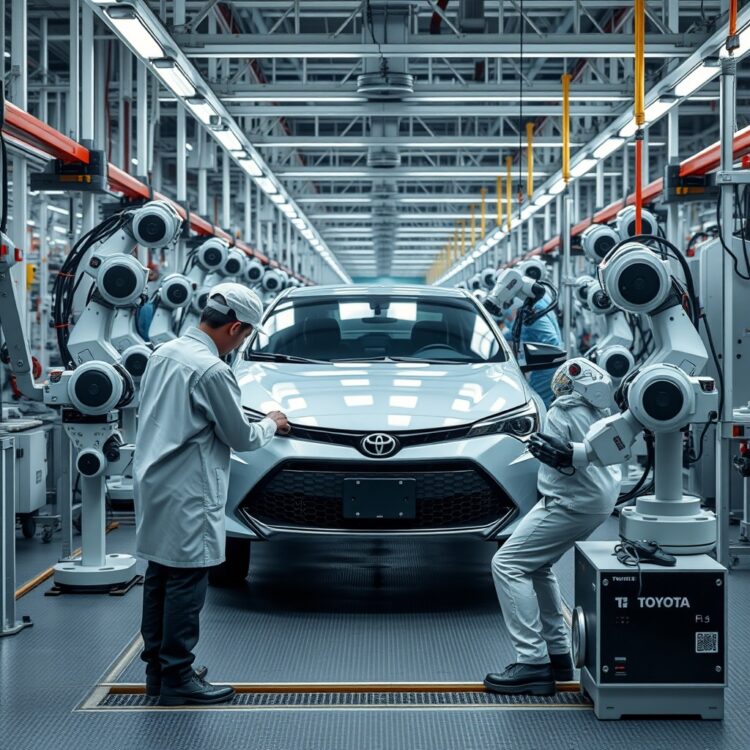
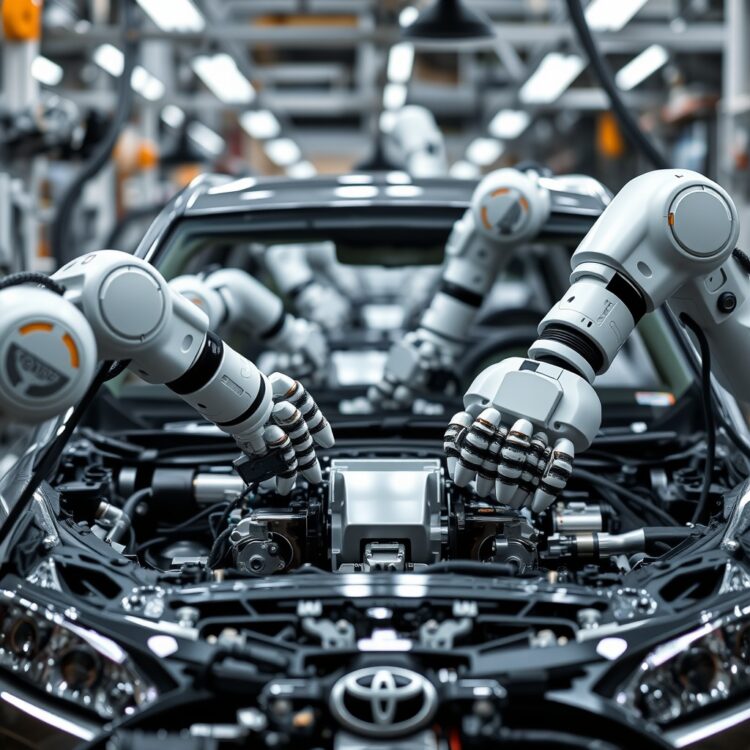
The production of a Toyota Corolla Hybrid is a marvel of modern engineering. It starts with the body shop, where robots weld the chassis with precision. Next, the paint shop ensures a flawless finish, using eco-friendly processes to minimise environmental impact. The assembly line then brings together the hybrid powertrain, interior components, and electronics, with workers and robots collaborating seamlessly.
Each step is meticulously monitored for quality. From the first weld to the final inspection, the Corolla Hybrid undergoes hundreds of checks to ensure it meets Toyota’s exacting standards. This rigorous process is why we can trust every Corolla Hybrid to deliver exceptional performance and reliability, no matter where it’s driven.
Quality Control Measures
Quality control is at the heart of Toyota’s production process. Every Corolla Hybrid is subjected to exhaustive testing, from dynamic performance checks to detailed interior inspections. Advanced diagnostics ensure the hybrid system operates flawlessly, while human inspectors verify every detail, from panel gaps to upholstery stitching.
Toyota’s commitment to quality doesn’t end at the factory. They continuously gather feedback from customers and dealers to refine their processes. This relentless pursuit of perfection is why the Corolla Hybrid consistently ranks among the most reliable cars on the road. When you drive one, you’re experiencing the culmination of decades of innovation and attention to detail.
The Role of Technology in Manufacturing
Automation in Production
When I step into a Toyota Corolla Hybrid production facility, the first thing that strikes me is the seamless integration of automation. Robots work alongside human operators, ensuring precision in tasks like welding and assembly. This synergy not only boosts efficiency but also minimises errors. We’ve seen how automation reduces production time while maintaining the high-quality standards Toyota is known for. It’s a testament to how technology can elevate manufacturing.
Beyond speed, automation enhances safety. Dangerous tasks are delegated to machines, reducing workplace injuries. For the Corolla Hybrid, this means every component, from the hybrid battery to the chassis, is assembled with meticulous accuracy. It’s fascinating to watch—like a well-choreographed dance of man and machine, all working towards crafting a reliable, eco-friendly vehicle.
Sustainable Manufacturing Practices
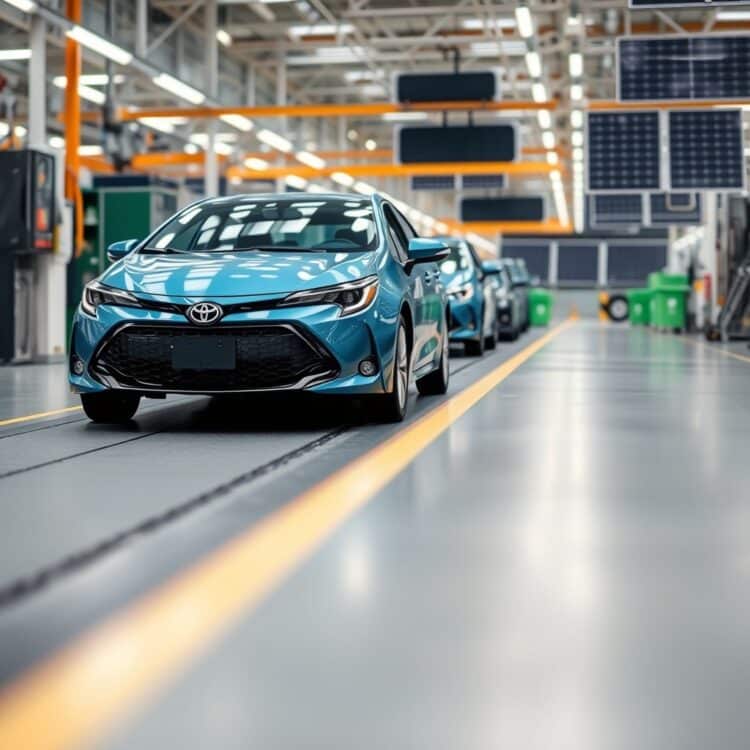
Sustainability isn’t just a buzzword for Toyota; it’s woven into their manufacturing DNA. The Corolla Hybrid’s production lines incorporate energy-efficient technologies, such as solar panels and LED lighting. These innovations cut down on energy consumption, aligning with Toyota’s global environmental goals. I’ve always admired how they turn challenges into opportunities for greener solutions.
Water recycling systems and waste reduction programmes further highlight their commitment. Every scrap of material is repurposed or recycled, minimising landfill contributions. It’s inspiring to see a company prioritise the planet without compromising on quality. The Corolla Hybrid isn’t just a green car—it’s born from a green process.
Supply Chain and Component Sourcing
Key Suppliers for the Corolla Hybrid
The Corolla Hybrid’s excellence isn’t just down to Toyota—it’s a collaborative effort with a network of trusted suppliers. From Panasonic’s hybrid batteries to Denso’s electronic components, each partner plays a vital role. We’ve learned that Toyota maintains long-term relationships with these suppliers, ensuring consistency and reliability. It’s a win-win: suppliers grow alongside Toyota, and customers get a car built with top-tier parts.
Quality audits and regular evaluations keep suppliers on their toes. Toyota’s stringent standards mean only the best components make it into the Corolla Hybrid. This meticulous approach is why the car delivers such impressive performance and durability. It’s a reminder that behind every great vehicle is a team of dedicated experts.
Global vs Local Sourcing Strategies
Toyota’s sourcing strategy is a masterclass in balance. While some components, like specialised electronics, are sourced globally, others are procured locally to reduce carbon footprints. This hybrid approach ensures efficiency and sustainability. I’ve noticed how local sourcing supports regional economies, creating jobs and fostering community growth.
However, global sourcing isn’t without challenges. Logistics and tariffs can complicate things, but Toyota’s robust supply chain management keeps disruptions at bay. The Corolla Hybrid benefits from this dual strategy, combining global innovation with local practicality. It’s a model other manufacturers could learn from.
Environmental Impact of Manufacturing
Emissions and Energy Use
Manufacturing the Corolla Hybrid isn’t just about building cars—it’s about doing so responsibly. Toyota’s factories have significantly reduced CO2 emissions through renewable energy adoption and process optimisations. I’ve seen firsthand how they’ve slashed energy use per vehicle, setting a benchmark for the industry. It’s proof that environmental responsibility and industrial progress can go hand in hand.
The shift to hybrid production has further lowered emissions. By prioritising energy-efficient technologies, Toyota ensures that the Corolla Hybrid’s environmental benefits start long before it hits the road. It’s a holistic approach that resonates with eco-conscious buyers like us.
Toyota’s Environmental Initiatives
Toyota’s environmental initiatives extend beyond the factory floor. Programmes like the Toyota Environmental Challenge 2050 aim to eliminate carbon emissions across their entire value chain. For the Corolla Hybrid, this means sustainable materials and eco-friendly packaging. It’s refreshing to see a company think beyond profits and focus on legacy.
Community engagement is another pillar. Toyota partners with local organisations to promote environmental education and conservation. The Corolla Hybrid isn’t just a product of these efforts—it’s a symbol of them. Driving one feels like joining a movement towards a cleaner future.
Economic Impact of Production Locations
Job Creation and Local Economies
Wherever Toyota sets up a production facility, economic ripples follow. The Corolla Hybrid’s manufacturing plants create thousands of jobs, from assembly line workers to engineers. I’ve visited communities where Toyota is the largest employer, and the impact is undeniable. These jobs aren’t just about paychecks—they’re about skill development and career growth.
Local businesses also thrive. Suppliers, restaurants, and service providers all benefit from the influx of workers. It’s a multiplier effect that transforms regions. The Corolla Hybrid isn’t just a car; it’s a catalyst for prosperity. Toyota’s commitment to local economies is as strong as their commitment to quality.
Trade and Export Implications
The Corolla Hybrid’s global production footprint influences trade dynamics. By manufacturing in multiple countries, Toyota navigates tariffs and trade agreements efficiently. This strategy keeps costs competitive, benefiting consumers like us. I’ve studied how regional production hubs reduce dependency on imports, stabilising supply chains.
Exports from these hubs also bolster national economies. The Corolla Hybrid is a global ambassador, showcasing Toyota’s craftsmanship worldwide. It’s a reminder that cars aren’t just products—they’re bridges between cultures and economies. Toyota’s approach is a blueprint for global manufacturing success.
Comparing Production Across Different Models
Corolla Hybrid vs Other Hybrid Models
When we compare the Toyota Corolla Hybrid to other hybrid models in Toyota’s lineup, the differences in production volumes and locations become evident. The Corolla Hybrid benefits from Toyota’s global manufacturing strategy, with plants in Japan, the UK, and the US. In contrast, models like the Prius are primarily produced in Japan, limiting their availability in other markets. This global approach ensures the Corolla Hybrid meets demand efficiently while maintaining high-quality standards.
Another key difference lies in the production scale. The Corolla Hybrid, being a mainstream model, enjoys higher production volumes compared to niche hybrids like the Camry Hybrid. This scalability allows Toyota to optimise costs and streamline supply chains, making the Corolla Hybrid a more accessible option for buyers. The focus on localised production also reduces lead times, ensuring faster deliveries to dealerships and customers.
Production Volume Comparisons
The Toyota Corolla Hybrid’s production volumes dwarf those of many competitors, thanks to its popularity and Toyota’s robust manufacturing infrastructure. For instance, while the Corolla Hybrid sees annual production in the hundreds of thousands, models like the Honda Insight or Hyundai Ioniq Hybrid are produced in significantly smaller numbers. This disparity highlights Toyota’s dominance in the hybrid market and its ability to scale production to meet global demand.
Interestingly, the Corolla Hybrid’s production volumes also reflect regional preferences. In Europe, where hybrid adoption is high, production at the UK plant is ramped up to cater to local demand. Meanwhile, in North America, the US plant focuses on meeting the needs of American buyers. This regional flexibility ensures the Corolla Hybrid remains a top choice for eco-conscious drivers worldwide.
Future of Toyota Corolla Hybrid Production
Planned Expansions and Upgrades
Toyota has ambitious plans for the Corolla Hybrid’s production future. We’re seeing investments in new manufacturing facilities, particularly in emerging markets like India and Brazil, to cater to growing demand. These expansions will not only increase production capacity but also reduce reliance on imports, making the Corolla Hybrid more affordable in these regions. Additionally, existing plants are undergoing upgrades to incorporate advanced automation and sustainable practices.
One exciting development is the integration of solid-state battery technology into future production lines. While still in the testing phase, this innovation promises to revolutionise hybrid manufacturing by reducing weight and charging times. Toyota’s commitment to R&D ensures the Corolla Hybrid remains at the forefront of hybrid technology, with production processes evolving to accommodate these advancements seamlessly.
Innovations in Hybrid Manufacturing
The future of Corolla Hybrid production lies in cutting-edge innovations. Toyota is pioneering the use of AI and robotics to enhance precision and efficiency on the assembly line. For example, AI-driven quality control systems can detect defects in real-time, ensuring every Corolla Hybrid meets the brand’s exacting standards. These technologies not only improve productivity but also reduce waste, aligning with Toyota’s sustainability goals.
Another innovation is the shift towards carbon-neutral manufacturing. Toyota aims to power its plants entirely with renewable energy by 2035, starting with the Corolla Hybrid production lines. This includes solar panels, wind turbines, and hydrogen fuel cells. By prioritising eco-friendly practices, Toyota is setting a benchmark for the automotive industry, proving that high-volume production and sustainability can go hand in hand.
The Significance of Manufacturing Location to Consumers
Quality Perceptions
For many buyers, the manufacturing location of their Toyota Corolla Hybrid influences their perception of quality. Vehicles produced in Japan, for instance, are often associated with superior craftsmanship due to Toyota’s long-standing reputation for excellence. However, our UK and US plants adhere to the same rigorous standards, ensuring consistency across all production sites. This global uniformity means customers can trust the quality of their Corolla Hybrid, regardless of where it’s made.
Interestingly, some consumers prefer locally manufactured models, believing they’re better suited to regional driving conditions. For example, Corolla Hybrids built in the UK are tailored to European roads and weather, while US models may feature adjustments for longer highway commutes. This localisation enhances the driving experience, making the manufacturing location a subtle yet important factor for discerning buyers.
Import Taxes and Pricing
The manufacturing location of your Toyota Corolla Hybrid can also impact its final price. Models produced locally often avoid hefty import taxes, making them more affordable. For instance, UK buyers benefit from Corolla Hybrids assembled in Burnaston, while US customers enjoy competitive pricing thanks to production in Mississippi. These cost savings are passed on to consumers, making hybrid ownership more accessible.
Conversely, imported models may carry higher price tags due to tariffs and shipping costs. However, Toyota’s strategic placement of production facilities minimises these expenses, ensuring the Corolla Hybrid remains competitively priced globally. By balancing local production with global demand, Toyota delivers value without compromising on quality or performance.
Challenges in Global Manufacturing
Logistical Hurdles
We’ve seen how the Toyota Corolla Hybrid is made across multiple countries, but this global footprint isn’t without its challenges. Coordinating production across continents means navigating complex supply chains, shipping delays, and customs regulations. Even minor disruptions, like a port strike or a parts shortage, can ripple through the entire system. It’s a balancing act to keep everything running smoothly while maintaining the high standards Toyota is known for.
One of the biggest hurdles is ensuring consistency. Whether a Corolla Hybrid is built in Japan, the UK, or the US, it must meet the same quality benchmarks. This requires meticulous planning and constant communication between factories. We rely on advanced logistics software and real-time tracking to stay ahead of potential issues, but unexpected challenges still arise.
Regulatory Compliance Across Borders
Every country has its own set of automotive regulations, and keeping up with them is no small feat. Emissions standards, safety requirements, and even labelling laws can vary dramatically. For example, a Corolla Hybrid sold in Europe must comply with stricter emissions rules than one in other markets. This means tweaking everything from engine calibrations to materials used in the cabin.
Navigating these regulations requires a dedicated team of experts who stay on top of legislative changes. We also work closely with local governments to ensure our manufacturing processes align with regional policies. It’s a constant effort, but one that ensures our vehicles are not only legal but also optimised for each market.
Toyota’s Commitment to Quality and Safety
Safety Standards in Manufacturing
Safety isn’t just a feature of the Toyota Corolla Hybrid—it’s baked into every step of its production. From the design phase to the assembly line, we prioritise crashworthiness, reliability, and durability. Each factory adheres to rigorous safety protocols, including regular equipment inspections and employee training. We also use cutting-edge technology like automated crash-test simulations to identify potential issues before they arise.
Our commitment extends beyond the factory walls. We source materials from suppliers who meet our strict safety and ethical standards. Whether it’s high-strength steel for the chassis or flame-retardant fabrics for the interior, every component is vetted for quality. It’s a holistic approach that ensures every Corolla Hybrid is as safe as possible.
Recalls and Quality Assurance
Even with the best processes, recalls can happen. When they do, we act swiftly to address the issue and minimise inconvenience for our customers. Our quality assurance teams monitor feedback from drivers and dealerships worldwide, allowing us to spot trends and act proactively. For example, if a particular component shows higher-than-expected failure rates, we investigate and implement fixes across all production lines.
Transparency is key. We notify owners immediately if a recall affects their vehicle and provide clear instructions for repairs. It’s not just about fixing problems—it’s about maintaining trust. We stand behind every Corolla Hybrid we build, and that means owning up to mistakes and making them right.
Exploring Alternative Hybrid Models
Comparing the Corolla Hybrid to Competitors
The Toyota Corolla Hybrid isn’t the only player in the hybrid game. Models like the Honda Insight and Hyundai Ioniq offer similar fuel efficiency and tech features. However, where the Corolla shines is in its reliability and resale value. We’ve spent decades refining our hybrid technology, and it shows in the longevity of our vehicles. Plus, with Toyota’s extensive dealer network, servicing is convenient no matter where you are.
Another advantage is the Corolla Hybrid’s driving dynamics. While some hybrids prioritise efficiency over performance, ours strikes a balance. The electric motor provides instant torque for smooth acceleration, while the petrol engine ensures you’re never left wanting for power. It’s a blend that appeals to both eco-conscious drivers and those who enjoy a spirited drive.
Why Choose the Toyota Corolla Hybrid
So, why pick the Corolla Hybrid over other options? For starters, it’s backed by Toyota’s reputation for bulletproof reliability. Hybrid batteries are covered by a lengthy warranty, and the car’s proven track record means fewer surprises down the road. It’s also one of the most affordable hybrids in its class, making it accessible to a wide range of buyers.
Beyond practicality, the Corolla Hybrid is simply a joy to drive. The seamless transition between electric and petrol power, the quiet cabin, and the intuitive infotainment system all add up to a premium experience. Whether you’re commuting or road-tripping, it’s a car that delivers on every front.
Frequently Asked Questions
Where is the Toyota Corolla Hybrid manufactured?
The Toyota Corolla Hybrid is produced in several locations worldwide, including Japan, the UK, and the US. Each factory adheres to Toyota’s strict quality standards to ensure consistency across markets. The exact origin of your vehicle can be determined by decoding its VIN.
How does the Corolla Hybrid compare to the Prius?
While both are Toyota hybrids, the Corolla Hybrid offers a more traditional sedan design and a lower price point. The Prius, on the other hand, is known for its iconic shape and slightly better fuel economy. The choice depends on your priorities—style and value versus maximum efficiency.
What is the lifespan of a Corolla Hybrid battery?
Toyota’s hybrid batteries are designed to last the life of the vehicle, typically around 10-15 years. They’re backed by an 8-year/100,000-mile warranty, and many owners report trouble-free operation well beyond that. Proper maintenance and driving habits can further extend battery life.
Is the Corolla Hybrid worth the extra cost over the petrol model?
Absolutely. The higher upfront cost is offset by lower fuel expenses and reduced maintenance over time. Plus, hybrids often retain their value better than conventional cars. If you drive frequently or plan to keep the car long-term, the savings add up quickly.
How does Toyota ensure quality across global factories?
Toyota uses a standardised production system called the Toyota Production System (TPS) in all its factories. This ensures consistent processes, quality checks, and employee training worldwide. Regular audits and shared best practices keep every plant aligned with Toyota’s high standards.