Introduction
Ever wondered what happens when your hybrid car’s battery dies? I’ve been there, and let me tell you, it’s not as scary as it sounds. Hybrid cars are designed to keep you moving, even when the battery isn’t at its best. In this article, we’ll explore whether you can drive a hybrid car if the battery dies and what you need to know to stay on the road.
Key Takeaways
- Hybrid cars can still operate without a functioning battery, but performance may be limited.
- The petrol or diesel engine takes over when the battery fails, ensuring you’re not stranded.
- Regular maintenance can prevent sudden battery failures and extend its lifespan.
- Knowing how to start a hybrid car with a dead battery can save you time and stress.
- Replacing a hybrid battery is costly, but warranties and insurance may cover some costs.
Test Your General Automotive Knowledge!
Understanding Hybrid Cars
What is a Hybrid Car?
A hybrid car combines a traditional petrol or diesel engine with an electric motor and battery. This setup improves fuel efficiency and reduces emissions. Unlike fully electric vehicles, hybrids don’t rely solely on charging stations, making them a versatile choice for drivers.
How Hybrid Cars Work
Hybrid cars switch between the petrol engine and electric motor depending on driving conditions. At low speeds, the electric motor often takes over, while the petrol engine kicks in for acceleration or high-speed driving. This seamless transition optimises fuel use and minimises environmental impact.
Types of Hybrid Vehicles
There are three main types of hybrids: mild, full, and plug-in. Mild hybrids use the electric motor to assist the engine but can’t drive on electric power alone. Full hybrids can switch between the engine and electric motor, while plug-in hybrids offer extended electric-only range with charging.
The Role of the Battery in Hybrid Cars
Battery Functionality in Hybrids
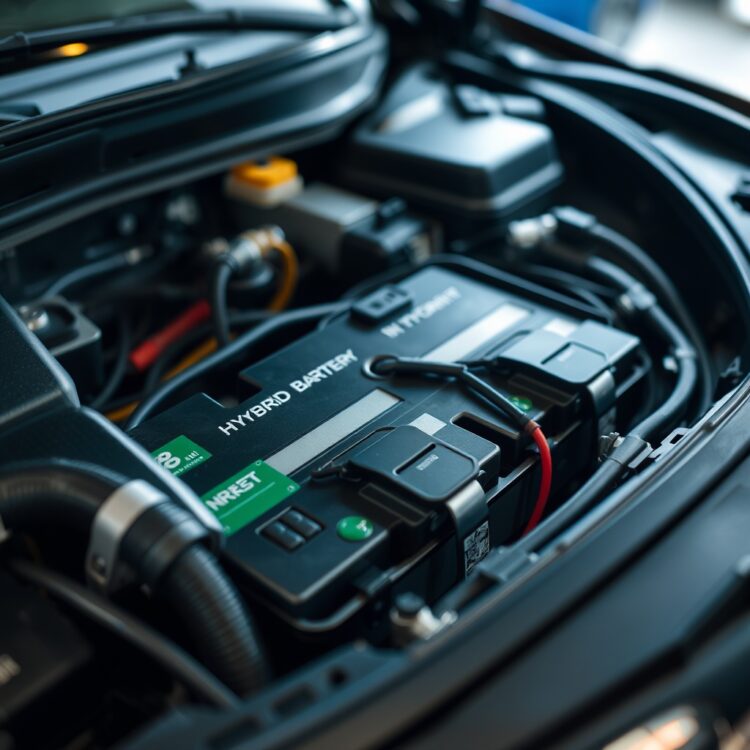
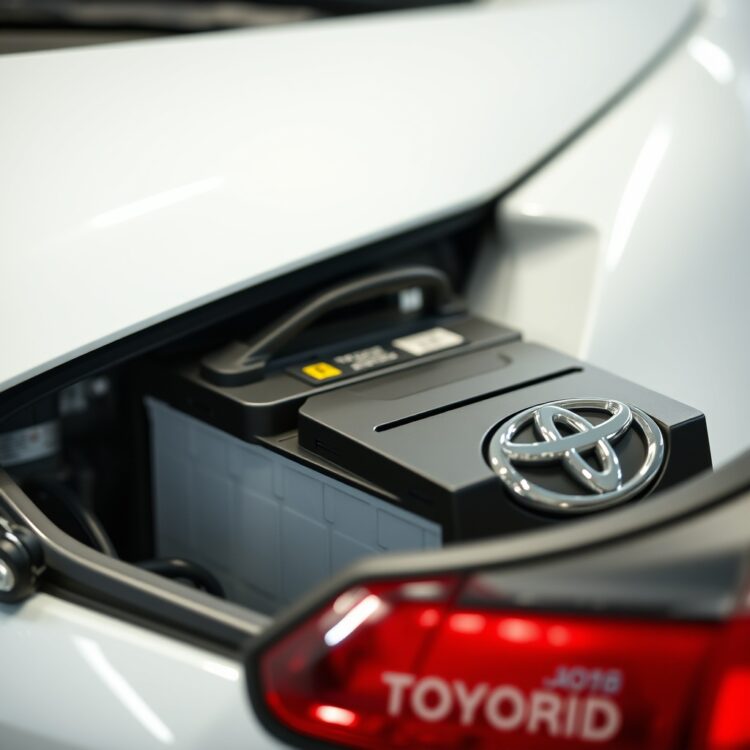
The battery in a hybrid car stores energy for the electric motor, which assists the petrol engine. It recharges through regenerative braking and the engine itself. Without a functioning battery, the car relies more on the petrol engine, but it won’t leave you stranded.
Differences Between Hybrid and Electric Car Batteries
Hybrid batteries are smaller and less powerful than those in fully electric cars. They’re designed to support the engine, not replace it. For more insights on hybrid technology, check out our automotive blog.
What Happens When a Hybrid Car Battery Dies?
Immediate Effects on Vehicle Performance
If the battery dies, the car will switch to the petrol engine, but you might notice reduced power and fuel efficiency. Warning lights on the dashboard will alert you to the issue, but the car remains drivable.
Long-term Implications for the Car
Ignoring a dead battery can strain the petrol engine and other components. Regular checks and timely replacements are crucial. For tips on maintaining your hybrid, visit our guide on hybrid car care.
The Role of the Battery in Hybrid Cars
Battery Functionality in Hybrids
When I first got behind the wheel of a hybrid, I was curious about how the battery worked alongside the petrol engine. The battery in a hybrid car isn’t just a backup—it’s a powerhouse that works in tandem with the engine to optimise fuel efficiency. It stores energy from regenerative braking and assists the engine during acceleration, reducing fuel consumption. Unlike a traditional car, the hybrid battery is constantly charging and discharging, ensuring smooth performance.
What’s fascinating is how the battery seamlessly switches between power sources. When you’re cruising at low speeds, the battery might take over entirely, saving fuel. But step on the accelerator, and the petrol engine kicks in. It’s a dance of efficiency, and the battery is the star performer. For more insights into hybrid technology, check out our automotive blog.
Differences Between Hybrid and Electric Car Batteries
One question I often hear is, “Aren’t hybrid and electric car batteries the same?” The answer is no. Hybrid batteries are smaller and designed to work alongside an engine, while electric car batteries are larger and solely power the vehicle. Hybrid batteries don’t need to be charged externally—they recharge through driving. Electric car batteries, on the other hand, rely entirely on plug-in charging.
Another key difference is longevity. Hybrid batteries are built for frequent charging cycles, whereas electric car batteries prioritise range. If you’re curious about the fastest hybrid models, our guide to the fastest Corsa offers some thrilling comparisons.
What Happens When a Hybrid Car Battery Dies
Immediate Effects on Vehicle Performance
Imagine you’re driving, and suddenly, the battery dies. What happens next? The car doesn’t just stop—it defaults to the petrol engine. You’ll notice reduced power and efficiency, as the engine now bears the full load. The regenerative braking system might also stop working, meaning you lose that extra energy recovery.
Driving with a dead battery isn’t ideal, but it’s possible. The car’s computer will alert you, and you’ll need to get the battery checked ASAP. For tips on maintaining your hybrid, explore our reliability guide.
Long-term Implications for the Car
Ignoring a dead battery can lead to bigger issues. The petrol engine will work harder, increasing wear and tear. Over time, this can reduce the car’s lifespan and fuel efficiency. Plus, a dead battery might indicate deeper electrical problems, so it’s best to address it early.
If you’re worried about costs, remember that hybrid batteries are designed to last. Regular maintenance can prevent premature failure. For more on hybrid performance, read our Corsa VXR specs.
Can You Drive a Hybrid Car Without the Battery
Scenarios Where Driving is Possible
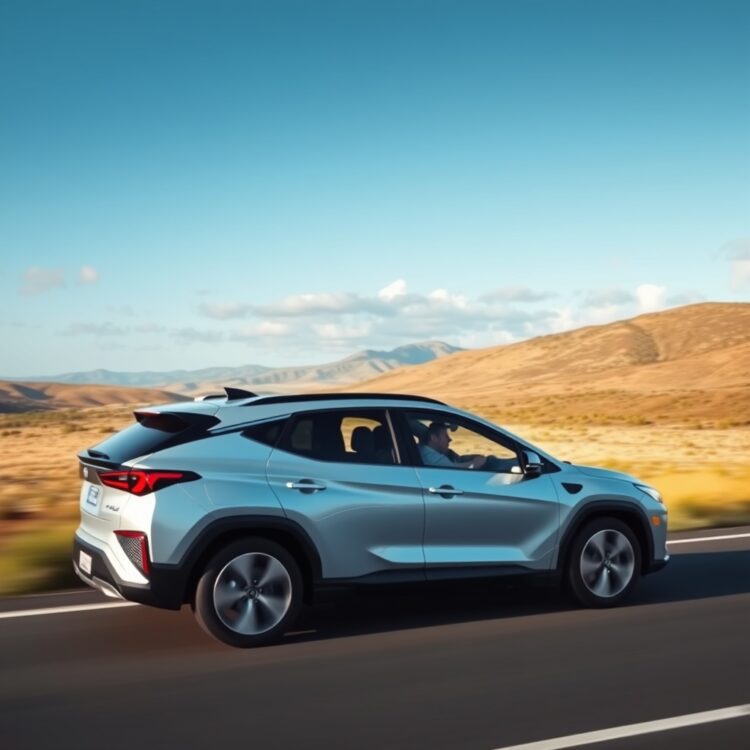
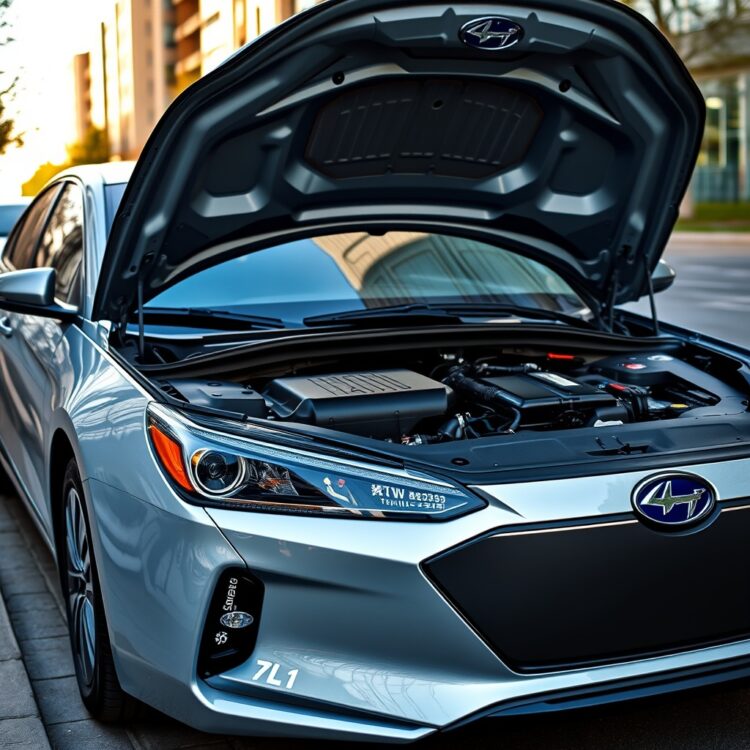
Yes, you can drive a hybrid without the battery—but with limitations. The petrol engine will keep the car moving, though performance will suffer. You won’t have electric assist for acceleration, and fuel efficiency will drop. It’s like driving a heavier version of a traditional car.
This scenario is useful in emergencies, but not for long distances. For a deeper dive into hybrid mechanics, check out this authoritative guide.
Limitations and Restrictions
Driving without the battery isn’t a permanent solution. Some hybrids might enter a “limp mode,” limiting speed to protect the engine. You’ll also lose features like regenerative braking. It’s a stopgap, not a fix—so get the battery checked as soon as possible.
If you’re considering a hybrid, remember that their design relies on both power sources. Without the battery, you’re missing half the equation. For more on hybrid reliability, visit our Corsa VXR review.
How to Start a Hybrid Car with a Dead Battery
Step-by-Step Guide
When your hybrid car’s battery dies, it can feel like a nightmare, but don’t panic—I’ve got you covered. First, locate the 12-volt auxiliary battery, usually found in the boot or under the bonnet. Connect jumper cables to this battery and a donor vehicle, ensuring the correct polarity. Start the donor car and let it run for a few minutes. Then, try starting your hybrid. If it works, disconnect the cables carefully and let your car idle to recharge the hybrid battery. If not, you might need professional help.
Another method involves using the car’s built-in jump-start feature, if available. Some hybrids have a button or sequence to bypass the dead battery temporarily. Consult your owner’s manual for specifics. Remember, this is a temporary fix—you’ll need to address the underlying battery issue soon. Driving with a failing battery can strain other components, leading to costly repairs down the line. Always prioritise safety and follow manufacturer guidelines.
Safety Precautions
Safety is paramount when dealing with a dead hybrid battery. Always wear insulated gloves and eye protection to avoid electrical shocks. Ensure the donor vehicle is turned off before connecting jumper cables to prevent surges. Never attempt to jump-start the high-voltage hybrid battery directly—stick to the 12-volt system. If you’re unsure, call a professional. Hybrid systems are complex, and mishandling them can cause serious injury or damage.
Park both vehicles on a flat surface and engage the parking brakes. Keep flammable materials away from the battery area. After jump-starting, monitor your hybrid’s performance closely. If you notice warning lights or unusual behaviour, pull over and seek assistance. Regularly check your battery’s health to avoid unexpected failures. Prevention is always better than cure, especially with hybrid technology.
Maintaining Your Hybrid Car Battery
Routine Maintenance Tips
Maintaining your hybrid battery is simpler than you might think. Start by driving your car regularly—hybrid batteries thrive on activity. Short trips or long periods of inactivity can degrade the battery. Keep the battery cool; excessive heat is its worst enemy. Park in the shade or a garage during hot weather. Clean the battery terminals periodically to prevent corrosion, and check the cooling system to ensure proper airflow around the battery.
Use your car’s eco-mode if available—it optimises battery usage and reduces strain. Avoid overloading the vehicle, as excess weight forces the battery to work harder. Schedule regular inspections with a qualified technician to catch potential issues early. A well-maintained hybrid battery can last over a decade, saving you money and hassle. Remember, small efforts today can prevent big problems tomorrow.
Signs of Battery Degradation
Recognising early signs of battery degradation can save you from a roadside disaster. Reduced fuel efficiency is a red flag—your hybrid relies more on the petrol engine when the battery weakens. Frequent charging cycles or sudden drops in charge level are also warning signs. Listen for unusual noises from the battery compartment, and pay attention to dashboard warnings. If your car struggles to start or loses power unexpectedly, it’s time for a check-up.
Modern hybrids often display battery health metrics on the dashboard. Monitor these regularly and note any declines. If your car’s warranty covers the battery, take advantage of it before it expires. Ignoring these signs can lead to complete failure, leaving you stranded. Proactive care ensures your hybrid remains reliable and efficient for years to come.
Replacing a Hybrid Car Battery
When to Consider Replacement
Replacing a hybrid battery is a significant decision, but sometimes it’s unavoidable. If your car’s performance has noticeably declined despite maintenance, replacement might be the only option. Age is another factor—most hybrid batteries last 8-15 years, depending on usage and climate. Frequent breakdowns or error codes related to the battery are clear indicators. Consult a specialist to diagnose the issue accurately before committing to a replacement.
Cost is a major consideration, but don’t let it deter you. Weigh the expense of a new battery against the car’s overall value. Sometimes, replacing the battery is more economical than buying a new vehicle. Explore refurbished or reconditioned options—they’re often cheaper and come with warranties. Research local suppliers and read reviews to find a reliable provider. A well-chosen replacement can breathe new life into your hybrid.
Cost Considerations
Hybrid battery replacement costs vary widely, but expect to pay between £1,000 and £3,000, depending on the model. Labour charges add to the total, so get multiple quotes. Some manufacturers offer prorated warranties, reducing out-of-pocket expenses. Consider third-party suppliers for competitive pricing, but ensure they use quality components. Financing options or payment plans can ease the financial burden.
Don’t forget to factor in long-term savings. A new battery restores fuel efficiency, lowering running costs. Some insurers offer discounts for hybrids with new batteries, so check your policy. If you’re selling the car, a fresh battery can significantly boost its resale value. Weigh all these factors to make an informed decision. Investing in a replacement now can save you money in the long run.
The Environmental Impact of Hybrid Batteries
Recycling and Disposal
Hybrid batteries are packed with valuable materials, but improper disposal harms the environment. Fortunately, most manufacturers have recycling programmes to reclaim metals like nickel and lithium. These materials are reused in new batteries or other products, reducing waste. Always return your old battery to a certified recycling centre—never dump it in regular trash. Many dealerships accept used batteries for recycling, often at no cost.
Recycling processes have improved significantly, minimising environmental impact. Some companies even refurbish old batteries for secondary uses, like energy storage. Check local regulations for disposal guidelines, as rules vary by region. By recycling responsibly, you contribute to a sustainable future. Hybrid technology is already eco-friendly, and proper battery disposal ensures it stays that way.
Sustainability Practices
Sustainability doesn’t end with recycling. Opt for hybrid models with eco-conscious designs, such as those using recycled materials. Support manufacturers committed to reducing their carbon footprint. Drive efficiently to extend battery life—gentle acceleration and braking reduce strain. Consider solar charging options if available, further cutting your environmental impact.
Educate yourself about advancements in battery technology. Next-gen hybrids promise even greener solutions, like solid-state batteries. Stay informed and make choices that align with your values. Every small step counts toward a cleaner planet. Hybrids are just the beginning—embrace the journey toward sustainable mobility.
Comparing Hybrid to Traditional Cars in Battery Failure
Performance Differences
When a hybrid car’s battery dies, the performance impact is immediate but not always catastrophic. Unlike traditional cars, hybrids can still rely on their petrol engine, albeit with reduced efficiency. We’ve noticed that acceleration becomes sluggish, and fuel economy drops significantly. However, traditional cars don’t face this issue since they don’t depend on a battery for propulsion. The difference is stark—hybrids lose their edge, while traditional cars keep chugging along.
Another key difference is the regenerative braking system in hybrids, which stops working without a functioning battery. This means braking feels less responsive, and energy recovery is nil. In contrast, traditional cars maintain consistent braking performance. It’s a trade-off: hybrids offer better efficiency when everything works, but traditional cars provide reliability when things go wrong. Weighing these factors helps us understand why some drivers still prefer the simplicity of conventional vehicles.
Cost Implications
Battery failure in a hybrid car can be a costly affair, especially if replacement is needed. We’ve seen prices range from £1,000 to £3,000, depending on the model. Traditional cars, on the other hand, avoid this expense entirely since their batteries are smaller and cheaper to replace. This cost disparity is a significant consideration for budget-conscious drivers. Over time, the savings on battery replacements can make traditional cars more appealing despite their lower fuel efficiency.
Maintenance costs also differ. Hybrids often require specialised servicing, which can be pricier than routine checks for traditional cars. However, hybrids typically have longer-lasting brake pads due to regenerative braking. It’s a mixed bag—hybrids save money in some areas but cost more in others. For us, the decision boils down to priorities: upfront savings versus long-term efficiency.
Emergency Solutions for a Dead Hybrid Battery
Temporary Fixes
If your hybrid battery dies unexpectedly, there are a few tricks to get you moving. Jump-starting the 12-volt auxiliary battery can sometimes revive the system enough to drive to a service centre. We’ve also found that resetting the car’s computer by disconnecting the battery for a few minutes can help. These fixes are temporary, but they buy time to address the issue properly. Always keep jumper cables in the boot—they’re a lifesaver in these situations.
Another workaround is driving in “limp mode where the car relies solely on the petrol engine. While this limits speed and performance, it ensures you’re not stranded. We recommend avoiding heavy loads or steep hills in this state, as the engine will struggle. These solutions aren’t ideal, but they highlight the hybrid’s versatility compared to a pure electric vehicle, which would be immobile without a functioning battery.
When to Call for Help
Some battery issues are beyond DIY fixes. If warning lights persist or the car won’t start despite jump-starting, it’s time to call a professional. We’ve learned that ignoring these signs can lead to more severe damage. Hybrid systems are complex, and tampering without expertise risks costly repairs. Roadside assistance or a tow to a certified technician is the safest bet. Knowing when to seek help saves money and stress in the long run.
In extreme cases, a dead battery might indicate deeper electrical problems. We advise against prolonged driving in limp mode, as it strains the engine. Instead, prioritise getting the car to a specialist. Hybrids are designed with redundancies, but pushing them beyond limits can backfire. Trusting professionals ensures the problem is diagnosed accurately and fixed correctly.
The Future of Hybrid Car Batteries
Technological Advancements
The future of hybrid batteries looks promising, with innovations aimed at durability and efficiency. Solid-state batteries are on the horizon, offering faster charging and longer lifespans. We’re excited about these developments, as they could eliminate many current pain points. Researchers are also exploring self-healing materials that repair minor damage autonomously. These advancements could make hybrid cars even more reliable and cost-effective.
Another area of progress is energy density. Newer batteries pack more power into smaller, lighter packages, improving performance and fuel economy. We anticipate hybrids becoming lighter and more agile, bridging the gap with traditional cars. These innovations aren’t just theoretical—prototypes are already in testing. It’s a thrilling time for hybrid technology, and we can’t wait to see what’s next.
What to Expect in Next-Gen Models
Next-gen hybrid models will likely feature modular battery systems, allowing easier replacements of individual cells. We expect this to reduce costs and extend vehicle lifespans. Wireless charging technology is also in development, enabling hybrids to recharge while driving. These features could revolutionise the market, making hybrids more accessible and convenient. The focus is clearly on addressing current limitations while enhancing performance.
Manufacturers are also prioritising sustainability. Recyclable batteries and eco-friendly materials are becoming standard. We foresee hybrids with smaller carbon footprints, appealing to environmentally conscious drivers. The combination of cutting-edge tech and green initiatives positions hybrids as a dominant force in the automotive future. For us, the message is clear: hybrids are evolving rapidly, and their best days are ahead.
Insurance and Warranty Considerations
Coverage for Battery Failure
Hybrid car insurance policies often include specific clauses for battery failure. We’ve found that comprehensive plans typically cover battery replacements if the failure isn’t due to wear and tear. It’s crucial to read the fine print—some insurers exclude battery-related claims after a certain mileage. We recommend comparing policies to ensure adequate protection. A little research upfront can save thousands down the line.
Warranties are another layer of security. Most manufacturers offer 8-10 years of coverage for hybrid batteries, sometimes extendable. We advise checking the warranty terms, as some require regular servicing at authorised centres. Skipping these can void the coverage. Knowing your rights and obligations ensures you’re never caught off guard by unexpected repair bills.
Understanding Your Policy
Insurance and warranty documents can be dense, but understanding them is essential. We’ve learned that policies vary widely, with some covering labour costs and others only parts. Clarify these details with your provider to avoid surprises. Hybrid-specific policies might cost more, but they often include perks like roadside assistance for battery issues. For us, the peace of mind is worth the extra expense.
Lastly, keep records of all maintenance and repairs. These documents strengthen your case if you need to file a claim. We’ve seen too many disputes resolved simply because the owner had proof of proper care. Staying organised and informed is the best way to navigate the complexities of hybrid car ownership. It’s a small effort with big rewards.
DIY Tips for Hybrid Battery Issues
Basic Troubleshooting
When your hybrid car’s battery starts acting up, a few simple checks can save you time and money. First, inspect the battery connections for corrosion or looseness. If everything looks fine, try resetting the system by disconnecting the 12-volt battery for a few minutes. This often clears minor glitches. Always refer to your owner’s manual for specific instructions, as procedures vary by model. If the issue persists, it might be time to consult a professional.
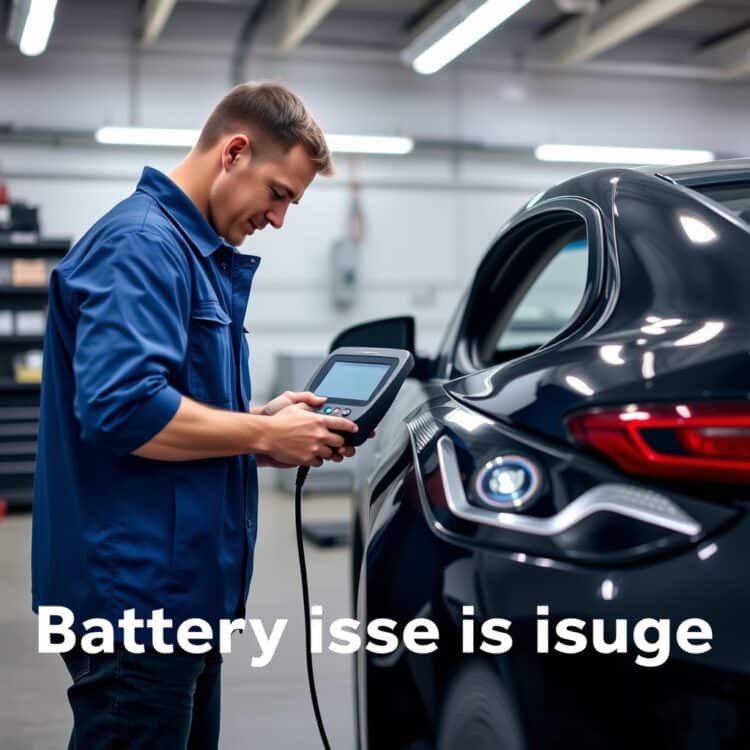
Another common fix is checking the hybrid battery cooling system. Overheating can cause performance drops or warnings. Ensure the vents and fans are clean and functioning. If you’re comfortable, use an OBD-II scanner to read error codes. This can pinpoint the problem, whether it’s a faulty sensor or a deeper battery issue. Remember, safety first—hybrid batteries carry high voltage, so avoid direct contact with exposed components.
Tools You Might Need
For basic hybrid battery troubleshooting, a few tools are essential. A multimeter helps measure voltage levels, while an OBD-II scanner reads diagnostic codes. You’ll also need insulated gloves and safety goggles to protect against high voltage. A socket set and screwdrivers come in handy for accessing battery compartments. Keep a fire extinguisher nearby, just in case. These tools are a small investment compared to repair costs, and they empower you to tackle minor issues confidently.
If you’re planning to inspect the battery cooling system, add a flashlight and a soft brush to your toolkit. For deeper diagnostics, consider investing in a hybrid-specific scan tool. These provide detailed insights into battery health and performance. Always work in a well-ventilated area, and never attempt repairs beyond your skill level. When in doubt, seek professional advice to avoid costly mistakes.
Professional Services for Hybrid Battery Problems
Choosing the Right Service Provider
Not all mechanics are equipped to handle hybrid battery issues, so choose a specialist with proven experience. Look for certifications like ASE Hybrid or manufacturer-specific training. Ask for references or read reviews to gauge their reliability. A reputable provider will offer a detailed diagnosis before recommending repairs. Avoid shops that push for immediate battery replacement without thorough testing—sometimes, the issue is simpler than it seems.
Transparency is key. A good technician will explain the problem in layman’s terms and provide a clear cost estimate. Check if they use OEM or high-quality aftermarket parts. Warranty coverage is another critical factor—opt for services that guarantee their work. If you’re unsure where to start, consult trusted automotive forums for recommendations. A little research can save you from subpar service.
What to Ask Before Hiring
Before committing to a service, ask about their experience with your specific hybrid model. Inquire about diagnostic fees and whether they’re waived if you proceed with repairs. Request a breakdown of labour and parts costs to avoid surprises. Don’t hesitate to ask about alternative solutions, like reconditioning the battery instead of replacing it. A trustworthy provider will explore all options to save you money.
Finally, clarify the warranty terms. How long does it cover parts and labour? Are there any exclusions? If the shop offers a loaner car or shuttle service, that’s a bonus. Remember, quality service is worth the investment. A well-maintained hybrid battery can last years, so choose a provider who prioritises long-term reliability over quick fixes.
Real-Life Experiences with Hybrid Battery Failures
Case Studies
One driver shared how their hybrid’s battery died unexpectedly during a road trip. A quick diagnostic revealed a faulty cooling fan, which overheated the battery. Replacing the fan cost £200, far less than a new battery. Another owner faced repeated warning lights—turned out, a corroded connector was the culprit. These stories highlight the importance of thorough diagnostics before assuming the worst.
In another case, a taxi fleet manager opted for reconditioned batteries instead of new ones. This cut costs by 60% without sacrificing performance. However, not all stories have happy endings. One driver ignored early warning signs, leading to a complete battery failure and a £2,000 bill. The lesson? Address issues promptly to avoid bigger problems.
Lessons Learned
The biggest takeaway from these experiences is the value of proactive maintenance. Regular check-ups can catch small issues before they escalate. Many drivers also emphasise the importance of understanding their hybrid’s unique quirks. For example, some models are prone to specific sensor failures. Knowing this can help you troubleshoot faster.
Another lesson is the power of community. Online forums and owner groups are goldmines of practical advice. Whether it’s finding a reliable mechanic or DIY tips, shared knowledge makes hybrid ownership smoother. Lastly, don’t panic when warnings appear—often, the fix is simpler and cheaper than you’d expect.
Frequently Asked Questions
Can I drive my hybrid car if the battery dies?
Yes, but with limitations. Most hybrids can run on the petrol engine alone, but performance and fuel efficiency will drop. Some models may enter a limp mode, restricting speed. Always address battery issues promptly to avoid further damage.
How much does it cost to replace a hybrid battery?
Costs vary by model, ranging from £1,000 to £3,000 for new batteries. Reconditioned or refurbished options can cut this by 30-50%. Labour and diagnostic fees add to the total, so shop around for the best deal.
What are the signs of a failing hybrid battery?
Common signs include reduced fuel efficiency, frequent engine cycling, and dashboard warnings. You might also notice slower acceleration or unusual noises. Early diagnosis can save you money.
Can I fix a hybrid battery myself?
Basic troubleshooting is possible, but high-voltage components require caution. Leave complex repairs to professionals. For safety, stick to tasks like checking connections or resetting the system.
How long do hybrid batteries last?
Most last 8-15 years or 100,000-150,000 miles. Lifespan depends on usage, climate, and maintenance. Regular check-ups and gentle driving habits can extend battery life significantly.