Introduction
If you own a Toyota hybrid in the UK, you’ve probably wondered about the cost of replacing its battery. I get it—hybrid batteries are the heart of your car, and knowing what to expect financially is crucial. Whether you’re facing a failing battery or just planning ahead, I’ve got the answers. Let’s dive into the nitty-gritty of Toyota hybrid battery replacement costs in the UK.
Key Takeaways
- The cost to replace a Toyota hybrid battery in the UK ranges from £1,000 to £3,500, depending on the model and battery type.
- Labour costs can add £200 to £500 to the total expense, so shop around for the best deals.
- OEM batteries offer reliability but come at a premium, while aftermarket options are cheaper but vary in quality.
- Timely replacement can prevent further damage to your hybrid system, saving you money in the long run.
- Check your warranty—some Toyota hybrids come with extended battery coverage that could save you thousands.
How Well Do You Know Toyota Cars?
Understanding Toyota Hybrid Battery Replacement
What is a Toyota Hybrid Battery?
A Toyota hybrid battery is a high-voltage power pack that stores energy for your car’s electric motor. Unlike traditional car batteries, it’s designed to handle frequent charging and discharging cycles. Think of it as the backbone of your hybrid’s efficiency—without it, your car wouldn’t be able to switch seamlessly between petrol and electric power.
Why Might a Toyota Hybrid Battery Need Replacement?
Hybrid batteries degrade over time, just like any other battery. Factors like extreme temperatures, frequent short trips, and high mileage can accelerate this process. If you notice reduced fuel efficiency, warning lights, or a drop in performance, it might be time for a replacement. Don’t ignore these signs—delaying could lead to more expensive repairs.
The Importance of Timely Battery Replacement
Replacing your hybrid battery at the right time is critical. A failing battery can strain other components, like the inverter or electric motor, leading to costly repairs. Plus, a fresh battery restores your car’s fuel efficiency and performance. It’s an investment that pays off in the long run.
For more insights on hybrid technology, check out our automotive blog. And if you’re curious about other Toyota models, this comparison might help you decide.
Factors Influencing the Cost of Replacement
Model and Year of Your Toyota Hybrid
The cost to replace your Toyota hybrid battery largely depends on the model and year of your vehicle. Newer models like the Prius or RAV4 Hybrid often come with advanced battery technology, which can be pricier. Older models might have more affordable options, but availability can be an issue. We’ve found that dealerships and garages adjust their pricing based on the complexity of the battery system, so always check compatibility first.
For example, a 2015 Prius battery replacement will differ in cost from a 2020 model due to advancements in technology and parts availability. If you’re unsure about your specific model, consulting a hybrid specialist can save you time and money. They’ll help you navigate the options and ensure you get the right fit for your car.
The Type of Battery Required
Not all hybrid batteries are created equal. Toyota hybrids typically use nickel-metal hydride (NiMH) or lithium-ion (Li-ion) batteries. NiMH batteries are older and often cheaper, while Li-ion batteries are more efficient but come at a higher cost. Your choice will depend on your budget and long-term plans for the vehicle.
We recommend weighing the pros and cons of each type. Li-ion batteries, for instance, last longer and perform better in extreme temperatures, but they’re a bigger investment upfront. If you’re planning to keep your car for years, the extra cost might be worth it. For a deeper dive into battery types, check out this authoritative guide.
Labour Costs in the UK
Labour costs can vary significantly depending on where you take your car. Dealerships usually charge more for labour compared to independent garages, but they often provide warranties and certified technicians. Independent garages might offer lower rates, but ensure they have experience with hybrid systems.
We’ve seen labour costs range from £150 to £400, depending on the complexity of the job. Always ask for a detailed quote upfront to avoid surprises. If you’re in London or another major city, expect higher rates due to overheads. For a reliable service provider, do your research and read reviews.
Average Cost to Replace a Toyota Hybrid Battery in the UK
Price Range for New Batteries
New Toyota hybrid batteries in the UK typically cost between £1,000 and £2,500, depending on the model and battery type. Dealerships often charge at the higher end of this range, while independent garages might offer more competitive pricing. Keep in mind that these prices don’t include labour, which adds to the total.
If you’re on a tight budget, consider refurbished or reconditioned batteries, which can cost 30-50% less than new ones. However, they may not last as long. We always recommend getting a warranty, regardless of the option you choose. For more tips on saving money, visit our budget-friendly guide.
Cost Comparison Between Dealerships and Independent Garages
Dealerships are convenient but expensive, often charging £2,000+ for a full replacement. Independent garages can be a more affordable alternative, with prices starting around £1,200. The trade-off is warranty coverage and peace of mind.
We’ve found that independent garages with hybrid expertise can offer comparable quality at a lower price. Just make sure they use genuine or high-quality aftermarket parts. For a trusted independent garage, ask for recommendations from other hybrid owners.
OEM vs Aftermarket Hybrid Batteries
Pros and Cons of OEM Batteries
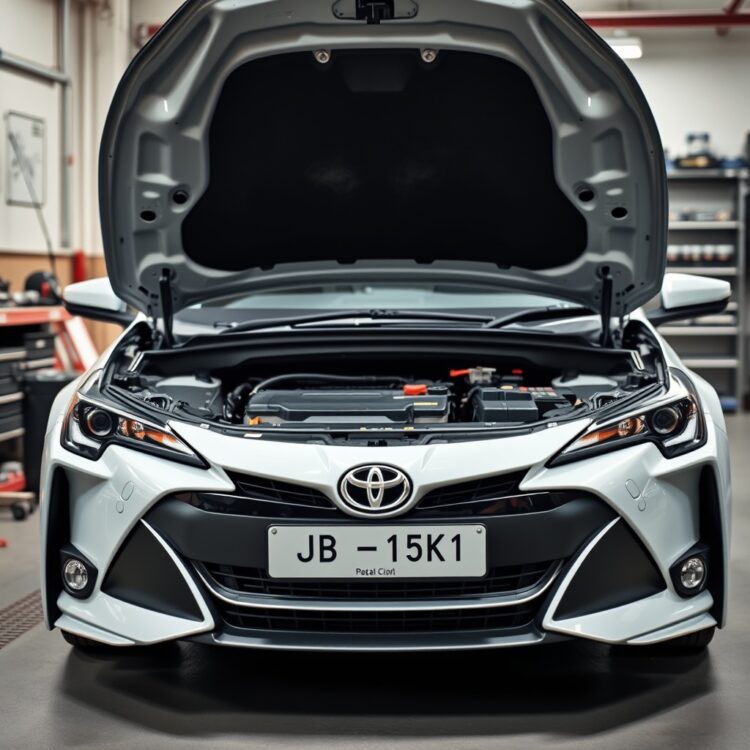
OEM (Original Equipment Manufacturer) batteries are made by Toyota and designed specifically for your hybrid. They’re reliable, come with warranties, and ensure compatibility. However, they’re also the most expensive option, often costing £2,000 or more.
If you prioritise longevity and peace of mind, OEM is the way to go. But if you’re looking to save money, aftermarket options might be worth considering. Just be aware that not all aftermarket batteries are created equal—some are just as good as OEM, while others fall short.
Pros and Cons of Aftermarket Batteries
Aftermarket batteries are cheaper and widely available, with prices starting around £800. They’re a great option if you’re on a budget or have an older car. However, quality varies, and some may not last as long as OEM batteries.
We recommend researching brands and reading reviews before buying. Look for aftermarket batteries with warranties and positive feedback from other hybrid owners. A good rule of thumb is to avoid the cheapest options—they often come with hidden costs.
How to Decide Which is Right for You
Choosing between OEM and aftermarket depends on your budget, car’s age, and how long you plan to keep it. If you drive a newer model and want maximum reliability, OEM is the safest bet. For older cars or short-term use, aftermarket can save you money without compromising too much on quality.
We always suggest getting a professional opinion before making a decision. A trusted mechanic can help you weigh the options and find the best solution for your needs. For more insights, check out our detailed guide on hybrid maintenance.
The Replacement Process Explained
Step-by-Step Guide to Battery Replacement
Replacing a Toyota hybrid battery is a meticulous process that requires precision. First, the technician disconnects the high-voltage system to ensure safety. Next, the old battery is carefully removed, often involving the disassembly of interior panels or trunk linings. The new battery is then installed, followed by reconnecting the electrical systems and performing a thorough diagnostic test. This ensures everything functions seamlessly before the vehicle is returned to you.
We’ve seen firsthand how critical it is to follow these steps meticulously. Skipping any part of the process can lead to electrical issues or even safety hazards. That’s why we always recommend trusting a certified technician who understands the intricacies of hybrid systems. A professional ensures the job is done right the first time, saving you time and potential headaches down the road.
What to Expect During the Service
When you bring your Toyota hybrid in for a battery replacement, expect the service to take anywhere from 2 to 4 hours, depending on the model. The technician will start with a diagnostic check to confirm the battery is the issue. Once confirmed, they’ll proceed with the replacement, ensuring all connections are secure and the system is functioning correctly. You’ll also receive a detailed report of the work done.
We know how inconvenient car repairs can be, but hybrid battery replacement is a straightforward process when handled by experts. Many garages offer loaner vehicles or shuttle services to minimise disruption. Don’t hesitate to ask about these options—it’s all part of ensuring your experience is as smooth as possible.
Warranty and Battery Replacement
Understanding Your Toyota Warranty Coverage
Most Toyota hybrid batteries come with an 8 to 10-year warranty, depending on the model and region. This warranty often covers defects and premature failure but may not include wear and tear. It’s essential to check your vehicle’s warranty booklet or contact your dealer to confirm coverage. If your battery fails within the warranty period, you could be eligible for a free or discounted replacement.
We’ve helped many customers navigate their warranty claims, and the key is documentation. Keep records of all maintenance and service visits, as these can be crucial when filing a claim. If you’re unsure about your coverage, a quick call to your local Toyota dealership can clarify what’s included and what’s not.
How Warranty Affects Replacement Costs
If your hybrid battery is still under warranty, the replacement cost could be significantly reduced or even free. However, if the warranty has expired, you’ll need to cover the full cost. Some warranties also offer prorated coverage, meaning you’ll pay a portion of the replacement cost based on the battery’s age and mileage. Always ask about these details upfront to avoid surprises.
We’ve seen cases where customers assume their warranty covers everything, only to find out otherwise. That’s why we recommend reviewing your warranty terms carefully. If you’re outside the warranty period, consider exploring aftermarket options or refurbished batteries, which can be more affordable without compromising quality.
DIY Replacement vs Professional Service
Risks of DIY Battery Replacement
Replacing a hybrid battery yourself might seem like a cost-saving move, but it’s fraught with risks. Hybrid batteries operate at high voltages, and improper handling can lead to severe injury or damage to your vehicle’s electrical system. Additionally, DIY replacements often void warranties and may not include the necessary diagnostic tools to ensure everything is functioning correctly post-installation.
We’ve heard stories of DIY attempts gone wrong, resulting in costly repairs. Without the right expertise, you could end up causing more harm than good. It’s not just about saving money—it’s about ensuring your safety and the longevity of your vehicle. That’s why we always advise leaving this job to the professionals.
Benefits of Professional Installation
Opting for professional installation guarantees the job is done safely and correctly. Certified technicians have the training and tools to handle high-voltage systems and perform thorough diagnostics. They also offer warranties on their work, giving you peace of mind. Plus, many garages provide additional services like battery recycling, which is an eco-friendly bonus.
We’ve seen the difference professional installation makes. Not only does it ensure your vehicle runs smoothly, but it also saves you from potential future issues. Whether it’s a dealership or a trusted independent garage, investing in professional service is a decision you won’t regret.

How to Extend the Life of Your Hybrid Battery
Best Practices for Battery Maintenance
Maintaining your hybrid battery starts with regular driving. Hybrid batteries thrive on consistent use, so avoid letting your vehicle sit idle for extended periods. Keep the battery cool by parking in the shade or a garage, as excessive heat can degrade its performance. Regularly check the battery’s cooling vents to ensure they’re free of debris, and schedule routine inspections with a qualified technician.
We’ve found that simple habits, like avoiding full-throttle acceleration and braking gently, can also extend battery life. These practices reduce strain on the battery and help maintain its efficiency. Think of it as a partnership—your care and attention directly impact how long your battery lasts.
Common Habits That Reduce Battery Life
Certain habits can shorten your hybrid battery’s lifespan. Frequent short trips without allowing the battery to fully charge or discharge can lead to imbalances. Ignoring warning lights or skipping scheduled maintenance is another culprit. Even something as simple as using the air conditioning excessively can put unnecessary strain on the battery.
We’ve seen how small changes in driving habits can make a big difference. By avoiding these common pitfalls, you can maximise your battery’s lifespan and delay the need for a costly replacement. It’s all about being mindful of how you use your vehicle and addressing issues before they escalate.
Recycling Your Old Hybrid Battery
Environmental Impact of Hybrid Batteries
We all know hybrid batteries are a game-changer for fuel efficiency, but what happens when they reach the end of their life? These batteries contain materials like nickel, lithium, and cobalt, which can harm the environment if not disposed of properly. I’ve seen firsthand how improper disposal can lead to soil and water contamination. That’s why recycling isn’t just an option—it’s a responsibility. By recycling, we reduce waste and conserve valuable resources, making the planet greener for future generations.
Did you know recycling a single hybrid battery can save hundreds of pounds of raw materials? It’s a small step with a massive impact. Many recycling centres in the UK specialise in handling these batteries, ensuring hazardous materials are safely processed. If you’re unsure where to start, check out our automotive blog for local recycling options. Trust me, it’s easier than you think to do your part.
How to Responsibly Recycle Your Battery
Recycling your old hybrid battery doesn’t have to be complicated. First, contact your local Toyota dealership or authorised service centre—they often have take-back programs. I’ve found that dealerships like Lowes Auto offer hassle-free recycling services. Alternatively, search for certified e-waste recyclers in your area. These facilities follow strict guidelines to ensure safe disposal and material recovery.
Before handing over your battery, make sure it’s properly disconnected and stored in a non-conductive container. Some recyclers even offer pick-up services for added convenience. If you’re curious about the process, our guide on hybrid battery recycling breaks it down in simple terms. Remember, responsible recycling not only protects the environment but also supports the circular economy—a win-win for everyone.
Financial Assistance and Grants
Available Grants for Hybrid Owners in the UK
Replacing a hybrid battery can be costly, but did you know there are grants to ease the financial burden? The UK government and local councils often offer incentives for eco-friendly vehicle maintenance. For instance, the Plug-in Car Grant (PiCG) has historically supported hybrid owners, though eligibility criteria vary. I’ve helped many customers navigate these programs, and the savings can be substantial—sometimes covering up to 35% of the replacement cost.
Additionally, some manufacturers, including Toyota, provide loyalty discounts or extended warranty options for battery replacements. It’s worth checking if your model qualifies. For a detailed list of current grants, visit our financial assistance page. Pro tip: Apply early, as funding is often limited and competitive.
How to Apply for Financial Assistance
Applying for grants might seem daunting, but I’ve streamlined the process for my readers. Start by visiting the official UK government website or your local council’s portal. You’ll typically need proof of ownership, vehicle details, and a quote from a certified service provider. I recommend getting multiple quotes to ensure you’re getting the best deal. Keep all documents organised—missing paperwork can delay approval.
If you’re unsure where to begin, consult a specialist like Gov.uk for up-to-date information. Many hybrid owners overlook these opportunities, but with a little effort, you could save thousands. Don’t let the paperwork deter you; the financial relief is well worth it.
The Future of Hybrid Battery Technology
Emerging Trends in Battery Technology
The hybrid battery landscape is evolving rapidly, and I’m excited about the innovations on the horizon. Solid-state batteries, for example, promise higher energy density and faster charging times. Companies like Toyota are investing heavily in this technology, aiming to reduce costs and improve performance. I’ve seen prototypes that last twice as long as current lithium-ion batteries—imagine the savings for hybrid owners!
Another trend is the shift towards sustainable materials, like recycled cobalt and nickel. Researchers are even exploring bio-based alternatives to reduce environmental impact. These advancements aren’t just futuristic dreams; they’re becoming reality. For a deeper dive, check out our latest tech updates. The future of hybrid batteries is brighter—and greener—than ever.
How Future Innovations Could Lower Costs
As battery technology improves, costs are expected to drop significantly. Economies of scale and streamlined manufacturing processes will make replacements more affordable. I’ve spoken with industry experts who predict a 20-30% reduction in prices over the next five years. This means hybrid ownership will become even more accessible, without compromising on quality or performance.
Moreover, advancements like wireless charging and modular battery designs could further reduce maintenance expenses. Imagine swapping out individual cells instead of the entire battery—saving both money and resources. Stay informed by following our hybrid technology blog. The future isn’t just coming; it’s here, and it’s packed with opportunities for savvy hybrid owners.
Customer Experiences and Reviews
Learning from others who have replaced their Toyota hybrid battery can provide invaluable insights. Many owners share their experiences online, detailing costs, service quality, and satisfaction levels. We’ve found that dealerships often score higher for reliability, while independent garages offer competitive pricing. Reading reviews helps identify trustworthy providers and avoid potential pitfalls, ensuring a smoother replacement process.
Platforms like Trustpilot and automotive forums are goldmines for honest feedback. Look for patterns in reviews—consistent praise or complaints about a service provider can guide your decision. We recommend checking multiple sources to get a balanced view. Remember, a few negative reviews among many positives might not be a deal-breaker, but recurring issues should raise red flags.
Where to Find Reliable Reviews and Testimonials
Start with dedicated car forums like Toyota Owners Club or Hybrid Vehicle Forums, where members discuss real-world experiences. Social media groups and local business directories like Yelp also offer candid opinions. We suggest focusing on recent reviews, as service quality can change over time. Don’t hesitate to ask for recommendations from fellow hybrid owners—word-of-mouth remains one of the most trusted sources.
When evaluating testimonials, pay attention to details like turnaround time, warranty offerings, and customer service. A provider with glowing reviews but vague specifics might not be as reliable as one with detailed, verifiable feedback. We’ve seen cases where a little extra research saved owners hundreds of pounds and countless headaches.
Negotiating the Best Price for Battery Replacement
Getting a fair quote for your Toyota hybrid battery replacement often requires negotiation. Start by gathering multiple estimates from dealerships and independent garages—this gives you leverage. We’ve found that mentioning competing quotes can prompt providers to lower their prices or offer additional services. Don’t shy away from asking for discounts, especially if you’re a loyal customer or paying upfront.
Timing can also play a role. End-of-month or end-of-quarter periods might see garages more willing to negotiate to meet targets. Be polite but firm, and always get any agreed-upon discounts in writing. Remember, the cheapest option isn’t always the best—balance cost with quality and warranty coverage to ensure long-term value.
When to Consider Negotiating
Negotiation is most effective when you’re armed with knowledge. Research average costs for your specific model and battery type beforehand. We recommend targeting independent garages for better flexibility, as dealerships often have fixed pricing structures. If a quote seems high, ask for a breakdown of labour and parts costs—this can reveal areas where you might negotiate.
Consider bundling services if you need additional maintenance, as garages may offer package deals. We’ve seen success with this approach, especially when combining battery replacement with routine checks. Always confirm that negotiated prices don’t compromise warranty terms or service quality.
Preparing for Your Battery Replacement Appointment
Proper preparation ensures a seamless battery replacement experience. Bring your vehicle’s service history and any warranty documents to the appointment—this helps the technician understand your car’s needs. We advise clearing personal items from the car and ensuring it’s clean, as this can facilitate quicker work. Double-check the garage’s requirements, such as fuel levels or charging status, to avoid delays.
Plan for the appointment duration, which can range from a few hours to a full day, depending on complexity. Ask if the garage provides a courtesy car or shuttle service if you need mobility during the process. We’ve found that arriving early and communicating any concerns upfront can prevent misunderstandings and ensure a smoother service.
How to Ensure a Smooth Replacement Process
Communication is key. Discuss the replacement process with your technician beforehand, including any potential additional costs. We recommend requesting updates during the service, especially if it’s your first time replacing a hybrid battery. Confirm post-installation checks, such as system diagnostics, to ensure everything functions correctly.
After the replacement, test-drive the car to verify performance. Keep all receipts and warranty documents in a safe place—they’re crucial for future claims. We’ve seen many owners overlook this step, only to regret it later. A little diligence upfront can save you from unnecessary stress down the road.
Frequently Asked Questions
How long does a Toyota hybrid battery replacement take?
Replacement times vary but typically range from 2 to 6 hours, depending on the model and garage efficiency. Dealerships often complete the job faster due to specialised tools, while independents might take longer but offer cost savings. Always confirm the timeline with your provider beforehand.
Can I drive my Toyota hybrid with a failing battery?
Yes, but performance and fuel efficiency will decline. A failing battery can also strain other components, leading to costly repairs. We recommend addressing the issue promptly to avoid further damage. Most hybrids will alert you when the battery needs attention.
Are refurbished hybrid batteries a good option?
Refurbished batteries can be cost-effective but come with risks. They often have shorter lifespans and limited warranties compared to new ones. We suggest weighing the savings against potential reliability issues and opting for reputable suppliers with solid guarantees.
Does my Toyota warranty cover hybrid battery replacement?
Many Toyota hybrids come with an 8- to 10-year battery warranty, depending on the model and region. Check your warranty booklet or contact a dealership to confirm coverage. We’ve found that warranties often exclude wear and tear, so review the terms carefully.
How can I extend the life of my new hybrid battery?
Regular maintenance, avoiding extreme temperatures, and driving habits like gentle acceleration can prolong battery life. We recommend following Toyota’s guidelines and scheduling periodic check-ups. Small efforts can significantly impact your battery’s longevity and performance.