Introduction
Hybrid cars are a brilliant blend of efficiency and innovation, but they come with their own set of rules. I’ve seen too many owners make mistakes that cost them time, money, and even performance. Whether you’re new to hybrids or a seasoned driver, avoiding these pitfalls can save you a lot of hassle. Let’s dive into what not to do with your hybrid car to keep it running smoothly for years.
Key Takeaways
- Never ignore regular maintenance—hybrids need attention too.
- Avoid draining the battery completely; it’s a costly mistake.
- Misusing EV mode can harm your car’s efficiency and battery life.
- Always use compatible chargers to prevent damage to the battery system.
- Overloading your hybrid reduces fuel efficiency and strains components.
Test Your General Automotive Knowledge!
Understanding Hybrid Car Basics
How Hybrid Cars Work
Hybrid cars combine a petrol or diesel engine with an electric motor. The magic happens when the car switches between these power sources seamlessly. I’ve found that understanding this balance is key to maximising efficiency. For instance, the electric motor handles low-speed driving, while the engine kicks in for higher speeds. It’s a smart system, but it requires proper care.
Types of Hybrid Cars
There are three main types: full hybrids, mild hybrids, and plug-in hybrids. Each has its quirks. Full hybrids can run on electric power alone, while mild hybrids rely more on the engine. Plug-in hybrids, like the Toyota Corolla Hybrid, offer extended electric range but need regular charging. Knowing your type helps avoid misuse.
Key Components of a Hybrid Car
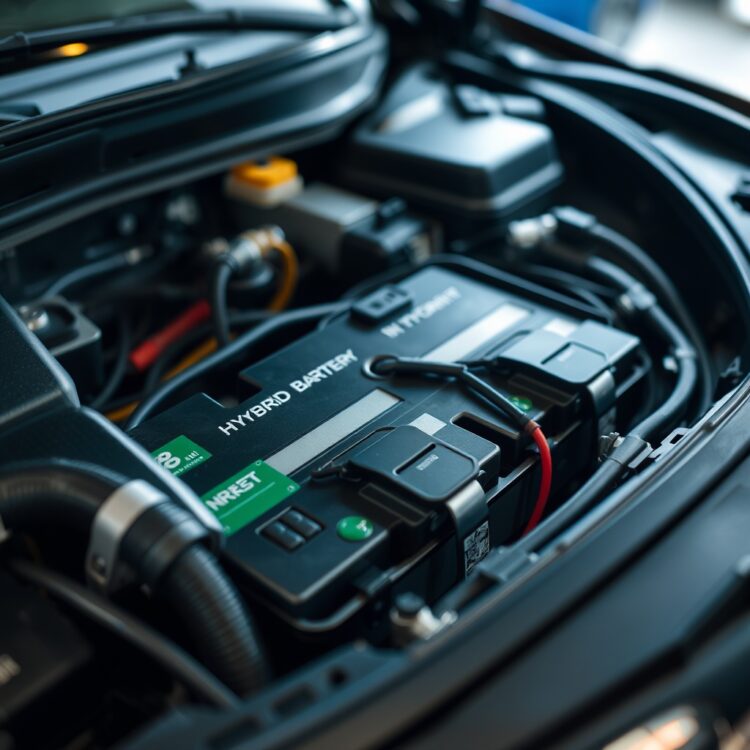
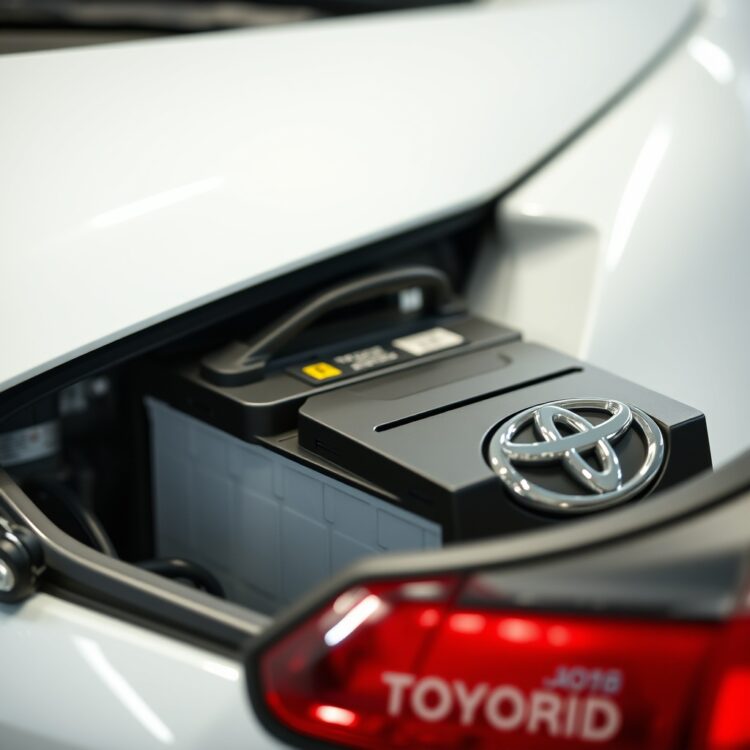
The battery, electric motor, and regenerative braking system are the heart of a hybrid. I’ve learned that neglecting any of these can lead to costly repairs. For example, the battery cooling system is often overlooked, but it’s vital for longevity. Regular checks on these components are non-negotiable.
Common Misconceptions About Hybrid Cars
Myth Hybrid Cars Are Always More Expensive
Many believe hybrids are pricier upfront, but the savings in fuel and tax incentives often balance it out. I’ve seen drivers save thousands over time. The hidden costs of hybrids are usually outweighed by their benefits.
Myth Hybrid Cars Require More Maintenance
This is far from true. Hybrids often need less maintenance because the electric motor reduces wear on the engine. However, skipping battery checks or ignoring software updates can lead to problems. It’s about smart maintenance, not more of it.
Common Misconceptions About Hybrid Cars
Myth Hybrid Cars Are Always More Expensive
We’ve all heard the myth that hybrid cars are a luxury only the wealthy can afford. But let’s break it down. While the upfront cost might be higher, the savings on fuel and tax incentives often balance it out. I’ve seen drivers save thousands over time, making hybrids a smart investment. Plus, with more models hitting the market, prices are becoming competitive. It’s not just about the sticker price—it’s about the long-term value.
Another angle? Maintenance costs. Many assume hybrids are pricier to maintain, but that’s not always true. With fewer moving parts in the electric system, some repairs are cheaper. And let’s not forget the automotive blog insights that highlight how hybrids can be surprisingly affordable. The key is to look beyond the initial number and consider the bigger picture.
Myth Hybrid Cars Require More Maintenance
Here’s a myth that needs busting: hybrids are high-maintenance nightmares. The truth? They often require less upkeep than traditional cars. The regenerative braking system, for example, reduces wear on brake pads. And the engine doesn’t work as hard, meaning fewer oil changes. I’ve driven hybrids for years, and my garage visits have dropped significantly.
Of course, the battery is a concern, but modern hybrids are built to last. Most come with warranties covering the battery for years. The trick is to follow the manufacturer’s guidelines and avoid skipping check-ups. A well-maintained hybrid can outlast its petrol counterpart, proving that less is sometimes more.
Myth Hybrid Cars Can’t Perform Like Traditional Cars
Ever heard that hybrids are sluggish? Let’s put that to rest. Modern hybrids pack a punch, combining electric torque with petrol power for smooth acceleration. I’ve driven hybrids that leave traditional cars in the dust at traffic lights. The electric motor provides instant power, making city driving a breeze.
And for those who love a bit of speed, many hybrids now come with sport modes. The Corsa VXR might be a beast, but don’t underestimate a hybrid’s ability to deliver performance. The key is understanding how to harness both power sources effectively. Hybrids aren’t just eco-friendly—they’re fun to drive.
Ignoring Regular Maintenance
Skipping Battery Checks
One of the biggest mistakes? Neglecting the battery. Hybrid batteries are robust, but they’re not invincible. Regular checks ensure they’re operating efficiently. I’ve seen drivers ignore warning lights, only to face costly replacements later. A simple diagnostic test can spot issues early, saving you a fortune.
Pro tip: Keep an eye on the battery’s cooling system. Overheating can shorten its lifespan. And if you’re unsure, consult a specialist. The common issues page highlights how small problems can escalate. A little attention goes a long way in keeping your hybrid running smoothly.
Neglecting Engine Maintenance
Just because the electric motor does some of the work doesn’t mean the engine can be ignored. Oil changes, filter replacements, and spark plug checks are still crucial. I’ve met drivers who skip these, thinking the electric side handles everything. Big mistake. The engine and electric system work together, and both need care.
Hybrid engines often run less, but that doesn’t mean they’re maintenance-free. Follow the service schedule religiously. A well-maintained engine ensures the hybrid system operates at peak efficiency. Ignore it, and you’ll compromise performance and fuel economy.
Overlooking Tire Pressure
Tire pressure might seem trivial, but it’s a big deal for hybrids. Underinflated tires increase rolling resistance, forcing the engine and electric motor to work harder. I’ve noticed a drop in fuel efficiency when my tires are even slightly low. It’s a small thing with a big impact.
Check your tire pressure monthly. Hybrids are designed for efficiency, and every bit counts. Properly inflated tires not only save fuel but also extend tire life. It’s a win-win. And if you’re unsure about the right pressure, refer to your manual or the fastest Corsa guide for tips on optimal performance.
Misusing the Battery System
Draining the Battery Completely
This is a rookie mistake: running the battery flat. Hybrid batteries aren’t meant to be fully discharged. Doing so can damage the cells and reduce lifespan. I’ve learned to keep the battery level above 20% to avoid stress. The system is designed to switch to petrol when needed, so let it do its job.
If you frequently drain the battery, you’re asking for trouble. Modern hybrids have safeguards, but pushing them isn’t wise. Treat the battery with care, and it’ll reward you with years of reliable service. Remember, hybrids are about balance—don’t tip the scales.
Ignoring Battery Cooling Systems
Heat is a battery’s enemy. Hybrids come with cooling systems to regulate temperature, but they need attention. I’ve seen drivers block vents or ignore cooling fan noises, leading to overheating. A hot battery degrades faster and can even fail prematurely.
Keep the cooling system clean and unobstructed. If you notice unusual heat or fan activity, get it checked. A little vigilance can prevent a meltdown—literally. Hybrids are smart, but they’re not invincible. Treat them right, and they’ll go the distance.
Using Non-Compatible Chargers
Plug-in hybrid owners, listen up: not all chargers are created equal. Using a non-compatible charger can damage the battery or even void the warranty. I’ve seen it happen. Stick to manufacturer-approved chargers to avoid costly mistakes.
If you’re unsure, consult your manual or a specialist. The right charger ensures safe, efficient charging. And if you’re looking for more tips, check out this external resource on hybrid battery care. It’s better to be safe than sorry when it comes to your hybrid’s heart.
Overlooking Fuel Efficiency Practices
We often assume hybrid cars are inherently fuel-efficient, but ignoring eco-driving techniques can negate their advantages. Smooth acceleration and deceleration, for instance, maximise energy recovery. Failing to adapt your driving style wastes the hybrid system’s potential, reducing efficiency by up to 20%. It’s not just about the car—it’s about how you drive it.
Another common mistake is overloading the vehicle. Extra weight forces the engine and battery to work harder, diminishing fuel savings. Even small changes, like removing unnecessary items from the boot, can make a noticeable difference. Remember, every kilogram counts when you’re aiming for optimal efficiency.
Ignoring Eco-Driving Techniques
Eco-driving isn’t just a buzzword—it’s a game-changer for hybrid owners. Techniques like anticipating traffic flow and avoiding sudden stops can significantly boost mileage. Many hybrids even display real-time feedback to guide you. Ignoring these tools is like leaving money on the road. Trust me, your wallet will thank you.
Failing to Use Regenerative Braking Effectively
Regenerative braking is a hybrid’s secret weapon, converting kinetic energy back into battery power. But if you brake abruptly or too late, you’re wasting this feature. Gentle, early braking maximises energy recovery. It’s a small adjustment with a big payoff, especially in stop-and-go traffic.
Improper Charging Habits
Charging a hybrid isn’t as straightforward as plugging in your phone. Timing matters—charging during off-peak hours can save on electricity costs. Yet, many owners plug in randomly, missing out on savings. It’s a simple habit change with long-term benefits for both your car and your budget.
Public charging stations are convenient, but relying on them unnecessarily can be costly. Home charging is often cheaper and more efficient. If you’re not setting up a home charging routine, you’re likely overspending. Think of it as filling up at the most expensive petrol station every time.
Charging at the Wrong Times
Peak electricity rates can turn charging into an expensive habit. Charging overnight or during low-demand periods cuts costs significantly. Many energy providers offer hybrid-friendly tariffs—ignoring them is a missed opportunity. A little planning goes a long way.
Using Public Charging Stations Unnecessarily
Public chargers are great for top-ups, but they shouldn’t be your primary source. Not only are they pricier, but they’re also less predictable. Home charging ensures your car is always ready without the hassle. It’s the hybrid equivalent of cooking at home versus eating out every night.
Neglecting Software Updates
Hybrids are as much about software as they are about hardware. Overlooking manufacturer updates can leave your car running suboptimally. These updates often include tweaks to battery management and performance. Skipping them is like using an outdated phone—you’re not getting the full experience.
Energy-saving features are another area where updates matter. Disabling them might seem like a way to boost performance, but it’s counterproductive. These features are designed to maximise efficiency without sacrificing driveability. Trust the engineers—they know what they’re doing.
Overlooking Manufacturer Updates
Manufacturers release updates for a reason—they improve your car. Ignoring them can lead to reduced efficiency or even minor glitches. Set reminders or enable automatic updates to stay current. It’s a small effort for a smoother ride.
Disabling Energy Saving Features
Energy-saving modes aren’t just for show—they’re finely tuned to balance performance and efficiency. Disabling them might give a temporary power boost, but it’s a trade-off you’ll regret at the pump. Keep them active and let the car do the heavy lifting.
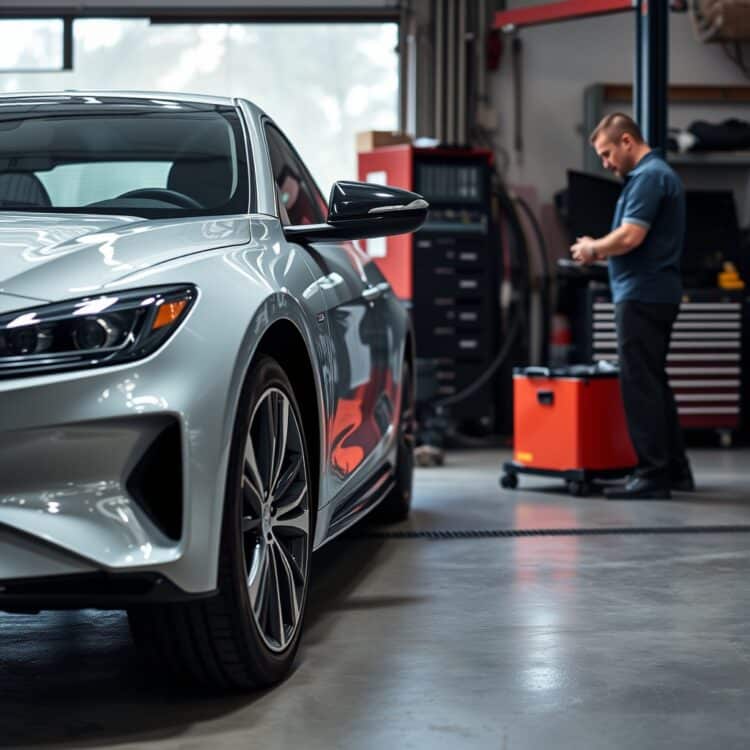
Choosing the Wrong Tires
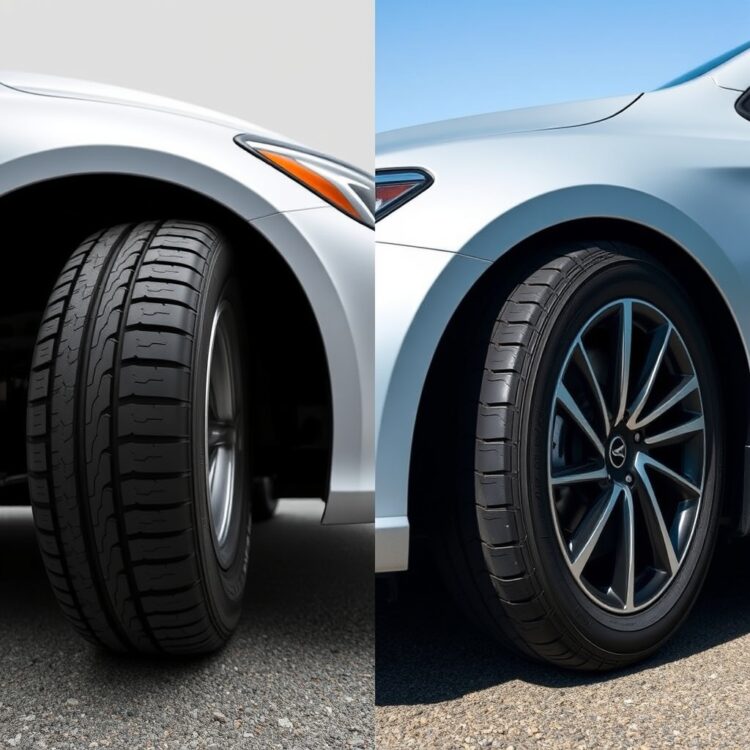
Tires play a huge role in a hybrid’s efficiency. Non-eco-friendly tires increase rolling resistance, forcing the engine and battery to work harder. It’s like running in sand—you’re expending more energy for the same result. Investing in the right tires can improve fuel economy by up to 10%.
Seasonal tire changes are another often-overlooked detail. Winter tires in summer or vice versa can hurt efficiency and safety. Hybrids are sensitive to these changes, so sticking to the recommended tires is crucial. Don’t let laziness cost you performance.
Using Non-Eco-Friendly Tires
Eco-friendly tires are designed to reduce friction and improve mileage. Opting for standard tires might save upfront, but the long-term costs add up. It’s a classic case of penny-wise, pound-foolish. Choose wisely.
Ignoring Tire Size Recommendations
Deviating from the manufacturer’s recommended tire size can disrupt the hybrid system’s calibration. Larger or smaller tires alter speedometer accuracy and energy usage. Stick to the specs—your car’s performance depends on it.
Disregarding Weight Limits
One of the biggest mistakes we make with hybrid cars is ignoring weight limits. These vehicles are designed for efficiency, and overloading them can strain the hybrid system, reducing fuel economy and performance. Exceeding the maximum payload puts unnecessary stress on the battery and engine, leading to premature wear and tear. Always check your car’s manual for weight limits and stick to them.
Overloading the trunk or ignoring roof load limits can also impact aerodynamics, making the car less efficient. Hybrids rely on streamlined designs to maximise fuel savings, and adding extra weight disrupts this balance. Whether it’s luggage or roof racks, keep it light and within the recommended limits to avoid compromising your hybrid’s performance and longevity.
Ignoring the Hybrid’s Unique Driving Dynamics
Hybrids operate differently from traditional cars, and failing to adapt can lead to inefficiencies. The silent operation of electric mode can be deceptive, making it easy to forget the car is running. This can lead to unnecessary idling or missed opportunities to switch to EV mode. Understanding the power distribution between the electric motor and petrol engine is key to optimising performance.
Overusing sport modes is another common pitfall. While it’s tempting to enjoy the extra power, sport modes often prioritise performance over efficiency, draining the battery faster. Hybrids are designed for smooth, eco-friendly driving, so reserve sport modes for when you truly need them. Adapting to the hybrid’s unique dynamics ensures you get the most out of its technology.
Skipping Professional Servicing
Hybrids require specialised care, and skipping professional servicing can lead to costly issues. Avoiding dealership services or using non-specialised mechanics might save money upfront, but it risks improper maintenance. Hybrid systems are complex, and only trained technicians have the expertise to handle them correctly. Ignoring recall notices is equally risky, as these often address critical safety or performance issues.
Regular servicing ensures the hybrid system operates at peak efficiency. From battery checks to software updates, professional maintenance keeps everything running smoothly. Don’t cut corners—invest in proper servicing to protect your hybrid’s performance and longevity. It’s a small price to pay for peace of mind and optimal efficiency.
Misusing the EV Mode
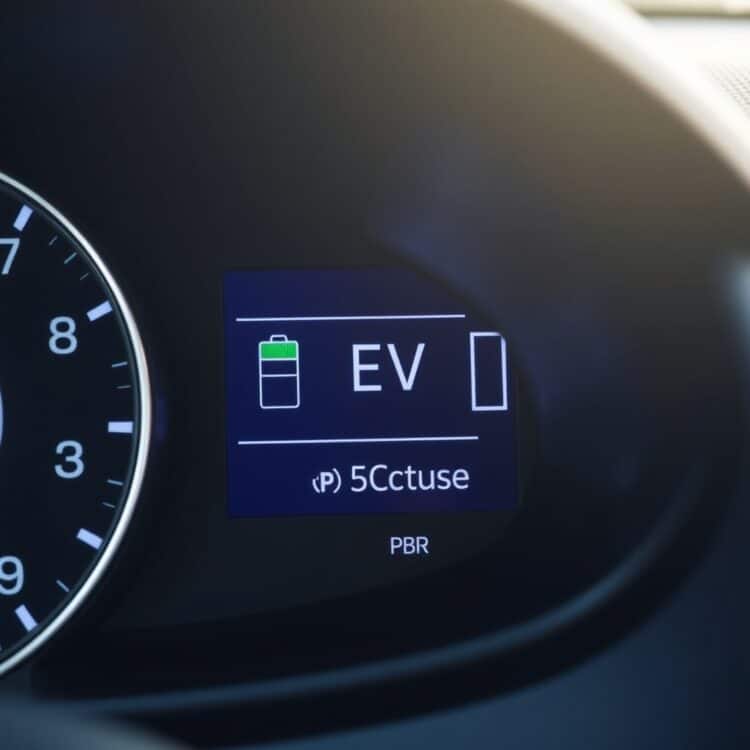
EV mode is a fantastic feature, but misuse can lead to problems. Using it in inappropriate conditions, like high-speed driving or steep inclines, drains the battery unnecessarily. The system is designed for low-speed, urban driving, where it maximises efficiency. Ignoring battery level indicators can also leave you stranded if the battery depletes completely, forcing the petrol engine to work harder.
Overestimating EV mode range is another common mistake. While it’s great for short trips, relying on it for long distances without recharging is impractical. Plan your drives accordingly and use EV mode strategically to extend its benefits. Understanding its limitations ensures you get the most out of this eco-friendly feature without compromising your hybrid’s performance.
Failing to Plan for Long Trips
Not Researching Charging Stations
We’ve all been there—hitting the road without a clue where to charge. But with a hybrid, this is a recipe for disaster. I learned the hard way that not all routes have charging stations, and some are outdated. Always check apps like PlugShare or Zap-Map before leaving. Trust me, knowing where to stop saves time and stress. Plus, it keeps your battery healthy by avoiding last-minute scrambles.
Another mistake? Assuming petrol stations will have chargers. Many don’t, especially in rural areas. Plan your stops around confirmed charging points. And don’t forget to check compatibility—some stations only work with specific models. A little research goes a long way in keeping your journey smooth and your hybrid happy.
Ignoring Route Planning Tools
Hybrids thrive on efficiency, and that starts with smart route planning. I used to wing it, but now I rely on tools like Google Maps’ EV mode or dedicated hybrid apps. These tools highlight charging stops, estimate energy use, and even adjust for elevation changes. Ignoring them means wasting fuel and battery life, something we can’t afford with rising costs.
Ever been stuck in traffic with a draining battery? It’s not fun. Route planners help avoid congestion, saving energy and sanity. They also suggest eco-friendly routes, maximising your hybrid’s potential. So, before you hit the road, let technology do the heavy lifting. Your car—and wallet—will thank you.
Overlooking Weather Conditions
Weather isn’t just small talk—it’s a hybrid driver’s nemesis. Cold temperatures slash battery efficiency, while heat strains cooling systems. I once ignored a winter forecast and ended up with a sluggish car and poor mileage. Now, I check the weather and pre-condition the cabin while plugged in. It’s a game-changer for range and comfort.
Rain and wind also impact efficiency. Headwinds increase drag, and wet roads reduce regenerative braking effectiveness. Plan for extra charging time in bad weather. And always pack an emergency kit—hybrids are reliable, but nature isn’t. A little foresight ensures you’re prepared for whatever the sky throws at you.
Overlooking Insurance and Warranty Details
Not Understanding Warranty Coverage
Hybrid warranties are a maze, and I’ve stumbled through it. Many cover the battery for 8+ years, but terms vary. Some exclude wear and tear, while others require dealer servicing. I learned this after a denied claim for a battery issue. Always read the fine print—know what’s covered and for how long. It saves headaches and unexpected bills down the road.
Also, warranties often hinge on proper maintenance. Skipping services? That could void your coverage. Keep records of all checks and repairs. And don’t assume third-party parts are okay—some warranties demand OEM components. Protect your investment by staying informed and compliant.
Choosing the Wrong Insurance Plan
Not all insurance plans are hybrid-friendly. I once picked a cheap policy, only to find it didn’t cover battery damage. Now, I look for hybrid-specific coverage, including battery protection and roadside assistance for electrical issues. It costs more upfront but pays off when you need it.
Also, consider usage-based insurance. Hybrids are often driven differently, and some insurers offer discounts for eco-friendly habits. Compare policies carefully—cheapest isn’t always best. Your hybrid is unique; insure it accordingly.
Ignoring Battery Warranty Terms
Battery warranties are gold, but they come with strings. Some require annual health checks, while others limit coverage to certain failure types. I missed this once and faced a hefty replacement bill. Now, I schedule annual battery inspections and keep all paperwork. It’s a small effort for big peace of mind.
Also, beware of modifications. Even minor tweaks can void your battery warranty. Stick to manufacturer-approved upgrades. And if you’re buying used, verify the warranty’s transferability. Don’t let ignorance cost you thousands—know your terms and stick to them.
Ignoring Environmental Benefits
Failing to Utilize Eco-Friendly Features
Hybrids pack clever tech to cut emissions, but only if you use it. I used to ignore EV mode in cities, burning fuel unnecessarily. Now, I switch to electric for short trips, slashing my carbon footprint. Features like regenerative braking also help—use them right, and you’ll save energy and money.
Another tip: pre-condition your car while plugged in. It heats or cools the cabin using grid power, not the battery. Small habits add up, making your hybrid as green as possible. Don’t just drive a hybrid—drive it smartly.
Overlooking Tax Incentives
Governments love hybrids, and they show it with tax breaks. I missed out on £500 in incentives because I didn’t research. Now, I check local schemes before buying or leasing. Some offer grants for home chargers, others reduce road tax. It’s free money—don’t leave it on the table.
Also, some cities exempt hybrids from congestion charges. Register your car to avoid fines. And if you’re a business owner, explore capital allowances. Hybrids aren’t just eco-friendly—they’re wallet-friendly too.
Disregarding Reduced Carbon Footprint
Owning a hybrid is a chance to cut emissions, but only if you commit. I used to drive aggressively, negating the benefits. Now, I embrace smooth acceleration and coasting. It’s better for the planet and my fuel bill. Share your progress too—apps like Lowes Auto track savings, motivating you to stay green.
Consider offsetting remaining emissions through programs like Tree-Nation. Every bit helps in the fight against climate change. Driving a hybrid is a step forward—make it count by minimising your impact at every turn.
Frequently Asked Questions
How often should I service my hybrid car?
Hybrids need regular servicing, typically every 10,000 miles or annually. Focus on battery checks, engine maintenance, and software updates. Skipping services can void warranties and reduce efficiency. Always follow your manufacturer’s schedule for optimal performance.
Can I charge my hybrid at any public station?
Not all stations are compatible. Check your car’s charging specs and use apps like Zap-Map to find suitable points. Avoid non-compatible chargers to prevent damage. Planning ahead ensures hassle-free charging on the go.
Does cold weather affect hybrid batteries?
Yes, cold reduces battery efficiency and range. Pre-condition your car while plugged in to mitigate this. Drive gently in winter and plan for extra charging time. Proper preparation keeps your hybrid running smoothly in all seasons.
Are hybrid cars more expensive to insure?
They can be, due to specialised parts. However, many insurers offer discounts for eco-friendly driving. Compare policies and look for hybrid-specific coverage. The right plan balances cost and protection for your unique vehicle.