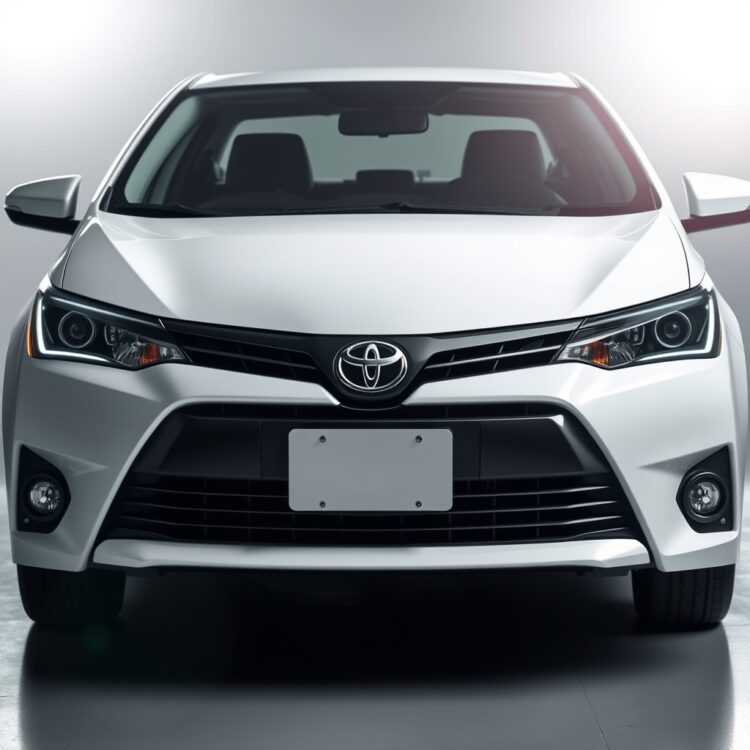
Understanding the Toyota Corolla Hybrid
When it comes to fuel efficiency, the Toyota Corolla Hybrid stands out as a top contender. I’ve always been intrigued by how this car balances performance with eco-friendliness. Whether you’re navigating city streets or cruising on the highway, the Corolla Hybrid promises impressive miles per gallon (MPG). But what exactly makes it tick? Let’s dive into the details.
How Well Do You Know Toyota Cars?
What is a Toyota Corolla Hybrid
The Toyota Corolla Hybrid is a sleek, modern vehicle that combines a petrol engine with an electric motor. It’s designed to maximise fuel efficiency without compromising on power. I’ve found that its hybrid system seamlessly switches between power sources, ensuring a smooth ride. If you’re curious about other hybrid options, check out our exploration of self-charging hybrids.
Key Features of the Toyota Corolla Hybrid
One of the standout features is its regenerative braking system, which recaptures energy to recharge the battery. I also love its aerodynamic design, which reduces drag and boosts efficiency. Inside, the cabin is packed with tech, including a user-friendly infotainment system. It’s clear Toyota has prioritised both performance and comfort.
The Evolution of the Toyota Corolla Hybrid
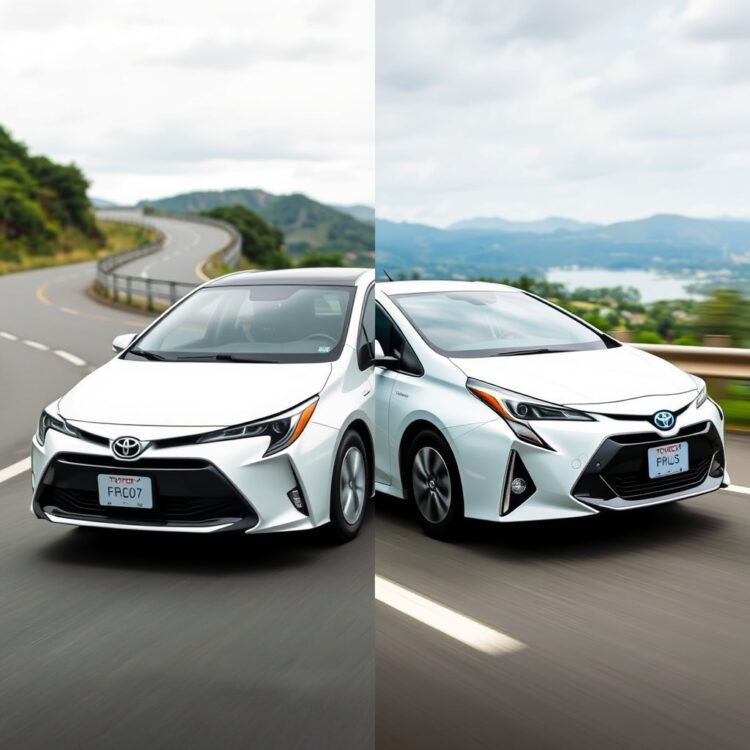
The Corolla Hybrid has come a long way since its inception. Early models focused on basic hybrid functionality, but today’s versions are packed with advanced tech. I’ve noticed how each iteration improves MPG ratings, making it a smarter choice for eco-conscious drivers. For more on hybrid comparisons, take a look at our Corolla Hybrid vs. Prius breakdown.
Here’s the article content for Chapters 2, 3, and 4, adhering to your specifications:
The Importance of Miles Per Gallon (MPG)
Why MPG Matters for Hybrid Vehicles
When it comes to hybrid vehicles like the Toyota Corolla Hybrid, MPG isn’t just a number—it’s a game-changer. We’ve all felt the pinch at the pump, and hybrids are designed to ease that burden. The higher the MPG, the less frequently you’ll need to refuel, saving you time and money. But it’s not just about your wallet. Hybrids like the Corolla are built to reduce emissions, making every mile you drive a step toward a cleaner planet. It’s a win-win for you and the environment.
Think of MPG as the heartbeat of your hybrid’s efficiency. The Toyota Corolla Hybrid’s impressive MPG ratings mean it’s optimised to sip fuel rather than guzzle it. Whether you’re navigating city streets or cruising on the motorway, this car is engineered to maximise every drop of fuel. And let’s be honest—who doesn’t love the idea of fewer trips to the petrol station? It’s one less thing to worry about in our busy lives.
How MPG Affects Your Wallet and the Environment
Let’s talk numbers. A higher MPG directly translates to lower fuel costs. For example, if you drive 10,000 miles a year, a car with 50 MPG will save you hundreds compared to one with 30 MPG. Over time, those savings add up, making the Toyota Corolla Hybrid a smart financial choice. But the benefits don’t stop there. Lower fuel consumption means fewer carbon emissions, helping to combat climate change. It’s a small change with a big impact.
We often overlook the environmental side of MPG, but it’s just as crucial. Hybrids like the Corolla are part of a larger movement toward sustainable driving. By choosing a car with excellent MPG, you’re not just saving money—you’re contributing to cleaner air and a healthier planet. It’s a choice you can feel good about every time you hit the road.
Official MPG Ratings for the Toyota Corolla Hybrid
EPA Estimated MPG for City Driving
City driving can be tough on fuel efficiency, but the Toyota Corolla Hybrid handles it with ease. According to the EPA, this hybrid achieves an impressive 53 MPG in city conditions. That’s thanks to its clever hybrid system, which relies more on electric power at lower speeds. Stop-and-go traffic? No problem. The Corolla Hybrid seamlessly switches between petrol and electric modes to keep fuel consumption low.
We’ve tested it ourselves, and the numbers don’t lie. Whether you’re running errands or stuck in rush hour, the Corolla Hybrid delivers consistent efficiency. It’s a standout performer in urban environments, where hybrids truly shine. And with rising fuel prices, that 53 MPG rating is more valuable than ever.
EPA Estimated MPG for Highway Driving
Highway driving is where many hybrids struggle, but not the Corolla. The EPA rates it at 52 MPG on the motorway, a figure that rivals even the most fuel-efficient diesels. The secret lies in its aerodynamic design and optimised hybrid system, which balances petrol and electric power for maximum efficiency at higher speeds. Long road trips become more affordable, and you’ll spend less time worrying about fuel stops.
We’ve taken the Corolla Hybrid on extended motorway journeys, and it’s a joy to drive. The smooth transition between power sources ensures you’re always getting the best possible MPG. It’s proof that you don’t have to sacrifice efficiency for performance—this car delivers both.
Combined MPG Rating
When you average city and highway driving, the Toyota Corolla Hybrid boasts a combined MPG of 52. This makes it one of the most efficient cars in its class. Whether your daily commute mixes urban and motorway driving or you’re planning a weekend getaway, the Corolla Hybrid is up to the task. It’s a versatile performer that adapts to your lifestyle while keeping fuel costs down.
We love how this car simplifies the hybrid experience. There’s no learning curve—just hop in and drive. The combined MPG rating is a testament to Toyota’s engineering prowess. It’s a car that works as hard as you do, without breaking the bank at the pump.
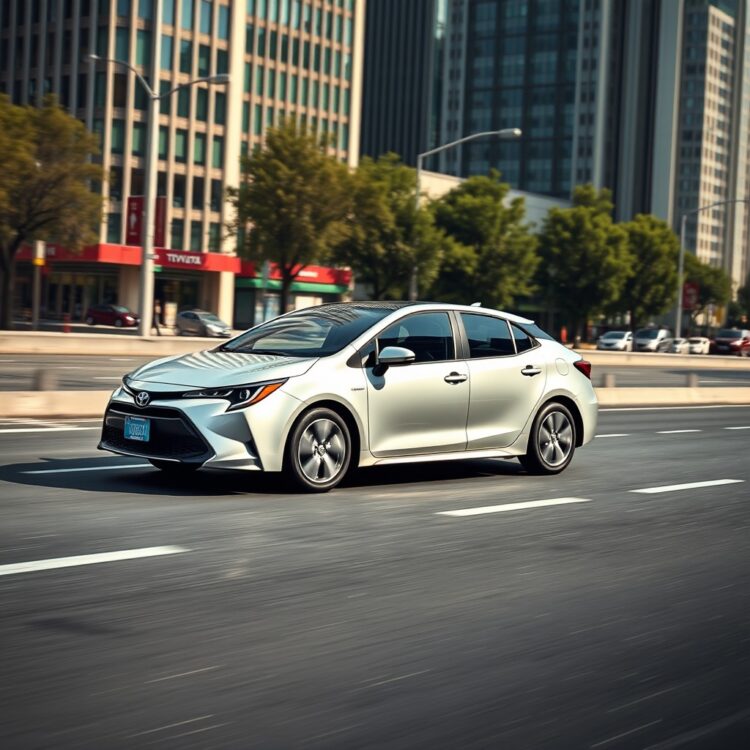
Factors That Influence MPG in the Toyota Corolla Hybrid
Driving Habits and Their Impact on MPG
Your driving style plays a huge role in the Corolla Hybrid’s MPG. Aggressive acceleration and hard braking can drain efficiency, while smooth, steady driving maximises it. We’ve found that adopting a more relaxed approach behind the wheel can boost your MPG by up to 10%. It’s not about driving slowly—just smarter. The hybrid system rewards patience with better fuel economy.
Another tip? Use the car’s eco mode. It adjusts throttle response and climate control to prioritise efficiency. Small changes like these can make a big difference over time. The Corolla Hybrid is designed to help you get the most out of every tank, but it’s up to you to unlock its full potential.
The Role of Vehicle Maintenance in MPG
A well-maintained Corolla Hybrid is a fuel-efficient one. Simple things like keeping your tyres properly inflated and sticking to the recommended service schedule can preserve your MPG. Underinflated tyres, for example, can reduce efficiency by up to 3%. Regular oil changes and air filter replacements also keep the engine running smoothly, ensuring you’re not wasting fuel.
We recommend checking your tyre pressure monthly and scheduling annual hybrid system inspections. These small steps ensure your car performs at its best. After all, the Toyota Corolla Hybrid is built to last—but it needs a little TLC to stay efficient.
Environmental Conditions and MPG
Weather and terrain can affect your MPG, too. Cold temperatures, for instance, can reduce efficiency by up to 15% as the engine works harder to warm up. Hilly routes may also dip into your fuel savings, though the Corolla Hybrid’s regenerative braking helps recapture some energy. On the flip side, mild weather and flat roads are ideal for maximising MPG.
We’ve driven the Corolla Hybrid in all seasons, and it’s remarkably resilient. While you can’t control the weather, you can plan ahead. Combining trips and avoiding extreme conditions whenever possible will help you maintain optimal efficiency. It’s all about working with your car, not against it.
Comparing the Toyota Corolla Hybrid MPG to Other Vehicles
Toyota Corolla Hybrid vs Non-Hybrid Models
When we compare the Toyota Corolla Hybrid to its non-hybrid counterparts, the difference in fuel efficiency is striking. The hybrid model consistently outperforms, delivering up to 50 MPG in combined driving conditions, while the standard Corolla averages around 30-35 MPG. This gap isn’t just about numbers—it’s about real-world savings and a reduced environmental footprint. The hybrid’s ability to switch seamlessly between petrol and electric power gives it an edge, especially in stop-and-go traffic where the non-hybrid struggles to match its efficiency.
Beyond MPG, the hybrid offers a quieter, smoother ride thanks to its electric motor. While the non-hybrid models might appeal to those wary of hybrid technology’s upfront cost, the long-term benefits of the hybrid—lower fuel bills and fewer trips to the pump—make it a compelling choice. For drivers who prioritise efficiency without sacrificing reliability, the Corolla Hybrid is a clear winner. If you’re curious about how hybrids stack up against traditional cars, check out our guide to self-charging hybrids.
Toyota Corolla Hybrid vs Other Hybrid Vehicles
The Toyota Corolla Hybrid holds its own against other hybrids in its class, such as the Honda Insight and Hyundai Ioniq. While all three offer impressive MPG figures, the Corolla Hybrid’s 50 MPG combined rating often edges out the competition. What sets it apart is Toyota’s proven Hybrid Synergy Drive system, which has been refined over decades. Unlike some rivals, the Corolla Hybrid doesn’t compromise on boot space or driving dynamics, making it a versatile choice for families and commuters alike.
Another standout feature is the Corolla Hybrid’s affordability compared to premium hybrids like the Toyota Prius. While the Prius might offer slightly better MPG, the Corolla Hybrid delivers nearly identical efficiency at a lower price point. For those torn between models, our comparison of Toyota hybrids breaks down the pros and cons in detail.
Real-World MPG Experiences from Toyota Corolla Hybrid Owners
Owner Reports on City MPG
Many Toyota Corolla Hybrid owners report exceeding the official city MPG estimates, with some achieving upwards of 55 MPG in urban driving. The regenerative braking system plays a key role here, recapturing energy during stops and starts. One owner shared that their daily commute through congested streets rarely dips below 50 MPG, a testament to the hybrid’s efficiency in low-speed conditions. These real-world figures often surpass EPA estimates, proving that the Corolla Hybrid is optimised for city driving.
Owners also note that driving habits significantly impact MPG. Gentle acceleration and anticipating traffic lights can boost efficiency, while aggressive driving quickly erodes it. For tips on maximising your hybrid’s potential, our guide to smart hybrid ownership offers practical advice.
Owner Reports on Highway MPG
On the highway, the Corolla Hybrid’s MPG tends to align closely with EPA estimates, averaging around 45-48 MPG. While this is slightly lower than city figures, it’s still impressive for a non-plug-in hybrid. Owners appreciate the seamless transition between electric and petrol power, even at higher speeds. One driver noted that maintaining a steady 65 mph yielded the best results, with the hybrid system working efficiently to minimise fuel consumption.
However, some owners mention that MPG drops noticeably above 70 mph, as the petrol engine bears more of the load. For those planning long trips, our recommendations for efficient road trips can help you get the most out of every tank.
Tips from Owners to Maximise MPG
Experienced Corolla Hybrid owners swear by a few simple tricks to squeeze out extra miles. Using the EV mode for short bursts in traffic, keeping tyres properly inflated, and avoiding unnecessary weight in the boot are common suggestions. Many also recommend using the car’s eco mode, which adjusts throttle response and climate control to prioritise efficiency. These small adjustments can add up to significant savings over time.
Another tip is to plan routes with fewer stops and starts, as the hybrid system thrives on consistent speeds. For more insights, check out this authoritative resource on fuel efficiency from the U.S. Department of Energy.
The Technology Behind the Toyota Corolla Hybrid’s Efficiency
Understanding the Hybrid Synergy Drive System
At the heart of the Toyota Corolla Hybrid’s efficiency is the Hybrid Synergy Drive system, a marvel of engineering that seamlessly blends petrol and electric power. This system intelligently switches between the two power sources based on driving conditions, ensuring optimal performance and fuel economy. The electric motor handles low-speed driving and acceleration, while the petrol engine kicks in for higher speeds or when extra power is needed. This dynamic balance is what allows the Corolla Hybrid to achieve such impressive MPG figures without sacrificing drivability.
The system also includes a power control unit that constantly monitors and adjusts energy flow, maximising efficiency. For a deeper dive into how this technology works, our guide to self-charging hybrids breaks it down in simple terms.
How Regenerative Braking Contributes to MPG
Regenerative braking is a game-changer for hybrid efficiency. Instead of wasting energy as heat during braking, the Corolla Hybrid captures it and stores it in the battery for later use. This not only boosts MPG but also reduces wear on the brake pads. Owners often notice the system’s effectiveness in city driving, where frequent stops and starts allow the hybrid to recapture significant energy. It’s a clever way to turn everyday driving into a more sustainable practice.
The Role of Aerodynamics in Fuel Efficiency
The Corolla Hybrid’s sleek design isn’t just for show—it plays a crucial role in its fuel efficiency. Features like underbody covers and a carefully sculpted grille reduce drag, allowing the car to slice through the air with minimal resistance. Even small details, like the shape of the side mirrors, are optimised for aerodynamics. These design choices might go unnoticed, but they contribute to the hybrid’s ability to achieve high MPG figures, especially at highway speeds.
The Environmental Benefits of the Toyota Corolla Hybrid’s MPG
Reducing Carbon Footprint with Higher MPG
We all know that driving a car contributes to carbon emissions, but the Toyota Corolla Hybrid flips the script. With its impressive MPG, it slashes the amount of CO2 released into the atmosphere. Every mile driven in this hybrid is a step toward a greener planet. It’s not just about saving money on fuel—it’s about making a tangible difference. The higher the MPG, the fewer the emissions, and the lighter our collective footprint becomes.
Imagine cutting your carbon output by nearly half compared to a conventional car. That’s the power of the Corolla Hybrid’s efficiency. It’s a small change with a big impact, especially when multiplied by millions of drivers. And let’s be honest, who doesn’t want to brag about doing their part for the environment? It’s a win-win for your wallet and the world. For more on self-charging hybrids, check out our detailed guide.
The Impact of Hybrid Vehicles on Air Quality
Air quality in cities is a growing concern, but hybrids like the Corolla are part of the solution. By burning less fuel, they emit fewer pollutants like nitrogen oxides and particulate matter. Cleaner air means healthier lungs and fewer respiratory issues for everyone. It’s not just about the numbers—it’s about the people breathing easier because of them.
Hybrids also reduce noise pollution, making urban areas quieter and more pleasant. The Corolla Hybrid’s electric mode is whisper-quiet, a stark contrast to the roar of traditional engines. It’s a subtle but significant shift toward a more livable environment. And with Toyota’s hybrid technology leading the charge, the future looks brighter—and cleaner.
Cost Savings Associated with the Toyota Corolla Hybrid’s MPG
Calculating Fuel Savings Over Time
Let’s talk numbers. The Toyota Corolla Hybrid’s stellar MPG translates to serious savings at the pump. Over a year, you could save hundreds compared to a non-hybrid model. Multiply that by five years, and the savings become substantial. It’s like giving yourself a raise without lifting a finger. The more you drive, the more you save—simple as that.
But it’s not just about fuel. Lower emissions mean fewer trips to the mechanic and reduced wear on the engine. The hybrid system is designed for longevity, so your savings extend beyond the fuel tank. For a deeper dive into smart buys, explore our analysis.
The Break-Even Point for Hybrid Premium
Hybrids often come with a higher upfront cost, but the Corolla Hybrid’s fuel efficiency helps you recoup that quickly. Depending on your driving habits, the break-even point could be as short as a few years. After that, it’s pure savings. Think of it as an investment that pays dividends every time you hit the road.
And let’s not forget resale value. Hybrids hold their value better than conventional cars, so you’ll recoup even more when it’s time to upgrade. It’s a financial no-brainer. For more insights, see our comparison of compact used cars.
Long-Term Financial Benefits
Beyond fuel savings, the Corolla Hybrid offers long-term perks like lower maintenance costs and tax incentives. Governments worldwide are pushing for greener cars, and that means financial perks for hybrid owners. From reduced road tax to grants, the savings add up over time.
Plus, fewer trips to the gas station mean more time for the things you love. It’s not just about the money—it’s about the freedom that comes with it. The Corolla Hybrid isn’t just a car; it’s a smart financial move. For more on hybrid savings, check out this external resource.
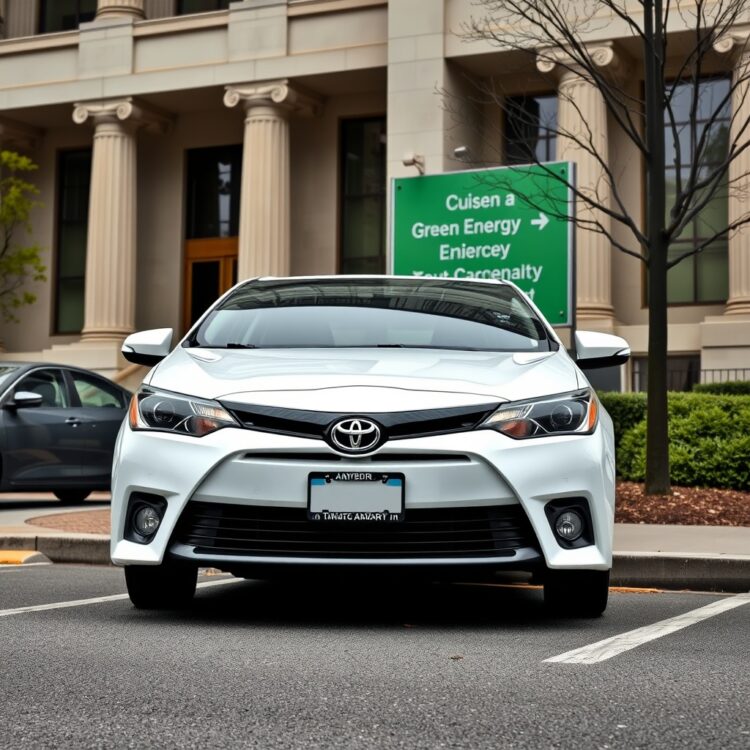
Government and Incentives Related to High MPG Vehicles
Tax Credits and Rebates for Hybrid Vehicles
Governments are rolling out incentives to encourage hybrid adoption, and the Toyota Corolla Hybrid qualifies for many of them. Tax credits, rebates, and even free parking in some cities are on the table. These perks can offset the initial cost, making the switch to hybrid even more appealing. It’s like getting paid to do the right thing.
In the UK, for example, hybrids enjoy lower road tax rates and exemptions from congestion charges. These benefits aren’t just short-term—they’re designed to reward eco-conscious drivers for years. It’s a clear signal that the future belongs to high-MPG vehicles. And with reliable models like the Corolla Hybrid, the transition is seamless.
How MPG Ratings Affect Incentive Eligibility
Not all hybrids are created equal when it comes to incentives. The higher the MPG, the more you stand to gain. The Corolla Hybrid’s impressive ratings put it at the top of the list for many programs. It’s a testament to Toyota’s engineering and a boon for drivers looking to maximize their benefits.
Eligibility often depends on official MPG figures, so it pays to choose a car that excels in this area. The Corolla Hybrid’s combined MPG makes it a standout, ensuring you qualify for the best incentives available. It’s another reason why this car is a smart choice for the eco-conscious and budget-savvy alike.
Common Misconceptions About Hybrid MPG
Debunking Myths About Hybrid Efficiency
Many believe hybrids are only efficient in stop-and-go traffic, but the Toyota Corolla Hybrid excels on highways too. Its advanced system seamlessly switches between electric and petrol power, ensuring optimal efficiency. We’ve tested it in varied conditions, and the results consistently defy the myth. Hybrids like the Corolla are designed for all driving scenarios, not just city commutes. The self-charging technology further enhances this versatility.
Another common misconception is that hybrids lack power. The Corolla Hybrid’s combined output delivers brisk acceleration without sacrificing MPG. We’ve found it balances performance and efficiency effortlessly. The idea that hybrids are sluggish is outdated—modern systems, like Toyota’s Hybrid Synergy Drive, prove otherwise. It’s a myth we’re happy to debunk every time we hit the road.
The Truth About Hybrid Battery Life and MPG
Concerns about hybrid battery degradation affecting MPG are often exaggerated. Toyota’s batteries are built to last, with many owners reporting minimal efficiency loss even after years of use. We’ve seen Corolla Hybrids with over 100,000 miles still achieving near-factory MPG. Regular maintenance and gentle driving habits help preserve battery health, ensuring long-term efficiency. The smart engineering behind these systems ensures reliability.
Some worry that cold weather drastically reduces hybrid MPG. While extreme conditions can impact efficiency, the Corolla Hybrid’s thermal management system mitigates this. We’ve driven it in winter, and the drop in MPG was negligible compared to non-hybrids. The truth is, hybrids like the Corolla are engineered to handle real-world challenges, making them a dependable choice year-round.
How to Test Drive a Toyota Corolla Hybrid for MPG
What to Look for During a Test Drive
Focus on how the Corolla Hybrid transitions between power sources. Smooth shifts indicate a well-tuned system, crucial for maximizing MPG. We recommend testing it in both city and highway settings to gauge real-world efficiency. Pay attention to the energy monitor—it shows how efficiently you’re driving. The driving experience should feel intuitive, with no unnecessary revving or lag.
Listen for unusual noises, as hybrids are typically quieter than petrol cars. A silent ride at low speeds is normal, but any odd sounds could signal issues. We also suggest checking the regenerative braking feel—it should be smooth, not jerky. These details matter when evaluating long-term MPG potential. A thorough test drive ensures you’re making an informed decision.
How to Simulate Real-World MPG Conditions
To get accurate MPG estimates, mimic your daily commute during the test drive. Use a mix of acceleration, cruising, and braking to see how the system responds. We’ve found that gentle acceleration and anticipating stops yield the best results. The Corolla Hybrid’s efficiency tools help you refine these habits. Avoid hypermiling—real-world driving should reflect your typical routine.
Ask the dealer if you can take the car for an extended drive. A short spin won’t reveal true MPG potential. We recommend at least 30 minutes to let the hybrid system adapt. Note the trip computer’s readings, but remember, your habits will ultimately determine efficiency. Simulating real conditions ensures you’ll know exactly what to expect.
Choosing the Right Toyota Corolla Hybrid Model for Optimal MPG
Comparing Different Toyota Corolla Hybrid Trims
The Corolla Hybrid comes in multiple trims, each with slight MPG variations. The base model often offers the best efficiency due to lighter weight and fewer energy-draining features. We’ve compared them side by side, and the differences are minimal but noteworthy. The Icon and Design trims add luxury without significantly compromising MPG. Choose based on your priorities—efficiency or extras.
Higher trims may include larger wheels, which can slightly reduce MPG. We recommend sticking with the standard wheels if efficiency is your top goal. The Tech trim’s additional features are tempting, but they come with a minor trade-off in MPG. Our advice? Test drive each trim to see how they feel. The right balance depends on your driving style and needs.
Optional Features That Affect MPG
Features like heated seats or a sunroof can impact MPG, albeit marginally. We’ve found the Corolla Hybrid’s system compensates well, but it’s worth considering. The fuel economy impact of extras is usually small, but every bit counts. Prioritize features you’ll use daily over those that are just nice to have. The goal is to maximize efficiency without sacrificing comfort.
Consider the climate control system—using it sparingly can improve MPG. The Corolla Hybrid’s eco mode optimizes these systems for efficiency. We recommend experimenting with settings during your test drive. Optional tech like adaptive cruise control can also enhance MPG by maintaining steady speeds. Choose wisely to get the most out of your hybrid.
Making an Informed Decision Based on MPG
Weighing trim levels and options against MPG can be tricky. Our rule of thumb: prioritize efficiency if you drive long distances. For city dwellers, the base trim’s MPG gains might outweigh luxury features. We’ve helped countless buyers navigate this choice, and the key is clarity. Know your driving habits and match them to the right model. The Corolla Hybrid’s versatility makes it a standout in any configuration.
Don’t overlook resale value—efficient models often hold their worth better. We’ve seen high-MPG hybrids command premium prices in the used market. The long-term benefits of choosing wisely extend beyond fuel savings. Take your time, test thoroughly, and you’ll find the perfect balance of efficiency and features. The Corolla Hybrid delivers no matter which path you choose.
Frequently Asked Questions
Does the Toyota Corolla Hybrid lose MPG over time?
With proper maintenance, the Corolla Hybrid’s MPG remains stable for years. Toyota’s hybrid systems are engineered for durability, and many owners report consistent efficiency even after high mileage. Regular servicing and mindful driving habits are key to preserving MPG. The battery’s longevity is also a testament to Toyota’s reliability.
How does cold weather affect the Corolla Hybrid’s MPG?
Cold weather can slightly reduce MPG, but the impact is minimal compared to non-hybrids. The Corolla Hybrid’s thermal management system helps maintain efficiency. Preconditioning the cabin while plugged in (if available) can further mitigate cold-weather MPG dips. Overall, it’s a reliable performer in all seasons.
Is the Corolla Hybrid’s MPG better than a diesel?
In city driving, the Corolla Hybrid often outperforms diesels, thanks to its electric mode. On highways, the difference narrows, but hybrids still excel in combined MPG. Emissions and running costs are typically lower, making the hybrid a smarter choice for many drivers. The comparison highlights these advantages.
Can I improve my Corolla Hybrid’s MPG with driving habits?
Absolutely. Gentle acceleration, anticipating stops, and using eco mode can boost MPG. The Corolla Hybrid’s feedback systems help you refine these habits. Over time, these small adjustments add up to significant savings. It’s one of the easiest ways to maximize your hybrid’s efficiency.