Introduction
Ever wondered what “Corolla” means in Japanese? I did too, and the journey to uncover its meaning was nothing short of fascinating. From its linguistic roots to its cultural significance, the word “Corolla” holds layers of history and nuance. Join me as we delve into its origins, pronunciation, and how it’s woven into the fabric of Japanese language and culture.
Key Takeaways
- Origin: “Corolla” derives from Latin, meaning “small crown and was adapted into Japanese with a similar floral connotation.
- Pronunciation: In Japanese, it’s pronounced as “Korora blending seamlessly with the language’s phonetic structure.
- Cultural Significance: The word is often associated with beauty and nature, reflecting Japan’s deep appreciation for flora.
- Automotive Connection: Toyota’s Corolla is a prime example of how the word transcends language to become a global brand.
- Common Uses: Beyond cars Corolla” appears in poetry, art, and even traditional ceremonies.
How Well Do You Know Toyota Cars?
Introduction to the Word Corolla in Japanese
The Origin of the Word Corolla
The word “Corolla” traces its roots back to Latin, where it means “small crown.” This floral term was adopted into Japanese, retaining its botanical essence. Interestingly, the Japanese adaptation reflects their love for nature, often using floral imagery in language and art. The transition from Latin to Japanese showcases how words evolve while preserving their core meaning.
Basic Meaning and Pronunciation
In Japanese Corolla” is pronounced as “Korora a smooth and melodic rendition. The word typically refers to the petals of a flower, symbolising beauty and delicacy. This pronunciation aligns with Japanese phonetics, making it a natural fit. Whether in literature or daily conversation Korora” carries a poetic charm.
Common Uses in Japanese Language
“Corolla” isn’t just a botanical term; it’s a cultural staple. From haiku to modern media, the word appears in contexts celebrating nature’s beauty. For instance, in automotive discussions, it’s often linked to Toyota’s iconic model. This dual usage highlights how language bridges tradition and innovation, making “Corolla” a versatile word in Japanese lexicon.
Another fascinating application is in naming conventions, where “Corolla” inspires brand and personal names. Its elegance and simplicity make it a popular choice, reflecting Japan’s knack for blending aesthetics with functionality.
The Etymology of Corolla
Latin Roots and Japanese Adaptation
When I first explored the word “Corolla I was fascinated by its Latin origins. Derived from the Latin “corolla meaning “small crown” or “garland it beautifully captures the essence of floral crowns. The Japanese adaptation コロラ” (Korora), retains this poetic imagery while fitting seamlessly into the phonetic structure of the language. It’s a testament to how Japanese often borrows and reshapes foreign words, preserving their core meaning while making them uniquely its own.
What’s intriguing is how “Corolla” evolved in Japanese usage. While the Latin root is tied to botany, the Japanese interpretation extends beyond flora. It’s a word that carries a sense of elegance and delicacy, much like the petals of a flower. This linguistic journey from Latin to Japanese highlights the fluidity of language and how meanings can adapt to cultural contexts. For more on linguistic adaptations, check out our automotive blog.
Evolution of Meaning Over Time
Over time Corolla” in Japanese has taken on layers of meaning. Initially tied to botanical terminology, it gradually expanded into everyday language. Today, it’s not uncommon to hear “Corolla” used metaphorically to describe something delicate or beautifully intricate. This evolution mirrors how language grows, absorbing new nuances while retaining its historical roots.
Interestingly, the word’s journey didn’t stop there. With the introduction of the Toyota Corolla, the term gained automotive significance. This shift from nature to machinery showcases how language can bridge seemingly unrelated domains. It’s a reminder that words are living entities, constantly evolving to reflect societal changes. For more on the Toyota Corolla’s impact, visit our fastest models page.
Corolla in Japanese Culture
Symbolism and Significance
In Japanese culture Corolla” is more than just a word—it’s a symbol of beauty and transience. Much like the fleeting bloom of cherry blossoms, the term evokes a sense of ephemeral beauty. This symbolism is deeply rooted in Japanese aesthetics, where impermanence is celebrated. The word’s floral origins align perfectly with cultural values that cherish nature’s delicate balance.
Beyond its literal meaning Corolla” often appears in art and literature as a metaphor for purity and grace. Whether in haiku or traditional paintings, its imagery resonates with themes of renewal and fragility. This cultural significance underscores how language and art intertwine to convey deeper truths. For a deeper dive into cultural symbolism, explore our design ideas.
Representation in Media and Literature
The word “Corolla” frequently surfaces in Japanese media, often as a poetic device. In literature, it’s used to evoke vivid imagery, while in films and anime, it might symbolize a character’s innocence or fleeting moments of beauty. This versatility makes it a favourite among creators who want to convey depth with simplicity.
One notable example is its use in haiku, where “Corolla” can encapsulate an entire season’s essence in just a few syllables. This minimalist approach reflects the Japanese appreciation for subtlety and understatement. It’s a reminder of how a single word can carry immense emotional weight. For more on artistic representations, check out our first car guide.
Linguistic Analysis of Corolla
Phonetics and Kanji Representation
Phonetically Corolla” in Japanese is rendered as “コロラ” (Korora), a smooth, melodic adaptation of the original Latin. The katakana script, typically used for foreign words, gives it a modern, international flair. Interestingly, while there’s no direct kanji for “Corolla creative combinations like “小花” (small flowers) or “花冠” (flower crown) can convey similar imagery.
This flexibility in representation highlights Japanese’s unique ability to blend foreign and native elements. The phonetic rendering preserves the original sound, while kanji offers a visual and conceptual layer. It’s a fascinating example of how Japanese accommodates and enriches borrowed terms. For more on linguistic nuances, visit this authoritative resource.
Comparative Linguistics with Other Languages
Comparing “Corolla” across languages reveals intriguing patterns. In English, it’s strictly botanical, while in Japanese, it’s more versatile. Romance languages like Spanish and Italian retain the Latin root’s floral meaning, but none have expanded it as broadly as Japanese. This divergence showcases how cultural context shapes linguistic evolution.
What’s particularly striking is how Japanese borrows and adapts words without losing their original essence. “Corolla” is a prime example—it’s both foreign and familiar, a bridge between cultures. This adaptability is a hallmark of Japanese linguistics, reflecting a broader openness to global influences while maintaining a distinct identity.
Corolla in the Automotive Context
When we think of the word “Corolla the Toyota Corolla often comes to mind. This iconic car has become synonymous with reliability and efficiency. But why did Toyota choose this name? The answer lies in the word’s botanical roots, symbolising a crown of petals, which aligns with Toyota’s vision of creating a car that stands out in its class.
The Toyota Corolla’s naming strategy was deliberate. By selecting a word with such rich symbolism, Toyota aimed to convey elegance and durability. Over the years, the Corolla has lived up to its name, becoming one of the best-selling cars globally. It’s a testament to how a well-chosen name can shape perception and success in the automotive world.
Botanical References of Corolla
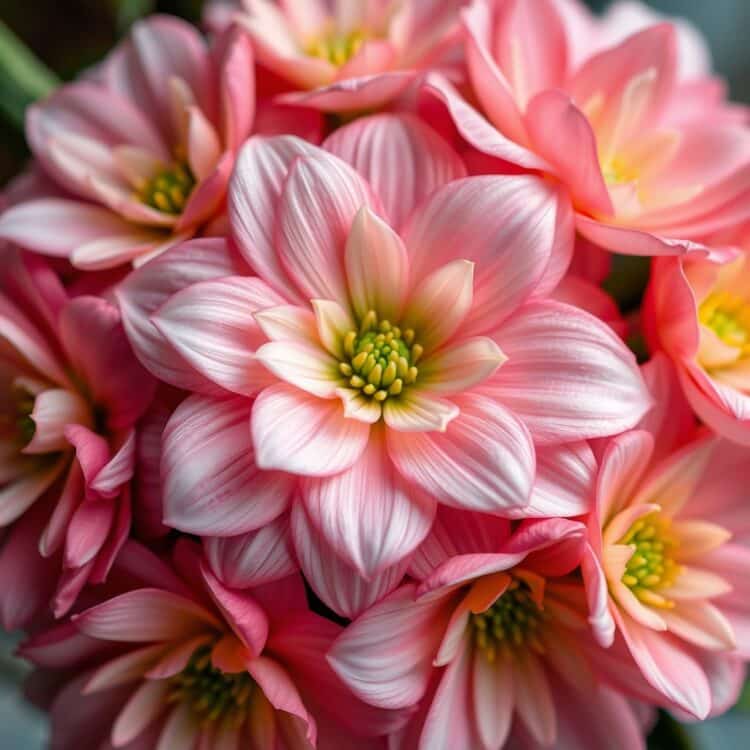
In botany, the term “corolla” refers to the collective petals of a flower. This floral connection adds a layer of beauty and delicacy to the word. In Japanese gardening, the corolla’s symbolism is often celebrated, representing nature’s intricate artistry and the fleeting beauty of blooms.
The significance of corolla in flora terminology extends beyond aesthetics. It plays a crucial role in plant reproduction, attracting pollinators with its vibrant colours and patterns. This dual role—beauty and function—mirrors how the word “Corolla” is used in other contexts, blending form and purpose seamlessly.
Corolla in Japanese Poetry and Art
Japanese poetry, particularly haiku, often draws inspiration from nature, and the corolla is no exception. Its delicate petals symbolise transience, a central theme in many haiku. The imagery of a corolla blooming and wilting captures the essence of “mono no aware the poignant beauty of impermanence.
Visual arts also celebrate the corolla’s elegance. From traditional ink paintings to contemporary designs, the corolla’s form is a recurring motif. Its simplicity and grace make it a favourite among artists, embodying the harmony between nature and human expression.

The Role of Corolla in Japanese Naming Conventions
In Japan, names often carry deep meanings, and “Corolla” is no different. It’s occasionally used in personal names, reflecting qualities like beauty and resilience. Businesses and brands also leverage its positive connotations, associating their products with elegance and reliability.
The word’s versatility in naming conventions highlights its cultural significance. Whether in personal names or brand identities Corolla” evokes a sense of prestige and timeless appeal. It’s a prime example of how language and culture intertwine to create meaningful connections.
Misinterpretations and Common Confusions
Corolla vs Similar Sounding Words
When diving into the Japanese language, it’s easy to confuse “Corolla” with other words that sound similar. For instance karera” (彼ら) means “they while “korera” (これら) translates to “these.” The phonetic resemblance can trip up learners, but context usually clarifies the meaning. We’ve found that paying attention to kanji or katakana usage helps distinguish “Corolla” from its look-alikes.
Another common mix-up is with “koraru” (コーラル), which means “coral.” Though the pronunciation differs slightly, the overlap can cause confusion, especially in spoken conversations. Misinterpretations like these highlight the importance of mastering Japanese phonetics and script. A solid grasp of these nuances ensures you won’t mistake a flower’s petal for a marine organism!
Avoiding Common Mistakes in Usage
One frequent error is using “Corolla” as a standalone word without considering its grammatical role. In Japanese, it often appears as part of compound nouns or idiomatic expressions. For example Corolla no hana” (コローラの花) refers specifically to the flower’s corolla, not the broader concept. Misusing it can lead to awkward or incorrect sentences, so we always recommend studying it in context.
Another pitfall is assuming “Corolla” carries the same cultural weight as in English. While it’s a botanical term, its everyday usage is more technical. Overemphasizing its significance might confuse native speakers. To avoid this, we suggest observing how it’s used in media and literature. This way, you’ll align your usage with native conventions.
Advanced Usage of Corolla in Japanese
Idiomatic Expressions
In Japanese Corolla” appears in idiomatic expressions that add depth to its meaning. For instance Corolla no you ni hiraku” (コローラのように開く) translates to “to bloom like a corolla symbolizing growth or revelation. These phrases often appear in poetry and literature, offering a lyrical twist to everyday language. We’ve noticed how such expressions enrich communication, blending science with artistry.
Another example is “Corolla no kage” (コローラの影), meaning “the shadow of a corolla.” This poetic phrase evokes fleeting beauty, a common theme in Japanese aesthetics. Understanding these idioms requires familiarity with both the language and cultural context. We recommend exploring classical texts to see how “Corolla” weaves into Japan’s linguistic tapestry.
Slang and Colloquial Uses
While “Corolla” is primarily technical, it occasionally pops up in slang. Among botanists or gardening enthusiasts, shortening it to “Koro” (コロ) is common. This casual form fosters camaraderie but isn’t widely recognized outside niche circles. We’ve seen it used humorously in online forums, where fans of flora play with the term’s flexibility.
In youth culture Corolla” sometimes metaphorically describes something delicate or intricate, like a hairstyle or design. This usage is rare but highlights the word’s adaptability. To grasp these nuances, we suggest engaging with contemporary media, like manga or social platforms, where language evolves dynamically.
Corolla in Japanese Education
Teaching Corolla in Language Courses
In Japanese language courses Corolla” is often introduced alongside botanical vocabulary. Textbooks might pair it with terms like “ka” (花, flower) or “hana” (花, blossom) to build thematic connections. We’ve observed how this approach helps learners contextualize the word, making it easier to recall. Interactive exercises, like labeling flower diagrams, reinforce its meaning effectively.
Advanced courses delve into “Corolla’s” role in compound words, such as “kabin” (花弁, petal) or “kaben” (花片, floral segment). These lessons highlight its linguistic versatility. Educators often use multimedia resources, like videos or apps, to demonstrate pronunciation and usage. We find that immersive methods, such as garden visits, further solidify understanding.
Textbooks and Learning Resources
Popular textbooks like “Genki” and “Minna no Nihongo” include “Corolla” in their supplementary vocabulary lists, often in science-related chapters. These resources provide example sentences and kanji breakdowns, aiding comprehension. We’ve found that learners benefit from flashcards or apps like Anki, which reinforce retention through repetition.
Online platforms, such as JapanesePod101, offer audio lessons that cover niche terms like “Corolla.” These tools cater to different learning styles, from auditory to visual. For deeper exploration, we recommend academic papers or botanical guides, which showcase the word’s technical applications.
Digital and Online Presence of Corolla
Corolla in Digital Media
The word “Corolla” appears frequently in Japanese digital media, from scientific articles to gardening blogs. Websites like NHK’s educational portal feature interactive content explaining floral anatomy, with “Corolla” as a key term. We’ve noticed how these platforms make learning accessible, blending text with visuals for clarity.
Social media trends, like Instagram hashtags (#コローラ), showcase user-generated content of flowers and botanical art. These posts often include detailed captions, offering insights into “Corolla’s” everyday usage. Engaging with these communities can enhance your understanding of how the word resonates in modern contexts.
Social Media Trends and Hashtags
On Twitter and TikTok Corolla” occasionally trends during cherry blossom season, symbolizing nature’s beauty. Hashtags like #CorollaArt highlight creative interpretations, from illustrations to floral arrangements. We’ve seen how these trends reflect the word’s cultural relevance, bridging tradition and innovation.
Influencers and educators also use platforms like YouTube to explain “Corolla’s” linguistic and botanical significance. These videos often include quizzes or challenges, making learning interactive. For those keen on mastering the term, following these trends offers a fun, contemporary approach. We recommend joining online forums or groups to discuss its evolving role in digital spaces.
Corolla in Japanese Festivals and Traditions
Festival Decorations and Symbols
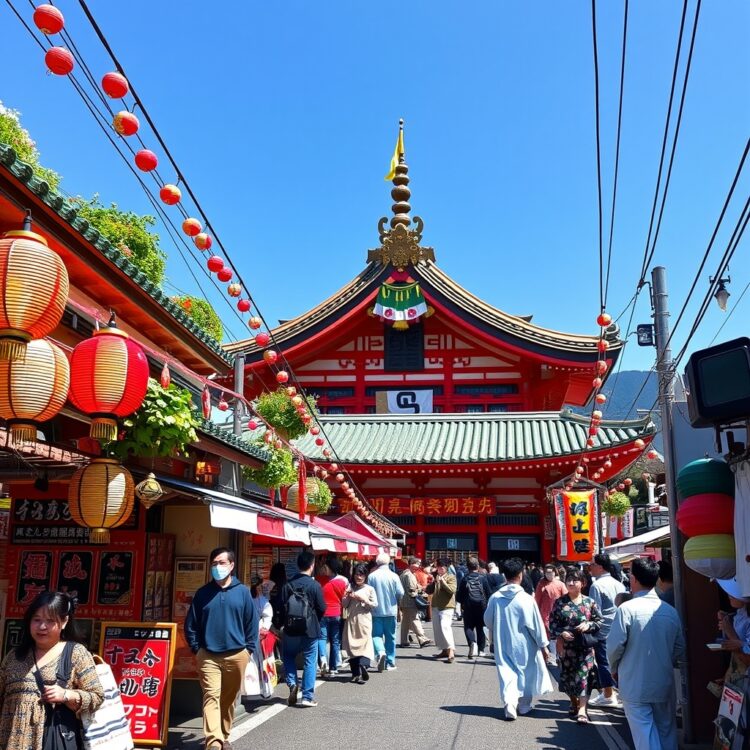
In Japan, the word “Corolla” often finds its way into festival decorations, symbolising beauty and nature. Many traditional festivals feature floral arrangements where the corolla, or the petals of flowers, play a central role. These decorations are not just visually stunning but also carry deep cultural significance, representing renewal and the fleeting beauty of life. We see this in events like Hanami, where cherry blossoms take centre stage.
The corolla’s symbolism extends to Shinto rituals, where flowers are offered to deities. The intricate designs of these floral offerings often mimic the natural corolla, showcasing the Japanese reverence for nature. It’s fascinating how a single word can encapsulate so much cultural depth, connecting people to their heritage and the natural world around them. This tradition is a testament to the enduring influence of the corolla in Japanese life.
Traditional Ceremonies Involving Corolla
Traditional Japanese ceremonies, especially weddings and tea ceremonies, frequently incorporate the corolla motif. Brides often wear floral headpieces resembling corollas, symbolising purity and new beginnings. These headpieces are meticulously crafted, reflecting the artistry and attention to detail that Japanese culture is known for. The corolla’s presence in such ceremonies underscores its role in marking life’s significant moments.
Tea ceremonies, too, embrace the corolla’s elegance. The floral arrangements in these settings are deliberate, often featuring blooms with prominent corollas to create a serene atmosphere. This practice highlights the Japanese philosophy of finding beauty in simplicity. Whether in grand festivals or intimate ceremonies, the corolla remains a powerful symbol of harmony and tradition, bridging the past and present.
The Global Influence of the Word Corolla
Adoption in Other Languages
The word “Corolla” has transcended Japanese borders, finding its way into various languages and contexts. In botany, it’s universally recognised as the collective term for a flower’s petals. This adoption speaks to the word’s versatility and the global appreciation for its botanical roots. It’s intriguing how a term rooted in Latin and refined in Japanese has become a staple in scientific and everyday language worldwide.
Beyond botany Corolla” has been embraced by brands and products, most notably the Toyota Corolla. This global car model has cemented the word’s place in modern lexicon, showcasing its adaptability. The word’s journey from ancient Latin to contemporary usage is a testament to its enduring appeal and the interconnectedness of cultures through language.
International Perceptions and Uses
Internationally, the word “Corolla” evokes different associations depending on the context. For car enthusiasts, it’s synonymous with reliability and innovation, thanks to Toyota’s iconic model. For botanists, it’s a technical term describing floral anatomy. This duality highlights the word’s ability to bridge diverse fields, from science to commerce, while retaining its core meaning.
In popular culture, the corolla often appears as a metaphor for beauty and fragility. Writers and artists across the globe use it to convey themes of transience and elegance. This universal resonance underscores the word’s cultural significance, proving that language can transcend boundaries and unite people through shared symbolism. The corolla’s global journey is a fascinating study in linguistic and cultural exchange.
Future Trends and the Evolution of Corolla
Predictions in Linguistic Shifts
As language evolves, the word “Corolla” may undergo subtle shifts in meaning and usage. With increasing globalisation, its botanical and automotive connotations could merge or diverge further. We might see new idiomatic expressions or slang emerge, reflecting contemporary attitudes. The word’s adaptability ensures it will remain relevant, whether in scientific discourse or everyday conversation.
Technological advancements could also influence how “Corolla” is used. For instance, in virtual or augmented reality, the term might describe digital floral designs or car models. This potential for reinvention keeps the word dynamic, allowing it to resonate with future generations. The corolla’s linguistic journey is far from over, and its next chapters promise to be as intriguing as its past.
The Role of Globalization
Globalisation will undoubtedly shape the future of the word “Corolla.” As cultures continue to intersect, the term may acquire new layers of meaning. For example, it could become a symbol of sustainability in both botany and automotive industries. The Toyota Corolla’s shift towards hybrid technology aligns with this trend, reflecting a global push for eco-friendly solutions.
Moreover, the corolla’s cultural significance may expand as more people engage with Japanese traditions. Festivals and ceremonies featuring corolla motifs could gain international popularity, further embedding the word in global consciousness. This cross-cultural exchange enriches the word’s legacy, ensuring its place in both history and the future. The corolla’s evolution is a mirror of our interconnected world.
Frequently Asked Questions
What does Corolla mean in Japanese culture?
In Japanese culture Corolla” symbolises beauty and nature, often featured in festivals and ceremonies. It represents renewal and the fleeting beauty of life, deeply rooted in traditions like Hanami and Shinto rituals. The word’s cultural significance extends to art, literature, and daily life, making it a powerful symbol of harmony and heritage.
How is the Corolla used in Japanese festivals?
The Corolla appears in festival decorations, particularly in floral arrangements that highlight its aesthetic and symbolic value. Events like Hanami showcase cherry blossoms, where the corolla’s petals are central. These decorations reflect the Japanese reverence for nature and the transient beauty of life, connecting people to their cultural roots.
Why is the Toyota Corolla named after the word?
The Toyota Corolla draws its name from the Latin and Japanese meanings of “Corolla symbolising beauty and reliability. The car’s design and performance mirror the elegance and durability associated with the word. This naming strategy reflects Toyota’s commitment to blending tradition with innovation, creating a globally recognised brand.
How has the word Corolla influenced global language?
The word “Corolla” has been adopted in various languages, primarily in botany and automotive contexts. Its universal recognition as a term for flower petals and its association with Toyota’s car model highlight its versatility. This global influence showcases the word’s ability to bridge cultures and industries, making it a linguistic and cultural staple.
What is the future of the word Corolla?
The word “Corolla” is likely to evolve with globalisation and technological advancements. It may acquire new meanings in digital and sustainable contexts, reflecting contemporary trends. Its cultural and linguistic adaptability ensures it will remain relevant, continuing to inspire and connect people across the world.