Introduction
When it comes to hybrid vehicles, one of the most common questions I hear is How long will a Toyota Corolla hybrid battery last?” It’s a valid concern—after all, the battery is the heart of any hybrid. In this article, we’ll dive deep into the lifespan of the Toyota Corolla hybrid battery, what affects its longevity, and how you can maximise its performance. Let’s get started.
Key Takeaways
- The average lifespan of a Toyota Corolla hybrid battery is around 8-10 years or 100,000-150,000 miles.
- Driving habits, climate, and maintenance play a significant role in battery longevity.
- Warning lights and reduced fuel efficiency are early signs of battery issues.
- Regular maintenance and software updates can extend your battery’s life.
- Toyota offers a robust warranty for hybrid batteries, often covering up to 10 years.
How Well Do You Know Toyota Cars?
Understanding the Toyota Corolla Hybrid Battery
What is a Hybrid Battery?
A hybrid battery, unlike a traditional car battery, powers the electric motor in a hybrid vehicle. It stores energy generated during braking and deceleration, which is then used to assist the petrol engine. This dual-power system is what makes hybrids so efficient. For more insights, check out our automotive blog.
How the Toyota Corolla Hybrid Battery Works
The Toyota Corolla hybrid battery works seamlessly with the petrol engine to optimise fuel efficiency. It charges through regenerative braking and discharges to power the electric motor, reducing the load on the engine. This synergy ensures smoother acceleration and lower emissions.
Types of Hybrid Batteries Used in Toyota Corolla
The Toyota Corolla hybrid primarily uses nickel-metal hydride (NiMH) batteries, known for their reliability and longevity. Some newer models may feature lithium-ion batteries, which are lighter and more efficient. Each type has its pros and cons, but both are designed to last.
The Lifespan of a Toyota Corolla Hybrid Battery
Average Lifespan Expectations
On average, a Toyota Corolla hybrid battery lasts between 8-10 years or 100,000-150,000 miles. However, many owners report their batteries lasting even longer with proper care. Factors like driving conditions and maintenance routines can significantly impact this timeline.
Factors That Influence Battery Longevity
Extreme temperatures, frequent short trips, and aggressive driving can shorten your battery’s life. Conversely, gentle acceleration, regular long drives, and keeping the battery charged can help it last longer. For more tips on maintaining your hybrid, visit our hybrid cars guide.
The Lifespan of a Toyota Corolla Hybrid Battery
Average Lifespan Expectations
When it comes to the Toyota Corolla Hybrid battery, we’re often asked how long it lasts. The good news? These batteries are built to endure. On average, you can expect a lifespan of 8 to 10 years or around 100,000 to 150,000 miles. That’s a solid run for any hybrid battery, and it’s a testament to Toyota’s engineering. Of course, this isn’t a hard-and-fast rule—some batteries last even longer with proper care.
What’s fascinating is how Toyota’s hybrid technology has evolved. The Corolla Hybrid’s battery is designed to handle daily commutes, long drives, and everything in between. It’s not just about mileage; it’s about how the battery manages energy over time. So, while the numbers give you a ballpark, your driving habits and maintenance play a huge role in hitting—or exceeding—those expectations.
Factors That Influence Battery Longevity
Let’s talk about what can make or break your battery’s lifespan. First up: temperature. Extreme heat or cold can strain the battery, reducing its efficiency over time. If you live in a region with harsh weather, consider parking in a garage or shaded area. Next, driving style matters. Aggressive acceleration and frequent hard braking can wear the battery faster. Smooth, steady driving is your friend here.
Another key factor is maintenance. Regular check-ups ensure the battery’s cooling system and software are functioning optimally. Neglecting these can lead to premature wear. Lastly, charging habits play a role. Unlike plug-in hybrids, the Corolla Hybrid self-charges, but keeping the battery between 20% and 80% charge—mentally, if not mechanically—helps prolong its life. It’s all about balance.
Signs Your Toyota Corolla Hybrid Battery Needs Attention
Warning Lights and What They Mean
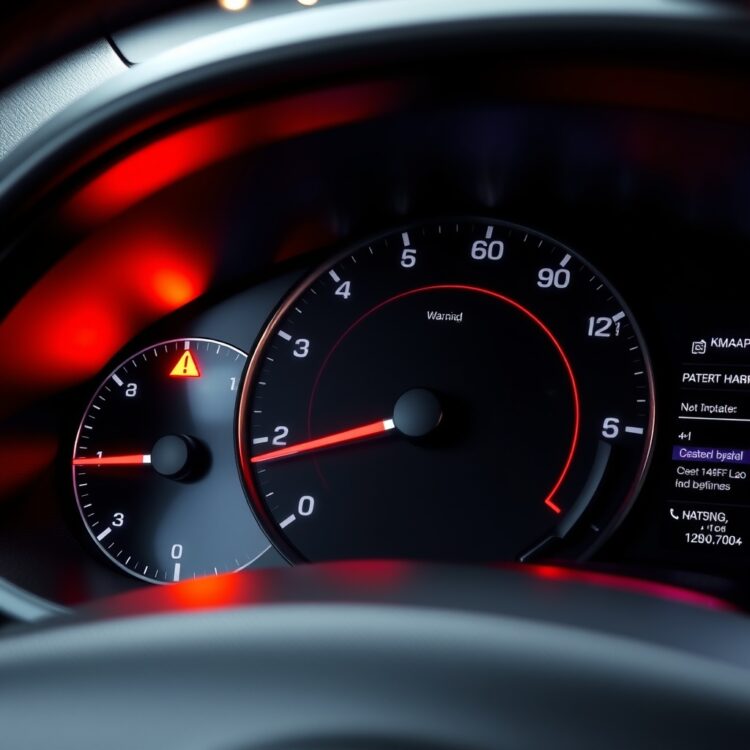
Your Corolla Hybrid is smart—it’ll tell you when something’s off. The most obvious sign? A warning light on the dashboard. The hybrid system warning light, often shaped like a battery or “HYBRID,” is your first clue. Don’t ignore it. This light can indicate anything from a minor glitch to a serious issue. If it’s flashing, pull over safely and call for assistance. A solid light means you should schedule a check-up soon.
Another light to watch for is the “Check Engine” light. While it’s not exclusive to the hybrid system, it can signal battery-related problems. Pair this with reduced performance or odd noises, and you’ve got a clear sign something’s amiss. Modern hybrids are packed with sensors, so these lights are your car’s way of saying, “Hey, I need a little help here.”
Performance Issues Indicating Battery Problems
Beyond warning lights, your Corolla Hybrid might show subtle—or not-so-subtle—performance changes. Sluggish acceleration is a common red flag. If the car feels less responsive or struggles to switch between electric and petrol modes, the battery could be losing its edge. You might also notice a drop in fuel efficiency. Hybrids are all about saving fuel, so a sudden spike in consumption is worth investigating.
Then there’s the odd behavior. Does the car hesitate when starting? Or does the hybrid system shut off unexpectedly? These are signs the battery isn’t holding charge like it used to. And let’s not forget strange noises—unusual whirring or clicking from the battery area isn’t normal. Trust your instincts; if something feels off, it probably is.
Maintenance Tips to Extend Your Hybrid Battery’s Life
Regular Maintenance Schedule
Want your Corolla Hybrid battery to go the distance? Stick to a maintenance schedule. Toyota recommends servicing your hybrid system every 12 months or 10,000 miles, whichever comes first. This includes checking the battery’s cooling system, which is crucial for preventing overheating. A clogged or faulty cooling fan can lead to premature battery wear, so keep it clean and functional.
Don’t skip the software updates, either. Hybrid systems rely on sophisticated software to manage energy flow. Updates optimize performance and fix bugs that could strain the battery. Your dealer can handle these during routine visits. And while you’re at it, keep an eye on the 12-volt battery—it powers the hybrid system’s electronics. A weak 12-volt battery can cause unnecessary stress on the main hybrid battery.
Best Practices for Battery Care
Here’s the golden rule: drive your hybrid regularly. Letting it sit for weeks can cause the battery to degrade. If you’re storing the car, keep the charge level around 50% and start it occasionally. When driving, aim for smooth acceleration and braking. This reduces strain on the battery and keeps it in top shape. And yes, using the air conditioning or heater moderately helps—extreme temps inside the car can affect the battery’s performance.
Parking in the shade or a garage protects the battery from extreme temperatures. If you’re planning a long trip, give the battery a break by alternating between electric and petrol modes. And finally, listen to your car. Unusual sounds or behaviors are early warnings. Addressing them promptly can save you from costly repairs down the road. A little care goes a long way in keeping your hybrid running smoothly for years.
The Cost of Replacing a Toyota Corolla Hybrid Battery
Replacing a Toyota Corolla Hybrid battery isn’t cheap, but it’s an investment in your car’s future. On average, you’re looking at £1,500 to £3,000, depending on the model year and where you get it done. We’ve seen some owners pay less, but that’s usually with refurbished units or third-party suppliers.
Several factors influence the final cost. Labour rates vary by garage, and dealerships often charge more. The battery’s condition and whether you opt for a new or reconditioned unit also play a role. If you’re curious about Toyota hybrid battery replacement costs, we’ve got a detailed breakdown for you.
Estimated Replacement Costs
The price range might seem steep, but remember, hybrid batteries are complex. A brand-new unit from Toyota includes a warranty, which adds value. Third-party options can save you money upfront, but they might not last as long. Always weigh the pros and cons before deciding.
Labour costs can add £200 to £500 to the bill. Dealerships typically charge more, but they also offer peace of mind with genuine parts and trained technicians. Independent garages might be cheaper, but ensure they’re experienced with hybrids.
Factors Affecting Replacement Cost
Where you live can impact the price. Urban areas often have higher labour rates than rural ones. The battery’s age and mileage also matter—older cars might need additional work, like updating the battery management system.
Don’t forget about warranties. A new battery from Toyota usually comes with an 8-year or 100,000-mile warranty, which can save you money in the long run. Third-party warranties vary, so read the fine print.
Warranty and Coverage for Your Hybrid Battery
Toyota stands behind its hybrid batteries with a solid warranty. In the UK, you’re covered for 8 years or 100,000 miles, whichever comes first. That’s a huge relief, knowing you won’t face a hefty bill if something goes wrong early on.
But warranties aren’t unlimited. They cover defects and failures but not wear and tear. If your battery’s performance drops over time, that’s normal. For more on warranty coverage, check out our guide.
Understanding Toyota’s Hybrid Battery Warranty
The warranty kicks in from the date of first registration, not the purchase date. So if you buy a used Corolla Hybrid, the clock’s already ticking. Keep your service history up to date—missing a service could void your warranty.
Dealerships handle warranty claims, but you’ll need proof of regular maintenance. Toyota’s hybrid warranty is transferable, which adds value if you sell the car. Just make sure the new owner gets all the paperwork.
What’s Covered and What’s Not
The warranty covers the battery pack, inverter, and related components. It doesn’t cover damage from accidents, neglect, or modifications. If you’ve tweaked the car’s electronics, don’t expect Toyota to foot the bill.
Battery capacity loss isn’t covered unless it’s extreme. Toyota expects some degradation over time. If your battery’s performance drops below 70%, that’s when you might have a claim.
DIY vs Professional Battery Maintenance
Maintaining your Toyota Corolla Hybrid battery doesn’t have to be daunting. Some tasks are DIY-friendly, like checking the cooling vents and keeping the battery area clean. But when it comes to diagnostics or repairs, it’s best to call in the pros.
We’ve seen owners attempt DIY fixes, only to make things worse. Hybrid systems are high-voltage, and mistakes can be dangerous. For safe DIY tips, read our guide.
When to DIY
Simple maintenance, like cleaning the battery fan or checking connections, is safe if you follow the manual. Use insulated tools and wear gloves. Never open the battery pack—that’s a job for trained technicians.
Monitoring software can help you track battery health. Apps like Hybrid Assistant give real-time data, so you can spot issues early. Just don’t ignore warning lights—they’re there for a reason.
When to Call a Professional
If your dashboard lights up like a Christmas tree, it’s time for professional help. Hybrid systems are complex, and misdiagnosing a problem can lead to costly repairs. Dealerships have the right tools and training to get it right the first time.
Battery replacements should always be done by professionals. They’ll ensure the new unit is calibrated correctly and update the software if needed. Plus, you’ll keep your warranty intact.

Environmental Impact of Hybrid Batteries
Hybrid batteries are greener than you might think. Toyota’s nickel-metal hydride (NiMH) batteries are 95% recyclable, and the company has a robust recycling program. That means fewer batteries end up in landfills, and more materials get a second life.
We’re big fans of Toyota’s eco-friendly approach. Their batteries are designed with recycling in mind, from the materials used to the way they’re dismantled. For more on hybrid sustainability, check out our article.
The Eco-Friendly Aspect of Hybrid Batteries
Hybrids reduce emissions by combining petrol and electric power. But the battery’s lifecycle matters too. Toyota’s closed-loop recycling system recovers valuable metals like nickel and cobalt, reducing the need for mining.
Even after their car life, hybrid batteries can be repurposed for energy storage. Solar farms and home battery systems often use old hybrid packs. It’s a win-win for the planet and your wallet.
Recycling and Disposal of Old Batteries
Never toss a hybrid battery in the bin. Toyota dealerships take back old batteries for recycling, often for free. Third-party recyclers also exist, but make sure they’re certified. Improper disposal can harm the environment and land you with a fine.
The recycling process is fascinating. Batteries are shredded, and metals are separated using magnets and chemical processes. The recovered materials go into new batteries or other products, closing the loop.
Upgrading Your Toyota Corolla Hybrid Battery
Benefits of Upgrading
Upgrading your Toyota Corolla hybrid battery can unlock a host of advantages. We often find that newer battery models offer improved efficiency, longer lifespans, and better performance. If you’re looking to enhance your driving experience, an upgrade might be the way to go. Modern batteries also tend to be more eco-friendly, aligning with Toyota’s commitment to sustainability. Plus, you could see a noticeable boost in fuel economy, making those long drives even more cost-effective.
Another key benefit is the potential for reduced maintenance costs. Newer batteries often come with advanced technology that minimises wear and tear. If you’re planning to keep your Corolla for years, investing in an upgrade now could save you money down the line. And let’s not forget the peace of mind that comes with a fresh battery—no more worrying about sudden failures or unexpected replacements. It’s a smart move for any hybrid owner.
How to Choose the Right Upgrade
Selecting the right upgrade for your Toyota Corolla hybrid battery requires careful consideration. First, we recommend checking compatibility—ensure the new battery aligns with your vehicle’s specifications. Consulting your owner’s manual or a trusted mechanic can help here. Next, weigh the pros and cons of OEM (Original Equipment Manufacturer) versus aftermarket options. OEM batteries offer reliability but can be pricier, while aftermarket alternatives might provide better value.
Don’t overlook warranty coverage either. A solid warranty can protect your investment and give you confidence in your choice. Lastly, consider your driving habits. If you frequently tackle long distances or harsh conditions, opt for a battery designed for durability. For city drivers, a focus on efficiency might be more suitable. Whatever you choose, make sure it aligns with your needs and budget.
Comparing Toyota Corolla Hybrid Battery to Other Models
How It Stacks Up Against Competitors
When comparing the Toyota Corolla hybrid battery to other models, we notice its standout reliability and longevity. Brands like Honda and Hyundai offer competitive hybrids, but Toyota’s reputation for durability often gives it the edge. The Corolla’s battery is designed to last, with many owners reporting minimal issues even after years of use. This reliability translates to lower long-term costs, making it a favourite among hybrid enthusiasts.
Performance-wise, the Corolla hybrid battery holds its own. While some competitors might offer slightly better acceleration or range, Toyota’s focus on balanced performance ensures a smooth ride. The battery’s integration with the vehicle’s systems is seamless, providing consistent power delivery. If you’re torn between models, the Corolla’s proven track record and impressive efficiency make it a compelling choice.
Unique Features of the Corolla Hybrid Battery
The Toyota Corolla hybrid battery boasts several unique features that set it apart. One standout is its self-charging capability, which eliminates the need for plug-in charging. This convenience is a game-changer for drivers who want hybrid benefits without the hassle. Additionally, the battery’s regenerative braking system captures energy during deceleration, further boosting efficiency. It’s a clever design that maximises every drop of fuel.
Another highlight is the battery’s thermal management system. This feature ensures optimal performance in extreme temperatures, whether you’re driving in scorching heat or freezing cold. Toyota’s attention to detail here extends the battery’s lifespan and maintains its efficiency. Combined with the brand’s comprehensive warranty, these features make the Corolla hybrid battery a top-tier option in its class.
The Future of Hybrid Batteries in Toyota Vehicles
Emerging Technologies
The future of hybrid batteries in Toyota vehicles looks incredibly promising. We’re seeing advancements like solid-state batteries, which promise higher energy density and faster charging times. Toyota is at the forefront of this innovation, with plans to integrate these technologies into future models. These batteries could revolutionise the hybrid market, offering even greater efficiency and range. It’s an exciting time for eco-conscious drivers.
Another area of development is improved recyclability. Toyota is investing in sustainable battery materials and processes, reducing environmental impact. This aligns with global efforts to minimise waste and carbon footprints. As these technologies mature, we can expect hybrids to become even more accessible and efficient. The future is bright, and Toyota is leading the charge.
What to Expect in Future Models
Future Toyota hybrid models are likely to feature lighter, more compact batteries without sacrificing performance. We anticipate enhanced integration with smart technology, allowing for real-time battery monitoring and optimisation. Imagine a system that adjusts power delivery based on traffic conditions or driving style. These innovations could make hybrids even more user-friendly and efficient.
Additionally, expect longer warranties and better support as battery technology evolves. Toyota’s commitment to customer satisfaction means future owners will enjoy peace of mind alongside cutting-edge features. Whether you’re a current hybrid driver or considering the switch, the upcoming advancements are worth keeping an eye on. The next generation of hybrids is set to redefine what’s possible.

How Driving Habits Affect Your Hybrid Battery’s Lifespan
Optimal Driving Practices
Your driving habits play a significant role in the lifespan of your Toyota Corolla hybrid battery. We recommend adopting smooth acceleration and braking to reduce strain on the battery. Gentle driving not only conserves energy but also minimises wear and tear. Utilising the vehicle’s eco mode can further enhance efficiency, optimising power usage for longer battery life. It’s a simple change that can yield big results over time.
Another tip is to avoid frequent short trips. Hybrid batteries perform best when they’re regularly charged and discharged, which shorter journeys may not allow. If possible, combine errands into one trip to give the battery a proper workout. Additionally, maintaining a steady speed on highways can help preserve battery health. These practices, combined with regular maintenance, can keep your hybrid running smoothly for years.
Habits to Avoid
Certain driving habits can shorten your hybrid battery’s lifespan, and we’ve seen it happen too often. Aggressive driving, such as rapid acceleration and hard braking, puts unnecessary stress on the battery. It also reduces efficiency, costing you more in fuel and potential repairs. Similarly, overloading your vehicle with excess weight forces the battery to work harder, accelerating wear. Keep your load light to prolong battery life.
Ignoring maintenance is another common pitfall. Skipping routine checks or delaying battery inspections can lead to unnoticed issues. Extreme temperatures, both hot and cold, can also impact performance. Whenever possible, park in shaded or covered areas to protect the battery from harsh conditions. By avoiding these habits, you’ll ensure your hybrid battery remains in top condition for as long as possible. For more insights, check out this authoritative guide on hybrid battery longevity.
Troubleshooting Common Hybrid Battery Issues
Diagnosing Battery Problems
When your Toyota Corolla hybrid battery starts acting up, the first step is diagnosing the issue. I’ve found that warning lights on the dashboard are often the first clue. If the hybrid system warning light appears, it’s time to investigate. We recommend using an OBD-II scanner to read error codes, as they can pinpoint specific problems. Sometimes, it’s as simple as a loose connection or a minor software glitch. However, if the issue persists, it might indicate a deeper problem with the battery cells or the cooling system.
Another common symptom is reduced fuel efficiency. If you notice your Corolla isn’t achieving the usual miles per gallon, the hybrid battery might not be holding a charge properly. We’ve seen cases where the battery’s state of charge drops unexpectedly, forcing the petrol engine to work harder. In such scenarios, a professional diagnostic test is essential to determine whether the battery needs repair or replacement.
Simple Fixes You Can Try at Home
Before rushing to a mechanic, there are a few DIY fixes you can attempt. One of the easiest is checking the 12-volt auxiliary battery. A weak or dead 12-volt battery can cause hybrid system errors, even if the main battery is fine. Replacing it might resolve the issue. Another tip is to reset the hybrid system by disconnecting the 12-volt battery for a few minutes. This can clear temporary glitches and restore normal operation.
If your Corolla’s hybrid battery isn’t charging properly, inspect the cooling vents. Dust and debris can block airflow, causing the battery to overheat and malfunction. Cleaning the vents might improve performance. However, if these fixes don’t work, it’s best to consult a professional. Attempting complex repairs without expertise can void your warranty or cause further damage.
The Role of Software in Hybrid Battery Performance
How Software Updates Can Improve Battery Life
Software plays a crucial role in managing your Toyota Corolla hybrid battery. We’ve noticed that outdated software can lead to inefficiencies, such as improper charge cycles or reduced regenerative braking performance. Toyota periodically releases updates to optimise battery management. These updates can enhance the battery’s lifespan by adjusting how it charges and discharges, ensuring it operates within ideal parameters.
For example, a recent update improved the algorithm that balances cell voltages, preventing overcharging or undercharging. This small tweak can significantly extend the battery’s life. If you’re experiencing unexplained drops in performance, visiting a dealership for a software check might be the solution. It’s a quick and often free service that can make a big difference.
The Importance of Regular Software Checks
Regular software checks are as vital as mechanical maintenance. We recommend scheduling them during routine service visits. The onboard diagnostics system can flag software-related issues, but a technician’s expertise is needed to interpret them accurately. Ignoring software updates can lead to gradual performance degradation, which might not be immediately noticeable but can shorten the battery’s lifespan over time.
Additionally, software updates can address safety concerns. For instance, some updates include fixes for potential overheating risks. Staying on top of these updates ensures your hybrid system runs smoothly and safely. If you’re unsure whether your Corolla’s software is up to date, a quick call to your local Toyota service centre can provide clarity.
Real-World Experiences with Toyota Corolla Hybrid Batteries
Owner Testimonials
Many Toyota Corolla hybrid owners report impressive battery longevity. One owner shared that their battery lasted over 150,000 miles before showing signs of wear. They attributed this to regular maintenance and gentle driving habits. Another owner mentioned that their Corolla’s battery performed flawlessly for eight years, even in extreme weather conditions. These testimonials highlight the reliability of Toyota’s hybrid technology when properly cared for.
However, not all experiences are flawless. Some owners faced issues like sudden drops in battery capacity or warning lights appearing prematurely. In most cases, these problems were resolved under warranty. The key takeaway is that while Toyota hybrid batteries are durable, individual experiences can vary based on usage and maintenance.
Case Studies of Long-Lasting Batteries
A case study from a taxi fleet revealed that Corolla hybrids consistently achieved over 200,000 miles on their original batteries. The fleet manager credited this to disciplined maintenance schedules and avoiding rapid acceleration. Another study focused on a delivery service showed similar results, with batteries lasting beyond their expected lifespan. These examples demonstrate that consistent care and moderate driving can maximise battery life.
On the flip side, a case study of a high-mileage Corolla used for frequent short trips showed reduced battery performance after 100,000 miles. The owner neglected regular maintenance, leading to premature wear. This underscores the importance of adhering to Toyota’s recommended service intervals and driving habits.
Frequently Asked Questions
How long does a Toyota Corolla hybrid battery typically last?
A Toyota Corolla hybrid battery usually lasts between 8 to 10 years or 100,000 to 150,000 miles. However, with proper maintenance and gentle driving, some owners report their batteries lasting even longer. Regular software updates and avoiding extreme temperatures can also extend its lifespan.
What are the signs of a failing hybrid battery?
Common signs include warning lights on the dashboard, reduced fuel efficiency, and unusual noises from the battery compartment. You might also notice the petrol engine running more frequently or the car struggling to accelerate. If these symptoms appear, it’s best to get a professional diagnosis.
Can I replace the hybrid battery myself?
While it’s technically possible, we strongly advise against it. Hybrid batteries are complex and high-voltage systems, requiring specialised tools and knowledge. Incorrect handling can be dangerous or void your warranty. Always rely on certified Toyota technicians for replacements.
Does Toyota offer a warranty for hybrid batteries?
Yes, Toyota typically provides an 8-year or 100,000-mile warranty for hybrid batteries, whichever comes first. Some regions may offer extended warranties. Check your vehicle’s documentation or contact a dealership for specifics.
How can I maximise my hybrid battery’s lifespan?
To maximise lifespan, follow Toyota’s maintenance schedule, avoid rapid acceleration, and keep the battery cooling system clean. Regular software updates and driving in ECO mode can also help. For more tips, visit our automotive blog.