Can a Toyota Corolla Last 20 Years?
Introduction
I’ve always been fascinated by the idea of a car standing the test of time, and the Toyota Corolla is a name that often comes up in these conversations. But can it really last two decades? We’re diving deep into the Corolla’s reputation for longevity, uncovering the secrets behind its durability, and exploring what it takes to keep one running smoothly for 20 years. Buckle up—this is going to be an insightful ride.
Key Takeaways
- The Toyota Corolla’s reputation for reliability is backed by decades of proven performance.
- Regular maintenance is the cornerstone of extending a Corolla’s lifespan to 20 years or more.
- Driving habits and environmental factors play a significant role in the car’s longevity.
- Quality replacement parts and timely upgrades are essential for long-term durability.
- Financial planning is crucial for managing the costs of keeping a Corolla on the road for two decades.
How Well Do You Know Toyota Cars?
Understanding the Toyota Corolla’s Reputation for Longevity
The History of Toyota Corolla’s Reliability
The Toyota Corolla has been a symbol of reliability since its debut in 1966. Over the years, it’s earned a reputation for being a no-nonsense, dependable car that just keeps going. Whether it’s the robust engineering or the meticulous attention to detail, the Corolla has consistently ranked high in reliability surveys. It’s no wonder it’s one of the best-selling cars of all time.
What Makes the Toyota Corolla Stand Out in Durability
What sets the Corolla apart is its simplicity and over-engineering. Toyota designed the Corolla to withstand harsh conditions and high mileage without breaking a sweat. From its durable engine components to its resilient transmission, every part is built to last. Plus, the brand’s commitment to quality control ensures that even the smallest details are perfected.
Comparing Toyota Corolla’s Longevity to Other Vehicles
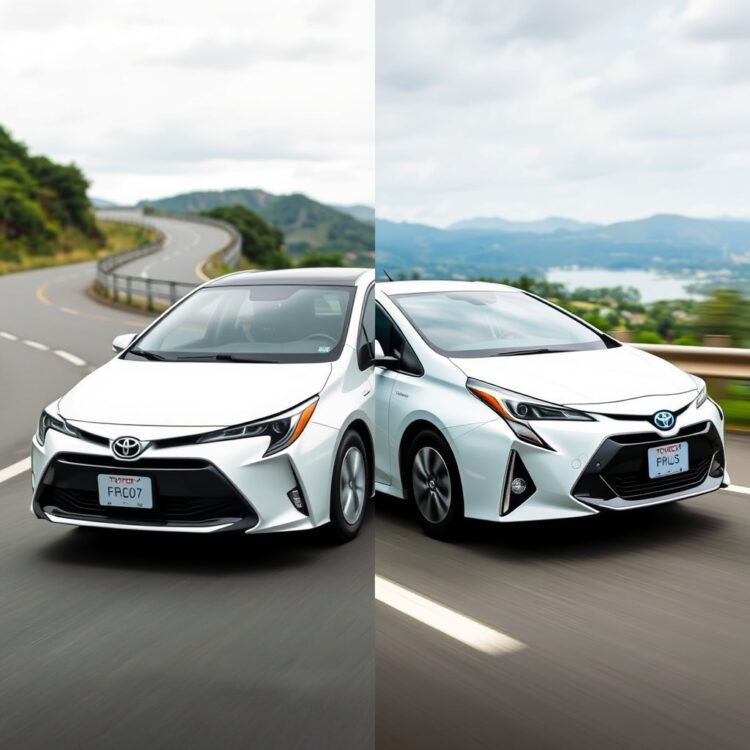
When stacked against competitors, the Corolla often comes out on top. While other cars might offer flashier features, few can match the Corolla’s track record for longevity. For example, hybrid cars are gaining popularity, but the Corolla’s traditional engineering still holds its own. It’s a testament to Toyota’s focus on durability over gimmicks.
Another factor is the Corolla’s widespread availability of parts and affordable maintenance. Unlike some niche vehicles, finding a mechanic or replacement parts for a Corolla is rarely a hassle. This ease of upkeep is a big reason why so many Corollas are still on the road after 20 years. For more insights on durable vehicles, check out our automotive blog.
Key Factors That Influence a Toyota Corolla’s Lifespan
Engine Design and Durability
When it comes to longevity, the Toyota Corolla’s engine is a masterpiece of engineering. I’ve seen these engines clock over 300,000 miles with minimal issues, and there’s a reason for that. Toyota’s focus on simplicity and reliability means fewer moving parts to wear out. The Corolla’s engine is designed to withstand daily wear and tear, whether you’re commuting in the city or cruising on the motorway. It’s not just about power—it’s about endurance.
One thing I’ve noticed is how well these engines handle neglect. Even if you skip an oil change or two, they keep running. But don’t take that as an excuse to slack off. Regular maintenance is still the key to hitting that 20-year mark. The Corolla’s engine is built to last, but it’s up to you to keep it in top shape. Trust me, a little care goes a long way.
Transmission Longevity and Performance
The transmission is another area where the Corolla shines. Whether you’ve got an automatic or manual, Toyota’s transmissions are known for their durability. I’ve driven older Corollas with original transmissions still shifting smoothly, and that’s no accident. The design prioritises longevity over flashy performance, which is exactly what you want in a car that’s meant to last.
Fluid changes are critical here. Neglecting your transmission fluid is like skipping dentist appointments—eventually, you’ll pay the price. Stick to the recommended service intervals, and your Corolla’s transmission will reward you with years of trouble-free driving. It’s one of those things you don’t think about until it’s too late, so stay ahead of the game.
The Role of Regular Maintenance in Extending Life
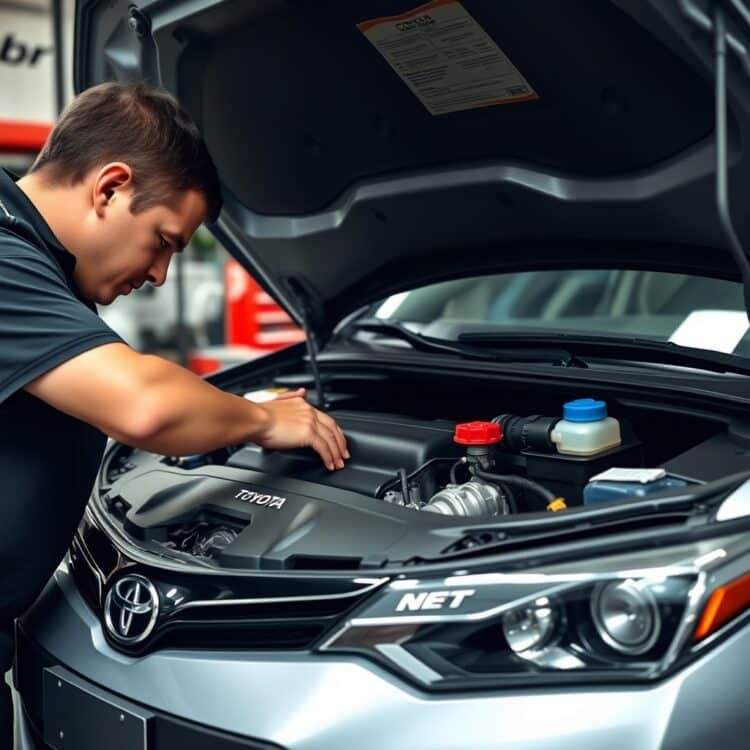
Let’s be real: no car lasts 20 years without proper care. The Corolla is no exception. Regular maintenance isn’t just a suggestion—it’s a requirement if you want your car to go the distance. Simple things like oil changes, filter replacements, and fluid checks can make all the difference. I’ve seen Corollas with meticulous service histories outlast fancier cars that were neglected.
It’s not just about fixing problems when they arise. Preventive maintenance is the secret sauce. Catching small issues before they become big ones saves you money and keeps your Corolla on the road longer. Think of it as an investment in your car’s future. A well-maintained Corolla isn’t just reliable—it’s practically immortal.
The Importance of Regular Maintenance for a 20-Year Lifespan
Scheduled Maintenance Checklist for Toyota Corolla
If you’re serious about keeping your Corolla for two decades, you need a plan. Toyota provides a detailed maintenance schedule, and I recommend sticking to it like glue. Oil changes every 5,000 miles, tire rotations every 7,500 miles, and coolant flushes every 100,000 miles are just the basics. It might seem like a lot, but these small tasks add up to big longevity.
Don’t forget the little things, either. Wiper blades, brake pads, and even cabin air filters play a role in your car’s overall health. A comprehensive approach to maintenance ensures every part of your Corolla gets the attention it deserves. It’s not just about keeping the engine running—it’s about preserving the entire car.
The Impact of Oil Changes on Engine Longevity
Oil is the lifeblood of your engine, and skipping changes is a surefire way to shorten your Corolla’s lifespan. Fresh oil reduces friction, prevents overheating, and keeps internal components clean. I’ve torn down engines that were neglected, and the difference between well-maintained and poorly maintained ones is stark. Sludge buildup is a silent killer.
Stick to high-quality synthetic oil and change it regularly. It’s a small expense compared to the cost of an engine rebuild. If you’re aiming for 20 years, this is one area where you can’t cut corners. Your engine will thank you with years of reliable service.
Tire Rotation and Brake Maintenance Essentials
Tires and brakes might not seem like longevity items, but they’re critical to your Corolla’s overall health. Regular tire rotations ensure even wear, which extends tire life and improves fuel efficiency. Uneven wear can also strain other components, like your suspension. It’s a domino effect you don’t want to start.
Brakes are another often-overlooked area. Worn brake pads can damage rotors, leading to costly repairs. Replacing pads before they’re completely worn saves money and keeps your braking system in top shape. It’s all about proactive care—your Corolla will reward you with decades of dependable performance.
How Driving Habits Affect Your Toyota Corolla’s Longevity
The Effects of Aggressive Driving on Vehicle Lifespan
Let’s talk about driving habits. Aggressive driving—hard acceleration, sudden braking, and high-speed cornering—puts unnecessary stress on your Corolla’s engine, transmission, and suspension. I’ve seen cars with identical mileage where one looks brand new and the other is falling apart. The difference? How they were driven.
Your Corolla is built to handle daily driving, not track-day abuse. Treat it gently, and it’ll last longer. Smooth acceleration, gradual braking, and avoiding potholes all contribute to a longer lifespan. It’s not just about avoiding accidents—it’s about reducing wear and tear on every component.
Optimal Driving Practices for Maximizing Durability
If you want your Corolla to last 20 years, adopt a few smart driving habits. Warm up the engine before pushing it hard, especially in cold weather. Avoid short trips where the engine doesn’t reach operating temperature—this leads to moisture buildup and premature wear. And for heaven’s sake, don’t ignore warning lights.
Highway driving is easier on your car than stop-and-go traffic, so take the scenic route when you can. It’s not just about fuel efficiency—it’s about reducing strain on your engine and transmission. Small changes in how you drive can add years to your Corolla’s life. Drive smart, and your car will reward you with decades of service.
The Role of Climate and Environment in Vehicle Longevity
Climate and environment play a significant role in how long your Toyota Corolla lasts. Extreme weather conditions, whether scorching heat or freezing cold, can accelerate wear and tear on your vehicle. For instance, prolonged exposure to high temperatures can degrade rubber components and battery life, while cold climates may thicken engine oil, making it harder for your Corolla to start smoothly. Protecting your car from these extremes is key to ensuring it reaches the 20-year mark.
Rust and corrosion are other silent killers, especially in areas with heavy rainfall or road salt. Moisture seeps into crevices, eating away at the metal over time. Regular washing and waxing, along with undercoating treatments, can shield your Corolla from these threats. Investing in a garage or car cover also helps, as it reduces exposure to harsh elements. By taking these steps, you’re not just preserving the car’s appearance but its structural integrity too.
How Extreme Weather Conditions Affect Your Corolla
Extreme heat can cause your Corolla’s engine to overwork, leading to premature wear on belts, hoses, and even the cooling system. In contrast, freezing temperatures can strain the battery and make fluids like oil and coolant less effective. Both scenarios stress the vehicle’s mechanical systems, shortening their lifespan. Regular maintenance, such as checking coolant levels and replacing worn-out belts, becomes even more critical in such climates.
Humidity is another factor often overlooked. High moisture levels can lead to electrical issues, corroding connectors and wiring over time. If you live in a humid area, consider using dielectric grease on electrical connections and keeping the interior dry to prevent mold and mildew. These small precautions can save you from costly repairs down the line.
Protecting Your Toyota Corolla from Rust and Corrosion
Rust is the enemy of any long-lasting vehicle, and the Toyota Corolla is no exception. Road salt, especially in winter, accelerates rust formation on the undercarriage and body panels. To combat this, wash your car frequently during snowy months, paying extra attention to the undercarriage. Applying a rust-proofing spray or sealant can also provide an additional layer of protection.
For coastal areas, saltwater air is a constant threat. Regularly rinsing your car and keeping it garaged when possible can mitigate this. Inspect the paint for chips or scratches, as these are entry points for rust. Touch them up promptly to prevent further damage. A little vigilance goes a long way in keeping your Corolla rust-free for decades.
Upgrading and Replacing Parts for Long-Term Durability
Over 20 years, certain parts of your Toyota Corolla will inevitably wear out. Knowing when and how to replace them is crucial for maintaining durability. Timing belts, for example, are critical but often overlooked until they fail, potentially causing severe engine damage. Replacing them at the manufacturer’s recommended intervals—usually every 60,000 to 100,000 miles—can prevent catastrophic failures.
Quality matters when choosing replacement parts. Opting for OEM (Original Equipment Manufacturer) or high-quality aftermarket parts ensures compatibility and longevity. Cheap, low-quality components might save money upfront but can lead to frequent replacements and even damage other systems. Investing in quality parts pays off in the long run, keeping your Corolla running smoothly for years.
When to Replace Timing Belts and Other Critical Components
Timing belts are a prime example of a component that demands attention. If it snaps, the engine’s valves and pistons can collide, leading to expensive repairs. Other critical parts include the water pump, which often fails around the same time as the timing belt, and suspension components like shocks and struts, which wear out over time. Regular inspections can help you spot wear before it becomes a problem.
Brakes and tires are also vital for safety and performance. Worn brake pads or rotors can reduce stopping power, while bald tires compromise traction. Replacing these before they fail not only ensures safety but also prevents damage to other systems. A proactive approach to maintenance keeps your Corolla reliable and extends its lifespan.
Choosing Quality Replacement Parts for Your Toyota Corolla
Not all replacement parts are created equal. OEM parts are designed specifically for your Corolla, ensuring a perfect fit and optimal performance. Aftermarket parts can be a cost-effective alternative, but research is key—stick to reputable brands with good reviews. Avoid counterfeit or substandard parts, as they often fail prematurely and can even void your warranty.
For those who prefer DIY repairs, online forums and guides can be invaluable resources. However, complex tasks like timing belt replacements are best left to professionals unless you’re highly experienced. Balancing cost and quality is essential, but never compromise on safety-critical components. Your Corolla deserves the best to keep it running for decades.
The Financial Aspect of Keeping a Toyota Corolla for 20 Years
Owning a Toyota Corolla for two decades isn’t just about reliability—it’s a smart financial move. The initial purchase price is just the beginning; the real savings come from low maintenance costs and excellent resale value. Compared to luxury or high-performance cars, the Corolla’s parts and labor costs are affordable, making long-term ownership financially sustainable.
Calculating the total cost of ownership over 20 years reveals the Corolla’s true value. Fuel efficiency, insurance rates, and depreciation all play a role. While no car is maintenance-free, the Corolla’s reputation for reliability means fewer unexpected repairs. Budgeting for routine maintenance and occasional part replacements ensures you’re never caught off guard.
Calculating the Cost of Ownership Over Two Decades
To estimate the total cost, consider fuel, insurance, maintenance, and repairs. The Corolla’s fuel efficiency saves thousands over the years, while its low depreciation rate means it retains value better than many competitors. Regular maintenance, like oil changes and tire rotations, is relatively inexpensive but crucial for longevity.
Unexpected repairs are inevitable, but setting aside a small fund for these can ease the financial burden. Online calculators and tools can help you project these costs based on your driving habits and local conditions. The result? A clear picture of why the Corolla is one of the most cost-effective cars to own long-term.
The Resale Value of a Well-Maintained Toyota Corolla
A well-maintained Corolla can still fetch a decent price even after 20 years. Buyers value its reliability and low running costs, making it a sought-after used car. Keeping detailed service records and addressing minor issues promptly enhances its resale value. A clean interior and exterior also make a significant difference.
If you decide to sell, timing matters. The used car market fluctuates, so researching current trends can help you get the best price. Alternatively, passing it down to a family member or keeping it as a backup car are great options. Either way, your Corolla’s longevity pays off in more ways than one.
Common Issues in Older Toyota Corollas and How to Address Them
Even the most reliable cars develop quirks over time, and the Toyota Corolla is no exception. Older models may face electrical gremlins, such as faulty sensors or flickering lights. These issues are often minor but can be frustrating. Diagnosing them early and addressing them with quality parts prevents them from escalating into bigger problems.
Wear and tear is another inevitability. Suspension components, bushings, and engine mounts degrade with age, leading to a rougher ride. Replacing these parts restores the car’s comfort and handling. Regular inspections help identify these issues before they affect performance or safety.
Identifying and Fixing Common Electrical Problems
Electrical issues in older Corollas often stem from corroded connectors or worn-out wiring. Symptoms include dim headlights, malfunctioning power windows, or erratic dashboard lights. Cleaning connectors and replacing damaged wires can resolve many of these problems. For more complex issues, a professional diagnosis is recommended.
Upgrading to LED bulbs or modern audio systems can also improve functionality without breaking the bank. However, ensure any modifications are compatible with your car’s electrical system to avoid overloading circuits. A little attention to detail keeps your Corolla’s electronics running smoothly.
Addressing Wear and Tear in High-Mileage Corollas
High-mileage Corollas often show wear in the suspension and drivetrain. Noisy bearings, loose steering, or uneven tire wear are common signs. Replacing shocks, struts, and bushings can restore the car’s ride quality. Similarly, addressing transmission fluid changes and clutch wear (in manual models) ensures smooth operation.
Engine performance can also decline over time due to carbon buildup or worn-out seals. Using quality fuels and additives, along with regular oil changes, mitigates these issues. For severe cases, a professional tune-up or engine rebuild might be necessary. The key is to stay proactive—your Corolla’s longevity depends on it.
The Impact of Technology and Modern Features on Longevity
How Modern Safety Features Extend Vehicle Usability
Modern safety features in the Toyota Corolla aren’t just about protecting you on the road—they also play a crucial role in extending the car’s lifespan. Advanced systems like adaptive cruise control, lane-keeping assist, and automatic emergency braking reduce wear and tear by minimising harsh braking and erratic steering. These technologies ensure smoother driving, which translates to less strain on the engine, transmission, and brakes. Over time, this gentle handling can add years to your Corolla’s life, making it a smart investment for long-term ownership.
Additionally, features like tyre pressure monitoring and stability control help maintain optimal performance, preventing unnecessary damage. By alerting you to potential issues early, these systems allow for timely maintenance, avoiding costly repairs down the line. It’s a perfect example of how modern technology can enhance both safety and durability, ensuring your Corolla remains reliable for decades.
The Role of Fuel Efficiency in Long-Term Vehicle Value
Fuel efficiency isn’t just about saving money at the pump—it’s a key factor in your Toyota Corolla’s longevity. Efficient engines, like the ones found in the Corolla Hybrid, generate less heat and stress, reducing wear on internal components. This means fewer breakdowns and a longer lifespan for critical parts like the pistons and cylinders. Over 20 years, the cumulative effect of this reduced strain can be significant, keeping your car running smoothly well into the future.
Moreover, fuel-efficient models often come with regenerative braking systems, which further reduce wear on traditional brake pads. By relying on electric motors to slow the car, these systems minimise friction, a major cause of brake degradation. It’s another way modern engineering contributes to long-term durability, ensuring your Corolla stays on the road longer while keeping maintenance costs low.
Personal Stories Toyota Corollas That Have Lasted 20 Years
Case Studies of High-Mileage Toyota Corollas
One of the best ways to understand the Toyota Corolla’s longevity is through real-world examples. Take the story of a 2003 Corolla that clocked over 500,000 miles with only routine maintenance. The owner attributed this feat to regular oil changes, timely belt replacements, and gentle driving habits. This case highlights how simple care can yield extraordinary results, proving that a Corolla can indeed last two decades or more with the right attention.
Another example is a 1998 Corolla still running smoothly today, thanks to its rust-resistant body and robust engine design. The owner emphasised the importance of addressing minor issues before they escalate, such as fixing leaks or replacing worn-out suspension parts. These stories aren’t outliers—they’re testaments to the Corolla’s built-in durability, making it a favourite among long-term car owners.
Owner Testimonials on Long-Term Reliability
Owners of older Toyota Corollas often rave about their cars’ reliability. One driver shared how their 2005 Corolla required nothing beyond basic maintenance, even after 18 years of daily use. Another praised the car’s simplicity, noting that fewer electronic components meant fewer things could go wrong. These testimonials underscore the Corolla’s reputation for dependability, a trait that’s hard to match in today’s market.
Many long-term owners also highlight the car’s affordability, both in terms of initial purchase and ongoing costs. With parts readily available and repairs typically straightforward, keeping a Corolla on the road for 20 years is both practical and economical. It’s no wonder so many drivers swear by this iconic model, proving that sometimes, the simplest cars are the ones that last the longest.
The Role of Detailing and Aesthetics in Preserving Your Corolla
How Regular Cleaning Protects Your Vehicle’s Exterior
Regular cleaning isn’t just about keeping your Toyota Corolla looking sharp—it’s a critical part of preserving its exterior. Dirt, salt, and grime can accelerate rust and corrosion, especially in harsh climates. By washing your car frequently, you remove these harmful elements, protecting the paint and underlying metal. A well-maintained exterior not only retains its resale value but also prevents structural damage that could shorten the car’s lifespan.
Waxing and polishing add an extra layer of protection, shielding the paint from UV rays and environmental pollutants. These steps might seem minor, but over 20 years, they can make a significant difference in preventing fading and deterioration. Think of it as skincare for your car—consistent care keeps it looking and performing its best for decades.
Interior Maintenance for Comfort and Durability
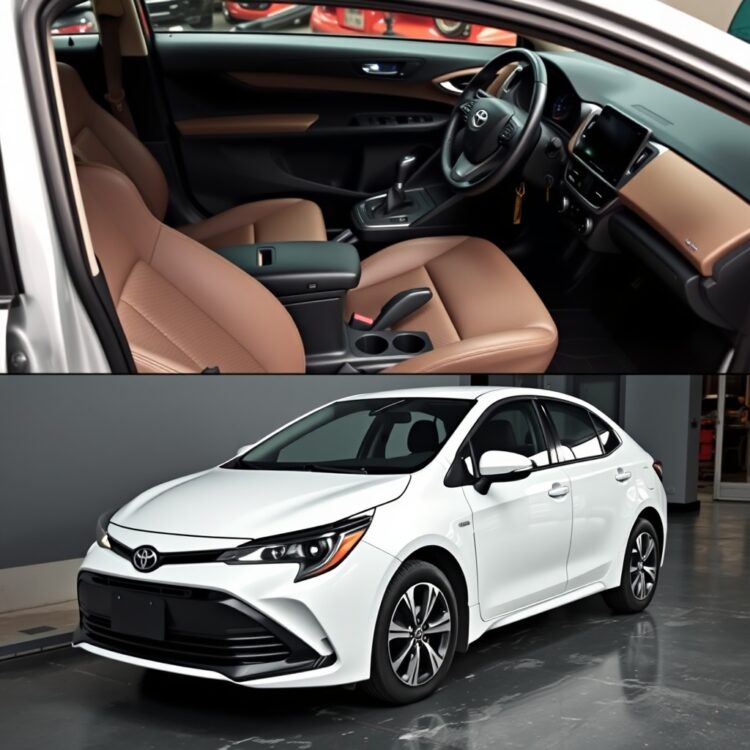
The interior of your Toyota Corolla deserves just as much attention as the exterior. Regular vacuuming and dusting prevent dirt from embedding into upholstery, while leather conditioners keep seats supple and crack-free. These small habits preserve the cabin’s comfort and aesthetics, ensuring it remains a pleasant place to spend time, even after years of use.
Protecting the dashboard and trim from sun damage is equally important. Using UV protectants and sunshades can prevent cracking and fading, maintaining the interior’s like-new appearance. By treating your Corolla’s interior with care, you’re not just enhancing its longevity—you’re also ensuring it remains a joy to drive for years to come. For more tips on maintaining your vehicle, check out this expert guide on long-term car care.
Navigating Insurance and Warranty for Long-Term Ownership
Understanding Warranty Coverage for Older Vehicles
When keeping a Toyota Corolla for 20 years, warranty coverage becomes a nuanced topic. Most factory warranties expire within the first decade, but extended warranties or third-party options can bridge the gap. We recommend reviewing the fine print to ensure critical components like the engine and transmission remain protected. A well-maintained Corolla often qualifies for extended coverage, offering peace of mind for long-term owners.
Older vehicles may also benefit from certified pre-owned programs, which sometimes include extended warranties. These programs often require rigorous inspections, ensuring your Corolla meets specific standards. If your car no longer qualifies, consider aftermarket warranty providers that specialise in high-mileage vehicles. Always compare terms and costs to find the best fit for your needs.
Insurance Tips for High-Mileage Toyota Corollas
Insuring a high-mileage Toyota Corolla requires a tailored approach. Standard policies may not account for the car’s longevity, so explore specialised high-mileage insurance options. These policies often offer lower premiums if your Corolla has a documented maintenance history. We suggest keeping detailed records of all services, as insurers value well-maintained vehicles.
Another tip is to adjust your coverage based on the car’s current value. Comprehensive coverage might not be cost-effective for an older Corolla with depreciated value. Instead, focus on liability and uninsured motorist coverage. Additionally, inquire about discounts for safety features, as even older models may qualify for savings.
The Environmental Benefits of Keeping Your Car Longer
Reducing Waste by Maintaining Your Vehicle
Keeping a Toyota Corolla for 20 years significantly reduces environmental waste. Manufacturing new vehicles consumes resources and energy, while maintaining an existing car minimises this impact. We advocate for regular upkeep to extend your Corolla’s life, reducing the need for replacements. Simple actions like timely oil changes and tire rotations contribute to a greener footprint.
Recycling and reusing parts also play a role in sustainability. When replacing components, opt for refurbished or recycled parts whenever possible. This approach not only saves money but also reduces demand for new materials. By prioritising longevity, you’re making a conscious choice to lessen your environmental impact.
The Carbon Footprint of Manufacturing vs Maintaining
The carbon footprint of manufacturing a new car far outweighs maintaining an older one. Producing a single vehicle emits tonnes of CO2, from raw material extraction to assembly. In contrast, keeping your Corolla on the road avoids these emissions. We encourage owners to weigh the environmental cost of upgrading versus preserving their current vehicle.
Modern cars may offer better fuel efficiency, but the environmental cost of production often negates these benefits. If your Corolla is still reliable, maintaining it is the greener choice. For those concerned about emissions, consider hybrid conversions or eco-friendly upgrades to enhance efficiency without replacing the entire vehicle.
Future-Proofing Your Toyota Corolla for the Next Decade
Adapting to Future Fuel and Technology Changes
As the automotive industry shifts toward electrification, future-proofing your Corolla is essential. While it may not be electric, you can adapt by staying informed about fuel alternatives like biofuels or synthetic fuels. We recommend monitoring local regulations and infrastructure developments to anticipate changes that could affect your vehicle’s usability.
Upgrading your Corolla with modern tech, such as fuel-efficient tires or advanced engine tuning, can also extend its relevance. These modifications improve performance and efficiency, ensuring your car remains competitive. Keep an eye on emerging trends to make informed decisions about upgrades.
Preparing Your Corolla for Emerging Automotive Trends
Emerging trends like connected car technology and autonomous features may seem distant for older models, but some upgrades are feasible. Installing a modern infotainment system or retrofitting safety features like blind-spot monitoring can enhance your Corolla’s functionality. We suggest focusing on practical upgrades that align with your driving needs.
Another consideration is the growing emphasis on sustainability. Even if your Corolla isn’t electric, adopting eco-friendly practices like carpooling or using renewable energy for charging (if applicable) can future-proof your ownership experience. Staying adaptable ensures your Corolla remains a reliable companion for years to come.
Frequently Asked Questions
Can a Toyota Corolla really last 20 years?
Absolutely. With proper maintenance, a Toyota Corolla can easily surpass 20 years. Regular servicing, timely part replacements, and mindful driving habits are key. Many owners report their Corollas exceeding 300,000 miles, proving their legendary durability.
What’s the most critical maintenance task for longevity?
Regular oil changes are paramount. Clean oil reduces engine wear and prevents costly damage. Follow the manufacturer’s schedule and use high-quality lubricants. Pair this with routine inspections to catch minor issues before they escalate.
How does high mileage affect insurance costs?
High mileage can increase premiums, but a well-documented maintenance history can offset this. Some insurers offer discounts for low annual mileage or safety features. Shop around to find the best rates for your high-mileage Corolla.
Is it worth upgrading an older Corolla with modern tech?
Yes, if it enhances safety or efficiency. Features like backup cameras or adaptive headlights can be retrofitted. Focus on upgrades that improve functionality without compromising reliability. Always consult a professional for installations.