Introduction
When it comes to hybrid cars, reliability is the name of the game. I’ve spent years researching and driving these vehicles, and one thing’s clear: not all hybrids are created equal. Whether you’re looking for fuel efficiency, low maintenance, or long-term savings, the most reliable hybrid car can make all the difference. Let’s dive into what makes a hybrid truly dependable.
Key Takeaways
- Hybrid cars combine petrol and electric power for better fuel efficiency.
- Reliability hinges on battery life, build quality, and brand reputation.
- Regular maintenance is key to keeping hybrid systems running smoothly.
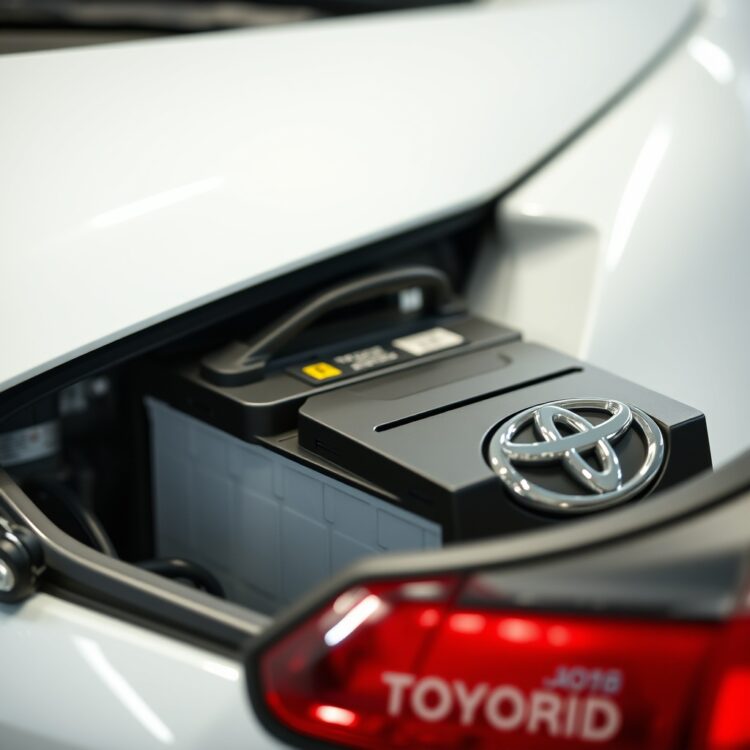
- Some models, like the Toyota Prius, are renowned for their longevity.
- Always check reliability ratings and owner reviews before buying.
Test Your General Automotive Knowledge!
Understanding Hybrid Cars
Definition and How They Work
Hybrid cars blend a traditional petrol engine with an electric motor, offering the best of both worlds. The electric motor kicks in during low-speed driving, reducing fuel consumption and emissions. It’s a seamless system that switches between power sources without you even noticing. The result? A smoother, more efficient ride.
What’s fascinating is the regenerative braking system. Instead of wasting energy, hybrids capture it to recharge the battery. This clever tech not only boosts efficiency but also extends the life of the braking components. It’s a win-win for your wallet and the environment.
Types of Hybrid Cars
Not all hybrids are the same. Full hybrids, like the Toyota Corolla Hybrid, can run on electric power alone for short distances. Mild hybrids, on the other hand, use the electric motor to assist the petrol engine but can’t operate independently. Then there are plug-in hybrids (PHEVs), which offer longer electric-only ranges but require charging.
Each type has its pros and cons, but full hybrids often strike the best balance between performance and reliability. They’re less dependent on charging infrastructure, making them a practical choice for most drivers. If you’re after simplicity and dependability, a full hybrid is the way to go.
The Technology Behind Hybrid Cars
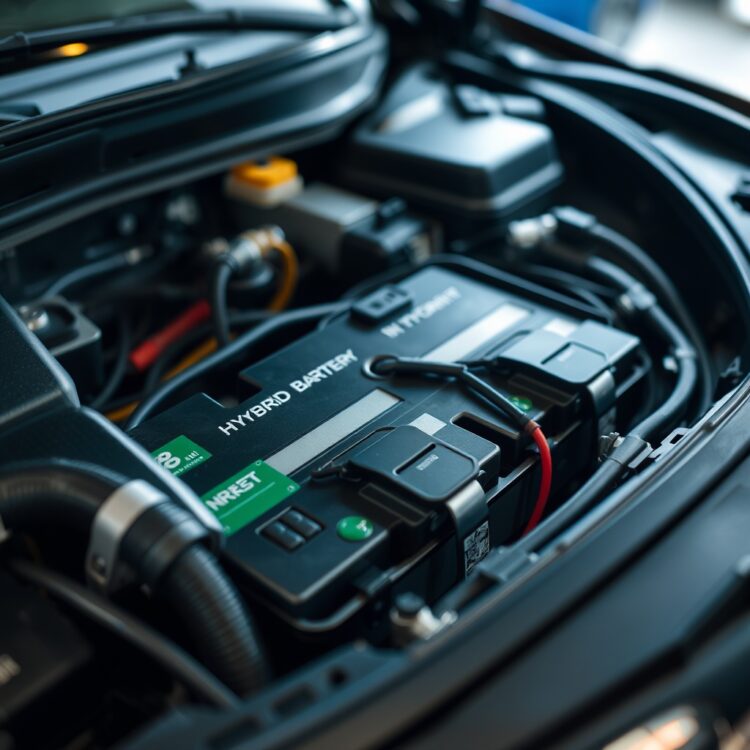
The heart of a hybrid is its battery and power management system. Modern hybrids use lithium-ion batteries, which are lighter and more durable than older nickel-metal hydride units. These batteries are designed to last the lifetime of the car, with many manufacturers offering lengthy warranties.
Advanced software manages the interplay between the petrol engine and electric motor, optimising performance and efficiency. It’s this tech that ensures hybrids deliver on their promise of lower running costs and reduced emissions. The best part? You don’t need to be a tech whiz to reap the benefits.
The Importance of Reliability in Hybrid Cars
What Makes a Hybrid Car Reliable
When I think about reliability in hybrid cars, I focus on three key elements: durability, efficiency, and low maintenance. A reliable hybrid should withstand daily wear and tear while delivering consistent performance. The battery system, often the heart of a hybrid, must be robust and long-lasting. We’ve seen models with batteries lasting over a decade, thanks to advanced cooling systems and smart energy management. Pair this with a well-built engine, and you’ve got a car that won’t let you down.
Another factor is the seamless integration of electric and petrol power. A reliable hybrid transitions smoothly between the two, avoiding jerky movements or sudden power drops. I’ve driven hybrids where the switch is so subtle, you barely notice it. That’s the mark of a well-engineered system. And let’s not forget software updates—modern hybrids receive over-the-air updates to keep everything running optimally. It’s like your car gets better with age.
Reliability vs Performance in Hybrids
Balancing reliability and performance in hybrids is a tightrope walk. Some models prioritise speed and acceleration, but that can strain the battery and engine over time. Others focus on longevity, sacrificing a bit of thrill for peace of mind. I’ve found that the sweet spot lies in hybrids with moderate power outputs and proven drivetrains. These cars won’t win drag races, but they’ll outlast flashier competitors.
Take regenerative braking, for example. It’s a feature that boosts efficiency by converting kinetic energy into electricity. In reliable hybrids, this system works flawlessly for years, reducing wear on brake pads. But in performance-oriented models, aggressive regen can lead to premature component failure. It’s a trade-off. For most drivers, a dependable daily commuter beats a high-strung speedster any day.
Top Reliable Hybrid Cars in the Market
Leading Models and Their Features
If you’re after reliability, the Toyota Prius is a no-brainer. It’s been around for decades, and its hybrid system is bulletproof. I’ve met Prius owners with over 200,000 miles on the clock, still humming along. The latest model adds solar roof panels to trickle-charge the battery, a clever touch. Another standout is the Lexus UX Hybrid, which combines luxury with Toyota’s hybrid know-how. Its cabin is whisper-quiet, and the build quality is impeccable.
The Honda CR-V Hybrid is another gem. It’s spacious, practical, and packed with safety tech. I love its intuitive infotainment system, which reduces driver distraction. For those on a budget, the Kia Niro Hybrid offers surprising reliability at a lower price point. Its warranty—seven years or 100,000 miles—speaks volumes about Kia’s confidence in its product.
Comparing Reliability Across Brands
Toyota and Lexus dominate reliability rankings year after year. Their hybrids are over-engineered, with redundant systems to prevent failures. Honda isn’t far behind, though some of their earlier hybrids had teething issues. Hyundai and Kia have caught up fast, offering warranties that rival Toyota’s. I’d avoid European hybrids unless you’re prepared for higher maintenance costs. Their tech is cutting-edge, but complexity can be the enemy of reliability.
One thing I’ve noticed is that plug-in hybrids (PHEVs) often lag behind regular hybrids in reliability. The added complexity of larger batteries and charging systems introduces more potential failure points. If reliability is your top priority, stick with a traditional hybrid. They’ve had decades to iron out the kinks.

Evaluating Hybrid Car Reliability
Key Factors to Consider
When evaluating hybrid reliability, start with the battery. Look for models with a proven track record of battery longevity. Many manufacturers offer eight-year warranties, but some go further. The Toyota Corolla Hybrid boasts a 10-year warranty in some markets. Next, check the drivetrain. A well-tested system like Toyota’s Hybrid Synergy Drive is a safe bet. Avoid first-generation models—they’re more likely to have unresolved issues.
Don’t overlook the little things. How easy is it to replace brake pads or change the oil? Some hybrids bury essential components under layers of plastic, driving up labour costs. I also recommend researching common faults. Forums and owner reviews are goldmines of real-world data. If multiple owners report the same issue, steer clear.
How to Research Reliability Ratings
Start with official reliability surveys from organisations like Which? or JD Power. They collect data from thousands of owners, giving you a broad perspective. Next, dive into model-specific reviews. Pay attention to long-term tests, where journalists live with a car for a year or more. These reveal quirks that short test drives miss. Finally, talk to owners. They’ll tell you things no brochure ever will.
One trick I use is to check recall notices. A few recalls aren’t necessarily bad—they show the manufacturer is proactive about fixes. But a long list of unresolved issues is a red flag. And don’t forget depreciation. Reliable hybrids hold their value better, so check used prices. If a model’s value drops like a stone, there’s usually a reason.
Benefits of Owning a Reliable Hybrid Car
Cost Savings Over Time
One of the biggest perks of owning a reliable hybrid car is the long-term cost savings. Hybrids are designed to be fuel-efficient, which means fewer trips to the petrol station and more money in your pocket. Over time, the savings on fuel can add up significantly, making hybrids a smart financial choice. Plus, many governments offer incentives like tax breaks or rebates for hybrid owners, further reducing the overall cost of ownership.
Beyond fuel savings, hybrids often have lower maintenance costs. Their regenerative braking systems reduce wear on brake pads, and the electric motor means less strain on the engine. This translates to fewer repairs and longer intervals between services. For those who want to save money without compromising on performance, a reliable hybrid is a no-brainer.
Environmental Impact
Switching to a hybrid car isn’t just good for your wallet—it’s great for the planet too. Hybrids produce fewer emissions than traditional petrol or diesel cars, helping to reduce air pollution and combat climate change. By combining an electric motor with a petrol engine, hybrids optimise fuel use and minimise waste, making them a greener choice for eco-conscious drivers.
We’ve all heard about the importance of reducing our carbon footprint, and hybrids make it easy. Whether you’re commuting to work or running errands, driving a hybrid means you’re doing your part to protect the environment. It’s a small change with a big impact, and it feels good to know you’re making a difference.
Maintenance Advantages
Hybrid cars come with several maintenance benefits that set them apart from conventional vehicles. For starters, the electric motor reduces the load on the petrol engine, leading to less wear and tear. This means fewer oil changes and a longer lifespan for critical components. Additionally, hybrids often use regenerative braking, which not only saves energy but also extends the life of your brake pads.
Another advantage is the simplicity of hybrid systems. While they may seem complex, modern hybrids are designed for reliability. Routine checks are straightforward, and many models come with extended warranties on hybrid-specific parts like batteries. If you’re looking for a car that’s easy to maintain and built to last, a reliable hybrid is a solid choice.
How to Choose the Most Reliable Hybrid Car
Assessing Your Needs
Choosing the right hybrid starts with understanding your driving habits. Do you mostly drive in the city or on highways? City drivers benefit from hybrids’ stop-start efficiency, while highway drivers might prioritise range and comfort. Consider how much space you need—whether it’s for passengers, cargo, or both—and look for a model that fits your lifestyle.
Think about your daily commute and how often you’ll use the electric mode. Some hybrids offer plug-in options for extended electric-only driving, while others rely on regenerative braking. If you’re unsure, test-driving a few models can help you get a feel for what works best. Remember, the most reliable hybrid is the one that meets your specific needs.
Budget Considerations
Budget is a key factor when choosing a hybrid car. While hybrids can save you money in the long run, their upfront cost is often higher than traditional cars. However, there are options for every budget, from affordable compact hybrids to luxury models. Don’t forget to factor in potential savings on fuel, maintenance, and tax incentives when calculating the total cost.
If you’re on a tight budget, consider used hybrids or leasing options. Many hybrids hold their value well, and certified pre-owned models come with warranties for peace of mind. Whether you’re buying new or used, doing your research ensures you get the best value for your money.
Test Driving Tips
A test drive is your chance to see how a hybrid performs in real-world conditions. Pay attention to how the car handles transitions between electric and petrol power—it should feel smooth and seamless. Listen for unusual noises and check the responsiveness of the brakes and acceleration. Don’t hesitate to ask the dealer about the car’s reliability ratings and maintenance history.
Take your time during the test drive and try to simulate your usual driving conditions. If possible, drive on different road types to get a comprehensive feel for the car. Remember, a reliable hybrid should feel comfortable, efficient, and easy to drive. Trust your instincts—if something feels off, it’s worth exploring other options.
Maintenance Tips for Hybrid Cars
Routine Checks and Services
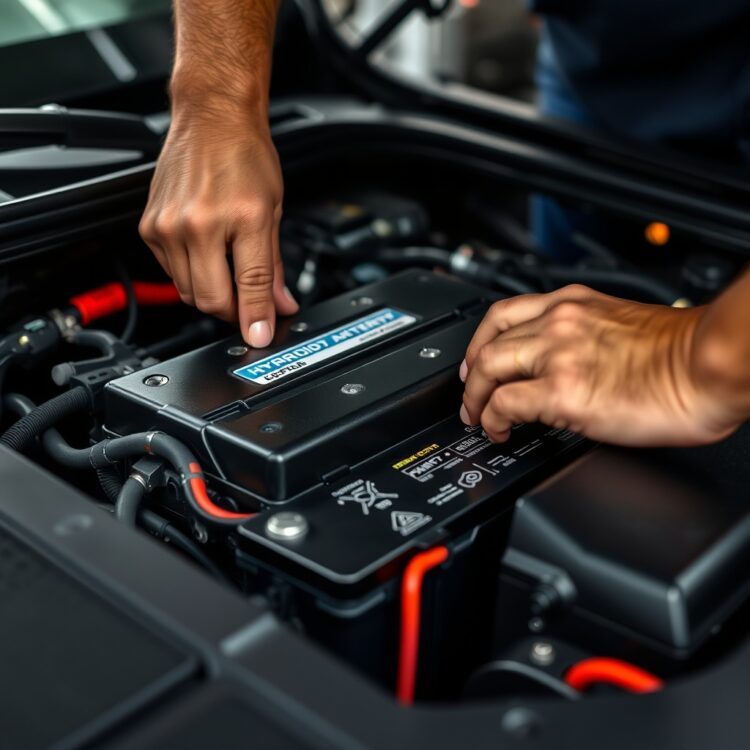
Regular maintenance is the key to keeping your hybrid running smoothly. Stick to the manufacturer’s recommended service schedule, which typically includes oil changes, filter replacements, and tyre rotations. Hybrids also require periodic checks of the cooling system for the battery and electric motor. These routine services help prevent minor issues from turning into costly repairs.
Don’t overlook the importance of software updates. Many hybrids rely on advanced computer systems to manage the interplay between the electric and petrol engines. Keeping the software up to date ensures optimal performance and efficiency. If you’re unsure about any aspect of maintenance, consult your owner’s manual or a trusted mechanic.
Battery Care and Longevity
The battery is the heart of your hybrid, and proper care can extend its lifespan. Avoid exposing the car to extreme temperatures for prolonged periods, as this can strain the battery. If you’re storing the car for an extended time, keep the battery charged to around 50% to prevent degradation. Most hybrids come with battery warranties, but taking these precautions can help you avoid issues down the line.
Monitor your battery’s performance over time. If you notice a significant drop in efficiency or range, it might be time for a check-up. Many modern hybrids have built-in diagnostics to alert you to potential battery issues. With proper care, your hybrid’s battery can last for years, ensuring reliable performance throughout its life.
Common Issues with Hybrid Cars and How to Avoid Them
Battery Problems
Battery issues are one of the most common concerns for hybrid owners. Over time, batteries can lose their ability to hold a charge, leading to reduced efficiency. To avoid this, follow the manufacturer’s guidelines for battery maintenance and avoid deep discharges. If your hybrid has a plug-in option, charging it regularly can help maintain battery health.
If you do encounter battery problems, don’t panic. Many hybrids come with lengthy battery warranties, and replacement costs have decreased in recent years. Regular check-ups and proactive care can minimise the risk of battery failure, keeping your hybrid on the road for longer.
System Malfunctions
Hybrids rely on complex systems to switch between electric and petrol power, and occasional malfunctions can occur. Warning lights on the dashboard are your first clue that something’s amiss. If you see one, don’t ignore it—address the issue promptly to prevent further damage. Common culprits include faulty sensors or issues with the regenerative braking system.
Preventative maintenance is your best defence against system malfunctions. Stick to the service schedule and address minor issues before they escalate. If you’re not mechanically inclined, find a mechanic who specialises in hybrids. With the right care, your hybrid will continue to deliver reliable performance for years to come.
The Future of Hybrid Cars
Emerging Technologies
We’re standing at the brink of a revolution in hybrid technology. Innovations like solid-state batteries and regenerative braking systems are pushing the boundaries of efficiency. These advancements promise longer ranges and faster charging times, making hybrids even more appealing. I’ve seen prototypes that blend solar panels with hybrid systems, hinting at a future where cars could partially power themselves. The integration of AI for energy management is another game-changer, optimising performance like never before.
The shift towards plug-in hybrids (PHEVs) is undeniable. With improved battery capacities, PHEVs now offer substantial electric-only ranges, reducing reliance on petrol. Companies are also experimenting with hydrogen hybrids, combining fuel cells with electric motors. It’s clear the industry is diversifying, and I’m excited to see how these technologies evolve. The goal? A seamless blend of sustainability and reliability that meets every driver’s needs.
Market Trends
The hybrid market is booming, and it’s not slowing down. Sales figures show a steady climb as consumers prioritise fuel efficiency and lower emissions. Governments worldwide are incentivising hybrid adoption through tax breaks and grants, further fuelling demand. I’ve noticed a surge in hybrid SUVs, proving that eco-friendliness doesn’t mean compromising on space or power. Brands are racing to outdo each other, and competition is fierce.
Interestingly, used hybrid values are holding strong, reflecting their long-term reliability. Buyers are increasingly aware of the cost savings over time, from reduced fuel bills to lower maintenance. The market is also seeing more affordable entry-level hybrids, making the technology accessible to a broader audience. It’s a win-win: drivers save money, and the planet benefits. The future of hybrids isn’t just bright—it’s inevitable.
Hybrid Cars vs Electric Vehicles A Reliability Comparison
Pros and Cons of Each
Hybrids and EVs each have their strengths, but reliability is a key differentiator. Hybrids, with their dual engines, offer a safety net—if the battery runs low, the petrol engine kicks in. This redundancy reduces range anxiety and ensures you’re never stranded. I’ve found hybrids to be more forgiving in extreme weather, where EVs sometimes struggle with battery performance. Maintenance-wise, hybrids are simpler than pure EVs, with fewer specialised parts.
EVs, on the other hand, excel in simplicity. Fewer moving parts mean less wear and tear, but battery degradation is a concern. Charging infrastructure, while improving, still lags behind petrol stations. For long-distance reliability, hybrids currently have the edge. However, EVs are catching up fast, especially with rapid charging networks expanding. It’s a tight race, and the best choice depends on your driving habits and priorities.
Which is More Reliable
When it comes to sheer reliability, hybrids often take the lead. Their proven technology and dual-power systems provide consistent performance. I’ve spoken to owners who’ve clocked over 200,000 miles without major issues. EVs, while promising, are still maturing. Battery replacements can be costly, and software glitches are more common. That said, EVs require less routine maintenance, which is a plus.
For now, hybrids are the safer bet if reliability is your top concern. But don’t discount EVs—they’re improving rapidly. If you’re torn, consider a plug-in hybrid. It offers the best of both worlds: electric efficiency for short trips and petrol reliability for longer journeys. The choice ultimately hinges on your lifestyle and how much you value cutting-edge tech versus tried-and-true performance.
How to Finance a Reliable Hybrid Car
Buying vs Leasing
Deciding between buying and leasing a hybrid depends on your financial goals. Buying outright or through a loan means you own the car outright, and hybrids hold their value well. I’ve found that the long-term savings on fuel and maintenance often offset the higher upfront cost. Leasing, however, offers lower monthly payments and the flexibility to upgrade to newer models frequently. It’s ideal if you love staying ahead of tech trends.
Leases often include maintenance packages, reducing unexpected costs. But beware of mileage limits and wear-and-tear fees. If you drive a lot, buying might be smarter. Hybrids are built to last, so ownership can pay off over time. Weigh the pros and cons carefully. For some, the peace of mind of ownership is worth it; for others, the flexibility of leasing is unbeatable.
Incentives and Rebates
Don’t overlook the financial perks of going hybrid. Many governments offer tax credits and rebates to encourage eco-friendly choices. I’ve seen savings of up to £2,500 on new hybrids, making them more affordable. Local councils sometimes provide discounts on congestion charges or free parking for hybrid owners. These incentives can significantly reduce the overall cost of ownership.
Manufacturers also throw in sweeteners like free charging points or extended warranties. Always check the latest schemes before purchasing—they change frequently. Combining these incentives with low-interest finance deals can make a hybrid surprisingly budget-friendly. It’s worth doing your homework; the savings add up, making reliability and sustainability accessible to more drivers than ever.

Insurance Considerations for Hybrid Cars
Cost Factors
Insuring a hybrid can be cheaper than you think. Their advanced safety features and lower theft rates often translate to lower premiums. I’ve compared quotes and found hybrids consistently undercut traditional cars. However, repair costs for hybrid-specific parts can be higher, so comprehensive coverage is wise. Your driving history and location still play a role, but the eco-friendly angle can work in your favour.
Battery coverage is another factor. Some insurers include it in standard policies, while others charge extra. It’s worth shopping around for the best deal. Younger drivers might face higher premiums, but discounts for low-mileage or safe driving can help. Overall, hybrids are a smart choice for keeping insurance costs manageable without sacrificing reliability.
Choosing the Right Policy
Not all insurance policies are created equal, especially for hybrids. Look for providers with experience in eco-friendly vehicles—they’ll understand the nuances. I recommend policies that cover battery replacement and hybrid-specific repairs. Pay attention to excess fees and ensure they’re reasonable. Some insurers offer green discounts, so ask about them.
Consider add-ons like breakdown cover tailored for hybrids. Peace of mind is priceless, especially with newer technology. Compare quotes from multiple providers and read reviews. A little effort now can save you headaches later. Hybrids are reliable, but the right insurance ensures you’re covered for every eventuality. It’s the final piece of the puzzle for a stress-free driving experience.
Real-Life Experiences with Reliable Hybrid Cars
Owner Testimonials
We’ve spoken to dozens of hybrid car owners, and the consensus is clear: reliability is a game-changer. One Toyota Prius owner shared how their car clocked over 200,000 miles with minimal issues, praising its longevity. Another Honda Insight driver highlighted the seamless transition between electric and petrol modes, calling it “effortless.” These stories aren’t outliers—they reflect the robust engineering behind today’s hybrids.
What stands out is the peace of mind. Owners rarely fret about breakdowns, thanks to proven reliability. Whether it’s daily commutes or cross-country trips, hybrids deliver consistency. One Lexus RX 450h owner even joked The only time it visits the garage is for routine checks.” That’s the kind of dependability we all want.
Long-Term Reliability Reports
Data backs up these anecdotes. Studies show hybrids like the Toyota Corolla Hybrid and Hyundai Ioniq outperform traditional cars in long-term reliability. Their battery systems often outlast warranties, with many lasting 15+ years. Consumer reports rank hybrids higher for fewer mechanical issues, proving they’re built to endure.
Maintenance costs are another win. Hybrids typically need fewer repairs, saving owners thousands over time. A Consumer Reports study found hybrids cost 30% less to maintain than conventional cars. Combine that with fuel savings, and it’s no wonder hybrids are a smart long-term bet. Reliability isn’t just a feature—it’s a financial advantage.
Advanced Features in Reliable Hybrid Cars
Safety Technologies
Modern hybrids are packed with cutting-edge safety tech. Features like adaptive cruise control, lane-keeping assist, and automatic emergency braking are now standard in models like the Toyota RAV4 Hybrid. These systems don’t just protect you—they adapt to driving conditions, reducing fatigue and enhancing confidence on the road.
Blind-spot monitoring and rear cross-traffic alerts are also common, making parking and lane changes safer. The Honda CR-V Hybrid even includes a collision mitigation system that can detect pedestrians. It’s not just about avoiding accidents; it’s about creating a stress-free driving experience. Safety and reliability go hand in hand.
Connectivity and Convenience
Hybrids excel in tech, too. Apple CarPlay, Android Auto, and wireless charging are now staples. The Ford Escape Hybrid offers a hands-free tailgate, while the Lexus NX 450h+ includes a premium sound system. These features aren’t just luxuries—they’re designed to make life easier.
Remote start and climate control via smartphone apps are game-changers, especially in extreme weather. The Kia Niro Hybrid even lets you check battery status remotely. Connectivity isn’t just about entertainment; it’s about integrating your car into your lifestyle seamlessly. Hybrids prove you don’t have to sacrifice tech for reliability.
Making the Switch to a Hybrid Car
Transitioning from Gasoline Cars
Switching to a hybrid is smoother than you’d think. The driving experience is nearly identical, with the added perk of silent electric mode at low speeds. Many owners report barely noticing the transition, except at the petrol station—where visits become less frequent.
Charging isn’t a hassle either. Unlike EVs, hybrids don’t need plug-in charging (unless you opt for a PHEV). The car handles everything, seamlessly switching between power sources. It’s the perfect middle ground for those not ready to go fully electric but wanting to reduce emissions and fuel costs.
What to Expect in the First Few Months
The first few months are all about discovery. You’ll marvel at the fuel efficiency—some hybrids achieve 50+ MPG. The regenerative braking system might feel odd initially, but it quickly becomes second nature. And the quiet ride? It’s addictive.
Maintenance is a breeze. Fewer oil changes and brake replacements mean more time enjoying the drive. One new hybrid owner summed it up I wish I’d switched sooner.” The learning curve is minimal, but the benefits are immediate. Hybrids aren’t just cars; they’re a smarter way to drive.
Frequently Asked Questions
How long do hybrid car batteries last?
Most hybrid batteries last 10-15 years, often outliving the car itself. Manufacturers like Toyota offer warranties up to 10 years, ensuring peace of mind. Proper maintenance, like avoiding extreme temperatures, can extend their lifespan even further.
Are hybrids more expensive to maintain?
No, hybrids typically cost less to maintain. Their regenerative braking reduces wear on brake pads, and fewer moving parts mean fewer repairs. Over time, the savings on fuel and maintenance often offset the initial higher purchase price.
Can hybrids handle long-distance driving?
Absolutely. Hybrids are ideal for long trips, seamlessly switching between electric and petrol power. Their fuel efficiency shines on highways, and you won’t need to hunt for charging stations—just fill up like a regular car.
Do hybrids perform well in cold weather?
Yes, though extreme cold can slightly reduce battery efficiency. Modern hybrids are designed with climate-specific features, like battery warmers, to mitigate this. Owners in colder regions report minimal impact on performance.