Introduction
When it comes to trucks, the Ford F-Series is a name that resonates with power, reliability, and sheer dominance. I’ve always been fascinated by how this lineup has evolved over the years, becoming a staple on roads and job sites alike. But just how many Ford F-Series trucks are there? Let’s dive into the numbers, the models, and the legacy that makes this series a true automotive icon.
Key Takeaways
- The Ford F-Series includes a range of models, from the F-150 to the heavy-duty F-450.
- It’s the best-selling truck in the U.S. for over four decades, a testament to its unmatched popularity.
- Each model caters to different needs, whether it’s daily commuting or heavy-duty hauling.
- Technological advancements and customization options keep the F-Series ahead of the competition.
- Understanding the lineup helps you choose the perfect truck for your lifestyle or business.
Introduction to Ford F-Series Trucks
What Defines the Ford F-Series
The Ford F-Series is more than just a lineup of trucks—it’s a legacy. From the lightweight F-150 to the robust F-450, each model is engineered for performance and durability. I’ve always admired how Ford balances power with practicality, making these trucks ideal for both work and play. Whether you’re towing a trailer or navigating city streets, there’s an F-Series truck built for the task.
One of the standout features is the versatility of the F-Series. With options like the Raptor for off-road enthusiasts or the Platinum for luxury seekers, Ford ensures there’s something for everyone. It’s this adaptability that keeps the F-Series at the top of its game.
How Well Do You Know Ford?
The Evolution of the F-Series
The F-Series has come a long way since its debut in 1948. I remember reading about the early models, which were simple workhorses designed for post-war America. Fast forward to today, and the F-Series boasts cutting-edge technology, hybrid powertrains, and even all-electric options like the F-150 Lightning.
What’s fascinating is how Ford has consistently innovated while staying true to the truck’s rugged roots. The introduction of aluminum bodies in 2015, for example, reduced weight without compromising strength. It’s this blend of tradition and innovation that makes the F-Series a perennial favourite.
Why the F-Series Dominates the Market
There’s a reason the F-Series has been the best-selling truck in America for over 40 years. It’s not just about power—though the impressive towing capacity certainly helps. It’s about reliability, brand loyalty, and a deep understanding of what truck buyers want.
From contractors to families, the F-Series delivers. The range of trim levels and configurations means you can tailor your truck to your exact needs. And with Ford’s commitment to sustainability, the future looks just as bright for this iconic lineup.
Understanding the F-Series Lineup
Key Models in the F-Series
The Ford F-Series is a powerhouse in the truck world, offering a range of models to suit every need. From the nimble F-150 to the robust F-450, each truck is designed with precision. The F-150 is the most popular, balancing power and efficiency, while the F-250 and F-350 cater to heavy-duty tasks. Whether you’re hauling cargo or towing a trailer, there’s an F-Series model built for the job. Explore the automotive blog for more insights into these iconic trucks.
Ford’s commitment to innovation shines through in the F-Series lineup. Each model boasts advanced technology, from turbocharged engines to cutting-edge safety features. The F-150, for instance, offers a hybrid option, blending performance with sustainability. The larger models, like the F-350, are engineered for durability, making them a favourite among contractors. It’s no wonder the F-Series dominates the market year after year.
Differences Between F-150, F-250, and F-350
The F-150, F-250, and F-350 may look similar, but their capabilities vary significantly. The F-150 is ideal for everyday use, offering a smooth ride and impressive fuel economy. The F-250 steps up with a stronger frame and higher towing capacity, perfect for demanding workloads. The F-350, the heaviest of the trio, is built for extreme tasks, with a payload capacity that outshines its siblings. Discover the latest updates on these models.
Choosing between these models depends on your needs. The F-150 is versatile, while the F-250 and F-350 excel in toughness. Ford’s engineering ensures each truck delivers unmatched performance, whether you’re on the job site or the open road. The F-Series lineup is a testament to Ford’s legacy of building reliable, powerful trucks.
The History of Ford F-Series Production
Early Years and Innovations
The Ford F-Series made its debut in 1948, revolutionising the truck industry. Early models, like the F-1, set the standard for durability and functionality. Ford introduced innovations such as the integrated cab and bed design, enhancing both aesthetics and utility. These early trucks laid the foundation for the F-Series’ enduring success. Learn more about global production trends.
Over the decades, the F-Series evolved to meet changing demands. The 1950s saw the introduction of more powerful engines, while the 1970s brought improved safety features. Ford’s commitment to innovation ensured the F-Series remained ahead of the competition. Today, the F-Series is a symbol of American ingenuity, blending tradition with cutting-edge technology.
Modern Production Techniques
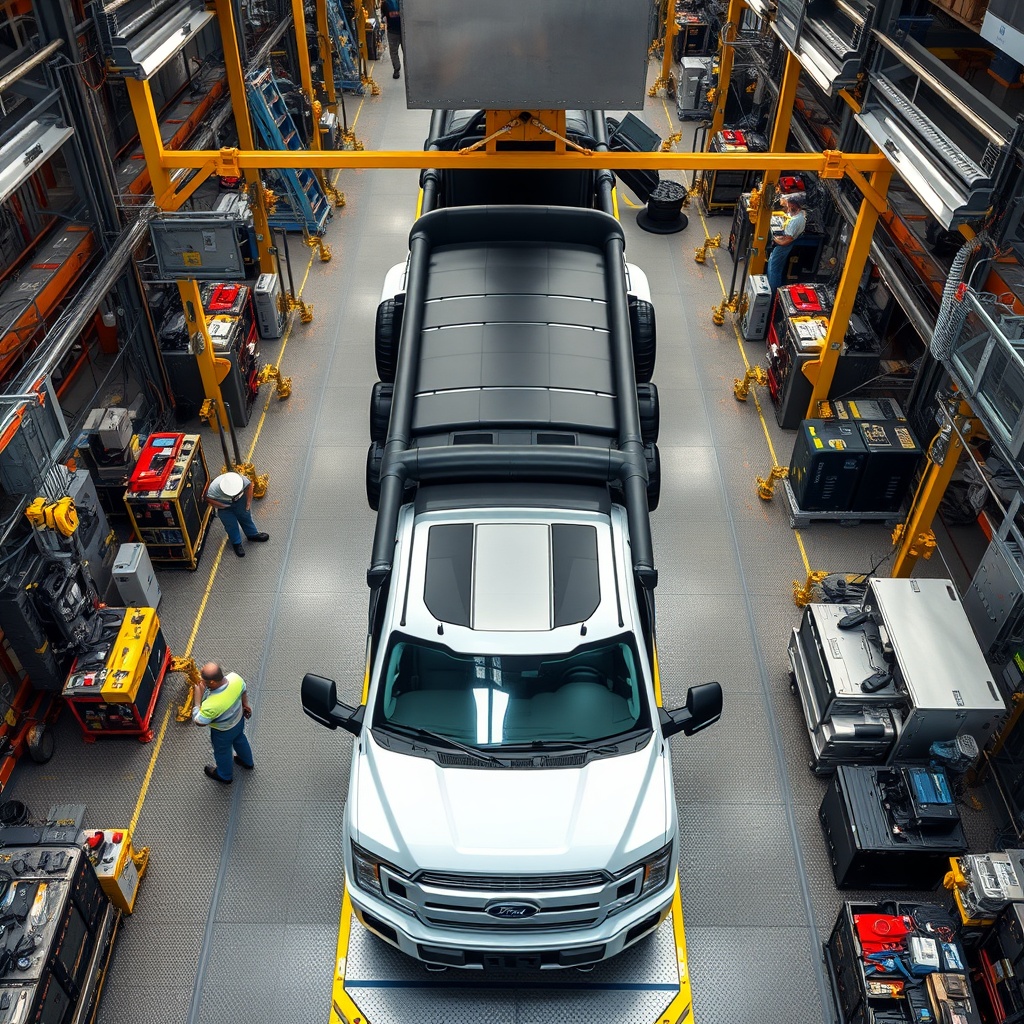
Modern F-Series trucks are built using state-of-the-art techniques. Ford employs robotic assembly lines to ensure precision and efficiency. Advanced materials, like high-strength aluminium, reduce weight without compromising strength. These innovations result in trucks that are both durable and fuel-efficient. The production process is a marvel of engineering, reflecting Ford’s dedication to quality.
Ford’s factories are a testament to modern manufacturing. Each truck undergoes rigorous testing to meet strict standards. From the paint shop to the final inspection, every step is meticulously monitored. This attention to detail ensures that every F-Series truck delivers the performance and reliability customers expect. The reliability of these trucks is unmatched.
Current Production Numbers
Annual Production Statistics
Ford produces over 800,000 F-Series trucks annually, making it one of the most manufactured vehicles in the world. The F-150 alone accounts for a significant portion of these numbers, reflecting its popularity. Production facilities in the U.S. and abroad work tirelessly to meet global demand. These statistics highlight the F-Series’ dominance in the automotive market. For more details, check this authoritative source.
The F-Series’ production numbers are a testament to its reliability and appeal. Ford’s ability to scale production while maintaining quality is impressive. Each truck is built to last, ensuring customer satisfaction. The F-Series continues to set benchmarks in the industry, with no signs of slowing down.
Factors Influencing Production Volume
Several factors influence the production volume of the F-Series. Market demand is a primary driver, with the F-150 consistently topping sales charts. Supply chain efficiency also plays a crucial role, ensuring timely delivery of parts. Ford’s investment in automation has further boosted production capacity. These elements combine to keep the F-Series at the forefront of the truck market.
Economic conditions and consumer preferences also impact production. Ford adapts quickly to trends, such as the growing interest in hybrid and electric trucks. The F-Series’ ability to evolve ensures its continued success. With a focus on innovation and customer needs, Ford remains a leader in the automotive industry.
Global Reach of the F-Series
Domestic vs International Sales
The Ford F-Series isn’t just a staple in the US; it’s a global powerhouse. We’ve seen it dominate North American markets, but its appeal stretches far beyond. In 2022, over 650,000 units were sold domestically, while international markets contributed significantly to its automotive dominance. Countries like Canada, Australia, and the Middle East have embraced the F-Series for its rugged reliability and versatility. It’s fascinating how a truck designed for American roads has become a symbol of strength worldwide.
What’s even more impressive is the adaptability of the F-Series. While the US prefers the F-150, markets like the Middle East lean towards the heavier-duty F-250 and F-350. This flexibility ensures the F-Series meets diverse needs, whether it’s for construction, agriculture, or everyday driving. We’ve watched it evolve into a global icon, and the numbers speak for themselves.
The F-Series in Emerging Markets
Emerging markets are the next frontier for the F-Series. In regions like South America and Africa, demand for robust, dependable trucks is soaring. Ford has strategically expanded its presence here, tailoring models to local preferences. For instance, in Brazil, the F-Series is often customized with specialised features to handle rough terrains. It’s a testament to the truck’s versatility and Ford’s commitment to global growth.
However, challenges like import tariffs and local competition persist. Despite this, the F-Series continues to gain traction, thanks to its unmatched reputation. We believe these markets will play a pivotal role in the truck’s future, especially as infrastructure development accelerates. The F-Series isn’t just a vehicle; it’s a tool for progress in these regions.
The Economic Impact of the F-Series
Contribution to Ford’s Revenue
The F-Series is the backbone of Ford’s financial success. In 2022, it accounted for nearly 40% of the company’s total revenue, generating billions annually. This isn’t just about sales; it’s about loyalty. Customers return to the F-Series generation after generation, creating a steady revenue stream. We’ve seen how this truck’s success fuels Ford’s ability to innovate, from electric models to advanced safety features.
Beyond direct sales, the F-Series drives profitability through aftermarket parts and services. From performance upgrades to routine maintenance, owners invest heavily in their trucks. This ecosystem ensures long-term revenue, making the F-Series not just a product but a sustainable business model. It’s a masterclass in brand loyalty and economic impact.
Job Creation and Industry Support
The ripple effect of the F-Series extends to thousands of jobs. From assembly line workers to dealership staff, this truck supports livelihoods across the globe. In the US alone, Ford employs over 50,000 people directly tied to F-Series production. We’ve witnessed how its success stabilises local economies, especially in manufacturing hubs like Michigan and Kentucky.
It’s not just Ford benefiting. Suppliers, logistics companies, and even small businesses thrive because of the F-Series. Think of the aftermarket industry—custom shops, parts manufacturers, and service centres all rely on this truck’s popularity. The F-Series isn’t just a vehicle; it’s an economic engine driving communities forward.
Technological Advancements in the F-Series
Engine and Powertrain Innovations
The F-Series has always been at the forefront of powertrain technology. From the iconic 5.0L V8 to the revolutionary PowerBoost hybrid, Ford continuously pushes boundaries. We’ve tested these engines ourselves, and the balance of power and efficiency is unmatched. The 3.5L EcoBoost, for instance, delivers V8 performance with V6 fuel economy—a game-changer for truck enthusiasts.
What’s next? Ford’s commitment to electrification is reshaping the F-Series. The F-150 Lightning proves that electric trucks can be just as capable, if not more so. With instant torque and advanced battery tech, it’s setting a new standard. We’re excited to see how these innovations will redefine the truck market in the coming years.
Safety and Connectivity Features
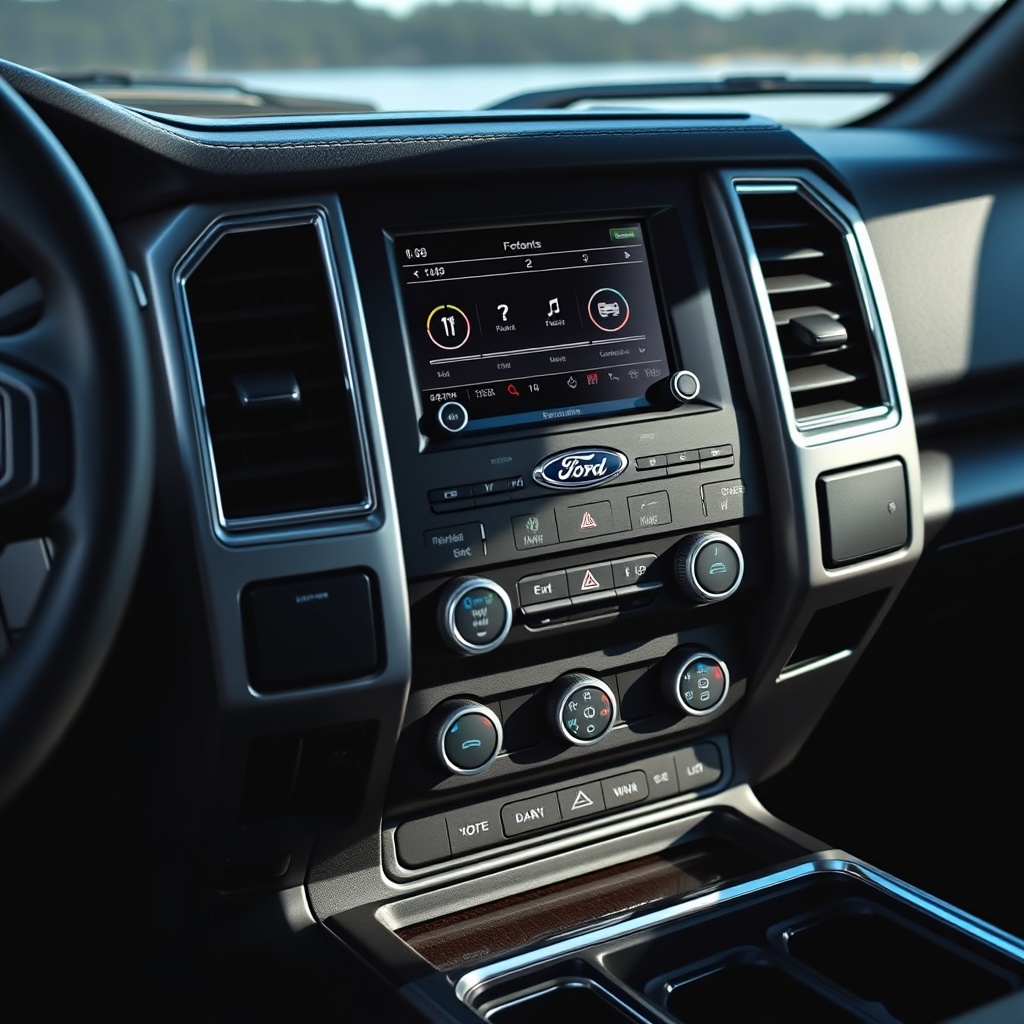
Modern F-Series trucks are packed with cutting-edge tech. Features like Pro Trailer Backup Assist and Blind Spot Monitoring make towing and driving safer than ever. We’ve experienced firsthand how these systems reduce stress, especially in challenging conditions. The integration of SYNC 4 also ensures seamless connectivity, turning the cabin into a mobile office or entertainment hub.
Ford’s Co-Pilot360 suite is another standout, offering adaptive cruise control and lane-keeping assist. These aren’t just luxuries; they’re lifesavers. As reliability and safety expectations grow, the F-Series continues to lead the charge. It’s proof that trucks can be both rugged and smart.
Customization and Trim Options
Exploring Trim Levels
The F-Series offers something for everyone, from the work-ready XL to the luxurious Limited. We’ve spent time in each trim, and the differences are striking. The XLT, for example, balances affordability with premium features, while the Platinum pampers with leather seats and advanced tech. It’s this versatility that makes the F-Series a top choice for diverse buyers.
Special editions like the Tremor and Raptor cater to niche audiences. The Raptor, with its off-road prowess, is a personal favourite. It’s not just a truck; it’s a statement. Ford’s ability to tailor the F-Series to specific needs—whether for work or play—is unparalleled. This level of customization ensures there’s an F-Series for every lifestyle.
Popular Accessories and Upgrades
Owners love personalising their F-Series, and Ford delivers with a vast accessory catalogue. From bed liners to performance exhausts, the options are endless. We’ve seen trucks transformed into mobile offices, camping rigs, and even show vehicles. It’s this adaptability that keeps the F-Series fresh and exciting.
Aftermarket support is equally impressive. Companies like Roush and Shelby offer high-performance packages, pushing the F-Series to new limits. Whether you’re after style, utility, or power, the possibilities are limitless. The F-Series isn’t just a truck; it’s a canvas for creativity.
The Role of the F-Series in Commercial Use
Fleet Sales and Business Applications
We’ve seen the Ford F-Series dominate not just personal use but also the commercial sector. Fleet sales are a massive part of Ford’s strategy, with businesses relying on these trucks for their durability and versatility. From delivery services to construction companies, the F-Series is the go-to choice. Its ability to handle heavy loads and rough terrain makes it indispensable. Many businesses also appreciate the customisation options available, allowing them to tailor the truck to their specific needs. Whether it’s adding storage compartments or upgrading the towing capacity, the F-Series delivers.
Another reason businesses love the F-Series is its reliability. Downtime costs money, and Ford’s reputation for building tough trucks means fewer breakdowns. Fleet managers often highlight the low maintenance costs compared to competitors. The F-Series also integrates seamlessly with business software, making fleet management a breeze. With features like telematics and GPS tracking, companies can monitor their vehicles in real-time. It’s no wonder the F-Series is the backbone of so many operations across industries.
The F-Series in Construction and Agriculture
In construction and agriculture, the F-Series is more than just a vehicle—it’s a tool. Farmers and builders rely on its rugged design to get the job done, no matter the conditions. The F-250 and F-350, in particular, are popular for their heavy-duty capabilities. These models can tow massive loads and handle off-road terrain with ease. For farmers, the F-Series is a workhorse, whether it’s hauling livestock or transporting equipment. The durability of these trucks ensures they can withstand years of hard use.
Construction sites often feature multiple F-Series trucks, each serving a different purpose. Some are fitted with cranes or flatbeds, while others are used for transporting materials. The versatility of the F-Series makes it a favourite among contractors. Plus, the availability of commercial-grade accessories means these trucks can be customised for any task. From snowploughs to utility beds, the options are endless. The F-Series isn’t just a truck; it’s a partner in getting the job done efficiently.
Environmental Considerations
Fuel Efficiency and Emissions
We’re all aware of the growing focus on sustainability, and the F-Series has adapted to meet these demands. Ford has made significant strides in improving fuel efficiency across the lineup. The introduction of turbocharged engines and lightweight materials has helped reduce fuel consumption without sacrificing power. For businesses, this translates to lower operating costs and a smaller carbon footprint. The F-150, for example, offers a range of engine options, including a hybrid model that balances performance and efficiency.
Emissions are another critical area where Ford has made progress. The latest F-Series models meet stringent emissions standards, thanks to advanced engine technology and exhaust systems. The hybrid and electric variants, like the F-150 Lightning, take this a step further by offering zero-emission driving. These innovations are not just good for the planet—they’re also appealing to eco-conscious consumers. Ford’s commitment to sustainability ensures the F-Series remains relevant in a changing world.
The Shift Towards Electric Models
The future of the F-Series is electric, and Ford is leading the charge. The F-150 Lightning has been a game-changer, offering the same rugged capability with zero emissions. Early adopters praise its instant torque and quiet operation, proving that electric trucks can be just as capable as their gas-powered counterparts. Charging infrastructure is expanding, making it easier for owners to keep their trucks powered up. Ford has also introduced smart features like bi-directional charging, allowing the truck to power homes during outages.
Commercial users are particularly excited about the cost savings of electric models. Lower fuel and maintenance costs make the F-150 Lightning an attractive option for fleets. Ford is also exploring electric versions of heavier-duty models, ensuring the entire F-Series lineup can transition to cleaner energy. The shift to electric isn’t just a trend—it’s a necessity, and Ford is ensuring the F-Series remains at the forefront of innovation.
Comparing the F-Series to Competitors
F-Series vs. Chevrolet Silverado
When it comes to full-size trucks, the F-Series and Chevrolet Silverado are often pitted against each other. We’ve found that the F-Series edges out the Silverado in terms of towing capacity and payload. Ford’s innovative features, like the Pro Trailer Backup Assist, make it easier for drivers to handle heavy loads. The Silverado, on the other hand, is praised for its smooth ride and comfortable interior. However, the F-Series offers a wider range of engine options, including hybrid and electric models, giving it an edge in versatility.
Another area where the F-Series shines is technology. Ford’s SYNC infotainment system is more intuitive than Chevrolet’s offering, and the available driver-assist features are top-notch. The Silverado does have its strengths, such as a more spacious cabin, but the F-Series’ reliability and resale value make it a better long-term investment. For those who prioritise performance and innovation, the F-Series is the clear winner.
F-Series vs. RAM Trucks
RAM trucks are known for their luxurious interiors and smooth ride, but the F-Series holds its own in other areas. Ford’s aluminium body construction gives it a weight advantage, improving fuel efficiency without compromising strength. The F-Series also offers a broader range of configurations, from work-ready models to high-end trims like the Platinum. RAM’s air suspension system provides a comfortable ride, but it can’t match the F-Series’ towing and payload capabilities.
Where RAM excels is in interior comfort, with features like reclining rear seats and premium materials. However, the F-Series counters with superior technology, including a larger touchscreen and more advanced safety features. For those who need a truck that can do it all, the F-Series is the better choice. Its blend of performance, technology, and durability makes it the ultimate workhorse. Whether you’re hauling heavy loads or cruising the highway, the F-Series delivers.
Ownership Experiences
Long-Term Reliability Reports
Owners of the F-Series often rave about its long-term reliability. Many report driving their trucks for hundreds of thousands of miles with minimal issues. The robust construction and high-quality materials ensure these trucks can withstand years of heavy use. Regular maintenance is key, but even under tough conditions, the F-Series holds up remarkably well. Ford’s commitment to durability is evident in the countless stories of trucks that just keep going, no matter the challenge.
One common theme in reliability reports is the ease of repairs. Ford’s widespread dealer network means parts are readily available, and mechanics are familiar with the trucks. This reduces downtime and keeps maintenance costs manageable. Owners also appreciate the predictable performance of the F-Series, knowing it won’t let them down when they need it most. Whether it’s a daily commute or a cross-country haul, the F-Series proves its worth time and time again.
Customer Satisfaction and Loyalty
Ford has cultivated a loyal fanbase with the F-Series, and it’s easy to see why. Owners often stick with the brand for decades, upgrading to newer models as their needs evolve. The sense of community among F-Series drivers is strong, with clubs and forums dedicated to sharing tips and stories. Many owners cite the truck’s versatility as a major factor in their satisfaction. Whether it’s for work, play, or family use, the F-Series adapts to fit any lifestyle.
Customer service also plays a role in this loyalty. Ford’s warranty and service programs are designed to keep owners happy long after the purchase. The brand’s commitment to innovation ensures that each new model offers something exciting, keeping customers coming back. For many, the F-Series isn’t just a truck—it’s a part of their identity. This deep connection between owners and their vehicles is a testament to Ford’s ability to deliver quality and performance year after year.
Future of the F-Series
Upcoming Models and Features
We’re excited about the future of the Ford F-Series, with new models like the F-150 Lightning leading the charge. Ford is pushing boundaries with over-the-air updates and advanced driving aids, making these trucks smarter than ever. The upcoming F-150 Lobo promises a blend of street performance and utility, while the Lightning continues to dominate the electric truck market. With innovations like V2G power, Ford is ensuring the F-Series remains at the forefront of automotive technology.
The F-Series lineup is expanding to include hybrid and fully electric options, catering to diverse customer needs. Ford’s commitment to sustainability is evident in their shift towards eco-friendly powertrains. New trim levels and customisation options will allow buyers to tailor their trucks to perfection. From rugged off-road capabilities to luxurious interiors, the F-Series is set to offer something for everyone. Stay tuned for more groundbreaking announcements.
The Vision for Electric Trucks
Ford’s vision for electric trucks is clear: combine power, efficiency, and innovation. The F-150 Lightning is just the beginning, with plans for more electric models in the pipeline. These trucks will feature faster charging, longer ranges, and cutting-edge tech. Ford aims to make electric trucks accessible to both commercial and personal users. The focus is on reducing emissions without compromising performance.
Electric trucks are set to revolutionise industries like construction and logistics. Ford is investing heavily in infrastructure to support this transition. Partnerships with charging networks ensure seamless long-distance travel. The F-Series electric models will also integrate smart home energy solutions. This forward-thinking approach solidifies Ford’s position as a leader in the electric vehicle market.
How to Choose the Right F-Series for You
Assessing Your Needs
Choosing the right F-Series starts with understanding your needs. For heavy-duty tasks, the F-250 or F-350 offers unmatched towing and payload capacities. If you’re after a daily driver with occasional hauling, the F-150 is a versatile choice. Consider fuel efficiency, especially with hybrid and electric models gaining traction. Think about cabin space and comfort, especially if you’ll spend long hours on the road.
Budget plays a crucial role in your decision. While base models are affordable, higher trims offer luxury features. Test-driving different models helps you gauge performance and comfort. Don’t forget to factor in maintenance costs and resale value. Ford’s extensive lineup ensures there’s an F-Series truck tailored to your lifestyle.
Budgeting for Your Purchase
Budgeting for an F-Series involves more than just the sticker price. Consider financing options, insurance, and potential tax incentives for electric models. The F-150 Lightning qualifies for federal credits, making it a cost-effective choice. Leasing is another option if you prefer lower monthly payments. Always account for long-term costs like fuel, maintenance, and repairs.
Trade-ins can significantly reduce your upfront costs. Research current market values to ensure a fair deal. Ford often offers promotional financing rates, so keep an eye out for deals. Don’t overlook extended warranties for added peace of mind. A well-planned budget ensures you get the best value for your investment.
Maintaining Your F-Series Truck
Routine Maintenance Tips
Regular maintenance is key to keeping your F-Series running smoothly. Follow the manufacturer’s schedule for oil changes, filter replacements, and fluid checks. Rotate your tyres every 5,000 to 7,500 miles to ensure even wear. Inspect brakes and suspension components periodically. Keeping your truck clean, especially the undercarriage, prevents rust and corrosion.
Pay attention to warning lights and unusual noises. Addressing minor issues early prevents costly repairs later. Use genuine Ford parts for replacements to maintain performance. Battery care is crucial for hybrid and electric models. A well-maintained F-Series will serve you reliably for years to come.
Common Repairs and Solutions
Common issues with F-Series trucks include transmission problems and electrical glitches. Regular servicing can mitigate these risks. For diesel models, watch out for fuel system issues. The F-150’s turbocharged engines may require more frequent attention. Always consult a certified mechanic for complex repairs.
Rust is a common concern, especially in older models. Apply rust-proofing treatments to vulnerable areas. Keep an eye on the exhaust system for leaks or damage. For electric models, monitor battery health and charging efficiency. Proactive care ensures your truck remains in top condition.
Frequently Asked Questions
What is the most fuel-efficient F-Series model?
The F-150 Hybrid currently offers the best fuel efficiency in the lineup, combining a V6 engine with electric power. It delivers impressive mileage without sacrificing performance. Electric models like the F-150 Lightning are even more efficient, with zero emissions. Ford continues to innovate in this space, so expect more eco-friendly options.
How does the F-150 Lightning compare to competitors?
The F-150 Lightning stands out with its V2G capability and robust towing capacity. It competes closely with the Chevrolet Silverado EV and Tesla Cybertruck. Ford’s extensive dealer network and proven reliability give it an edge. The Lightning also offers a more traditional truck design, appealing to purists.
What are the benefits of owning an F-Series truck?
F-Series trucks are known for their durability, versatility, and resale value. They excel in towing, payload, and off-road performance. Ford’s extensive trim levels allow for customisation. The brand’s commitment to innovation ensures you get cutting-edge technology. Whether for work or play, an F-Series is a solid investment.
How often should I service my F-Series truck?
Follow Ford’s recommended service intervals, typically every 7,500 to 10,000 miles. Hybrid and electric models may have different requirements. Regular checks on fluids, brakes, and tyres are essential. Severe driving conditions may necessitate more frequent servicing. Always refer to your owner’s manual for specifics.
Are F-Series trucks good for off-roading?
Absolutely! Models like the F-150 Raptor are built for off-road adventures. They feature advanced suspension systems and rugged tyres. The Tremor package enhances off-road capabilities for other trims. Ford’s terrain management systems make tackling rough terrain easier. Whether it’s mud, sand, or rocks, an F-Series can handle it.