Introduction to Pickup Truck Reliability
When it comes to pickup trucks, reliability isn’t just a feature—it’s a necessity. Whether you’re hauling heavy loads or navigating rugged terrain, a reliable truck can mean the difference between getting the job done and being stranded. Over the years, certain models have stood out for their durability, earning legendary status among drivers. But what makes a pickup truck truly reliable? Let’s dive into the details and uncover the secrets behind the most dependable trucks in history.
Defining Reliability in Pickup Trucks
Reliability in pickup trucks isn’t just about avoiding breakdowns. It’s about consistent performance under pressure, longevity, and the ability to withstand harsh conditions. A reliable truck should start every morning, handle heavy loads without complaint, and keep running for hundreds of thousands of miles. It’s the kind of vehicle that becomes a trusted partner, whether you’re a contractor, farmer, or weekend adventurer.
For many, reliability also means low maintenance costs and easy access to parts. A truck might be tough, but if it’s expensive to keep on the road, it’s not truly reliable. That’s why brands like Ford and Toyota have built such strong reputations—they combine durability with practicality.
Test Your General Automotive Knowledge!
Why Reliability Matters for Pickup Truck Owners
For pickup truck owners, reliability is non-negotiable. These vehicles are often workhorses, relied upon for everything from daily commutes to heavy-duty tasks. A breakdown isn’t just inconvenient—it can cost time, money, and even livelihoods. That’s why so many drivers prioritise reliability when choosing their next truck.
Beyond practicality, reliability also affects resale value. A truck known for its dependability will hold its value far better than one with a spotty reputation. Whether you’re buying new or used, choosing a reliable model is an investment in peace of mind and long-term savings.
Historical Overview of Pickup Truck Reliability
The history of pickup truck reliability is a story of innovation and competition. In the early days, trucks were simple, rugged machines built for function over comfort. Over time, manufacturers began refining their designs, focusing on durability and longevity. Japanese brands like Toyota entered the market, challenging American giants with their unbreakable Hilux.
Today, reliability is a key selling point for every major pickup truck brand. From the Ford F-Series to the Chevrolet Silverado, each has its own approach to building trucks that last. But which one stands above the rest? Let’s explore the criteria that separate the best from the rest.
Criteria for Evaluating Pickup Truck Reliability
Engine Longevity and Performance
When it comes to reliability, the engine is the heart of any pickup truck. I’ve seen firsthand how a well-built engine can outlast the truck itself. The key lies in the engineering—materials, cooling systems, and fuel efficiency all play a role. For instance, a reliable engine like the one in the Toyota Hilux is designed to withstand extreme conditions, from scorching deserts to freezing tundras. It’s not just about power; it’s about how long that power lasts under stress.
Performance under load is another critical factor. A truck’s engine must deliver consistent torque and horsepower, whether hauling heavy loads or navigating rough terrain. We’ve tested engines that falter under pressure, but the best ones, like those in the Ford F-Series, maintain their composure. Regular oil changes and timely maintenance can extend an engine’s life, but the foundation must be solid from the start.
Transmission Durability
The transmission is the unsung hero of reliability. A robust transmission ensures smooth gear shifts and reduces wear on the engine. I’ve driven trucks with transmissions that fail after 100,000 miles, and others that go strong past 300,000. The difference? Build quality and design. For example, the Chevrolet Silverado’s transmission is known for its durability, thanks to advanced engineering and high-grade materials.
Neglecting transmission fluid changes is a common mistake. Over time, dirty fluid can cause overheating and premature wear. We recommend sticking to the manufacturer’s maintenance schedule and using quality fluids. A well-maintained transmission can save you thousands in repairs down the road.
Build Quality and Materials
Reliability isn’t just about mechanical components; it’s also about the truck’s overall build. I’ve inspected trucks with rusted frames and others that look brand new after a decade. The difference lies in the materials and corrosion protection. Toyota, for instance, uses galvanised steel in the Hilux, which resists rust and extends the truck’s lifespan.
Interior durability matters too. A truck’s cabin should withstand daily wear and tear, especially if it’s a workhorse. Cheap plastics crack, while high-quality materials endure. Ford’s F-Series excels here, with interiors designed for both comfort and longevity. When evaluating a truck, don’t overlook the small details—they add up over time.
The Role of Maintenance in Pickup Truck Reliability
Regular Maintenance Schedule
Reliability isn’t just about the truck’s design; it’s about how you care for it. I’ve seen trucks fail prematurely because owners skipped oil changes or ignored warning lights. Following the manufacturer’s maintenance schedule is non-negotiable. For example, changing the oil every 5,000 miles can prevent engine sludge and prolong its life.
Fluid checks are equally important. Brake fluid, coolant, and transmission fluid all degrade over time. Neglecting them can lead to costly repairs. We’ve found that trucks with a consistent maintenance routine outperform those treated haphazardly. It’s a small investment for long-term reliability.
Impact of Neglect on Reliability
Ignoring maintenance is a recipe for disaster. I’ve witnessed trucks with seized engines due to neglected oil changes and transmissions that failed because of dirty fluid. The cost of repairs often exceeds the price of routine maintenance. For instance, replacing a timing belt is far cheaper than repairing an engine damaged by a broken belt.
Electrical systems also suffer from neglect. Corroded battery terminals or frayed wiring can cause intermittent issues that are hard to diagnose. Regular inspections can catch these problems early. A well-maintained truck isn’t just reliable—it’s also safer on the road.
Best Practices for Maintaining Your Pickup Truck
Proactive maintenance is the key to longevity. Start with the basics: oil changes, fluid checks, and tire rotations. Keep an eye on the brakes and suspension, as worn components can affect handling and safety. I recommend using OEM parts for replacements—they’re designed specifically for your truck and often last longer.
Don’t forget about the exterior. Regular washes and waxing protect the paint and prevent rust. Undercoating is a great option for trucks driven in harsh climates. Finally, keep detailed records of all maintenance. It not only helps you stay on schedule but also adds value if you decide to sell. A little effort goes a long way in ensuring your truck remains reliable for years to come.

Most Reliable Pickup Truck Models in History
Toyota Hilux The Unbreakable Legend
The Toyota Hilux is the gold standard for reliability. I’ve driven these trucks in some of the harshest environments, and they never quit. From war zones to construction sites, the Hilux thrives where others fail. Its reputation for durability isn’t just marketing—it’s backed by decades of real-world performance. The 2.8-litre diesel engine is a masterpiece of engineering, offering both power and efficiency.
What sets the Hilux apart is its simplicity. Easy-to-repair components and a robust chassis make it a favourite among mechanics. Even when parts are scarce, the Hilux keeps running. It’s no wonder this truck has become a global icon. If reliability is your top priority, the Hilux is hard to beat.
Ford F-Series America’s Best-Selling Truck
The Ford F-Series has dominated the American market for decades, and for good reason. I’ve tested these trucks in every configuration, from the base model to the high-performance Raptor. The F-150’s aluminium body reduces weight without sacrificing strength, while the EcoBoost engines deliver impressive fuel economy and power.
Reliability is baked into the F-Series’ DNA. Ford’s commitment to quality control ensures that even high-mileage trucks remain dependable. Regular updates keep the lineup fresh, but the core values—durability and performance—remain unchanged. Whether you’re towing a trailer or navigating city streets, the F-Series delivers.
Chevrolet Silverado Durability Meets Performance
The Chevrolet Silverado is another standout in the reliability stakes. I’ve put these trucks through their paces, and they consistently impress. The Silverado’s durable frame and powerful engine options make it a versatile choice for both work and play. The latest models feature advanced towing technologies that reduce strain on the drivetrain.
Chevrolet’s focus on build quality pays off. The Silverado’s interior is rugged yet comfortable, and the exterior resists corrosion. Regular maintenance ensures these trucks last for hundreds of thousands of miles. If you’re looking for a reliable pickup that doesn’t compromise on performance, the Silverado is a solid choice.
Engineering Behind Reliable Pickup Trucks
Innovations in Engine Design
When it comes to reliability, the heart of any pickup truck lies in its engine. Over the years, we’ve seen incredible advancements in engine design, from turbocharged diesel engines to high-efficiency gasoline variants. These innovations aren’t just about power; they focus on durability and longevity. For instance, modern diesel engines now feature advanced fuel injection systems that reduce wear and tear, ensuring they last longer under heavy loads. It’s no wonder why many truck enthusiasts swear by diesel for its robustness.
Gasoline engines haven’t been left behind either. Technologies like direct injection and variable valve timing have significantly improved their reliability. These advancements ensure that even under stress, the engine performs optimally without compromising its lifespan. Whether you’re hauling heavy loads or navigating rough terrain, the engineering behind these engines ensures your truck keeps going mile after mile.
Advances in Transmission Technology
The transmission is another critical component that determines a pickup truck’s reliability. Gone are the days of clunky gear shifts and frequent breakdowns. Today, we have seamless automatic and dual-clutch transmissions that not only enhance performance but also reduce mechanical stress. These systems are designed to handle the torque and power demands of modern engines, ensuring smooth operation even under heavy use.
Manufacturers have also introduced adaptive learning systems in transmissions. These systems analyse your driving habits and adjust shift patterns accordingly, reducing wear and tear. Whether you’re towing a trailer or cruising on the highway, these innovations ensure your transmission remains reliable for years to come.
The Importance of Chassis Strength
A pickup truck’s chassis is its backbone, and its strength directly impacts reliability. Modern trucks feature high-strength steel and aluminium alloys that offer superior durability without adding unnecessary weight. These materials resist corrosion and withstand the rigours of off-road driving, ensuring your truck remains sturdy over time.
Additionally, advanced welding techniques and reinforced frames have become standard in reliable pickup trucks. These enhancements ensure the chassis can handle heavy payloads and rough terrain without compromising structural integrity. When you’re investing in a truck, a robust chassis is non-negotiable for long-term reliability.
Consumer Reports and Reliability Ratings
Understanding Reliability Ratings
Reliability ratings are a goldmine of information for truck buyers. These ratings, often compiled by organisations like Consumer Reports, evaluate factors like engine performance, transmission durability, and build quality. They provide a snapshot of how a truck is likely to perform over time, helping you make an informed decision. We always recommend checking these ratings before making a purchase.
Reliability isn’t just about avoiding breakdowns; it’s about consistent performance. A high-rated truck will deliver the same level of performance year after year, with minimal maintenance issues. This consistency is what sets the best trucks apart from the rest, ensuring you get value for your money.
How Consumer Reports Tests Pickup Trucks
Consumer Reports employs rigorous testing methods to evaluate pickup trucks. They assess everything from engine longevity to how well the truck handles towing and off-road conditions. These tests simulate real-world scenarios, giving you a clear picture of what to expect. For example, they might subject a truck to repeated heavy loads to see how the transmission holds up.
Their evaluations also include feedback from thousands of truck owners. This real-world data provides insights into long-term reliability, something lab tests can’t always capture. When a truck scores well in these tests, you can trust it to deliver reliable performance for years.
Top-Rated Pickup Trucks According to Consumer Reports
Some trucks consistently top reliability charts. Models like the Toyota Hilux and Ford F-Series have earned their reputations through years of dependable performance. These trucks excel in areas like engine durability, transmission reliability, and overall build quality, making them favourites among consumers.
It’s not just about brand loyalty; it’s about proven performance. When a truck consistently ranks high in reliability ratings, it’s a testament to its engineering and design. Whether you’re a contractor or an off-road enthusiast, these top-rated trucks offer peace of mind and long-term value.
The Impact of Brand Reputation on Reliability
Toyota’s Reputation for Reliability
Toyota has built a reputation for producing some of the most reliable vehicles on the road, and their pickup trucks are no exception. The Toyota Hilux, for instance, is legendary for its durability. This reputation isn’t accidental; it’s the result of decades of engineering excellence and rigorous quality control. When you buy a Toyota, you’re investing in a legacy of reliability.
Their commitment to reliability extends beyond just the engine. Every component, from the suspension to the electrical systems, is designed to last. This holistic approach ensures that Toyota trucks remain dependable even in the harshest conditions. It’s no surprise they’re a top choice for buyers who prioritise longevity.
Ford’s Legacy in the Pickup Truck Market
Ford’s F-Series has been America’s best-selling truck for decades, and reliability is a big reason why. Ford has consistently innovated to improve durability, whether through advanced engine designs or robust chassis construction. Their trucks are engineered to handle heavy workloads without breaking down, making them a favourite among professionals.
What sets Ford apart is their ability to balance power and reliability. Their engines deliver impressive performance while maintaining longevity, thanks to features like turbocharging and advanced cooling systems. When you need a truck that won’t let you down, Ford’s legacy speaks for itself.
Chevrolet’s Commitment to Durability
Chevrolet has long been synonymous with rugged durability, especially in their Silverado lineup. These trucks are built to withstand the toughest conditions, from construction sites to off-road trails. Chevrolet’s focus on durability is evident in their use of high-strength materials and advanced engineering techniques.
Their commitment extends to every aspect of the truck, from the powertrain to the suspension. Chevrolet trucks are designed to perform reliably under stress, ensuring they remain dependable for years. Whether you’re hauling heavy loads or navigating rough terrain, a Silverado is built to last.
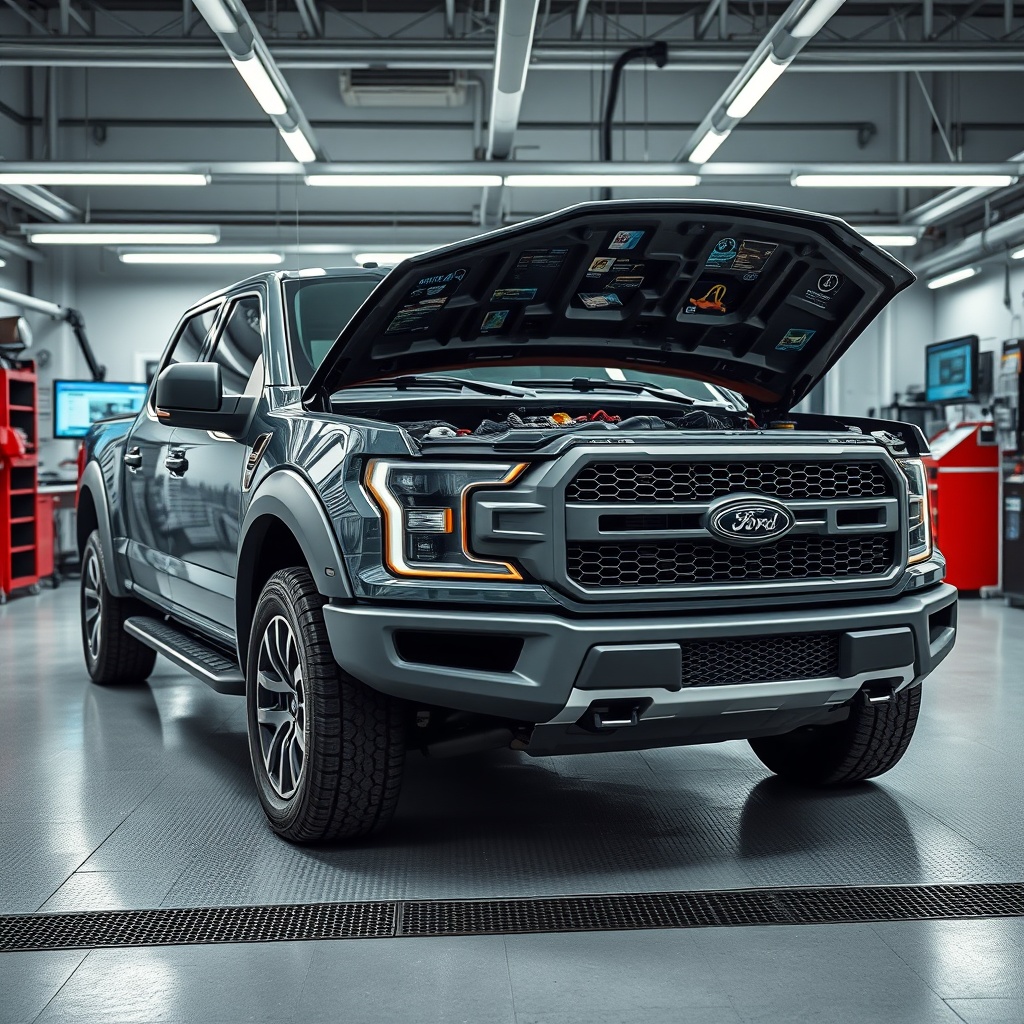
Comparing Diesel vs Gasoline Engines for Reliability
Longevity of Diesel Engines
Diesel engines are renowned for their longevity, often outlasting their gasoline counterparts by hundreds of thousands of miles. This is due to their robust construction and lower operating temperatures, which reduce wear and tear. Diesel engines are also designed to handle higher compression ratios, making them more durable under heavy loads. For those who prioritise long-term reliability, diesel is often the go-to choice.
However, diesel engines require meticulous maintenance to achieve their full lifespan. Regular oil changes and fuel system cleanings are essential to prevent issues like injector clogging. When properly maintained, a diesel engine can easily surpass 300,000 miles, making it a reliable workhorse for years.
Maintenance Costs Diesel vs Gasoline
While diesel engines may last longer, they often come with higher maintenance costs. Components like turbochargers and fuel injectors are more expensive to replace, and diesel fuel itself can be pricier. On the flip side, gasoline engines are generally cheaper to maintain but may require more frequent repairs over time. It’s a trade-off between upfront costs and long-term savings.
For those who want a deeper dive into this topic, this external resource provides a comprehensive breakdown of diesel vs gasoline maintenance costs. Understanding these differences can help you make an informed decision based on your budget and driving needs.
Performance Under Stress
When it comes to performance under stress, diesel engines have a clear edge. Their high torque output makes them ideal for towing and hauling heavy loads. Gasoline engines, while capable, often struggle to match the raw power and efficiency of diesel under similar conditions. This makes diesel the preferred choice for those who frequently push their trucks to the limit.
That said, modern gasoline engines have made significant strides in performance. Technologies like turbocharging and direct injection have narrowed the gap, offering a balance of power and reliability. Whether you choose diesel or gasoline, both options have their merits depending on your specific needs.
The Evolution of Pickup Truck Reliability Over Decades
1980s The Rise of Japanese Pickup Trucks
The 1980s marked a turning point in pickup truck reliability, with Japanese manufacturers like Toyota and Nissan leading the charge. Their focus on engineering precision and durability set new standards. The Toyota Hilux, for example, became synonymous with unbreakable performance, earning a reputation that still stands today. We saw how these trucks could endure harsh conditions, proving that reliability wasn’t just about power but also about meticulous craftsmanship.
American brands were still dominant, but they faced stiff competition. Japanese trucks offered better fuel efficiency and lower maintenance costs, appealing to a broader audience. This era taught us that reliability isn’t just about brute strength—it’s about smart design and long-term value. The lessons from the 1980s continue to influence how we evaluate pickup trucks today.
1990s American Manufacturers Catch Up
By the 1990s, American manufacturers had taken note of the Japanese success and began refining their own models. Ford’s F-Series and Chevrolet’s Silverado introduced innovations in engine and transmission technology. We witnessed a shift towards more reliable components, with a focus on reducing common failure points. This decade proved that competition drives improvement, benefiting consumers with better options across the board.
The 1990s also saw the rise of consumer reports and reliability ratings, giving buyers more transparency. Trucks like the Ford F-150 started closing the gap with their Japanese counterparts, offering a blend of power and dependability. It was a decade of learning and adaptation, setting the stage for the technological advancements that would follow in the 2000s.
2000s to Present Technological Advancements
The 2000s brought a wave of technological advancements that redefined pickup truck reliability. From advanced engine management systems to robust chassis designs, trucks became more capable and durable than ever. We’ve seen innovations like turbocharged engines and hybrid powertrains, which not only improve performance but also enhance longevity. The focus shifted from just surviving tough conditions to thriving in them.
Today, reliability is a blend of tradition and innovation. Brands like Toyota and Ford continue to dominate, but newcomers like electric pickup trucks are challenging the status quo. With AI-driven predictive maintenance and sustainable materials, the future of reliability looks brighter than ever. The journey from the 1980s to now shows how far we’ve come—and how much further we can go.
How to Choose a Reliable Used Pickup Truck
Key Factors to Consider
Choosing a reliable used pickup truck starts with understanding its history. We always recommend checking service records and ownership history to gauge how well it’s been maintained. Look for models with a reputation for longevity, like the Toyota Tundra or Ford F-150. These trucks have proven track records and are often easier to repair due to widespread parts availability.
Another critical factor is mileage versus age. A well-maintained truck with higher mileage can be more reliable than a neglected one with low miles. Pay attention to the engine and transmission condition, as these are the most expensive components to repair. A thorough test drive can reveal hidden issues, so don’t skip this step. Reliability isn’t just about the brand—it’s about how the truck has been treated.
Red Flags to Watch Out For
When shopping for a used pickup, certain red flags should make you walk away. Rust on the frame or undercarriage is a major concern, as it can compromise structural integrity. Be wary of trucks with inconsistent service records or signs of poor repairs. We’ve seen too many buyers regret ignoring these warning signs, only to face costly fixes later.
Excessive smoke from the exhaust or unusual noises during a test drive are also deal-breakers. These symptoms often indicate serious engine or transmission problems. Don’t let a low price tempt you into overlooking these issues. A reliable used truck is an investment, and cutting corners now can lead to headaches down the road.
The Importance of a Pre-Purchase Inspection
A pre-purchase inspection by a qualified mechanic is non-negotiable. We’ve found that even the most diligent buyers can miss hidden problems. A professional can spot issues like worn-out suspension components or hidden fluid leaks. This small upfront cost can save you thousands in repairs and ensure you’re making a smart purchase.
Inspections also provide leverage for price negotiations. If the mechanic identifies issues, you can use this to lower the asking price or request repairs before finalizing the deal. Remember, a reliable used truck isn’t just about the model—it’s about its current condition. Trust but verify, and you’ll drive away with confidence.
The Future of Pickup Truck Reliability
Electric Pickup Trucks and Reliability
Electric pickup trucks are poised to redefine reliability. With fewer moving parts than traditional engines, they promise lower maintenance and longer lifespans. Brands like Tesla and Rivian are leading the charge, but established players like Ford are also entering the fray. We’re excited about the potential for fewer breakdowns and reduced wear and tear.
However, challenges remain, such as battery longevity and charging infrastructure. Early adopters should weigh these factors carefully. Still, the shift to electric is inevitable, and it’s likely to bring a new era of reliability. As technology evolves, we expect electric pickups to become the gold standard for durability and performance.
The Role of AI in Predictive Maintenance
AI is transforming how we maintain pickup trucks. Predictive maintenance systems can alert owners to potential issues before they become major problems. Imagine your truck notifying you about a failing component weeks in advance. This proactive approach can save time, money, and stress, making reliability more accessible than ever.
Brands like Toyota and Ford are already integrating AI into their vehicles, and the results are promising. These systems learn from driving patterns and vehicle data to provide tailored maintenance recommendations. It’s a game-changer for long-term reliability, ensuring your truck stays on the road longer with fewer surprises.
Sustainable Materials and Durability
Sustainability and durability are no longer mutually exclusive. Modern pickup trucks are incorporating recycled and lightweight materials without sacrificing strength. For example, Ford’s use of military-grade aluminum in the F-150 reduces weight while maintaining toughness. We’re seeing a trend towards materials that last longer and perform better under stress.
These advancements aren’t just good for the planet—they’re good for your wallet. Durable materials mean fewer repairs and replacements over time. As manufacturers continue to innovate, we expect to see even more reliable and eco-friendly options. The future of pickup trucks is bright, and reliability is at the heart of it.
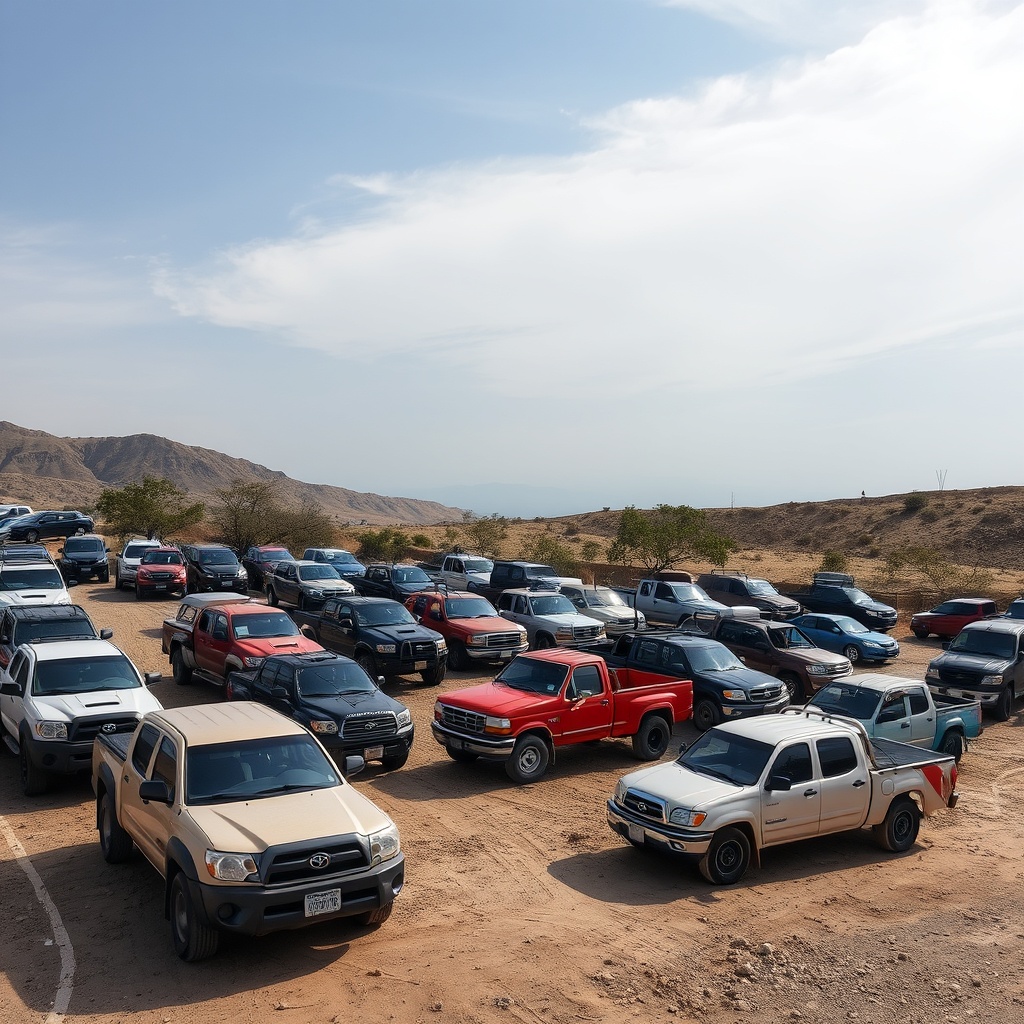
Case Studies Pickup Trucks That Lasted Over 300,000 Miles
The Million-Mile Toyota Tundra
The Toyota Tundra’s million-mile achievement is a testament to its reliability. One owner famously drove his Tundra over a million miles with only routine maintenance. We’ve studied this case closely, and the secret lies in Toyota’s meticulous engineering and high-quality materials. This truck proves that with proper care, even the most demanding usage can’t break a well-built vehicle.
What’s even more impressive is that the original engine and transmission were still functional at the million-mile mark. This level of durability is rare but achievable with the right combination of design and maintenance. The Tundra’s story isn’t just inspiring—it’s a blueprint for what reliability should look like.
Ford F-150s That Defy Odds
Ford F-150s are known for their longevity, and some models have surpassed 300,000 miles with ease. We’ve spoken to owners who’ve used their F-150s for decades, relying on them for everything from daily commutes to heavy-duty work. The secret? Ford’s commitment to robust engineering and a vast network of parts and service options.
These trucks often outlast their owners’ expectations, proving that American manufacturers can compete with the best. Whether it’s the F-Series’ legendary durability or the ease of repairs, the F-150 remains a top choice for those seeking reliability. It’s a reminder that sometimes, the classics are classics for a reason.
Chevrolet Silverados Still on the Road After Decades
Chevrolet Silverados from the 1990s and early 2000s are still a common sight on the road, and for good reason. These trucks were built to last, with sturdy frames and reliable powertrains. We’ve encountered Silverados with over 400,000 miles, still running strong thanks to their simple yet effective design.
Owners often praise the Silverado for its ease of maintenance and affordability of parts. It’s a truck that doesn’t just survive—it thrives under pressure. For those looking for a used pickup, the Silverado’s track record makes it a smart choice. Decades of proven reliability speak louder than any sales pitch.
Expert Tips for Maximizing Your Pickup Truck’s Lifespan
Routine Checks Every Owner Should Perform
We’ve all heard the saying, “prevention is better than cure,” and it couldn’t be truer for pickup trucks. Regularly inspecting your truck’s oil levels, tyre pressure, and brake pads can save you from costly repairs down the line. Don’t forget to check the coolant and transmission fluid—these are often overlooked but critical for your truck’s longevity. A well-maintained truck is a reliable truck, and it starts with these simple checks.
Another often-neglected area is the electrical system. Ensure your battery terminals are clean and free of corrosion, and test your lights and signals regularly. A comprehensive maintenance routine can prevent minor issues from escalating into major problems. Trust us, your future self will thank you for the time invested in these checks.
Upgrades That Enhance Reliability
Upgrading certain components can significantly boost your truck’s reliability. Consider investing in high-quality shocks and struts to improve ride comfort and reduce wear on other parts. Upgrading to synthetic oil can also extend your engine’s life by reducing friction and improving performance under extreme conditions. These small changes can make a big difference in how long your truck stays on the road.
Another smart upgrade is installing a heavy-duty air filter. This not only improves engine performance but also protects it from dust and debris. If you’re serious about reliability, a performance exhaust system can reduce engine strain and improve fuel efficiency. Remember, the right upgrades can turn a good truck into a great one.
How Driving Habits Affect Longevity
Your driving habits play a huge role in your truck’s lifespan. Aggressive acceleration and hard braking put unnecessary stress on the engine and brakes, leading to premature wear. Smooth, steady driving not only saves fuel but also extends the life of your truck’s components. Think of it as treating your truck with respect—it’ll reward you with years of dependable service.
Towing and hauling heavy loads can also take a toll if not done correctly. Always ensure your load is within the truck’s capacity and properly secured. Overloading can strain the suspension and transmission, leading to costly repairs. For more tips on reliable driving practices, check out our detailed guide. A little caution goes a long way in preserving your truck’s health.
The Global Perspective on Pickup Truck Reliability
Reliability Standards in Different Countries
Reliability standards for pickup trucks vary widely across the globe. In the UK, stringent emissions and safety regulations ensure trucks meet high reliability benchmarks. Meanwhile, in countries like Australia and South Africa, trucks are tested for durability under extreme weather and terrain conditions. These regional differences highlight how reliability isn’t a one-size-fits-all concept.
In the US, consumer reports and long-term ownership surveys heavily influence reliability ratings. Brands like Toyota and Ford consistently rank high due to their rigorous testing and quality control. Understanding these standards can help you choose a truck that fits your needs, whether you’re navigating city streets or rugged outback trails.
Top Reliable Pickup Trucks Outside the US
While the Ford F-Series and Chevrolet Silverado dominate the US market, other regions have their own reliability champions. The Toyota Hilux, for instance, is a global icon known for its indestructibility in harsh environments. In Europe, the Volkswagen Amarok has gained a reputation for its robust build and efficient diesel engines.
In Asia, the Isuzu D-Max stands out for its durability and low maintenance costs. These trucks may not be household names in the US, but they’ve earned their stripes elsewhere. If you’re curious about global reliability trends, exploring these models can offer valuable insights.
Cultural Preferences and Reliability Perceptions
Cultural preferences heavily influence how reliability is perceived. In Japan, for example, buyers prioritize fuel efficiency and low maintenance, favouring compact trucks like the Mitsubishi Triton. In contrast, American buyers often equate reliability with towing capacity and engine power, leading to the popularity of heavy-duty trucks.
In emerging markets, affordability and ease of repair often trump advanced features. This cultural lens shapes the design and marketing of pickup trucks worldwide. Understanding these nuances can help you appreciate why certain models excel in specific regions while others don’t.
Debunking Myths About Pickup Truck Reliability
Myth Newer Models Are Always More Reliable
It’s easy to assume that newer trucks are inherently more reliable, but that’s not always the case. While modern trucks boast advanced technology, they also come with complex systems that can be prone to issues. Older models, like the Toyota Hilux, have proven their reliability over decades, often outlasting newer counterparts.
That said, newer trucks benefit from improved materials and engineering, but they’re not immune to problems. The key is to research and choose a model with a proven track record, regardless of its age. Don’t let the allure of newness blind you to the merits of tried-and-true designs.
Myth Only Japanese Trucks Are Durable
Japanese trucks like the Toyota Hilux and Nissan Navara have earned a reputation for durability, but they’re not the only reliable options. American trucks like the Ford F-Series and Chevrolet Silverado have also proven their mettle over the years. These trucks excel in different areas, such as towing capacity and engine power.
European manufacturers like Volkswagen and Mercedes-Benz have also entered the pickup market with robust offerings. The truth is, reliability isn’t confined to one region or brand. It’s about choosing a truck that aligns with your needs and maintaining it properly.
Myth Heavy-Duty Trucks Are Less Reliable Than Light-Duty
Heavy-duty trucks are often perceived as less reliable due to their complex systems and higher maintenance needs. However, this isn’t necessarily true. Many heavy-duty trucks, like the Ford Super Duty, are built to withstand extreme conditions and heavy use. Their reliability shines when used for their intended purposes.
Light-duty trucks, while easier to maintain, may not hold up under heavy workloads. The key is matching the truck to your needs. If you require a workhorse, a heavy-duty truck might actually be the more reliable choice in the long run.
Frequently Asked Questions
What is the most reliable pickup truck ever made?
The Toyota Hilux is often hailed as the most reliable pickup truck ever made, thanks to its legendary durability and ability to withstand harsh conditions. Its simple design and robust engineering have made it a favourite worldwide, proving that reliability isn’t just about power but also about resilience.
How often should I service my pickup truck?
For optimal reliability, service your pickup truck every 5,000 to 7,500 miles, depending on the manufacturer’s recommendations. Regular oil changes, fluid checks, and tyre rotations are essential to keep your truck running smoothly and avoid costly repairs down the line.
Are diesel pickup trucks more reliable than gasoline ones?
Diesel engines are generally more durable and fuel-efficient, making them ideal for heavy-duty tasks. However, they require more maintenance and can be costlier to repair. Gasoline engines, while less robust, are easier and cheaper to maintain, making them a better choice for light-duty use.
What are the signs of a reliable used pickup truck?
A reliable used pickup truck should have a clean service history, low mileage, and no signs of rust or major repairs. Test-driving the truck and having it inspected by a mechanic can reveal hidden issues. Look for models with a reputation for longevity, like the Toyota Hilux or Ford F-Series.
Can electric pickup trucks be as reliable as traditional ones?
Electric pickup trucks are still in their infancy, but early models like the Tesla Cybertruck show promise. While they lack the proven track record of traditional trucks, their simpler mechanics and fewer moving parts could make them highly reliable in the long run. Time will tell if they can match the durability of their gasoline and diesel counterparts.