Introduction to Suzuki Alto Common Problems
When it comes to compact cars, the Suzuki Alto has long been a favourite for its affordability and fuel efficiency. But like any vehicle, it’s not without its quirks and issues. Over the years, I’ve heard countless stories from Alto owners about the challenges they’ve faced, and I’ve seen firsthand how these problems can impact the driving experience. Whether you’re a current owner or considering buying one, it’s essential to know what you might be getting into.
From engine hiccups to electrical gremlins, the Alto has its fair share of common problems. Some are minor annoyances, while others can be costly if left unchecked. In this article, I’ll walk you through the most frequent issues reported by Alto drivers, offering insights and practical advice to keep your car running smoothly. After all, forewarned is forearmed—especially when it comes to car maintenance.
Key Takeaways
- The Suzuki Alto is prone to engine performance issues, including misfiring and overheating.
- Transmission challenges, such as gear shifting problems, are commonly reported.
- Electrical system faults, like power window failures, can be frustrating for owners.
- Regular maintenance and quality parts are crucial to prevent costly repairs.
Test Your General Automotive Knowledge!
Engine Performance Issues
The heart of any car is its engine, and the Suzuki Alto is no exception. Unfortunately, many owners have reported issues that affect performance and reliability. Misfiring, for instance, is a frequent complaint. This can lead to a lack of power, rough idling, and even stalling—hardly ideal when you’re navigating busy streets or merging onto a motorway. Often, the culprit is a faulty spark plug or a clogged fuel injector, but diagnosing the exact cause is key.
Another headache for Alto drivers is overheating. Whether it’s due to a malfunctioning thermostat or a leak in the cooling system, an overheating engine can cause serious damage if ignored. I’ve seen cases where neglecting this issue led to blown head gaskets—a repair that’s neither cheap nor quick. Regular checks of coolant levels and the radiator can go a long way in preventing this problem.
Oil leakage is yet another issue that plagues the Alto. Whether it’s a worn-out gasket or a loose oil filter, leaks can lead to low oil levels and, eventually, engine damage. Keeping an eye on oil levels and addressing leaks promptly can save you from a world of trouble. For more tips on maintaining your car’s performance, check out our automotive blog.
Engine Performance Issues
When it comes to the Suzuki Alto, engine performance issues are among the most common complaints. Whether you’re dealing with misfiring, overheating, or oil leaks, these problems can turn your smooth ride into a frustrating experience. Let’s break down the specifics so you know what to watch out for and how to address them.
Misfiring and Lack of Power
Misfiring in the Suzuki Alto often stems from faulty spark plugs or a clogged fuel injector. You might notice the engine stuttering or a sudden drop in power, especially when accelerating. Regular maintenance, like replacing spark plugs and cleaning injectors, can prevent this issue. If ignored, it could lead to more severe engine damage, so don’t take it lightly.
Overheating Problems
Overheating is another headache for Alto owners, usually caused by a malfunctioning radiator or a worn-out water pump. If your temperature gauge spikes, pull over immediately to avoid engine damage. Checking coolant levels and ensuring the cooling system is in top shape can save you from costly repairs down the line.
Oil Leakage
Oil leaks are a sneaky problem that can lead to low oil levels and engine wear. Common culprits include worn gaskets or loose oil filters. If you spot oil stains under your car or notice a burning smell, it’s time to inspect the engine bay. Addressing leaks early can prevent more serious issues like engine seizures.
Transmission Challenges
The transmission system in the Suzuki Alto isn’t immune to problems either. From gear-shifting hiccups to clutch failures, these issues can disrupt your driving experience. Here’s what you need to know to keep your Alto running smoothly.
Gear Shifting Problems
Difficulty in shifting gears is often due to low transmission fluid or a worn-out clutch. If you feel resistance or hear grinding noises, it’s a red flag. Regularly checking and topping up transmission fluid can help, but if the problem persists, a professional inspection is a must.
Clutch Issues
A slipping or sticking clutch is a common complaint among Alto drivers. This usually happens when the clutch plate wears out or the hydraulic system fails. If you notice the clutch pedal feels spongy or the car struggles to accelerate, it’s time for a replacement. Ignoring this can lead to complete transmission failure.

Electrical System Faults
Electrical gremlins can be particularly annoying in the Suzuki Alto. From power window failures to mysterious battery drains, these issues often stem from faulty wiring or poor connections. Let’s dive into the most common electrical problems and how to tackle them.
Power Window Failure
Power windows that refuse to budge are usually caused by a blown fuse or a faulty motor. If only one window stops working, the issue is likely localised. Check the fuse box first, and if that doesn’t solve it, the motor might need replacing. It’s a relatively simple fix but can be a nuisance if left unchecked.
Battery Drainage
Parasitic battery drain is a frequent issue, often due to a malfunctioning alternator or a short circuit. If your battery dies overnight, it’s time to investigate. Using a multimeter to trace the drain can help pinpoint the problem. Regular battery checks and ensuring all electrical components are turned off when parked can prevent this headache.
Lighting System Malfunctions
Flickering or dim lights are usually a sign of a weak battery or faulty wiring. If replacing the bulbs doesn’t help, the issue might lie in the alternator or the wiring harness. Proper diagnosis is key here, as electrical problems can be tricky to trace. Don’t hesitate to seek professional help if you’re unsure.
Air Conditioning Problems
One of the most frustrating issues Suzuki Alto owners face is with the air conditioning system. Whether it’s the scorching summer heat or a humid day, a malfunctioning AC can turn your drive into a nightmare. I’ve heard countless stories from fellow Alto drivers about their struggles, and it’s clear this is a common pain point.
The problems often start with the AC simply refusing to turn on, leaving you sweating in your seat. Even when it does work, the cooling efficiency can be subpar, barely making a dent in the cabin temperature. It’s not just about comfort—poor cooling can also lead to driver fatigue, which is a safety concern. If you’re experiencing these issues, it’s worth checking the refrigerant levels or the compressor.
AirCon Not Working
When your Suzuki Alto’s AC stops working altogether, it’s usually due to a few culprits. A blown fuse, a faulty compressor, or low refrigerant levels are the usual suspects. I’ve found that checking the fuse box first can save you time and money. If the fuse is fine, it might be time to visit a mechanic to inspect the compressor or recharge the refrigerant.
Another common issue is a clogged condenser, which restricts airflow and reduces cooling efficiency. Regular maintenance, like cleaning the condenser, can prevent this. If you’re handy, you might even tackle this yourself. But if the problem persists, don’t ignore it—your comfort and safety are at stake.
Poor Cooling Efficiency
Even when the AC is running, you might notice it’s not cooling as effectively as it should. This could be due to a leak in the system, a worn-out compressor, or even a dirty cabin filter. I’ve learned that replacing the cabin filter annually can make a noticeable difference in cooling performance.
Another factor is the Alto’s compact size. The small cabin heats up quickly, and the AC has to work harder to keep it cool. Parking in the shade or using sunshades can help reduce the load on the system. If you’re still struggling, consider upgrading to a more powerful aftermarket AC unit—just make sure it’s compatible with your Alto.
Suspension and Handling Issues
The Suzuki Alto is known for its nimble handling, but suspension problems can quickly ruin the driving experience. Over time, wear and tear can lead to a bumpy ride, uneven tire wear, and even safety concerns. I’ve spoken to many Alto owners who’ve faced these issues, and they often stem from neglected maintenance.
Common signs of suspension trouble include excessive bouncing, a rough ride, or the car pulling to one side. These symptoms shouldn’t be ignored, as they can affect your control over the vehicle. Regular inspections of the shocks, struts, and bushings can help catch problems early and keep your Alto running smoothly.
Wheel Vibrations
If you feel vibrations through the steering wheel or the entire car, it’s likely due to unbalanced wheels or worn suspension components. I’ve had this issue myself, and getting the wheels balanced was an easy fix. However, if the problem persists, it could indicate deeper issues like bent rims or failing CV joints.
Another cause of vibrations is uneven tire wear, which often points to misaligned wheels. A simple wheel alignment can resolve this and improve your Alto’s handling. Don’t overlook these symptoms—addressing them early can save you from costly repairs down the line.
Squeaking Sounds From Front of Car
Squeaks and creaks from the front of your Alto are usually a sign of worn-out suspension bushings or strut mounts. These noises can be annoying, but they’re also a warning that something needs attention. I’ve found that lubricating the bushings can sometimes quiet them down, but replacement is often the only permanent solution.
Ignoring these sounds can lead to more severe damage, like worn ball joints or control arms. If you’re hearing persistent squeaks, it’s best to have a mechanic inspect the suspension system. A small fix now can prevent a major headache later.
Rear Wheel Bearing Failure
Rear wheel bearing failure is another common issue in the Suzuki Alto. You’ll usually hear a humming or grinding noise when this happens, especially at higher speeds. I’ve seen cases where drivers ignore this sound, only to face a complete bearing failure, which can be dangerous.
Replacing a wheel bearing isn’t the cheapest repair, but it’s essential for safety. If you suspect a bearing issue, get it checked immediately. Driving with a failing bearing can damage other components and even lead to a wheel seizing up—something you definitely want to avoid.
Brake System Concerns
Brakes are one of the most critical safety systems in any car, and the Suzuki Alto is no exception. Over time, brake components wear out, leading to reduced efficiency and potential safety hazards. I’ve heard from many Alto owners who’ve faced issues like squeaky brakes or a spongy pedal, and these are often early warning signs.
Regular brake inspections are key to catching problems before they escalate. Things like worn brake pads, leaking brake fluid, or corroded rotors can all compromise your Alto’s stopping power. Don’t wait until you hear grinding noises—address brake issues as soon as they arise.
Squeaky Brakes
Squeaky brakes are a common complaint among Alto drivers. Usually, this is caused by worn brake pads or a lack of lubrication on the caliper pins. I’ve found that applying brake grease to the back of the pads can often silence the squeaks. However, if the noise persists, it’s time to replace the pads.
Another culprit could be glazed rotors, which happen when the pads and rotors overheat. Resurfacing or replacing the rotors can solve this issue. Remember, squeaky brakes aren’t just annoying—they can also indicate that your braking system isn’t performing at its best.
Reduced Braking Efficiency
If your Alto’s brakes feel less responsive or the pedal sinks to the floor, you could be dealing with air in the brake lines or a failing master cylinder. I’ve experienced this myself, and it’s a scary situation. Bleeding the brakes can sometimes restore efficiency, but if the problem persists, the master cylinder might need replacement.
Leaking brake fluid is another serious issue that can reduce braking power. Check for wet spots under the car or a low fluid level in the reservoir. Ignoring these signs can lead to complete brake failure, so don’t take chances—get it fixed immediately.

Interior Wear and Tear
The Suzuki Alto’s interior is designed for practicality, but over time, wear and tear can take its toll. From frayed carpets to damaged seats, these issues might seem minor, but they can affect your comfort and the car’s resale value. I’ve seen many Altos with interior wear, and it’s often a result of daily use and lack of protection.
Simple measures like using seat covers or floor mats can go a long way in preserving the interior. If damage has already occurred, repairs or replacements might be necessary. Don’t let small issues escalate—address them early to keep your Alto looking and feeling its best.
Carpet Wear
Carpet wear is a common issue in the Alto, especially in high-traffic areas like the driver’s side. Over time, the carpet can fray or develop holes, which not only looks unsightly but can also expose the floor to moisture and rust. I’ve found that investing in quality floor mats can prevent this wear and make cleaning easier.
If your Alto’s carpet is already damaged, replacing it isn’t too difficult. You can either opt for a factory replacement or an aftermarket solution. Either way, protecting the new carpet with mats will help it last longer and maintain the car’s interior appeal.
Seat Damage
Seat damage, such as tears or sagging cushions, is another common problem in the Alto. This is especially true for older models or cars used frequently. I’ve seen seats lose their support over time, making long drives uncomfortable. Using seat covers can protect the upholstery, but if damage is already done, reupholstering might be the best option.
For minor tears, repair kits are available that can patch up the damage. However, if the seat frame or padding is compromised, replacement might be necessary. Keeping your seats in good condition not only improves comfort but also enhances the overall value of your Alto.
Exterior and Bodywork Problems
One of the most frustrating issues I’ve encountered with the Suzuki Alto is its susceptibility to rust and corrosion. Living in the UK, where rain and road salt are common, the Alto’s bodywork often shows signs of wear prematurely. We’ve noticed rust forming around the wheel arches and undercarriage, which can be costly to repair if left unchecked. Regular inspections and rust-proofing treatments are essential to keep this problem at bay.
Another common complaint is paint peeling, especially on older models. The factory paint job doesn’t always hold up well against the elements, leading to unsightly patches. I’ve seen this issue worsen over time, particularly on the bonnet and roof. Investing in a quality wax or ceramic coating can help protect the paint, but for severe cases, a professional respray might be necessary. It’s a reminder that even small cars like the Alto need proper care to maintain their appearance.
Rust and Corrosion
Rust is a silent killer for many cars, and the Suzuki Alto is no exception. I’ve spoken to several owners who’ve battled rust around the door sills and boot lid. The problem often starts small but can spread quickly if ignored. We recommend checking these areas regularly and addressing any rust spots immediately with a rust converter and touch-up paint. Prevention is key, so consider applying an underbody sealant to protect vulnerable areas.
For those living near coastal areas, the risk is even higher due to salt in the air. One owner shared how their Alto’s exhaust system corroded within just a few years. If you’re buying a used Alto, pay close attention to these areas during the inspection. A little vigilance can save you from expensive repairs down the line.
Paint Peeling
Paint peeling isn’t just a cosmetic issue—it can lead to further corrosion if the metal underneath is exposed. I’ve noticed that the Alto’s paint tends to chip easily, especially on the front bumper where road debris hits. We’ve found that using a paint protection film or regular polishing can help preserve the finish. For those dealing with peeling paint, a professional respray might be the best long-term solution, though it’s worth weighing the cost against the car’s value.
Some owners have also reported uneven paint application from the factory, with thin spots that wear faster. If you’re buying new, inspect the paint carefully before driving off the lot. And if you’re buying used, don’t overlook this issue—it could be a sign of neglect or underlying damage.
Fuel System Issues
Fuel efficiency is one of the Alto’s selling points, but some owners have reported poor fuel economy. I’ve experienced this myself, with the car consuming more petrol than expected. After some digging, we found that clogged fuel injectors or a dirty air filter could be the culprits. Regular maintenance, like replacing the air filter and using fuel system cleaners, can help restore efficiency.
Another headache is fuel pump failures, which seem to plague certain model years. When the fuel pump fails, the car may struggle to start or stall unexpectedly. I’ve heard stories of owners being stranded due to this issue. If you notice erratic engine behaviour or difficulty starting, it’s worth checking the fuel pump. Replacing it isn’t cheap, but it’s often necessary to keep the Alto running smoothly.
Poor Fuel Efficiency
Poor fuel efficiency can turn the Alto’s biggest advantage into a drawback. I’ve spoken to owners who’ve seen their mileage drop significantly over time. We’ve traced this to issues like worn spark plugs or a malfunctioning oxygen sensor. Addressing these problems early can save you money at the pump. Keeping an eye on tyre pressure and avoiding aggressive driving can also help maximise fuel economy.
One owner shared how switching to premium fuel improved their Alto’s performance and efficiency. While it’s a more expensive option, it might be worth considering if you’re dealing with persistent issues. However, always consult your mechanic before making any changes to your fuel type.
Fuel Pump Failures
Fuel pump failures are a serious concern, as they can leave you stranded. I’ve heard of cases where the pump fails without warning, causing the engine to cut out mid-drive. We recommend listening for unusual whining noises from the fuel tank, as this can be an early sign of trouble. If you suspect a failing pump, don’t delay—get it checked immediately.
Replacing the fuel pump isn’t a DIY job for most people, so factor in labour costs when budgeting for repairs. Some owners have opted for aftermarket pumps, but we advise sticking with OEM parts for reliability. It’s a costly fix, but it’s better than being stuck on the side of the road.
Cooling System Troubles
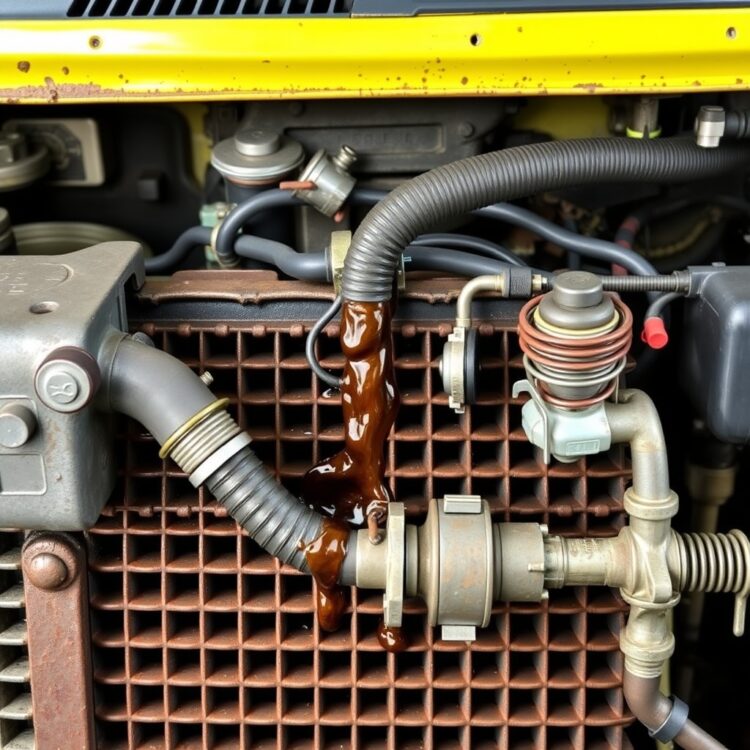
The Alto’s cooling system isn’t immune to problems, with radiator leaks being a frequent complaint. I’ve seen how a small leak can quickly escalate into overheating, especially in summer. We recommend checking the radiator for cracks or corrosion during routine maintenance. Catching a leak early can prevent more serious engine damage.
Thermostat failures are another issue to watch for. A stuck thermostat can cause the engine to overheat or run too cold, both of which affect performance. I’ve had to replace the thermostat in my own Alto after noticing erratic temperature gauge readings. It’s a relatively inexpensive fix, but ignoring it can lead to costly repairs.
Radiator Leaks
Radiator leaks are often caused by corrosion or physical damage. I’ve noticed that the Alto’s radiator is particularly vulnerable to road debris. We’ve found that installing a mesh grille can help protect it. If you spot coolant pooling under the car or the temperature gauge spiking, inspect the radiator immediately. A small leak can often be repaired, but severe damage may require a full replacement.
One owner shared how a leaking radiator led to engine overheating, resulting in a blown head gasket. This is a worst-case scenario, but it highlights the importance of prompt action. Regularly flushing the coolant and inspecting hoses can also prevent leaks from developing.
Thermostat Failures
A faulty thermostat can disrupt the engine’s temperature regulation. I’ve experienced this firsthand, with the Alto’s engine either running too hot or failing to warm up properly. We recommend replacing the thermostat every few years as a preventive measure. It’s a small part, but it plays a critical role in engine health.
If you notice the heater isn’t working as it should or the engine temperature fluctuates, the thermostat could be to blame. Replacing it is straightforward for a mechanic, but DIYers should proceed with caution. Always use a quality replacement part to avoid recurring issues.
Exhaust System Defects
Excessive noise from the exhaust is a common gripe among Alto owners. I’ve heard how a loose or damaged muffler can turn the Alto’s quiet hum into a loud roar. We’ve traced this to worn-out mounts or rusted components. Tightening or replacing the mounts can often solve the problem, but severe rust may require a new exhaust section.
Emission problems are another concern, especially as the car ages. A failing catalytic converter or oxygen sensor can trigger warning lights and affect performance. I’ve seen how addressing these issues early can save you from failing an MOT. Regular checks and timely repairs are key to keeping the exhaust system in good shape.
Excessive Noise
Excessive exhaust noise is often a sign of wear or damage. I’ve noticed that the Alto’s exhaust system tends to rust faster in wet climates. We recommend inspecting the exhaust pipes and muffler for holes or loose connections. A temporary fix like exhaust tape can quiet things down, but a proper repair or replacement is the best long-term solution.
One owner shared how a rattling noise turned out to be a broken heat shield. While not critical, it’s an annoyance that’s easy to fix. If you’re unsure about the source of the noise, a mechanic can quickly diagnose the issue.
Emission Problems
Emission issues can stem from a variety of sources, including a clogged catalytic converter or faulty sensors. I’ve dealt with this myself, with the Alto failing an emissions test due to a dirty air filter. We’ve found that regular servicing and using quality fuel can help prevent these problems. If the check engine light comes on, don’t ignore it—get the car scanned for codes.
Replacing a catalytic converter is expensive, but sometimes unavoidable. One owner opted for a used part to save money, but we advise caution with this approach. A faulty converter can lead to further engine damage, so it’s best to invest in a reliable replacement.
Steering Difficulties
One of the most frustrating issues Suzuki Alto owners face is steering difficulties. Whether it’s hard steering or unsettling vibrations in the steering wheel, these problems can make driving a chore. Hard steering often points to low power steering fluid or a failing pump, while vibrations might indicate misaligned wheels or worn-out suspension components. Addressing these early can save you from bigger headaches down the road.
If you notice your Alto’s steering becoming stiff or erratic, don’t ignore it. A quick check of the power steering fluid or a visit to a mechanic can pinpoint the issue. For vibrations, wheel balancing or alignment might be the fix. Regular maintenance, like checking fluid levels and tyre conditions, can prevent these problems from escalating.
Hard Steering
Hard steering in the Suzuki Alto is often linked to the power steering system. Low fluid levels, a leaking pump, or a worn-out belt can all contribute to this issue. If you’re struggling to turn the wheel, especially at low speeds, it’s time to inspect these components. Ignoring it could lead to complete power steering failure, making driving unsafe.
Replacing the power steering fluid or fixing leaks usually resolves the problem. However, if the pump itself is faulty, a replacement might be necessary. Regular checks of the power steering system can help you catch issues early, ensuring smoother drives and longer component life.
Steering Wheel Vibrations
Steering wheel vibrations are another common complaint among Alto owners. These vibrations often stem from unbalanced wheels, misaligned tyres, or worn suspension parts. If you feel the steering wheel shaking, especially at higher speeds, it’s a sign something’s off. Unbalanced wheels can cause uneven tyre wear, while misalignment affects handling and fuel efficiency.
A professional wheel balancing and alignment service can usually fix the issue. If the problem persists, inspect the suspension components for wear. Keeping your tyres properly inflated and rotated can also minimise vibrations and extend their lifespan.
Rattling and Squeaking Noises
Rattling and squeaking noises in the Suzuki Alto can be both annoying and concerning. These sounds often originate from loose components, worn-out parts, or lack of lubrication. Identifying the source is the first step to silencing these unwelcome noises. Common culprits include loose exhaust shields, worn suspension bushings, or dry door hinges.
Regularly lubricating moving parts and tightening loose components can prevent many of these noises. If the rattling persists, a thorough inspection by a mechanic can help pinpoint the exact cause. Addressing these issues early ensures a quieter, more comfortable ride.
Identifying the Source
Pinpointing the source of rattling or squeaking noises can be tricky. Start by checking the interior for loose items that might be causing the noise. If the sound comes from underneath the car, inspect the exhaust system or suspension components. Squeaks from the doors or windows often indicate worn seals or hinges needing lubrication.
Taking the car for a test drive with a passenger can help locate the noise. Once identified, fixing the issue is usually straightforward—whether it’s tightening a bolt, replacing a worn part, or applying lubricant.
Common Fixes
For rattling noises, securing loose components like the exhaust shield or interior panels often does the trick. Squeaking hinges or seals can be silenced with a bit of silicone spray or grease. If the noise comes from the suspension, replacing worn bushings or shocks might be necessary.
Regular maintenance, like lubricating hinges and checking for loose parts, can prevent these noises from developing. A well-maintained Alto not only runs smoother but also feels more premium on the road.
Preventive Measures and Maintenance Tips
Preventing common problems in your Suzuki Alto starts with regular servicing and using quality parts. A well-maintained car is less likely to develop major issues, saving you time and money in the long run. Stick to the manufacturer’s service schedule and address minor problems before they escalate.
Investing in quality replacement parts, especially for critical components like brakes and suspension, ensures longevity and reliability. Simple habits, like checking fluid levels and tyre pressure, can go a long way in keeping your Alto running smoothly.
Regular Servicing
Adhering to the recommended service intervals is crucial for your Alto’s health. Regular oil changes, filter replacements, and brake inspections keep the engine and other systems in top condition. Skipping services can lead to premature wear and costly repairs.
A professional mechanic can spot potential issues during routine checks, preventing breakdowns. Keeping a service log also helps maintain the car’s resale value and ensures you don’t miss any critical maintenance tasks.
Quality Parts Replacement
Using high-quality replacement parts is essential for your Alto’s performance and safety. Cheap, substandard parts might save money upfront but can lead to frequent failures and even accidents. Opt for OEM or reputable aftermarket brands for critical components like brakes, suspension, and electrical parts.
Replacing worn-out parts promptly prevents further damage to other components. For example, a failing timing belt can cause catastrophic engine damage if not replaced on time. Quality parts might cost more, but they pay off in reliability and peace of mind.
Frequently Asked Questions
What causes hard steering in a Suzuki Alto?
Hard steering is usually due to low power steering fluid, a leaking pump, or a worn-out belt. Regular checks and timely replacements can prevent this issue. Ignoring it may lead to complete power steering failure, making driving unsafe.
How can I stop my Alto’s steering wheel from vibrating?
Vibrations often result from unbalanced wheels or misaligned tyres. A professional wheel balancing and alignment service usually fixes the problem. Inspecting suspension components for wear can also help eliminate vibrations.
Why does my Alto make rattling noises?
Rattling noises can stem from loose components like exhaust shields or interior panels. Securing these parts or replacing worn bushings often resolves the issue. Regular lubrication of moving parts can also prevent such noises.
How often should I service my Suzuki Alto?
Follow the manufacturer’s recommended service intervals, typically every 10,000 miles or annually. Regular servicing includes oil changes, filter replacements, and brake inspections to keep the car running smoothly and avoid costly repairs.
Are aftermarket parts safe for my Alto?
While some aftermarket parts are reliable, always opt for reputable brands or OEM parts for critical components. Cheap parts may fail prematurely, leading to safety risks and additional repair costs. Quality parts ensure longevity and performance.