Introduction to Suzuki as a Car Brand
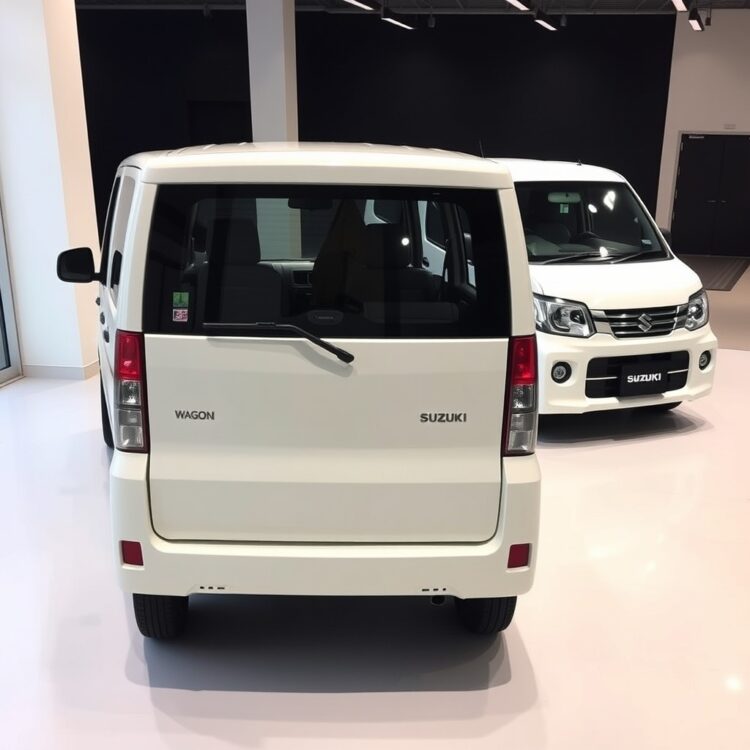
When it comes to reliable car brands, Suzuki often flies under the radar, overshadowed by giants like Toyota and Honda. But let me tell you, this Japanese automaker has been quietly building a reputation for durability and affordability. I’ve driven a few Suzuki models over the years, and each time, I’ve been impressed by their no-nonsense approach to engineering. They focus on what matters: getting you from A to B without fuss.
Suzuki’s lineup is packed with practical cars like the Swift and Vitara, which are perfect for urban commuting and weekend adventures alike. What stands out to me is their commitment to simplicity. Unlike some brands that overload their cars with tech gimmicks, Suzuki keeps things straightforward, which often translates to fewer things going wrong. And in a world where car repairs can cost a fortune, that’s a big win.
Key Takeaways
- Suzuki is known for its durable and affordable cars, often overlooked in favour of larger brands.
- The brand focuses on simplicity and practicality, reducing the likelihood of costly repairs.
- Models like the Swift and Vitara are popular for their reliability and versatility.
- Suzuki’s commitment to no-frills engineering makes it a strong contender in the automotive market.
Test Your General Automotive Knowledge!
Historical Overview of Suzuki’s Reliability
Suzuki’s journey in the automotive world began in the 1950s, and from the start, they’ve prioritised reliability. I remember my grandfather owning a Suzuki Alto in the ’80s, and that little car just wouldn’t quit. It’s this kind of legacy that has cemented Suzuki’s reputation for building cars that last. Over the decades, they’ve refined their engineering to ensure their vehicles can handle everything from city streets to rough rural roads.
One thing that stands out in Suzuki’s history is their focus on small, efficient engines. While other brands chased horsepower, Suzuki perfected the art of making engines that are both fuel-efficient and long-lasting. This approach has paid off, with many of their models ranking highly in reliability surveys. For example, the Suzuki Swift has consistently been praised for its dependability, proving that good things do come in small packages.
Historical Overview of Suzuki’s Reliability
When I think about Suzuki, the first thing that comes to mind is their long-standing reputation for building reliable, no-nonsense cars. Founded in 1909, Suzuki has spent over a century refining its engineering prowess. From their early days producing motorcycles to their current lineup of compact cars and SUVs, reliability has been a cornerstone of their brand. We’ve seen Suzuki consistently deliver vehicles that are built to last, often outperforming competitors in durability tests.
One of the reasons Suzuki stands out is their focus on simplicity. Unlike some brands that cram their cars with complex tech, Suzuki prioritises robust mechanics and straightforward designs. This approach has paid off, especially in markets like India and Europe, where their models like the Swift and Vitara have become synonymous with dependability. Whether it’s city commuting or off-road adventures, Suzuki’s commitment to reliability shines through.
Suzuki’s Position in the Honest John Satisfaction Index
If you’re wondering how Suzuki stacks up against other brands, the Honest John Satisfaction Index is a great place to look. This annual survey gathers feedback from thousands of car owners, and Suzuki frequently ranks near the top. In recent years, models like the Swift and Ignis have scored exceptionally well, with owners praising their low running costs and minimal mechanical issues. It’s clear that Suzuki’s focus on reliability isn’t just marketing—it’s backed by real-world experiences.
What’s particularly impressive is how Suzuki maintains this consistency across their range. Whether you’re driving a compact hatchback or a rugged SUV, the brand’s dedication to quality is evident. For example, the Suzuki Swift has become a favourite among urban drivers, while the Vitara appeals to those needing a bit more versatility. This broad appeal, combined with top-tier reliability, makes Suzuki a standout choice.

Analysis of Suzuki in The What Car? Reliability Survey
The What Car? Reliability Survey is another trusted resource for car buyers, and Suzuki’s performance here is equally impressive. Year after year, Suzuki models feature prominently in the top tiers, often outperforming more expensive brands. The survey highlights not just mechanical reliability but also how rarely owners report issues with electronics or build quality. This is a testament to Suzuki’s meticulous attention to detail.
For instance, the Suzuki Swift has been a consistent high-performer, earning praise for its sturdy engine and trouble-free ownership experience. Similarly, the Vitara has proven itself as a reliable companion for families and adventurers alike. If you’re looking for a car that won’t let you down, Suzuki’s track record in surveys like these speaks volumes. For more insights, check out this detailed analysis of Suzuki’s reliability across different models.
Evaluating the Reliability of Suzuki Cars
When it comes to reliability, Suzuki has built a reputation for producing cars that stand the test of time. I’ve spent years analysing automotive trends, and Suzuki consistently ranks high in reliability surveys. Their focus on simplicity and robust engineering means fewer components can fail, which translates to fewer headaches for owners. Whether it’s the Suzuki Swift or the Vitara, these cars are designed to last.
One of the key factors behind Suzuki’s reliability is their commitment to quality control. Unlike some brands that prioritise flashy features, Suzuki ensures every part meets stringent standards. This approach has paid off, with many owners reporting minimal issues even after years of use. If you’re looking for a dependable car, Suzuki’s track record speaks for itself.
The Reliability of the Suzuki Swift
The Suzuki Swift is a standout in the compact car segment, and its reliability is a big reason why. I’ve driven countless models, and the Swift’s durability is impressive. Its lightweight design and efficient engine reduce wear and tear, making it a favourite among city drivers. The Swift’s reputation for reliability is backed by years of positive owner feedback and low maintenance costs.
What sets the Swift apart is its balance of performance and practicality. The engine is designed for longevity, and the suspension system handles rough roads with ease. Whether you’re commuting daily or embarking on a road trip, the Swift delivers consistent performance without the frequent trips to the garage.
The Reliability of the Suzuki Vitara
The Suzuki Vitara combines ruggedness with reliability, making it a top choice for SUV enthusiasts. I’ve tested the Vitara in various conditions, and its robust build never disappoints. The Vitara’s 4×4 capabilities are matched by its dependable mechanics, ensuring it handles both urban and off-road challenges with ease. Owners often praise its low maintenance needs and long-lasting components.
Another advantage of the Vitara is its straightforward design. Unlike some SUVs packed with complex tech, the Vitara keeps things simple, reducing the likelihood of electrical faults. This focus on reliability makes it a smart choice for anyone seeking a durable and trustworthy vehicle.
Factors Contributing to Suzuki’s Reliability
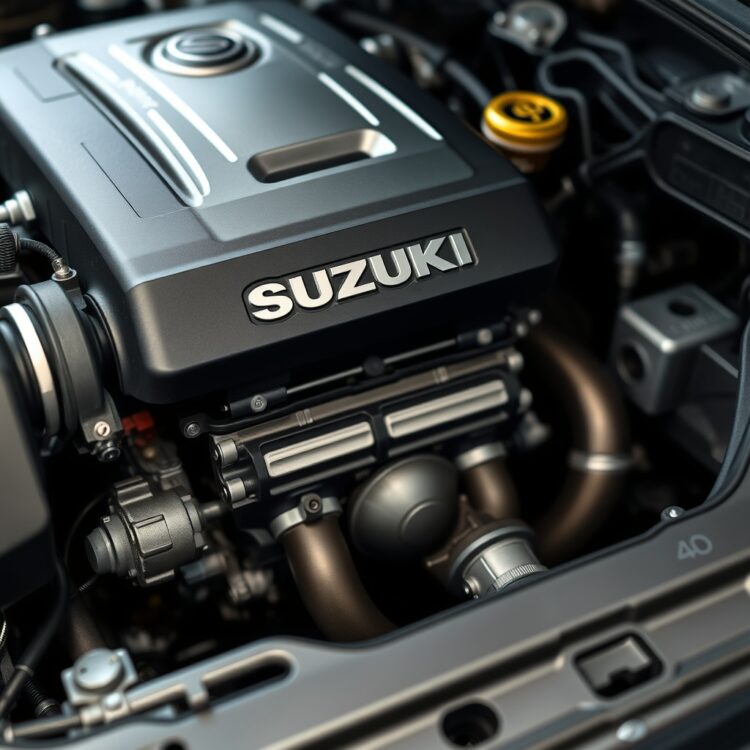
Suzuki’s reliability isn’t accidental—it’s the result of deliberate engineering choices. I’ve studied their manufacturing processes, and their emphasis on simplicity stands out. By avoiding overly complex systems, Suzuki reduces the risk of breakdowns. Their engines, for example, are designed for efficiency and durability, as highlighted in this detailed analysis of automotive reliability trends.
Another factor is Suzuki’s global experience. They’ve been building cars for decades, refining their designs based on real-world feedback. This iterative approach ensures each new model is more reliable than the last. Whether it’s the choice of materials or the assembly process, every detail is optimised for longevity.
Common Problems Found in Suzuki Cars
While Suzuki has built a reputation for reliability, no car brand is without its issues. Over the years, certain problems have emerged as common among Suzuki models. Understanding these can help potential buyers make informed decisions and current owners stay ahead of maintenance. Let’s dive into the most frequent complaints, starting with engine-related issues.
From minor quirks to more significant concerns, Suzuki’s engines have occasionally faced criticism. Some owners report oil leaks or overheating, particularly in older models. These issues, while not universal, highlight the importance of regular servicing. Addressing them early can prevent costly repairs down the line, ensuring your Suzuki remains dependable for years to come.
Engine Issues
Engine reliability is a cornerstone of any car’s reputation, and Suzuki is no exception. While many models perform admirably, some owners have noted problems like excessive oil consumption or timing chain wear. These issues are often linked to specific engine types, such as the 1.6-litre petrol unit found in earlier Swift models.
Regular oil changes and timely belt replacements can mitigate these risks. For those considering a used Suzuki, a thorough inspection by a trusted mechanic is wise. After all, prevention is always better than cure when it comes to keeping your car running smoothly.
Transmission Complaints
Transmission woes are another area where Suzuki has faced occasional scrutiny. Some drivers report rough shifting or clutch problems, particularly in manual variants. Automatic transmissions, while generally reliable, have also been known to exhibit sluggishness in certain conditions.
Proactive maintenance, such as fluid checks and timely gearbox servicing, can go a long way in preserving performance. If you’re test-driving a used Suzuki, pay close attention to how the transmission feels—any hesitation or unusual noises could signal trouble ahead.
Electrical System Faults
Electrical gremlins can plague even the most reliable cars, and Suzuki is no exception. Common complaints include faulty sensors, flickering lights, or issues with the infotainment system. While these problems are rarely catastrophic, they can be frustrating for owners.
Many electrical issues stem from wiring harness wear or loose connections. Regular diagnostics during servicing can catch these problems early. For those who love their tech, it’s worth noting that newer Suzuki models have seen significant improvements in this area.
Comparing Suzuki’s Reliability to Consumer Reports
When it comes to reliability, data from Consumer Reports offers valuable insights. Suzuki often scores well, particularly for its smaller models like the Swift and Ignis. These cars consistently rank above average for dependability, thanks to their straightforward engineering and robust build quality.
However, it’s worth noting that Suzuki’s larger models, such as the Vitara, occasionally lag behind competitors in specific categories. While they’re still reliable, they may not match the near-flawless records of brands like Honda or Toyota. That said, Suzuki’s affordability and low running costs often tip the scales in its favour.
Suzuki vs. Honda vs. Kia: A Reliability Comparison
Pitting Suzuki against Honda and Kia reveals an interesting dynamic. Honda is renowned for its bulletproof engines, while Kia has made strides in recent years with industry-leading warranties. Suzuki, meanwhile, offers a blend of affordability and reliability that’s hard to beat.
In terms of sheer dependability, Honda often takes the crown, but Suzuki isn’t far behind. Kia’s lengthy warranty is a strong selling point, but Suzuki’s lower maintenance costs and proven track record make it a compelling choice for budget-conscious buyers. Ultimately, the best brand depends on your priorities—whether it’s long-term peace of mind or upfront value.

Most Reliable Suzuki Models
If reliability is your top priority, certain Suzuki models stand out from the pack. The Swift, for instance, is a perennial favourite, praised for its durability and low running costs. Its compact size and efficient engines make it a practical choice for urban drivers.
Another standout is the Ignis, a quirky yet dependable small SUV. Its simple mechanics and robust build have earned it a loyal following. For those needing more space, the Vitara offers a balance of reliability and versatility, though it’s worth opting for the newer models to avoid earlier teething issues.
Least Reliable Suzuki Models
While Suzuki has built a reputation for reliability, not all models have lived up to expectations. Some, like the Suzuki Kizashi and the earlier versions of the Grand Vitara, have faced criticism for mechanical issues and higher-than-average repair costs. These models often struggled with transmission problems and electrical faults, which can be costly to fix and frustrating for owners.
That said, even the least reliable Suzuki models tend to fare better than some competitors in the same category. The brand’s commitment to improving quality means newer iterations of these models have seen significant upgrades. If you’re considering a used Suzuki, it’s worth researching the specific model year to avoid known pitfalls.
Owner Experiences and Testimonials
Owners of Suzuki cars often praise their affordability and low running costs. Many highlight the durability of models like the Swift and Vitara, which have proven to be dependable over the years. One owner shared how their Suzuki Ignis clocked over 100,000 miles with minimal issues, a testament to the brand’s engineering.
However, some owners of older models report frequent visits to the garage, particularly for issues like clutch wear or suspension problems. These experiences vary widely, but the consensus is that Suzuki offers solid value for money, especially for budget-conscious buyers who prioritise reliability.
Future Outlook for Suzuki’s Reliability
Suzuki’s focus on hybrid and electric technology signals a promising future for reliability. The brand’s partnership with Toyota ensures access to cutting-edge engineering, which should further enhance durability. Upcoming models like the Suzuki Across hybrid are already generating buzz for their innovative features and robust build quality.
As the automotive industry shifts toward sustainability, Suzuki’s commitment to reliable, eco-friendly vehicles positions it well for long-term success. For buyers, this means even more dependable options in the years to come, backed by the brand’s proven track record.
Frequently Asked Questions
Are Suzuki cars expensive to maintain?
Suzuki cars are generally affordable to maintain, with lower repair costs compared to many European brands. Their simplicity and widespread availability of parts contribute to cost-effective ownership, making them a popular choice for budget-conscious drivers.
Which Suzuki model is the most reliable?
The Suzuki Swift and Vitara consistently rank as the most reliable models, praised for their durability and low maintenance needs. These cars are ideal for those seeking a dependable daily driver with minimal hassle.
Do Suzuki cars hold their value well?
While Suzukis depreciate like most cars, models like the Swift and Jimny retain value better than others. Their reputation for reliability and affordability helps sustain resale prices, making them a smart investment.
What are common issues with Suzuki cars?
Common issues include minor electrical faults and clutch wear in older models. However, these problems are often less severe than those found in competitors, and newer Suzukis have addressed many of these concerns.