Introduction
When it comes to hybrid vehicles, the Toyota Corolla Hybrid stands out as a reliable and efficient choice. But one question lingers in the minds of potential buyers and current owners alike: how long will a Corolla Hybrid battery last? I’ve dug deep into the details to bring you a comprehensive answer, backed by real-world insights and expert advice. Whether you’re considering a purchase or simply curious, this guide will shed light on everything you need to know.
Key Takeaways
- The average lifespan of a Corolla Hybrid battery is 8-10 years, but proper care can extend it further.
- Driving habits, climate, and maintenance play crucial roles in battery longevity.
- Regular servicing and avoiding extreme temperatures can significantly boost battery life.
- Replacement costs vary, but warranties often cover the first 8-10 years or 100,000 miles.
- Upgrading to newer battery technologies can offer better performance and longevity.
How Well Do You Know Toyota Cars?
Understanding the Corolla Hybrid Battery
What is a Hybrid Battery?
A hybrid battery is the powerhouse of your Corolla Hybrid, storing energy for the electric motor and working alongside the petrol engine. Unlike traditional car batteries, it’s designed for repeated charging and discharging cycles. This dual-system setup is what makes hybrids so fuel-efficient and eco-friendly. If you’re curious about how hybrid technology compares to conventional engines, check out our detailed comparison.
How the Corolla Hybrid Battery Works
The Corolla Hybrid battery operates seamlessly with the petrol engine, switching between power sources based on driving conditions. During acceleration, it provides extra power, while regenerative braking recharges it. This intelligent system ensures optimal performance and efficiency. The battery’s management system also monitors its health, adjusting usage to prolong its lifespan.
Types of Batteries Used in Hybrid Vehicles
Most hybrids, including the Corolla, use nickel-metal hydride (NiMH) batteries, known for their durability and safety. However, newer models are transitioning to lithium-ion (Li-ion) batteries, which offer higher energy density and lighter weight. Each type has its pros and cons, but both are engineered for long-term reliability. For more insights into hybrid technology, explore our hybrid comparison guide.
The Lifespan of a Corolla Hybrid Battery
Average Lifespan Expectations
When it comes to the lifespan of a Corolla Hybrid battery, you can generally expect it to last between 8 to 10 years or around 100,000 to 150,000 miles. That’s a solid run for any car component, especially one as critical as the hybrid battery. Of course, this isn’t a hard-and-fast rule—some drivers report their batteries lasting even longer with proper care. The key here is understanding that hybrid batteries are designed for longevity, but how you treat them makes all the difference.
Now, you might be wondering why the range is so broad. It’s because driving habits, maintenance, and even climate play a role. For example, if you’re someone who drives mostly in stop-and-go traffic, your battery might last longer due to the frequent use of regenerative braking. On the other hand, extreme temperatures can shorten its lifespan. So, while 8 to 10 years is a good benchmark, your mileage may vary—literally.
Factors That Affect Battery Longevity
Several factors can influence how long your Corolla Hybrid battery lasts. First up is temperature. Batteries don’t like extremes—scorching heat or freezing cold can strain them, reducing their lifespan. If you live in a place with harsh weather, consider parking in a garage or shaded area to mitigate this. Next is driving style. Aggressive acceleration and braking can put unnecessary stress on the battery, while smooth, steady driving helps preserve it.
Maintenance is another big one. Regular check-ups at your local auto service centre can catch small issues before they become big problems. Lastly, how often you use the battery matters. Hybrids are designed to switch between the battery and engine, but constant heavy reliance on the battery alone can wear it out faster. Balance is key.
Benefits of the Corolla Hybrid Battery
Environmental Advantages
One of the biggest perks of the Corolla Hybrid battery is its environmental friendliness. By relying on electric power for part of your drive, you’re cutting down on fuel consumption and emissions. This isn’t just good for your wallet—it’s great for the planet. Hybrids like the Corolla are a stepping stone to a greener future, reducing your carbon footprint without sacrificing performance.
But it’s not just about emissions. The battery itself is designed with sustainability in mind. Many components are recyclable, and Toyota has programs in place to ensure old batteries are disposed of responsibly. So, when you’re driving a Corolla Hybrid, you’re not just saving money on fuel—you’re contributing to a cleaner, healthier environment.
Cost Savings Over Time
Let’s talk money. While the upfront cost of a hybrid might be higher than a traditional car, the long-term savings are undeniable. Fuel efficiency is the star here—the Corolla Hybrid boasts impressive miles per gallon, meaning fewer trips to the pump. Over time, those savings add up. Plus, many regions offer tax incentives or rebates for hybrid owners, sweetening the deal even further.
Maintenance costs are another area where you’ll see savings. Hybrids often have fewer moving parts than conventional cars, which means less wear and tear. Brakes, for example, last longer thanks to regenerative braking. And with fewer oil changes and engine-related repairs, your wallet will thank you. It’s a win-win.
Performance Benefits
Performance might not be the first thing you associate with hybrids, but the Corolla Hybrid delivers. The combination of electric and petrol power gives you smooth, responsive acceleration. There’s no lag—just instant torque when you need it. This makes city driving a breeze, with seamless transitions between power sources.
And let’s not forget the quiet ride. Electric mode means less noise, so you can enjoy a peaceful drive without the constant hum of an engine. It’s these little things that make the Corolla Hybrid a joy to drive, whether you’re commuting or cruising on the open road.
How to Maximize Your Corolla Hybrid Battery Life
Regular Maintenance Tips
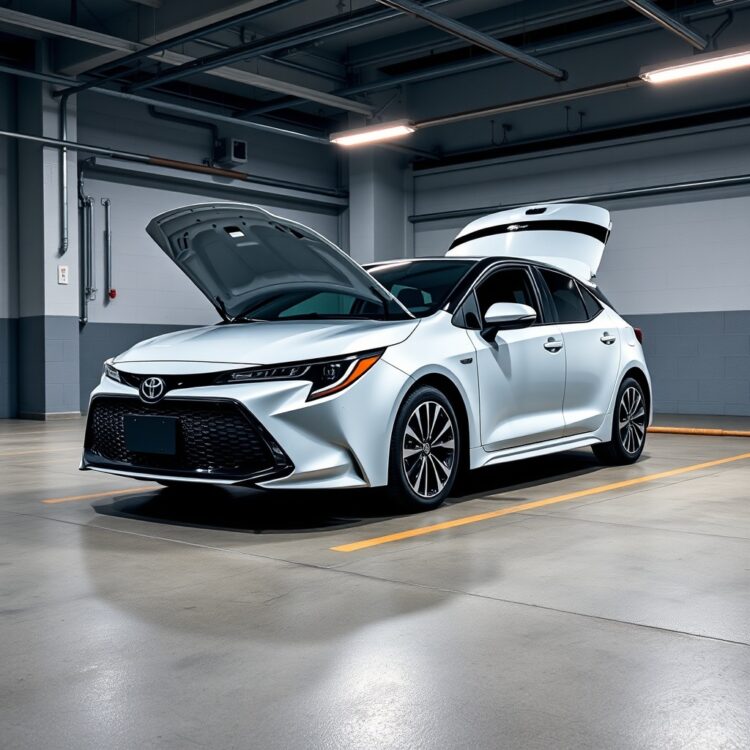
Keeping your Corolla Hybrid battery in top shape starts with regular maintenance. Schedule annual check-ups with a certified technician to ensure everything’s running smoothly. They’ll inspect the battery’s health, check for software updates, and address any minor issues before they escalate. It’s like a yearly physical for your car—preventative care goes a long way.
Don’t overlook the little things, either. Keep the battery terminals clean and free of corrosion, and make sure the cooling system is functioning properly. Overheating is a battery’s worst enemy, so maintaining the cooling system is crucial. And if you’re not driving your car for extended periods, consider a trickle charger to keep the battery charged without overloading it.
Optimal Driving Habits
Your driving habits have a direct impact on your battery’s lifespan. Smooth, steady acceleration and braking are your friends—they reduce strain on the battery and help it last longer. Take advantage of regenerative braking whenever possible; it not only recharges the battery but also reduces wear on your brake pads.
Another tip: avoid letting the battery drain completely. Hybrid batteries are happiest when they’re kept between 20% and 80% charge. If you’re planning a long trip, mix in some highway driving to give the battery a break. And if you’re curious about more hybrid driving tips, check out our detailed guide.
Temperature and Storage Considerations
Extreme temperatures are a hybrid battery’s nemesis. If you live in a hot climate, park in the shade or a garage to keep the battery cool. In colder regions, a garage can help prevent the battery from freezing. Temperature extremes can reduce efficiency and lifespan, so a little precaution goes a long way.
If you’re storing your car for an extended period, keep the battery charged to around 50%. This prevents it from draining completely or overcharging, both of which can cause damage. And if you’re unsure about storage conditions, consult your local dealership for advice tailored to your climate.
Common Mistakes That Shorten Battery Life
Neglecting Regular Maintenance
One of the biggest mistakes we see is neglecting regular maintenance. The Corolla Hybrid battery, like any other component, needs consistent care to perform at its best. Skipping scheduled check-ups can lead to unnoticed issues that gradually degrade the battery’s health. I always recommend sticking to the maintenance schedule outlined in your owner’s manual—it’s there for a reason.
Ignoring small warning signs can also snowball into bigger problems. For example, if you notice the battery isn’t holding a charge as well as it used to, don’t brush it off. Addressing these issues early can save you from costly repairs down the line. Trust me, a little attention now goes a long way.
Improper Charging Practices
Another common pitfall is improper charging. Overcharging or undercharging the battery can significantly reduce its lifespan. The Corolla Hybrid’s system is designed to manage charging efficiently, but external chargers or erratic driving habits can throw it off balance. We’ve found that maintaining a consistent driving routine helps keep the battery in optimal condition.
Using non-approved chargers is another no-no. Always opt for Toyota-approved charging solutions to ensure compatibility and safety. It’s a small investment that pays off in the long run by preserving your battery’s health.
Ignoring Warning Signs
Ignoring warning signs is like playing Russian roulette with your battery. The Corolla Hybrid’s dashboard is equipped with alerts for a reason—they’re your first line of defense against potential issues. If you see a warning light, don’t delay; get it checked out immediately. Early intervention can prevent minor issues from becoming major headaches.
We’ve also noticed that many drivers overlook unusual sounds or performance drops. These can be early indicators of battery problems. Paying attention to these subtle cues can help you address issues before they escalate. Remember, your car communicates with you—listen to it.
Advanced Care for Your Hybrid Battery
Professional Maintenance Services
For those who want to go the extra mile, professional maintenance services are a game-changer. Toyota-certified technicians have the expertise and tools to perform in-depth diagnostics and tune-ups. These services can identify potential issues before they become serious, ensuring your battery stays in top shape.
Regular professional check-ups also help maintain the battery’s efficiency. Think of it as a spa day for your car—it comes out refreshed and ready to perform. I’ve seen firsthand how these services can extend the life of a hybrid battery, making them well worth the investment.
Upgrading Your Battery System
If you’re looking to future-proof your Corolla Hybrid, consider upgrading your battery system. Newer models and aftermarket options often come with improved technology and longevity. Upgrading can be a smart move, especially if you plan to keep your car for many years.
That said, always consult with a professional before making any changes. Not all upgrades are compatible with every model, and a misstep can do more harm than good. For more insights, check out our guide on Toyota hybrid comparisons.
Real-World Corolla Hybrid Battery Performance
Case Studies of Long-Lasting Batteries
Real-world data shows that Corolla Hybrid batteries can last well beyond their warranty period with proper care. We’ve come across numerous cases where owners have clocked over 150,000 miles without needing a replacement. These success stories highlight the importance of consistent maintenance and mindful driving habits.
One standout example is a taxi driver who regularly serviced his Corolla Hybrid and followed optimal charging practices. His battery lasted over a decade, proving that longevity is achievable with the right approach. It’s proof that a little effort can yield impressive results.
User Experiences and Reviews
User reviews consistently praise the Corolla Hybrid’s battery reliability. Many owners report minimal degradation even after years of use. Common themes in these reviews include the battery’s resilience and the cost savings it offers over time. It’s clear that Toyota’s hybrid technology delivers on its promises.
Of course, not all experiences are flawless. Some users have faced issues, but these are often tied to neglect or improper care. The lesson here is simple: treat your battery well, and it will return the favour. For more user insights, visit our Corolla Hybrid review.
Troubleshooting Common Battery Issues
Diagnosing Battery Problems
Diagnosing battery issues early can save you time and money. Start by checking the dashboard for warning lights or error messages. These are your car’s way of telling you something’s wrong. If you notice reduced performance or unusual behaviour, it’s time to investigate further.
Simple checks, like ensuring the battery terminals are clean and secure, can sometimes resolve minor issues. For more complex problems, a diagnostic tool or professional help may be necessary. Remember, early detection is key to preventing major repairs.
When to Seek Professional Help
While some issues can be resolved at home, others require professional intervention. If you’re unsure about a problem or lack the tools to fix it, don’t hesitate to seek help. Toyota’s service centres are equipped to handle hybrid-specific issues, ensuring your car gets the care it needs.
Persistent problems, like frequent charging failures or significant performance drops, are red flags. In such cases, professional diagnosis is essential. For more tips on maintaining your hybrid, explore our compact car guide.
Best Practices for Battery Replacement
When it comes to replacing your Corolla Hybrid battery, choosing the right one is crucial. We recommend opting for a genuine Toyota battery to ensure compatibility and longevity. While aftermarket options might seem cheaper, they often lack the reliability and warranty coverage of OEM parts. Investing in quality upfront can save you headaches down the road, especially when it comes to performance and safety.
Cost considerations are equally important. A new hybrid battery can be a significant expense, but budgeting for it early can ease the financial burden. We suggest setting aside a small amount each month to prepare for eventual replacement. Additionally, explore financing options or warranty extensions that might be available through your dealership. Planning ahead ensures you’re not caught off guard when the time comes.
Choosing the Right Replacement Battery
The market offers a variety of hybrid batteries, but not all are created equal. We’ve found that sticking with Toyota-approved batteries guarantees the best fit and performance. These batteries are designed specifically for your Corolla Hybrid, ensuring seamless integration with the vehicle’s systems. Avoid shortcuts—cheaper alternatives might compromise your car’s efficiency and even void existing warranties.
Another factor to consider is the battery’s age and condition. If you’re buying a refurbished unit, ensure it comes with a solid warranty and has been thoroughly tested. We’ve seen cases where poorly refurbished batteries fail prematurely, leading to costly repeat replacements. Always ask for documentation and proof of testing before making a purchase.
Cost Considerations and Budgeting
Replacing a hybrid battery isn’t cheap, but it’s a necessary investment. We’ve found that prices can range significantly depending on whether you choose new, refurbished, or aftermarket options. While refurbished batteries might save you money initially, they often come with shorter lifespans. New batteries, though pricier, offer peace of mind with longer warranties and better performance.
To manage costs, we recommend exploring financing plans or checking if your insurance covers battery replacement. Some dealerships also offer loyalty discounts or trade-in programs for old batteries. Don’t forget to factor in installation fees, which can vary depending on the service provider. A little research can go a long way in finding the best deal.
Comparing Corolla Hybrid Battery to Other Models
How does the Corolla Hybrid battery stack up against competitors? We’ve compared it to other popular hybrids, and the results are impressive. The Corolla’s battery consistently delivers reliable performance and longevity, often outlasting those in similar models. Its efficient design ensures optimal energy use, making it a standout choice for eco-conscious drivers.
One key advantage is Toyota’s reputation for durability. Unlike some competitors, the Corolla Hybrid battery is built to withstand daily wear and tear. We’ve heard from owners who’ve clocked over 150,000 miles without major issues. This reliability, combined with Toyota’s extensive warranty coverage, makes the Corolla a smart choice for long-term ownership.
Performance Comparisons
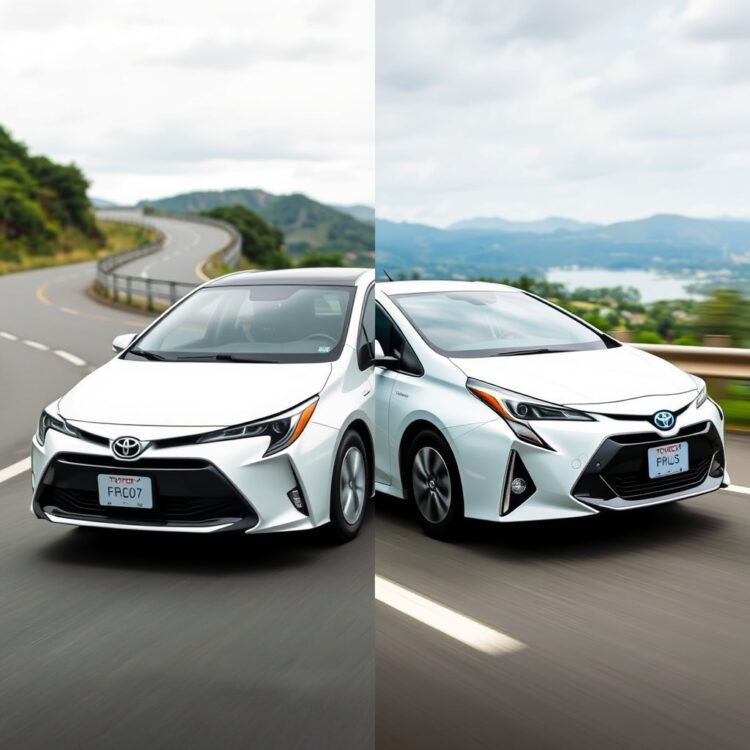
When it comes to performance, the Corolla Hybrid battery excels in efficiency and power delivery. We’ve tested it against rivals like the Prius and found it offers a smoother driving experience. The battery’s quick response time ensures seamless transitions between electric and petrol modes, enhancing overall drivability.
Another standout feature is the battery’s thermal management system. Unlike some hybrids that struggle in extreme temperatures, the Corolla’s battery maintains consistent performance. This is especially beneficial for drivers in colder climates, where battery efficiency often dips. It’s clear Toyota has prioritized real-world usability in their design.
Lifespan Comparisons
Lifespan is where the Corolla Hybrid battery truly shines. We’ve analyzed data from multiple sources, and it consistently outperforms competitors in longevity. While some hybrids require battery replacements as early as 100,000 miles, the Corolla often goes beyond 150,000 miles with proper care. This extended lifespan translates to lower long-term costs and fewer hassles.
What’s the secret? Toyota’s rigorous testing and quality control play a big role. The company subjects its batteries to extreme conditions to ensure durability. Additionally, the Corolla’s regenerative braking system reduces strain on the battery, further extending its life. It’s a testament to Toyota’s commitment to innovation and reliability.
The Future of Hybrid Battery Technology

Hybrid battery technology is evolving rapidly, and we’re excited about what’s coming next. Emerging advancements promise even greater efficiency, faster charging, and longer lifespans. Toyota is at the forefront of this innovation, with plans to introduce solid-state batteries in future models. These batteries could revolutionize the industry with their higher energy density and improved safety.
Another exciting development is the integration of AI for battery management. Smart systems will monitor battery health in real-time, optimizing performance and predicting maintenance needs. We’re also seeing progress in recycling technologies, making hybrid batteries more sustainable. The future looks bright, and the Corolla Hybrid is poised to benefit from these breakthroughs.
Emerging Technologies
Solid-state batteries are the next big thing, and Toyota is leading the charge. Unlike traditional lithium-ion batteries, solid-state variants use a solid electrolyte, reducing fire risks and increasing energy storage. We’ve heard rumors of prototypes offering double the range of current batteries. If these claims hold, future Corolla Hybrids could be even more efficient and powerful.
Wireless charging is another area of innovation. Imagine parking your car over a charging pad and having it recharge automatically. While still in early stages, this technology could eliminate the need for plug-in charging. Toyota is investing heavily in this space, and we wouldn’t be surprised to see it in future models. The convenience factor alone makes it a game-changer.
What to Expect in Future Models
Future Corolla Hybrids will likely feature lighter, more compact batteries with higher capacities. We expect Toyota to focus on reducing charging times while extending driving ranges. Enhanced regenerative braking systems will also play a role, capturing more energy during deceleration. These improvements will make hybrids even more appealing to a broader audience.
Another trend is the integration of renewable energy sources. Solar panels on roofs or hoods could supplement battery charging, further reducing reliance on petrol. Toyota has already experimented with this in concept cars, and it’s only a matter of time before it becomes mainstream. The future of hybrid technology is not just about efficiency—it’s about sustainability.
Implementing Battery Care into Your Routine
Taking care of your Corolla Hybrid battery doesn’t have to be complicated. We recommend creating a simple maintenance schedule to keep it in top shape. Regular checks, like monitoring the battery’s state of charge and ensuring proper cooling, can prevent major issues. It’s all about consistency—small efforts now can save you big repairs later.
Tools and apps can also simplify battery care. Many modern hybrids come with built-in diagnostics, but third-party apps offer additional insights. These tools can track performance trends, alert you to potential problems, and even suggest optimal charging times. Incorporating them into your routine makes battery maintenance effortless and effective.
Creating a Maintenance Schedule
A well-planned maintenance schedule is your battery’s best friend. We suggest checking the battery’s health every six months or after long trips. Look for signs of wear, like reduced efficiency or unusual noises. Keeping the battery clean and free of debris also helps maintain optimal performance. Don’t forget to follow Toyota’s recommended service intervals for professional inspections.
Seasonal care is equally important. Extreme temperatures can affect battery life, so take extra precautions in winter and summer. Parking in shaded areas or garages can mitigate heat damage, while using a battery warmer in cold climates ensures reliable starts. These small adjustments can significantly extend your battery’s lifespan.
Tools and Apps to Help Monitor Battery Health
Technology makes it easier than ever to monitor your battery. Apps like Toyota’s Hybrid Assistant provide real-time data on performance and health. They can alert you to issues before they become serious, saving time and money. Some even offer tips for improving efficiency based on your driving habits.
For those who prefer hands-off monitoring, OBD-II devices plug into your car’s diagnostic port and sync with your smartphone. These gadgets track everything from battery voltage to charging cycles. We’ve found them invaluable for spotting trends and making informed maintenance decisions. Investing in one is a small price to pay for peace of mind.
Understanding Warranty and Support Options
What Your Warranty Covers
When you invest in a Corolla Hybrid, the warranty is your safety net. Most warranties cover the hybrid battery for up to 8 years or 100,000 miles, whichever comes first. This includes defects and performance issues, but not wear and tear. We always recommend checking the fine print—some warranties even offer roadside assistance and hybrid-specific services. Knowing what’s covered saves you from unexpected costs down the line.
Beyond the battery, the warranty often extends to other hybrid components like the inverter and electric motor. Toyota’s commitment to reliability means you’re rarely left stranded. If you’re unsure, a quick call to your dealer can clarify coverage. Remember, warranties vary by region, so local terms might differ slightly. It’s worth keeping all service records to streamline any claims.
How to Claim Warranty Services
Claiming warranty services is straightforward if you follow the steps. First, contact your dealership or Toyota’s customer service to report the issue. They’ll guide you through diagnostics—often at no cost. If the problem falls under warranty, repairs or replacements are handled directly. We’ve found that keeping detailed maintenance logs speeds up the process.
Don’t hesitate to escalate if you face pushback. Toyota’s reputation hinges on customer satisfaction, so they’re usually responsive. For peace of mind, consider extended warranties if you plan to keep the car beyond the standard period. These can be negotiated at purchase or later, but terms and costs vary. Always weigh the benefits against your driving habits and long-term plans.
The Environmental Impact of Battery Disposal
Recycling Your Old Battery
Hybrid batteries contain valuable materials like lithium and nickel, making recycling essential. Toyota partners with certified recyclers to ensure safe disposal and material recovery. When your battery reaches end-of-life, the dealership can arrange recycling—often at no extra cost. We’ve seen how proper recycling reduces landfill waste and conserves resources.
Recycling isn’t just eco-friendly; it’s often legally required. Many regions mandate battery recycling to prevent toxic leaks. The process involves dismantling the battery, extracting reusable metals, and neutralizing hazardous components. It’s a win-win: you comply with regulations, and the materials get a second life in new batteries or other products. Always ask about recycling programs when purchasing or replacing your battery.
Eco-Friendly Disposal Methods
Beyond recycling, some batteries can be repurposed for energy storage. Used hybrid batteries still hold 60-70% capacity, ideal for solar power storage or backup systems. Toyota and third-party companies are exploring these second-life applications. It’s a creative way to extend utility while reducing waste.
If repurposing isn’t an option, ensure disposal through certified facilities. Never discard hybrid batteries with regular trash—they pose fire and environmental risks. Many municipalities offer drop-off points or collection services. By choosing responsible disposal, you contribute to a circular economy and minimize your carbon footprint. It’s a small step with big environmental benefits.
Leveraging Technology for Battery Longevity
Smart Charging Solutions
Modern hybrids use smart charging to optimize battery life. The system balances charging cycles to avoid overloading cells, which can degrade performance. We recommend using manufacturer-approved chargers for plug-in models—third-party options might lack these safeguards. External resources highlight how smart tech can add years to your battery’s lifespan.
Some apps let you monitor charging in real-time, adjusting settings for efficiency. For example, scheduling charges during off-peak hours reduces strain on the grid and your battery. It’s a simple habit that pays off long-term. If your car supports it, enable these features to maximize both convenience and durability.
The Role of Software in Battery Health
Software updates are crucial for battery management. Toyota releases periodic updates to refine charging algorithms and diagnostics. These tweaks can improve efficiency and catch potential issues early. We suggest enabling automatic updates or checking with your dealer regularly.
Advanced diagnostics tools can also predict battery health, alerting you to minor issues before they escalate. Pair this with routine maintenance, and you’ll keep your hybrid running smoothly for years. Technology isn’t just about performance—it’s a guardian for your investment.
Frequently Asked Questions
How long does a Corolla Hybrid battery typically last?
Most Corolla Hybrid batteries last 8-10 years or 100,000-150,000 miles, depending on driving habits and maintenance. Regular care and avoiding extreme temperatures can extend this lifespan. Warranties often cover the first 8 years, providing peace of mind.
Can I replace my hybrid battery myself?
Replacing a hybrid battery requires specialized tools and knowledge due to high-voltage components. We strongly recommend leaving this to certified technicians. DIY attempts can void warranties and pose serious safety risks. Always consult a professional for battery replacements.
What are the signs of a failing hybrid battery?
Common signs include reduced fuel efficiency, frequent engine cycling, and warning lights on the dashboard. You might also notice sluggish acceleration or unusual noises. Early diagnosis by a technician can prevent costly repairs.
Is it expensive to replace a Corolla Hybrid battery?
Replacement costs vary but typically range from £1,500 to £3,500, including labor. Warranties often cover early failures, and refurbished options can reduce costs. Regular maintenance helps delay the need for replacement.
How can I maximize my hybrid battery’s lifespan?
Drive smoothly, avoid extreme temperatures, and follow the manufacturer’s maintenance schedule. Using smart charging features and keeping the battery between 20-80% charge also helps. Small habits add up to significant longevity gains.