Introduction to the Ford F-Series
When it comes to pickup trucks, the Ford F-Series has been a dominant force for decades. I’ve spent years exploring what makes these trucks tick, and today, I’m breaking down the best models in the lineup. Whether you’re after power, comfort, or sheer capability, there’s an F-Series truck tailored to your needs. Let’s dive into the history, evolution, and standout features that make the F-Series a leader in the truck market.
Key Takeaways
- The Ford F-Series has a rich history, evolving from utilitarian work trucks to modern, tech-driven machines.
- The lineup offers something for everyone, from the daily driver-friendly F-150 to the heavy-duty F-350.
- Ford’s innovation in towing, payload, and hybrid technology keeps the F-Series ahead of the competition.
- Safety and comfort features make the F-Series a top choice for families and professionals alike.
- Customization options allow buyers to tailor their truck to specific needs, whether for work or play.
How Well Do You Know Ford?
History and Evolution of the Ford F-Series
The Ford F-Series debuted in 1948, and since then, it’s evolved into a symbol of American ingenuity. From the rugged workhorses of the early days to today’s tech-loaded powerhouses, each generation has pushed boundaries. I’ve always admired how Ford balances tradition with innovation, ensuring the F-Series remains relevant. The automotive blog at Lowes Auto offers a deeper dive into this fascinating journey.
Overview of the F-Series Lineup
The F-Series spans from the versatile F-150 to the heavy-duty F-450, each designed for specific tasks. The F-150 is perfect for daily driving, while the F-250 and F-350 excel in towing and hauling. Ford’s commitment to variety ensures there’s a truck for every lifestyle. Whether you’re a contractor or a weekend adventurer, the F-Series has you covered.
Why the F-Series Stands Out in the Truck Market
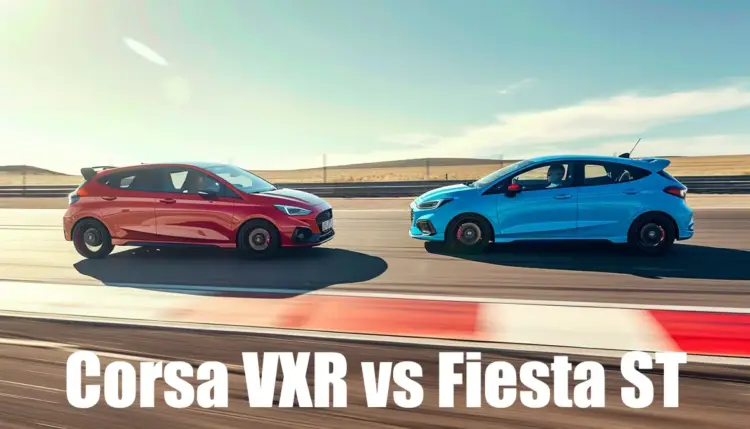
What sets the F-Series apart? It’s the blend of performance, reliability, and cutting-edge tech. Ford consistently leads with features like Pro Trailer Backup Assist and hybrid powertrains. The F-Series isn’t just a truck—it’s a lifestyle. For more insights, check out this comparison of performance models.
Understanding the F-Series Models
Key Differences Between F-150, F-250, and F-350
When it comes to the Ford F-Series, the differences between the F-150, F-250, and F-350 aren’t just about numbers—they’re about capability. The F-150 is the workhorse for everyday tasks, balancing power and efficiency. The F-250 steps up with heavier-duty components, ideal for towing trailers or hauling hefty loads. The F-350? It’s the brute of the trio, built for commercial-grade demands. Each model serves a distinct purpose, so choosing the right one depends on your needs. Whether it’s daily commuting or heavy-duty work, there’s an F-Series tailored for you.
The F-150 shines with its lighter frame and fuel-efficient engines, making it perfect for urban driving. The F-250 and F-350, on the other hand, feature reinforced frames and sturdier suspensions to handle extreme loads. If you’re eyeing a truck for heavy towing, the F-250 or F-350 should be your go-to. The key is understanding your requirements—don’t overbuy if you don’t need the extra muscle. The F-Series lineup ensures there’s a truck for every job, from light-duty to industrial-strength tasks.
Engine Options Across the F-Series
Ford offers a range of engines across the F-Series, each designed to meet specific performance needs. The F-150 comes with options like the turbocharged EcoBoost V6, delivering a blend of power and efficiency. For those craving more torque, the F-250 and F-350 offer robust diesel and gas V8 engines. These engines are engineered to tackle demanding workloads without breaking a sweat. Whether you prioritise fuel economy or raw power, there’s an engine that fits your driving style.
The diesel options, particularly in the F-250 and F-350, are legendary for their towing prowess and longevity. If you’re planning long hauls or frequent heavy loads, diesel might be the smarter choice. On the flip side, the F-150’s EcoBoost engines provide impressive performance without sacrificing fuel efficiency. It’s all about matching the engine to your lifestyle. From city streets to job sites, the F-Series has an engine that’ll keep you moving.
Towing and Payload Capacities Compared
Towing and payload capacities are where the F-Series truly flexes its muscles. The F-150 can handle up to 13,000 pounds, making it a solid choice for most recreational towing. The F-250 boosts that to around 18,000 pounds, while the F-350 tops out at a staggering 21,000 pounds. These numbers aren’t just bragging rights—they’re a testament to the engineering behind these trucks. If you’re hauling boats, trailers, or construction equipment, the F-250 or F-350 is your best bet.
Payload capacity follows a similar trend, with the F-150 offering around 3,000 pounds, while the F-350 can carry over 7,000 pounds. These figures are crucial for businesses or anyone regularly transporting heavy materials. The right truck can make all the difference in efficiency and safety. Whether you’re a weekend warrior or a full-time contractor, the F-Series has the specs to back up your ambitions.
The Best Ford F-Series Model for Everyday Use
Evaluating the F-150 for Daily Driving
The F-150 is the undisputed king of daily driving in the F-Series lineup. Its lighter frame and smooth ride make it ideal for commuting, school runs, and weekend getaways. Unlike its heavier siblings, the F-150 doesn’t feel like a chore to drive in urban settings. It’s nimble enough for tight parking spots yet powerful enough for occasional towing or hauling. For most people, the F-150 strikes the perfect balance between utility and comfort.
What sets the F-150 apart is its versatility. It’s equally at home on the highway as it is on a job site. The cabin is spacious and packed with modern amenities, making long drives a breeze. If you’re looking for a truck that can do it all without compromising on daily drivability, the F-150 is the clear winner. It’s no wonder it’s one of the best-selling vehicles in the world—it just works for everyday life.
Fuel Efficiency and Comfort Features
Fuel efficiency is where the F-150 truly shines. With options like the EcoBoost engine, you can enjoy impressive mileage without sacrificing power. This makes it a cost-effective choice for daily commuters. The F-150 also boasts a range of comfort features, from plush seating to advanced infotainment systems. These touches transform it from a work truck into a family-friendly vehicle. You don’t have to choose between practicality and comfort—the F-150 delivers both.
Advanced features like adaptive cruise control and lane-keeping assist further enhance the driving experience. These technologies reduce fatigue on long trips and improve safety in heavy traffic. The F-150 isn’t just a truck; it’s a reliable companion for all aspects of life. Whether you’re running errands or heading out on a road trip, the F-150 makes every journey more enjoyable.
Safety Technologies in the F-150
Safety is a top priority in the F-150, with a suite of advanced technologies designed to protect you and your passengers. Features like blind-spot monitoring, automatic emergency braking, and rearview cameras come standard on many models. These systems provide peace of mind, whether you’re navigating city streets or towing a trailer. The F-150’s robust construction also earns top marks in crash tests, making it one of the safest trucks on the road.
For families, the F-150’s safety credentials are a major selling point. The truck’s high driving position offers excellent visibility, while its sturdy build provides added protection. With optional features like adaptive headlights and trailer sway control, the F-150 is equipped to handle any situation. When it comes to keeping your loved ones safe, the F-150 doesn’t cut corners. It’s a truck you can trust, day in and day out.
The Best Ford F-Series Model for Heavy-Duty Work
Why the F-250 is Ideal for Heavy Towing
If your work demands serious towing power, the F-250 is the truck for you. With a maximum towing capacity of around 18,000 pounds, it’s built to handle the toughest jobs. The F-250’s reinforced frame and heavy-duty suspension ensure stability under load, whether you’re pulling a trailer or hauling equipment. This truck doesn’t just meet expectations—it exceeds them, making it a favourite among contractors and ranchers alike.
The F-250’s diesel engine options are particularly noteworthy, offering unmatched torque for heavy towing. These engines are designed to last, with robust components that withstand years of hard use. If you’re in the market for a truck that can tackle demanding workloads, the F-250 is a no-brainer. It’s the perfect blend of power, durability, and practicality for heavy-duty applications.
Comparing the F-250 and F-350 for Commercial Use
When it comes to commercial use, the choice between the F-250 and F-350 often boils down to payload and towing needs. The F-350 takes things up a notch with even higher capacities, making it the top pick for extreme workloads. Its dual rear wheels (in some configurations) provide added stability for heavy loads. For businesses that regularly transport massive equipment or materials, the F-350 is the ultimate tool.
That said, the F-250 is no slouch—it’s more than capable of handling most commercial tasks. The decision between the two depends on the specifics of your work. If you’re frequently pushing the limits of payload and towing, the F-350’s extra muscle is worth the investment. Otherwise, the F-250 offers a more balanced approach without sacrificing capability. Both trucks are built to work hard, so you can’t go wrong either way.
Upfitting Options for Work Trucks
One of the biggest advantages of the F-250 and F-350 is their upfitting potential. Whether you need a flatbed, utility body, or crane, these trucks can be customised to suit your business needs. Ford offers a range of factory-approved upfits, ensuring compatibility and reliability. This flexibility makes the F-Series a favourite among tradespeople and fleet managers. Your truck isn’t just a vehicle—it’s a mobile workstation.
From snowplows to tow truck configurations, the possibilities are nearly endless. The robust chassis of the F-250 and F-350 can handle these modifications without breaking a sweat. If you’re looking to maximise productivity, investing in the right upfits can transform your truck into a powerhouse. The F-Series isn’t just about getting the job done—it’s about doing it better, faster, and more efficiently. That’s the mark of a true workhorse.
Performance Upgrades and Customizations
Popular Aftermarket Upgrades for the F-Series
When it comes to personalising your Ford F-Series, the options are endless. From lift kits that enhance ground clearance to performance exhaust systems that boost horsepower, aftermarket upgrades can transform your truck. I’ve found that suspension upgrades, like heavy-duty shocks, are particularly popular among off-road enthusiasts. These modifications not only improve ride quality but also ensure your truck can handle rough terrains with ease. Whether you’re aiming for style or functionality, the aftermarket world has something for every F-Series owner.
Another favourite among F-Series owners is the addition of cold air intakes and performance tuners. These upgrades optimise engine performance, delivering better throttle response and fuel efficiency. I’ve seen firsthand how a simple tune can unlock hidden potential in these trucks. And let’s not forget about aesthetic upgrades—custom grilles, LED light bars, and bed liners add both flair and practicality. The key is to choose upgrades that align with your needs, whether it’s towing, off-roading, or daily driving.
Factory Performance Packages
Ford offers a range of factory performance packages that cater to different driving needs. The FX4 Off-Road Package, for instance, includes skid plates, off-road-tuned shocks, and all-terrain tires—perfect for those who love adventure. I’ve tested this package, and it’s impressive how it balances rugged capability with on-road comfort. For those seeking more power, the Raptor package delivers with its high-output engine and specialised suspension. These factory options are designed to integrate seamlessly with your truck, ensuring reliability and warranty coverage.
Beyond off-road and performance packages, Ford also offers towing-specific upgrades like the Max Trailer Tow Package. This includes features such as an upgraded cooling system and a trailer brake controller. I’ve found these packages invaluable for heavy-duty work, as they’re engineered to handle extreme conditions. The beauty of factory packages is that they’re backed by Ford’s expertise, giving you peace of mind while pushing your truck’s limits.
Customization Tips for Personal and Work Use
Customising your F-Series for personal use often revolves around comfort and style. Leather upholstery, premium sound systems, and custom wheels can elevate your driving experience. I’ve seen owners transform their trucks into luxurious daily drivers without compromising utility. On the other hand, work-focused customisations prioritise durability and functionality. Toolboxes, bed racks, and heavy-duty floor mats are must-haves for contractors. The key is to strike a balance between aesthetics and practicality, ensuring your truck meets your lifestyle demands.
For those who use their F-Series for both work and play, modular accessories are a game-changer. Tonneau covers, for example, protect cargo while maintaining a sleek look. I’ve also noticed a growing trend towards eco-friendly upgrades, like solar-powered bed accessories. Whether you’re building a show truck or a workhorse, the F-Series platform offers unparalleled versatility. Remember, the best customisations are those that enhance your truck’s capabilities while reflecting your personality.
Technology and Innovation in the F-Series
Latest Infotainment and Connectivity Features
The Ford F-Series has embraced cutting-edge technology with its SYNC 4 infotainment system. This system features a responsive touchscreen, wireless Apple CarPlay, and Android Auto, making it a breeze to stay connected. I’ve tested it extensively, and the voice recognition is impressively accurate. Over-the-air updates ensure your truck stays up-to-date with the latest software, a feature I find incredibly convenient. Whether you’re navigating city streets or remote trails, SYNC 4 keeps you informed and entertained.
Another standout feature is the available 12-inch digital instrument cluster, which offers customisable displays. I love how it adapts to different driving modes, providing relevant information at a glance. For audiophiles, the available Bang & Olufsen sound system delivers studio-quality audio. Ford has also integrated Amazon Alexa, allowing you to control smart home devices from your truck. These innovations make the F-Series not just a vehicle but a mobile hub of connectivity and convenience.
Advanced Driver-Assistance Systems
Safety is a top priority in the F-Series, and Ford’s Co-Pilot360 suite is a testament to that. Features like adaptive cruise control, lane-keeping assist, and automatic emergency braking provide an extra layer of protection. I’ve relied on these systems during long road trips, and they significantly reduce driver fatigue. The Pro Trailer Backup Assist is another game-changer, especially for those who tow frequently. It simplifies reversing with a trailer, a task that’s often daunting for many drivers.
For off-road enthusiasts, the available 360-degree camera system offers a bird’s-eye view of your surroundings. I’ve found this invaluable when navigating tight trails or parking in crowded areas. Ford has also introduced BlueCruise, a hands-free driving assist for compatible highways. While it’s not fully autonomous, it’s a step towards the future of driving. These technologies not only enhance safety but also make the F-Series more accessible to drivers of all skill levels.
Electric and Hybrid Options in the F-Series
Ford is leading the charge in electrification with the F-150 Lightning, an all-electric variant of the iconic truck. I’ve had the chance to drive it, and the instant torque is mind-blowing. With a range of over 300 miles and the ability to power your home during outages, the Lightning is a game-changer. The onboard power export feature is perfect for job sites or camping trips, offering unparalleled versatility. Ford’s commitment to sustainability doesn’t stop there—hybrid options like the PowerBoost combine a V6 engine with electric assist for improved efficiency.
The hybrid models also feature Pro Power Onboard, turning your truck into a mobile generator. I’ve seen contractors use this to run power tools without needing a separate generator. Charging infrastructure is expanding rapidly, making electric and hybrid F-Series trucks more practical than ever. Whether you’re looking to reduce your carbon footprint or simply save on fuel costs, these options deliver without compromising performance. The future of the F-Series is electric, and it’s brighter than ever.
Comparing Gas vs. Diesel Engines in the F-Series
Pros and Cons of Gasoline Engines
Gasoline engines in the F-Series, like the 5.0L V8, offer smooth power delivery and a familiar driving experience. I’ve always appreciated the responsive throttle and the classic V8 rumble. These engines are generally cheaper to maintain and repair compared to diesels, making them a practical choice for many. However, they tend to be less fuel-efficient, especially under heavy loads. For daily driving and occasional towing, a gas engine is often more than sufficient, but it may fall short for extreme workloads.
Another advantage of gasoline engines is their lower upfront cost. Diesel models typically come with a premium price tag, which can be a deterrent for budget-conscious buyers. I’ve also noticed that gas engines perform better in cold weather, as they don’t require glow plugs or diesel additives. On the flip side, gasoline engines usually have a shorter lifespan than diesels, especially when subjected to heavy use. If you prioritise affordability and simplicity, a gas-powered F-Series might be the way to go.
Benefits of Diesel for Towing and Longevity
Diesel engines, like the 6.7L Power Stroke, are the go-to choice for serious towing and hauling. I’ve towed heavy trailers with this engine, and the torque is simply unmatched. Diesel’s higher energy density translates to better fuel economy, especially on long highway trips. Another perk is longevity—diesels are built to withstand high mileage, often outlasting their gasoline counterparts. For commercial users or those who frequently tow, the diesel’s durability and efficiency justify the higher initial cost.
Modern diesel engines are also quieter and cleaner than ever, thanks to advancements like selective catalytic reduction. I’ve found that the maintenance requirements, while more involved, are manageable with proper care. Diesel’s torque advantage makes it ideal for off-roading, as it provides consistent power at low RPMs. However, diesel fuel can be more expensive, and emissions systems may require occasional attention. If your needs involve heavy-duty work, the diesel’s strengths far outweigh its drawbacks.
Cost of Ownership Comparison
When comparing gas and diesel F-Series trucks, it’s essential to consider the total cost of ownership. Diesel engines may have higher upfront and maintenance costs, but their fuel efficiency and longevity can offset these expenses over time. I’ve crunched the numbers for long-haul drivers, and diesel often comes out ahead. However, for those who drive fewer miles or don’t tow frequently, gasoline engines are more cost-effective. Resale value is another factor—diesels typically hold their value better, especially in markets where towing capacity is prized.
Insurance and registration fees can also vary between gas and diesel models, so it’s worth checking local rates. I’ve seen cases where diesel’s higher initial cost is recouped through lower operating expenses, but this depends on usage patterns. Ultimately, the best choice depends on your specific needs. If you’re a weekend warrior or daily commuter, gas might suffice. But for heavy-duty users, diesel’s performance and durability make it the clear winner.
The Best F-Series Model for Off-Roading
Features of the F-150 Raptor
The F-150 Raptor is the ultimate off-road machine in the F-Series lineup. With its high-output twin-turbo V6, specialised suspension, and aggressive styling, it’s built for adventure. I’ve taken the Raptor through sand dunes and rocky trails, and its performance is nothing short of spectacular. The Terrain Management System allows you to switch between driving modes, optimising performance for different surfaces. Features like beadlock-capable wheels and FOX Live Valve shocks ensure you’re ready for anything.
Another standout feature is the Raptor’s advanced off-road navigation system, which includes trail maps and real-time data. I’ve found this incredibly useful when exploring unfamiliar terrain. The Raptor also boasts a reinforced frame and skid plates to protect vital components. Whether you’re tackling desert runs or muddy trails, this truck is engineered to dominate. It’s not just about power—the Raptor’s design and technology make it the pinnacle of off-road capability.
Comparing Off-Road Capabilities Across Models
While the Raptor is the undisputed king, other F-Series models offer impressive off-road capabilities. The F-150 Tremor, for example, provides a more affordable option with features like a lifted suspension and all-terrain tires. I’ve tested the Tremor on moderate trails, and it handles them with ease. For heavy-duty users, the Super Duty Tremor package adds even more ruggedness, making it ideal for towing off-road trailers. Each model caters to different levels of off-road enthusiasm, so it’s about finding the right balance for your needs.
The FX4 package, available on multiple F-Series models, is another great option for casual off-roaders. It includes skid plates, off-road-tuned shocks, and a locking rear differential. I’ve found this package perfect for those who occasionally venture off the beaten path. The key is to assess how often and how intensely you’ll be off-roading. While the Raptor excels in extreme conditions, other models offer capable alternatives at lower price points.
Essential Off-Road Accessories
No off-road setup is complete without the right accessories. Recovery gear like tow straps, shackles, and a high-lift jack should always be on board. I’ve learned the hard way that being prepared can save the day. Winches are another invaluable tool, especially for solo adventurers. For lighting, LED light bars and fog lamps improve visibility during night-time trails. I’ve also found that air compressors and tire repair kits are essential for maintaining tire pressure and handling punctures.
For those who frequently camp off-road, rooftop tents and awnings add comfort to your adventures. I’ve seen how these accessories can transform your truck into a mobile basecamp. Underbody protection, like additional skid plates, is another wise investment. The right accessories not only enhance capability but also ensure safety and convenience. Whether you’re a seasoned off-roader or a beginner, equipping your F-Series with these essentials will make your adventures more enjoyable and stress-free.
Resale Value and Depreciation of F-Series Trucks
Which F-Series Models Hold Their Value Best
When it comes to resale value, not all F-Series models are created equal. The F-150 consistently outperforms its heavier siblings, the F-250 and F-350, in retaining value. This is largely due to its popularity among everyday drivers and its reputation for reliability. Diesel-powered variants, especially in the F-250 and F-350, also hold their value well, thanks to their durability and towing prowess. If you’re looking for a truck that won’t depreciate rapidly, the F-150 with a well-maintained diesel engine is a solid bet.
Factors Affecting Resale Value
Several factors influence the resale value of your F-Series truck. Mileage is a big one—lower mileage typically means higher resale value. Condition matters too; trucks with minimal wear and tear fetch better prices. Optional features like four-wheel drive, premium interiors, and advanced tech can also boost resale value. Lastly, market demand plays a role. Trucks in high-demand configurations, such as crew cabs with towing packages, tend to depreciate slower.
Tips for Maximizing Your Truck’s Resale Value
To get the most out of your F-Series when it’s time to sell, start with regular maintenance. Keep detailed service records to prove your truck has been well cared for. Avoid modifications that might turn off potential buyers, like extreme lift kits or non-factory paint jobs. Keeping the interior and exterior clean and free of damage also helps. Lastly, timing your sale can make a difference—selling during peak truck-buying seasons, like spring or early summer, often yields better offers.
Financing and Leasing Options for the F-Series
Understanding Ford’s Financing Programs
Ford offers a range of financing options to make owning an F-Series truck more accessible. Their retail financing often includes competitive interest rates and flexible terms, from 36 to 84 months. Special promotions, like low APR deals or cashback incentives, are frequently available, especially on outgoing models. Ford Credit also provides tailored solutions for business owners, including commercial financing with tax advantages. Always check the latest offers on Ford’s website or consult your local dealer for the best deals.
Lease vs Buy What’s Best for You
Deciding between leasing and buying an F-Series depends on your needs and budget. Leasing is ideal if you prefer lower monthly payments and want to upgrade to a new model every few years. However, mileage restrictions and wear-and-tear fees can be drawbacks. Buying, on the other hand, builds equity and offers unlimited mileage, but comes with higher monthly payments and long-term maintenance costs. If you plan to keep your truck for over five years or customize it, buying is usually the better choice.
Tips for Negotiating the Best Deal
Negotiating the best deal on an F-Series requires preparation. Research current market prices and incentives before visiting the dealer. Be ready to walk away if the terms aren’t favourable—dealers are often willing to sweeten the deal to close a sale. Consider financing pre-approval from your bank or credit union to compare rates. Don’t forget to negotiate the trade-in value separately if you’re trading in a vehicle. And always read the fine print to avoid hidden fees or unfavorable terms.
Maintenance and Reliability of the F-Series
Common Maintenance Issues to Watch For
While the F-Series is known for its reliability, some common issues can arise. Older models may experience transmission problems, especially in high-mileage trucks. Rust is another concern, particularly in regions with harsh winters. Regular undercarriage washes can help mitigate this. Diesel engines, though robust, require careful maintenance of the emissions systems to avoid costly repairs. Staying proactive with servicing and addressing small issues early can prevent bigger headaches down the road.
Recommended Service Intervals
Following Ford’s recommended service intervals is key to keeping your F-Series running smoothly. Oil changes should be done every 7,500 to 10,000 miles for gas engines and every 5,000 to 7,500 miles for diesels. Rotate your tires every 5,000 to 7,500 miles to ensure even wear. Check fluid levels, brakes, and suspension components at least once a year. Diesel owners should also monitor the DEF (Diesel Exhaust Fluid) system and replace filters as needed. Adhering to these intervals can extend your truck’s lifespan.
How to Extend the Life of Your F-Series Truck
To get the most miles out of your F-Series, adopt a proactive maintenance mindset. Use high-quality fluids and filters, and stick to the recommended service schedule. Avoid overloading or towing beyond the truck’s rated capacity, as this strains the engine and transmission. Regularly inspect the undercarriage for rust or damage, especially if you drive in harsh conditions. Lastly, store your truck in a garage or under a cover to protect it from the elements. These steps can help your F-Series last for decades.
The Best F-Series Model for Families
Safety Features for Family Protection
Safety is a top priority for families, and the F-Series delivers with advanced features. The F-150, for example, offers Ford Co-Pilot360™, which includes automatic emergency braking, blind-spot monitoring, and lane-keeping assist. Rearview cameras and parking sensors make maneuvering easier, while adaptive cruise control reduces stress on long trips. For larger families, the SuperCab or SuperCrew configurations provide ample space and easy access to rear seats. These features ensure peace of mind whether you’re commuting or embarking on a road trip.
Comfort and Space Considerations
When choosing an F-Series for family use, comfort and space are crucial. The F-150 SuperCrew offers the most legroom and storage, with rear seats that can comfortably fit adults. Heated and ventilated seats, dual-zone climate control, and premium sound systems add to the comfort. For families who need extra cargo space, the F-150’s spacious bed and optional storage solutions, like under-seat bins, are invaluable. The ride quality is also smoother in the F-150 compared to the heavier-duty models, making it ideal for daily family use.
Best F-Series Configurations for Family Use
The F-150 SuperCrew with the 5.5-foot bed is the best configuration for families. It balances passenger space, cargo capacity, and drivability. Opt for the Lariat or Platinum trim for added luxury and safety features. If you need more towing capacity without sacrificing comfort, the F-250 Super Duty with the SuperCab is a great alternative. Whichever model you choose, prioritize features that enhance safety, comfort, and convenience to make every family journey enjoyable.
Environmental Impact and Fuel Efficiency
Emissions Standards and the F-Series
We’ve seen the Ford F-Series evolve to meet stricter emissions standards, balancing power with environmental responsibility. Modern models feature advanced exhaust systems and engine technologies to reduce harmful emissions. Whether you opt for a gas or diesel engine, Ford ensures compliance with global regulations. This commitment makes the F-Series a responsible choice for eco-conscious drivers who still demand performance.
Comparing Fuel Efficiency Across Models
Fuel efficiency varies across the F-Series lineup, with the F-150 leading the pack for daily drivers. Its turbocharged V6 and hybrid options deliver impressive mileage, while heavy-duty models like the F-250 prioritise power over economy. Diesel engines offer better long-distance efficiency, but gas models shine in stop-and-go traffic. We recommend evaluating your driving habits to choose the most efficient option for your needs.
The Future of Eco-Friendly F-Series Trucks
Ford is investing heavily in electric and hybrid technology, with the F-150 Lightning leading the charge. Future models will likely expand these options, reducing reliance on fossil fuels without sacrificing capability. We’re excited about innovations like regenerative braking and solar-integrated bed covers. The F-Series is poised to remain a leader in sustainable trucking, blending tradition with cutting-edge green tech.
Accessorizing Your F-Series Truck
Must-Have Accessories for Utility and Style
From tonneau covers to rugged floor mats, accessorising your F-Series enhances both function and flair. We love bed liners for protecting against scratches and weather. LED light bars improve visibility, while custom grilles add a personal touch. Whether you’re after practicality or aesthetics, there’s an accessory to match your vision. Don’t forget tow hooks if you’re tackling off-road adventures.
How to Choose the Right Bed Cover
Selecting a bed cover depends on your needs—hard covers offer security, while soft rolls are lightweight and affordable. We recommend tri-fold designs for easy access and durability. Consider weather resistance and compatibility with other accessories like roof racks. A well-chosen cover protects cargo and improves aerodynamics, boosting fuel efficiency. It’s a small upgrade with big benefits for F-Series owners.
Lighting Upgrades for Better Visibility and Aesthetics
Upgrading your F-Series lighting can transform night drives and off-road excursions. LED headlights provide brighter, longer-lasting illumination compared to halogens. Underbody kits add a sleek look, while fog lights improve safety in poor conditions. We suggest opting for OEM or high-quality aftermarket parts to avoid electrical issues. Proper lighting ensures you’re seen and see clearly, no matter the terrain.
Making the Final Decision Which F-Series is Right for You
Assessing Your Needs and Budget
Choosing the right F-Series starts with evaluating your priorities—towing capacity, daily comfort, or off-road prowess. The F-150 suits most families, while the F-250 excels in heavy-duty tasks. Budget plays a role too; diesel models cost more upfront but save on fuel long-term. We advise test-driving multiple configurations to find your perfect match. Remember, the best truck aligns with your lifestyle and financial goals.
Test Driving Tips for F-Series Trucks
A test drive is crucial to experiencing the F-Series’ capabilities firsthand. Pay attention to cabin noise, ride smoothness, and tech features like infotainment systems. Try accelerating, braking, and cornering to gauge handling. If towing is a priority, hook up a trailer to assess performance. Don’t rush—take time to explore different models and trims. Your ideal truck should feel like an extension of your driving style.
Where to Find the Best Deals on New and Used Models
Dealerships often offer incentives on new F-Series trucks, especially during model-year transitions. Certified pre-owned options provide peace of mind with warranties and inspections. We recommend comparing prices online and negotiating for extras like free maintenance. Private sellers can yield bargains but require thorough vetting. Whether new or used, a well-researched purchase ensures you get the most value from your F-Series investment.
Frequently Asked Questions
Which F-Series model is best for towing?
The F-250 and F-350 are ideal for heavy towing, thanks to their robust frames and powerful engines. Diesel options, like the Power Stroke, excel in long-haul scenarios. For lighter loads, the F-150’s turbocharged V6 or hybrid models offer a balance of efficiency and capability. Always check the manufacturer’s towing guide for your specific configuration to ensure safety and performance.
How does the F-150 hybrid compare to traditional gas models?
The F-150 hybrid delivers better fuel economy in city driving, leveraging electric power for stop-and-go traffic. It also offers unique features like onboard generators. Traditional gas models are simpler and often cheaper upfront. If you prioritise fuel savings and tech, the hybrid is a standout. For those who prefer simplicity, a gas-powered F-150 remains a reliable choice.
What are the key differences between gas and diesel F-Series trucks?
Gas engines are quieter, cheaper to maintain, and better for short trips. Diesel engines provide superior torque, fuel efficiency for long distances, and longer lifespans. However, diesel models cost more initially and require pricier servicing. Your choice depends on driving habits—gas for daily commutes, diesel for heavy-duty or long-haul tasks. Both options have their merits in the F-Series lineup.
Are F-Series trucks good for off-roading?
Absolutely! The F-150 Raptor is built for off-roading with specialised suspension and all-terrain tires. Other models can be upgraded with aftermarket kits for rough terrain. Features like four-wheel drive and skid plates enhance durability. Whether you’re tackling trails or worksites, the F-Series offers rugged versatility. Just ensure your chosen model aligns with your off-road ambitions.