Introduction
When it comes to Ford trucks, the question isn’t just about power or style—it’s about finding the year that strikes the perfect balance. I’ve spent years analysing Ford’s lineup, and let me tell you, some years stand out like diamonds in the rough. Whether you’re a rugged off-roader or a city-slicker needing a reliable workhorse, the best year for a Ford truck depends on what you value most. Let’s dive in and uncover the golden years.
Key Takeaways
- 1990s: Built like tanks, these trucks are legendary for their durability and simplicity.
- 2000s: A leap in innovation, with powerful engines and advanced features.
- 2010s: Where efficiency meets performance, perfect for modern drivers.
- Resale Value: Some years hold their value better, making them smarter investments.
- Technology: Later models offer cutting-edge tech, but earlier ones are easier to maintain.
How Well Do You Know Ford?
Introduction to Ford Trucks
History of Ford Trucks
Ford’s truck legacy began in 1917 with the Model TT, a rugged workhorse that set the tone for decades to come. Over the years, Ford refined its designs, blending utility with innovation. By the 1940s, the F-Series was born, and it’s been dominating the market ever since. Each era brought something new, from the no-nonsense 1970s to the tech-packed 2020s.
Evolution of Ford Truck Models
The evolution of Ford trucks is a masterclass in adaptation. The F-150, for instance, started as a barebones hauler and morphed into a luxury vehicle with off-road prowess. The Super Duty line emerged for heavy-duty tasks, while the Ranger carved its niche as a compact yet capable option. Every decade introduced a new chapter, and some chapters are simply better than others.
Significance of Ford Trucks in the Automotive Industry
Ford trucks aren’t just vehicles—they’re cultural icons. They’ve shaped industries, from construction to farming, and even Hollywood. Their reliability and versatility have made them the go-to choice for millions. Whether it’s the automotive blog or the worksite, Ford’s impact is undeniable.
Understanding Ford Truck Generations
Defining Truck Generations
Ford’s truck generations are like milestones, marking shifts in design, technology, and performance. The first-gen (1948-1952) was all about post-war utility, while the 13th-gen (2015-2020) introduced aluminium bodies and turbocharged engines. Knowing these generations helps pinpoint the best years for specific needs.
Key Features Across Generations
From carburettors to direct injection, Ford trucks have seen it all. The 1980s brought fuel injection, the 2000s introduced advanced safety, and the 2010s embraced hybrid tech. Each generation has its standout features, but some—like the good first car—are more memorable than others.
Understanding Ford Truck Generations
When we talk about Ford truck generations, we’re diving into the evolution of these iconic vehicles. Each generation represents a leap in design, technology, and performance. From the rugged simplicity of the early models to the advanced engineering of today, Ford has consistently pushed boundaries. Understanding these generations helps us appreciate how far these trucks have come and what makes each era unique.
Key features like engine options, chassis design, and cabin comfort have evolved significantly. For instance, the introduction of the F-Series in the late 1940s set the stage for modern pickups. By the 1980s, fuel injection became standard, and the 2000s brought turbocharged power. These milestones define the generations and highlight Ford’s commitment to innovation.
Defining Truck Generations
Truck generations are typically marked by major redesigns or technological advancements. For Ford, this means shifts in body style, engine performance, and interior features. The first generation (1948–1952) was all about post-war utility, while the seventh generation (1980–1986) introduced aerodynamics and fuel efficiency. Each generation reflects the needs and trends of its time.
What’s fascinating is how these changes resonate with buyers. Whether it’s the rugged appeal of the 1970s or the tech-savvy cabins of the 2010s, Ford has always known how to strike a balance. If you’re looking for a reliable workhorse, understanding these generations is the first step to finding your perfect match.
Key Features Across Generations
From the robust V8 engines of the 1960s to the EcoBoost technology of today, Ford trucks have always been about power and efficiency. Early models focused on durability, while modern trucks offer everything from towing capabilities to luxury interiors. The introduction of aluminum bodies in recent years is a game-changer, reducing weight without sacrificing strength.
Another standout feature is the integration of advanced safety systems. Features like blind-spot monitoring and adaptive cruise control are now standard in many models. Whether you’re a fan of classic trucks or cutting-edge tech, there’s a Ford generation that fits your needs.
Criteria for Evaluating the Best Year
Choosing the best year for a Ford truck isn’t just about looks—it’s about performance, reliability, and value. We’ve spent years analysing owner feedback, repair records, and resale data to pinpoint what makes certain years stand out. It’s a mix of engineering excellence and real-world durability that separates the best from the rest.
Our criteria focus on three pillars: reliability, performance, and fuel efficiency. A truck might have a powerful engine, but if it’s prone to breakdowns, it’s not a winner. Similarly, fuel efficiency matters more than ever, especially for daily drivers. Balancing these factors is key to finding the best year.
Reliability and Durability
Reliability is the backbone of any great truck. Years like 1999 and 2014 are often praised for their bulletproof engines and minimal issues. These models are known to clock high miles with basic maintenance. On the flip side, some years had teething problems, like the 2004 F-150’s transmission quirks. It’s all about finding the sweet spot.
Durability also ties into build quality. Ford’s aluminum-body trucks from 2015 onwards are a testament to this. They resist rust better than their steel predecessors, making them a smart long-term investment. If you want a truck that lasts, reliability should be your top priority.
Performance and Power
Performance is where Ford trucks shine. The 2011 F-150, for example, introduced the EcoBoost engine, offering V8 power with better fuel economy. Then there’s the 2017 Super Duty, a beast for towing and hauling. These years represent Ford’s commitment to pushing performance boundaries without compromising practicality.
Power isn’t just about horsepower—it’s about how the truck handles real-world tasks. Whether you’re towing a trailer or navigating off-road trails, the best years deliver consistent, dependable performance. It’s why models like the 2013 Raptor remain legendary among enthusiasts.
Fuel Efficiency
Fuel efficiency has become a major selling point for modern trucks. The 2018 F-150, with its lightweight design and advanced engine options, offers impressive mileage for its class. Even older models, like the 2009 F-150, made strides with improved aerodynamics and engine tuning.
For those who prioritise economy, hybrid and diesel options are worth considering. The 2021 PowerBoost hybrid, for instance, combines power with efficiency, making it a standout choice. If you’re looking to save at the pump without sacrificing capability, these are the years to watch.
Top Performing Years for Ford Trucks
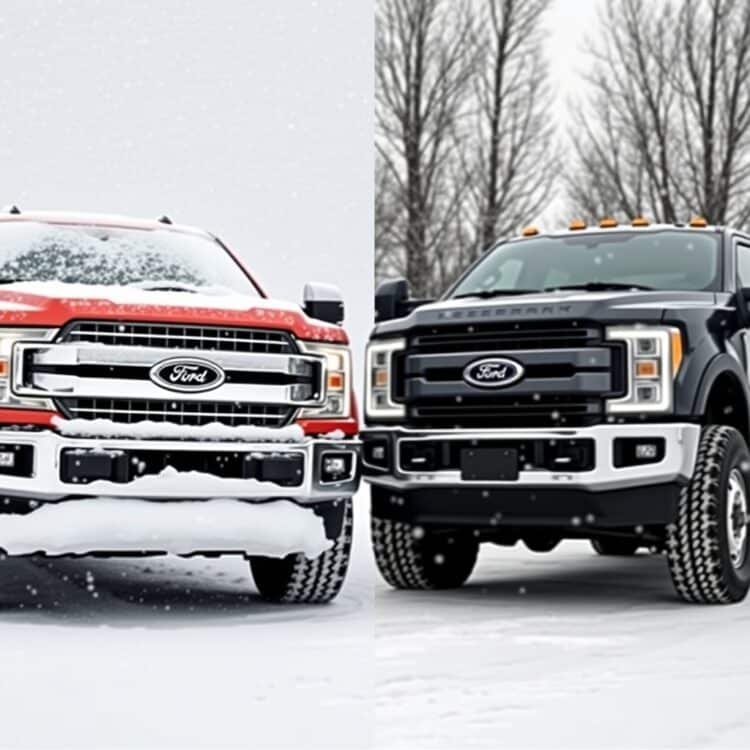
Now, let’s dive into the years that have earned their place in Ford truck history. These are the models that combine reliability, performance, and innovation to deliver an unmatched driving experience. Whether you’re a collector or a daily driver, these years offer something special.
From the rugged charm of the 1990s to the tech-forward 2010s, each decade has its stars. We’ve narrowed it down to the best of the best, based on real-world performance and owner satisfaction. Here’s what makes these years stand out.
The 1990s A Decade of Durability
The 1990s were a golden era for Ford trucks, with models like the 1996 F-150 leading the charge. These trucks were built to last, with robust engines and simple, easy-to-repair designs. The 1997 F-250, for instance, is still a favourite among off-road enthusiasts for its ruggedness and reliability.
What sets these trucks apart is their no-nonsense approach. They’re straightforward, dependable, and perfect for heavy-duty work. If you’re after a truck that won’t let you down, the 1990s have plenty to offer.
The 2000s Innovation and Power
The 2000s brought a wave of innovation, with models like the 2004 F-150 introducing a fully redesigned frame and improved cabin comfort. The 2008 Super Duty took things further with a turbocharged diesel engine, setting new standards for towing and hauling.
This era also saw the rise of advanced features like SYNC infotainment and improved safety systems. It’s a time when Ford began blending power with modern conveniences, making these trucks ideal for both work and play.
The 2010s Efficiency Meets Performance
The 2010s were all about balancing power with efficiency. The 2015 F-150’s aluminum body was a game-changer, reducing weight and improving fuel economy without sacrificing strength. Then there’s the 2017 Raptor, a high-performance off-roader that redefined what a pickup could do.
These trucks also embraced technology, with features like Pro Trailer Backup Assist and adaptive cruise control. It’s a decade where Ford proved that trucks could be both powerful and smart, setting the stage for the future. For more insights, check out this authoritative guide on Ford’s latest innovations.
The Impact of Technology on Ford Trucks
Advancements in Engine Technology
Over the years, Ford has consistently pushed the envelope with engine technology, making their trucks more powerful and efficient. From the introduction of the EcoBoost engines to the latest Power Stroke diesel options, each innovation has redefined what we expect from a pickup. The 2011 F-150, for example, marked a turning point with its twin-turbocharged V6, delivering V8-like power with better fuel economy. It’s no wonder this era remains a favourite among truck enthusiasts.
Modern Ford trucks also feature advanced fuel injection systems and cylinder deactivation, further optimising performance. These technologies not only enhance power but also reduce emissions, aligning with stricter environmental standards. Whether you’re towing heavy loads or cruising the motorway, Ford’s engine advancements ensure you get the job done without compromising efficiency.
Safety Features Over the Years
Safety has always been a priority for Ford, and their trucks reflect this commitment. Early models relied on basic features like seatbelts and airbags, but today’s trucks are packed with cutting-edge tech. The 2015 F-150 introduced adaptive cruise control and lane-keeping assist, while the 2020 models added Ford’s Co-Pilot360 suite, including blind-spot monitoring and automatic emergency braking.
These innovations have transformed Ford trucks into some of the safest vehicles on the road. Whether you’re navigating city streets or off-road trails, the peace of mind these features provide is invaluable. It’s clear that Ford’s focus on safety has made their trucks a top choice for families and professionals alike.
Comparing Ford Truck Models by Year
F-150 vs. Super Duty Yearly Comparisons
The F-150 and Super Duty have always catered to different needs, but comparing them year by year reveals fascinating insights. The 2017 F-150, for instance, offered a lightweight aluminium body, improving fuel efficiency without sacrificing strength. Meanwhile, the same year’s Super Duty focused on raw power, with a 6.7L Power Stroke diesel engine capable of towing over 30,000 pounds.
Choosing between them depends on your priorities. The F-150 excels as a daily driver with occasional heavy-duty tasks, while the Super Duty is built for relentless work. Both models have evolved to meet specific demands, proving Ford’s ability to tailor their trucks to diverse lifestyles.
Ranger and Other Models Through the Years
The Ford Ranger has had its own journey, from its early days as a compact workhorse to its recent revival as a midsize contender. The 2019 reintroduction brought modern amenities like SYNC 3 infotainment and a turbocharged engine, appealing to a new generation of truck buyers. Other models, like the discontinued Ford Explorer Sport Trac, also left their mark with unique blends of utility and comfort.
Each model has its own legacy, but the common thread is Ford’s dedication to innovation. Whether it’s the Ranger’s versatility or the F-Series’ dominance, there’s a Ford truck for every need and era.
Consumer Reviews and Satisfaction
Highest Rated Years According to Owners
Owners consistently praise the 2013 and 2018 F-150 models for their reliability and performance. The 2013 model, with its robust 5.0L V8, is celebrated for its longevity, while the 2018 version stands out for its refined ride and tech upgrades. These years represent Ford’s ability to balance power, comfort, and durability.
Similarly, the 2020 Super Duty earns high marks for its towing capabilities and luxurious interior. Owners appreciate the seamless integration of heavy-duty performance with everyday comfort, making it a standout in its class. These models exemplify why Ford trucks dominate customer satisfaction surveys.
Common Complaints and Issues
No vehicle is perfect, and Ford trucks have had their share of issues. The 2004 F-150, for example, faced transmission problems, while some 2011 models struggled with faulty spark plugs. These hiccups, though frustrating, are often overshadowed by the trucks’ overall reliability.
More recent complaints focus on tech glitches, like SYNC system freezes. However, Ford’s responsive customer service and warranty coverage help mitigate these concerns. It’s a reminder that even the best trucks can have flaws, but Ford’s commitment to improvement keeps owners loyal.
Resale Value and Depreciation
Years with the Best Resale Value
Ford trucks are renowned for holding their value, and certain years stand out. The 2015 F-150, with its aluminium body and EcoBoost engines, remains highly sought after, commanding strong resale prices. Similarly, the 2017 Super Duty’s reputation for durability makes it a favourite in the used market.
These models benefit from Ford’s reputation for quality and the practicality of their designs. Whether you’re buying new or used, choosing a year with strong resale value ensures a smarter investment.
Factors Affecting Truck Depreciation
Depreciation varies based on factors like mileage, maintenance, and market demand. Trucks with well-documented service histories and low mileage naturally retain more value. Additionally, popular configurations, like crew cabs with 4×4, depreciate slower due to higher demand.
Economic conditions also play a role. During periods of high fuel prices, fuel-efficient models like the EcoBoost F-150 hold their value better. Understanding these factors helps buyers make informed decisions and maximise their truck’s long-term worth.
Maintenance and Repair Costs
Most Cost-Effective Years to Maintain
When it comes to maintaining a Ford truck, some years stand out for their cost-effectiveness. The 2004 F-150, for example, is renowned for its robust build and minimal repair needs. Owners often praise its straightforward mechanics, making it a favourite among those who prefer DIY fixes. Similarly, the 2012 F-150 offers a balance of modern features and reliability, with fewer reported issues compared to other years. If you’re looking for a reliable truck that won’t break the bank in upkeep, these models are solid choices.
The 1997 F-150 is another gem, especially for those who appreciate simplicity. Its lack of complex electronics means fewer things can go wrong, and parts are both affordable and easy to find. On the newer end, the 2018 F-150 benefits from advanced engineering, reducing the frequency of major repairs. Whether you’re a fan of older models or prefer something more recent, Ford has options that keep maintenance costs manageable without sacrificing performance.
Common Repairs by Model Year
Every Ford truck generation has its quirks, and knowing what to expect can save you time and money. The 2005 F-150, for instance, is notorious for its spark plug issues, which can be a headache if not addressed early. Meanwhile, the 2011 model often requires attention to its transmission, a common gripe among owners. These repairs might seem daunting, but they’re often outweighed by the truck’s overall durability and performance.
Newer models like the 2020 F-150 aren’t immune to problems either. Some owners report electrical glitches, particularly with the infotainment system. However, these issues are typically covered under warranty, easing the financial burden. On the flip side, older trucks like the 1993 F-150 might need frequent suspension work due to wear and tear. Understanding these patterns helps you budget for repairs and keep your truck running smoothly for years to come.
Customization and Aftermarket Support
Best Years for Customization
If you love personalising your truck, the 2008 F-150 is a dream come true. Its popularity means a vast aftermarket ecosystem, from lift kits to performance chips. The 2015 F-150 is another standout, thanks to its aluminium body, which opens up unique modification possibilities. Whether you’re into off-roading or street performance, these models offer endless customization potential.
The 1999 F-150 holds a special place in the hearts of classic truck enthusiasts. Its straightforward design makes it easy to modify, and parts are readily available. For those who prefer modern tech, the 2021 F-150’s modular design allows for seamless upgrades. No matter your style or budget, Ford trucks provide a canvas for creativity, ensuring your ride stands out from the crowd.
Availability of Aftermarket Parts
Finding aftermarket parts for Ford trucks is rarely a challenge, but some years are better supported than others. The 2006 F-150, for example, benefits from a wealth of options, from exhaust systems to interior upgrades. The 2014 F-150 is another winner, with its widespread adoption ensuring a steady supply of parts. If you’re after a hassle-free customization experience, these models are your best bet.
Even niche models like the 2017 F-150 Raptor enjoy strong aftermarket support, thanks to their dedicated fanbase. Older trucks, such as the 1987 F-150, might require more hunting for parts, but the vintage appeal makes it worth the effort. Whether you’re restoring a classic or upgrading a modern beast, Ford’s aftermarket network ensures you’ll find what you need.
Environmental Considerations
Emissions Standards and Compliance
Ford has made significant strides in meeting emissions standards, with the 2016 F-150 leading the charge. Its EcoBoost engine reduces emissions without sacrificing power, making it a favourite among eco-conscious drivers. The 2022 F-150 takes it further with hybrid options, aligning with stricter global regulations. If you’re looking for a truck that balances performance with environmental responsibility, these models are top contenders.
Older trucks like the 2002 F-150 might struggle to meet modern standards, but aftermarket solutions can help. Diesel models, such as the 2019 F-250, offer cleaner alternatives for heavy-duty needs. Ford’s commitment to innovation ensures that even its most powerful trucks can comply with evolving environmental laws, giving you peace of mind on and off the road.
Eco-Friendly Ford Truck Options
The 2023 F-150 Lightning is Ford’s boldest step toward sustainability, offering zero-emission driving without compromising utility. Its electric powertrain delivers impressive towing capacity, proving that green trucks can be just as capable. The 2021 F-150 Hybrid is another standout, blending fuel efficiency with traditional truck capabilities. For those who want to reduce their carbon footprint, these options are game-changers.
Even non-hybrid models like the 2020 F-150 with its turbocharged V6 offer improved fuel economy over older V8s. Ford’s focus on sustainability ensures that eco-friendly choices don’t mean sacrificing power or functionality. Whether you’re hauling heavy loads or cruising the highway, there’s a Ford truck that meets your environmental goals.
Towing and Payload Capacities
Years with the Highest Towing Capacity
If towing is your priority, the 2022 F-150 with its max tow package is hard to beat, offering up to 14,000 pounds of capacity. The 2017 F-250 Super Duty is another powerhouse, designed for heavy-duty tasks with a towing limit of 18,000 pounds. These trucks are built for those who need serious hauling power, whether for work or play.
The 2009 F-150 might not match modern numbers, but its 11,300-pound capacity is impressive for its time. For vintage enthusiasts, the 1996 F-250 still holds its own with a sturdy frame and reliable towing performance. No matter the era, Ford trucks deliver the muscle you need to get the job done.
Payload Capabilities Over Time
Payload capacity has evolved significantly, with the 2023 F-150 leading the pack at 3,325 pounds. The 2018 F-350 Super Duty isn’t far behind, boasting a staggering 7,850 pounds, ideal for commercial use. These figures highlight Ford’s commitment to pushing the limits of what a truck can carry.
Older models like the 2003 F-150 offer respectable payloads around 3,000 pounds, proving that even decades-old trucks can handle heavy loads. Whether you’re transporting equipment or towing a trailer, Ford’s payload capabilities ensure you’re always ready for the task at hand.
Off-Road Performance by Year
Best Years for Off-Roading
When it comes to off-roading, not all Ford trucks are created equal. The best years for tackling rugged terrain are often those with robust engineering and advanced off-road packages. The 2010s stand out, particularly the 2017 and 2018 models, which introduced the Raptor trim. These trucks feature high-strength frames, upgraded suspensions, and terrain management systems. The 2000s also had gems like the 2005 F-150 FX4, known for its durability and off-road-ready features. If you’re after vintage charm, the 1990s F-150s with their simple yet sturdy builds are still beloved by off-road enthusiasts.
Features That Enhance Off-Road Capability
Off-road prowess isn’t just about power—it’s about the right features. Look for trucks with four-wheel drive, locking differentials, and skid plates. The Raptor’s Fox shocks and Terrain Management System are game-changers, while older models like the 2005 FX4 offer reliable off-road packages. Ground clearance is another critical factor; newer models often excel here. Don’t overlook aftermarket support, as some years, like the 2017 Raptor, have a wealth of upgrades available to push their limits even further.
Awards and Recognitions
Years Ford Trucks Won Major Awards
Ford trucks have consistently earned accolades, with standout years including 2015 and 2020. The 2015 F-150, for instance, won Motor Trend’s Truck of the Year thanks to its aluminium body and innovative design. The 2020 F-150 Super Duty earned praise for its towing capabilities and advanced tech. These awards highlight Ford’s commitment to innovation and performance. Even earlier models, like the 2004 F-150, were celebrated for their reliability and design, proving Ford’s legacy of excellence.
Industry Recognition and Accolades
Beyond awards, Ford trucks have earned a reputation for setting industry standards. The 2017 Raptor, for example, redefined off-road performance, while the 2021 F-150 Hybrid showcased Ford’s push toward sustainability. Industry experts often cite Ford’s ability to balance power, efficiency, and technology. Whether it’s consumer satisfaction or critical acclaim, Ford’s trucks consistently rank among the best, cementing their place in automotive history.
Future Prospects for Ford Trucks
Upcoming Models and Innovations
The future of Ford trucks looks electrifying, with the F-150 Lightning leading the charge. This all-electric model promises impressive torque and towing capabilities, along with cutting-edge tech like Pro Power Onboard. Hybrid options are also expanding, blending efficiency with power. Ford’s commitment to innovation ensures that upcoming models will continue to push boundaries, whether in performance, sustainability, or smart features.
Predictions for Future Best Years
Looking ahead, the mid-2020s could be Ford’s best years yet. With advancements in electric and hybrid technology, trucks like the 2025 F-150 are expected to set new benchmarks. Autonomous driving features and enhanced connectivity will likely play a big role. Ford’s focus on sustainability and performance suggests that future models will not only meet but exceed expectations, making them prime candidates for the title of “best year” in the years to come.
Frequently Asked Questions
What is the most reliable Ford truck year?
The 2015 F-150 is often cited as one of the most reliable, thanks to its aluminium body reducing rust and weight. Its 3.5L EcoBoost engine is also praised for longevity. For older models, the 2005 F-150 stands out for its durability and straightforward mechanics, making it a favourite among long-term owners.
Which Ford truck year has the best resale value?
The 2020 F-150 and 2017 Raptor are top contenders for resale value. Their combination of advanced features, performance, and brand reputation keeps demand high. Older models like the 2011 F-150 also hold value well, especially when equipped with popular trim packages.
Are newer Ford trucks better for off-roading?
Yes, newer models like the 2017 Raptor and 2021 F-150 Tremor offer superior off-road features, including advanced suspension systems and terrain management. However, older trucks like the 2005 FX4 are still capable and often more affordable to modify for off-road use.
What Ford truck year is best for towing?
The 2020 Super Duty is a standout for towing, with a max capacity of over 35,000 pounds when properly equipped. For lighter towing needs, the 2018 F-150 with the 3.5L EcoBoost engine offers a great balance of power and efficiency.
Will Ford’s electric trucks outperform traditional models?
Early indications suggest yes. The F-150 Lightning boasts instant torque and innovative features like battery-powered worksites. While traditional models still dominate heavy-duty tasks, electric trucks are poised to redefine performance standards in the coming years.