What Does “1500” Mean on a Truck?
Introduction
Ever wondered what the “1500” on a truck’s badge actually means? You’re not alone. It’s one of those numbers that seems cryptic at first glance, but once you crack the code, it reveals a lot about the vehicle’s capabilities. Whether you’re a truck enthusiast or just curious, let’s dive into the world of truck numbering and uncover the story behind “1500.”
Key Takeaways
- The “1500” designation typically refers to a truck’s payload capacity, measured in pounds.
- It’s part of a broader numbering system used by manufacturers to classify truck models.
- Higher numbers (e.g., 2500, 3500) indicate increased towing and hauling capabilities.
- Understanding these numbers helps you choose the right truck for your needs.
- For more insights on automotive classifications, check out our automotive blog.
How Well Do You Know Ford?
Understanding the Basics of Truck Numbering
The Significance of Numbers on Trucks
Truck numbers like “1500” aren’t just random digits—they’re a shorthand for the vehicle’s purpose and performance. These numbers often reflect payload capacity, towing ability, or even engine size. For instance, a “1500” truck is designed for lighter workloads compared to a “3500” model. It’s a universal language among truck brands, though the specifics can vary.
Decoding the ‘1500’ in Truck Models
The “1500” badge usually signifies a half-ton truck, a term rooted in historical payload capacities. Modern “1500” trucks, however, often exceed this limit, thanks to advancements in engineering. Brands like Chevrolet, GMC, and Ram use this numbering to differentiate their light-duty trucks from heavier-duty options. It’s a balance of power and practicality, perfect for everyday use.
Common Numbering Systems Across Truck Brands
While “1500” is widely recognised, other numbers like “2500” or “3500” denote heavier-duty trucks. Ford, for example, uses “F-150 “F-250 and so on, following a similar logic. These systems help buyers quickly identify a truck’s capabilities. For a deeper dive into how these numbers translate to real-world performance, explore our fastest Corsa model analysis.
The History Behind Truck Model Numbers
Origins of Model Numbering in the Automotive Industry
When I first dug into the history of truck model numbers, I was fascinated by how it all started. Back in the early days, manufacturers needed a simple way to categorise their vehicles. Numbers like “1500” weren’t just random; they were part of a system designed to convey key details. It’s like a secret code, and once you crack it, you’ll never look at trucks the same way again. The automotive industry has always been about precision, and these numbers are no exception.
Think of it as a legacy. Brands like Chevrolet and Ford pioneered this system, using numbers to indicate everything from engine size to payload capacity. It wasn’t just about branding—it was about functionality. Today, we might take these numbers for granted, but they’re rooted in a rich history of innovation and practicality. If you’re curious about how other models stack up, check out our automotive blog for more insights.
Evolution of the 1500 Designation
The “1500” designation has come a long way. Originally, it was tied to a truck’s weight class, specifically its payload capacity in pounds. Over time, though, it evolved into a broader indicator of a truck’s size and capabilities. Manufacturers realised that consumers associated “1500” with a specific type of truck—one that balanced power and practicality. It’s a testament to how branding and functionality can merge seamlessly.
Today, the “1500” badge is more than just a number; it’s a symbol of versatility. Whether you’re hauling gear for a weekend adventure or towing a trailer, a 1500-series truck is designed to handle it all. And if you’re wondering how this compares to other models, our guide to fast models offers a fresh perspective.
What 1500 Signifies in Truck Specifications
Engine and Performance Indicators
Let’s get under the hood. The “1500” badge often hints at what’s powering the truck. Typically, these models come with robust engines designed for everyday driving and light towing. Think of it as the sweet spot between fuel efficiency and raw power. You’re not just getting a vehicle; you’re getting a machine engineered for balance. It’s why so many drivers swear by their 1500-series trucks.
But don’t just take my word for it. The performance specs speak for themselves. From torque to horsepower, these trucks are built to deliver. And if you’re into tweaking your ride, our customisation tips might spark some ideas.
Payload and Towing Capacity Insights
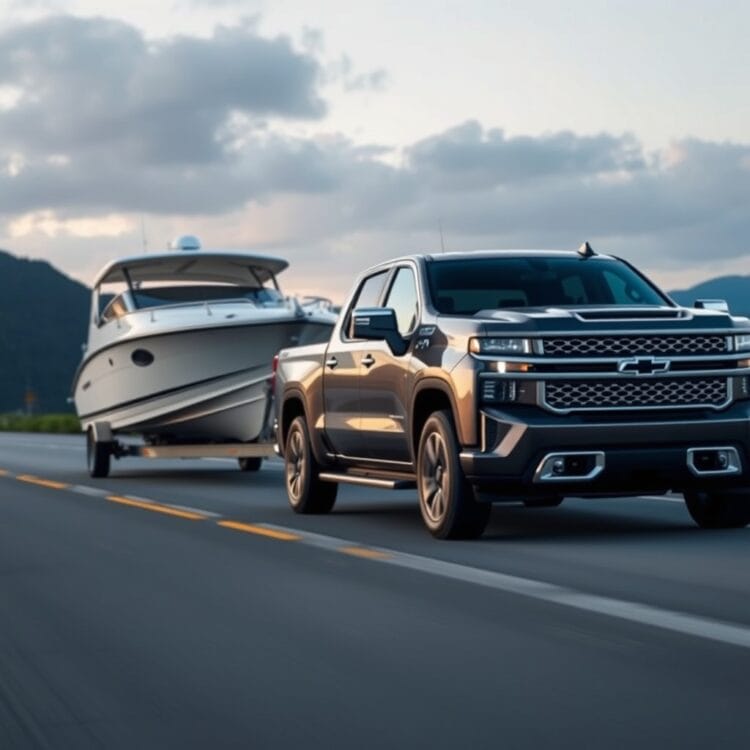
Here’s where the “1500” really shines. This number often correlates with a truck’s payload and towing capabilities. In simple terms, a 1500-series truck can handle around 1,500 pounds of payload. That’s enough for most hauling needs without stepping into heavy-duty territory. It’s the perfect blend of utility and everyday usability.
Towing? Absolutely. These trucks are designed to pull trailers, boats, and more with ease. If you’re planning a big haul, the 1500 is your go-to. For a deeper dive into towing capacities, our reliability guide offers some handy comparisons.
Comparing 1500 to Other Truck Model Numbers
1500 vs 2500 and 3500 What’s the Difference
So, how does the 1500 stack up against its bigger siblings? The 2500 and 3500 models are all about heavy-duty performance. While the 1500 is perfect for everyday use, the 2500 and 3500 are built for tougher jobs. Think construction sites or massive trailers. The difference boils down to capacity—both in terms of payload and towing.
But here’s the kicker: unless you’re regularly hauling heavy loads, the 1500 is often the smarter choice. It’s more fuel-efficient, easier to manoeuvre, and just as capable for most tasks. For a closer look at how these models compare, check out this external resource.
How 1500 Fits into the Truck Hierarchy
The 1500 sits at the top of the light-duty truck category. It’s the gateway to serious capability without the bulk of a heavy-duty model. For most drivers, it’s the ideal balance. Whether you’re a weekend warrior or a small business owner, the 1500 offers everything you need without overkill.
It’s also worth noting that the 1500 often comes with more comfort features. After all, who says practicality can’t be luxurious? From advanced infotainment systems to plush interiors, these trucks are designed for drivers who want it all. And if you’re curious about other models, our specs breakdown has you covered.
The Role of ‘1500’ in Truck Customisation
Customization Options Available for ‘1500’ Models
When it comes to personalising your ‘1500’ truck, the options are nearly endless. From aesthetic upgrades like custom grilles and decals to functional additions such as bed liners and tonneau covers, you can tailor your truck to fit your lifestyle. Many owners opt for performance-enhancing modifications, including exhaust systems and suspension lifts, to elevate both looks and capability. Whether you’re aiming for a rugged off-road beast or a sleek urban cruiser, the ‘1500’ platform offers the flexibility to make it uniquely yours.
Beyond the basics, advanced customisation includes interior upgrades like premium upholstery and tech integrations. Brands often provide factory-backed accessories, ensuring compatibility and reliability. For those who love DIY projects, the aftermarket scene is thriving with parts designed specifically for ‘1500’ models. The key is balancing aesthetics with practicality—ensuring your modifications enhance the truck’s functionality without compromising its core performance.
Performance Upgrades for ‘1500’ Trucks
If you’re looking to squeeze more power out of your ‘1500’, performance upgrades are the way to go. Engine tuning and ECU remapping can unlock hidden horsepower, while cold air intakes and high-flow exhaust systems improve efficiency and sound. For towing enthusiasts, adding a performance brake kit or upgraded suspension components can make a world of difference. These tweaks not only boost power but also enhance the driving experience, making your ‘1500’ feel more responsive and agile.
Off-road enthusiasts often focus on lift kits, all-terrain tyres, and skid plates to tackle rough terrain. Meanwhile, street-oriented builds might prioritise lowering kits and performance tyres for better handling. No matter your goal, the ‘1500’ platform is a blank canvas for performance enthusiasts. Just remember to consult professionals for complex upgrades to avoid voiding warranties or compromising safety.
Fuel Efficiency and the ‘1500’ Model
Understanding Fuel Economy in ‘1500’ Trucks
Fuel efficiency is a critical consideration for any truck owner, and the ‘1500’ models strike a balance between power and economy. Modern engines, like turbocharged V6s and diesel options, offer impressive mileage without sacrificing performance. Aerodynamic designs and lightweight materials further contribute to better fuel economy, making the ‘1500’ a practical choice for daily driving and long hauls alike.
However, fuel economy can vary based on driving habits and load. Heavy towing or aggressive acceleration will naturally reduce efficiency. Many ‘1500’ trucks now come with eco-driving modes and start-stop technology to optimise fuel use. Understanding these features and how to leverage them can help you get the most out of every tank, whether you’re commuting or embarking on a cross-country adventure.
Tips for Improving Mileage
Improving your ‘1500’s fuel efficiency starts with simple habits. Regular maintenance, like oil changes and tyre rotations, ensures your truck runs smoothly. Keeping tyres properly inflated reduces rolling resistance, while removing unnecessary weight from the bed can lighten the load. Avoiding excessive idling and using cruise control on highways can also make a noticeable difference in fuel consumption.
For those willing to invest, upgrading to low-rolling-resistance tyres or installing a tonneau cover can further enhance mileage. Diesel owners might consider fuel additives to improve combustion efficiency. Ultimately, a combination of smart driving and strategic upgrades will help you maximise your ‘1500’s fuel economy, saving money and reducing your environmental footprint.
Safety Features in ‘1500’ Trucks
Standard Safety Technologies
Safety is a top priority in modern ‘1500’ trucks, with many models boasting advanced features as standard. Expect to find adaptive cruise control, lane-keeping assist, and automatic emergency braking, all designed to prevent accidents before they happen. Blind-spot monitoring and rear cross-traffic alert add an extra layer of security, especially in busy urban environments. These technologies make the ‘1500’ not just a powerful workhorse but also a safe family vehicle.
Passive safety features, like reinforced frames and multiple airbags, provide additional protection in the event of a collision. Many ‘1500’ models also include stability control and traction management systems to handle challenging road conditions. Whether you’re navigating city streets or off-road trails, these features work together to keep you and your passengers safe.
Optional Safety Upgrades
For those who want even more peace of mind, optional safety upgrades are available. Features like 360-degree camera systems and parking sensors make manoeuvring large trucks easier, while trailer assist technology simplifies towing. Night vision systems and head-up displays are becoming more common, enhancing visibility in low-light conditions. These upgrades are particularly valuable for drivers who frequently tackle long distances or complex driving scenarios.
Investing in safety upgrades can also pay off in the long run, potentially lowering insurance premiums and improving resale value. Many of these technologies are now available as part of premium packages, making it easier to customise your ‘1500’ to meet your specific needs. Safety isn’t just about avoiding accidents—it’s about confidence behind the wheel.
The Best Uses for a ‘1500’ Truck
Ideal Workloads and Scenarios
The ‘1500’ truck is a versatile workhorse, perfect for a wide range of tasks. Its payload and towing capacities make it ideal for contractors, farmers, and anyone who needs to haul heavy loads. Whether you’re transporting construction materials or towing a trailer, the ‘1500’ handles it with ease. The spacious cabin and comfortable ride also make it a great choice for long workdays on the road.
For businesses, the ‘1500’ offers a professional yet rugged image, with options like commercial-grade bed liners and tool storage solutions. Its reliability and durability ensure it can withstand the demands of daily use, making it a smart investment for small business owners. From job sites to delivery routes, the ‘1500’ proves its worth as a dependable partner in getting the job done.
Recreational Uses of ‘1500’ Trucks
Beyond work, the ‘1500’ shines as a recreational vehicle. Its off-road capabilities make it a favourite for camping and adventure trips, while its towing power is perfect for hauling boats or caravans. Many owners equip their trucks with rooftop tents, bike racks, and other gear to enhance their outdoor experiences. The ‘1500’ is more than just a truck—it’s a gateway to adventure.
For families, the ‘1500’ offers ample space and comfort for road trips, with features like rear-seat entertainment systems and climate control. Its rugged design ensures it can handle everything from beach outings to mountain getaways. Whether you’re exploring the great outdoors or simply enjoying a weekend escape, the ‘1500’ is built to make every journey memorable.
Maintenance Tips for 1500 Trucks
Routine Maintenance Schedule
Keeping your 1500 truck in top shape starts with a solid routine maintenance schedule. We recommend regular oil changes every 5,000 to 7,500 miles, depending on your driving conditions. Don’t forget to rotate the tyres every 6,000 miles to ensure even wear. Checking fluid levels, including coolant, brake fluid, and transmission fluid, should be part of your monthly routine. A well-maintained truck not only performs better but also holds its value longer. For more detailed guidance, check out our automotive blog.
Beyond the basics, inspect the brakes and suspension components annually. The 1500’s robust build means it can handle heavy loads, but this also puts extra strain on these parts. Replacing air filters and spark plugs as per the manufacturer’s guidelines will keep the engine running smoothly. If you’re unsure about any step, consult your owner’s manual or a trusted mechanic. Remember, proactive care saves you from costly repairs down the road.
Common Maintenance Issues and Solutions
One common issue with 1500 trucks is the wear and tear on the suspension system, especially if you frequently haul heavy loads. If you notice a rough ride or unusual noises, it might be time to replace shocks or struts. Another frequent problem is brake pad wear; inspect them regularly and replace them before they damage the rotors. For those who love off-roading, mud and debris can clog the undercarriage, so a thorough cleaning is essential.
Electrical issues, such as faulty sensors or battery drain, can also pop up. Always keep an eye on the dashboard warning lights. If you’re experiencing persistent problems, a diagnostic scan can pinpoint the issue. For more insights on maintaining your truck’s performance, explore our detailed specs guide. Addressing small problems early ensures your 1500 remains reliable for years to come.
The Resale Value of 1500 Trucks
Factors Affecting Resale Value
The resale value of your 1500 truck depends on several factors, including mileage, condition, and market demand. Lower mileage trucks typically fetch higher prices, but how you’ve maintained the vehicle matters just as much. A well-documented service history can significantly boost its value. Cosmetic condition, like paint and interior wear, also plays a role. If you’ve kept your truck in showroom condition, you’ll likely see a better return.
Market trends can influence resale value too. Trucks with popular features, such as four-wheel drive or advanced towing packages, tend to hold their value better. Seasonal demand can also affect pricing; for example, trucks often sell for more in the spring and summer. To get the most out of your sale, consider timing it right and highlighting the truck’s best features. For more tips, visit our performance insights page.
How to Maximise Your Truck’s Resale Value
Maximising your 1500’s resale value starts with keeping it clean and well-maintained. Regular washing and waxing protect the paint, while interior cleaning prevents stains and odours. Addressing minor repairs before selling, like fixing dents or replacing worn-out parts, can make a big difference. Upgrading to newer tyres or adding popular accessories can also increase its appeal.
When it’s time to sell, presentation is key. Take high-quality photos and write a detailed listing highlighting the truck’s strengths. Be honest about any flaws to build trust with potential buyers. Offering a recent inspection report can reassure buyers of the truck’s condition. For more strategies on getting the best price, check out our expert advice.
Financing and Insurance Considerations
Understanding Financing Options
Financing a 1500 truck can be straightforward if you know your options. Dealerships often offer competitive rates, but it’s wise to shop around with banks and credit unions for the best deal. Leasing is another option if you prefer lower monthly payments and the ability to upgrade frequently. However, buying outright or financing to own gives you long-term equity. Always check your credit score beforehand, as it affects your interest rate.
Consider the total cost of ownership, including depreciation and maintenance, when choosing a financing plan. Longer loan terms may reduce monthly payments but increase overall interest. If you’re trading in an older vehicle, negotiate its value separately from the new purchase. For more financial tips, explore our comprehensive guides.
Insurance Costs for 1500 Trucks
Insurance for a 1500 truck can vary based on factors like your driving history, location, and coverage level. Full coverage is recommended for newer models, while liability may suffice for older trucks. Features like anti-theft systems or advanced safety tech can lower premiums. If you use your truck for business, commercial insurance might be necessary.
Comparing quotes from multiple providers ensures you get the best rate. Bundling policies, such as home and auto insurance, can also save money. For high-risk drivers, defensive driving courses may reduce costs. To learn more about minimising insurance expenses, check out this external resource.
The Future of 1500 Trucks
Upcoming Models and Innovations
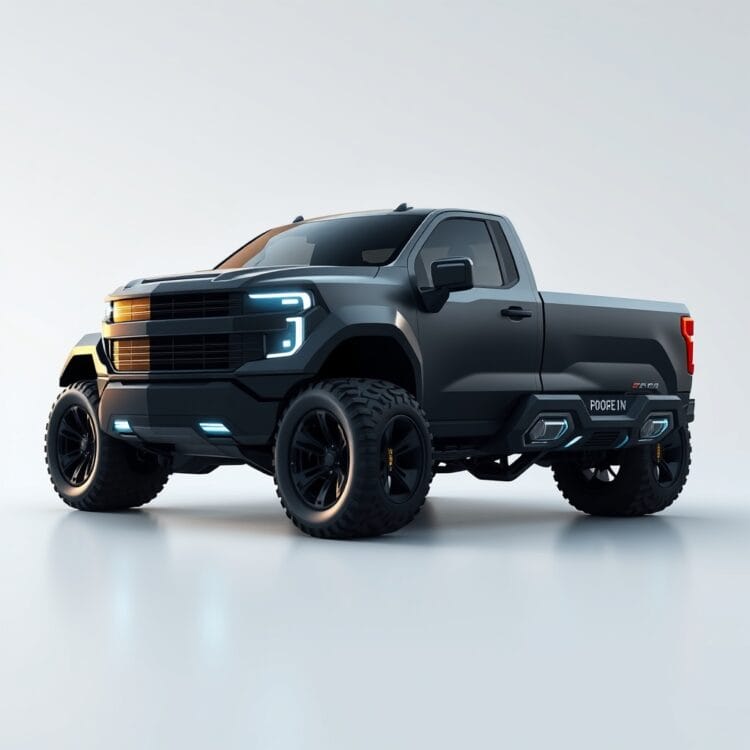
The future of 1500 trucks is electric, with major manufacturers unveiling hybrid and fully electric models. These innovations promise lower emissions without sacrificing power or towing capacity. Advanced driver-assistance systems (ADAS) are becoming standard, offering features like autonomous parking and collision avoidance. Lightweight materials, such as aluminium and carbon fibre, are also being integrated to improve fuel efficiency.
Connectivity is another focus, with trucks featuring over-the-air updates and integrated smart home compatibility. Expect to see more customisation options, allowing buyers to tailor their trucks to specific needs. Whether for work or play, the next generation of 1500 trucks will be smarter and more sustainable. Stay updated on the latest trends by visiting our reliability reviews.
The Shift Towards Electric and Hybrid Models
The shift to electric and hybrid 1500 trucks is accelerating, driven by environmental regulations and consumer demand. Electric models offer instant torque and quieter operation, while hybrids provide a balance of efficiency and range. Charging infrastructure is expanding, making electric trucks more practical for long hauls. Governments are also offering incentives to encourage adoption, such as tax credits and reduced registration fees.
Battery technology is improving rapidly, with longer ranges and faster charging times. Manufacturers are investing heavily in renewable energy solutions, like solar-powered charging stations. While the transition may take time, the benefits of reduced fuel costs and lower emissions are undeniable. For more insights into the future of trucking, explore our technology breakdown.
How to Choose the Right 1500 Truck for You
Assessing Your Needs and Preferences
When selecting a 1500 truck, start by evaluating your specific requirements. Consider whether you need it for work, towing, or recreational activities. Payload and towing capacity are critical factors, so match them to your typical loads. Think about cabin space—do you need a crew cab for passengers or a regular cab for more bed space? Your daily driving conditions, such as city commuting or off-road adventures, will also influence your choice.
Budget is another key consideration. While 1500 trucks offer a balance of power and affordability, prices vary across brands and trims. Don’t forget to factor in long-term costs like fuel efficiency and maintenance. Test-driving multiple models will help you gauge comfort and handling, ensuring the truck aligns with your lifestyle. For more insights, check out our automotive blog.
Comparing Different Brands and Models
Brands like Ford, Chevrolet, and Ram each bring unique strengths to their 1500 models. Ford’s F-150 is renowned for its towing prowess, while the Ram 1500 excels in ride comfort. Chevrolet’s Silverado 1500 strikes a balance between performance and reliability. Compare engine options, from V6 to V8, and consider hybrid or diesel variants for better fuel economy. Technology features, such as infotainment systems and driver-assist tools, also vary.
Resale value is another aspect to weigh—some brands retain value better than others. Research reliability ratings and owner reviews to avoid common issues. Customization options, like bed liners or off-road packages, can enhance functionality. For a deeper dive into performance, explore our specs guide.
Accessorizing Your 1500 Truck
Must-Have Accessories for Functionality
Enhance your 1500 truck’s utility with practical accessories. Tonneau covers protect your cargo from weather and theft, while bed liners prevent scratches and dents. Towing mirrors and hitch receivers are essential if you frequently haul trailers. Consider a toolbox or cargo management system for organised storage. Upgrading to all-terrain tyres improves traction for off-road driving, and LED light bars boost visibility during night-time adventures.
For tech-savvy owners, dash cams and GPS systems add convenience and safety. A quality sound system can transform long drives into enjoyable experiences. Don’t overlook maintenance tools like jump starters or portable air compressors. These additions ensure your truck is ready for any task. Learn more about performance upgrades.
Aesthetic Upgrades to Consider
Personalise your 1500 truck with stylish modifications. Chrome or blacked-out grilles give the front end a bold look, while custom wheels and tyres enhance its stance. Decals or vinyl wraps allow for unique colour schemes without permanent changes. Interior upgrades like leather seat covers or custom floor mats add a touch of luxury. LED interior lighting creates a modern ambiance.
Performance-inspired aesthetics, such as hood scoops or side steps, blend form and function. Don’t forget about window tints for privacy and UV protection. These upgrades not only reflect your personality but can also increase resale value. For inspiration, browse our design ideas.
Real-World Reviews and Testimonials
Owner Experiences with 1500 Trucks
Owners of 1500 trucks often praise their versatility and reliability. Many highlight the smooth ride quality, especially in models with advanced suspension systems. Towing capabilities are frequently commended, with users noting how effortlessly their trucks handle heavy loads. Fuel efficiency, particularly in newer models with turbocharged engines, is another common positive. However, some report higher maintenance costs for certain brands.
Off-road enthusiasts appreciate the ruggedness of 1500 trucks, especially when equipped with four-wheel drive. Daily drivers enjoy the spacious cabins and modern tech features. A few owners mention minor issues like infotainment glitches or brake wear, but overall satisfaction remains high. For more real-world insights, visit Truck Trend.
Professional Reviews and Ratings
Experts consistently rank 1500 trucks highly for their balance of power and practicality. The Ford F-150 often tops lists for its innovative features and strong resale value. The Ram 1500 earns accolades for its luxurious interior and smooth ride. Chevrolet’s Silverado 1500 is praised for its robust engine options and towing technology. Safety ratings are generally strong across the board.
Critics note that while 1500 trucks excel in many areas, fuel economy can lag behind smaller vehicles. Hybrid models are gaining traction for addressing this concern. Professional test drives highlight responsive handling and comfortable seating, even on long journeys. These reviews help buyers make informed decisions based on performance and reliability.
Frequently Asked Questions
What Does 1500 Mean on a Truck?
The 1500 designation refers to the truck’s payload capacity, indicating it can handle up to 1,500 pounds. This classification places it in the light-duty segment, ideal for everyday use and moderate towing. It’s part of a broader numbering system used by manufacturers to differentiate models. For example, 2500 and 3500 trucks offer higher capacities for heavier workloads.
Is a 1500 Truck Good for Towing?
Yes, 1500 trucks are excellent for towing, with capacities ranging from 7,000 to 12,000 pounds depending on the model and configuration. Features like trailer sway control and integrated brake controllers enhance safety. However, for extreme towing needs, a 2500 or 3500 model might be more suitable. Always check your truck’s specific towing rating before hauling heavy loads.
How Does the 1500 Compare to Other Truck Models?
The 1500 sits between smaller midsize trucks and heavier-duty models like the 2500. It offers a balance of power, fuel efficiency, and comfort, making it versatile for most drivers. While it lacks the extreme towing and payload capabilities of larger trucks, it’s more manageable for daily driving. Its affordability and wide range of options make it a popular choice.
What Are the Best Uses for a 1500 Truck?
1500 trucks are perfect for a variety of tasks, from commuting to light construction work. They excel at towing boats, trailers, or campers for recreational use. Their spacious cabs make them comfortable for family trips, while their beds are handy for hauling gear. Off-road enthusiasts can also equip them for rugged terrain, though dedicated off-road models may offer more features.