Introduction
When it comes to the Ford Fiesta, one question I hear a lot is What’s considered high mileage?” It’s a fair question, especially if you’re eyeing a used model or planning to keep yours for the long haul. High mileage isn’t just about the numbers—it’s about how the car’s been treated, maintained, and whether it’s still got plenty of life left. Let’s dive into what high mileage really means for this iconic hatchback.
Key Takeaways
- High mileage for a Ford Fiesta typically starts around 100,000 miles, but well-maintained models can go much further.
- Regular maintenance, like oil changes and fluid checks, is critical for extending the life of a high-mileage Fiesta.
- Driving habits significantly impact mileage longevity—gentle driving beats aggressive acceleration every time.
- Resale value drops as mileage climbs, but a well-documented service history can help mitigate this.
- Inspecting a high-mileage Fiesta before purchase is non-negotiable to avoid costly surprises.
Understanding High Mileage in Vehicles
Defining High Mileage
High mileage isn’t a one-size-fits-all term. For a Ford Fiesta, anything over 100,000 miles is generally considered high, but that doesn’t mean it’s time to panic. Modern engines and transmissions are built to last, and with proper care, many Fiestas clock 150,000 miles or more without major issues. The key is how the car’s been driven and maintained—mileage alone doesn’t tell the whole story.
How Mileage Affects Vehicle Longevity
Mileage is a proxy for wear and tear, but it’s not the only factor. A Fiesta with 120,000 miles of highway driving might be in better shape than one with 80,000 miles of stop-and-go city traffic. Components like the engine, transmission, and suspension degrade over time, but regular servicing can slow this process dramatically. Think of mileage as a rough guide, not a death sentence.
The Significance of Mileage in Resale Value
Let’s be real—mileage hits resale value hard. A Fiesta with 50,000 miles will fetch more than one with 120,000, all else being equal. But here’s the twist: a well-maintained high-mileage car can still command a decent price, especially if it’s got a solid service history. Buyers love transparency, so keep those receipts handy.
The Ford Fiesta An Overview
Key Features of the Ford Fiesta
The Fiesta’s charm lies in its blend of practicality and fun. It’s compact enough for city driving yet surprisingly spacious inside. Features like responsive steering, a peppy engine, and a user-friendly infotainment system make it a joy to drive. Whether you’re commuting or hitting the open road, the Fiesta delivers a balanced experience that’s hard to beat in its class.
Engine and Performance Specifications
Under the hood, the Fiesta offers a range of engines, from fuel-efficient 1.0-litre EcoBoosts to the sportier ST variants. The 1.0-litre turbo, for example, packs a punch while sipping fuel—perfect for high-mileage drivers who want efficiency without sacrificing performance. If you’re curious about how the Fiesta stacks up against rivals, check out our comparison with the Volkswagen GTI.
The Ford Fiesta An Overview
Key Features of the Ford Fiesta
The Ford Fiesta has long been a favourite among drivers for its compact design, agile handling, and fuel efficiency. We love how it combines practicality with a touch of sportiness, making it ideal for both city commutes and longer journeys. With a range of trim levels, from the basic Studio to the high-performance ST, there’s a Fiesta for every need. Its modern infotainment system and comfortable interior add to its appeal, ensuring a pleasant driving experience.
One standout feature is the Fiesta’s responsive steering, which makes navigating tight corners a breeze. We also appreciate the generous boot space for its class, perfect for weekend getaways or daily errands. Whether you’re a first-time driver or a seasoned motorist, the Fiesta’s blend of affordability and quality is hard to beat. For more insights on why the Fiesta is a great first car, check out our detailed guide.
Engine and Performance Specifications
Under the bonnet, the Ford Fiesta offers a variety of engine options, from the frugal 1.0-litre EcoBoost to the spirited 1.6-litre Ti-VCT. We’ve found the 1.0-litre EcoBoost particularly impressive, delivering a balance of power and efficiency that’s perfect for urban driving. With turbocharged variants available, you can enjoy peppy acceleration without sacrificing fuel economy. The Fiesta’s lightweight chassis further enhances its dynamic performance, making it a joy to drive.
For those seeking more thrills, the Fiesta ST packs a punch with its 197bhp engine and sport-tuned suspension. It’s a testament to Ford’s engineering prowess, offering hot hatch performance at an accessible price. Regular maintenance, such as timely oil changes, ensures these engines remain reliable even as the miles add up. Whether you prioritise efficiency or excitement, the Fiesta’s engine lineup has something to suit your style.
What Constitutes High Mileage for a Ford Fiesta
Average Mileage Expectations
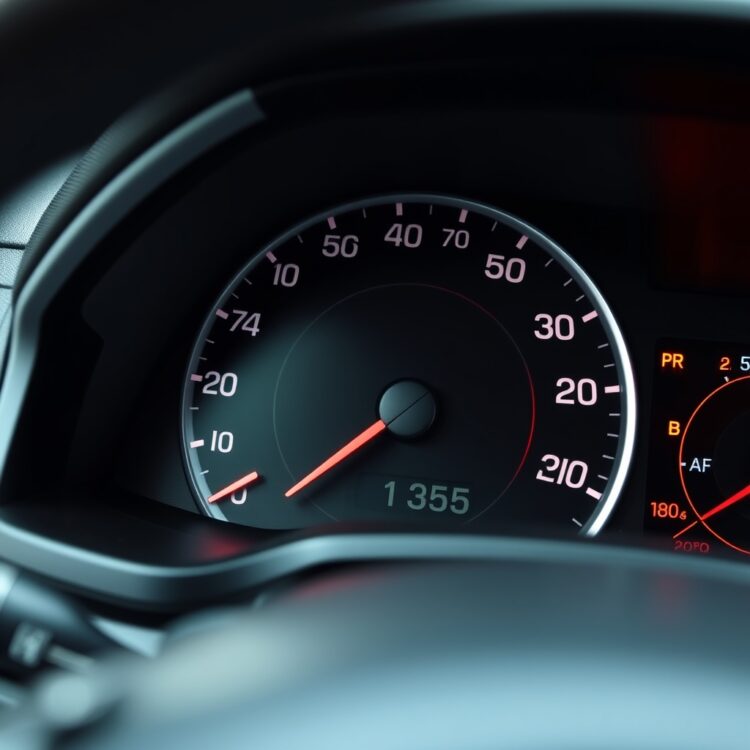
When we talk about high mileage for a Ford Fiesta, it’s essential to consider the average lifespan of these vehicles. Typically, a well-maintained Fiesta can comfortably reach 150,000 miles or more. However, mileage alone isn’t the sole indicator of a car’s condition. We’ve seen Fiestas with over 200,000 miles still running smoothly, thanks to diligent care. The key is regular servicing and addressing minor issues before they escalate.
For context, the average UK driver covers around 8,000 miles annually, so a Fiesta with 100,000 miles is roughly 12 years old. While this might sound high, many owners report trouble-free motoring well beyond this point. If you’re considering a high-mileage Fiesta, a thorough pre-purchase inspection is crucial to avoid costly surprises down the road.
Factors Influencing High Mileage
Several factors determine how a Ford Fiesta handles high mileage. Driving habits play a significant role; gentle acceleration and smooth braking reduce wear and tear. We’ve noticed that Fiestas used primarily for motorway driving often fare better than those subjected to stop-start city traffic. The latter can accelerate engine and transmission wear, shortening the car’s lifespan.
Maintenance history is another critical factor. A Fiesta with a full service record is far more likely to endure high mileage than one with sporadic care. Components like the timing belt, clutch, and suspension need regular attention to prevent premature failure. Investing in quality parts and timely repairs can make all the difference in extending your Fiesta’s life.
The Impact of High Mileage on Ford Fiesta Performance
Engine Wear and Tear
High mileage inevitably takes a toll on any car’s engine, and the Ford Fiesta is no exception. Over time, components like piston rings and valve seals can degrade, leading to oil consumption and reduced efficiency. We’ve observed that the 1.0-litre EcoBoost engine, while robust, may develop turbo-related issues if not properly maintained. Regular oil changes and using the correct grade of oil are vital to minimise wear.
Another common issue in high-mileage Fiestas is carbon buildup, particularly in direct-injection engines. This can cause rough idling and decreased performance. Fortunately, solutions like fuel system cleaners or walnut blasting can restore engine smoothness. For a deeper dive into maintaining your Fiesta’s engine, this external resource offers valuable tips.
Transmission and Suspension Considerations
The transmission is another area where high mileage can manifest problems. Manual Fiestas may experience clutch wear, while automatics might show signs of sluggish shifting. We recommend checking the transmission fluid regularly and addressing any unusual noises or behaviours promptly. A well-maintained gearbox can last the lifetime of the car, but neglect can lead to expensive repairs.
Suspension components, such as shocks and bushings, also degrade with mileage. Worn suspension can affect handling and ride comfort, making the car feel less stable. Replacing these parts as needed ensures your Fiesta remains safe and enjoyable to drive. By staying proactive, you can mitigate the effects of high mileage and keep your Fiesta performing at its best for years to come.
Maintenance Tips for High-Mileage Ford Fiestas
Regular Oil Changes and Fluid Checks
Keeping your Ford Fiesta in top shape starts with regular oil changes. I’ve found that high-mileage engines benefit from synthetic oil, which reduces wear and tear. Don’t forget to check other fluids like coolant, brake fluid, and transmission fluid. These are the lifeblood of your car, and neglecting them can lead to costly repairs. A well-maintained Fiesta can easily surpass 150,000 miles with minimal issues.
Fluid levels should be checked monthly, especially if you drive frequently. Low or dirty fluids can cause overheating or brake failure. I recommend using high-quality products to ensure longevity. For more detailed advice, check out our Ford Fiesta maintenance guide. It’s a game-changer for anyone serious about their car’s health.
Importance of Timely Repairs
Ignoring small issues can lead to big problems down the road. I’ve seen Fiestas with minor leaks or strange noises turn into money pits because owners delayed repairs. Addressing issues like worn-out belts or squeaky brakes early can save you thousands. Trust me, a stitch in time saves nine—especially with high-mileage vehicles.
Regular inspections by a trusted mechanic are crucial. They can spot potential problems before they escalate. If you’re unsure about a repair, consult our running costs analysis. It’ll help you weigh the pros and cons of fixing versus replacing parts.
Upgrading Parts for Longevity
High-mileage Fiestas often need upgraded parts to stay reliable. I’ve swapped out factory components like suspension bushings and spark plugs for high-performance alternatives. These upgrades not only extend the car’s life but also improve driving dynamics. It’s a small investment for long-term peace of mind.
Consider upgrading your cooling system if you live in a hot climate. Overheating is a common issue in older Fiestas. For more tips, explore our repair costs guide. It’s packed with insights to help you make informed decisions.
Common Issues in High-Mileage Ford Fiestas
Electrical System Problems
Electrical gremlins are a common headache in high-mileage Fiestas. I’ve dealt with flickering lights, faulty sensors, and dead batteries. These issues often stem from corroded connectors or worn-out wiring. Regular checks and cleaning can prevent most electrical failures. It’s a tedious task, but worth the effort.
If you’re experiencing persistent electrical issues, consult a professional. DIY fixes can sometimes make things worse. For a deeper dive, check out our common problems guide. It’s a must-read for any Fiesta owner.
Cooling System Failures
Overheating is a frequent issue in older Fiestas. I’ve seen radiators clog and thermostats fail, leading to engine damage. Regular coolant flushes and radiator inspections can prevent these problems. If your temperature gauge spikes, pull over immediately. Ignoring it could cost you an engine.
Investing in a high-quality coolant is a no-brainer. Cheap alternatives can cause corrosion and leaks. For more advice, read our lifespan guide. It’ll help you keep your Fiesta running smoothly for years.
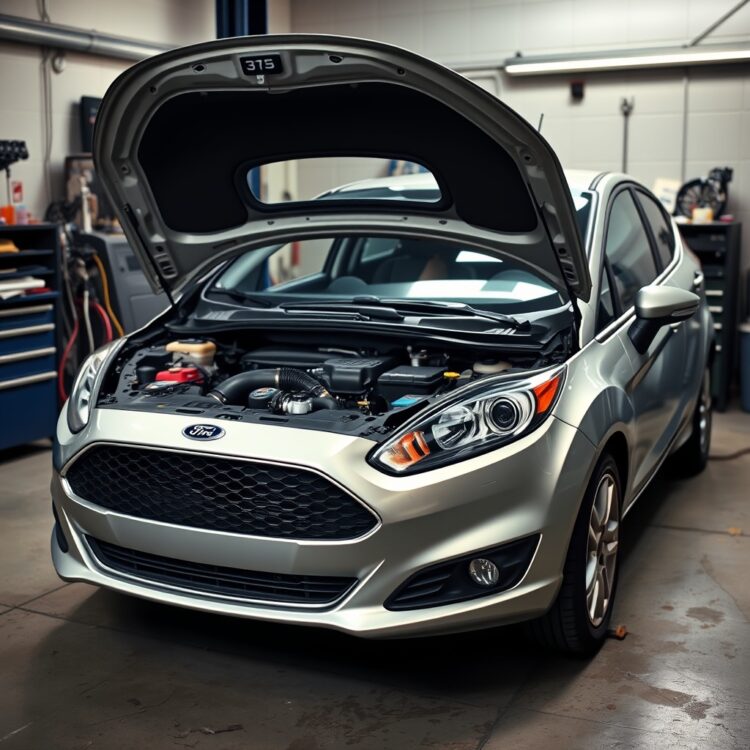
The Role of Driving Habits in Vehicle Mileage
Aggressive Driving vs. Gentle Use
Your driving style has a huge impact on your Fiesta’s longevity. I’ve noticed that aggressive drivers often face more mechanical issues. Hard acceleration and sudden braking strain the engine and brakes. Gentle driving, on the other hand, reduces wear and improves fuel efficiency. It’s a win-win.
If you’re guilty of aggressive driving, try easing up. Your car—and wallet—will thank you. For more tips, check out this external maintenance guide. It’s a fantastic resource for optimising your driving habits.
The Effect of Short Trips on Engine Health
Short trips are brutal on engines, especially in high-mileage Fiestas. I’ve seen cars with low overall mileage but severe engine wear due to frequent cold starts. The engine never reaches optimal temperature, leading to sludge buildup. If possible, combine errands to reduce short trips.
Regular highway driving helps burn off deposits and keeps the engine clean. It’s a simple trick that can add years to your car’s life. For more insights, explore our resale value guide. It’s packed with tips to maximise your Fiesta’s lifespan.
Upgrading Your High-Mileage Ford Fiesta
Performance Enhancements
When your Ford Fiesta has clocked up the miles, performance upgrades can breathe new life into it. I recommend starting with a remap to unlock extra power from the engine. Pair this with a high-flow air filter and a performance exhaust for better efficiency. These tweaks not only boost performance but also improve fuel economy. Just ensure your engine is in good health before diving into modifications. A well-maintained high-mileage Fiesta can handle these upgrades without breaking a sweat.
Another great option is upgrading the suspension. High-mileage cars often suffer from worn-out shocks and springs. Fitting a sportier suspension kit can enhance handling and make your Fiesta feel like new. Don’t forget to check the brakes too—performance pads and discs can make a noticeable difference. Whether you’re after speed or just a smoother ride, these upgrades are worth considering. Always consult a professional to ensure compatibility with your model.
Cosmetic Upgrades
Cosmetic upgrades can transform your high-mileage Ford Fiesta into a head-turner. Start with a fresh set of alloy wheels to give it a modern look. If the paintwork is showing its age, a respray or vinyl wrap can work wonders. Small touches like LED lighting or a new grille can also make a big impact. Remember, aesthetics matter just as much as performance when it comes to personalising your car.
Inside, consider reupholstering the seats or adding custom floor mats. A new infotainment system can modernise the cabin and improve your driving experience. These upgrades not only enhance comfort but also add value if you decide to sell later. Whether you’re going for a subtle refresh or a complete makeover, cosmetic upgrades can make your Fiesta feel brand new. Just be mindful of over-investing in a high-mileage car.
The Financial Aspect of Owning a High-Mileage Ford Fiesta
Insurance Considerations
Insuring a high-mileage Ford Fiesta can be tricky, but it’s not impossible. I’ve found that some insurers offer specialised policies for older, high-mileage cars. It’s worth shopping around to compare quotes. Be honest about the mileage—lying could invalidate your policy. Also, consider third-party cover if the car’s value is low. This can save you money without compromising on essential protection.
Another tip is to look for insurers that reward low annual mileage. If you don’t drive much, you might qualify for a discount. Adding a black box can also reduce premiums by proving you’re a safe driver. Remember, insurance costs can vary widely, so don’t settle for the first quote you get. A little research can go a long way in keeping costs down.
Maintenance Costs Over Time
Owning a high-mileage Ford Fiesta means budgeting for higher maintenance costs. I’ve learned that regular servicing is key to avoiding expensive repairs. Stick to the manufacturer’s schedule and address issues promptly. Parts like the timing belt and water pump are critical and should be replaced as recommended. Skipping these can lead to catastrophic engine failure.
It’s also wise to set aside a contingency fund for unexpected repairs. High-mileage cars are more prone to wear and tear, so surprises are inevitable. Investing in quality parts and labour can save money in the long run. While maintenance costs may rise, a well-looked-after Fiesta can still be a reliable and economical choice. Just be prepared for the occasional financial hit.
Comparing High-Mileage Ford Fiestas to Other Models
Ford Fiesta vs Competitors in the Same Class
When comparing high-mileage Ford Fiestas to rivals like the Vauxhall Corsa or Volkswagen Polo, the Fiesta often comes out on top. Its robust build and reliable engines make it a standout. I’ve driven all three, and the Fiesta’s handling is superior, even with higher mileage. The Corsa might offer a softer ride, but the Fiesta’s driving dynamics are hard to beat.
Another advantage is the Fiesta’s affordability. Parts and servicing are generally cheaper than for German rivals. This makes it a cost-effective choice for budget-conscious buyers. While the Polo might feel more premium, the Fiesta’s practicality and lower running costs give it the edge. If you’re after a high-mileage hatchback, the Fiesta is a solid bet.
Longevity and Reliability Comparisons
High-mileage Ford Fiestas are known for their durability, but how do they stack up against other models? I’ve seen Fiestas with over 150,000 miles still running smoothly, thanks to their sturdy engines. In contrast, some French models struggle to reach the same mileage without major issues. The Fiesta’s simplicity and proven mechanics contribute to its longevity.
Reliability surveys often rank the Fiesta highly, even against Japanese rivals. Regular maintenance is the key to keeping it on the road for years. While no car is immune to wear and tear, the Fiesta’s reputation for reliability is well-earned. If you’re looking for a high-mileage car that won’t let you down, the Fiesta is a strong contender.
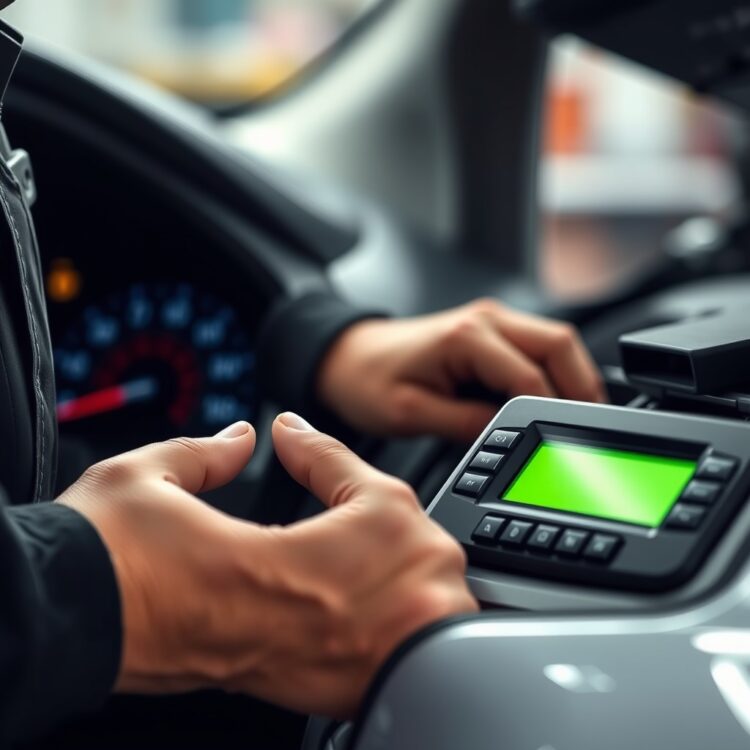
Expert Recommendations for High-Mileage Care
Scheduled Maintenance Checklist
Keeping a high-mileage Ford Fiesta in top shape requires a strict maintenance schedule. I always start with regular oil changes—every 5,000 miles is ideal for older engines. Don’t overlook the coolant and brake fluid either; these need replacing periodically. The timing belt is another critical item—replace it every 60,000 miles to avoid engine damage. A well-maintained Fiesta can easily surpass 200,000 miles.
Other checks include the suspension, exhaust, and electrical systems. Worn-out components should be replaced promptly to prevent further damage. Using high-quality parts and fluids can extend the car’s life. A trusted mechanic can help you stay on top of these tasks. Remember, prevention is cheaper than cure when it comes to high-mileage cars.
When to Consider Selling or Trading In
Deciding when to part with a high-mileage Ford Fiesta isn’t easy. I recommend evaluating repair costs versus the car’s value. If repairs exceed the car’s worth, it might be time to move on. Another red flag is frequent breakdowns—these can become a money pit. Selling privately often yields a better price, but trading in is quicker and hassle-free.
Timing is everything. Selling before major repairs are needed can save you money. Keep an eye on the market—demand for used Fiestas remains strong. If you’ve maintained it well, you’ll get a fair price. Whether you upgrade or downsize, make sure your next car meets your needs. A high-mileage Fiesta can still have plenty of life left if cared for properly.
Real-Life Stories High-Mileage Ford Fiestas
Success Stories of Longevity
We’ve heard countless tales of Ford Fiestas hitting 200,000 miles and beyond, proving their durability. One owner shared how their 2012 model still runs smoothly after a decade of daily commutes. Regular maintenance, like timely oil changes, played a crucial role. Another driver praised the car’s reliability, even after clocking 180,000 miles. These stories highlight how a well-cared-for Fiesta can defy high-mileage stereotypes.
Another enthusiast recounted their Fiesta’s journey across Europe, covering 150,000 miles without major issues. They credited consistent servicing and gentle driving habits. These anecdotes aren’t just luck—they’re a testament to the Fiesta’s robust engineering. If you’re sceptical about high-mileage cars, these real-world examples might change your mind. A Fiesta with a solid service history can be a trustworthy companion for years.
Lessons Learned from High-Mileage Owners
Owners of high-mileage Fiestas often emphasise the importance of proactive care. One lesson? Don’t skip minor repairs—they can escalate into costly fixes. A common theme is the value of using quality parts, especially for critical components like the timing belt. Many also advise keeping an eye on the cooling system, as leaks can lead to overheating and engine damage.
Another takeaway is the impact of driving style. Aggressive acceleration and abrupt braking wear out parts faster. One owner shared how adopting smoother driving habits extended their Fiesta’s life by 50,000 miles. These insights are gold for anyone considering a high-mileage Fiesta. Remember, longevity isn’t just about the car—it’s about how you treat it.
The Future of High-Mileage Ford Fiestas
Technological Advances and Their Impact
Modern Fiestas, especially those with EcoBoost engines, benefit from advanced fuel efficiency and emission controls. These innovations could mean even higher mileage potential for future models. However, newer tech also means more complex systems, which might require specialised maintenance. We’re curious to see how these advancements play out in the long run.
Electric and hybrid versions are on the horizon, potentially redefining what “high mileage” means. While these models promise lower running costs, their battery longevity remains a question. For now, traditional petrol Fiestas continue to dominate the high-mileage scene. But the landscape is shifting, and we’re excited to see where it leads.
The Second-Hand Market Outlook
High-mileage Fiestas remain popular in the used car market, thanks to their affordability and reliability. Buyers often prioritise well-maintained examples over lower-mileage neglect. As newer models enter the market, older Fiestas with proven track records hold their value surprisingly well. It’s a win-win for budget-conscious drivers.
However, the discontinuation of the Fiesta in some markets might affect availability. Enthusiasts predict a surge in demand for well-kept high-mileage models. If you’re eyeing one, now might be the time to act. The Fiesta’s legacy as a dependable high-mileage car isn’t fading anytime soon.
Navigating Warranties and Guarantees for High-Mileage Vehicles
Understanding Warranty Coverage
Most factory warranties expire long before a Fiesta hits high mileage, but extended warranties can fill the gap. These plans often cover major components like the engine and transmission, offering peace of mind. However, terms vary widely, so read the fine print. Some exclude wear-and-tear items, which are common in high-mileage cars.
Third-party warranties are another option, but research is key. Look for providers with solid reputations and transparent terms. We’ve seen owners save thousands on repairs thanks to these plans. Just ensure the coverage aligns with your Fiesta’s needs. A little homework now can prevent headaches later.
Aftermarket Warranty Options
Aftermarket warranties can be a lifeline for high-mileage Fiestas, but they’re not all created equal. Some focus on specific systems, like the drivetrain, while others offer comprehensive coverage. Prices vary based on mileage, age, and condition. It’s worth comparing quotes to find the best fit.
One owner shared how their aftermarket warranty covered a £1,200 transmission repair, making the upfront cost worthwhile. Others caution against overly restrictive policies. The takeaway? Choose a plan that balances cost and coverage. For high-mileage Fiestas, the right warranty can be a game-changer.
Frequently Asked Questions
What is considered high mileage for a Ford Fiesta?
High mileage for a Ford Fiesta typically starts around 100,000 miles. However, many Fiestas exceed 150,000 or even 200,000 miles with proper care. Regular maintenance and gentle driving habits play a huge role in longevity. Always check the service history before buying.
How can I extend the life of my high-mileage Ford Fiesta?
Stick to a strict maintenance schedule, including oil changes, fluid checks, and timely repairs. Use quality parts and address minor issues before they escalate. Smooth driving habits also reduce wear and tear. For more tips, check out this maintenance guide.
Are high-mileage Ford Fiestas reliable?
Yes, if well-maintained. Many owners report trouble-free driving even after 150,000 miles. The key is a thorough service history and proactive care. Avoid neglected examples, as they’re more likely to have hidden problems.
What common issues should I watch for in a high-mileage Fiesta?
Look out for electrical gremlins, cooling system leaks, and transmission hiccups. Regular inspections can catch these early. Also, check for rust, especially in older models. A pre-purchase inspection is a smart investment.