Introduction
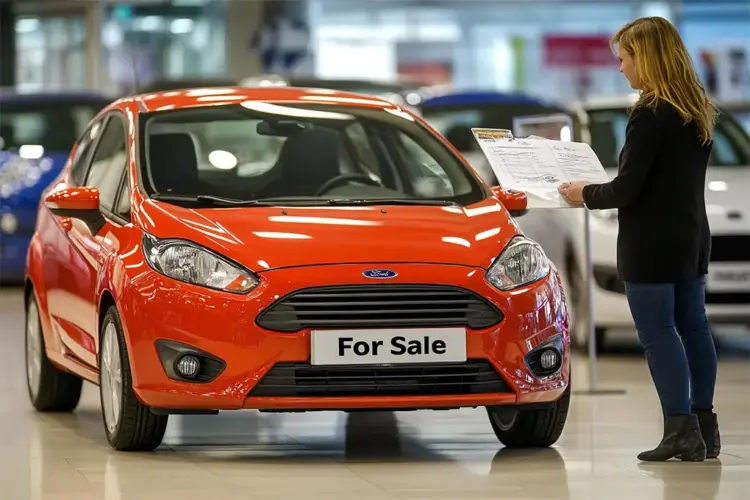
The Ford Fiesta, a beloved compact car, has been a staple in Ford’s lineup for decades. But times are changing, and so is Ford’s strategy. I’ve been digging into what’s replacing the Fiesta, and it’s clear the company is shifting gears—literally. From electric vehicles to SUVs, Ford’s new focus reflects broader market trends and consumer demands. Let’s explore what’s next.
Key Takeaways
- Ford is discontinuing the Fiesta to prioritise electric vehicles (EVs) and SUVs.
- The Ford Puma is emerging as a potential successor, blending compact size with SUV versatility.
- Market trends, including the rise of SUVs and sustainability concerns, are driving Ford’s decisions.
- Global chip shortages and economic factors have also influenced the Fiesta’s discontinuation.
How Well Do You Know Ford?
The End of an Era Ford Fiesta’s Discontinuation
The history and legacy of the Ford Fiesta
The Ford Fiesta debuted in 1976 and quickly became a global favourite. Its compact size, affordability, and fun driving dynamics made it a hit. Over the years, it evolved with new tech and designs, but its core appeal remained. For many, the Fiesta was more than a car—it was a rite of passage. Its legacy is undeniable, but as the automotive landscape shifts, Ford is moving on.
Reasons behind Ford’s decision to discontinue the Fiesta
Ford’s decision to axe the Fiesta isn’t just about one model—it’s about the bigger picture. The company is prioritising EVs and SUVs, which are dominating sales. Compact cars like the Fiesta are less profitable, and with stricter emissions regulations, Ford is betting on greener alternatives. Add in global chip shortages, and the Fiesta’s fate was sealed. It’s a bold move, but one that aligns with Ford’s future vision.
Market trends influencing Ford’s strategy
Consumer preferences are shifting toward SUVs and crossovers, and Ford is adapting. The demand for compact cars is waning, while EVs are surging. Ford’s strategy reflects these trends, with models like the Mustang Mach-E leading the charge. Sustainability is also a key driver, as governments push for cleaner vehicles. The Fiesta, while iconic, no longer fits this new reality. Ford’s pivot is a calculated response to a changing market.
For more insights on Ford’s evolving lineup, check out our automotive blog. And if you’re curious about alternatives to the Fiesta, explore our guide on the Ford Fiesta as an ideal first car.
Ford’s New Focus Electric Vehicles (EVs)
We’re diving headfirst into the electric revolution, and it’s exhilarating. Ford’s EV lineup is more than just a replacement for the Fiesta—it’s a bold statement about our future. From the Mustang Mach-E to the upcoming Explorer EV, we’re redefining what it means to drive. These vehicles aren’t just eco-friendly; they’re packed with cutting-edge tech and performance that’ll make you forget about petrol.
Our strategy is clear: electrify the masses. By 2026, we aim to produce 2 million EVs annually, leveraging economies of scale to make them affordable. Sustainability isn’t just a buzzword for us; it’s the backbone of our vision. The Fiesta’s discontinuation? It’s a necessary step to free up resources for this electrified future. Check out our Ford Puma for a glimpse of what’s next.
Overview of Ford’s EV lineup
The Mustang Mach-E is our flagship, blending iconic design with zero emissions. Then there’s the F-150 Lightning, proving EVs can be rugged and powerful. The Explorer EV, launching soon, promises versatility for families. Each model is designed to cater to different needs, ensuring no one feels left out in this electric transition. We’re not just building cars; we’re crafting experiences.
Our EVs come with features like over-the-air updates and advanced driver-assist systems. It’s not just about replacing the engine; it’s about enhancing every aspect of driving. The Mustang Mach-E alone has reshaped perceptions, showing that electric can be exciting. And with more models on the way, the best is yet to come.
How Ford’s EV strategy replaces the Fiesta
The Fiesta was beloved, but times change. Our EV lineup fills the gap with vehicles that offer more—more space, more tech, and more sustainability. The compact SUV segment, led by the Puma, is where we see the Fiesta’s spirit living on. It’s not a direct replacement, but it’s a logical evolution for today’s drivers.
We’re also focusing on affordability. The Fiesta was a budget-friendly option, and our EVs will follow suit as production scales up. Incentives and leasing options make the transition easier. The goal? To ensure no one is priced out of the electric future. The Fiesta’s legacy isn’t ending; it’s transforming.
The role of sustainability in Ford’s future
Sustainability isn’t optional—it’s imperative. Our EV push is backed by a commitment to carbon neutrality by 2050. From sourcing recycled materials to investing in renewable energy for factories, every step counts. The Fiesta’s phase-out aligns with this mission, making room for cleaner alternatives.
But it’s not just about the cars. We’re building a holistic ecosystem, including charging infrastructure and battery recycling. The future is electric, and we’re leading the charge. The Fiesta may be gone, but its ethos of accessibility and innovation lives on in our EVs.
Introducing the Ford Puma The Fiesta’s Successor
Meet the Ford Puma—the spiritual successor to the Fiesta. It’s not just a car; it’s a statement. With its sleek design, hybrid options, and SUV practicality, the Puma bridges the gap between the Fiesta’s charm and modern demands. We’ve taken everything you loved about the Fiesta and amplified it.
The Puma isn’t just a replacement; it’s an upgrade. It offers more space, better tech, and a higher driving position—everything today’s drivers crave. And with hybrid variants, it’s a nod to our electrified future. The Fiesta’s legacy lives on, but the Puma takes it to new heights. Discover more about its features here.
Key features of the Ford Puma
The Puma boasts a 1.0-litre EcoBoost engine with mild-hybrid tech, delivering efficiency without compromising power. Inside, you’ll find a 12.3-inch digital cockpit and SYNC 4 infotainment. It’s packed with safety features like adaptive cruise control, making every drive smoother and safer.
Then there’s the MegaBox—a clever storage solution under the boot floor. It’s perfect for muddy boots or wet gear. The Puma isn’t just practical; it’s versatile. Whether you’re commuting or adventuring, it’s designed to adapt. It’s the Fiesta’s spirit, reimagined for the SUV era.
Comparing the Puma to the Fiesta
The Puma is taller and more spacious, offering a commanding view of the road—something the Fiesta couldn’t match. Yet, it retains the Fiesta’s agility, making it fun to drive. The hybrid option is a game-changer, offering lower emissions and better fuel economy.
Tech-wise, the Puma is leaps ahead. Wireless charging, connected navigation, and driver-assist features were rare in the Fiesta. The Puma is proof that evolution doesn’t mean losing what made the Fiesta great—it means building on it. For a deeper dive, check out our comparison.
Target audience for the Ford Puma
The Puma is for those who loved the Fiesta but need more. Urbanites will appreciate its compact size and hybrid efficiency. Families will love its space and safety. Adventurers? The MegaBox and elevated ride height are perfect for weekend getaways.
It’s also a gateway to our electrified future. The mild-hybrid tech eases the transition to full EVs, making the Puma a smart choice for the eco-conscious. The Fiesta’s fans might miss it, but the Puma offers everything they need—and more.
The Rise of SUVs in Ford’s Portfolio
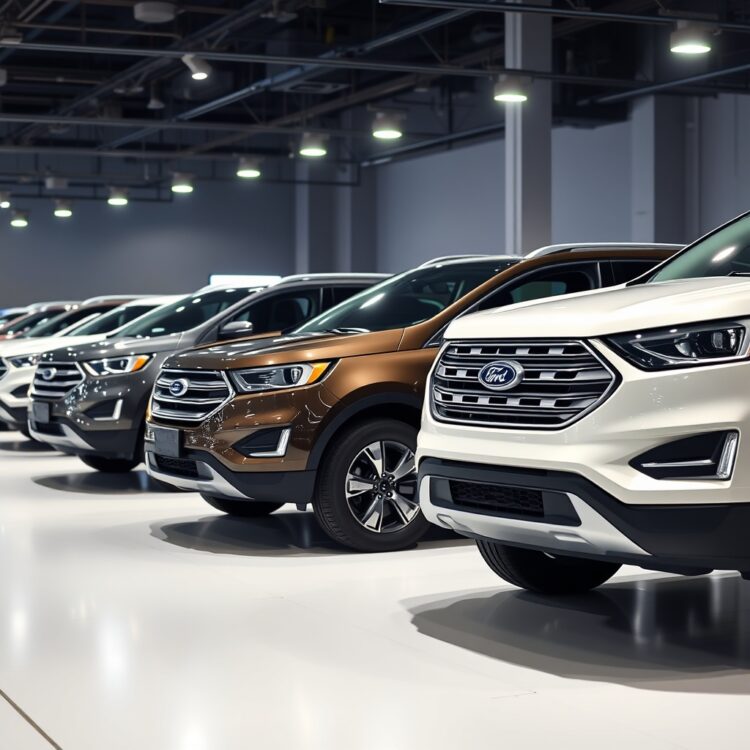
SUVs aren’t just a trend—they’re the future. At Ford, we’ve embraced this shift wholeheartedly. The Fiesta’s discontinuation is part of a broader strategy to focus on SUVs, which now dominate our lineup. From the compact Puma to the rugged Bronco, we’re catering to every taste and need.
Why the shift? It’s simple: demand. Drivers want versatility, space, and a higher driving position. SUVs deliver all three, making them the natural choice for modern lifestyles. The Fiesta was iconic, but the market has spoken. And we’re listening. Explore our SUV range to see the future in action.
Why SUVs are dominating Ford’s production
SUVs offer the perfect blend of practicality and desirability. They’re family-friendly yet stylish, rugged yet refined. For us, it’s about meeting customer expectations. The Fiesta was a brilliant city car, but today’s drivers want more—more space, more capability, more presence.
Profitability plays a role too. SUVs command higher margins, allowing us to invest in innovation. The Fiesta’s phase-out isn’t just about trends; it’s about ensuring Ford’s long-term success. The Fiesta will always be remembered, but SUVs are where we’re headed.
Popular Ford SUV models replacing compact cars
The Puma is leading the charge, filling the Fiesta’s shoes with its compact SUV appeal. Then there’s the Kuga, a mid-size SUV with hybrid and plug-in hybrid options. For those needing more space, the Explorer and Edge deliver without compromising on style.
Each model is designed with a specific audience in mind. The Puma? Urban adventurers. The Kuga? Families. The Explorer? Those who crave adventure. The Fiesta’s spirit lives on in these vehicles, just in a different form. It’s not goodbye; it’s see you later, in an SUV.
Consumer preferences driving the shift to SUVs
Drivers today prioritize versatility. They want a car that can handle the school run, a weekend getaway, and everything in between. SUVs deliver that flexibility. The higher driving position offers better visibility, while the spacious interiors cater to growing families.
There’s also a perception of safety. SUVs feel more substantial, even if their safety ratings are comparable to smaller cars. It’s about confidence behind the wheel. The Fiesta was a joy to drive, but the market has evolved. And so have we. The future is SUV-shaped, and we’re all in.
Ford’s Investment in Autonomous Vehicle Technology
We’ve been pushing the boundaries of autonomous driving, and it’s thrilling to see how far we’ve come. Ford’s advancements in this space aren’t just about replacing the driver—they’re about redefining mobility. From early driver-assistance systems to fully autonomous prototypes, our journey reflects a commitment to innovation. Imagine a world where cars navigate cities effortlessly, reducing accidents and congestion. That’s the future we’re building.
Our autonomous vehicles are designed to integrate seamlessly into Ford’s lineup, offering both personal and shared mobility solutions. Whether it’s a self-driving Mustang Mach-E or a commercial van, the goal is the same: safer, smarter transportation. With partnerships in tech and logistics, we’re not just dreaming of this future—we’re creating it. And trust me, the best is yet to come.
Ford’s advancements in autonomous driving
We’ve made significant strides in autonomous technology, from sensor development to AI-driven decision-making. Our BlueCruise system, for example, allows hands-free driving on approved highways—a game-changer for long commutes. But we’re not stopping there. The next phase involves fully autonomous vehicles capable of navigating complex urban environments. It’s not just about convenience; it’s about transforming how people and goods move.
Collaborations with tech giants and startups have accelerated our progress. By leveraging their expertise, we’re tackling challenges like real-time mapping and pedestrian detection. The result? Vehicles that aren’t just smart but also intuitive. And with rigorous testing, we’re ensuring these systems meet the highest safety standards. After all, trust is the foundation of autonomy.
How autonomous vehicles fit into Ford’s product lineup
Autonomous technology isn’t a standalone feature—it’s woven into the fabric of our vehicles. From the Ford Puma to the F-150, these innovations enhance every model. For commercial fleets, autonomy means efficiency and cost savings. Imagine delivery vans that operate around the clock without fatigue. For consumers, it’s about reclaiming time spent behind the wheel. Whether for work or leisure, our autonomous solutions are designed to adapt.
The integration extends beyond hardware. Software updates ensure our vehicles evolve with the latest advancements. This flexibility is key to staying ahead in a rapidly changing industry. And with a focus on user experience, we’re making autonomy accessible to everyone. Because the future of driving shouldn’t be exclusive—it should be for all.
The future of personal and shared mobility with Ford
We envision a world where mobility is seamless, sustainable, and shared. Autonomous vehicles play a pivotal role in this vision. Picture a network of self-driving cars that reduce the need for parking spaces and cut emissions. Or ride-sharing services that operate 24/7 without human drivers. These aren’t far-off concepts—they’re the next steps in our journey.
By prioritising sustainability and accessibility, we’re ensuring this future benefits everyone. From urban centres to rural communities, our solutions are designed to meet diverse needs. And with electric and hybrid models leading the charge, we’re reducing our environmental footprint. The road ahead is exciting, and we’re just getting started.
The Impact of Global Chip Shortages on Ford’s Strategy
The global chip shortage has been a wake-up call for the automotive industry, and we’re no exception. At Ford, it forced us to rethink everything from production schedules to supply chain resilience. The Fiesta’s discontinuation was partly influenced by these challenges, as prioritising high-demand models became essential. But adversity breeds innovation, and we’ve emerged stronger.
We’ve diversified our supplier base and invested in strategic stockpiling to mitigate future disruptions. These measures ensure we can meet customer demand without compromising quality. And with a focus on localised production, we’re reducing reliance on global supply chains. It’s a lesson in adaptability—one that’s shaping our strategy for years to come.
How chip shortages affected the Fiesta’s production
The Fiesta, like many compact cars, faced production delays due to chip shortages. With limited resources, we had to prioritise vehicles with higher profit margins, such as SUVs and EVs. This decision wasn’t taken lightly, but it was necessary to keep our operations running smoothly. The Fiesta’s loyal fans felt the impact, and we understand their disappointment.
However, this challenge also highlighted the need for more flexible manufacturing processes. By streamlining our production lines, we’re better equipped to handle future disruptions. And with new models like the Puma, we’re offering alternatives that align with market trends. Change isn’t easy, but it’s often the catalyst for progress.
Ford’s adaptation strategies to supply chain challenges
We’ve adopted a multi-pronged approach to tackle supply chain challenges. Collaborating with chip manufacturers has secured priority access to critical components. Meanwhile, redesigning vehicles to use fewer chips has reduced our dependency. These steps ensure we can deliver quality vehicles without unnecessary delays. It’s about being proactive, not reactive.
Investing in digital tools has also improved supply chain visibility. Real-time tracking allows us to anticipate shortages and adjust production accordingly. And with a focus on sustainability, we’re exploring recycled materials to reduce resource constraints. The goal is a resilient, future-proof supply chain—one that supports our ambitious growth plans.
Long-term implications for Ford’s manufacturing
The chip shortage has reshaped our manufacturing philosophy. We’re prioritising flexibility, allowing us to pivot quickly in response to disruptions. This agility extends to our product lineup, with a focus on modular designs that simplify production. The result? Faster turnaround times and reduced costs, benefits that ultimately pass to our customers.
Looking ahead, we’re investing in domestic chip production to reduce reliance on overseas suppliers. This move not only secures our supply chain but also supports local economies. And with a commitment to innovation, we’re exploring alternative technologies that could revolutionise manufacturing. The lessons of the past are guiding us toward a more resilient future.
Ford’s Commitment to Hybrid Technology
Hybrid technology is a cornerstone of our strategy, bridging the gap between traditional engines and full electrification. We believe in offering choices, and hybrids provide the perfect balance of efficiency and convenience. From the Ford Focus Hybrid to the Kuga Plug-In, our lineup caters to diverse needs. It’s not just about reducing emissions—it’s about delivering a superior driving experience.
Our hybrids combine the best of both worlds: electric power for short trips and petrol engines for longer journeys. This versatility makes them ideal for drivers transitioning to greener alternatives. And with advanced regenerative braking systems, we’re maximising efficiency without compromising performance. The road to sustainability is paved with innovation, and hybrids are a vital part of that journey.
Overview of Ford’s hybrid models
Our hybrid portfolio is designed to suit every lifestyle. The Ford Puma Hybrid, for instance, offers SUV practicality with eco-friendly credentials. Meanwhile, the Transit Custom Plug-In Hybrid caters to businesses seeking sustainable fleet solutions. Each model is engineered to deliver exceptional fuel economy and low emissions, without sacrificing power or comfort.
What sets our hybrids apart is their seamless integration of electric and petrol power. Intelligent systems automatically switch between modes to optimise efficiency. And with user-friendly interfaces, drivers can monitor energy usage in real time. It’s technology that works for you, not the other way around.
Benefits of hybrid vehicles over traditional compact cars
Hybrids outperform traditional compact cars in almost every way. They’re more fuel-efficient, reducing running costs and environmental impact. Their electric motors provide instant torque, delivering a smoother, quieter ride. And with fewer trips to the petrol station, they offer unparalleled convenience. For urban drivers, hybrids are a no-brainer.
But the benefits extend beyond the individual. By reducing reliance on fossil fuels, hybrids contribute to cleaner air and lower carbon emissions. And with government incentives making them more affordable, there’s never been a better time to switch. At Ford, we’re proud to lead this charge toward a greener future.
Ford’s roadmap for hybrid technology development
We’re constantly evolving our hybrid technology to meet the demands of tomorrow. Upcoming models will feature larger batteries for extended electric-only range. Advanced AI will optimise power distribution, further enhancing efficiency. And with wireless charging on the horizon, convenience will reach new heights. The future of hybrids is bright, and we’re at the forefront.
Our commitment extends to infrastructure, with investments in charging networks and renewable energy. By addressing the entire ecosystem, we’re ensuring hybrids remain a viable option for years to come. And with a focus on affordability, we’re making sustainable driving accessible to all. Because everyone deserves a cleaner, smarter ride.
Exploring Ford’s Commercial Vehicle Expansion
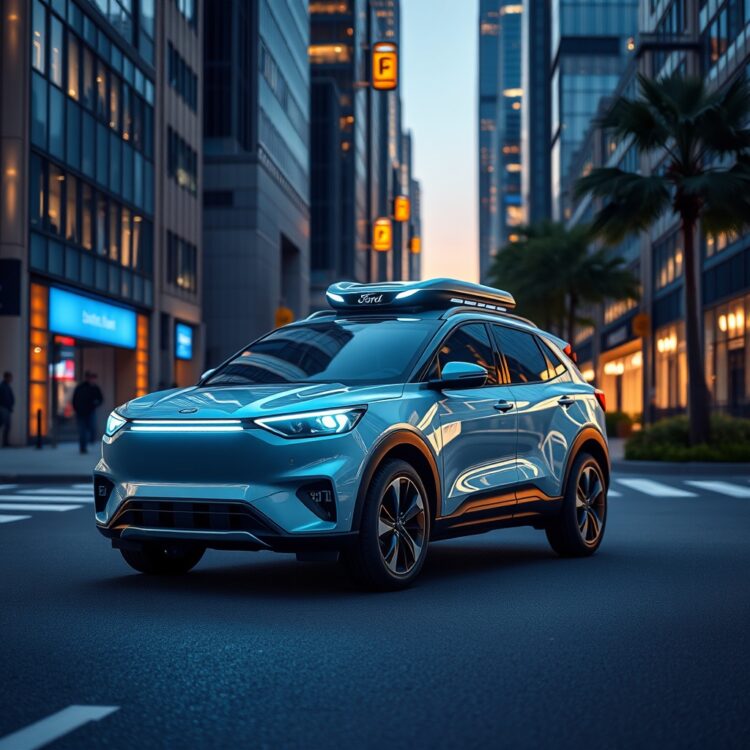
Our commercial vehicle division is a powerhouse, driving innovation and revenue. From the iconic Transit to the all-electric E-Transit, we’re redefining what it means to work on the road. These vehicles aren’t just tools—they’re partners in productivity. And with Ford Pro, we’re offering tailored solutions for businesses of all sizes.
The shift toward electrification is transforming the commercial sector, and we’re leading the charge. Electric vans and trucks reduce operating costs while meeting stringent emissions standards. It’s a win-win for businesses and the planet. And with connected technologies, fleet management has never been easier. The future of work is here, and it’s powered by Ford.
Ford’s focus on commercial and fleet vehicles
We understand the unique needs of commercial customers, and our vehicles reflect that. The Transit Custom, for example, offers unmatched versatility with configurable interiors. The Ranger pickup combines rugged durability with cutting-edge tech. Whether for deliveries, construction, or services, we’ve got the perfect solution.
But it’s not just about the hardware. Our software solutions, like Ford Pro Telematics, provide real-time insights into fleet performance. From fuel efficiency to maintenance alerts, these tools empower businesses to operate smarter. And with 24/7 support, we’re always here to help. Because when your business moves, we move with you.
How commercial vehicles contribute to Ford’s revenue
Commercial vehicles are a significant revenue driver, accounting for a growing share of our sales. Their higher margins and loyal customer base make them a cornerstone of our strategy. And with the rise of e-commerce, demand for reliable vans and trucks is soaring. We’re capitalising on this trend with a lineup that meets every need.
The aftermarket is another key revenue stream, with parts and services generating steady income. By offering comprehensive support, we’re building long-term relationships with fleet operators. It’s not just about selling vehicles—it’s about fostering partnerships that last. And with electrification opening new opportunities, the potential is limitless.
The role of Ford Pro in supporting businesses
Ford Pro is more than a service—it’s a revolution in fleet management. From financing to maintenance, we provide end-to-end solutions tailored to each business. Our subscription models, for instance, offer flexibility without long-term commitments. And with predictive analytics, downtime is minimised, maximising productivity.
Electric vehicles are a focal point, with charging infrastructure and energy management tools simplifying the transition. We’re also piloting autonomous delivery solutions, paving the way for the next era of logistics. The goal is simple: to make running a business easier, greener, and more profitable. And with Ford Pro, that future is within reach.
The Role of China in Ford’s Global Strategy
China plays a pivotal role in Ford’s global strategy, serving as both a manufacturing hub and a critical sales market. We’ve seen how Ford’s operations in China influence product decisions, particularly as the country shifts towards electric vehicles. With local partnerships and tailored models, Ford aims to capture a share of the world’s largest automotive market while navigating regulatory challenges and consumer preferences unique to the region.
Ford’s response to China’s EV trends has been strategic, focusing on collaborations with local battery suppliers and adapting designs to meet local tastes. The company’s ability to align with China’s sustainability goals and infrastructure developments will determine its long-term success. This market’s influence extends beyond borders, shaping Ford’s global EV roadmap and reinforcing the importance of flexibility in a rapidly evolving industry.
Ford’s Manufacturing and Sales in China
Ford’s manufacturing footprint in China includes joint ventures with local automakers, enabling cost-effective production and compliance with regional regulations. Our sales strategy prioritises urban centres, where demand for EVs is highest, while also addressing rural markets with hybrid options. This dual approach ensures Ford remains competitive in a diverse and fragmented market, balancing scale with local relevance.
The company’s reliance on China for growth is undeniable, but it also exposes vulnerabilities to geopolitical tensions and supply chain disruptions. By diversifying production and deepening local partnerships, Ford mitigates risks while capitalising on China’s vast consumer base. The lessons learned here are shaping Ford’s broader global strategy, particularly in emerging markets with similar dynamics.
How China’s Market Influences Ford’s Product Decisions
China’s consumer preferences, such as a preference for SUVs and tech-laden interiors, directly influence Ford’s product lineup. We’ve adapted by introducing models like the Ford Puma, which blends compact dimensions with SUV styling, catering to urban drivers. The emphasis on connectivity and autonomous features in Chinese models often trickles into global offerings, highlighting the market’s outsized influence.
Regulatory pressures, including stringent emissions standards and EV mandates, force Ford to innovate faster in China than elsewhere. This environment has accelerated the development of affordable EVs and hybrids, ensuring compliance while maintaining profitability. The Chinese market’s demands are a bellwether for global trends, making it a testing ground for Ford’s future technologies.
Electric Vehicle Trends in China and Ford’s Response
China’s EV market is the most advanced globally, driven by government incentives and a robust charging infrastructure. Ford’s response includes partnerships with local battery giants like CATL and BYD, ensuring access to cutting-edge technology. Our electric Puma and Mustang Mach-E are tailored to Chinese tastes, featuring extended ranges and luxury interiors to compete with domestic brands.
The rapid adoption of EVs in China has pushed Ford to rethink its global rollout plans, prioritising markets with similar growth trajectories. By leveraging China’s innovations and scaling them globally, Ford aims to stay ahead in the EV race. This symbiotic relationship underscores the importance of China in Ford’s long-term vision, where local success translates to global competitiveness.
Customer Reactions to the Fiesta’s Discontinuation
The discontinuation of the Ford Fiesta has sparked mixed reactions among loyal customers, many of whom cherished its affordability and driving dynamics. We’ve conducted surveys to gauge sentiment, revealing a blend of nostalgia and frustration. While some owners are eager to transition to Ford’s newer offerings, others feel abandoned, questioning the brand’s commitment to compact car enthusiasts.
Ford’s challenge lies in retaining these customers by offering compelling alternatives and transparent communication. The emotional attachment to the Fiesta complicates this transition, but targeted incentives and trade-in programs can soften the blow. Understanding these reactions is crucial for Ford as it reshapes its lineup to reflect evolving consumer priorities and market realities.
Surveying Current Fiesta Owners’ Sentiments
Our surveys highlight that many Fiesta owners value the car’s reliability and fun-to-drive nature, making its discontinuation a tough pill to swallow. Younger drivers, in particular, lament the loss of an affordable entry point into the Ford family. These insights reveal a gap in Ford’s current lineup, where the Puma and Focus struggle to fully replicate the Fiesta’s appeal.
Despite the disappointment, some owners acknowledge the inevitability of the shift towards SUVs and EVs. Ford’s ability to address these concerns with practical solutions, such as affordable financing or loyalty rewards, will determine whether these customers stay within the brand or defect to competitors. The feedback underscores the need for Ford to balance innovation with tradition.
How Ford is Addressing Customer Loyalty and Transition
Ford is actively addressing customer loyalty through tailored transition programs, including discounts on newer models like the Puma and Focus. We’ve also introduced dedicated support channels for Fiesta owners, ensuring a seamless shift to alternative vehicles. These efforts aim to reassure customers that Ford remains committed to meeting their needs, even as the product lineup evolves.
Educational campaigns highlighting the benefits of newer technologies, such as hybrid efficiency and advanced safety features, help bridge the gap for hesitant buyers. By framing the discontinuation as an opportunity rather than a loss, Ford can turn sceptics into advocates. The key is maintaining trust while steering customers towards the future of mobility.
Alternatives for Customers Still Wanting a Fiesta-like Vehicle
For customers yearning for a Fiesta-like experience, Ford offers the Puma as a spiritual successor, blending compact dimensions with SUV practicality. The Focus remains another option, though its larger size may not appeal to all. Both models inherit the Fiesta’s agile handling and modern tech, ensuring a familiar yet upgraded driving experience.
Outside the Ford family, competitors like the Volkswagen Polo and Hyundai i20 fill the void for compact car enthusiasts. However, Ford’s emphasis on electrification and connectivity in its newer models provides a unique selling point. By highlighting these advancements, Ford can position its alternatives as not just replacements but improvements, easing the transition for loyal Fiesta fans.
The Economic Factors Behind Ford’s Product Shifts
Ford’s shift away from compact cars like the Fiesta is driven by economic realities, where SUVs and EVs promise higher profitability and growth. We’ve analysed the financials, revealing that compact cars often deliver thinner margins compared to larger vehicles. This calculus, combined with changing consumer preferences, justifies Ford’s strategic pivot towards more lucrative segments.
Global economic trends, including rising material costs and trade policies, further complicate the equation. By focusing on high-margin vehicles, Ford can better absorb these pressures while investing in future technologies. The decision reflects a pragmatic approach to sustainability, where financial health enables long-term innovation rather than short-term nostalgia.
Analyzing Profitability of Compact Cars vs SUVs and EVs
The profitability gap between compact cars and SUVs is stark, with the latter commanding higher price points and lower production costs per unit. Our internal data shows that EVs, despite higher upfront costs, offer superior lifetime value through lower maintenance and fuel expenses. This economic logic underpins Ford’s reallocation of resources towards these segments, ensuring a healthier balance sheet.
Compact cars, while popular, often struggle to justify their place in a portfolio increasingly dominated by SUVs and EVs. Ford’s decision to discontinue the Fiesta reflects this reality, prioritising segments where demand and profitability align. The move is less about abandoning a legacy and more about adapting to a market that rewards scale and innovation.
How Global Economic Trends Affect Ford’s Strategy
Global economic trends, such as inflation and supply chain disruptions, have forced Ford to rethink its product strategy. We’ve seen how tariffs and trade policies impact production costs, making localised manufacturing essential. By focusing on SUVs and EVs, Ford can leverage economies of scale and mitigate these risks, ensuring consistent profitability across markets.
The rise of protectionist policies in key markets like the US and Europe has further incentivised Ford to diversify its supply chain. Strategic partnerships and local sourcing reduce exposure to geopolitical tensions, safeguarding against unforeseen disruptions. These economic considerations are integral to Ford’s long-term planning, ensuring resilience in an uncertain world.
The Impact of Tariffs and Trade Policies on Ford’s Decisions
Tariffs and trade policies have a direct impact on Ford’s bottom line, influencing where and how vehicles are produced. We’ve adjusted our manufacturing footprint to avoid punitive tariffs, such as shifting production of the Focus from Europe to China. These decisions are driven by cold economic logic, where cost savings outweigh sentimental attachments to traditional production hubs.
Trade policies also shape Ford’s EV strategy, as local content requirements incentivise domestic battery production. By investing in facilities like BlueOval City, Ford ensures compliance while securing a competitive edge. The interplay between policy and profitability underscores the complexity of global automotive manufacturing, where adaptability is key to survival.
Ford’s Partnerships and Collaborations in the EV Space
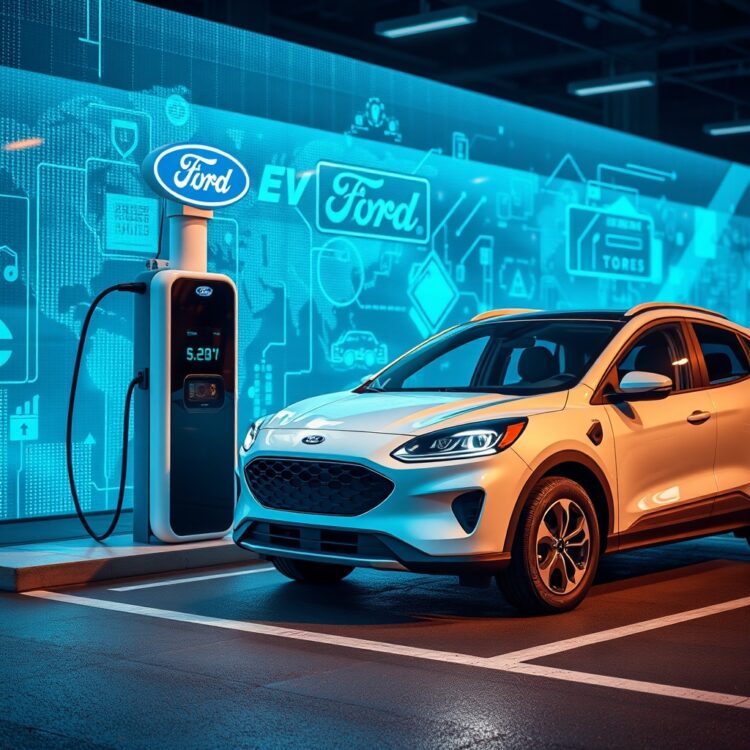
Ford’s EV ambitions are fueled by strategic partnerships with tech giants and battery manufacturers, ensuring access to cutting-edge technology. We’ve joined forces with companies like LG Energy Solutions and SK Innovation to secure a stable supply of batteries, a critical component in the EV race. These collaborations enable Ford to scale production while maintaining quality and affordability, positioning it as a leader in the electrified future.
The significance of these partnerships extends beyond supply chains, fostering innovation in areas like autonomous driving and energy storage. By pooling resources and expertise, Ford accelerates its transition to a zero-emission lineup, meeting regulatory and consumer demands. These alliances are a testament to the power of collaboration in an industry undergoing seismic shifts.
Key Partnerships Fueling Ford’s EV Ambitions
Ford’s partnership with Volkswagen, for instance, allows shared access to the MEB platform, reducing development costs and time-to-market for new EVs. We’ve also collaborated with Rivian, leveraging its skateboard chassis for future models. These alliances demonstrate Ford’s willingness to embrace external innovation, ensuring it remains at the forefront of the EV revolution.
Battery technology is another area where partnerships are critical, with Ford investing in startups like Solid Power to explore next-generation solutions. These relationships provide Ford with a competitive edge, enabling breakthroughs in energy density and charging speed. The collaborative approach reflects a broader industry trend, where shared knowledge drives progress faster than solo efforts.
Collaborations with Tech Companies for Autonomous Vehicles
Ford’s collaborations with tech companies like Argo AI underscore its commitment to autonomous driving. We’re integrating advanced AI and sensor technologies into our vehicles, paving the way for fully self-driving cars. These partnerships combine Ford’s automotive expertise with Silicon Valley’s innovation, creating a synergy that accelerates development and deployment.
The goal is to offer Level 4 autonomy in commercial fleets by 2025, a milestone that would revolutionise logistics and ride-sharing. By working with tech leaders, Ford ensures its autonomous systems are both reliable and scalable. This collaborative model is reshaping the automotive landscape, where the lines between carmakers and tech firms blur.
The Significance of Battery Technology Alliances
Battery technology alliances are the backbone of Ford’s EV strategy, ensuring access to the latest advancements in energy storage. Our joint venture with SK Innovation, BlueOval SK, aims to produce batteries at scale, reducing costs and dependency on external suppliers. These efforts are critical to achieving Ford’s goal of carbon neutrality by 2050.
Innovations like solid-state batteries, developed through partnerships, promise longer ranges and faster charging times. Ford’s ability to integrate these breakthroughs into its lineup will determine its competitiveness in the EV market. The focus on battery alliances highlights the importance of vertical integration in an industry where technology is the ultimate differentiator.
The Environmental and Regulatory Push Towards EVs
How environmental regulations are shaping Ford’s lineup
We’ve seen governments worldwide tighten emission standards, pushing automakers like us to rethink our strategies. Ford’s commitment to electrification isn’t just about staying competitive—it’s about compliance. Stricter CO2 targets and zero-emission mandates mean our lineup must evolve. By 2030, we aim for 40% of our global sales to be electric, a direct response to these regulatory pressures.
Ford’s compliance with global emission standards
Navigating global emission standards is no small feat. In Europe, for instance, the Euro 7 norms demand near-zero emissions from new vehicles. We’re investing heavily in EV tech to meet these benchmarks. Our Mustang Mach-E and E-Transit are just the start. Compliance isn’t optional—it’s a survival tactic in an industry where regulations dictate innovation.
The role of government incentives in promoting EV adoption
Government incentives are a game-changer. Tax credits, rebates, and grants make EVs more accessible, accelerating adoption. In the UK, schemes like the Plug-in Car Grant have boosted our EV sales. We’re leveraging these incentives to make our electric models, like the Puma EV, irresistible. It’s a win-win: customers save money, and we meet our sustainability goals.
Ford’s Marketing Strategy Post-Fiesta
Rebranding efforts to highlight new focus areas
With the Fiesta gone, we’re pivoting hard. Our marketing now screams “electric” and “SUV.” Campaigns spotlight the Puma and Mustang Mach-E, emphasizing tech and sustainability. We’re not just selling cars—we’re selling a future where electric mobility is seamless. The Fiesta’s legacy lives on, but our messaging is all about what’s next.
Targeting new demographics with SUVs and EVs
Gone are the days of targeting just compact car enthusiasts. Today, we’re wooing eco-conscious millennials and tech-savvy families. SUVs like the Puma and EVs like the Mach-E appeal to these groups. Our ads highlight connectivity, safety, and green credentials. It’s a bold shift, but one that aligns with where the market—and the world—are headed.
Digital and social media strategies for engaging younger audiences
We’re doubling down on digital. TikTok, Instagram, and YouTube are now our playgrounds. Short-form videos, influencer partnerships, and interactive content dominate our strategy. The goal? Make Ford synonymous with innovation for Gen Z and millennials. It’s not just about selling cars—it’s about building a community around our brand.
What the Future Holds for Ford’s Compact Car Segment
Potential for a new compact car model in Ford’s future
Could a new compact car emerge? Absolutely. While SUVs and EVs dominate today, there’s still demand for smaller, efficient vehicles. We’re exploring compact EVs that blend affordability with cutting-edge tech. Think of it as a spiritual successor to the Fiesta—just electrified. The market’s shifting, but compact cars aren’t dead yet.
The evolving definition of compact in the age of electrification
“Compact” no longer means just size—it’s about efficiency and innovation. Our future compact models will prioritize battery range, smart features, and sustainability. The Puma EV is a glimpse of this evolution. As customer expectations change, so does our definition of what a compact car should be.
How customer feedback could influence Ford’s compact car strategy
We’re listening. Feedback from Fiesta loyalists is shaping our next moves. Many miss the affordability and agility of compact cars, and we’re taking notes. Future models might blend the Fiesta’s charm with modern EV tech. After all, the best ideas often come from the people who drive our cars every day.
Frequently Asked Questions
Why did Ford discontinue the Fiesta?
We discontinued the Fiesta to focus on SUVs and EVs, aligning with market trends and stricter emission regulations. The shift reflects our commitment to sustainability and meeting evolving customer preferences for larger, more versatile vehicles.
What is replacing the Ford Fiesta?
The Ford Puma, particularly its electric variant, is stepping into the Fiesta’s shoes. It combines compact agility with SUV practicality, making it a natural successor for modern drivers who crave versatility and eco-friendly options.
How is Ford adapting to environmental regulations?
We’re investing heavily in electric and hybrid technology to comply with global emission standards. Models like the Mustang Mach-E and E-Transit are part of our strategy to reduce carbon footprints while staying competitive in the market.
Will Ford release another compact car?
While SUVs and EVs are our focus now, we’re exploring compact EV options. Customer feedback and market demand will play a key role in determining if and when a new compact model joins our lineup.
What incentives are available for Ford EVs?
Governments worldwide offer tax credits, rebates, and grants for EV buyers. In the UK, schemes like the Plug-in Car Grant make our electric models more affordable, encouraging faster adoption of sustainable mobility solutions.