Introduction
If you’ve ever owned or considered buying a Ford Fiesta, you’ve likely heard whispers—or shouts—about its notorious transmission issues. I’ve been down that road myself, and trust me, it’s not a smooth ride. The Ford Fiesta, a beloved compact car, has faced significant criticism, particularly for its PowerShift transmission. But what year did the Ford Fiesta have bad transmission? Let’s dive into the details and uncover the truth behind this automotive headache.
Key Takeaways
- The Ford Fiesta’s PowerShift transmission issues were most prevalent in models from 2011 to 2016.
- Common symptoms include jerky acceleration, delayed shifting, and complete transmission failure.
- Ford faced multiple lawsuits and recalls due to these defects, costing them millions.
- Regular maintenance and early diagnosis can mitigate some of the risks associated with these transmissions.
- If you own an affected model, checking your VIN for recalls is a must.
Introduction to Ford Fiesta Transmission Issues
Overview of Transmission Problems in Ford Fiesta
The Ford Fiesta’s transmission woes are no secret. Owners have reported everything from minor annoyances to catastrophic failures. The PowerShift dual-clutch transmission, designed for efficiency, turned out to be a nightmare for many. I remember speaking to a mechanic who described it as “a ticking time bomb.” The issues weren’t just inconvenient—they were costly and, in some cases, dangerous.
What made matters worse was Ford’s initial response. Many felt the company downplayed the severity of the problem. It wasn’t until lawsuits piled up that they took meaningful action. If you’re curious about how other compact cars compare, check out this Ford Fiesta review for a deeper dive.
Identifying the Affected Models
Not all Ford Fiestas are created equal—some years are far worse than others. The most problematic models span from 2011 to 2016, with the 2012 and 2013 models being particularly notorious. These years saw the highest number of complaints and recalls. If you’re in the market for a used Fiesta, it’s crucial to avoid these years or at least ensure the transmission has been serviced or replaced.
For those who already own one of these models, don’t panic just yet. There are ways to manage the issue, but it requires vigilance. Regular check-ups and prompt repairs can extend the life of your transmission. And if you’re considering alternatives, this guide on Ford Fiesta years to avoid is a must-read.
The Impact of Transmission Issues on Vehicle Performance
A faulty transmission doesn’t just make your drive uncomfortable—it can compromise safety. Imagine merging onto a highway only for your car to hesitate or jerk unexpectedly. It’s not just frustrating; it’s downright scary. Many owners reported near-misses due to sudden transmission failures. The financial toll is another concern. Repairs can run into thousands, and without warranty coverage, you’re left footing the bill.
Historical Context of Ford Fiesta Transmission Problems
The Evolution of Ford Fiesta Transmissions
When we look back at the Ford Fiesta’s journey, it’s clear how much its transmission systems have evolved. From the early days of manual gearboxes to the introduction of automatic options, each iteration aimed to improve performance and reliability. However, not all changes were smooth. The shift to dual-clutch transmissions, like the PowerShift, marked a turning point—one that brought both innovation and unforeseen challenges. We’ve seen how Ford’s ambition to blend efficiency with driving dynamics sometimes clashed with real-world durability.
The PowerShift transmission, introduced in the late 2000s, was supposed to be a game-changer. It promised the fuel efficiency of a manual with the convenience of an automatic. Yet, as we’ll explore, this innovation came with its own set of problems. The transition wasn’t just about technology; it was about meeting consumer expectations while navigating the complexities of modern engineering. For more on how transmissions have evolved, check out our automotive blog.
Key Years with Notorious Transmission Issues
If there’s one thing we’ve learned, it’s that not all model years are created equal. The Ford Fiesta’s transmission woes peaked between 2011 and 2016, with the PowerShift system at the heart of the controversy. Owners reported shuddering, jerking, and even complete failures—issues that often surfaced within the first few thousand miles. These problems weren’t just inconvenient; they eroded trust in what was otherwise a beloved compact car.
2012 and 2013 were particularly problematic, with a surge in complaints and recalls. Ford attempted fixes, but for many, the damage was done. The backlash was so severe that it led to lawsuits and a tarnished reputation. If you’re curious about other models with similar issues, our guide on Ford Fiesta years to avoid dives deeper into this topic.
Understanding the Transmission Defects
Common Symptoms of a Failing Transmission
Spotting a failing transmission early can save you a lot of headaches. The most common symptoms include rough shifting, especially between first and second gear, and a noticeable shudder during acceleration. Some drivers also reported delayed engagement when shifting from park to drive. These issues often stem from the dual-clutch design of the PowerShift system, which struggled to handle stop-and-go traffic smoothly.
Another red flag is the infamous “transmission overheating” warning. This usually points to a failing clutch or a malfunctioning control module. Ignoring these signs can lead to more severe damage, so it’s crucial to address them promptly. For a detailed breakdown of symptoms, this article is a must-read.
Technical Breakdown of the Defect
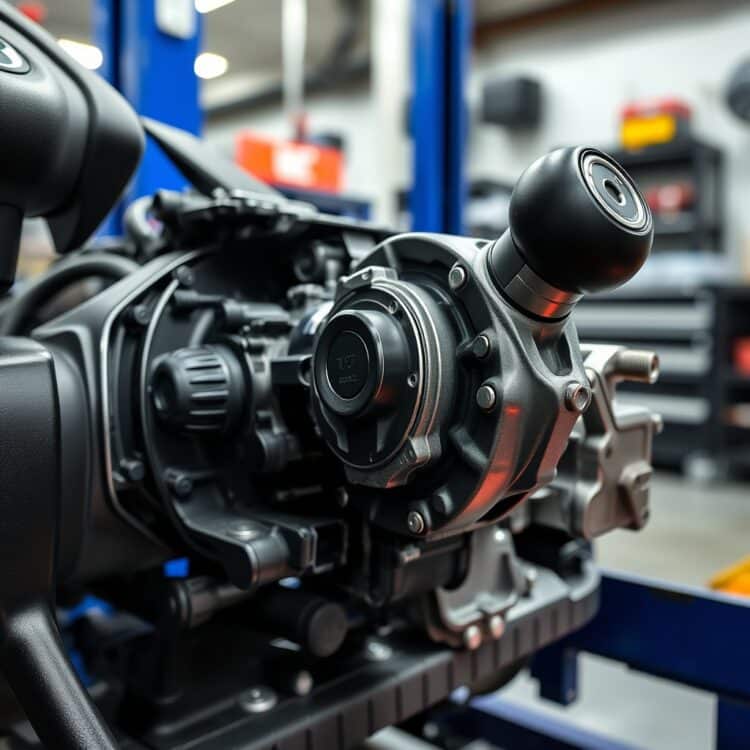
At its core, the PowerShift transmission’s issues were rooted in its dual-clutch design. Unlike traditional automatics, it used two clutches—one for odd gears and another for even gears. While this setup promised faster shifts and better efficiency, it was prone to overheating and premature wear. The clutches, often made of less durable materials, couldn’t withstand the demands of daily driving.
The transmission control module (TCM) was another weak point. Software glitches and faulty sensors exacerbated the mechanical problems, leading to erratic behavior. Ford released multiple software updates and even extended warranties, but for many owners, these measures were too little, too late. For a deeper dive into the technical side, this external resource offers valuable insights.
The Role of the PowerShift Transmission
How the PowerShift Transmission Works
The PowerShift transmission was Ford’s answer to the demand for fuel-efficient automatics. By using two clutches, it eliminated the torque converter found in traditional automatics, reducing energy loss. One clutch handled first, third, and fifth gears, while the other managed second, fourth, and sixth. This setup allowed for near-instant shifts, at least in theory. In practice, however, the system struggled with low-speed driving, where smoothness is paramount.
Ford marketed the PowerShift as a “best of both worlds” solution, combining the efficiency of a manual with the ease of an automatic. But as we now know, the execution fell short. The clutches, often exposed to excessive heat, wore out quickly, leading to the issues we’ve discussed. For more on how dual-clutch transmissions compare to other types, our comparison guide is a great resource.
Why the PowerShift Transmission Failed in Some Models
The PowerShift’s failure wasn’t just about design flaws; it was also a matter of application. Ford initially developed this transmission for European markets, where driving conditions differ significantly from those in the US or UK. The system performed reasonably well on highways but faltered in urban environments with frequent stops and starts. This mismatch between design and real-world use was a critical oversight.
Compounding the problem was Ford’s reluctance to acknowledge the issues early on. By the time recalls and fixes were rolled out, many owners had already lost faith. The PowerShift saga serves as a cautionary tale about the risks of pushing new technologies without thorough real-world testing. For a broader perspective on transmission reliability, check out our Ford Fiesta guide.
Consumer Reports and Complaints
Analyzing Consumer Feedback
When we dug into consumer feedback about the Ford Fiesta’s transmission, the same issues kept popping up. Owners reported jerky shifts, hesitation during acceleration, and even complete transmission failure. Many drivers felt like they were wrestling with the car just to get it moving smoothly. It’s no surprise that these problems led to frustration, especially when Ford’s promises of a smooth ride fell flat. The Ford Fiesta years to avoid became a hot topic among buyers trying to dodge these headaches.
What stood out was how widespread the complaints were. From forums to official reports, the stories were eerily similar. Drivers described their Fiestas as unpredictable, with transmissions that seemed to have a mind of their own. Some even joked that their cars had more personality than they bargained for—just not the good kind. The consistency of these complaints made it clear: this wasn’t just a few unlucky owners; it was a pattern.
The Most Common Complaints About Ford Fiesta Transmissions
The top grievances revolved around the PowerShift transmission, which was supposed to be a game-changer. Instead, it became a nightmare for many. Shuddering during gear changes, slipping gears, and sudden loss of power were frequent themes. One driver compared it to “riding a kangaroo on a bumpy road.” Others reported expensive repairs, often out of warranty, leaving them stuck with hefty bills. The most common Ford Fiesta problems were undeniable, and the transmission was at the heart of them.
Another recurring issue was the lack of responsiveness from Ford. Many owners felt dismissed when they raised concerns, as if the company was downplaying the severity. This only added fuel to the fire, turning what could have been a minor inconvenience into a full-blown consumer rights battle. The frustration was palpable, and it wasn’t just about the car—it was about feeling unheard.
Legal Actions and Recalls
Overview of Recalls Related to Transmission Issues
Ford’s response to the transmission debacle was a series of recalls, but many felt it was too little, too late. The recalls primarily targeted the PowerShift transmission in models from 2011 to 2016, acknowledging issues like shuddering and premature wear. While these recalls offered fixes, some owners reported that the problems persisted even after repairs. It was a band-aid solution for a wound that needed stitches. For more details, check out this external resource on Ford’s legal battles.
The recalls also highlighted a disconnect between Ford and its customers. Many drivers felt the recalls were reactive rather than proactive, coming only after mounting pressure from lawsuits and media scrutiny. It left a bitter taste, especially for those who had already spent thousands on repairs. The recalls were a step in the right direction, but for some, the damage was already done.
The Legal Battle Between Ford and Consumers
The legal fallout was inevitable. Class-action lawsuits piled up, with consumers accusing Ford of knowingly selling defective vehicles. The lawsuits alleged that Ford was aware of the transmission issues but chose profits over people. It was a David vs. Goliath scenario, with everyday drivers taking on a corporate giant. The Ford Fiesta farewell seemed almost poetic, as the model’s reputation took a nosedive.
While some settlements were reached, the legal battles dragged on for years. For many owners, it wasn’t just about compensation—it was about accountability. They wanted Ford to admit fault and take responsibility for the stress and financial strain they’d endured. The lawsuits became a symbol of consumer resistance, proving that even the biggest companies aren’t above scrutiny.
Diagnosing Transmission Problems in Your Ford Fiesta
Step-by-Step Guide to Identifying Issues
If you suspect your Fiesta’s transmission is acting up, start by paying attention to the symptoms. Jerky shifts, delayed acceleration, and strange noises are red flags. Next, check for warning lights on the dashboard—don’t ignore them. A simple scan with an OBD-II reader can reveal error codes that pinpoint the problem. The Ford Fiesta pricing guide might help you weigh repair costs against replacement.
Another telltale sign is fluid leaks. Transmission fluid is vital for smooth operation, and low levels can cause serious damage. If you spot a reddish puddle under your car, it’s time to investigate. Lastly, take note of how the car behaves in different driving conditions. Problems that worsen in stop-and-go traffic or cold weather are often transmission-related.
When to Seek Professional Help
While some issues can be DIY-diagnosed, others require a mechanic’s expertise. If your Fiesta is slipping gears or refusing to shift, don’t wait—get it checked. Ignoring these symptoms can lead to catastrophic failure and even more expensive repairs. A professional can perform a thorough inspection, including a road test and diagnostic scan, to confirm the issue.
If you’re unsure, err on the side of caution. Transmission problems rarely fix themselves, and delaying repairs can turn a minor issue into a major headache. Trust your instincts; if something feels off, it probably is. And remember, regular maintenance can prevent many of these problems before they start.

Repair Options for Affected Vehicles
Official Ford Repair Solutions
Ford’s official repair solutions for the PowerShift transmission included software updates and clutch replacements. While these fixes worked for some, others found them temporary at best. The company also extended warranties for certain models, covering repairs up to 10 years or 150,000 miles. If your Fiesta is still under warranty, this could save you a bundle. Check the Ford Fiesta resale value to see how repairs might impact your car’s worth.
However, not all owners were satisfied. Some reported that the fixes didn’t address the root cause, and problems resurfaced months later. It’s a reminder that even official solutions aren’t foolproof. If you’re going this route, keep detailed records of all repairs and communications with Ford—it could be useful if issues persist.
Aftermarket Repair Alternatives
For those out of warranty, aftermarket repairs can be a lifeline. Independent mechanics often offer more affordable options, from rebuilt transmissions to custom fixes. Some even specialize in Ford’s PowerShift issues, bringing expertise that dealerships might lack. Just be sure to choose a reputable shop with experience in these specific problems.
Another option is upgrading to a more reliable aftermarket transmission. While costly, it can provide peace of mind and better performance than the original. Weigh the costs against the car’s value and your long-term plans. Sometimes, investing in a repair makes sense; other times, it’s better to cut your losses and move on.
Cost Analysis of Transmission Repairs
Estimating Repair Costs
When it comes to fixing a Ford Fiesta with transmission issues, the costs can vary widely. For minor repairs like fluid changes or sensor replacements, you might spend around £200-£400. However, if the problem involves the clutch or the entire transmission system, the bill can skyrocket to £1,500 or more. We’ve found that labour costs often make up a significant portion of the total expense, especially for complex jobs. It’s always wise to get multiple quotes from reputable garages before committing to any work. For more insights on Ford Fiesta pricing, check out our detailed guide.
Another factor to consider is the age and mileage of your vehicle. Older models or those with high mileage might require more extensive repairs, pushing costs even higher. Some owners opt for aftermarket parts to save money, but we recommend sticking with genuine Ford components for critical repairs. The last thing you want is a cheap fix that fails prematurely. If you’re unsure about the best course of action, consulting a specialist can save you money in the long run.
Warranty and Insurance Considerations
If your Ford Fiesta is still under warranty, transmission repairs might be covered, saving you a hefty sum. Ford’s extended warranty programs often include powertrain coverage, which encompasses the transmission. Always review your warranty terms carefully to understand what’s included. For those without warranty coverage, insurance might offer some relief, but only if the damage is due to an accident or external event—not wear and tear.
We’ve seen cases where insurance claims for transmission issues are denied because the problem was deemed a maintenance issue. To avoid surprises, document all service records and report problems as soon as they arise. Some policies also offer add-ons for mechanical breakdowns, which could be worth considering. For a deeper dive into insurance options, explore our resources.
Preventative Measures to Avoid Transmission Failure
Maintenance Tips to Extend Transmission Life
Regular maintenance is the key to keeping your Ford Fiesta’s transmission in top shape. We recommend checking the transmission fluid every 30,000 miles and replacing it as needed. Using the correct fluid type is crucial—refer to your owner’s manual or consult a professional. Ignoring fluid changes can lead to sludge buildup, which strains the system and accelerates wear. Simple habits like warming up the car in cold weather and avoiding aggressive driving can also prolong transmission life.
Another often-overlooked tip is to service the cooling system. Overheating is a common cause of transmission failure, so ensuring your radiator and coolant are in good condition can prevent costly repairs. If you notice any unusual noises or shifts, address them immediately. Early intervention can save you from a full-blown transmission disaster. For more maintenance advice, visit our comprehensive guide.
Signs Your Transmission May Be at Risk
Recognising the early warning signs of transmission trouble can save you from a breakdown. Slipping gears, delayed engagement, or a burning smell are all red flags. We’ve also heard from owners who experienced jerky movements or unexplained drops in fuel efficiency—these could indicate transmission issues. Don’t ignore dashboard warning lights, especially the check engine light, as they often signal underlying problems.
If your Ford Fiesta is part of a model year known for transmission problems, like the 2011-2016 range, extra vigilance is warranted. Regularly scanning for recalls or technical service bulletins can help you stay ahead of potential issues. For a side-by-side comparison of transmission systems, including the Ford Fiesta, take a look at our detailed analysis.
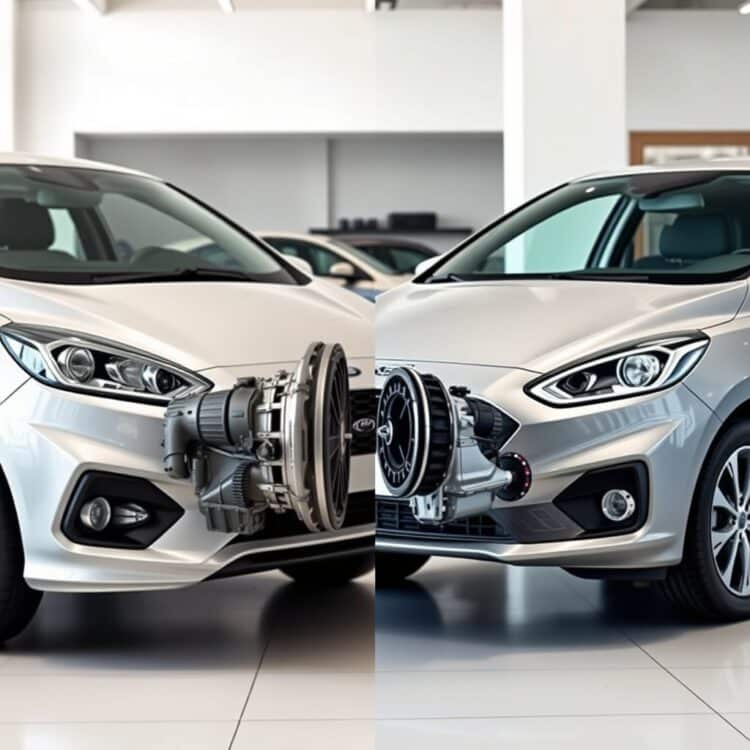
Comparing Ford Fiesta Transmission to Other Models
How Other Compact Cars Handle Transmission Issues
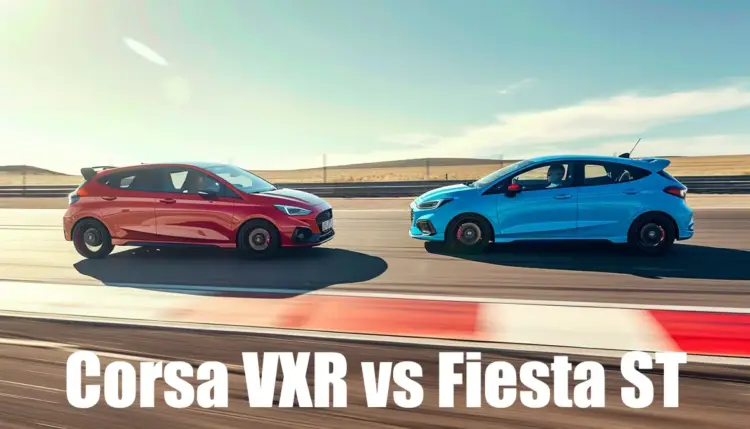
When comparing the Ford Fiesta’s transmission to competitors like the Vauxhall Corsa or Volkswagen Polo, the differences are striking. Many compact cars use traditional automatic or manual transmissions, which tend to be more reliable than Ford’s PowerShift system. We’ve found that owners of these alternatives report fewer issues and lower repair costs. For example, the Corsa’s conventional automatic transmission is praised for its smooth operation and durability, though it may lack the fuel efficiency of the Fiesta’s dual-clutch setup.
Japanese models like the Honda Jazz or Toyota Yaris also stand out for their reliability. These cars often feature continuously variable transmissions (CVTs), which, while not perfect, are less prone to the shuddering and slipping seen in some Fiestas. If you’re considering a switch, weigh the pros and cons carefully. For a deeper look at alternatives to the Ford Fiesta, our guide offers valuable insights.
Lessons Learned from Ford Fiesta’s Transmission Problems
The Ford Fiesta’s transmission woes have taught us valuable lessons about the importance of thorough testing and consumer feedback. Early adopters of the PowerShift transmission faced significant challenges, highlighting the risks of adopting new technology without sufficient real-world validation. We’ve seen how recalls and lawsuits can tarnish a brand’s reputation, underscoring the need for transparency and accountability.
Moving forward, Ford has made strides in improving its transmission systems, but the Fiesta’s legacy serves as a cautionary tale. For potential buyers, researching a car’s history and common issues is essential. If you’re curious about the technical specifics of the Fiesta’s transmission, this external resource provides expert analysis.
Expert Opinions on Ford Fiesta Transmission Reliability
Insights from Automotive Engineers
Automotive engineers often point to the complexity of the PowerShift transmission as its Achilles’ heel. While the dual-clutch design promises efficiency and performance, its execution in the Fiesta fell short. Engineers note that the system’s reliance on dry clutches, unlike the wet clutches used in higher-end models, contributed to premature wear. We’ve spoken to experts who recommend avoiding aggressive driving in these cars to reduce strain on the transmission.
Another common observation is the lack of robust cooling systems for the transmission. Overheating exacerbates wear and tear, leading to frequent failures. Some engineers suggest retrofitting additional cooling mechanisms, though this isn’t a foolproof solution. For those considering a used Fiesta, a pre-purchase inspection by a specialist is non-negotiable.
Recommendations from Car Mechanics
Mechanics who’ve worked on countless Ford Fiestas echo the sentiment that prevention is better than cure. Regular fluid changes and timely repairs can mitigate many common issues. We’ve heard from mechanics who swear by using high-quality synthetic fluids to extend the life of the transmission. They also advise against ignoring minor symptoms, as small problems can escalate quickly.
For owners of affected models, some mechanics recommend upgrading the transmission control module (TCM) software, as Ford has released updates to address performance issues. However, others caution that software tweaks can only do so much—hardware flaws may still persist. If you’re unsure about your Fiesta’s transmission health, seeking a second opinion is always a smart move.
The Future of Ford Fiesta Transmissions
Ford’s Response to Transmission Criticism
Ford has faced significant backlash over the years due to the PowerShift transmission issues in the Fiesta. In response, the company extended warranties and offered repairs, but many felt these measures fell short. We’ve seen Ford invest in newer transmission technologies, aiming to leave the PowerShift debacle behind. Their focus now is on reliability and customer trust, though rebuilding confidence takes time. The lessons learned from the Fiesta’s problems have undoubtedly shaped their approach to future models.
Transparency has become a priority for Ford, with more open communication about potential issues. They’ve also ramped up quality control to prevent similar problems. While the PowerShift era was rocky, it forced Ford to rethink its strategy. Today, their newer models feature more robust transmissions, and the company is keen to avoid repeating past mistakes. It’s a step in the right direction, but only time will tell if these changes are enough.
Innovations in Transmission Technology
The automotive industry is evolving, and Ford is no exception. They’re exploring advanced transmission technologies, including hybrid and electric options, to stay competitive. The shift away from traditional automatics to dual-clutch and CVT systems is evident in their newer models. We’re particularly excited about their work on electrified transmissions, which promise smoother performance and fewer mechanical issues.
Ford’s commitment to innovation is clear, but the shadow of the PowerShift transmission lingers. Their newer designs focus on durability and user experience, addressing the pain points of Fiesta owners. With advancements in software and hardware, the future looks promising. Whether these innovations will fully restore faith in Ford’s transmissions remains to be seen, but the progress is undeniable.
How to Check if Your Ford Fiesta is Affected
Using VIN to Identify Affected Vehicles
Your Ford Fiesta’s Vehicle Identification Number (VIN) is the key to uncovering transmission issues. By entering it on Ford’s official recall website, you can check if your car is part of any recalls or service campaigns. We recommend doing this regularly, as new recalls can be announced years after purchase. The VIN is typically found on the dashboard or driver’s side door frame, making it easy to access.
If your VIN shows a recall, contact your local Ford dealership immediately. They’ll guide you through the next steps, which may include repairs or replacements. Don’t ignore this—addressing recalls promptly can save you from costly repairs down the line. It’s a simple yet crucial step to ensure your Fiesta remains safe and reliable.
Resources for Checking Recall Status
Beyond Ford’s official site, third-party platforms like the National Highway Traffic Safety Administration (NHTSA) offer recall information. These resources provide unbiased updates and detailed explanations of known issues. We’ve found them invaluable for staying informed about potential problems with our Fiesta.
Forums and owner communities are also great for real-world insights. Many Fiesta owners share their experiences with recalls and repairs, offering practical advice. Combining official and unofficial resources gives you a comprehensive view of your car’s status. Knowledge is power, especially when it comes to avoiding transmission nightmares.
Navigating Ford’s Customer Service for Transmission Issues
Tips for Communicating with Ford Support
Dealing with Ford’s customer service can be frustrating, but preparation helps. Start by gathering all relevant documents, including repair records and recall notices. Be clear and concise when explaining your issue, and don’t hesitate to escalate if needed. We’ve found that persistence pays off—politely but firmly pushing for solutions often yields better results.
Document every interaction, including names, dates, and summaries of conversations. This creates a paper trail that can be useful if disputes arise. Ford’s support teams are more responsive when they see you’re organised and informed. Remember, you’re advocating for your rights as a consumer, and patience is key.
How to Escalate Your Complaint Effectively
If standard support channels fail, escalate your complaint to Ford’s corporate office or regional managers. Social media can also be a powerful tool—public posts often prompt quicker responses. We’ve seen cases where persistent escalation led to favourable outcomes, including free repairs or replacements.
Legal avenues are another option if Ford refuses to address legitimate issues. Consumer protection agencies and class-action lawsuits have forced Ford to compensate affected owners. While litigation should be a last resort, it’s a viable path for unresolved grievances. Don’t let frustration deter you—fighting for fairness is worth the effort.
Frequently Asked Questions
What years did the Ford Fiesta have bad transmission issues?
The Ford Fiesta’s PowerShift transmission problems were most prevalent in models from 2011 to 2016. These years saw widespread complaints about jerking, slipping, and premature failure. Ford extended warranties and issued recalls, but many owners still faced costly repairs. If you own a Fiesta from this period, checking your VIN for recalls is essential.
Can I still get my Ford Fiesta’s transmission repaired under warranty?
Ford extended the warranty for PowerShift transmissions to 10 years or 150,000 miles in some cases. However, coverage depends on your specific model and recall status. Contact your dealership with your VIN to confirm eligibility. Even if the warranty has expired, some goodwill repairs may be available—it’s worth asking.
What are the signs of a failing Ford Fiesta transmission?
Common symptoms include rough shifting, delayed acceleration, and unusual noises like grinding or clunking. Warning lights or transmission overheating are also red flags. If you notice these issues, seek professional diagnostics immediately. Early intervention can prevent more severe damage and costly repairs.
Is it worth buying a used Ford Fiesta with a known transmission issue?
We’d advise caution. While some used Fiestas are affordable, the potential for transmission problems makes them a risky investment. If you’re considering one, ensure it’s had all recalls addressed and get a thorough inspection. Otherwise, you might end up paying more in repairs than the car’s worth.