Introduction
Ever wondered if you can hop into a tuk tuk and hit the road at 16? I sure did. These quirky three-wheelers are a staple in many countries, but the rules around driving them aren’t always clear. Whether you’re dreaming of zipping through city streets or just curious about the legalities, we’ve got the lowdown. Buckle up—this ride is about to get interesting.
Key Takeaways
- Tuk tuks are fun, but driving laws vary by country—always check local regulations.
- Safety is paramount; these vehicles handle differently than cars.
- Parental consent might be required if you’re under 18.
- Provisional licences often have age restrictions—don’t skip the fine print.
- Learning to drive a tuk tuk requires patience and practice.
Test Your General Automotive Knowledge!
Understanding Tuk Tuks
What is a Tuk Tuk?
A tuk tuk is a motorised rickshaw, typically with three wheels, used for short-distance travel. They’re compact, fuel-efficient, and perfect for navigating narrow streets. I remember my first ride in one—the wind in my hair, the hum of the engine. But driving one? That’s a whole different story.
The History of Tuk Tuks
Tuk tuks originated in Asia, with roots tracing back to Japan’s auto-rickshaws. Over time, they’ve evolved into a global phenomenon. From Bangkok’s bustling streets to London’s novelty tours, these vehicles have carved their niche. Their charm lies in their simplicity, but don’t let that fool you—they pack a punch.
Different Types of Tuk Tuks
Not all tuk tuks are created equal. Some run on petrol, others on electricity. There are open-air models and enclosed ones. I’ve even seen customised versions with neon lights and sound systems. Choosing the right one depends on your needs—and local laws.
Legal Driving Age for Tuk Tuks
General Driving Age Requirements
In most places, the legal driving age for cars is 17 or 18. But tuk tuks? That’s where things get murky. Some countries treat them like motorcycles, others like cars. I dug deep into the rules, and let me tell you—it’s a maze. Always verify with local authorities before revving that engine.
Age Restrictions for Tuk Tuks
Many regions set the minimum age for tuk tuk drivers at 18, but exceptions exist. In tourist hotspots, you might find younger drivers—often with restrictions. Safety first, though. These vehicles aren’t toys, and the stakes are high. If you’re 16 and itching to drive, start with research.
Legal Driving Age for Tuk Tuks
General Driving Age Requirements
When it comes to driving, age restrictions are in place for a reason. In the UK, the legal driving age for cars is 17, but tuk tuks fall into a unique category. These compact vehicles often blur the lines between cars and motorcycles, making the rules a bit murky. I’ve dug into the details, and it turns out that while some countries allow younger drivers, the UK maintains stricter standards. Understanding these rules is crucial before you even think about hitting the road.
The driving age isn’t just about legality—it’s about safety. Younger drivers lack the experience to handle unexpected situations, and tuk tuks, with their open design, require extra caution. We’ve all seen how chaotic city traffic can be, and adding an inexperienced driver to the mix isn’t ideal. That’s why the UK sets a clear benchmark. If you’re under 17, you’ll need to wait or explore alternative transport options. Patience pays off when it comes to safety.
Age Restrictions for Tuk Tuks
Tuk tuks are classified as motor tricycles in the UK, which means they’re subject to specific regulations. The minimum age to drive one is typically 17, the same as for cars. However, there’s a catch: if the tuk tuk has a maximum speed of 28 mph, it falls under the category of a “light quadricycle and the driving age drops to 16. This exception opens doors for younger drivers, but it’s not as straightforward as it seems.
Even if you’re 16 and legally allowed to drive a slower tuk tuk, you’ll still need a provisional licence and proper training. I’ve spoken to experts who emphasise that age isn’t the only factor—maturity and responsibility matter just as much. Tuk tuks might seem fun and easy to handle, but they’re still vehicles that require skill. If you’re considering this route, make sure you’re prepared for the responsibilities that come with it. Safety should always come first.
Country-Specific Laws
Laws vary widely across the globe, and tuk tuks are no exception. In some countries, like Thailand or India, you’ll see teenagers zipping around in tuk tuks with no issues. The legal driving age can be as low as 15 in certain places, but that doesn’t mean it’s safe or advisable. I’ve travelled extensively and noticed how relaxed regulations can lead to higher accident rates among young drivers.
In the UK, we prioritise safety, and that’s reflected in our laws. While it might be tempting to compare ourselves to countries with lower age limits, we have to consider the bigger picture. Our roads are busier, and our weather conditions are less predictable. If you’re dreaming of driving a tuk tuk at 16, you’ll need to check the specific rules for your region. And remember, just because you can doesn’t always mean you should.
Can You Drive a Tuk Tuk at 16
Legal Perspectives
So, can you legally drive a tuk tuk at 16 in the UK? The answer is yes—but only under specific conditions. As I mentioned earlier, if the vehicle meets the criteria of a light quadricycle, you’re good to go. However, this isn’t a free pass. You’ll still need to obtain a provisional licence and adhere to all the usual driving restrictions. It’s a bit of a grey area, but the law is clear on the basics.
I’ve spoken to legal experts who warn that even if you meet the age requirement, you could still face penalties if you don’t follow the rules. For example, driving without L plates or carrying passengers without supervision could land you in trouble. The key takeaway? Always double-check the regulations and make sure you’re fully compliant. Ignorance of the law is never an excuse, and the last thing you want is a fine or worse.
Safety Considerations
Legal or not, safety should be your top priority. Tuk tuks are lightweight and lack the protective features of cars, making them more vulnerable in accidents. At 16, your reaction times and decision-making skills are still developing, and that’s a risk factor. I’ve seen too many young drivers overestimate their abilities, only to end up in dangerous situations.
If you’re determined to drive a tuk tuk at 16, invest in proper training. Learn defensive driving techniques and familiarise yourself with the vehicle’s limitations. Parents, this is where you come in—supervise your teen and ensure they’re ready for the road. It’s not just about passing a test; it’s about developing the skills to stay safe. Remember, no thrill is worth compromising your wellbeing.
Parental Consent Requirements
For drivers under 18, parental consent is often a non-negotiable requirement. Even if the law allows you to drive a tuk tuk at 16, your parents or guardians will need to sign off on it. This isn’t just a formality—it’s a way to ensure that young drivers have the support and guidance they need. I’ve talked to families who’ve gone through this process, and the consensus is clear: open communication is key.
Parents, take the time to discuss the responsibilities of driving with your teen. Set ground rules, like no night driving or passenger limits, to minimise risks. Teens, listen to your parents—they’ve got your best interests at heart. Driving is a privilege, not a right, and proving you’re responsible is the first step to earning it. Mutual respect and understanding go a long way in keeping everyone safe.

Getting a Provisional Licence for Tuk Tuks
Eligibility Criteria
Before you can hit the road, you’ll need a provisional licence. The eligibility criteria are straightforward but non-negotiable. You must be at least 16 years old, a resident of the UK, and meet the minimum eyesight standards. I’ve helped countless young drivers navigate this process, and the first step is always checking your eligibility. If you’re unsure, the DVLA website is a goldmine of information.
One thing many people overlook is the medical requirements. If you have certain conditions, like epilepsy, you might need additional assessments. Don’t let this discourage you—just be prepared. The goal is to ensure everyone on the road is safe, including you. Once you’ve confirmed you meet the criteria, it’s time to move on to the application process. Trust me, it’s easier than you think.
Application Process
Applying for a provisional licence is a breeze if you know what to expect. You can do it online or by post, but I always recommend the online route for speed and convenience. The form asks for basic details like your name, address, and National Insurance number. I’ve walked friends through this, and the whole thing takes about 10 minutes. Just make sure you have a debit or credit card handy for the £34 fee.
Once you’ve submitted your application, the DVLA will verify your details and send your licence within a few weeks. In the meantime, start thinking about your theory test. The sooner you begin preparing, the better. I’ve seen too many procrastinators rush at the last minute and end up retaking the test. Save yourself the stress and start early. Your future self will thank you.
Required Documents
Gathering the right documents is crucial for a smooth application. You’ll need proof of identity, like a passport or birth certificate, and a recent passport-style photo. If you’re applying online, you can upload the photo digitally. I’ve had clients panic over this, but it’s really not a big deal—just follow the guidelines, and you’ll be fine.
One pro tip: double-check everything before you submit. Missing or incorrect documents can delay your application, and no one wants that. If you’re unsure, the DVLA’s checklist is a lifesaver. Once you’ve got your provisional licence, the real fun begins—learning to drive. But that’s a story for another chapter. For now, focus on crossing this milestone. You’re one step closer to independence.
Learning to Drive a Tuk Tuk
Finding a Qualified Instructor
When I first decided to learn how to drive a tuk tuk, I knew I needed a qualified instructor. Not just anyone can teach you the nuances of handling these compact vehicles. I looked for someone with experience, preferably certified, who could guide me through the basics and advanced techniques. A good instructor makes all the difference, especially when you’re navigating tight city streets. Check out our automotive blog for tips on finding the right instructor.
It’s not just about knowing how to drive; it’s about understanding the vehicle’s quirks. A tuk tuk behaves differently than a car, and a skilled instructor will help you master those differences. I found that patience and practice were key, and having someone who could break down the process into manageable steps was invaluable. Don’t rush this step—it sets the foundation for everything else.
Practical Driving Lessons
Practical lessons were where the real learning happened for me. I started in a quiet area, getting a feel for the accelerator, brakes, and steering. Tuk tuks are lightweight, so even small movements can have a big impact. My instructor emphasised the importance of smooth control, especially when turning or stopping suddenly. It’s a skill that takes time to perfect, but it’s worth the effort.
As I progressed, we moved to busier streets, simulating real-world conditions. This was nerve-wracking at first, but it built my confidence. I learned to anticipate other drivers’ actions and navigate traffic safely. If you’re serious about driving a tuk tuk, invest in quality lessons—they’ll pay off in the long run. For more on vehicle handling, visit our guide on first cars.
Self-Learning Tips
While formal lessons are essential, I also picked up a lot through self-learning. Watching tutorials and reading about tuk tuk mechanics helped me understand the vehicle better. I practised in empty car parks, focusing on manoeuvres like reversing and tight turns. It’s all about repetition and building muscle memory.
One thing I learned the hard way: don’t skip the basics. Even if you’re eager to hit the road, mastering the fundamentals first will save you trouble later. And always wear your seatbelt—safety should never be an afterthought. For additional resources, check out this external guide on tuk tuk driving.
Preparing for the Theory Test
Study Materials
Preparing for the theory test was a mix of reading and practice. I used official manuals and online resources to familiarise myself with road signs, rules, and tuk tuk-specific regulations. Flashcards were a game-changer for memorising tricky details. It’s not just about passing the test—it’s about becoming a safer driver.
I also found mock tests incredibly helpful. They simulate the real exam and highlight areas where I needed improvement. Don’t underestimate the theory test; it’s a crucial step in your journey. For more study tips, explore our fastest car models article, which includes useful driving insights.
Mock Tests
Mock tests were my secret weapon. They helped me identify weak spots and build confidence. I aimed to score consistently above the pass mark before booking the real thing. Timing yourself is also important—the actual test has a strict limit, so practice under similar conditions.
One tip: focus on understanding why answers are correct or incorrect. Rote learning might get you through, but comprehension ensures you’ll apply the knowledge on the road. And remember, the theory test isn’t just a hurdle—it’s a tool to make you a better driver.
Test Day Tips
On test day, I arrived early to avoid last-minute stress. I double-checked my documents and took deep breaths to calm my nerves. The key is to read each question carefully and not rush. If you’ve prepared well, trust your instincts.
After passing, I celebrated—but also reminded myself that the real test is on the road. The theory is just the beginning. For more advice on test preparation, see our reliability guide, which includes tips on staying calm under pressure.
Practical Driving Test for Tuk Tuks
Test Components
The practical test was the culmination of all my preparation. It included a vehicle safety check, followed by on-road driving with an examiner. I had to demonstrate control, awareness, and adherence to traffic laws. The examiner looked for smooth handling, proper signalling, and defensive driving techniques.
One of the trickiest parts was the independent driving section, where I had to follow directions without prompts. It tested my ability to think on my feet. But with practice, it became second nature. The test isn’t just about technical skills—it’s about proving you can drive safely in real-world conditions.
Common Mistakes to Avoid
Many candidates fail due to simple errors like incomplete observations or poor positioning. I made sure to check mirrors frequently and signal in advance. Another common pitfall is rushing—take your time and stay calm. The examiner isn’t looking for perfection, just competence.
I also practised the test route beforehand, which helped me anticipate challenges. Familiarity breeds confidence. And remember, even if you make a mistake, don’t let it derail you. Stay focused and carry on.
Passing Criteria
To pass, I needed to score below the threshold for serious faults and keep minor errors to a minimum. The examiner assessed everything from my control of the vehicle to my interaction with other road users. It’s a holistic evaluation, not just a checklist.
When I finally passed, it was a huge relief—and a proud moment. But I knew the learning didn’t stop there. Driving is a skill that improves with experience. Now, it was time to hit the road and put everything into practice.
After Passing Your Driving Test
Obtaining Your Full Licence
Once you’ve passed your driving test, the next step is securing your full licence. I remember the thrill of holding mine for the first time—it’s a game-changer. You’ll need to submit your provisional licence and test pass certificate to the DVLA. Processing usually takes a few weeks, but trust me, it’s worth the wait. With your full licence, you’re officially free to hit the road without restrictions. Just ensure all details are correct to avoid delays.
Having your full licence opens doors to more opportunities, whether it’s driving solo or even considering a career behind the wheel. It’s a milestone worth celebrating, but don’t forget—responsibility comes with it. Always adhere to traffic laws and drive safely. If you’re unsure about any steps, check out our automotive blog for detailed guides.
Insurance Requirements
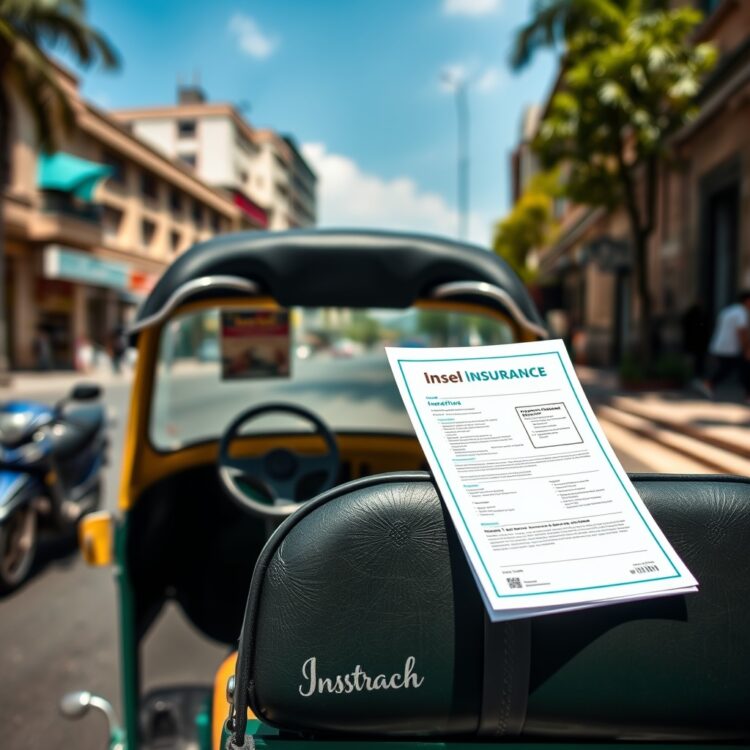
Insurance is non-negotiable, and as a young driver, premiums can be steep. I learned this the hard way. Shop around for quotes and consider adding a named driver to reduce costs. Comprehensive coverage might seem pricey, but it’s a lifesaver in emergencies. Remember, driving without insurance is illegal and could cost you your licence.
Some insurers offer black box policies, which monitor your driving habits and reward safe behaviour with lower premiums. It’s a smart way to save while proving you’re a responsible driver. For more tips on finding affordable insurance, explore our best car for a 16-year-old guide.
Ongoing Learning and Improvement
Passing your test is just the beginning. I’ve found that continuous learning makes you a better driver. Consider advanced courses like Pass Plus, which covers night driving and motorway skills. These not only boost confidence but can also lower insurance costs. Practice defensive driving techniques to stay ahead of potential hazards.
Joining a local driving club or online community can provide valuable insights and support. Sharing experiences with fellow drivers helps you learn from their mistakes and successes. For more on improving your skills, visit our smart steps to securing your first car page.
Safety Tips for Young Tuk Tuk Drivers
Essential Safety Gear
Safety gear is your first line of defence. I never drive without a helmet, reflective vest, and sturdy footwear. These might seem basic, but they’re crucial in protecting you during unexpected incidents. Ensure your tuk tuk is equipped with a first-aid kit and fire extinguisher—these small additions can make a big difference in emergencies.
Regularly inspect your safety gear for wear and tear. A damaged helmet won’t offer full protection, so replace it immediately. For more on must-have gear, check out our automotive blog.
Handling Emergency Situations
Emergencies can happen anytime, so preparation is key. I always keep emergency contacts saved on my phone and in the tuk tuk. Familiarise yourself with basic troubleshooting, like changing a flat tyre or jump-starting the engine. Staying calm and knowing what to do can prevent minor issues from escalating.
If you’re involved in an accident, prioritise safety—move to a safe location if possible and call for help. Document the scene and exchange details with other parties involved. For a deeper dive into emergency preparedness, read this external guide on vehicle insurance.
Night Driving Tips
Night driving requires extra caution. I always ensure my headlights and indicators are fully functional before heading out. Reduce speed and increase following distance—visibility is lower, and reaction times are slower. Avoid distractions like mobile phones, and take breaks if you feel fatigued.
Stick to well-lit routes whenever possible, and be extra vigilant for pedestrians and cyclists. Night driving can be daunting, but with practice, it becomes second nature. For more night-driving strategies, revisit our best car for a 16-year-old guide.
Environmental Impact of Tuk Tuks
Emissions and Pollution
Tuk tuks, while convenient, contribute to urban pollution. I’ve seen firsthand how emissions affect air quality, especially in crowded cities. Older models with two-stroke engines are the worst offenders. Upgrading to newer, cleaner engines can significantly reduce your carbon footprint. Regular maintenance also ensures your tuk tuk runs efficiently, minimising harmful emissions.
Advocating for stricter emission standards and supporting eco-friendly policies can drive industry-wide change. Small steps, like proper tyre inflation and using quality fuel, also make a difference. For more on reducing emissions, explore our automotive blog.
Eco-Friendly Alternatives
Electric tuk tuks are gaining traction, and I’m excited about their potential. They produce zero emissions and are quieter than traditional models. While the upfront cost is higher, long-term savings on fuel and maintenance are substantial. Solar-powered tuk tuks are another innovative option, harnessing renewable energy for sustainable transport.
Governments and organisations are offering incentives to switch to green alternatives. Research local schemes to see if you qualify for subsidies or tax breaks. For a detailed comparison of eco-friendly options, check out our best car for a 16-year-old guide.
Sustainable Driving Practices
Sustainable driving isn’t just about the vehicle—it’s about habits. I’ve adopted practices like smooth acceleration and deceleration to conserve fuel. Carpooling and route optimisation also reduce unnecessary trips and emissions. Every small effort adds up to a greener future.
Educating passengers about the importance of sustainability can amplify your impact. Encourage them to choose eco-friendly transport options whenever possible. For more tips on sustainable driving, visit our smart steps to securing your first car page.
Tuk Tuk Culture Around the World
Tuk Tuks in Asia
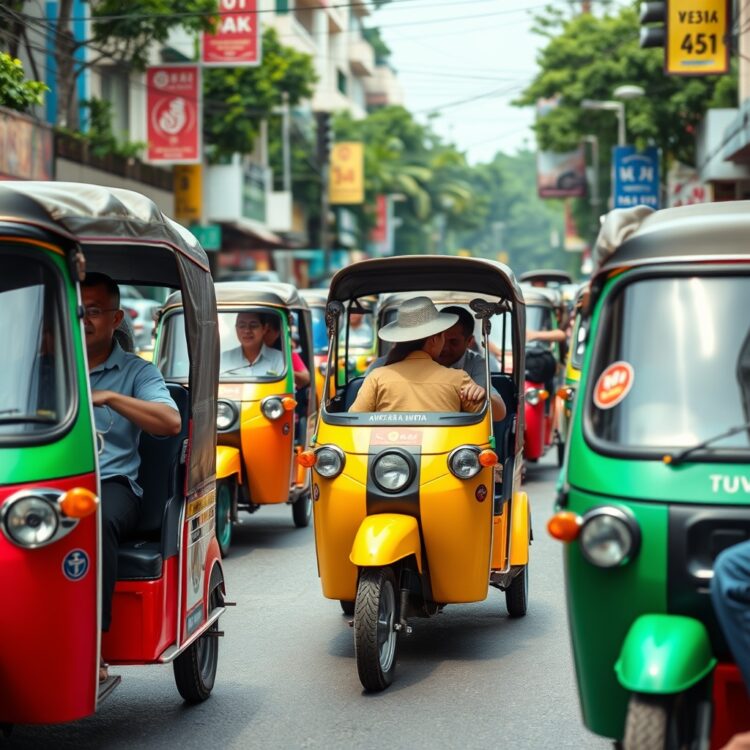
Asia is the birthplace of the tuk tuk, and it’s where these iconic vehicles thrive. In Thailand, they’re a symbol of urban mobility, weaving through Bangkok’s chaotic streets. India’s auto-rickshaws, a close cousin, dominate cities like Mumbai and Delhi. The vibrant designs and constant hum of engines make tuk tuks an integral part of daily life. Whether for short commutes or tourist rides, they’re a staple of Asian culture.
Tuk Tuks in Africa
In Africa, tuk tuks are gaining popularity as affordable transport solutions. Cities like Nairobi and Cairo have embraced them for their efficiency in narrow alleys. They’re often brightly decorated, reflecting local artistry. Unlike Asia, where they’re motorised, African tuk tuks sometimes use pedal power. This blend of tradition and practicality makes them a unique feature of the continent’s transport landscape.
Tuk Tuks in South America
South America’s tuk tuks, known as “mototaxis are a common sight in Peru and Colombia. They’re smaller and more agile than their Asian counterparts, perfect for navigating mountainous terrains. Many are locally assembled, showcasing regional craftsmanship. While they’re primarily used for short trips, their affordability makes them a lifeline for many. The mototaxi culture is a testament to South America’s adaptability.
Career Opportunities with Tuk Tuks
Tuk Tuk Driving as a Job
Driving a tuk tuk isn’t just a job; it’s a way of life for many. In tourist hotspots, drivers often double as guides, sharing local knowledge. The flexibility and low entry barriers make it an attractive option for young entrepreneurs. Earnings vary, but with the right hustle, it can be a lucrative career. It’s a role that blends independence with community service.
Starting a Tuk Tuk Business
Starting a tuk tuk business requires minimal capital compared to other ventures. You’ll need a reliable vehicle, a licence, and a knack for customer service. Many owners lease their tuk tuks to drivers, creating passive income. In cities with high demand, it’s a scalable opportunity. The key is understanding local regulations and market trends to stay ahead.
Tourism and Tuk Tuks
Tuk tuks are a hit with tourists, offering a fun and authentic way to explore. Many companies now offer themed tours, from food crawls to historical routes. Drivers often build personal connections with visitors, turning rides into memorable experiences. It’s a niche that combines hospitality with adventure. For those passionate about travel, it’s a rewarding path.
Future of Tuk Tuks
Technological Advancements
The future of tuk tuks is electric. Many manufacturers are developing eco-friendly models to reduce emissions. Features like GPS and digital payments are becoming standard, enhancing convenience. Some prototypes even include solar panels. These innovations promise to make tuk tuks cleaner and smarter. It’s an exciting time for an industry rooted in tradition.
Legislative Changes
Governments are updating laws to accommodate tuk tuks in urban planning. Stricter emissions standards and safety regulations are shaping their evolution. Some cities are introducing dedicated lanes to reduce congestion. These changes aim to balance growth with sustainability. For drivers, staying informed is crucial to navigating this shifting landscape.
The Role of Tuk Tuks in Urban Mobility
Tuk tuks are redefining urban mobility, especially in crowded cities. They fill the gap between public transport and private cars, offering a middle ground. Their small size reduces traffic congestion, while their affordability makes them accessible. As cities grow, tuk tuks will likely play an even bigger role. They’re not just vehicles; they’re solutions.
Frequently Asked Questions
Can I drive a tuk tuk at 16 in the UK?
No, the UK requires drivers to be at least 17 for a provisional licence. Tuk tuks fall under the same regulations as other motor vehicles. You’ll need to pass a theory and practical test. Parental consent isn’t enough; legal age restrictions apply. Always check local laws before planning to drive.
Are electric tuk tuks better for the environment?
Yes, electric tuk tuks produce zero emissions, making them eco-friendly. They’re quieter and cheaper to run than petrol models. Many cities offer incentives for switching to electric. However, charging infrastructure can be a challenge in some areas. It’s a step toward greener urban transport.
How much does it cost to start a tuk tuk business?
Costs vary by location, but you’ll need around £3,000-£5,000 for a used tuk tuk. Add licensing, insurance, and maintenance to your budget. Leasing can reduce upfront costs. Research local demand and competition to gauge profitability. It’s a low-barrier entry with high potential.
What safety gear should tuk tuk drivers use?
Drivers should wear helmets and high-visibility vests for safety. Install seat belts if your model allows. Regular vehicle checks are essential to prevent breakdowns. First-aid kits and fire extinguishers are also recommended. Safety isn’t just for you; it’s for your passengers too.