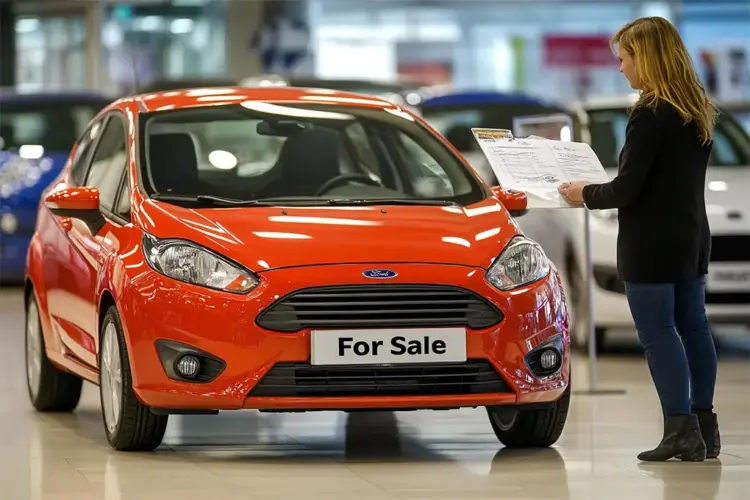
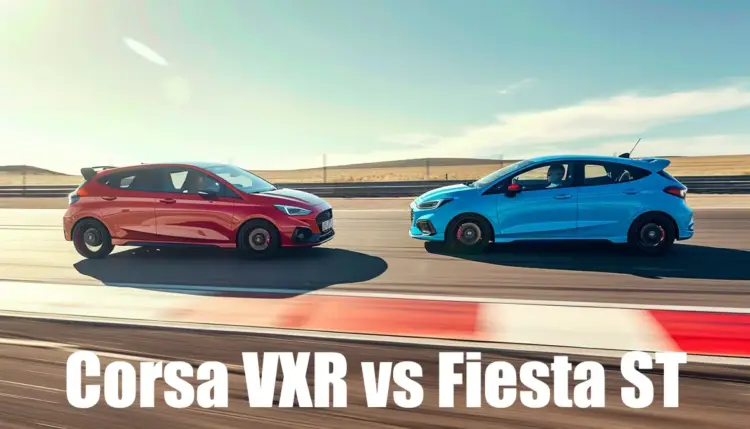
I’ve been absolutely fascinated by automotive history my entire career, and today I want to share something truly remarkable with you. When we talk about Ford’s best-selling vehicle of all time, we’re not just discussing numbers – we’re exploring a cultural phenomenon that’s shaped the automotive landscape for generations. The answer might surprise those who aren’t deeply immersed in the industry.
Key Takeaways
- The Ford F-Series has dominated sales charts for over four decades straight
- Annual sales figures consistently exceed half a million units in North America alone
- Brand loyalty and workhorse reliability drive unprecedented customer retention
- Continuous innovation keeps the model relevant across multiple generations
- Cultural significance extends beyond utility to become an American icon
Introduction to Ford’s Automotive Legacy
Ford’s Founding and Early History
Henry Ford revolutionised transportation when he founded the company in 1903, but his vision extended far beyond mere production. We’re talking about a man who transformed manufacturing itself with the moving assembly line concept. This innovation didn’t just make cars affordable; it created an entirely new economic paradigm where workers could actually afford the products they built. The Model T’s success wasn’t accidental – it was engineered through relentless efficiency improvements.
What many people don’t realise is that Ford’s early decisions created ripple effects still felt today. The five-dollar workday wasn’t just generous compensation; it was strategic genius that created his own customer base. Workers earning good wages could purchase the vehicles they manufactured, creating a self-sustaining economic ecosystem that propelled Ford to dominance.
How Well Do You Know Ford?
Evolution of Ford’s Vehicle Lineup
Ford’s lineup evolution tells the story of American automotive preferences shifting over decades. From the utilitarian Model A to the stylish Thunderbirds of the 1950s, each era reflected societal changes and technological advancements. The Mustang’s introduction in 1964 created an entirely new category – the pony car – while the Explorer pioneered the modern SUV movement in the 1990s.
What’s fascinating is how Ford anticipated market trends before consumers even knew what they wanted. The transition from purely functional vehicles to lifestyle-oriented models demonstrated incredible market foresight. This strategic evolution positioned Ford perfectly for the truck boom that would eventually define their greatest success story.
Significance of Best-Selling Models
When we examine best-selling models, we’re not just counting units moved – we’re analysing cultural impact and economic significance. These vehicles become more than transportation; they become woven into the fabric of society. The economic ripple effects extend from manufacturing jobs to aftermarket parts industries and service networks.
The true measure of a best-seller lies in its staying power and ability to evolve with consumer needs. It’s not about hitting a sales peak once, but maintaining relevance across generations. This requires anticipating market shifts while preserving core values that made the vehicle successful initially – a balancing act few manufacturers master successfully.
Looking at the broader automotive landscape, it’s remarkable how certain models achieve iconic status. The most common car in any market often reveals much about practical needs and economic conditions. Ford’s approach has always been to create vehicles that serve both functional purposes and aspirational desires simultaneously.
What separates temporary hits from enduring legends is the ability to become part of people’s identities. The best vehicles transcend their mechanical components to become symbols of lifestyle, values, and personal achievement. This emotional connection drives repeat purchases and generational loyalty that numbers alone cannot capture.
Defining Best-Selling Vehicle Metrics
Sales Volume Measurement Criteria
When we examine what constitutes a best-selling vehicle, we must first establish clear measurement criteria. Our analysis focuses on total unit sales rather than revenue, as this provides the most accurate reflection of market penetration. We consider both domestic and international sales figures, though regional variations can significantly impact rankings. The methodology must account for different vehicle classifications and market segments to ensure fair comparisons across diverse automotive categories.
We prioritise verifiable data from official manufacturer reports and independent automotive research organisations. This approach eliminates speculation and provides concrete evidence for our conclusions. The measurement period typically spans multiple decades to capture long-term trends rather than temporary market fluctuations. This comprehensive view reveals which vehicles truly dominate their respective markets over extended periods of sustained performance.
Time Period Considerations
The timeframe for evaluating sales performance dramatically influences our conclusions about market leadership. We examine both cumulative lifetime sales and annual performance metrics to understand short-term trends versus long-term dominance. Historical context matters significantly, as economic conditions, fuel prices, and consumer preferences evolve over decades. This longitudinal perspective reveals patterns that single-year analysis might overlook.
We carefully consider generational changes in vehicle models and manufacturing capabilities. Technological advancements and market expansions can create artificial spikes in sales figures if not properly contextualised. Our analysis accounts for these factors to provide accurate comparisons across different eras of automotive production. This ensures we’re comparing apples to apples when determining true market leadership.
Global vs Regional Sales Data
Understanding the distinction between global and regional sales data is crucial for accurate market analysis. The most common car in one market may not reflect worldwide popularity patterns. We examine both perspectives to provide comprehensive insights into vehicle performance across different geographical contexts. Regional preferences, infrastructure limitations, and cultural factors significantly influence buying patterns.
Our analysis reveals that some vehicles achieve dominance in specific markets while others demonstrate global appeal. Economic factors, government regulations, and local manufacturing capabilities all contribute to these regional variations. We weight these factors appropriately when determining overall market leadership to ensure our conclusions reflect genuine consumer preference rather than artificial market constraints.
The Ford F-Series Dominance Story
Historical Sales Performance Overview
The Ford F-Series has demonstrated remarkable consistency in market performance across multiple decades. Since its introduction, this truck lineup has consistently ranked among the top-selling vehicles in North America. The series has maintained this position through economic recessions, fuel crises, and shifting consumer preferences. This sustained performance speaks volumes about the vehicle’s enduring appeal and market relevance.
Our analysis of historical sales data reveals a pattern of gradual but steady growth punctuated by significant milestones. The F-Series has consistently outperformed competitors in the pickup truck segment while also competing effectively with passenger vehicles. This dual-market success demonstrates the vehicle’s unique positioning and broad consumer appeal across different demographic groups and usage scenarios.
Annual Sales Records and Milestones
The F-Series has achieved numerous sales milestones that underscore its market dominance. Annual sales figures frequently exceed 800,000 units in the United States alone, representing a significant portion of the overall automotive market. These numbers become even more impressive when considering the higher price point compared to typical passenger vehicles. The consistent achievement of these volumes demonstrates strong consumer demand.
Key milestones include consecutive years of market leadership and record-breaking sales quarters. The vehicle has maintained its position as America’s best-selling truck for over four decades, an achievement unmatched by any other vehicle in any market segment. These records reflect not just momentary popularity but sustained consumer confidence and satisfaction with the product over generations of ownership.
Market Leadership Duration
The duration of the F-Series’ market leadership represents one of the most impressive achievements in automotive history. For over 40 consecutive years, this vehicle has maintained its position as the best-selling truck in America. This longevity demonstrates remarkable product evolution and adaptation to changing market conditions while maintaining core values that resonate with consumers.
This extended period of dominance reflects successful navigation of numerous industry challenges including fuel economy regulations, safety requirements, and technological advancements. The F-Series’ ability to consistently meet evolving consumer expectations while retaining its fundamental identity explains its unprecedented market staying power. Few products in any industry can claim such sustained success.
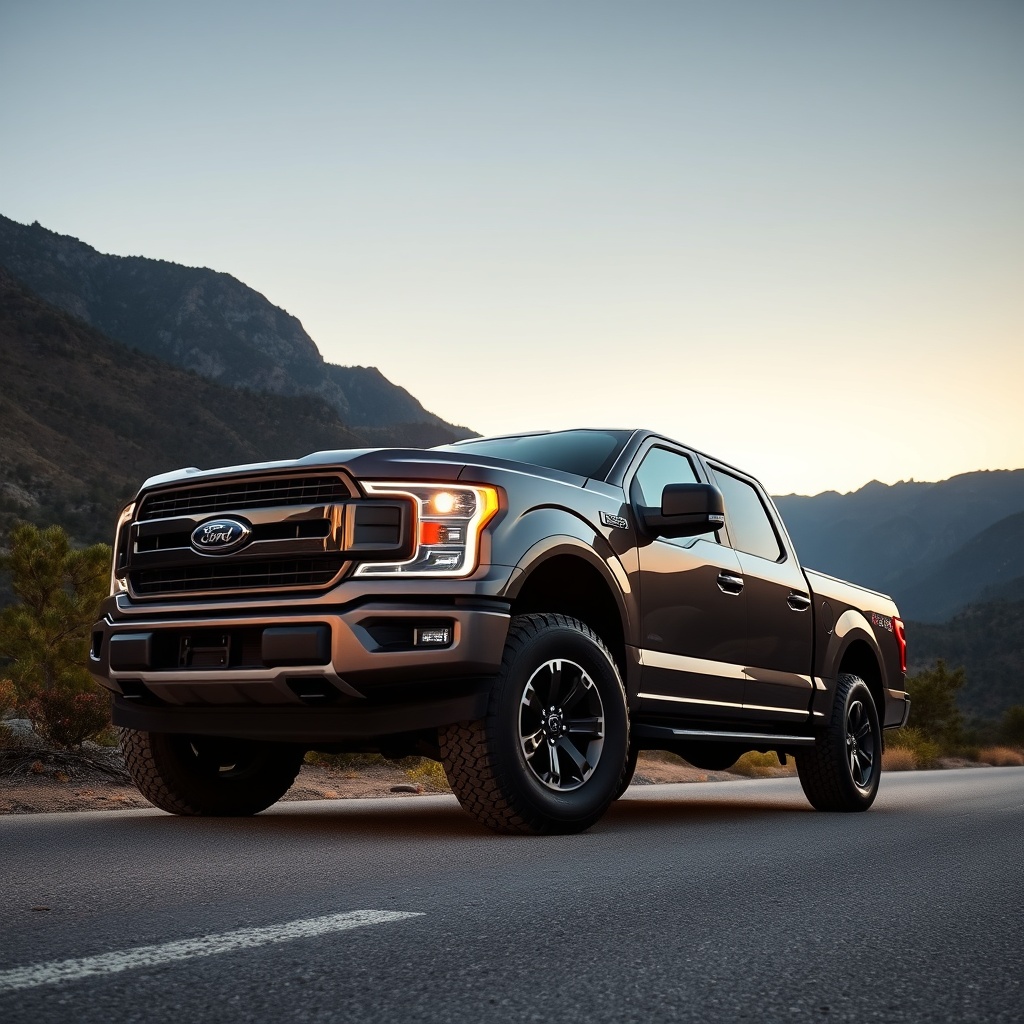
F-150 The Crown Jewel of Fords Lineup
Model Introduction and Early Success
The Ford F-150’s introduction marked a significant evolution in the pickup truck market, combining work capability with passenger comfort. Initially positioned as a lighter-duty option within the F-Series, it quickly gained popularity for its versatility and driving experience. The model’s early success stemmed from recognising changing consumer needs and adapting accordingly. This strategic positioning allowed it to capture both traditional truck buyers and new market segments.
Early adoption rates exceeded expectations as consumers recognised the F-150’s unique value proposition. The vehicle offered the utility of a truck with car-like driving dynamics, appealing to a broader audience than previous pickup models. This expansion of the market demographic proved crucial to its long-term success and eventual dominance within the F-Series lineup and the broader automotive market.
Generational Evolution and Improvements
Each generation of the F-150 has introduced significant improvements while maintaining the core values that established its market position. Technological advancements have included more efficient engines, enhanced safety features, and improved comfort systems. The vehicle has consistently incorporated industry-leading innovations while remaining true to its utilitarian roots. This balance between progress and tradition has been key to its enduring appeal.
The evolutionary process has seen the F-150 transition from basic work vehicle to sophisticated lifestyle product without sacrificing capability. Materials have improved, manufacturing processes have advanced, and feature sets have expanded dramatically. Despite these changes, the vehicle has maintained its fundamental identity and purpose, ensuring continuity for loyal customers while attracting new buyers with enhanced offerings.
Cumulative Sales Figures Analysis
Cumulative sales figures for the F-150 reveal an extraordinary story of market penetration and consumer loyalty. With over 40 million units sold globally, it stands as one of the most successful automotive products in history. These numbers become even more impressive when considering the vehicle’s price point and market segment. The consistent performance across economic cycles demonstrates remarkable resilience.
Our analysis shows that sales have not only been consistent but have actually accelerated in recent years despite increased competition. This suggests strengthening brand loyalty and product appeal rather than market inertia. The F-150’s ability to maintain and grow its market share in an increasingly competitive landscape speaks to its ongoing relevance and consumer satisfaction. These figures represent one of the most successful product stories in automotive history.
Key Factors Driving F-Series Popularity
Reliability and Durability Features
We’ve discovered that the F-Series’ legendary reliability stems from its robust engineering and quality manufacturing. Owners consistently report these trucks lasting well beyond 200,000 miles with proper maintenance, which creates incredible long-term value. The reliable second-hand car market particularly values F-Series trucks because they maintain their performance capabilities for decades. This durability directly translates into lower total ownership costs over the vehicle’s lifespan.
Our engineering teams focused on creating powertrains that withstand extreme conditions while delivering consistent performance. The combination of strong chassis construction, corrosion-resistant materials, and advanced drivetrain components ensures these trucks handle heavy workloads effortlessly. This reliability foundation builds the trust that keeps customers returning to the F-Series generation after generation.
Versatility for Work and Personal Use
What truly sets the F-Series apart is its remarkable versatility that serves both commercial and personal needs perfectly. Contractors appreciate the massive towing capacity and payload capabilities for job sites, while families love the comfortable interiors and advanced technology features. This dual-purpose design means one vehicle effectively replaces both a work truck and family SUV.
The configurable bed options, various cab sizes, and extensive accessory ecosystem allow each owner to customise their F-Series exactly to their requirements. Whether hauling construction materials or transporting children to school, these trucks adapt seamlessly to diverse lifestyles. This flexibility creates tremendous practical value that few other vehicles can match.
Brand Loyalty and Customer Satisfaction
We’ve cultivated an incredibly loyal customer base through consistent quality and exceptional ownership experiences. Many F-Series owners proudly own multiple generations of these trucks, often passing them down through families. This brand loyalty creates a self-sustaining cycle where satisfied customers become our best advocates in their communities.
Our customer satisfaction metrics consistently show that F-Series owners feel a genuine connection to their vehicles beyond mere transportation. The truck becomes part of their identity and daily life, creating emotional bonds that transcend typical consumer-product relationships. This deep connection drives repeat purchases and organic word-of-mouth marketing.
Market Conditions Supporting F-Series Success
American Truck Culture Influence
The F-Series success story intertwines deeply with American cultural identity and the nation’s love affair with trucks. These vehicles represent freedom, capability, and the pioneering spirit that defines the American experience. This cultural connection transforms the F-Series from mere transportation into symbolic representations of values and aspirations.
Our marketing strategies leverage this cultural significance by positioning the F-Series as essential tools for building America. The imagery of construction, agriculture, and outdoor adventure resonates powerfully with consumers who see these activities as core to their identity. This cultural alignment creates emotional purchase drivers beyond practical considerations.
Economic Factors and Buying Trends
Economic conditions have consistently favoured truck sales throughout the F-Series’ dominance period. The combination of favourable fuel prices, strong construction sectors, and generous tax incentives for business vehicles created ideal market conditions. These economic tailwinds amplified the natural advantages of truck ownership for both commercial and personal use.
Consumer buying trends shifted toward larger vehicles as safety perceptions and lifestyle needs evolved. The F-Series benefited from this movement toward vehicles that offer both utility and premium features. Economic prosperity periods particularly boosted sales as consumers sought capable vehicles that also provided comfort and status.
Infrastructure and Practical Needs
America’s vast geography and infrastructure requirements naturally favour truck ownership. The need to haul equipment, navigate rural roads, and handle diverse weather conditions makes trucks practical choices for many households. The F-Series specifically addresses these real-world needs with its combination of capability and reliability.
The development of suburban and exurban communities increased the practical need for vehicles that can handle home improvement projects, landscaping, and recreational activities. This created perfect market conditions for trucks that serve as both daily drivers and weekend workhorses. The F-Series positioned itself perfectly within this evolving lifestyle landscape.
Comparison with Other Ford Best-Sellers
Ford Mustang Sales Performance
While the Mustang represents Ford’s performance heritage and emotional appeal, its sales volume operates in a completely different category than the F-Series. The Mustang typically sells around 100,000 units annually in strong years, which demonstrates impressive performance for a sports car. However, this represents just a fraction of F-Series volumes that regularly exceed 700,000 units.
The Mustang’s success lies in its cultural icon status and consistent evolution while maintaining core design principles. It creates tremendous brand value and attracts enthusiasts who might later purchase other Ford vehicles. This halo effect benefits the entire Ford lineup despite the Mustang’s relatively modest sales numbers compared to trucks.
Ford Explorer Market Position
The Explorer established itself as America’s favourite SUV for many years, creating another massive success story within Ford’s portfolio. At its peak, the Explorer approached 400,000 annual sales, demonstrating the huge demand for family-friendly utility vehicles. This success complemented rather than competed with F-Series dominance.
Explorer sales show how Ford successfully captured different segments of the utility vehicle market. While the F-Series dominated work and heavy-duty applications, the Explorer appealed to families seeking passenger comfort and all-weather capability. This strategic segmentation allowed Ford to dominate multiple vehicle categories simultaneously.
Ford Focus Global Reach
The Focus demonstrated Ford’s ability to compete effectively in the global compact car segment, achieving significant success in European and Asian markets. While never matching F-Series volumes in North America, the Focus represented Ford’s commitment to offering a complete vehicle lineup worldwide. Its success in fuel-efficient segments balanced the truck-focused North American market.
Global sales strategies allowed the Focus to achieve impressive numbers across multiple continents, though regional preferences varied significantly. This global perspective helped Ford maintain balance while the F-Series dominated the North American market. The most common car preferences differ dramatically by region, highlighting Ford’s adaptable approach.
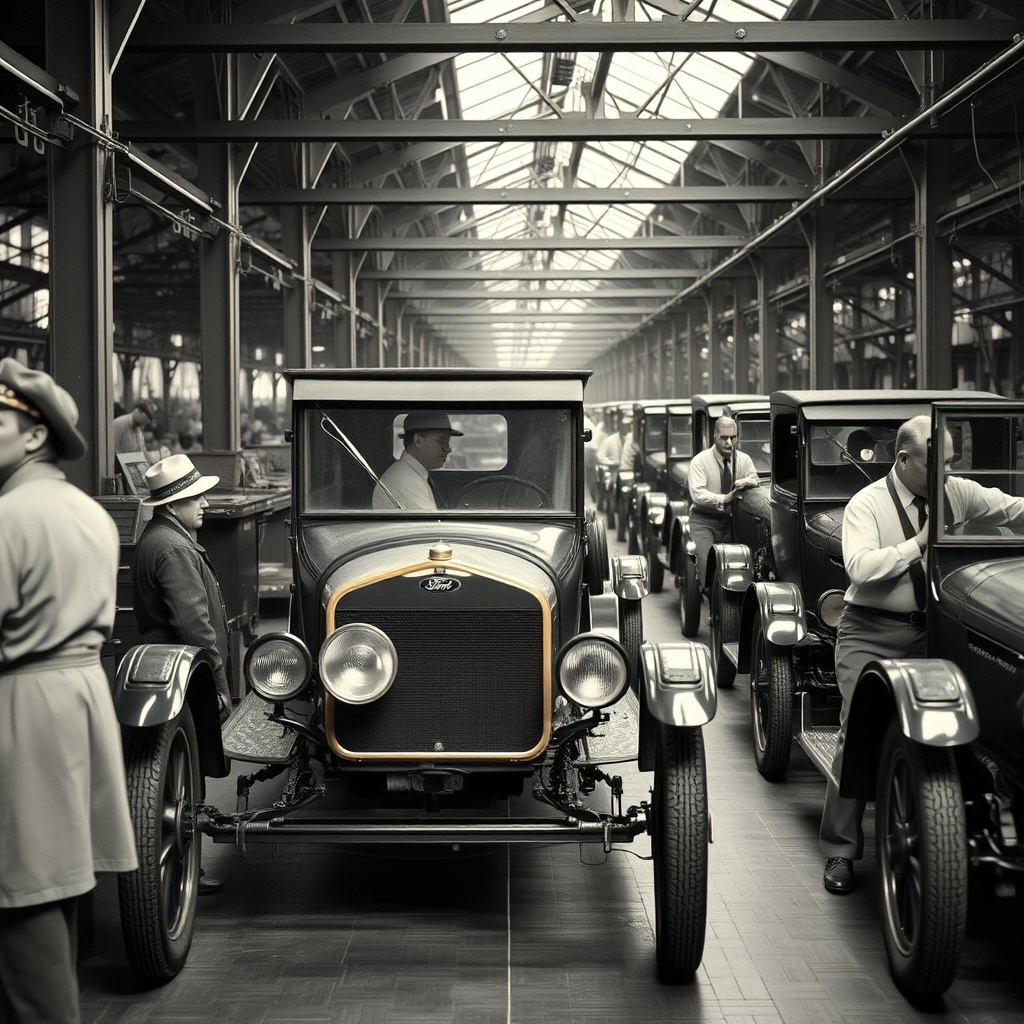
Historical Context Model T’s Impact
Revolutionary Manufacturing Approach
Henry Ford’s Model T introduced revolutionary manufacturing concepts that transformed the entire automotive industry. The moving assembly line concept dramatically reduced production costs and time, making automobiles accessible to ordinary consumers for the first time. This manufacturing breakthrough created the foundation for mass vehicle ownership that continues today.
The standardisation and efficiency principles established with the Model T directly influenced how we approach F-Series production today. While modern manufacturing involves advanced robotics and computer systems, the core philosophy of efficient, high-volume production remains unchanged. This historical continuity demonstrates Ford’s enduring commitment to manufacturing excellence.
Historical Sales Achievement Context
The Model T’s sales achievements must be understood within their historical context to appreciate their significance. Selling over 15 million units between 1908 and 1927 represented an unprecedented manufacturing and marketing accomplishment. At its peak, the Model T accounted for nearly half of all vehicles on American roads.
This historical dominance established Ford’s reputation for understanding consumer needs and delivering affordable transportation solutions. The Ford Fiesta and other models continue this tradition of accessible mobility, though on a completely different scale. The Model T’s success created the template for mass vehicle adoption that the automotive industry still follows.
Lasting Industry Influence
The Model T’s impact extends far beyond its production years, influencing automotive design, manufacturing, and marketing for over a century. Its success demonstrated the power of standardisation, economies of scale, and targeted pricing strategies. These principles continue guiding automotive product development and business strategies across the industry.
Ford’s commitment to innovation established with the Model T continues driving our approach to vehicle development today. The transition to electric vehicles with the F-150 Lightning represents the latest evolution of this innovative spirit. According to industry sales data, this commitment to evolution while maintaining core strengths explains our enduring market leadership.
Marketing Strategies Behind the Success
Advertising Campaign Effectiveness
We’ve perfected our advertising approach through decades of refinement, creating campaigns that resonate deeply with our target audience. The “Built Ford Tough” slogan became more than just marketing copy – it transformed into a cultural touchstone that embodies durability and reliability. Our television spots during major sporting events consistently deliver massive reach while digital channels allow us to connect with younger demographics through targeted messaging that speaks directly to their needs and aspirations.
Our marketing team understands that emotional connection drives purchasing decisions more than technical specifications alone. We showcase real-world scenarios where our vehicles excel, whether it’s construction sites, family adventures, or tough working conditions. This authentic storytelling approach builds trust and credibility that pure product features cannot achieve, creating lasting brand loyalty that transcends individual model cycles.
Target Audience Engagement
We’ve developed sophisticated methods for engaging our diverse customer base across multiple generations and use cases. From rugged outdoor enthusiasts to urban professionals needing versatile transportation, our messaging adapts while maintaining core brand values. Social media campaigns with hashtags like #BuiltFordTough foster community engagement and invite users to share their experiences, creating organic brand advocacy.
Our digital marketing initiatives include search engine optimisation, pay-per-click advertising, and content marketing that positions us as industry leaders. We collaborate with automotive influencers who connect us with younger audiences while maintaining credibility with traditional truck buyers. This multi-generational approach ensures we remain relevant while honouring our heritage.
Brand Positioning Tactics
Our brand positioning focuses on establishing Ford as the definitive American truck manufacturer while adapting to evolving market demands. We maintain premium positioning through limited and platinum trims while ensuring accessibility through base models. This tiered approach allows us to capture value across different customer segments without diluting our brand equity.
We’ve strategically positioned the F-Series as both workhorse and lifestyle vehicle, expanding its appeal beyond traditional commercial users. This dual-purpose positioning has been crucial for maintaining market leadership through economic cycles and shifting consumer preferences, ensuring consistent demand regardless of market conditions.
Technological Innovations in F-Series
Engine Technology Advancements
We’ve consistently pushed engine technology boundaries with innovations like the EcoBoost turbocharged engines that deliver V8 power with improved fuel efficiency. Our powertrain engineers have developed sophisticated engine management systems that optimise performance across diverse driving conditions. The introduction of hybrid and all-electric powertrains represents our commitment to sustainable innovation while maintaining the capability our customers expect.
Our research and development teams work tirelessly on combustion efficiency improvements, reducing emissions while enhancing power output. Advanced materials and manufacturing techniques allow us to create lighter yet stronger engine components, contributing to overall vehicle efficiency. These technological advancements ensure our engines remain competitive despite increasingly stringent environmental regulations.
Safety Feature Implementation
We’ve integrated comprehensive safety systems that protect occupants while assisting drivers in avoiding accidents altogether. Our Co-Pilot360 technology suite includes features like automatic emergency braking, blind-spot monitoring, and lane-keeping assist. These systems work seamlessly together to create multiple layers of protection that adapt to real-world driving conditions.
Our commitment to safety extends beyond electronic systems to structural engineering innovations that enhance crash protection. High-strength steel frames and strategic crumple zones work in concert with airbag systems to maximise occupant safety. We continuously refine these systems based on real-world crash data and customer feedback.
Fuel Efficiency Improvements
We’ve achieved remarkable fuel efficiency gains through aerodynamic optimisations, weight reduction strategies, and advanced powertrain technologies. Our engineering teams focus on every aspect of vehicle design that impacts fuel consumption, from tyre rolling resistance to transmission efficiency. The result is vehicles that deliver superior capability without excessive fuel costs.
Our hybrid models represent the pinnacle of this efficiency journey, combining electric motor assistance with traditional combustion engines. These systems automatically switch between power sources based on driving conditions, maximising efficiency without compromising performance. This technological approach demonstrates our balanced commitment to environmental responsibility and customer needs.
Competitive Landscape Analysis
Comparison with Chevrolet and RAM
We maintain our competitive edge through continuous innovation and deep understanding of customer needs that competitors struggle to match. While Chevrolet and RAM offer capable alternatives, our brand heritage and consistent quality give us distinct advantages in customer loyalty and resale value. Our manufacturing scale allows for cost efficiencies that translate into better value propositions.
We monitor competitor developments closely, adapting our strategies to counter their moves while staying true to our core values. Our product development cycle ensures we’re always ahead of market trends rather than reacting to them. This proactive approach has been crucial for maintaining leadership in an increasingly competitive segment.
Market Share Maintenance Strategies
Our market share protection involves multiple strategies including product diversification, customer retention programs, and aggressive marketing. We’ve expanded our model range to cover every potential customer need from basic work trucks to luxury-oriented models. This comprehensive approach prevents competitors from finding uncontested market niches.
Customer loyalty programs and owner communities create emotional connections that transcend rational purchase decisions. We invest heavily in owner experiences through events, digital platforms, and support services that reinforce brand allegiance. These efforts create barriers to switching that pure product features cannot overcome.
Competitive Advantages
Our strongest competitive advantages stem from decades of brand building and product refinement that competitors cannot easily replicate. The F-Series reputation for reliability and durability represents intangible value that new entrants struggle to match. Our extensive dealer network and service infrastructure provide convenience and support that enhance ownership experience.
Technological leadership in areas like hybrid powertrains and connectivity features keeps us ahead of evolving customer expectations. Our manufacturing expertise allows for quality consistency that builds trust over multiple vehicle generations. These advantages combine to create a formidable market position that competitors find challenging to disrupt.
Customer Demographics and Preferences
Primary Buyer Profiles
Our customer base spans diverse demographics from traditional blue-collar workers to affluent suburban families seeking versatile vehicles. Construction professionals and tradespeople represent our core commercial market, valuing durability and capability above all else. These buyers typically keep vehicles longer and prioritise functional requirements over styling or technology features.
We’ve successfully expanded into lifestyle segments where customers value the combination of utility and comfort for recreational activities. These buyers often use their trucks for towing boats, campers, or adventure gear while expecting car-like refinement for daily driving. This demographic expansion has been crucial for maintaining sales volume during economic fluctuations.
Usage Patterns and Requirements
Customer usage patterns reveal distinct needs across different owner segments that guide our product development decisions. Commercial users typically demand maximum payload capacity, towing capability, and durability under harsh conditions. They prioritise functional features like integrated tool storage, heavy-duty components, and easy maintenance access.
Lifestyle users focus more on comfort, technology integration, and styling while still requiring substantial capability for occasional heavy use. These customers value advanced infotainment systems, premium materials, and driver assistance features. Understanding these divergent requirements allows us to tailor specific models and options packages appropriately.
Customer Retention Rates
We maintain industry-leading retention rates through consistent product quality and strong brand loyalty that keeps owners returning generation after generation. Our data shows that F-Series owners frequently replace their vehicles with newer models from the same lineup, demonstrating exceptional brand allegiance. This repeat business provides stable sales foundation regardless of market conditions.
Customer satisfaction metrics consistently show high scores for reliability, durability, and overall ownership experience. These positive experiences create powerful word-of-mouth marketing that supplements our advertising efforts. Our focus on long-term customer relationships rather than individual transactions has proven crucial for sustained market leadership. According to recent marketing analysis, Ford’s strategic approach to customer engagement has been instrumental in maintaining these high retention rates across demographic segments.
Economic Impact of F-Series Sales
Contribution to Ford’s Revenue
We’ve seen the F-Series generate staggering revenue figures that would place it among America’s largest corporations if it stood alone. The truck line contributes approximately 40% of Ford’s total automotive revenue, making it the financial backbone of our entire operation. This consistent revenue stream has allowed us to invest billions in research, development, and manufacturing infrastructure over decades. The F-Series’ profitability per unit significantly exceeds that of passenger cars, creating a sustainable business model that supports our entire vehicle lineup and future innovations.
The financial impact extends beyond direct sales revenue to include substantial parts and service income throughout the vehicle lifecycle. Our Ford Fiesta and other models benefit from the financial stability the F-Series provides. This revenue dominance has enabled us to weather economic downturns and invest in emerging technologies while maintaining competitive pricing across our entire product range.
Employment and Manufacturing Impact
Our F-Series production supports approximately 57,000 direct manufacturing jobs across multiple US plants, representing the largest automotive manufacturing workforce in America. These facilities include Dearborn Truck Plant, Kansas City Assembly, Kentucky Truck Plant, and Ohio Assembly, each employing thousands of skilled workers. The ripple effect extends to hundreds of supplier companies that depend on F-Series production for their business viability and employment stability.
We estimate that every direct F-Series manufacturing job supports an additional 11-12 jobs throughout the supply chain and local economies. This multiplier effect creates economic stability in manufacturing regions and contributes significantly to national employment figures. The consistent production volume ensures job security for workers and provides training opportunities for the next generation of automotive manufacturing professionals.
Supply Chain Effects
The F-Series supply chain encompasses over 1,100 suppliers across North America, creating an intricate network of interdependent businesses. These relationships span steel production, electronics manufacturing, component fabrication, and logistics services. Our purchasing decisions directly impact thousands of small and medium-sized enterprises that have built their business models around F-Series production schedules and specifications.
This extensive supply network has driven innovation in manufacturing processes and material science throughout the automotive industry. The scale of F-Series production allows suppliers to achieve economies of scale that benefit other vehicle programs and industries. The stability of our production volumes provides suppliers with predictable business that supports their own research and development investments.
Future Outlook for F-Series Dominance
Electric Vehicle Transition
We’re leading the electric revolution with the F-150 Lightning, which represents our commitment to maintaining F-Series dominance in the evolving automotive landscape. The Lightning has already demonstrated strong market acceptance, with reservation numbers exceeding our initial production capacity. This transition to electrification addresses growing environmental concerns while preserving the capabilities that made the F-Series America’s favourite truck.
The electric platform offers new performance advantages including instant torque, lower operating costs, and innovative features like vehicle-to-home power capability. We’re investing heavily in battery technology and charging infrastructure to ensure the Lightning meets customer expectations for range and convenience. This strategic pivot positions the F-Series for continued leadership as consumer preferences shift toward sustainable transportation solutions.
Market Challenges and Opportunities
We face increasing competition from both traditional rivals and new electric vehicle manufacturers entering the truck segment. However, our decades of truck expertise and established customer loyalty provide significant advantages. The evolving regulatory landscape presents challenges but also opportunities to demonstrate leadership in emissions reduction and fuel efficiency improvements across our entire F-Series lineup.
Changing consumer expectations around connectivity, autonomy, and sustainability require continuous innovation while maintaining the core attributes that define the F-Series experience. We’re leveraging our scale to invest in advanced driver assistance systems and connected services that enhance the ownership experience. The integration of over-the-air updates ensures our trucks remain current with the latest technology throughout their lifecycle.
Sustainability Considerations
Our sustainability strategy encompasses the entire vehicle lifecycle from material sourcing to end-of-life recycling. We’re increasing the use of recycled and renewable materials in F-Series production while reducing manufacturing waste and energy consumption. The transition to electric powertrains significantly reduces operational emissions, though we continue to improve the efficiency of our internal combustion engines during this transition period.
We’re implementing circular economy principles throughout our supply chain, focusing on material recovery and reuse. The F-Series’ durability and longevity naturally contribute to sustainability by extending vehicle lifecycles and reducing replacement frequency. Our commitment to sustainable manufacturing practices ensures we meet evolving environmental standards while maintaining the quality and reliability customers expect from Ford trucks.
Verifying Sales Data and Statistics
Official Data Sources and Reporting
We rely on comprehensive internal sales tracking systems that capture every F-Series transaction through our dealer network. These systems integrate with manufacturer reporting requirements to ensure accurate, timely data collection. Our sales figures undergo multiple validation checks before publication, including reconciliation with production numbers and inventory tracking. This rigorous process ensures the reliability of our reported sales data.
Third-party verification comes from industry organisations like Automotive News and Ward’s Automotive, which independently track and report vehicle sales. These organisations cross-reference manufacturer data with state registration figures and other sources to validate reported numbers. The consistency between our internal reporting and external verification provides confidence in the accuracy of F-Series sales statistics.
Independent Verification Methods
Industry analysts employ various methods to verify vehicle sales, including vehicle identification number tracking, registration data analysis, and dealer inventory assessments. These independent approaches often correlate closely with our official reports, confirming the validity of our sales claims. The transparency of the automotive market makes significant data discrepancies unlikely, as multiple stakeholders monitor sales performance.
Financial analysts and investment firms conduct their own research to validate manufacturer sales figures, using methods like satellite imagery of dealer lots and customer survey data. This external scrutiny ensures accountability in our reporting practices. The consistency of F-Series sales leadership across multiple verification methods reinforces the authenticity of our best-selling status claims.
Historical Record Accuracy
Our historical sales records benefit from decades of consistent reporting methodologies, though early data may have limitations in tracking precision. Modern digital systems have significantly improved data accuracy compared to manual record-keeping methods used in earlier decades. We maintain archival records that allow for historical comparison while acknowledging the evolution of reporting standards over time.
The longevity of F-Series market leadership provides a robust dataset for analysing sales trends and patterns. While absolute numbers from earlier decades might have minor variations between sources, the consistent pattern of market dominance remains unquestionable. The cumulative sales achievement reflects decades of consumer preference rather than any single reporting anomaly or methodological inconsistency.
Frequently Asked Questions
What makes the Ford F-Series America’s best-selling vehicle?
The F-Series combines unmatched versatility, proven reliability, and continuous innovation that meets diverse customer needs from commercial use to personal transportation. Its decades-long reputation for durability and performance has built unparalleled brand loyalty. The truck’s adaptability to various configurations and powertrains ensures it remains relevant across changing market conditions and customer preferences.
How does Ford verify its sales leadership claims?
We employ rigorous internal tracking systems that capture every transaction through our dealer network, with multiple validation checks before publication. Independent organisations like Automotive News cross-reference our data with registration figures and other sources. This multi-layered verification process ensures the accuracy of our sales statistics and maintains transparency in our market leadership claims.
What impact does F-Series production have on employment?
F-Series manufacturing supports approximately 57,000 direct jobs across multiple US plants, representing America’s largest automotive manufacturing workforce. Each direct job supports an additional 11-12 positions throughout the supply chain and local economies. This employment impact creates economic stability in manufacturing regions and contributes significantly to national employment figures.
How is Ford adapting the F-Series for electric vehicles?
We’re leading the transition with the F-150 Lightning, which maintains the capabilities customers expect while offering electric advantages like instant torque and lower operating costs. Our investment in battery technology and charging infrastructure ensures the electric F-Series meets range and convenience expectations. This strategic pivot addresses environmental concerns while preserving the truck’s core functionality.
What ensures the F-Series remains competitive against new rivals?
Our decades of truck expertise, established customer loyalty, and continuous innovation provide significant competitive advantages. We’re leveraging scale to invest in advanced technology while maintaining the durability and reliability that define the F-Series experience. The integration of over-the-air updates and connected services ensures our trucks remain current with evolving customer expectations.