Understanding Hybrid Cars
Definition and How They Work
Hybrid cars combine an internal combustion engine with an electric motor, offering the best of both worlds. They switch between power sources to maximise efficiency, reducing fuel consumption and emissions. The electric motor kicks in during low-speed driving, while the petrol engine takes over for higher speeds or when extra power is needed. This seamless transition ensures optimal performance and eco-friendliness.
One of the standout features of hybrids is regenerative braking, which captures energy usually lost during braking and uses it to recharge the battery. This innovation not only enhances efficiency but also extends the vehicle’s lifespan. If you’re curious about how hybrid technology stacks up against traditional cars, check out our hybrid cars built to last guide for a deeper dive.
Types of Hybrid Cars
Hybrids come in various forms, including full hybrids, mild hybrids, and plug-in hybrids. Full hybrids can run solely on electric power for short distances, while mild hybrids rely more on the petrol engine with minimal electric assistance. Plug-in hybrids, on the other hand, offer extended electric-only range and require charging from an external source.
Each type caters to different driving needs and budgets. For instance, full hybrids are ideal for city driving, whereas plug-in hybrids suit those with access to charging stations. To explore more about the differences, visit our hybrid speed thresholds article for insights.
Key Components of Hybrid Vehicles
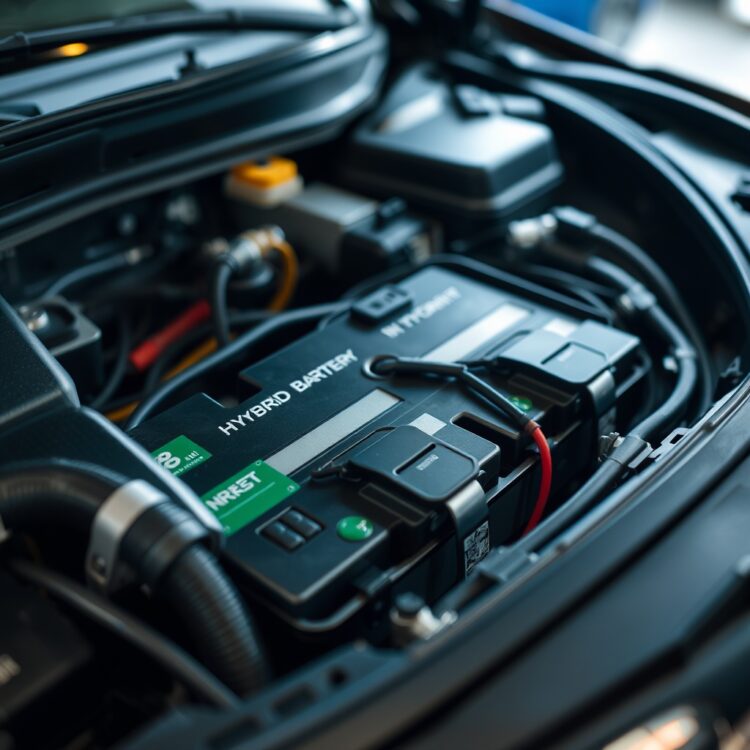
The heart of a hybrid car lies in its battery, electric motor, and power control unit. The battery stores energy for the electric motor, while the power control unit manages the flow of electricity between components. These parts work in harmony to deliver a smooth and efficient driving experience.
Regular maintenance of these components is crucial for longevity. For example, keeping the battery cool and avoiding extreme discharges can significantly extend its life. Understanding these elements helps owners make informed decisions about care and upgrades.
The Lifespan of Hybrid Cars Explained
What Determines a Hybrid Car’s Lifespan
When we talk about the lifespan of a hybrid car, several factors come into play. The quality of the vehicle’s components, how well it’s maintained, and even driving habits can significantly impact longevity. Unlike traditional cars, hybrids have a dual powertrain—combining an internal combustion engine with an electric motor—which means more parts to consider. Regular servicing and mindful driving can extend the life of both systems, ensuring your hybrid runs smoothly for years.
Another critical factor is the environment. Extreme temperatures, whether scorching heat or freezing cold, can strain the battery and other components. Urban driving with frequent stops and starts also wears the system faster than steady highway cruising. By understanding these variables, we can take proactive steps to maximise our hybrid’s lifespan, ensuring it delivers on its promise of efficiency and durability.
Average Lifespan Expectations
So, how long can you expect your hybrid car to last? On average, a well-maintained hybrid can easily surpass 150,000 miles, with many models reaching 200,000 miles or more. The battery, often a concern for buyers, typically lasts between 100,000 and 150,000 miles before needing replacement. Modern hybrids are built to last, and with advancements in technology, their durability continues to improve.
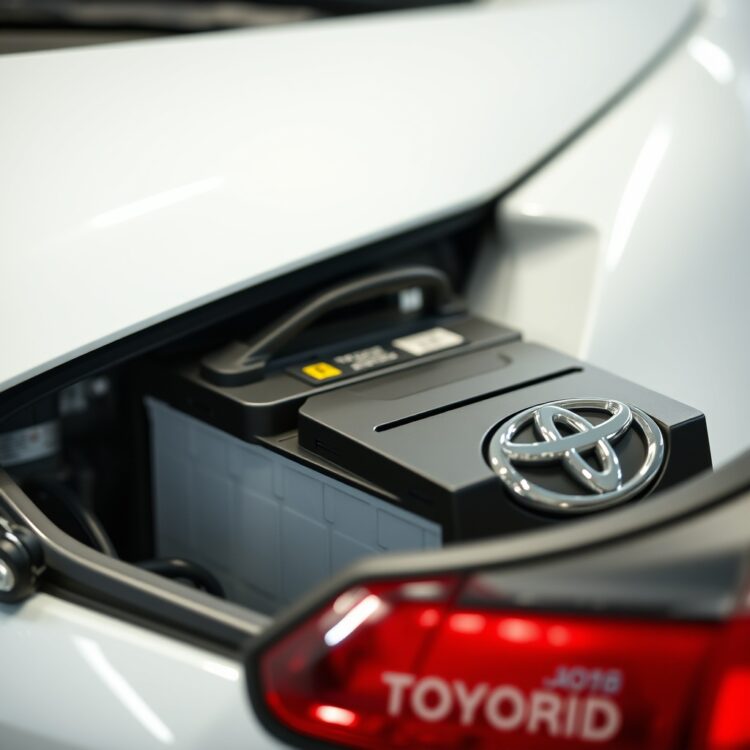
It’s worth noting that hybrids like the Toyota Corolla Hybrid have proven to be exceptionally reliable, often outlasting their petrol-only counterparts. The key is sticking to the manufacturer’s maintenance schedule and addressing minor issues before they escalate. With proper care, your hybrid can be a long-term companion on the road.
Test Your General Automotive Knowledge!
Battery Life in Hybrid Cars
Role of the Battery in Lifespan
The battery is the heart of any hybrid car, powering the electric motor and storing energy regenerated during braking. Its health directly impacts the vehicle’s overall lifespan. Unlike traditional car batteries, hybrid batteries are designed for deep cycling—repeated charging and discharging—which makes them more durable but not immune to wear. Over time, their capacity diminishes, affecting performance and efficiency.
Factors like temperature extremes and frequent rapid charging can accelerate battery degradation. However, modern hybrids come with sophisticated battery management systems to mitigate these effects. By keeping the battery within optimal temperature ranges and avoiding full discharges, we can prolong its life and maintain the car’s efficiency for years to come.
Battery Replacement and Costs
Replacing a hybrid battery can be costly, often ranging from £1,000 to £3,000, depending on the model. However, many manufacturers offer warranties covering the battery for up to 8 years or 100,000 miles, providing peace of mind. Third-party refurbished batteries are also an option, offering significant savings without compromising reliability.
When the time comes, it’s essential to choose a reputable service provider. Some hybrids, like the Toyota Prius, have a track record of long-lasting batteries, reducing the likelihood of premature replacement. Planning for this expense and understanding your options can make the process smoother and more affordable.
Tips to Extend Battery Life
To get the most out of your hybrid battery, avoid letting it sit at full or empty charge for extended periods. Regular driving helps keep the battery active and balanced. Parking in shaded or covered areas during extreme weather can also prevent unnecessary stress on the battery. Additionally, using the car’s eco-mode reduces strain on the battery by optimising energy use.
Simple habits like gentle acceleration and braking can make a difference, too. By driving smoothly, you reduce the load on the battery and extend its life. For more insights, check out this authoritative guide on hybrid battery care. Small adjustments today can lead to significant savings and longevity tomorrow.

Maintenance Impact on Lifespan
Routine Maintenance Essentials
Regular maintenance is the cornerstone of a long-lasting hybrid car. Unlike conventional vehicles, hybrids require attention to both the combustion engine and the electric system. Oil changes, brake inspections, and tyre rotations remain essential, but so are checks on the battery, cooling system, and hybrid-specific components. Following the manufacturer’s schedule ensures all systems operate efficiently.
One often-overlooked aspect is the hybrid’s cooling system, which prevents the battery from overheating. Keeping it in top condition is crucial for longevity. Similarly, the regenerative braking system needs periodic inspection to ensure it’s capturing energy effectively. By staying on top of these tasks, we can avoid costly repairs and keep our hybrid running smoothly for years.
Common Maintenance Mistakes to Avoid
Neglecting the battery is a common mistake. Even though it’s low-maintenance, ignoring warning signs like reduced fuel efficiency or unusual dashboard alerts can lead to bigger problems. Skipping software updates is another pitfall—hybrids rely on sophisticated software to manage the powertrain, and outdated systems can harm performance.
Using non-specialised mechanics for repairs can also be risky. Hybrids have unique components that require specific expertise. For example, the Vauxhall Corsa VXR shares some maintenance needs with its petrol counterpart, but its hybrid system demands specialised care. Trusting professionals who understand hybrids ensures your car gets the right attention.
Driving Habits and Their Effects
How Driving Style Influences Lifespan
Your driving habits play a significant role in determining how long your hybrid car lasts. Aggressive acceleration and hard braking put unnecessary strain on the battery and engine, reducing their lifespan. Smooth, gradual acceleration and deceleration, on the other hand, help preserve the hybrid system. I’ve found that adopting a more relaxed driving style not only extends the car’s life but also improves fuel efficiency. It’s a win-win for both your wallet and the environment.
Another factor is how often you use the electric-only mode. Constantly switching between electric and petrol modes can wear out the system faster. We recommend using the electric mode for short trips and reserving the petrol engine for longer journeys. This balanced approach ensures both systems are used optimally. Remember, your hybrid is designed to work seamlessly between the two, but moderation is key to longevity.
Best Practices for Hybrid Car Owners
To maximise your hybrid’s lifespan, follow these best practices. First, avoid overloading the car, as excess weight forces the engine and battery to work harder. Second, maintain a steady speed on highways to reduce strain on the hybrid system. Third, use regenerative braking whenever possible to recharge the battery. These small adjustments can make a big difference over time. Trust me, your hybrid will thank you with years of reliable service.
Regularly monitoring your driving habits through the car’s onboard diagnostics can also help. Many hybrids provide feedback on driving efficiency, allowing you to adjust your style. We’ve seen owners extend their car’s lifespan by simply paying attention to these insights. It’s like having a personal coach for your driving habits. The more you optimise, the longer your hybrid will last.
Environmental Factors Affecting Lifespan
Climate and Weather Conditions
Extreme weather can take a toll on your hybrid car’s lifespan. Cold temperatures reduce battery efficiency, while excessive heat can degrade the battery over time. If you live in a region with harsh winters or scorching summers, consider parking your hybrid in a garage to minimise exposure. We’ve noticed that hybrids in temperate climates often last longer because the battery operates within its ideal temperature range. It’s a simple but effective way to protect your investment.
Humidity and salt air in coastal areas can also accelerate corrosion of electrical components. Regular cleaning and protective coatings can help mitigate these effects. I always advise owners in such regions to be extra vigilant with maintenance. A little prevention goes a long way in ensuring your hybrid stays in top condition. After all, the environment shouldn’t dictate your car’s lifespan—your care should.
Urban vs Rural Driving Conditions
Urban driving, with its frequent stops and starts, can be tough on a hybrid’s battery and braking system. However, hybrids excel in city conditions due to regenerative braking. Rural driving, while less stop-and-go, often involves longer distances and higher speeds, which can strain the petrol engine. We recommend tailoring your maintenance schedule based on your driving environment. For city dwellers, focus on battery health; for rural drivers, prioritise engine care.
Traffic congestion is another urban challenge. Idling for long periods can reduce battery life, so try to avoid peak hours when possible. In rural areas, dusty or unpaved roads can clog air filters and reduce efficiency. Regularly checking and replacing filters is a must. Whether you’re navigating city streets or country lanes, adapting to your environment ensures your hybrid thrives.
Technological Advances and Lifespan
Recent Innovations in Hybrid Technology
Hybrid technology has come a long way, and recent innovations are extending vehicle lifespans significantly. Modern batteries are more durable and efficient, with some lasting up to 15 years. Advances in regenerative braking systems also reduce wear on traditional brakes. We’re seeing hybrids that require less maintenance and offer better performance than ever before. It’s an exciting time to own a hybrid, as these improvements translate to longer-lasting vehicles.
Another breakthrough is the integration of smart software that optimises energy use. These systems learn your driving habits and adjust the hybrid system accordingly. I’ve tested cars with this technology, and the difference is remarkable. They not only last longer but also deliver smoother, more efficient rides. If you’re in the market for a hybrid, prioritise models with these cutting-edge features. They’re worth every penny.
Future Trends in Hybrid Durability
The future of hybrid durability looks promising, with solid-state batteries on the horizon. These batteries promise faster charging, longer lifespans, and better performance in extreme conditions. We’re also seeing developments in self-healing materials that can repair minor damage autonomously. Imagine a car that fixes itself—it’s not science fiction anymore. These innovations will redefine what we expect from hybrid longevity.
Another trend is the use of AI to predict and prevent mechanical issues before they occur. Proactive maintenance systems will alert you to potential problems, allowing for timely repairs. I predict that hybrids of the future will outlast their petrol counterparts by a significant margin. The combination of advanced materials and intelligent systems is a game-changer. Stay tuned—the best is yet to come.
Comparing Hybrid to Traditional Cars
Lifespan Comparison
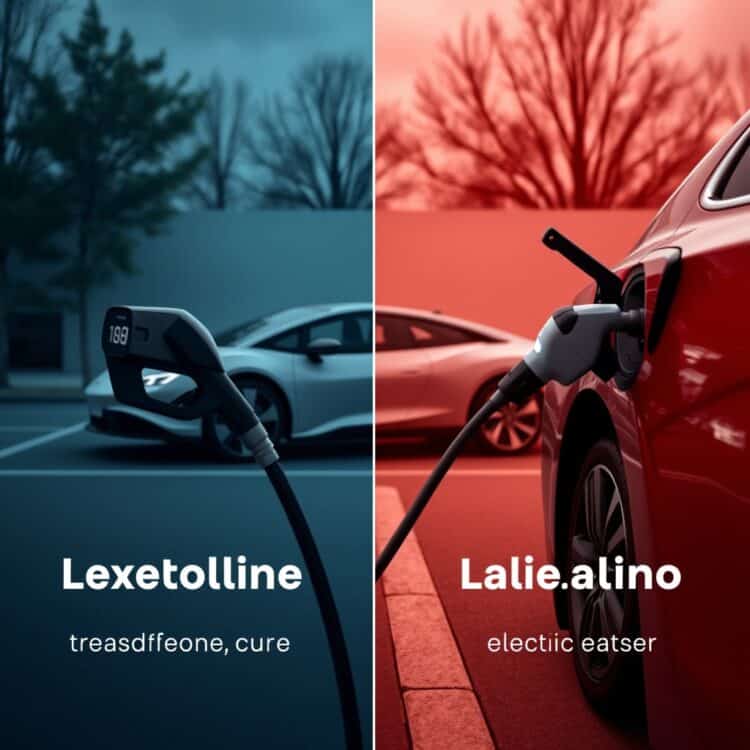
Hybrid cars often outlast traditional petrol or diesel vehicles, thanks to their dual-power systems. While a conventional car might last 150,000 miles, many hybrids exceed 200,000 miles with proper care. The electric motor reduces strain on the petrol engine, distributing wear more evenly. We’ve seen hybrids with over a decade of service still running smoothly. It’s a testament to their robust design and engineering.
That said, hybrids do have a unique challenge: battery replacement. While the rest of the car may last, the battery will eventually degrade. However, modern batteries are designed to last the life of the vehicle, and replacement costs have dropped significantly. When you factor in lower fuel and maintenance costs, hybrids often prove more economical over time. It’s a long-term investment that pays off.
Cost of Ownership Over Time
Hybrids may have a higher upfront cost, but their long-term savings are undeniable. Lower fuel consumption, reduced maintenance, and longer lifespans offset the initial price difference. We’ve crunched the numbers, and over a 10-year period, hybrids often cost less to own than traditional cars. Tax incentives and lower insurance premiums in some regions sweeten the deal even further.
Resale value is another advantage. Hybrids retain their value better than petrol cars, especially as fuel prices rise. If you’re planning to sell or trade in your car down the line, a hybrid is a smart choice. Our advice? Think beyond the sticker price. The true cost of ownership reveals the real value of a hybrid. It’s not just about saving money—it’s about making a wise investment.
Warranty and Support Options
Understanding Warranty Coverage
When it comes to hybrid cars, warranty coverage can be a game-changer. Most manufacturers offer comprehensive warranties that cover the battery and hybrid components for up to 8 years or 100,000 miles. I’ve found that these warranties often include roadside assistance and free software updates, ensuring your hybrid stays in top shape. It’s crucial to read the fine print, though, as some exclusions might surprise you. For instance, wear-and-tear items like brake pads aren’t usually covered, but the peace of mind for the hybrid system is invaluable.
We often overlook the importance of warranty transferability, but it’s a key factor if you plan to sell your hybrid car. Some warranties remain valid for subsequent owners, which can boost the resale value. I recommend checking if the warranty includes hybrid-specific components, as this can save you thousands in potential repairs. Always keep your service records handy—manufacturers may require proof of regular maintenance to honour the warranty. It’s a small step that pays off big time.
Choosing the Right Warranty Plan
Not all warranty plans are created equal, and choosing the right one can make or break your hybrid ownership experience. Extended warranties are worth considering, especially if you plan to keep the car beyond the factory coverage. I’ve seen cases where third-party warranties offer competitive rates, but they often come with stricter terms. Stick to manufacturer-backed plans if possible—they’re more reliable and usually include perks like loaner cars during repairs. It’s all about balancing cost and coverage to suit your needs.
Another thing to watch out for is the deductible. Some plans have low upfront costs but high deductibles, which can add up over time. I always advise hybrid owners to compare multiple options and read reviews before committing. Don’t forget to factor in the common issues specific to your model. A little research now can save you from headaches later. And remember, the cheapest plan isn’t always the best—quality coverage is worth the investment.
Resale Value and Lifespan
How Lifespan Affects Resale Value
Hybrid cars tend to hold their value better than traditional vehicles, thanks to their reputation for longevity. A well-maintained hybrid can easily last 150,000 miles or more, which translates to higher resale prices. I’ve noticed that buyers are willing to pay a premium for hybrids with a proven track record of reliability. The key is to keep up with maintenance and address any issues promptly. A full service history can significantly boost your car’s appeal when it’s time to sell.
Battery health is another critical factor. Potential buyers often worry about replacement costs, so having a recent battery inspection report can ease their concerns. If your hybrid is still under warranty, highlight this in your listing—it’s a major selling point. I’ve seen listings that mention reliability ratings perform better, as buyers trust data-backed claims. A little transparency goes a long way in building confidence and fetching a better price.
Tips for Maximizing Resale Value
Maximizing resale value starts long before you decide to sell. Regular maintenance, like oil changes and tire rotations, keeps your hybrid running smoothly and looking its best. I always recommend keeping the interior and exterior in pristine condition—small dings and stains can turn off potential buyers. Consider investing in professional detailing before listing your car; it’s a small cost that can yield big returns.
Timing your sale can also make a difference. Hybrids often sell faster in markets with high fuel prices or strict emissions regulations. If you’re in no rush, wait for the right moment to list. And don’t forget to highlight unique features, like regenerative braking or low mileage, in your ad. A well-crafted listing with performance details can attract serious buyers. It’s all about presenting your hybrid as a smart, long-term investment.
Troubleshooting Common Lifespan Issues
Identifying Early Warning Signs
Hybrid cars are generally reliable, but they’re not immune to issues. One of the first signs of trouble is a drop in fuel efficiency, which could indicate a problem with the battery or hybrid system. I’ve also noticed that strange noises, like whining or clicking, often point to electrical issues. Don’t ignore dashboard warning lights—they’re your car’s way of asking for help. Catching problems early can prevent costly repairs down the line.
Another red flag is uneven battery performance. If your hybrid struggles to hold a charge or the electric range decreases noticeably, it’s time for a diagnostic check. I recommend using a certified technician who specializes in hybrids—they have the tools and expertise to pinpoint issues accurately. Regular software updates can also prevent glitches that affect performance. Staying proactive is the best way to extend your hybrid’s lifespan and avoid surprises.
Solutions for Common Problems
Many common hybrid issues have straightforward solutions. For example, a failing 12-volt battery can cause starting problems, but it’s an easy and affordable fix. If the main hybrid battery is underperforming, a reconditioning service might restore its efficiency. I’ve seen cases where simple software updates resolved erratic behaviour in the hybrid system. Always start with the simplest solutions before assuming the worst.
For more complex issues, like inverter or motor problems, professional help is essential. Some repairs are covered under warranty, so check your policy before paying out of pocket. I’ve found that joining hybrid owner forums can provide valuable insights and DIY tips. Remember, regular maintenance is the best prevention—don’t skip those service appointments. A little care goes a long way in keeping your hybrid on the road for years to come.
Expert Tips for Extending Lifespan
Professional Maintenance Advice
We’ve found that sticking to a strict maintenance schedule is the golden rule for keeping your hybrid car running smoothly. Regular oil changes, brake inspections, and tyre rotations are non-negotiables. But hybrids demand extra attention—like checking the hybrid battery and cooling system. Trust us, skipping these can shave years off your car’s life. Always use a mechanic who specialises in hybrids; they’ll spot issues before they become costly disasters.
Another pro tip? Keep an eye on fluid levels. Hybrids rely on transmission fluid, coolant, and brake fluid more than traditional cars. Low levels can strain the system, leading to premature wear. We recommend checking fluids monthly and topping them up as needed. And don’t forget the air filters—clogged filters force the engine to work harder, reducing efficiency and lifespan. A little vigilance goes a long way.
Upgrades Worth Considering
If you’re serious about longevity, consider upgrading your hybrid’s software. Manufacturers release updates to optimise performance and battery life. These tweaks can improve efficiency and even extend the battery’s lifespan. Ask your dealer about the latest updates—it’s often a quick and affordable fix. Another smart upgrade? High-quality tyres. They reduce rolling resistance, easing the load on your hybrid system and improving fuel economy.
For those in extreme climates, investing in a battery warmer or cooler can be a game-changer. Temperature extremes are brutal on hybrid batteries, and these devices help maintain optimal operating conditions. Lastly, consider a ceramic coating for your car’s exterior. It protects against rust and corrosion, which can silently eat away at your car’s structural integrity. Small investments now can save you big headaches later.
The Role of Software in Vehicle Longevity
Software Updates and Their Importance
Software is the unsung hero of hybrid longevity. Modern hybrids rely on complex algorithms to manage power distribution between the engine and battery. Outdated software can lead to inefficiencies, reducing both performance and lifespan. We’ve seen cars transform after a simple update—smoother acceleration, better fuel economy, and even longer battery life. Always stay on top of recalls and updates; they’re often free and take minutes to install.
But it’s not just about performance. Software updates often include bug fixes that prevent minor issues from becoming major problems. For example, a glitch in the regenerative braking system could wear out the pads prematurely. Updates address these quirks, ensuring every component works harmoniously. Think of it as giving your car a regular tune-up for its brain—essential for a long, healthy life.
Customising Settings for Optimal Performance
Did you know you can tweak your hybrid’s settings to match your driving style? Many models offer eco modes that prioritise battery use, reducing strain on the engine. We recommend using this mode for city driving—it’s gentler on the system and extends the battery’s life. For highway trips, switching to a balanced mode ensures the engine and battery share the load evenly, preventing overuse of either component.
Another trick? Adjust the regenerative braking intensity. Higher settings recharge the battery faster but can feel jerky. Lower settings are smoother but less efficient. Finding the right balance saves wear on both the brakes and battery. And don’t ignore the climate control settings—using seat heaters instead of the cabin heater can reduce battery drain in winter. Small customisations add up to big longevity gains.
Evaluating When to Upgrade or Replace
Signs It’s Time for a New Vehicle
Even the best-maintained hybrid won’t last forever. Watch for warning signs like frequent breakdowns, rising repair costs, or a noticeable drop in fuel efficiency. If your battery’s performance has plummeted and replacements are costly, it might be time to move on. We’ve seen owners cling to cars past their prime, only to face mounting bills. A good rule of thumb? If repairs exceed the car’s value, it’s time to say goodbye.
Another red flag is outdated technology. Older hybrids lack the efficiency and safety features of newer models. If your car feels sluggish or lacks modern conveniences, upgrading could save you money in the long run. And let’s not forget emissions—newer hybrids are cleaner and greener. If you’re eco-conscious, trading up is a no-brainer. Listen to your car; it’ll tell you when it’s ready to retire.
Making an Informed Decision
When considering a replacement, weigh the costs carefully. Calculate the total cost of ownership—purchase price, fuel savings, maintenance, and potential resale value. We’ve found that newer hybrids often pay for themselves in fuel savings alone. Research models with proven reliability and strong warranties. And don’t overlook certified pre-owned options—they offer nearly new performance at a fraction of the cost.
Finally, test drive multiple models to find the right fit. Pay attention to how the car handles, the battery’s range, and the tech features. A car that suits your lifestyle will last longer because you’ll take better care of it. And remember, hybrids are evolving fast—today’s models are more durable than ever. Upgrading isn’t just about replacing; it’s about stepping into a better, longer-lasting ride.
Frequently Asked Questions
How long does a hybrid battery typically last?
Most hybrid batteries last between 8 to 15 years, depending on usage and maintenance. Regular driving and proper care can push it toward the upper end. Extreme temperatures and frequent deep discharges can shorten its lifespan. Always follow the manufacturer’s guidelines for optimal performance.
Is it worth replacing a hybrid battery?
Yes, if the rest of the car is in good condition. Battery replacements can be costly, but they’re often cheaper than buying a new car. Plus, newer batteries are more durable and efficient. We recommend getting a quote and comparing it to the car’s value before deciding.
Do hybrid cars require more maintenance?
Not necessarily. Hybrids have fewer moving parts in the engine, reducing wear. However, they do require specialised care for the battery and electric components. Stick to the maintenance schedule and use a hybrid-savvy mechanic to keep costs down.
Can I extend my hybrid’s lifespan with driving habits?
Absolutely! Gentle acceleration, smooth braking, and avoiding extreme speeds reduce strain on the battery and engine. Using eco modes and regenerative braking also helps. Think of it as driving with longevity in mind—your car will thank you.
When should I consider upgrading my hybrid?
Consider upgrading when repair costs outweigh the car’s value, or when newer models offer significant efficiency or safety improvements. If your battery is failing and replacements are expensive, it might be time to explore newer options. Always weigh the long-term benefits.